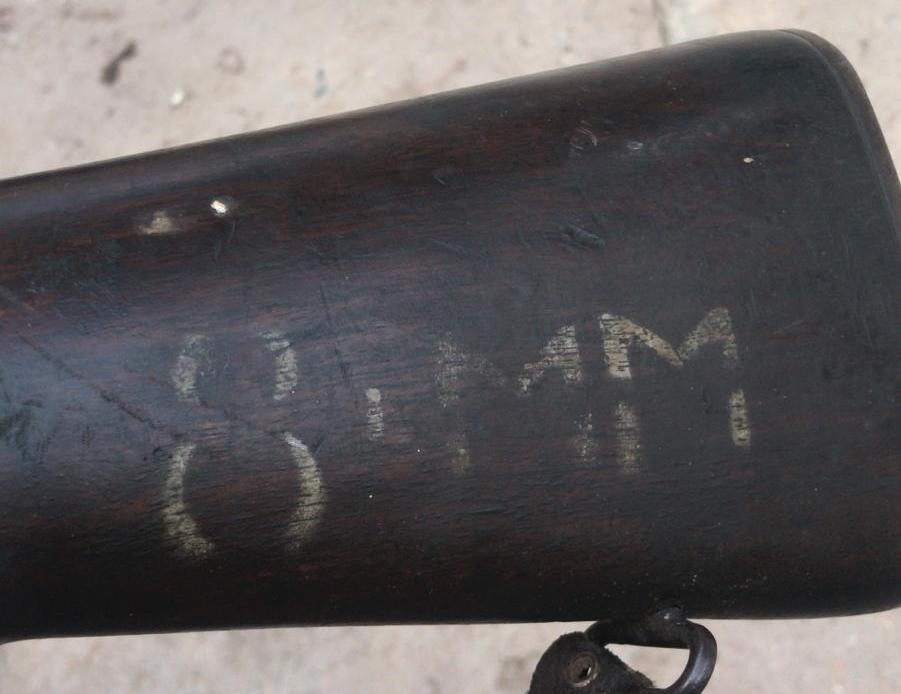
Due to the local economics of supply and demand, there is often a need to convert small arms to more available calibers in areas of the world where the supply of ammunition is a constant concern or has drastically risen in price. In the case of Pakistan, we see this very clearly with the popular use of 7.92 × 57 mm ammunition (colloquially known as ‘8mm’) among converted and rechambered firearms originating from the traditional gunmaking towns in the Federally Administered Tribal Areas adjacent to the Kyber Pakhtunkhwa region on the Northwestern borders of Pakistan (formerly known as the North-West Frontier Province/NWFP, or abbreviated to KPK Region). One of the most interesting of these is the 8mm M1 Garand.
Traditionally improvised or craft assembled firearms from these regions have been called “Kyber Pass” guns by Western travelers and researchers, named after the Kyber Pass that links the Pakistani city of Peshawar to the Afghan city of Jalalabad across the border and over the Hindu Kush Mountain Range. However, a more accurate and locally correct name for these firearms is “Darraie”, named after the most famous of Pashtun villages in the region that have been craft-producing and craft-assembling small arms for well over a century, Darra Adam Khel.
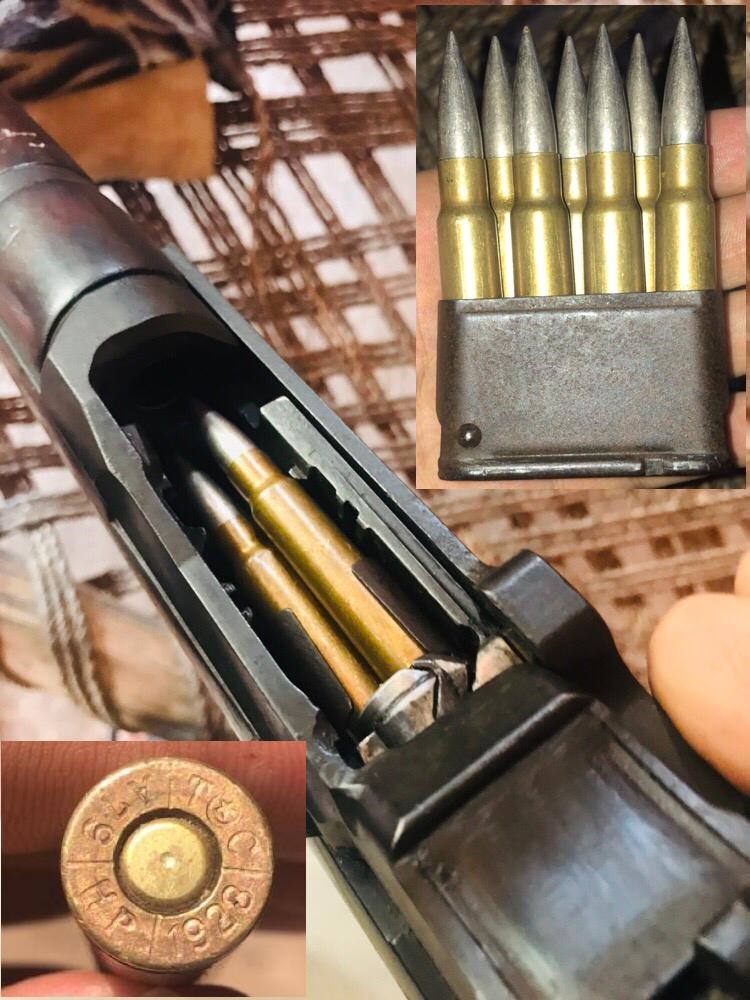
A number of eclectic creations have emerged from this region to match the demand for rifles chambered in 8mm. Bolt action, detachable magazine-fed rifles that are in the guise of a Kalashnikov receiver and furniture are possibly some of the most bizarre, but there are also semi-automatic Kalashnikov actions that accept ZB30 magazines. Enough 8mm ammunition is still present in the region to make purchasing it relatively affordable. Surplus rounds are on the open market, examples of Turkish and Persian 8mm Mauser have been noted. Specifically we’ve observed examples of 1928-marked Ankara Arsenal head stamps, and Persian 1940s-era rounds, still in their cloth bandoleers. The Persian surplus can still be purchased for approximately 80 Pakistani Rupees a round (around 50 cents) in addition to well-developed craft community of reloading where local gunsmiths are able to reload and sometimes even neck down and modify spent cartridges in order so that they may chamber in firearms for sale in the bazaars.
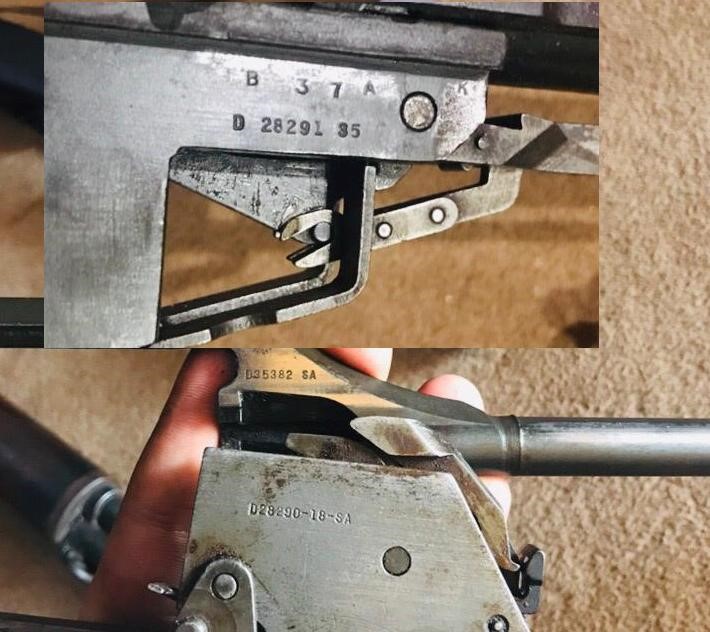
M1 rifles arrived in Pakistan via U.S. Department of Defense Foreign Military Assistance aid programs beginning in 1963 and ending in 1965. A total of at least 189,326 rifles and 12 M1C rifles were provided to the Pakistani Army during this period. These were surplus M1 Garands that the Pakistanis used in service until Pakistani Ordnance Factories began producing 7.62 × 51 mm NATO G3 sel-loading rifles under license from Heckler & Koch. During this period of service the M1 rifles remained chambered in .30-06. How the rifles were decommissioned from military service leaves much to be researched, but we do know that many found their way into local bazaars in Pakistan. Due to the unavailability of large amounts of .30-06 on the civilian market, a number of gunsmiths in the tribal regions began reaming the barrels, and converting the magazines of the M1s in order that they could chamber 8mm Mauser ammunition as this was and still is a popular round in abundance in the Kyber Pakhtunkhwa Region.
These conversions occurred on a case by case basis with these rifles, as there are still M1 rifles in the region that have remained unconverted, in addition to some .30-06 ammunition being sold in select marketplaces (albeit, in low supply and expensive compared to 8mm Mauser). They are certainly not the most popular of surplus arms, but sufficient conversions exist that collectors in the KPK region are certainly aware of their existence and may own these rifles themselves. Some speak of the M1 Garand as a revered old battle rifle that is still just as capable today as when it was first introduced into service.
(Note: This article originally appeared in the Fall 2019 issue of the Garand Collectors Association Journal)
Sources
Interviews with Zohaib Pasha and Sardar Sameed Hasan Naki
Photographs from Zohaib Pasha
Foreign Military Sales data from <www.USrifleCal30M1.com>