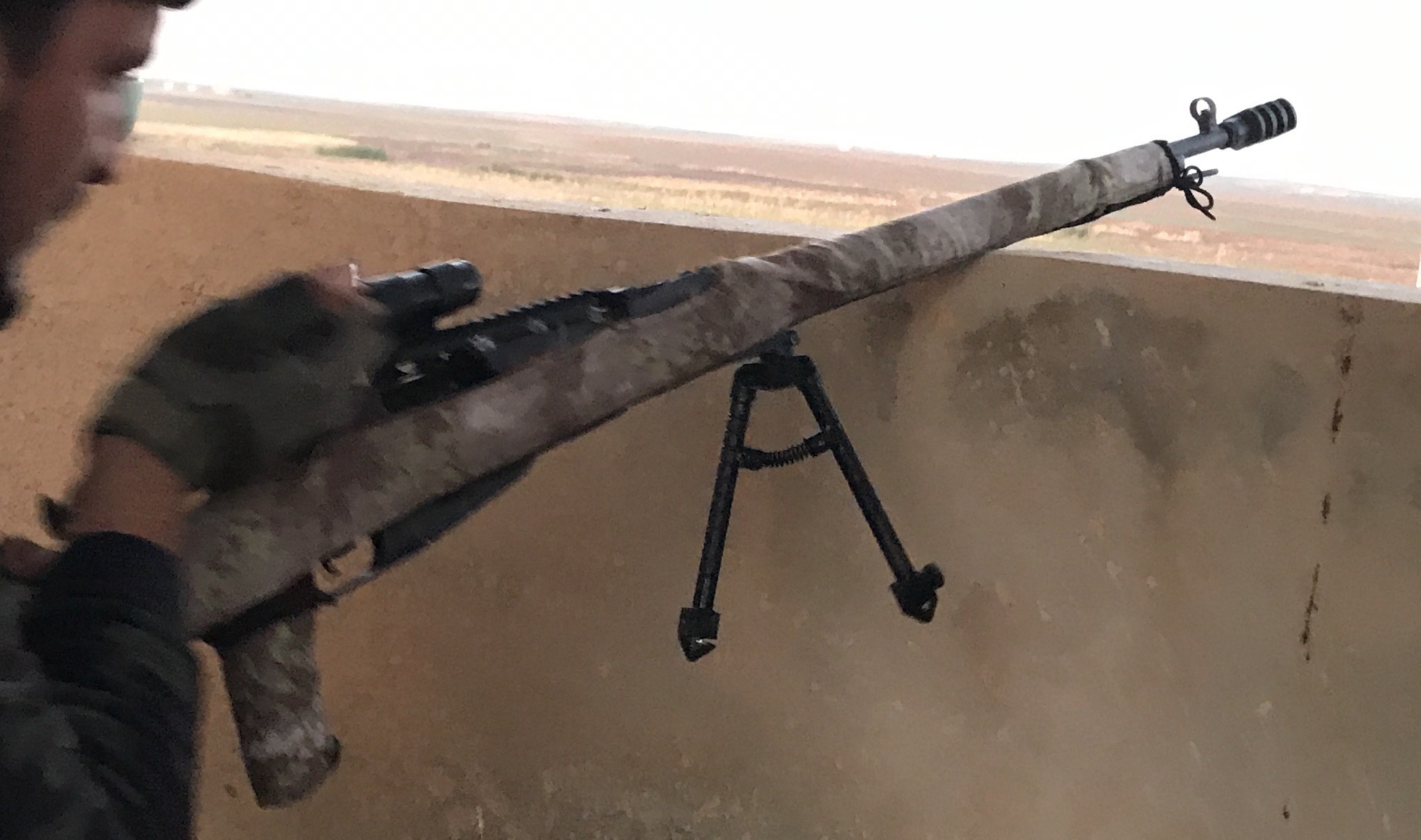
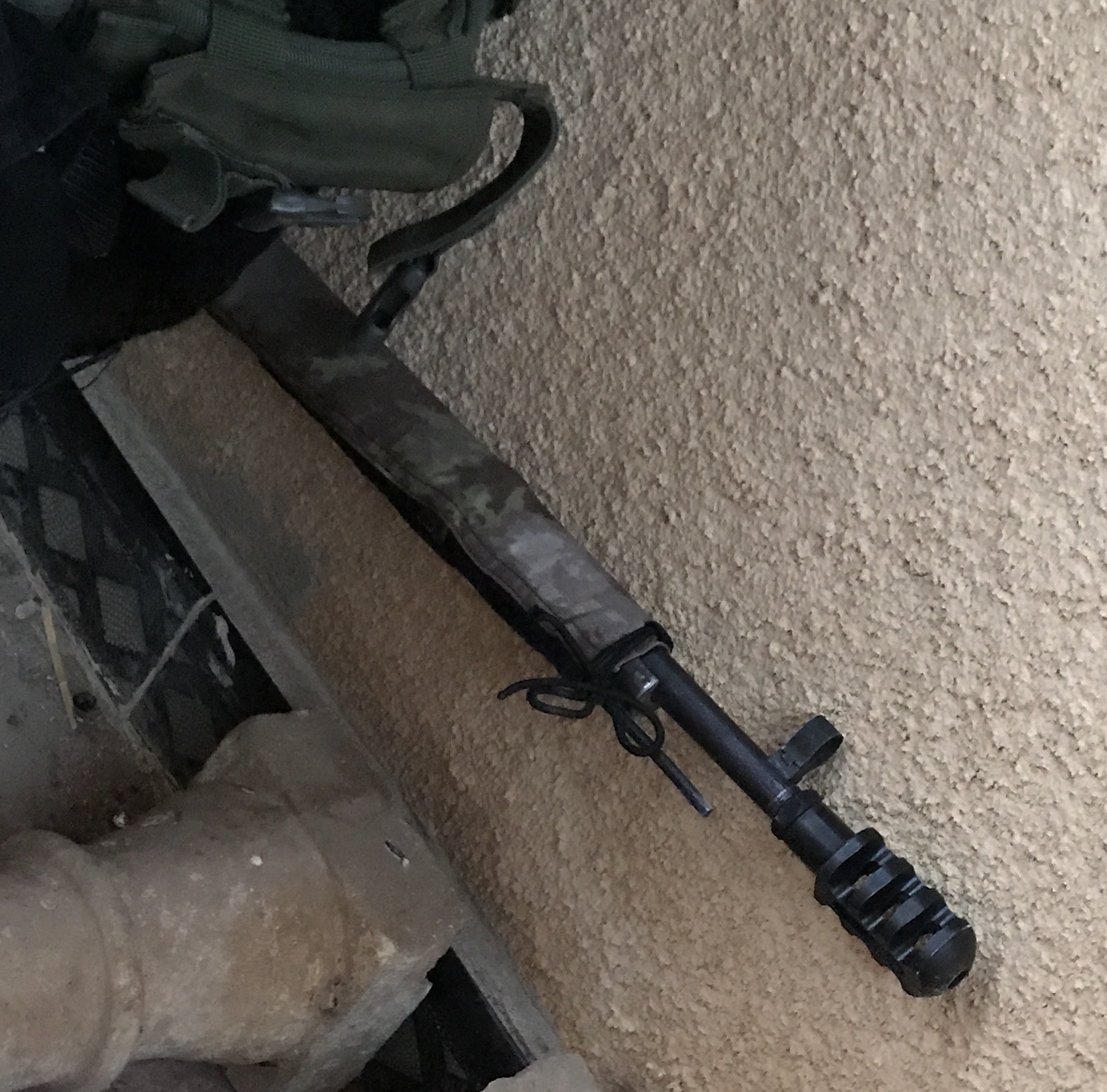
A phenomenon that has been observed with YPG/YPJ Fighters in recent years has been the practice of wrapping service rifles with fitted fabric. The extent to which rifles have been fitted goes from small pieces that might just cover the magazine or handguard to full-length covers that can sometimes enclose the entire rifle. The reason behind these wraps range from a sort of camouflage to a purely aesthetic venture.
During this series of articles we have examined the localised trend of wrapping weapons with fabric by members of the YPG/YPJ, so far we have looked at Kalashnikov wraps, M16/M4 wraps, and now in this final edition we will examine Dragunov wraps. Please check out the previous two parts of this series if you haven’t already.
The practice of camouflaging rifles is used all over the world, whether it be with patterns of spray paint (otherwise known as bo-flauging among U.S. Marine sniper platoons), hydro dipping (as is commonly seen in Idlib workshops), or even taping the rifle with different colors of rugged adhesive tape (as is practiced by British Army snipers). In the case of the YPG/YPJ a more popular reason stems from an aesthetic nature. The practice appears to have started when the defense movement began to pick up steam as the fight against the so-called Islamic State intensified in Syria. It has thus far not previously been seen with the HPG (PKK military arm), where some of the origins of the YPG/YPJ lay.
However, it was seen in use with IS precision riflemen both before and concurrently when the YPG/YPJ fabric covers came into use. As is common with many other tactics and techniques in the Syrian Civil War, we see many of the same effective methods seen in use throughout different opposing forces as they adopt what might have been useful against them. In the case of IS, the practice appears to have been confined to precision rifles in order to camouflage them while in hide sites. Propaganda videos online show these “snipers” with the different weapon wraps, but more information is needed to be certain about more IS use. Interestingly, we see YPG/YPJ precision marksmen also wrapping Dragunov-derivatives in camouflage fabric – the topic of this article – so there might be a possible connection that jumped from IS marksmen to YPG/YPJ-shooters and then spread throughout the force as the wrap became less of a tactical choice and more of an aesthetic one.
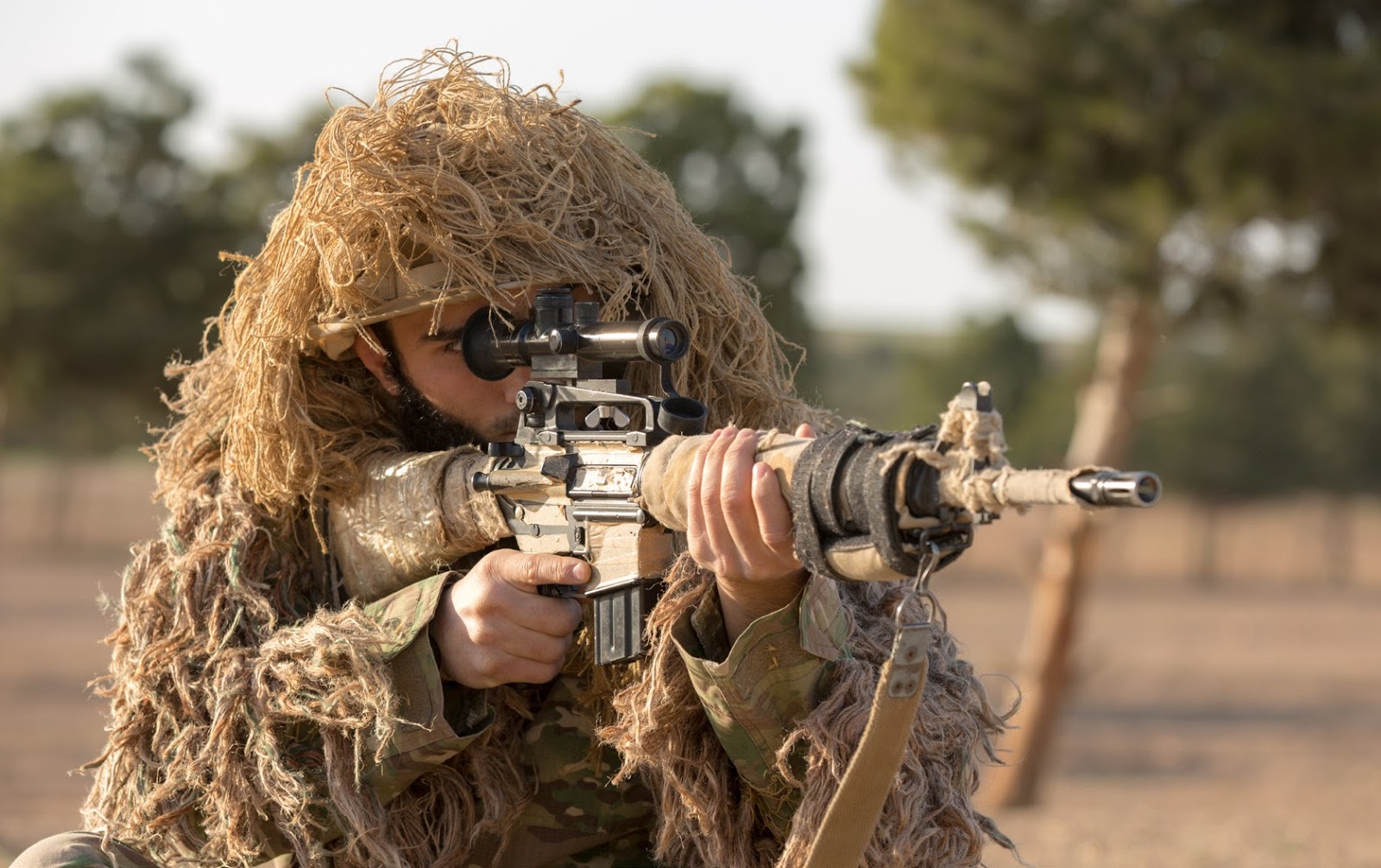
Some of these wraps make for very questionable tactical decision making. Such as magazine wraps that won’t allow for the magazine to drop free during a reload, or full rifle wraps that cover the receiver in a way that they even prevent basic operation of the weapon’s safety, magazine catch, or even muzzle. One such fighter the author interviewed admitted that it might be slightly slower to access his fire controls, but that the fabric was protecting his rifle against the elements.
In regards to standardization with these wraps, there is none. Conversations with Kurdish fighters reveal that oftentimes experienced fighters will take their old uniforms to local tailors and have them sew the specific wrap that is wanted by that individual fighter. In an effort to establish a sort of classification, we’ve gathered a sample data set from field photographs and open-source imagery and broken them into categories. We’ve classified the types of wraps based on how many components exist and if it is a full wrap or not.
Draganov-Derivatives
One-Piece Wrap
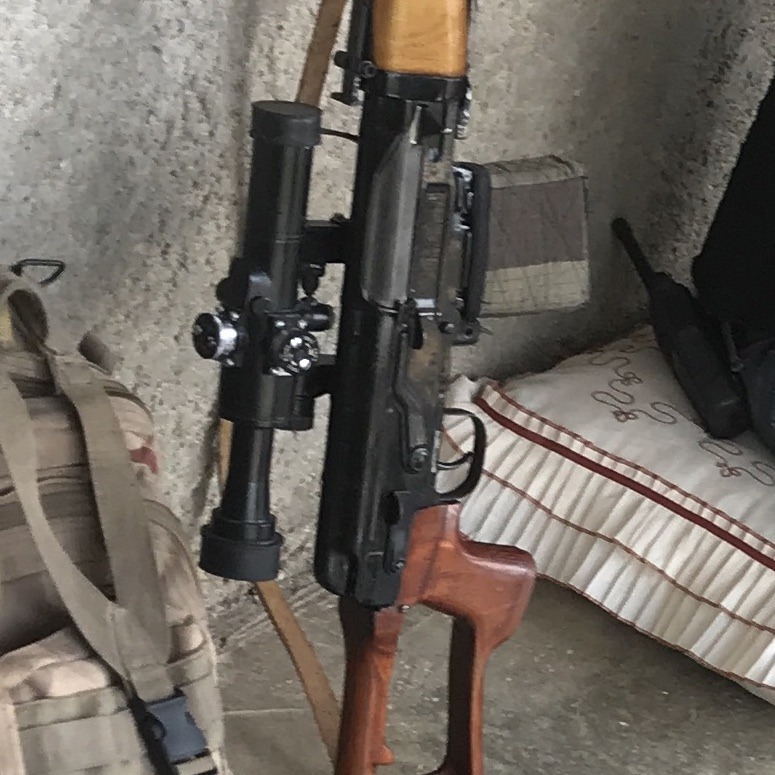
Two-Piece Wraps
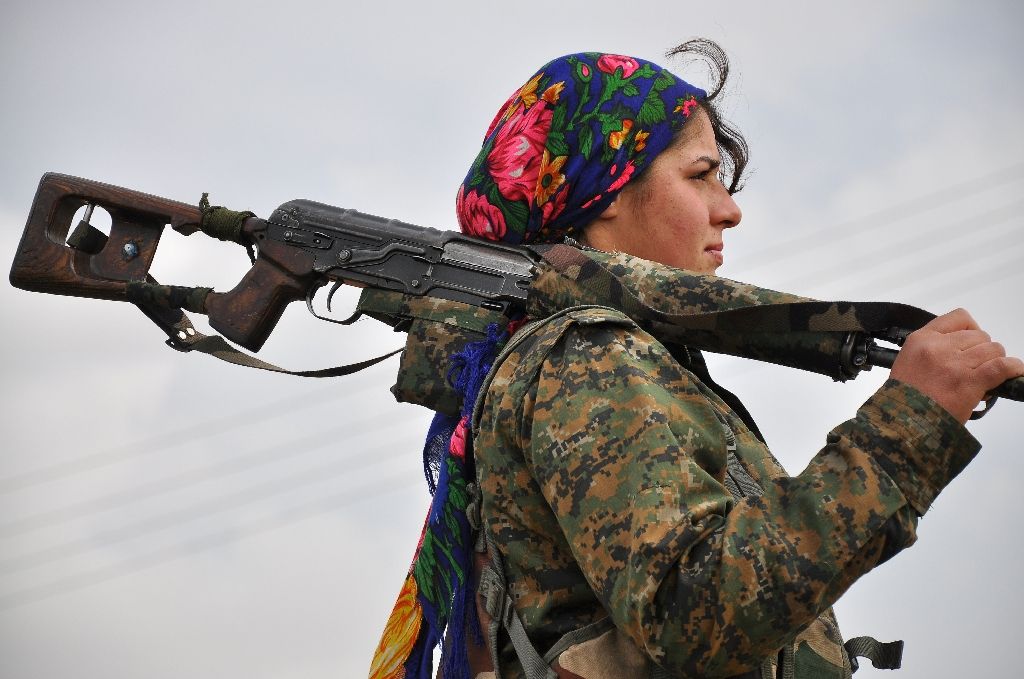
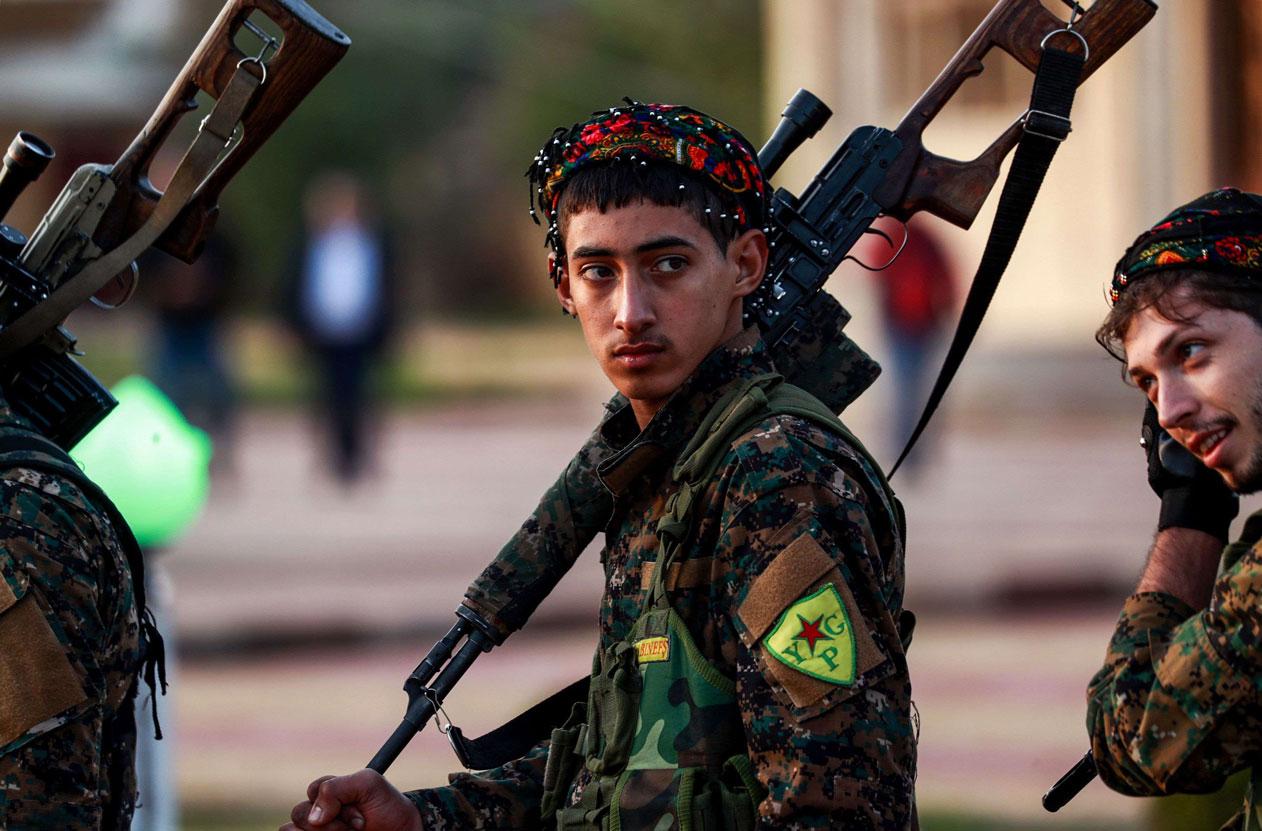
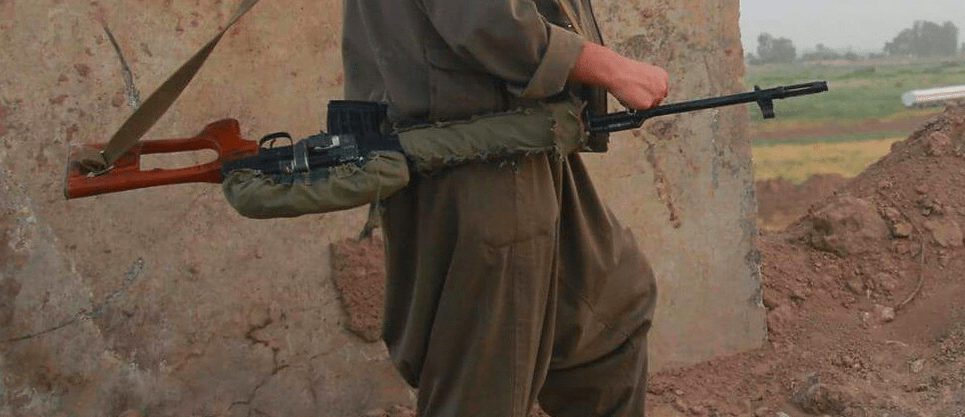
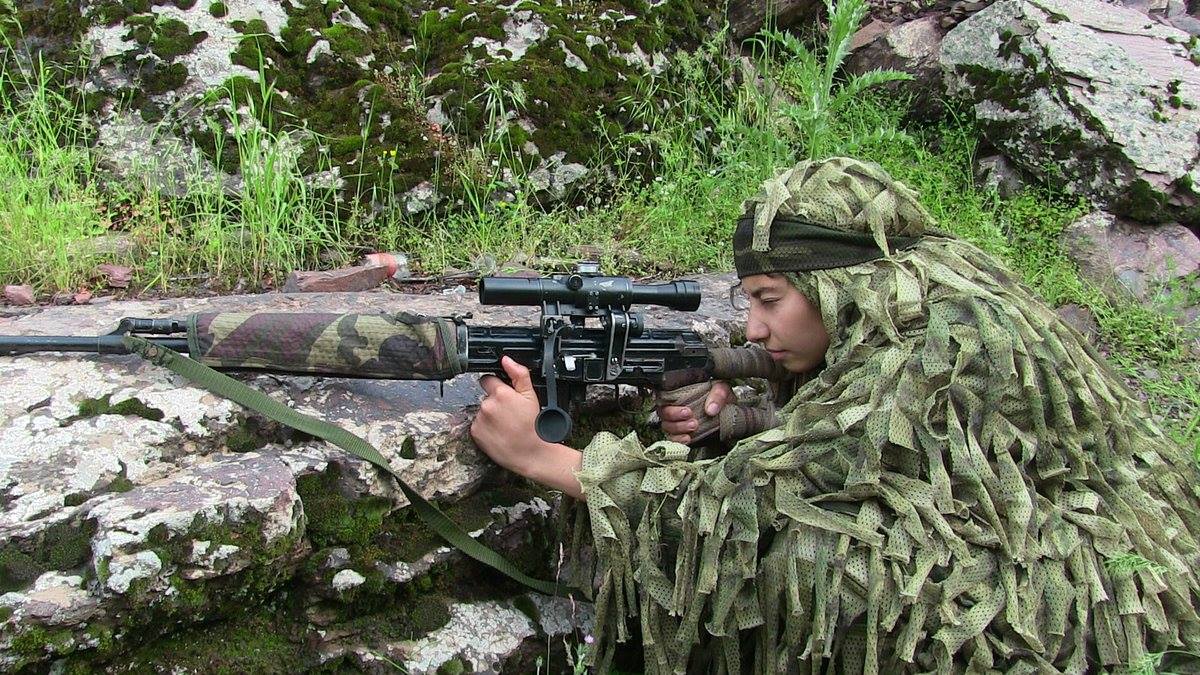
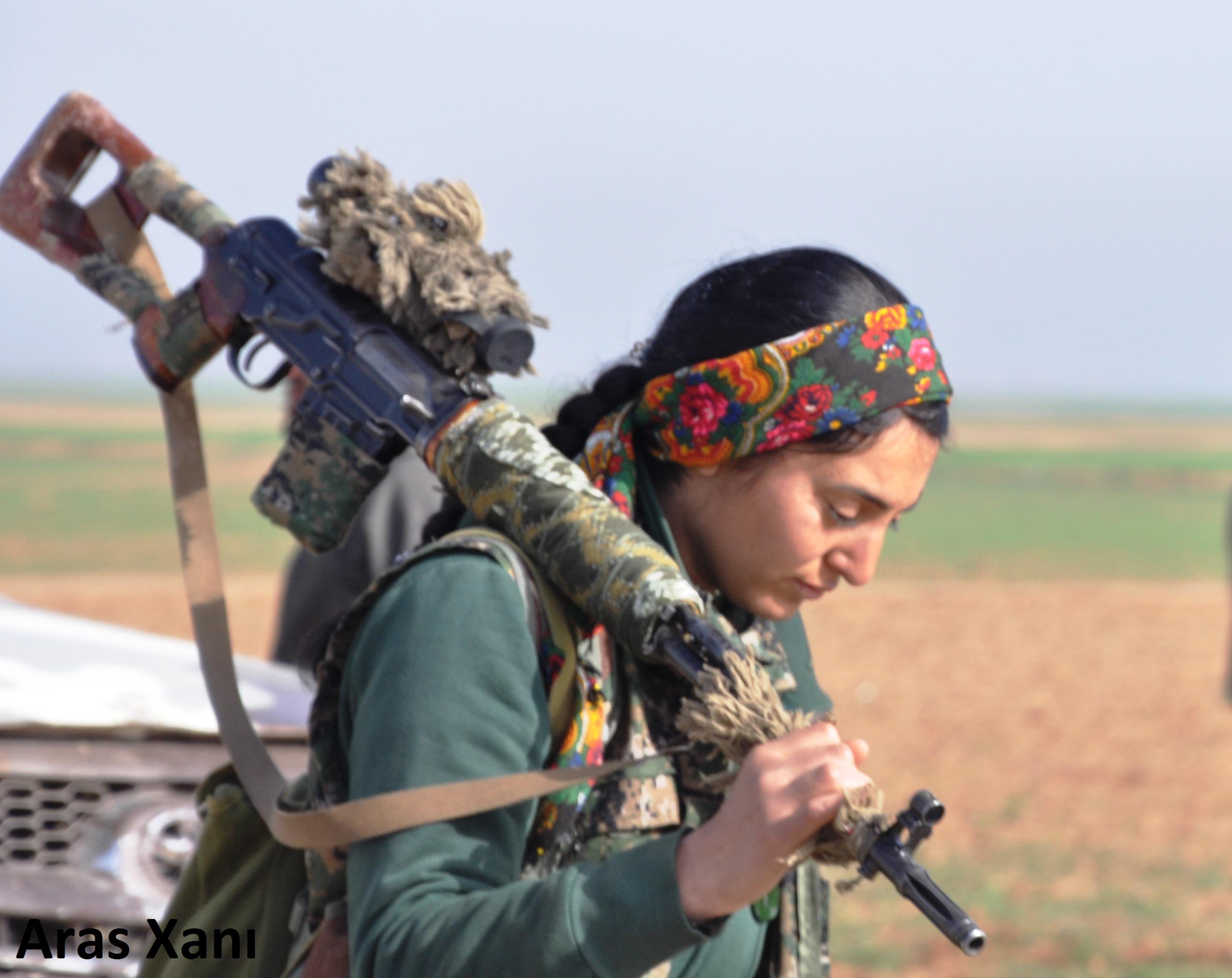
Full-Length Wrap