In our journey to uncover wartime stories from all sides during the Arab-Israeli Conflict we managed to meet Galal Abdo Hashem, an Egyptian living in his home city of Ismalia, a city that witnessed the horrors of war more than once during the 20th century. Galal Abdo Hashem is not a war veteran with military training, in fact, he never fired a single shot towards his enemies, but he decided to do something instead that gained him notoriety and his name written on Egypt’s Honor List. To this day he gives lectures, speaks with journalists and appears on TV shows to speak about his experience and journey during a time when Egypt was at war with Israel. This article is the story of one of Egypt’s civilians who, despite taking up arms to defend his homeland, decided there was another way to contribute to the war effort – art.
Note: The views of the individuals we interview on the Silah Report Podcast represent themselves only and not the views of Silah Report. In Silah Report, one of our core tenets is to remain apolitical and unbiased when it comes to our research. Indeed, in Silah Report we have members from different ethnicities, religions and political views. We do not let our personal convictions affect the quality of the content we provide to our audience and we do our best to provide you with the most accurate and unbiased information available.
https://soundcloud.com/silah-report/galal-a-hashem-interview
Over the decades Galal Abdo Hashem has created a series of statues made out of the shrapnel of war. This is a story that sheds light on the lives of Egyptians during their hardest times, a time where death and destruction were the norm in the city of Ismalia. In this first of several articles we will go through the topics we spoke about in chronological order: his story – beginning with his childhood, his experience during the 1951-1952 Suez Emergency, the 1956 Suez Crisis War and finally the Six-Day War.
In the third part, we will cover his experience during the War of Attrition, construction of his first statue, the Yom Kippur War/ October War, the construction of his second statue and finally his “Universal Peace Project”!
“I didn’t care about the weapons, I cared only about the shrapnel.”
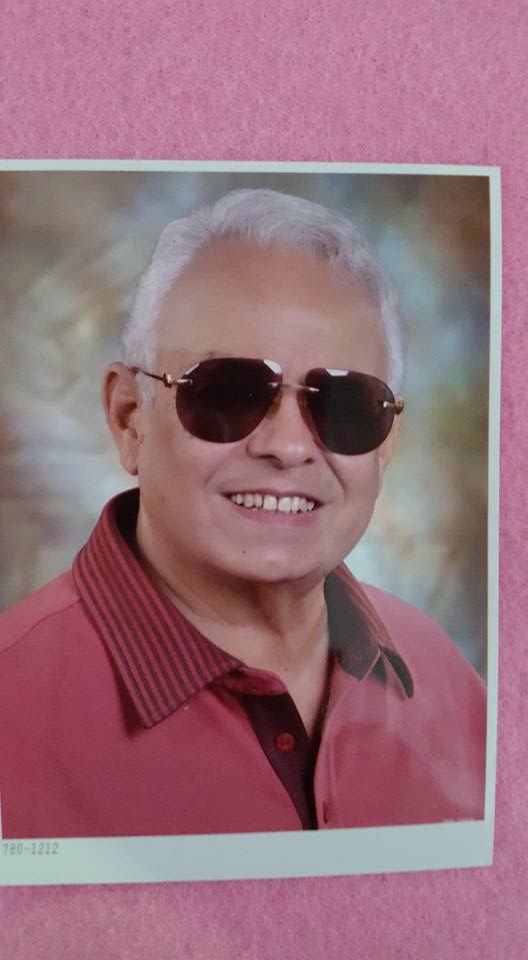
Fig. 1.1. A 4X4 photo for Galal Abdo Hashem (Source: Galal)
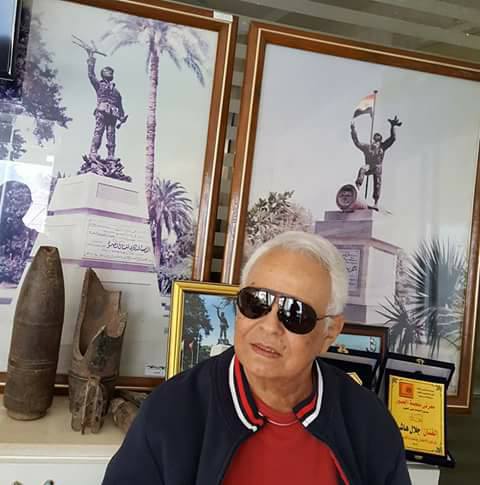
Fig. 1.2. Picture for Galal with two portraits showing the statues he made out of shrapnels, accolades received and the remains of ordnance he collected (Source: Galal)
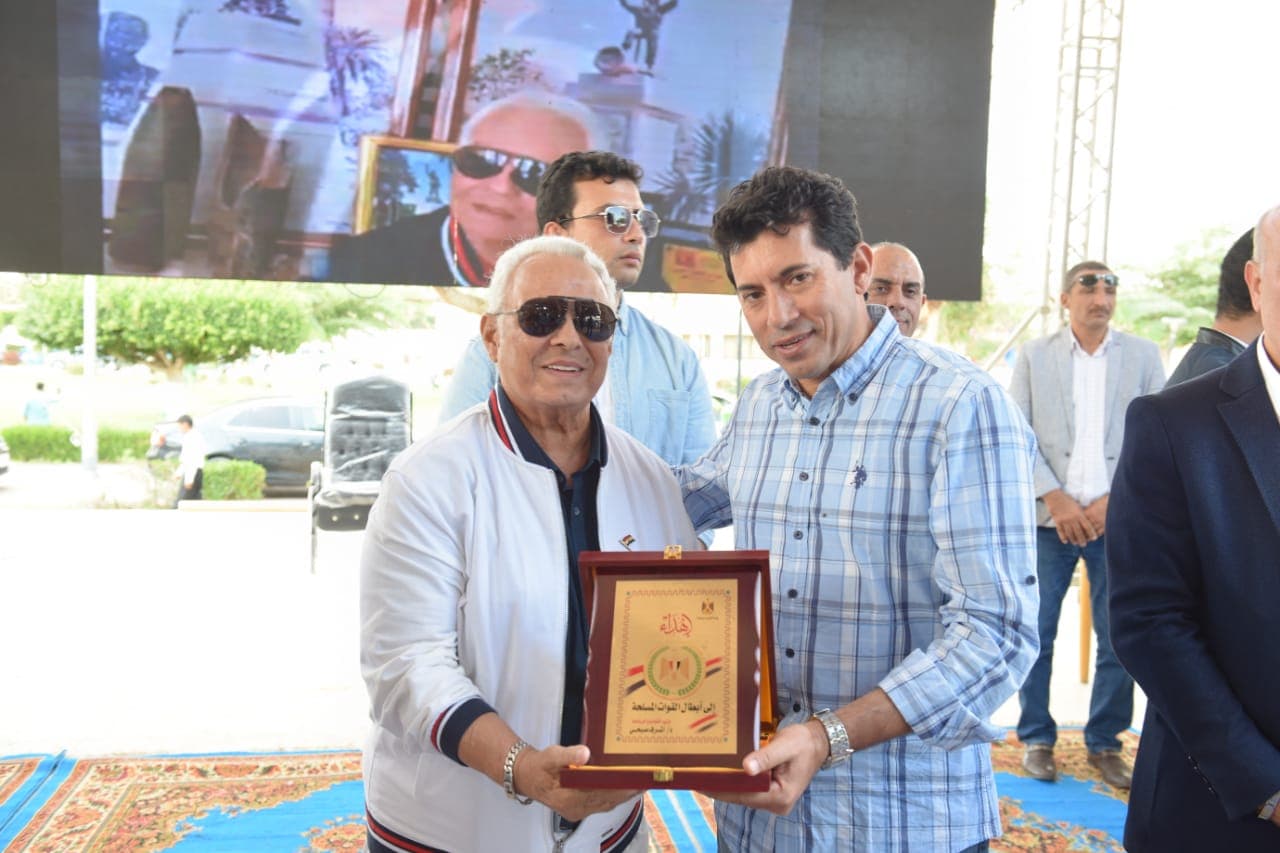
Fig. 1.3. Galal receiving an award at a convention (Source: Galal)
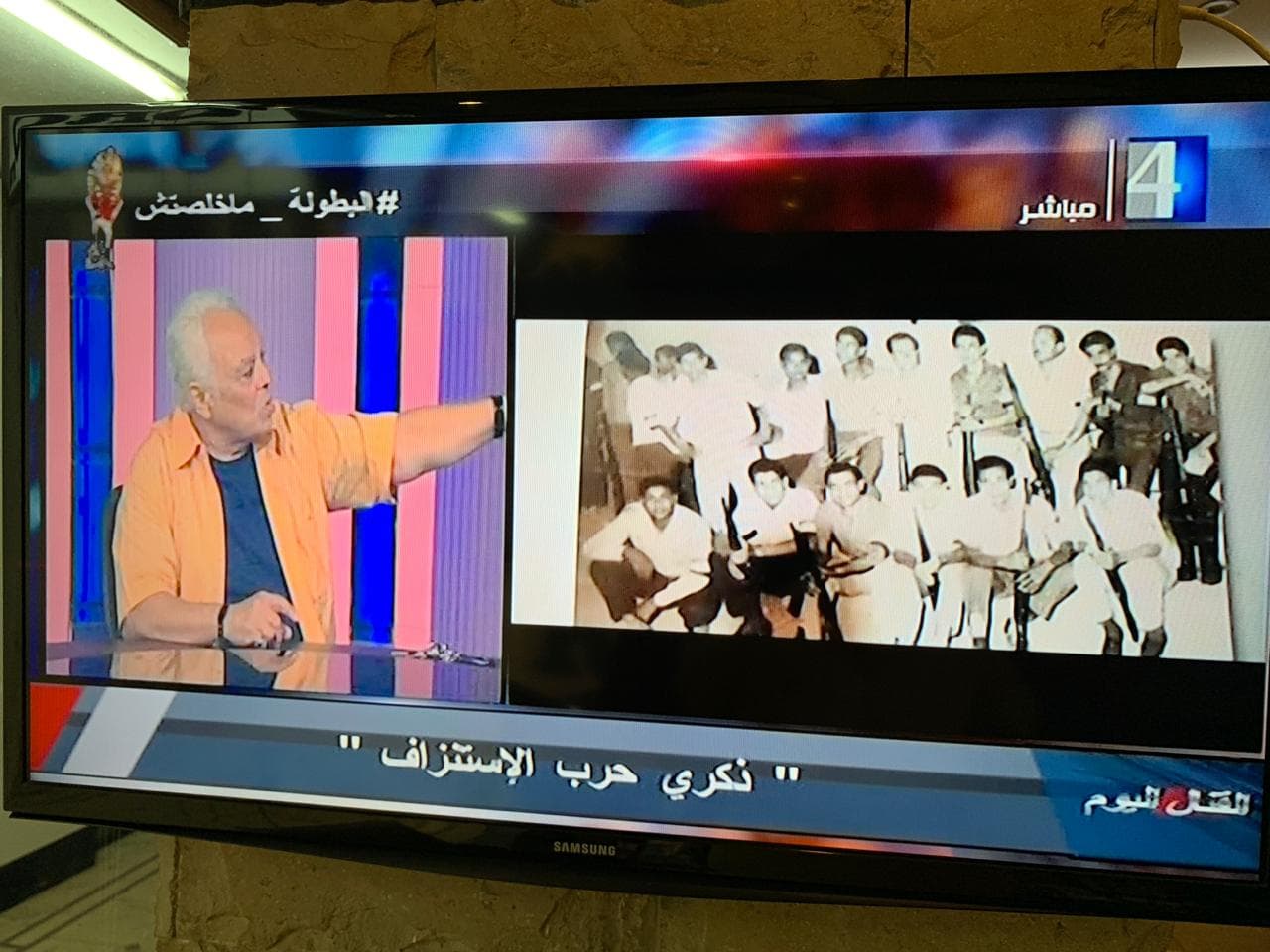
Fig. 1.4. Galal interviewed on an Egyptian TV channel; showing a picture for him and his comrades who carried arms in defense of Ismalia during the War of Attrition (Source: Galal)
Early Years and the ‘Suez Emergency’ (3:02-7:51)
Galal Abdo Hashem was born on the 25th of January 1941, in Ismalia. During his childhood he would see and interact with the sizeable communities of British, French, and Italians living in the city. By the age of eleven, Galal witnessed the older highschool students at his school protesting, chanting anti-British slogans and saw ‘nationalists’ carrying firearms. It was 1951 and Anglo-Egyptian relationships reached a new low; the 1936 Anglo-Egyptian treaty was abrogated by the Wafd government. Egyptian nationalists (or terrorists, as they were labelled by British media) attacked British troops in the country. Galal remembers vividly the protests and how he was moved emotionally and began to become “politically aware” of what is going on in Egypt. He always wanted to join the protests and remembers a nationalist who would visit his father’s shop with a revolver. The nationalist’s name was Mahmoud and Galal would always ask him to show him the revolver. Galal always had the urge to touch the firearm as if it was a holy item because he believed that the firearm was an extension of Egypt’s spirit.
“It is the spirit, not the weapon.” – Galal speaking about the armed resistance during Egypt’s modern wars
What became informally known as ‘Suez Emergency’ culminated in a battle between the Egyptian Auxiliary police force and British troops on the 25th January 1952, in Ismalia. Tanks, APCs and British infantry surrounded the governate building and the police barracks. The police force refused to lay down their weapons and fought until they were ultimately defeated by the superior numbers and weaponry used by the British. Galal remembers the sight of British soldiers totting Bren LMGs and their vehicles driving down the streets of Ismalia. To give a perspective on the scale of threat the nationalists posed to British troops, Galal told us about his trips with his family to the British military governor’s villa. Whenever they had to leave to Cairo for a vacation, they had to get approval from the Governor. Galal would be sitting in the car anxious to see his father coming out of the villa to read his facial expressions, which would tell whether the governor approved or not. On their way to Cairo, they would stop at many British checkpoints that would search their belongings, looking for any firearm or explosives.
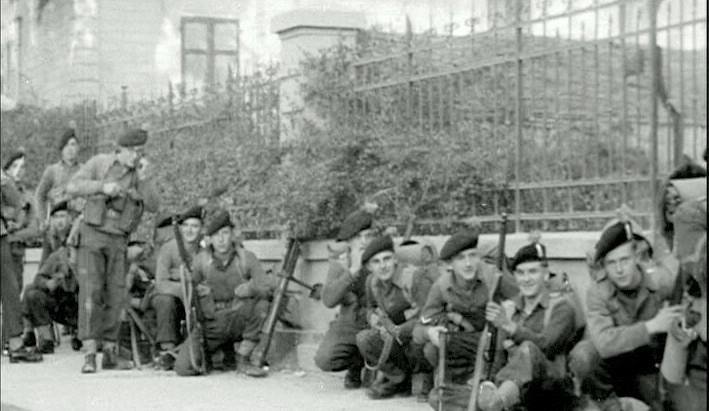
Fig. 1.5. British troops with a PIAT surrounding the barracks during the battle (Source: Ismalia, Army Seize Police HQ – British Pathe)
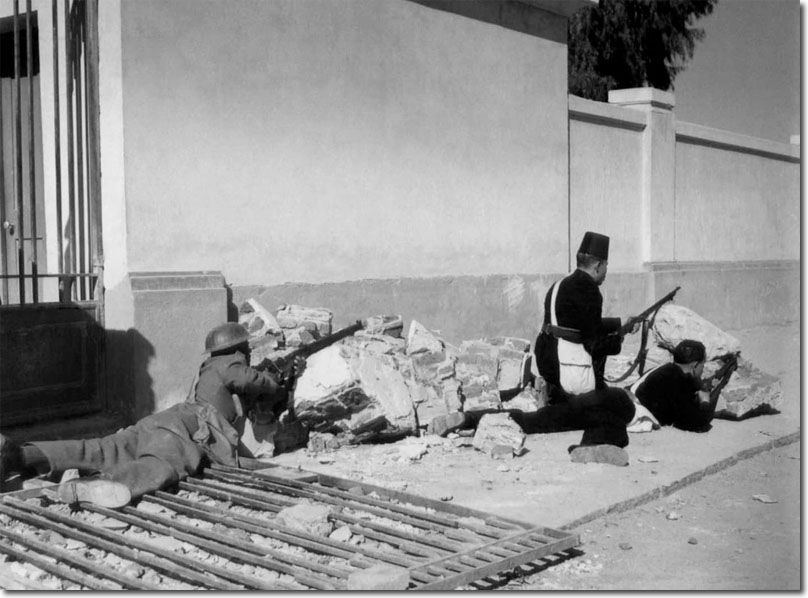
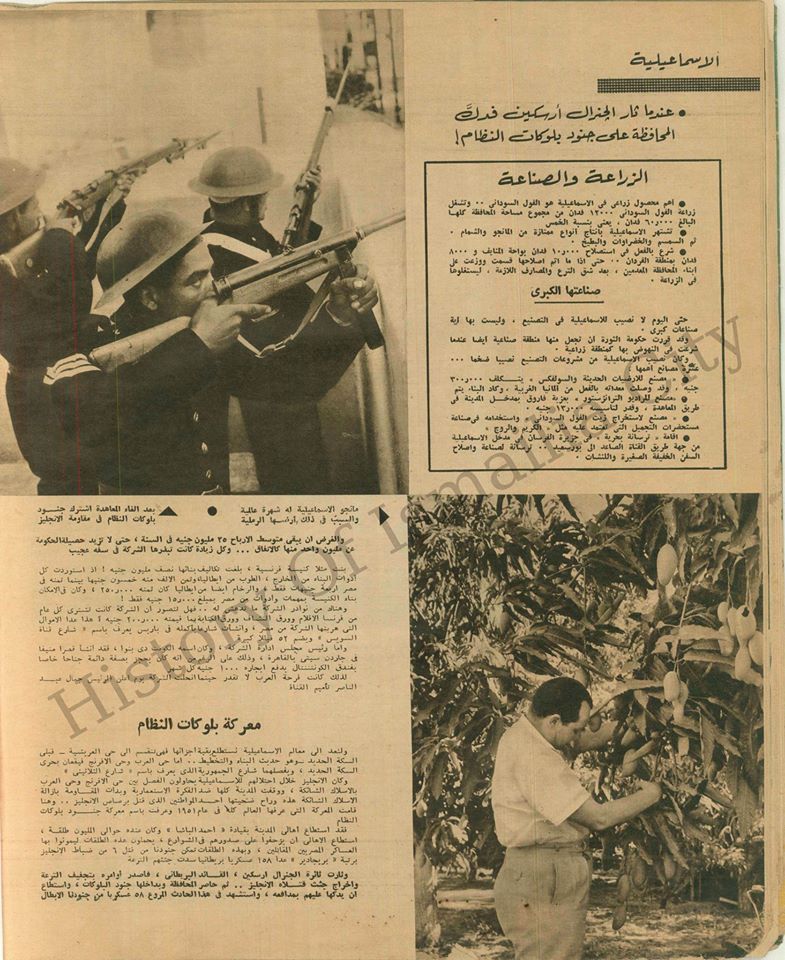
Fig. 1.7. Egyptian police armed with Lee Enfields and a Beretta 38/42. (Source: History of Ismalia City Facebook page)
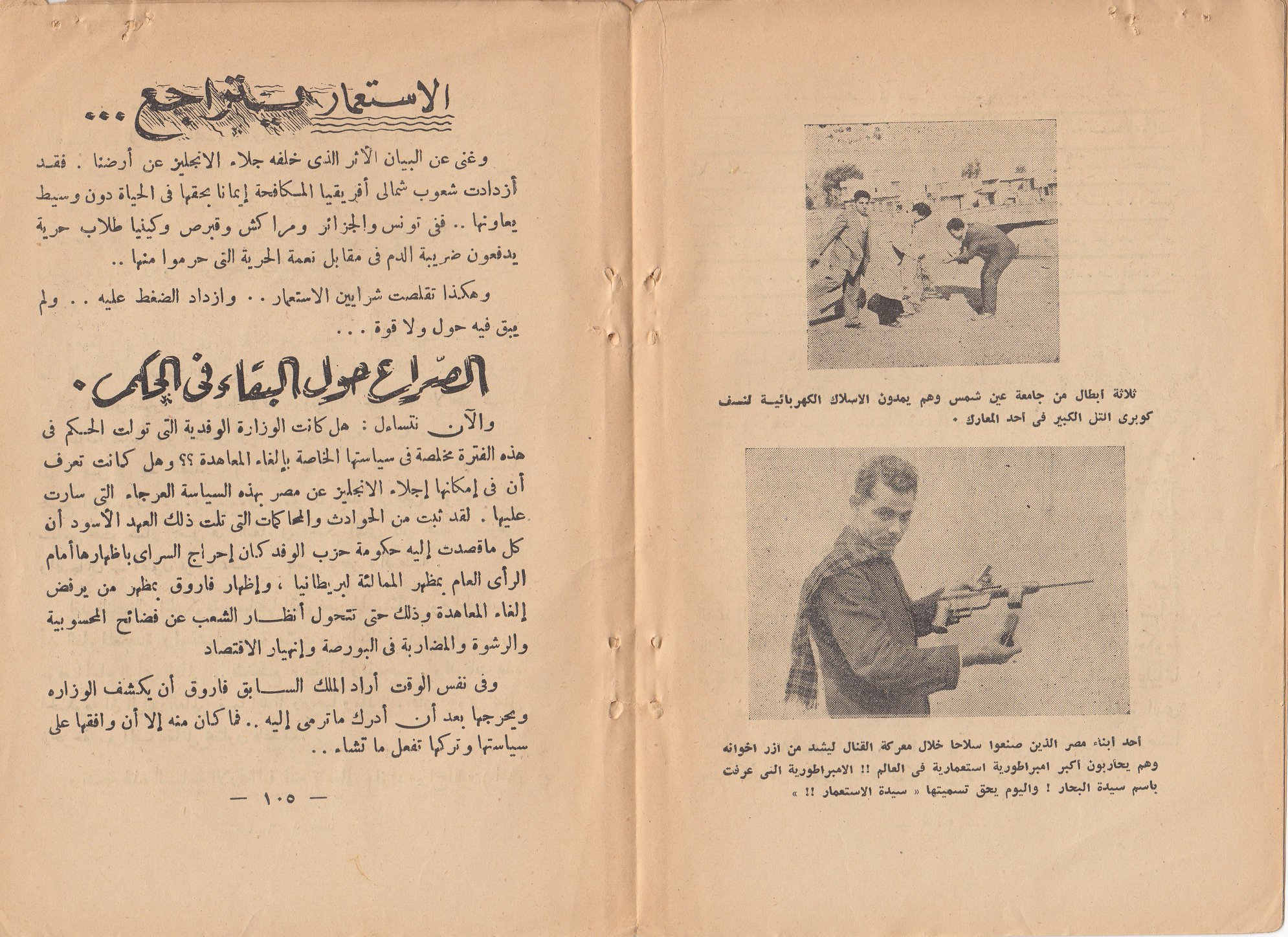
Fig. 1.8. From a book written by a photographer who documented the conflict and later on wrote a book about it. The first image top right is for the University of Ain Shams students extending wires to blow up with explosives Tel El Kebir’s bridge. The lower image is for an Egyptian “gunsmith” who created a crude submachine gun to help the fighters. (Source: History of Ismalia City Facebook page)
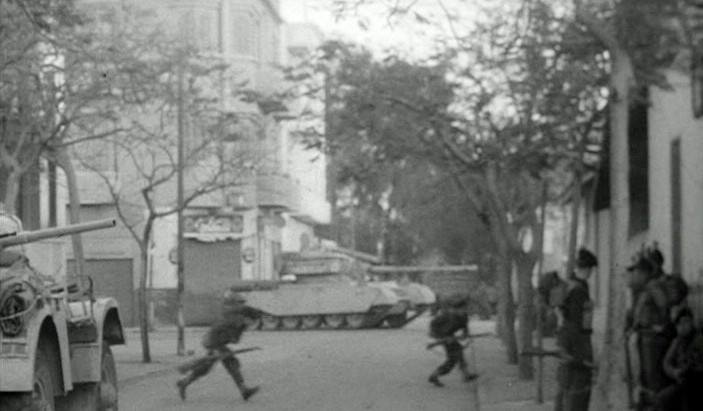
Fig. 1.9. British troops supported by a Centurion tank and an armored car prepare to storm the police’s HQ ( Source: History of Ismalia City Facebook page)
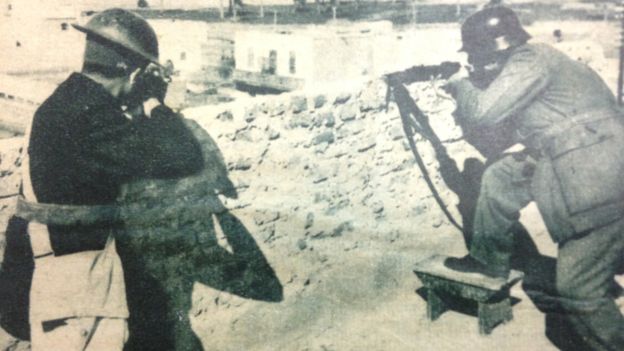
Fig. 1.10. Egyptian Auxillary troops would fight side by side with Fedayeens (nationalist fighters were called that as well). Note the German WW2 surplus helmet. (Source: History of Ismalia City Facebook page).
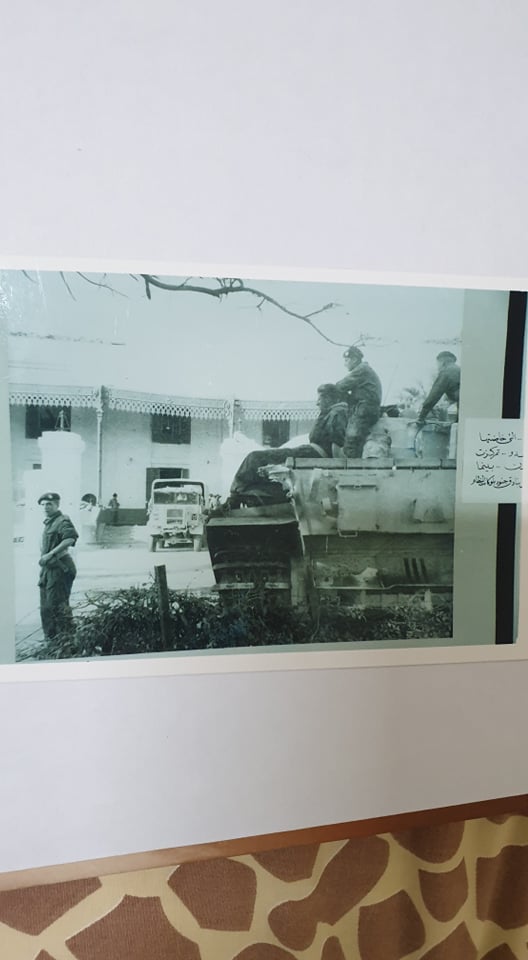
Fig. 1.11. British troops on top of an armored vehicle during the Suez Emergency. (Source: Galal)
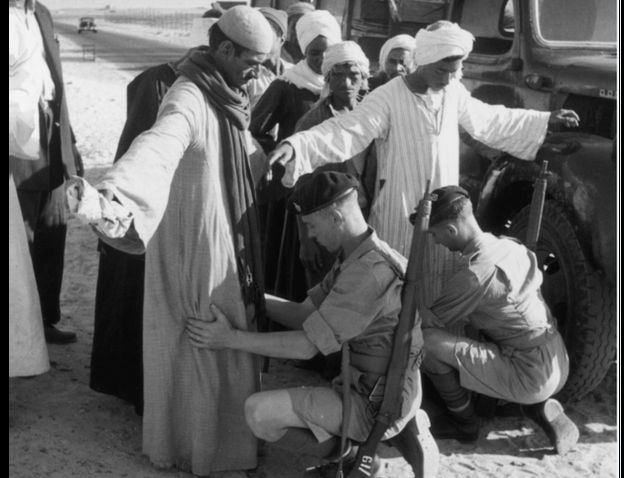
Fig. 1.12. British troops armed with .303 Rifle No.4s searching locals. (Source: BBC)
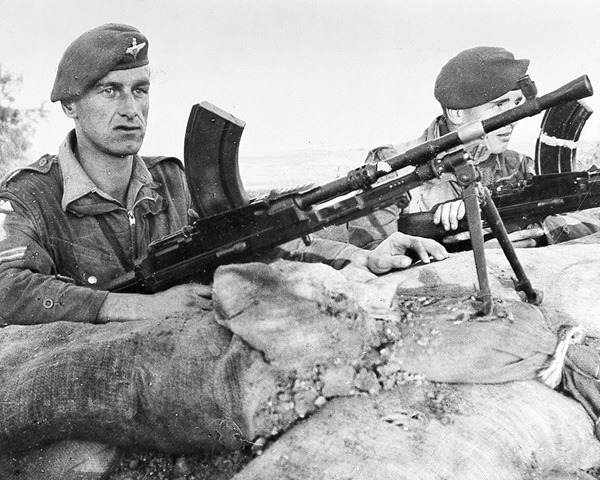
Fig. 1.13. British troops armed with two Bren light machineguns (Note: non-military Egyptians sometimes refer to the Bren as the Vickers, Galal also confused the two weapons) (Source: National Army Museum)
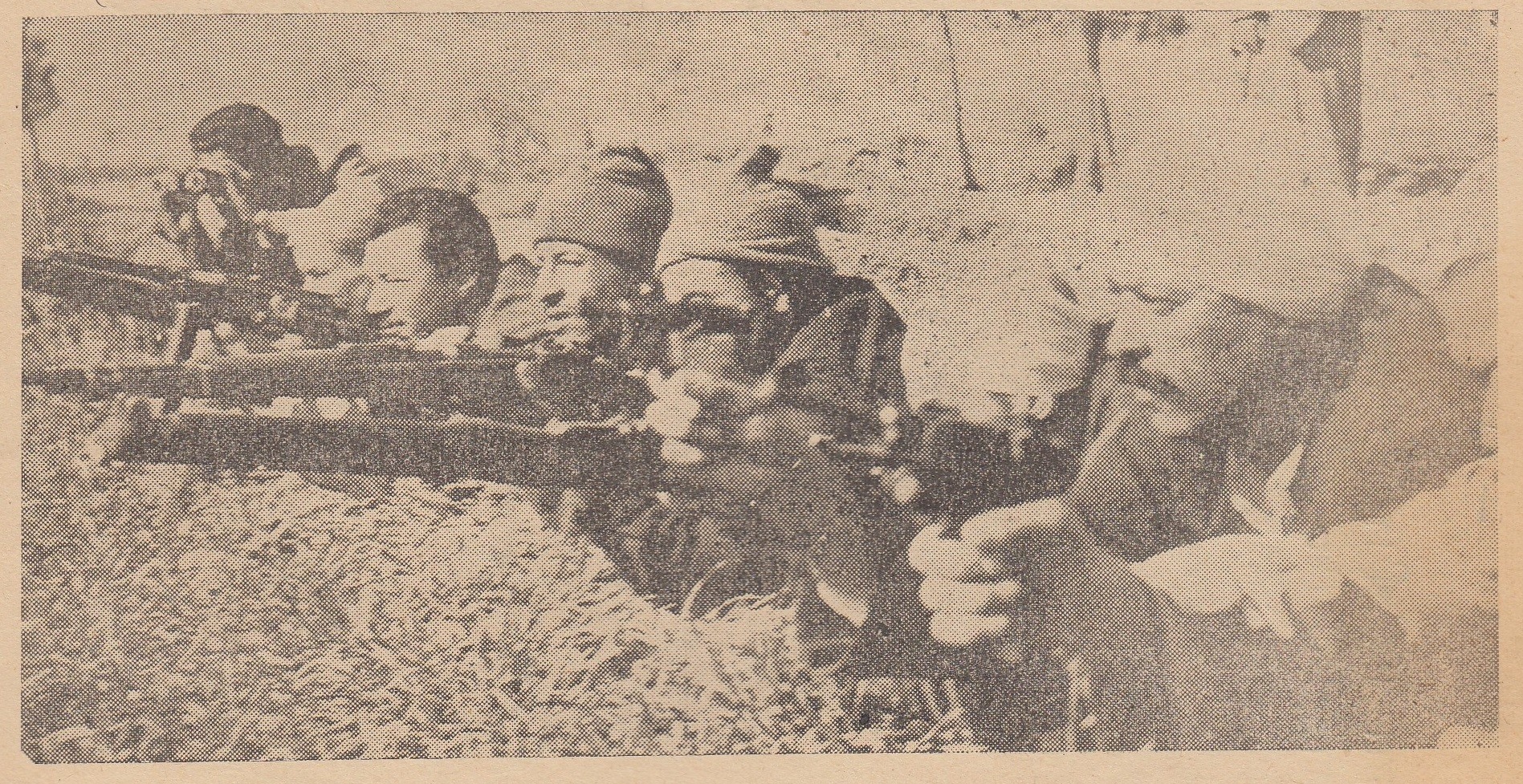
Fig 1.14 Egyptian Fedayeens preparing for action with a variety of firearms including Beretta 38/42, Lee Enfields Mark 2, and a Luger pistol. (Source: History of Ismalia City Facebook page).
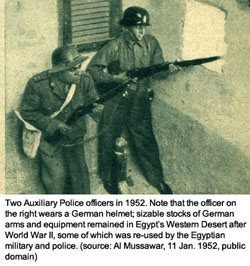
Fig. 1.15. (Source: MilitaryHistoryOnline)
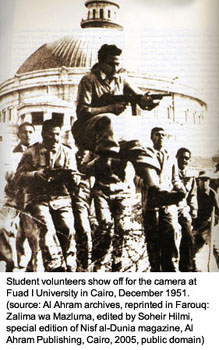
Fig. 1.16. Egypt also had a stockpile of Thompsons (Source: MilitaryHistoryOnline)
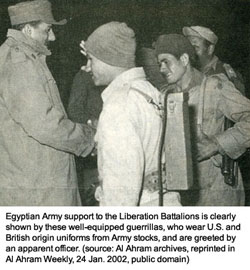
Fig. 1.17. The army did not have a different perspective than the Auxiliary Police and the Fedayeens (Source : MilitaryHistoryOnline)
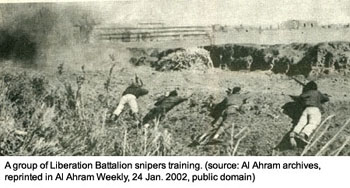
Fig 1.18. (Source: MilitaryHistoryOnline)
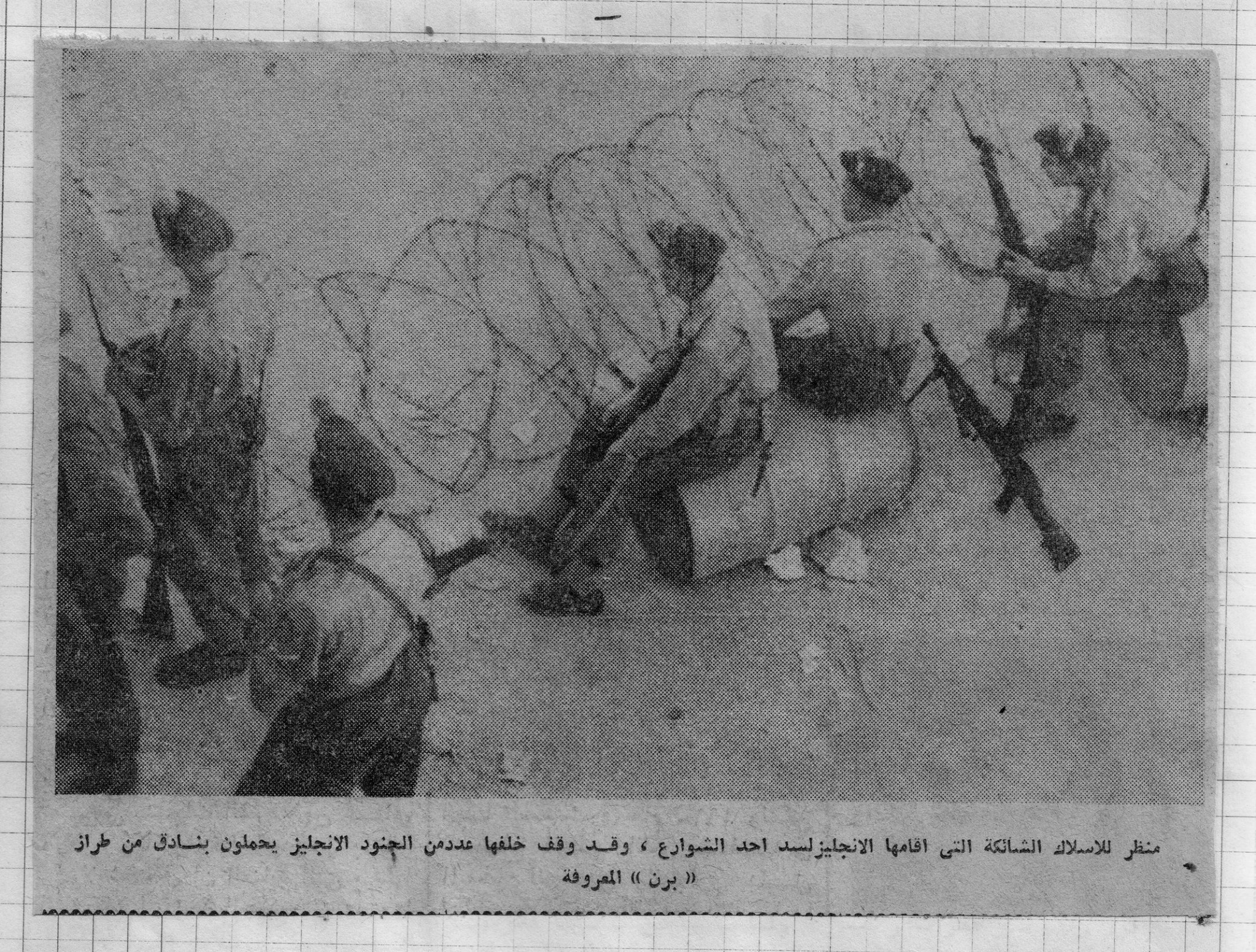
Fig. 1.19. British troops blocking a road in Ismalia. Note that the description of the picture in Arabic says the “well known Bren” when it is describing the armament of the soldiers. (Source: History of Ismalia City Facebook page)
Suez Crisis: Grease, Guns and a Cleaver (7:51-10:18)
In 1956, Britain, France, and Israel invaded Egypt after its president, Gamal Abdel Nasser, nationalized the strategically important Suez Canal. Israel invaded Sinai while Britain and France invaded the city of Port Said and managed to seize it. Galal spoke to us about his experience during the war. “I saw my brothers taking the brand new guns out of the boxes and cleaning off the grease; I was younger than them so I held a cleaver instead and we would stand on the roof. We were anticipating British paratroopers to invade Ismalia just as how they invaded Port Said. Galal explained to us the situation of Egyptian resistance in Port Said after the takeover by the British and the French. “The resistance was weak due to the lack of numbers of fighters and it was completely cut off. Nevertheless, I saw fighters from Ismalia leave for Port Said and attempt to enter, along with weapons and munitions.”
We brought up the role of Egyptian women in the war and spoke to him about the pictures of Egyptian women carrying weapons and wearing military uniforms, we wanted to know if he saw that in real life; he replied by saying “women of Ismalia bold, they formed the second line of defense right after men, but they cannot fight at the frontlines as long as there are men. They were given support roles and carried out medical tasks.” In the end, Ismalia was never invaded and due to foreign pressures (from the USSR and the USA) Britain, France, and Israel withdrew from Egypt. The Egyptian resistance, alongside Egyptian Saaka (commandos), would cooperate in attacks but that is a topic for another discussion as to this day it is shrouded with a lot of obscurity. One such notable event during this time was what became known as the “Moorhouse Affair”.
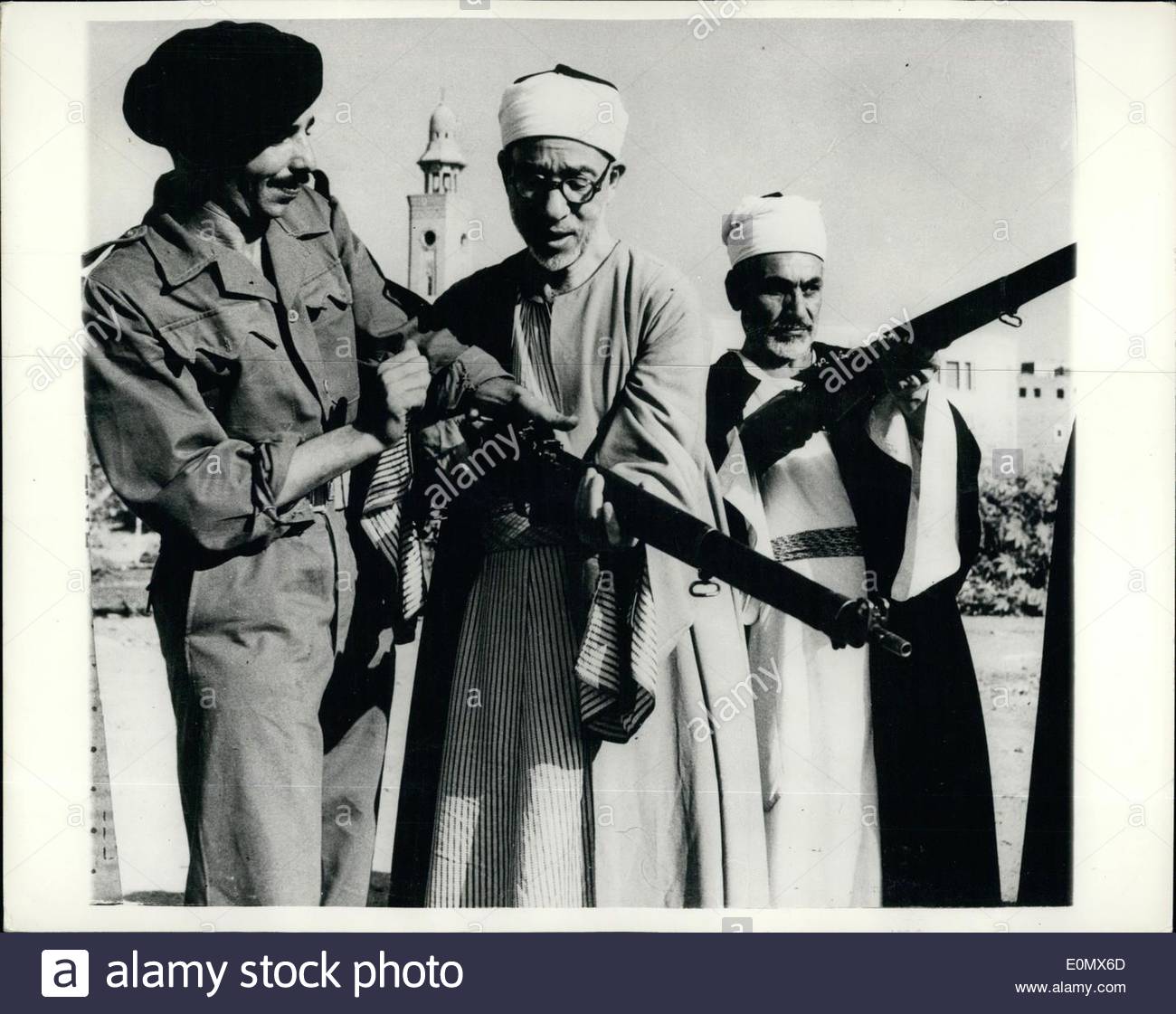
Fig. 2.1. Egyptian Clerics from Al Azhar being trained on how to use Lee Enfield (Source: Alamy Stock Photo)
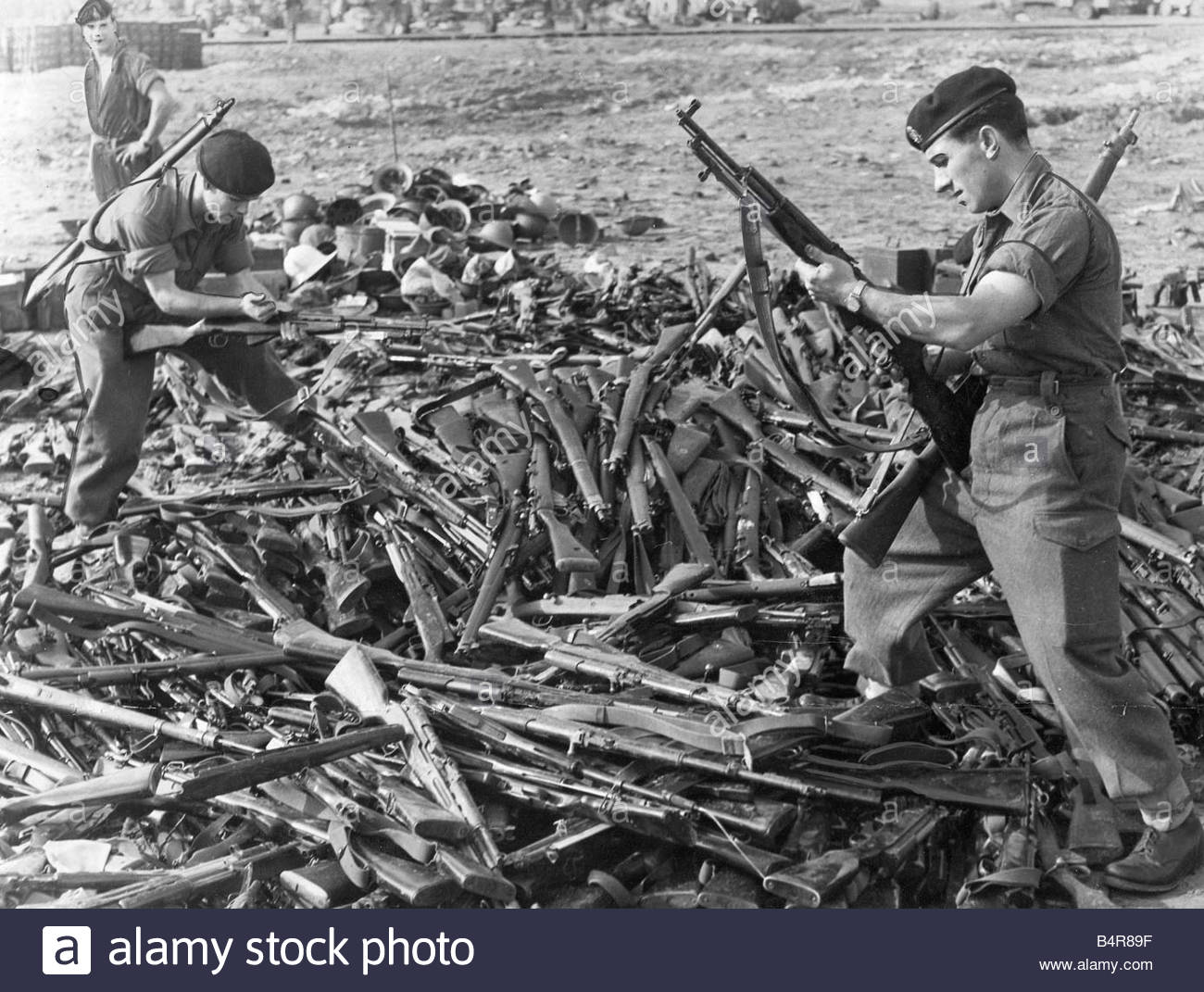
Fig. 2.2. British troops with hundreds of captured firearms (Soviet SKS, British Lee-Enfields and K98k-pattern rifles) in Port Said. (Source: alamy stock photo)
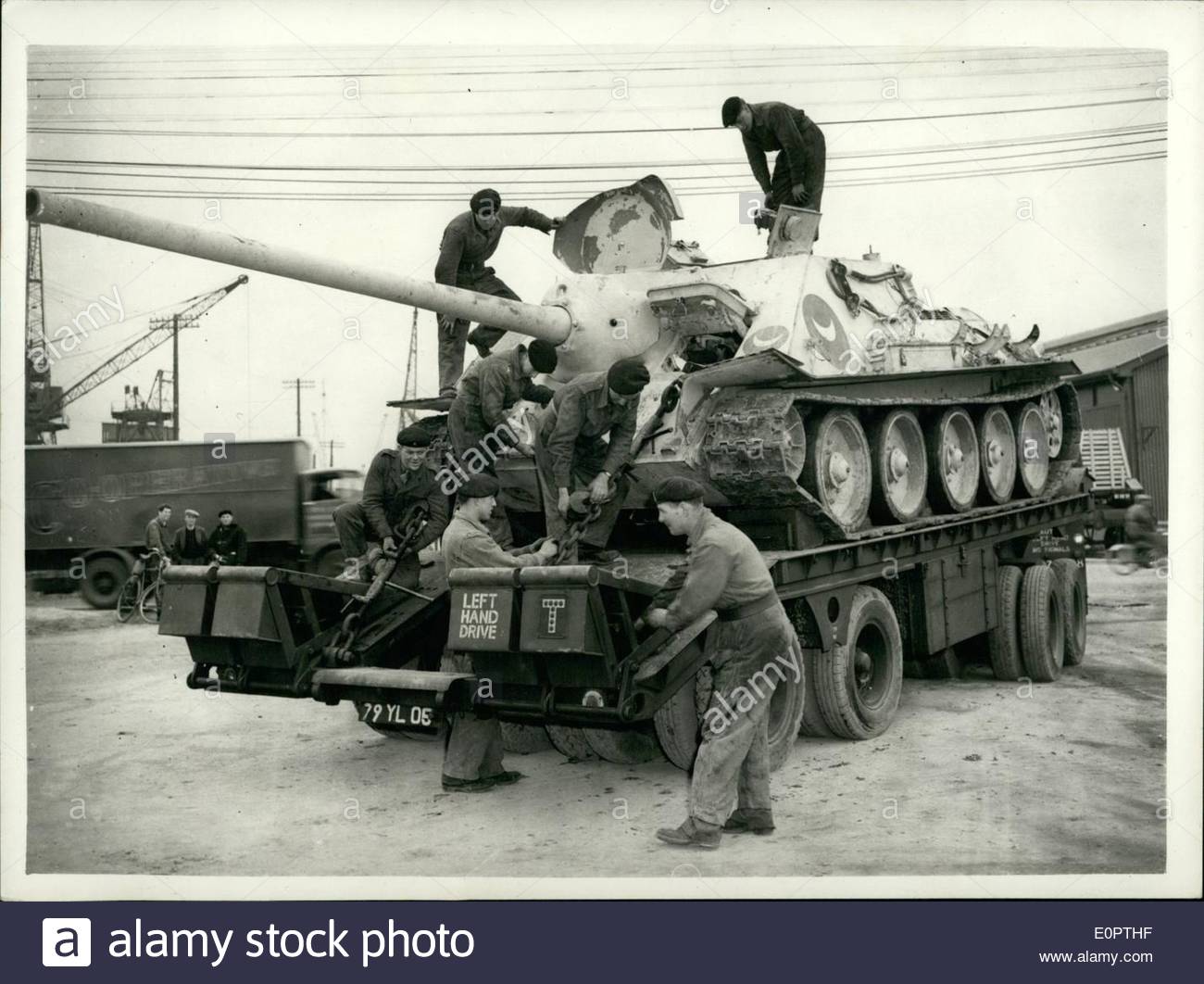
Fig. 2.3. A damaged SU-100 being transported by British troops. Several former Egyptian SU-100s found themselves ending in museums across the world.
(Source alamy stock photo)
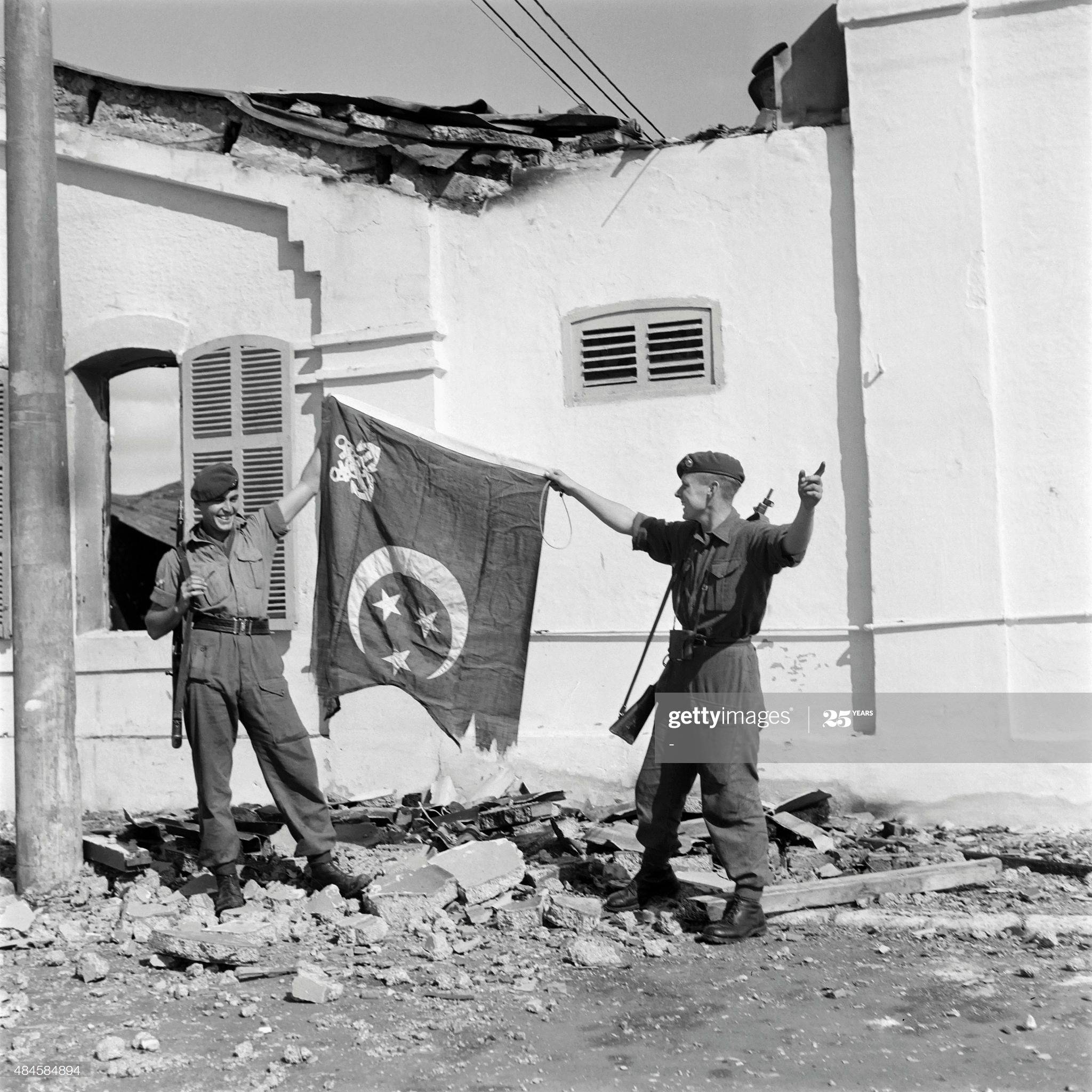
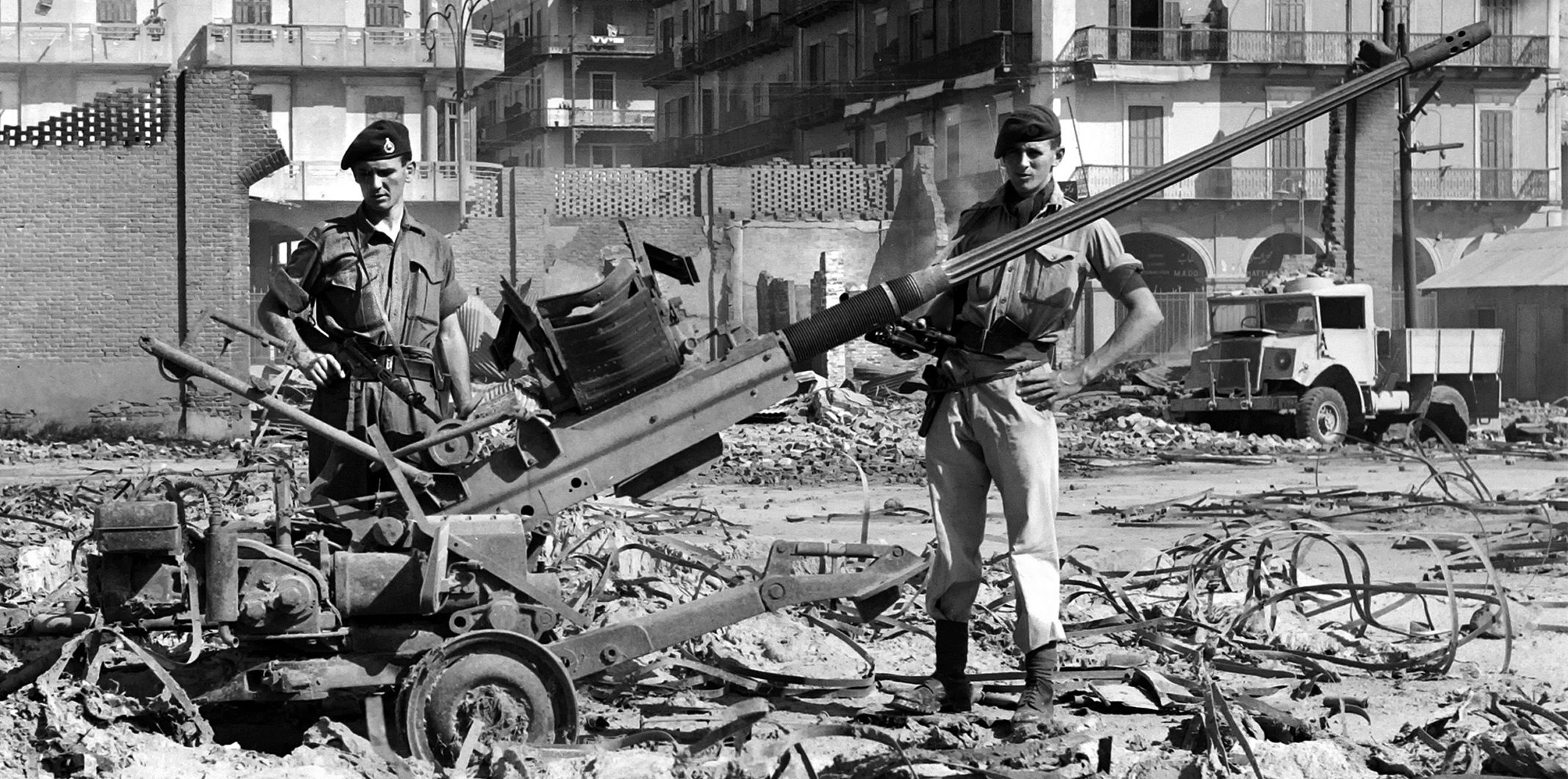
Fig. 2.5. A wrecked Hispano-Suiza 30mm autocannon captured by British troops in Portsaid (Source: ????????)
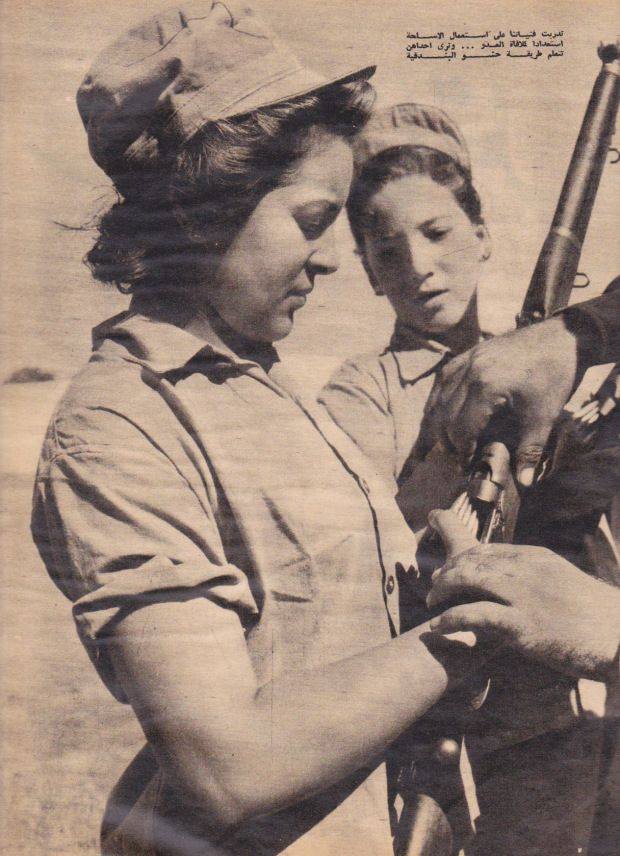
Fig. 2.6. Two Egyptian female volunteers being shown how to reload Lee-Enfield. (Source: Egyptian newspaper)
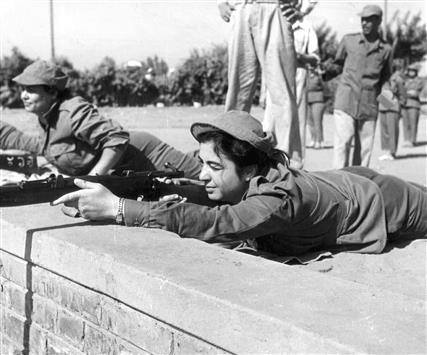
Fig. 2.7. Egyptian female volunteers at the shooting range with an SMLE MkIII. (Source: Egyptian newspaper)
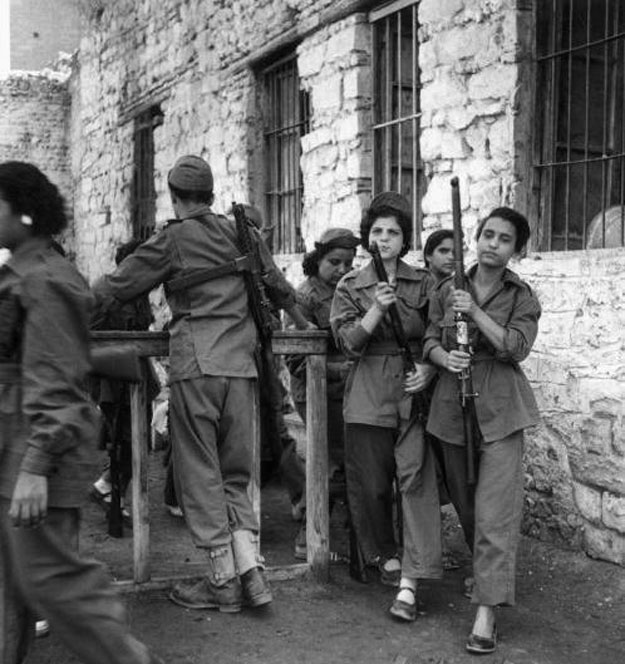
Fig. 2.8. An Egyptian soldier armed with a British made Lanchester submachine gun and female volunteers passing beside him (Source: Egyptian)
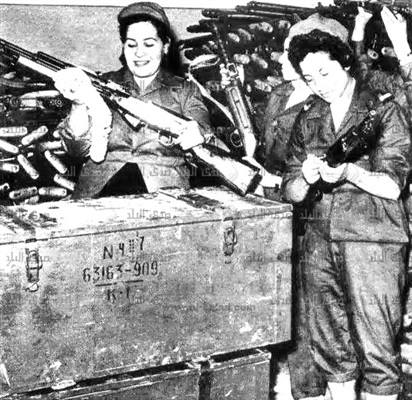
Fig. 2.9. Fresh out of the caches, Lanchester’s and SKS self-loading rifles (Source: Egyptian newspaper)
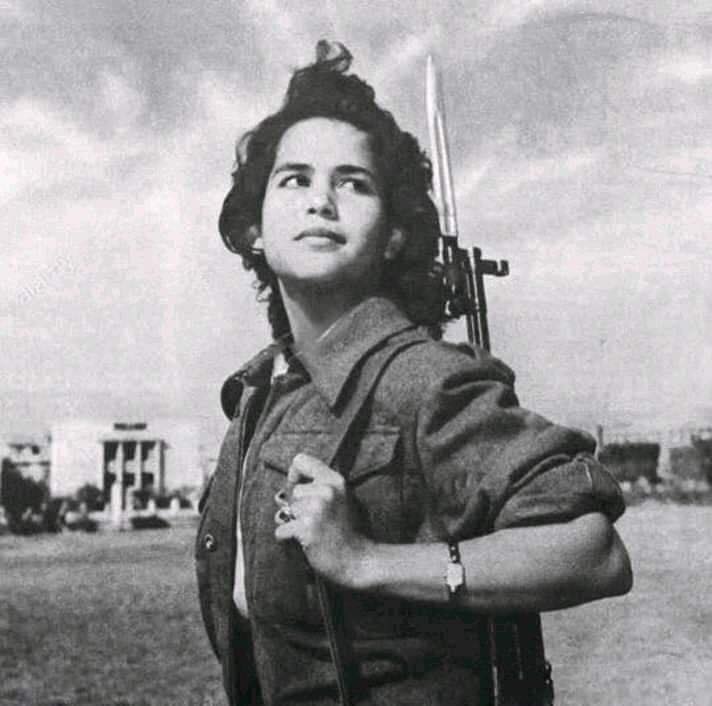
Fig. 2.10. An iconic Egyptian picture for a female volunteer carrying an SKS (Source: Egyptian newspaper)
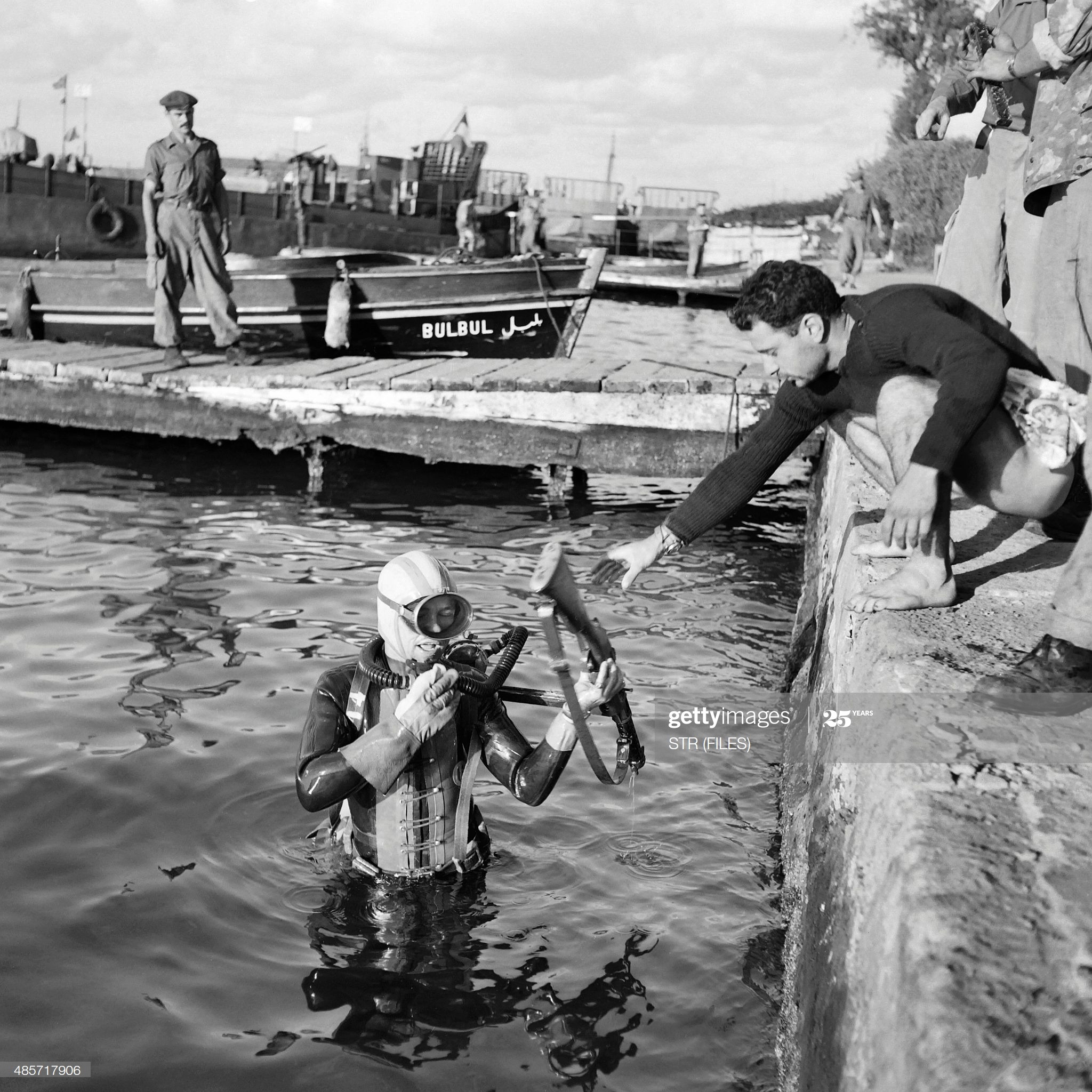
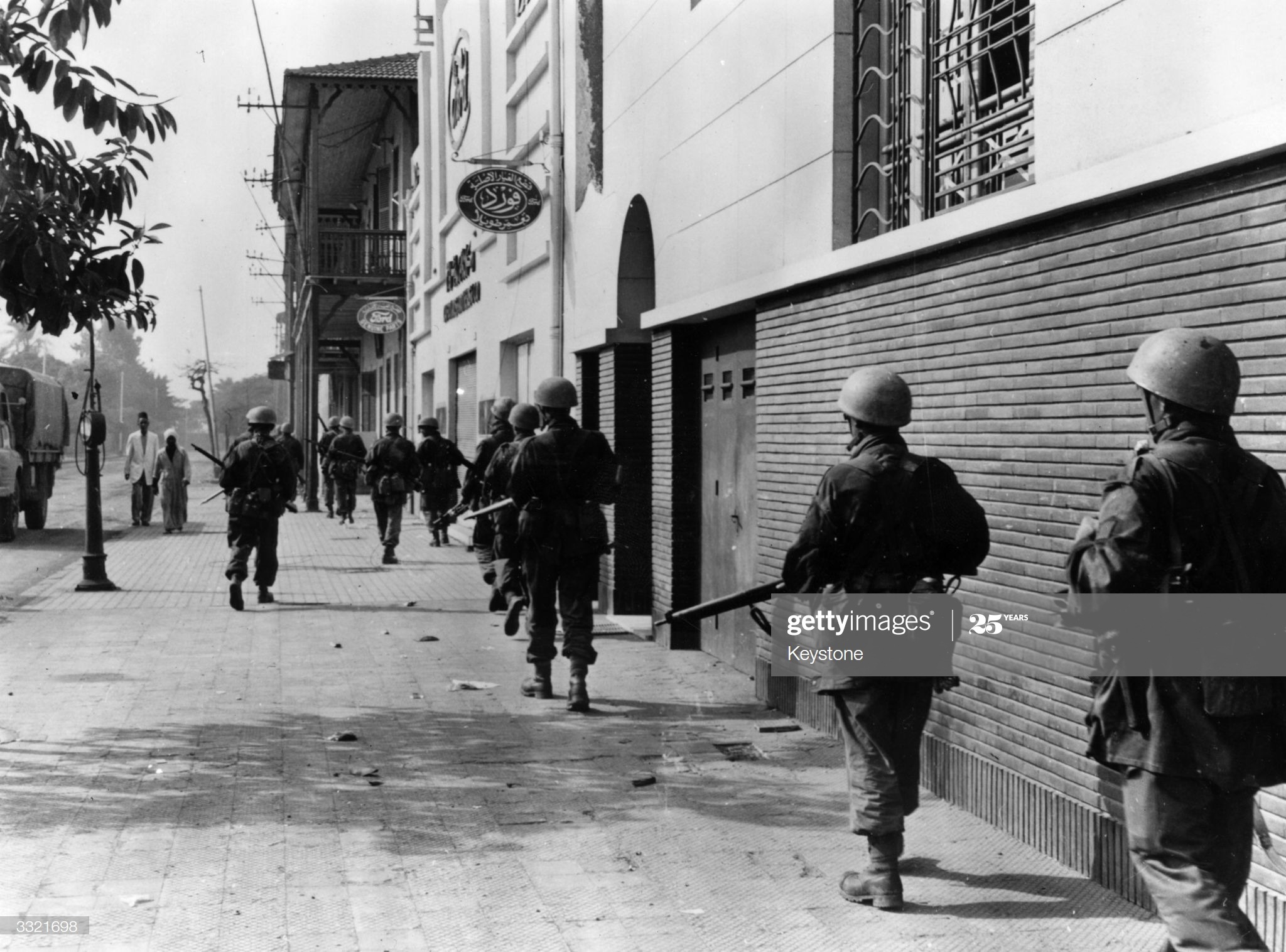
Fig. 2.12.“2nd November 1956: French troops on duty at Port Said during the Suez Crisis” (Photo by Keystone/Getty Images)
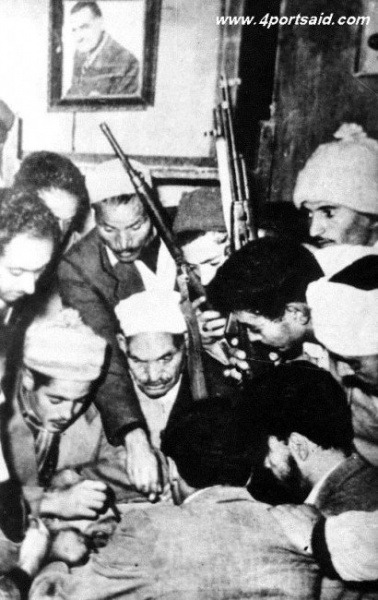
Fig. 2.13. Egyptian fighters discussing their plans. (Source: 4portsaid.com)
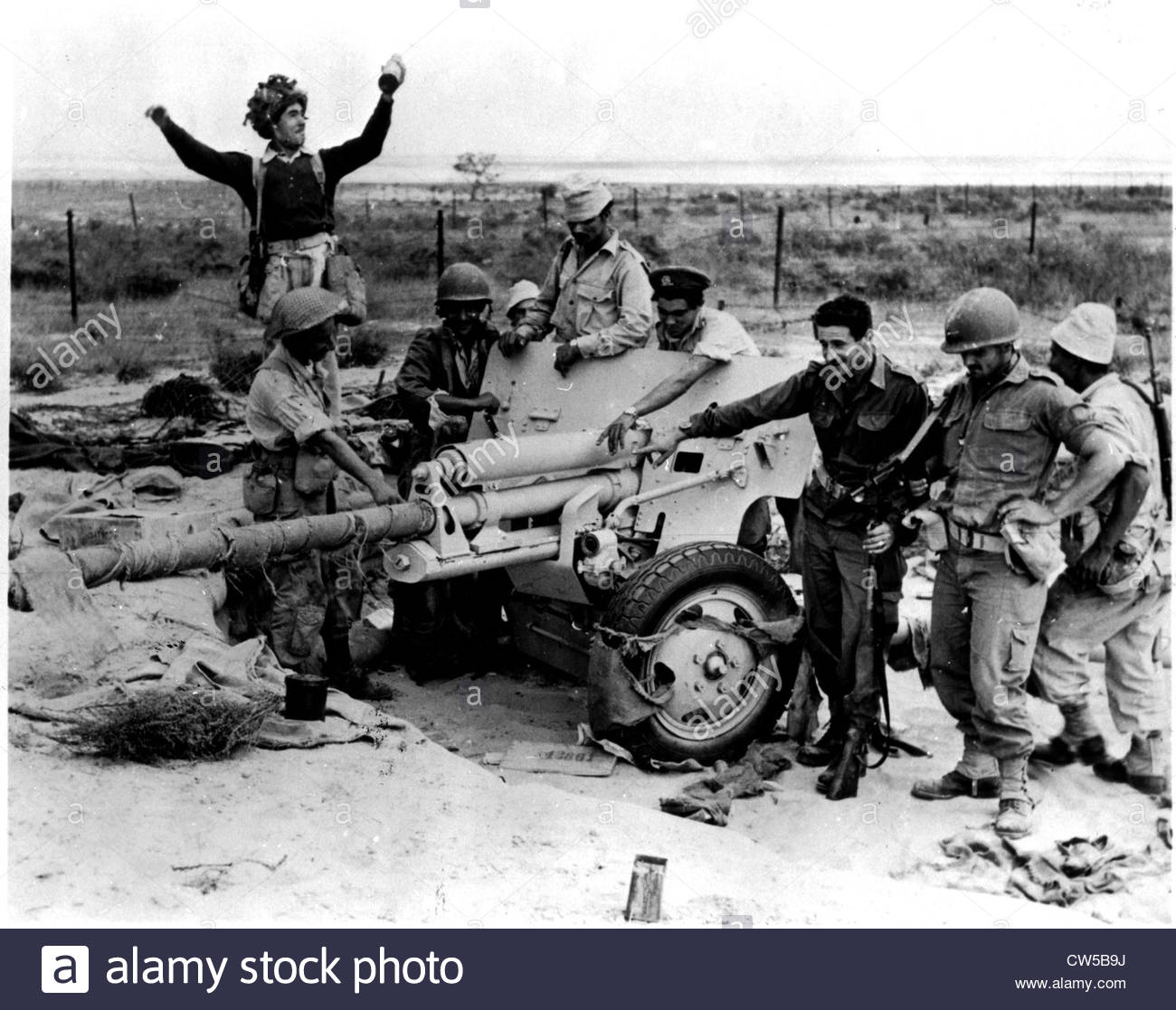
Fig 2.14. In Sinai, Israeli troops stand beside an ex Egyptian ZIS-2 gun (Source: alamy stock photo)
In our second part of these series we will look at Galal’s experience during the Six Day War-War.
If you enjoy our work here at Silah Report please consider supporting us on Patreon!
https://soundcloud.com/silah-report/galal-a-hashem-interview