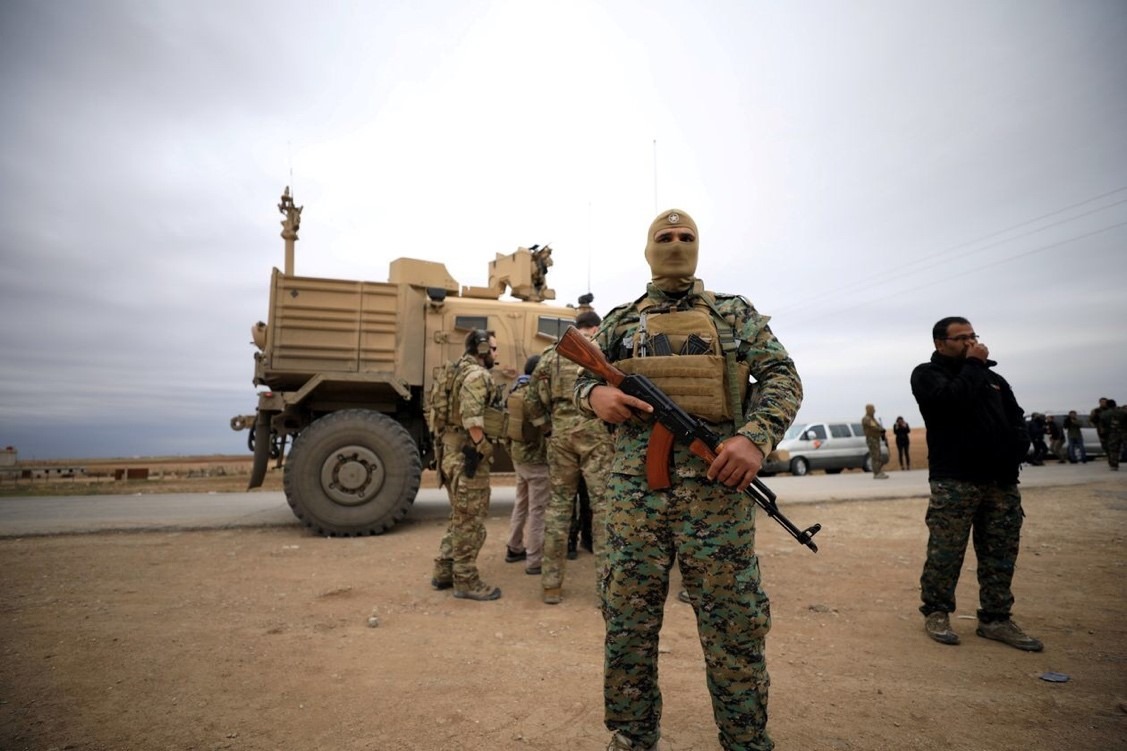
In this article we will examine the load-bearing equipment of the Yekîneyên Antî Teror, the Syrian Democratic Force’s Counter-Terror group. In our previous article we looked at the ubiquitous pattern of load-bearing equipment widely issued to the SDF and YPG. You can find that article here.
YAT is arguably the SDF’s premier special operations unit, 2014 saw the development of YAT within the SDF command structure. Select fighters from the YPG and the YPJ make up the operators of YAT, who undergo training with the help of US Special Operations Forces and the Central Intelligence Agency. Because of their specialized nature and their cooperation with American special forces units, their 2nd line equipment, which consists of an individual’s weapon and the requisite gear related to the weapon, is far more sophisticated than that of the regular SDF militia member.
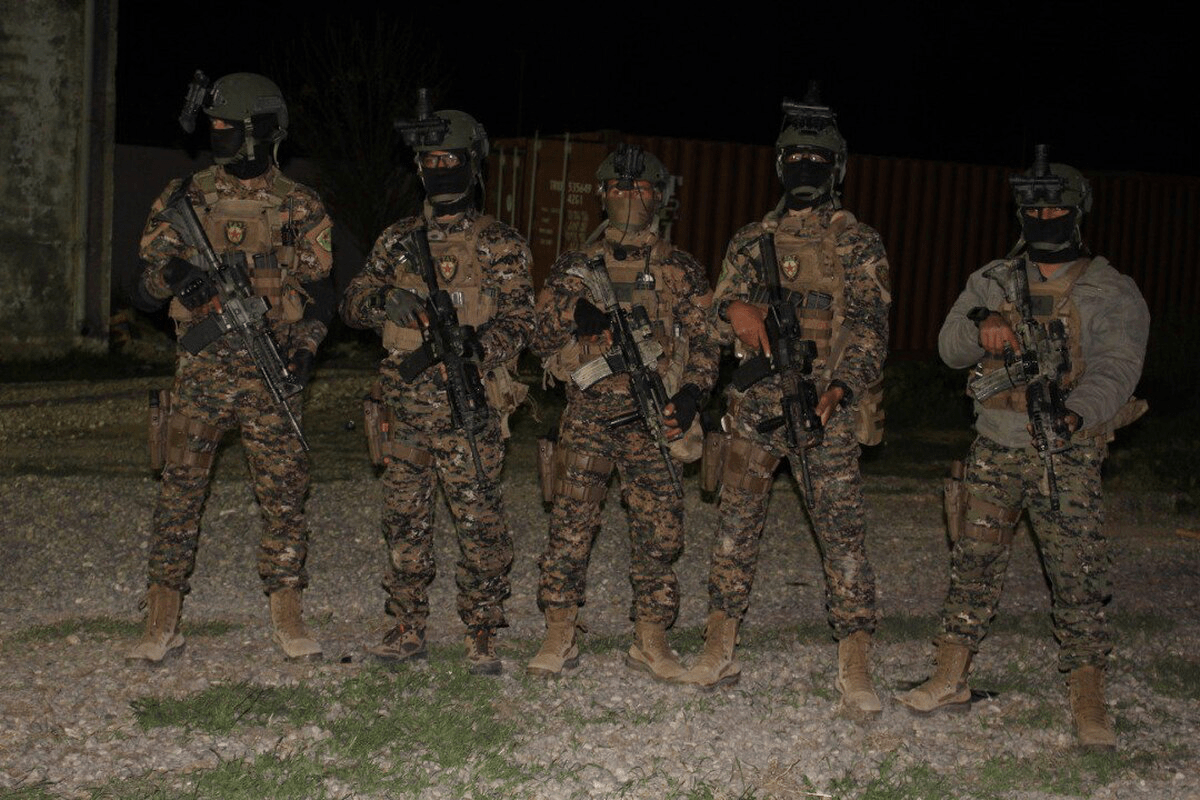
Earlier photographs feature YAT using a copy of the CIRAS-style plate carriers in coyote brown, which seems to be the standard-issue color for most YAT operators. Condor MOPC plate carriers are also observed in use with some YAT operatives today. As YAT became more serious in its training and equipment, many in the unit became better equipped with a handful sporting Velocity Systems Scarab LT carriers in coyote brown, and some uncommonly found in the Multicam colored variant. YPG Press Office photographs of the Tabqa Dam raid, which concluded on the 22 March 2017, showed a glimpse of YAT operators with Scarab LTs, as well as high cut ballistic helmets with PVS-7D and PVS-14 night vision devices. YAT’s newer, sophisticated equipment makes them close to or on par in terms of gear with some modern SOF units.
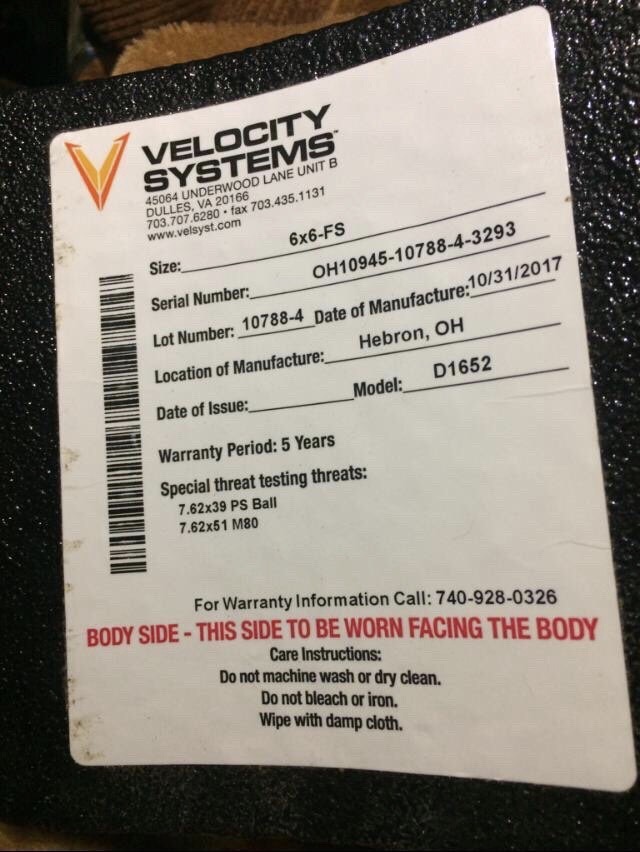
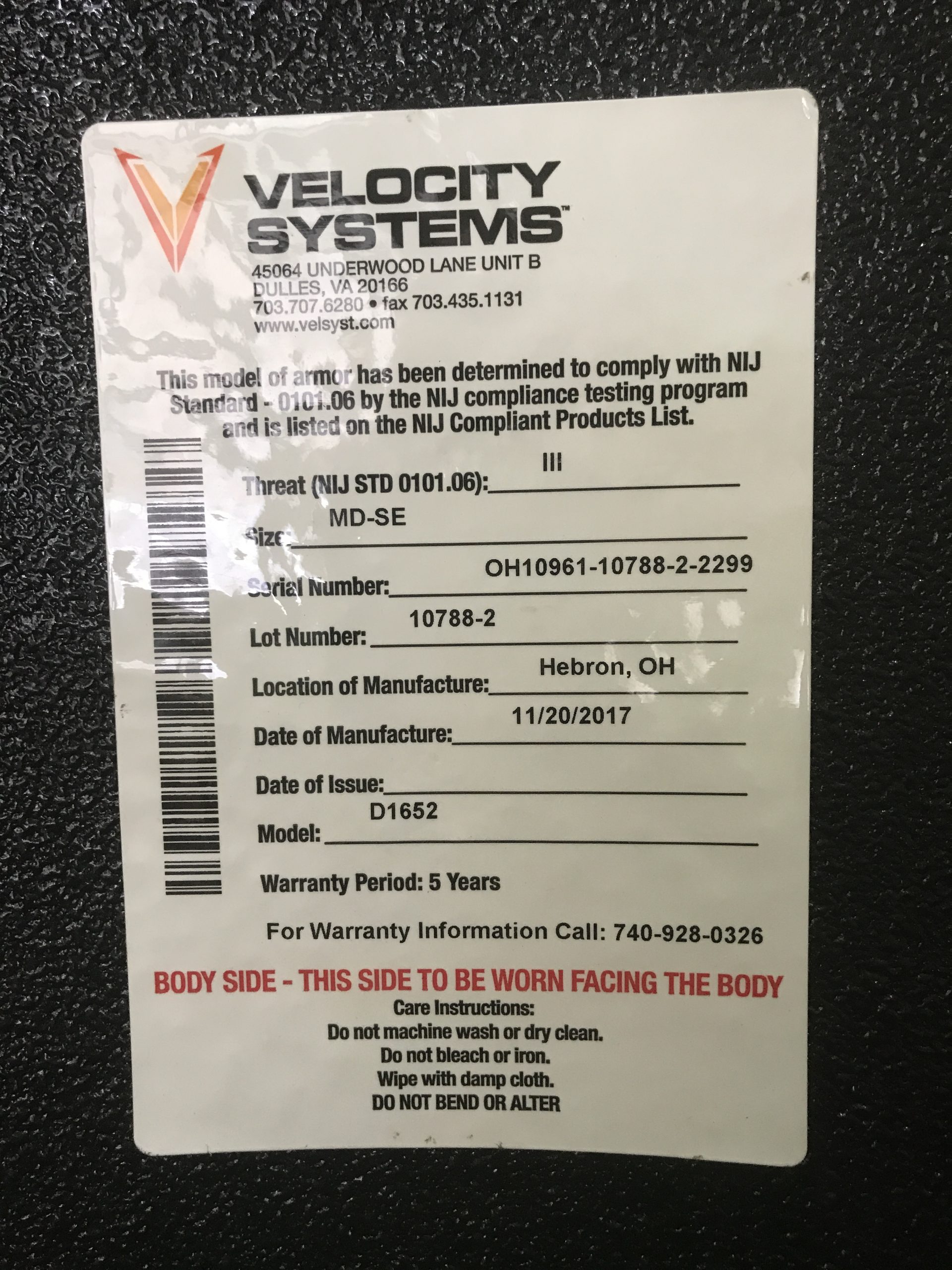
Velocity Systems vests destined for SDF YAT operators are issued with level 3 rated polyethylene plates made by TenCate Advanced Armor. TenCate is a Dutch-based company that specializes in advanced manufacturing and materials, flame resistance, and ballistic products, with a US site located in Hebron, Ohio. Polyethylene plates are made of durable woven plastic, and are often lighter than steel or ceramic armor plates on the market, at the cost of providing less protection and are more prone to failure with multiple hits than steel or ceramic plates. An anonymous foreign fighter has described them as “plasticky” confirming that these plates are in fact polyethylene, and confirmed by the “D1652” model name which is a level 3 polyethylene plate offered by TenCate and produced in their Hebron, Ohio facility.
The decision to opt for less protective but much lighter plates was probably so that partner forces receiving their gear would be less discouraged wearing the plates along with the vest as the armor is much lighter.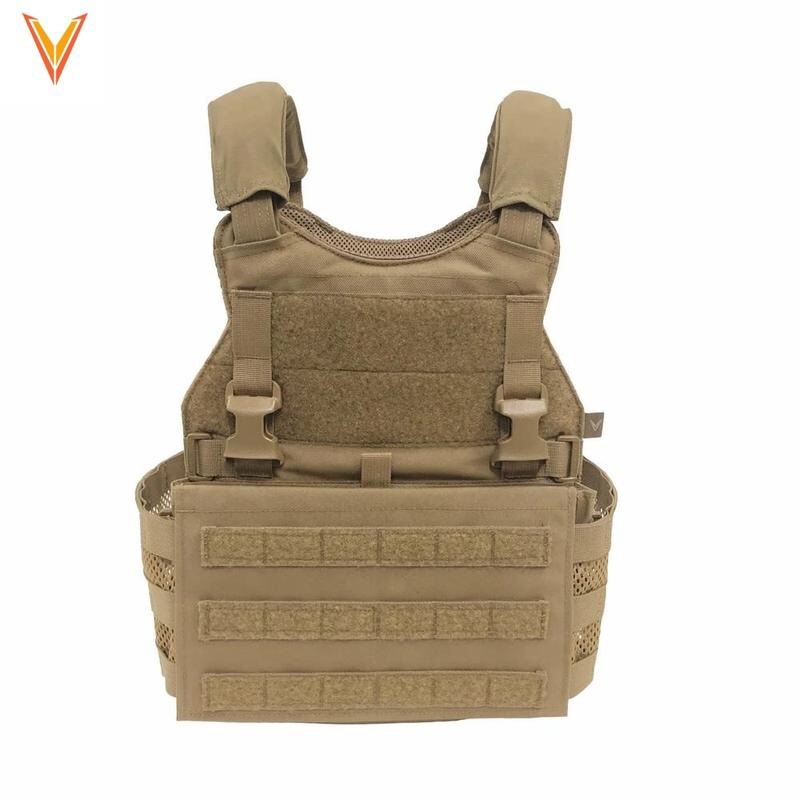
Fig.1.3. Velocity Systems Scarab LT in coyote brown. (Source: Velocity Systems)
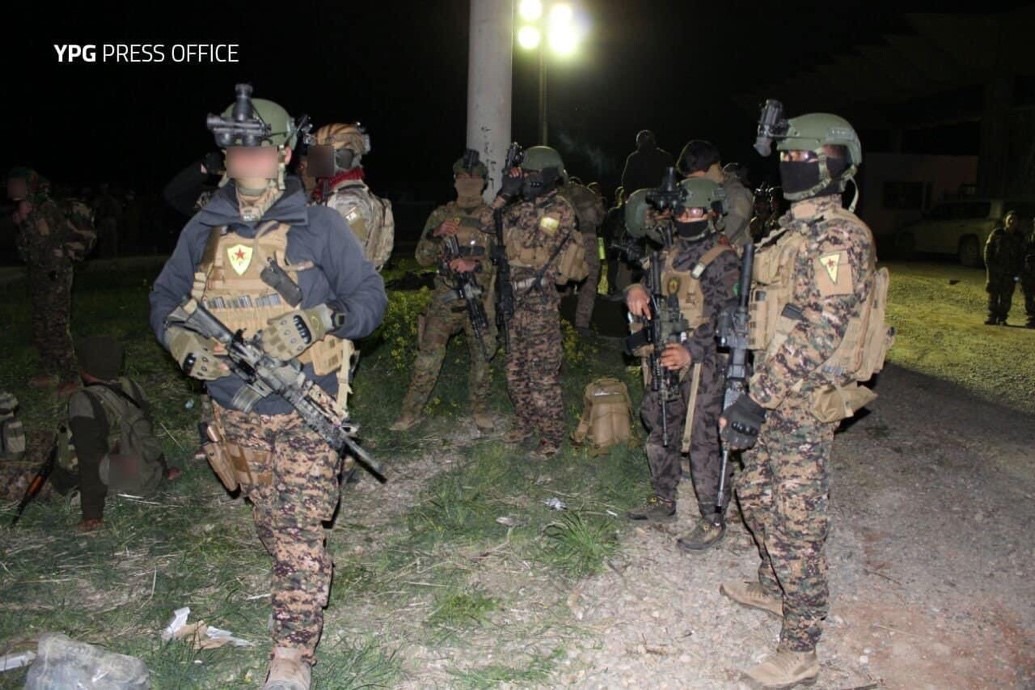
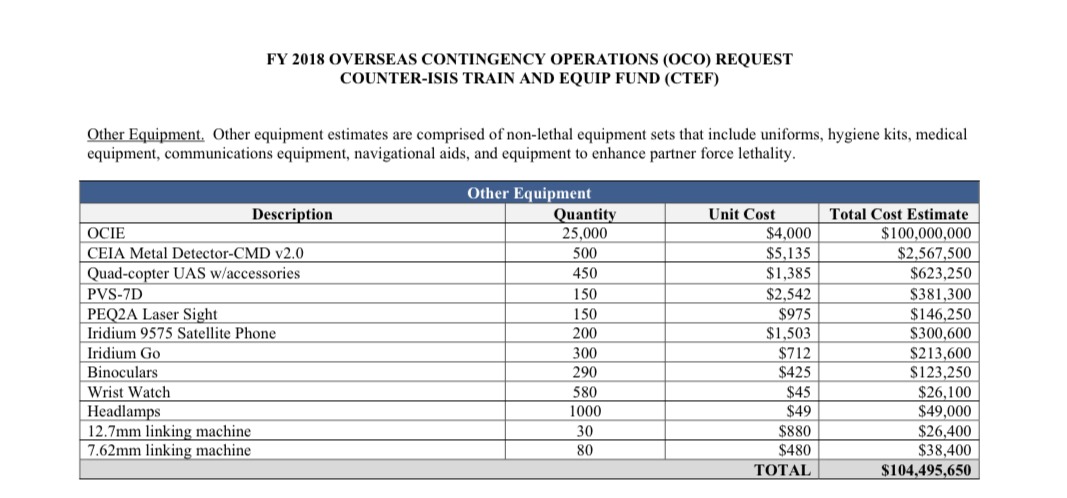
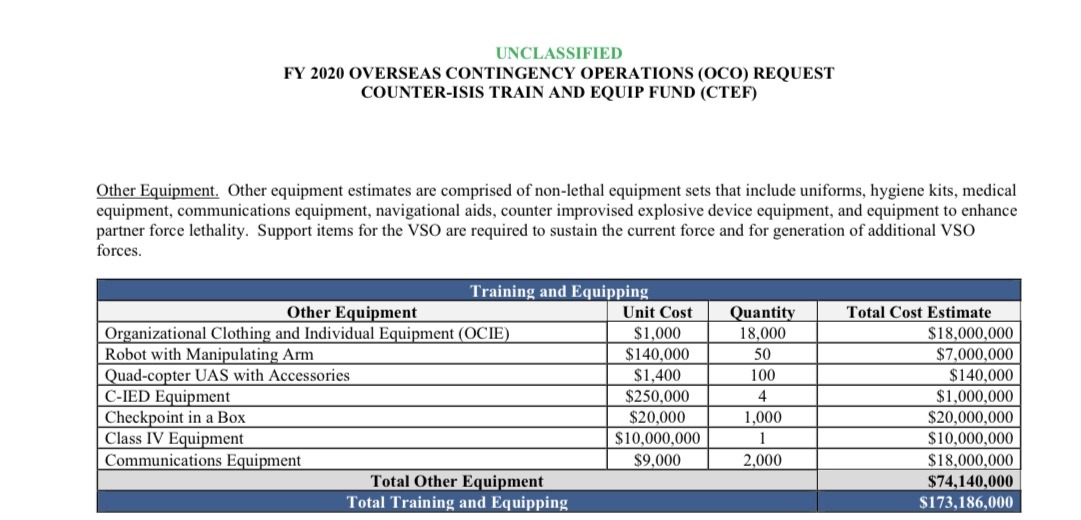
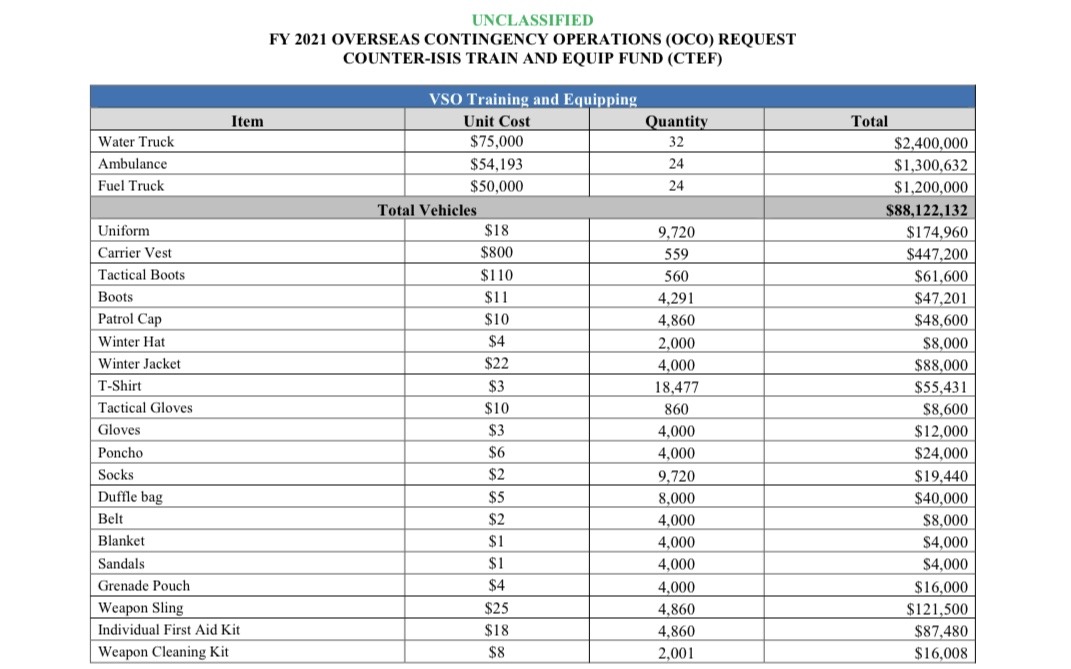
Just like the Organizational Clothing and Individual Equipment (OCIE) for regular SDF fighters, YAT’s equipment was listed in the Fiscal Year Department of Defense 2018 Budget Proposal, which specifically lists PEQ2A IR laser sights and PVS-7D night vision devices intended to be allocated for YAT operatives.

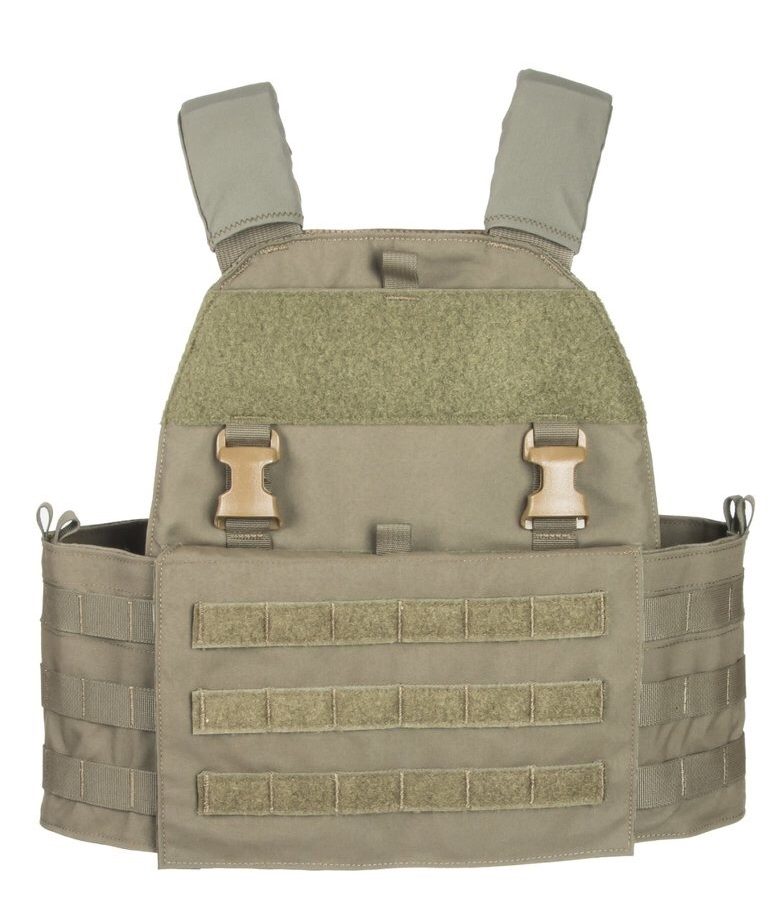
Photos published in 2018-2019 show another type of Velocity Systems plate carrier making its way to YAT operators, called the Velocity Systems PC3. Much like its Scarab LT predecessors, the vests are mostly of a coyote brown coloration.
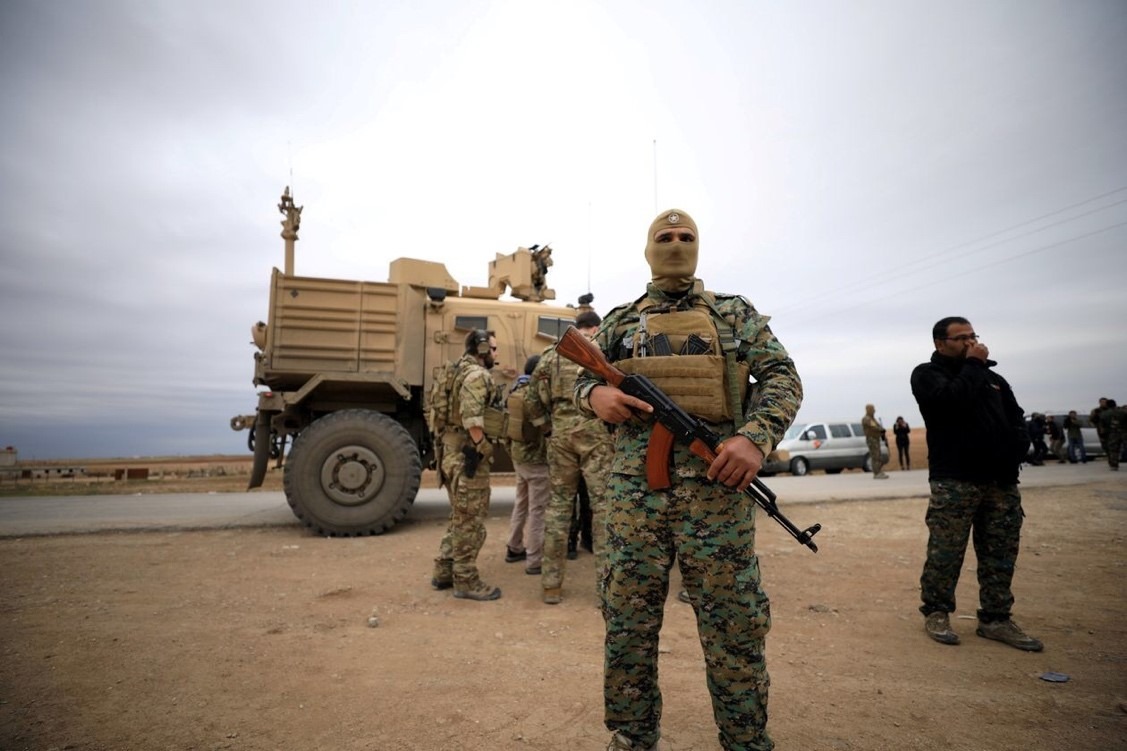
While the SDF and the YPG are classified as irregular forces, their special forces unit’s training and equipment far outclass that of the regular SDF militia member. Training from US Special Operations Forces counterparts and equipment such as night vision and high-quality American plate carriers provided to YAT indicate a higher level of professionalism and confidence the SDF has in their special operations unit. Due to the threat of ISIS’ resurgence or other equivalent factions coupled with the volatile situation in SDF held territory, the trend of supplying, training, and assisting YAT via the US Department of Defense will most likely continue in the following years with Velocity Systems still being the primary source for their plate carriers.
If you enjoy our work here at Silah Report please consider supporting us on Patreon!