The Black Sea region of Turkey has an important place in history in terms of weapons production. You can come across Black Sea brands such as TİSAŞ and GİRSAN in many places. However, this region stands out not only with its weapon factories, but also with its handmade weapons. In this article we will examine a pistol recently rediscovered in a drawer after many years forgotten.
The handmade weapons of the Black Sea are not as well known as the weapons fabricated in the Khyber region. Nevertheless, it has managed to gain its own unique notoriety and popularity nationally. Copies of many models ranging from FN type pistols to local Ziganas are produced in the region. Thanks to photos from a follower, it is possible to make a close examination of a handmade FN Model 1910-patterned self-loading pistol.
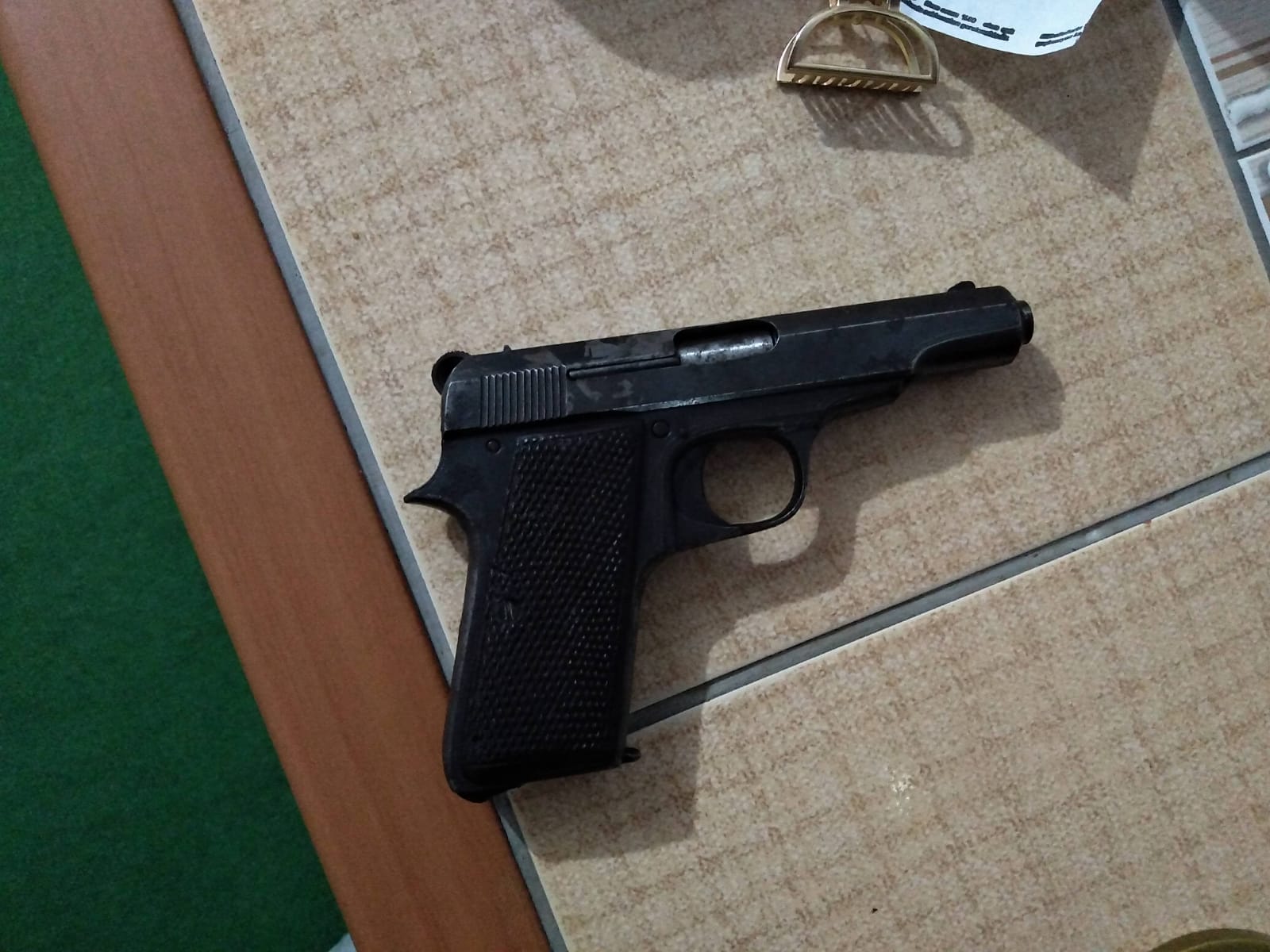
Fig.1.1. Right side of the handmade pistol. (Source: war_noir)
It can be seen that the pistol is a replica of the FN 1910, at least in terms of its general layout. However, apart from markings, it is possible to see that the gun is different from the original FN pistols. We can also see some similarities with the Kırıkkale Pistol (the Kırıkkale Pistol is the Turkish copy of Walther PP).
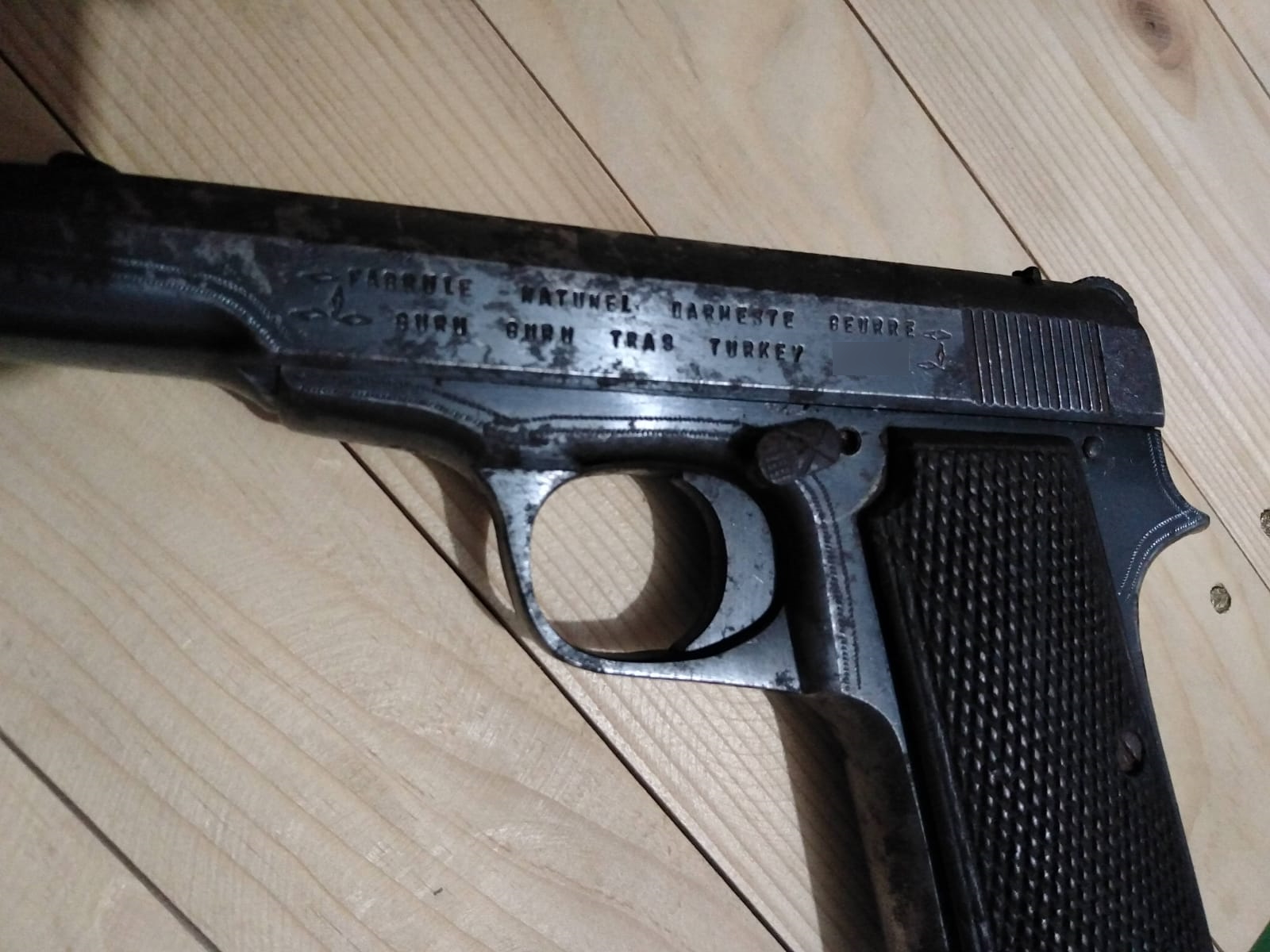
Fig.1.2. Left side of the pistol with the Markings (Source: war_noir)
The mistakes in the spelling of markings and the poor quality of the stamping also clearly indicates that the gun is a fake or rather a copy. When it comes to the quality of the handmade guns, it is not difficult to say that these are extremely poor compared to the originals. Many have a life span of less than 100 rounds. These firearms are not legal to carry, as they are not subject to any license. However, these weapons are very easy to access in the region and can be obtained very cheaply. Those who acquire these weapons often aim to protect themselves from wild animals or dangerous people in their village. Unfortunately, some of the buyers may also buy this weapon for malicious purposes. As such almost no one buys these weapons for long-term use, instead they can be considered ‘throw-aways’.
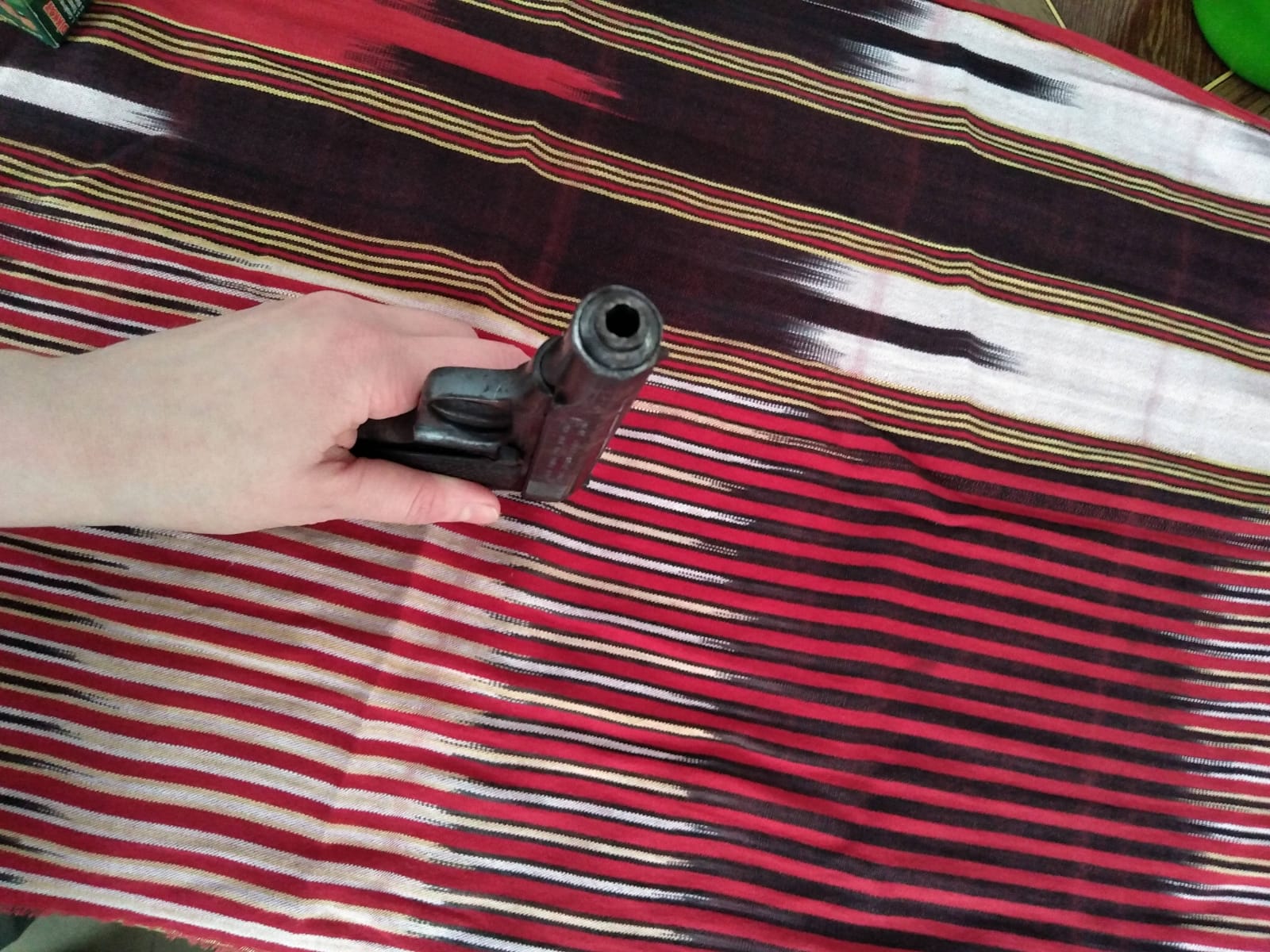
Fig.1.3. Front view of the pistol, not the broad rifling and corrosion to the crown of the muzzle. (Source: war_noir)
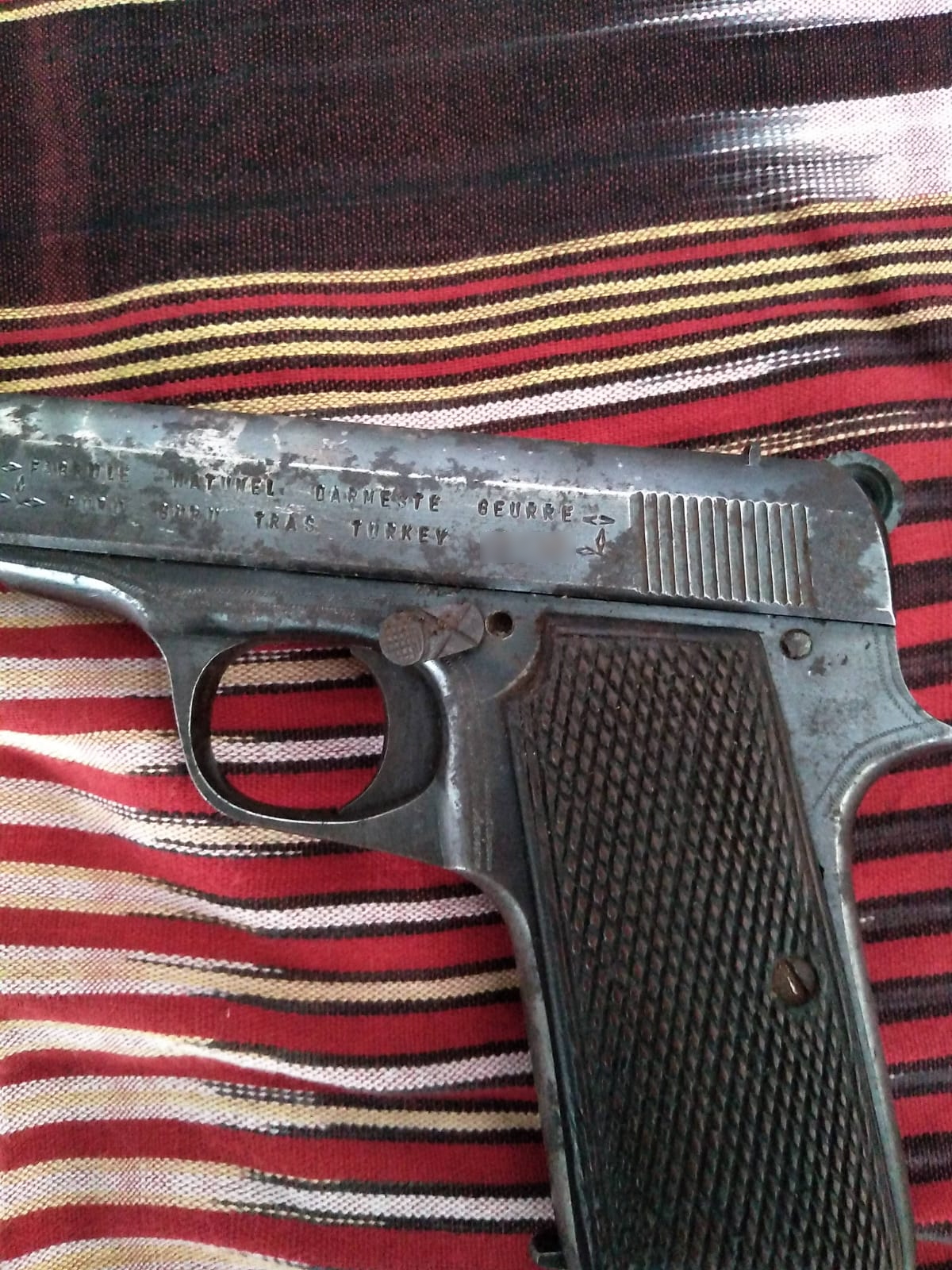
Fig.1.4. A close-up of Markings. Even though the gun is handmade, the serial number has been blurred at the request of our follower. Note the wear to the finish. (Source: war_noir)
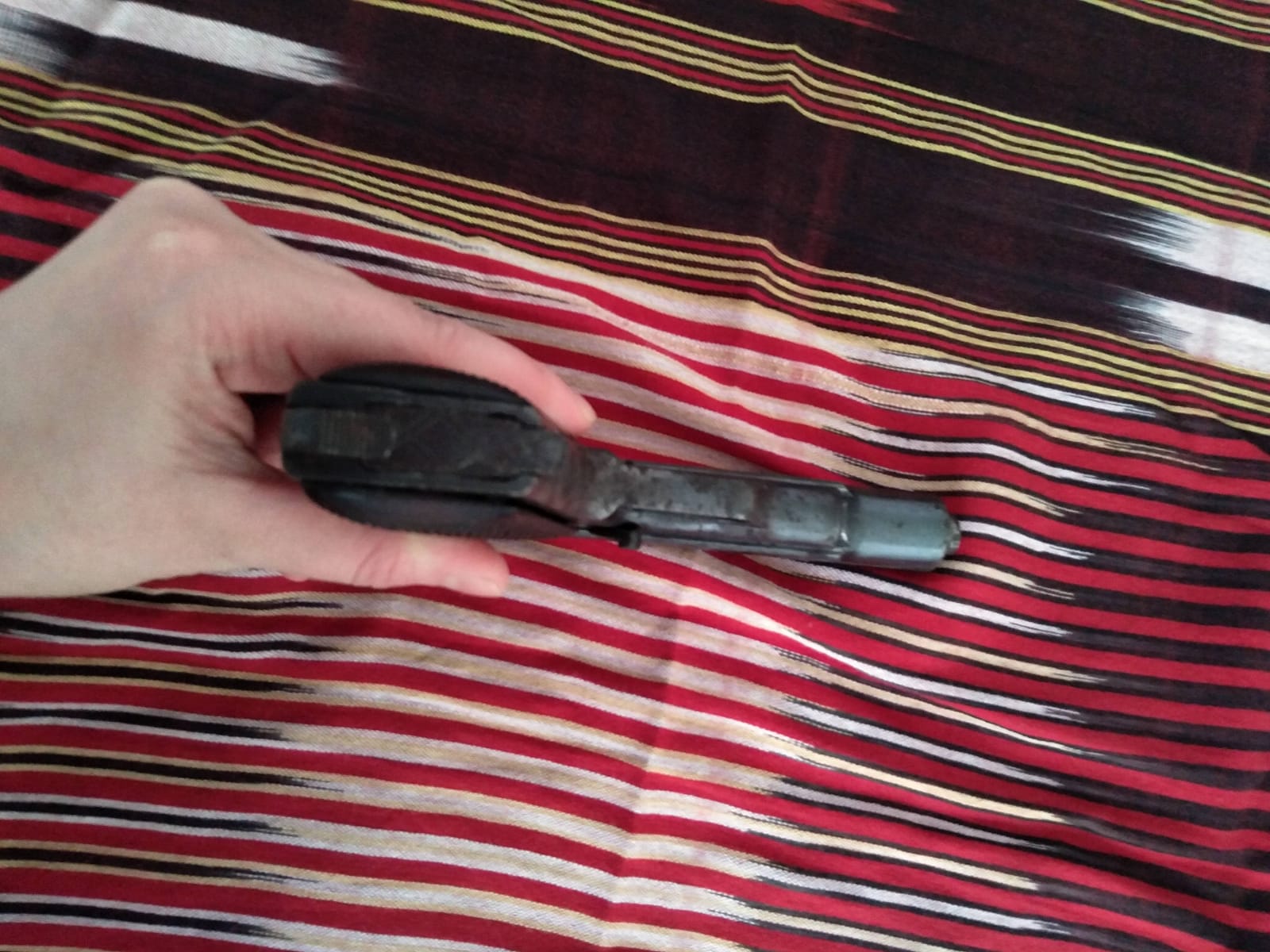
Fig.1.5. Bottom view of the pistol. The low quality of the metal the pistol is made from is likely why the condition of the pistol has deteriorated (Source: war_noir)
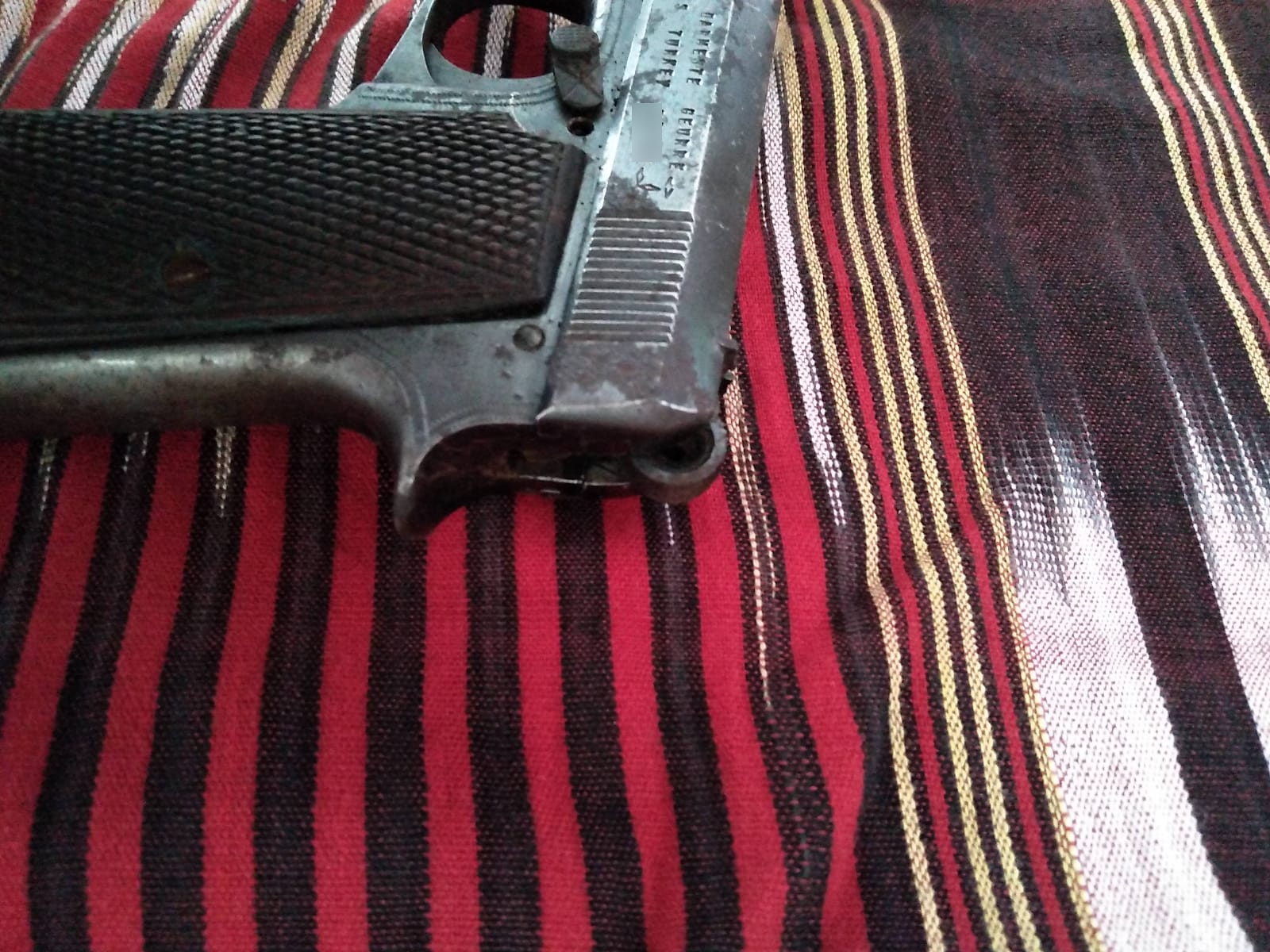
Fig.1.6. Rear view of the pistol. Note the small chequering lines along the rear (beaver tail) of the frame (Source: war_noir)
As for the caliber of the gun, it can be seen that it uses .32 ACP (7.65×17mm Browning) ammunition. Some ammunition was found with the pistol.
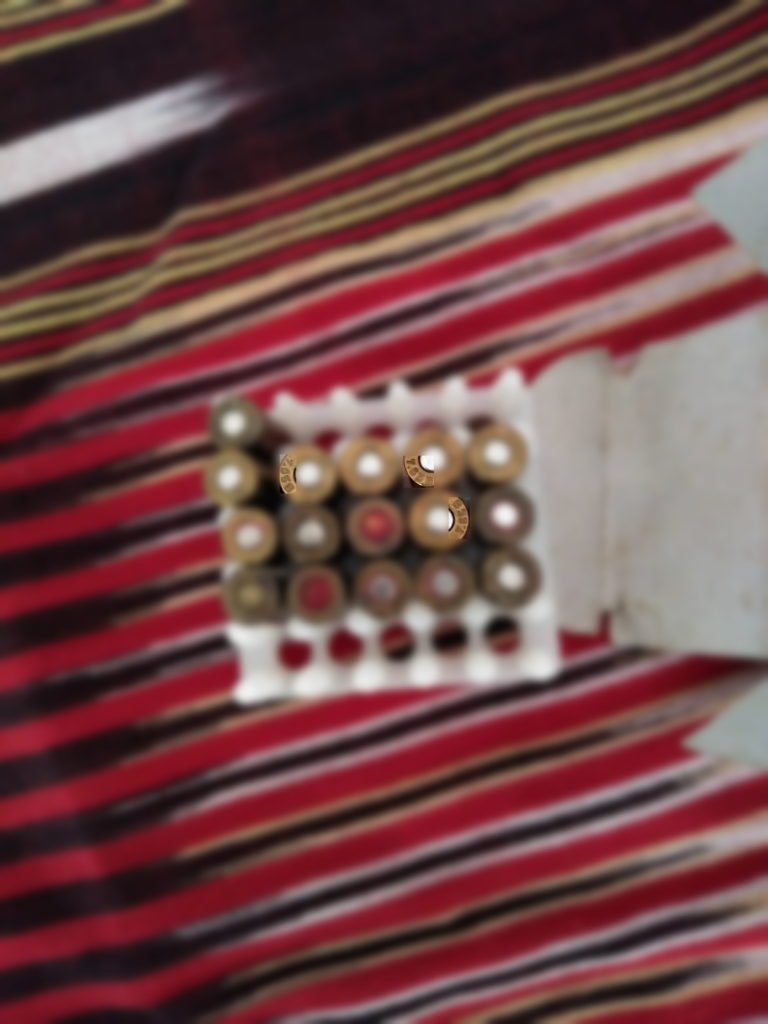
Fig.1.7. 7.65mm ammos for the pistol. Most parts of the photo is blurred by the request of our follower (Source: war_noir)
The main reason for this pistol, and many other types made in the region, using .32 ACP ammunition is likely that it is the most widely used in the region, the popular Kırıkkale Pistol, the Turkish copy of Walther PP, is also chambered in the round. Additionally and the original FN Model 1910 pistols also used .32 ACP ammunition. The safest round for its simple blowback action.
According to the information from our follower, the gun is more than 20 years old. Therefore, the use of .32 ACP was widespread in the region at the time of the gun’s production. The local gun manufacturers’ produced almost every hand-made gun in .32 ACP (7.65×17mm) or 9×17mm at that time (some Kırıkkale Pistols also used 9×17mm ammunition). Of course, nowadays, the caliber of the weapons made in the region can vary much more.
I would like to thank my follower for his visual and informational contribution to this article, and Silah Report for including this article. – war_noir
If you enjoy our work here at Silah Report please consider supporting us on Patreon!