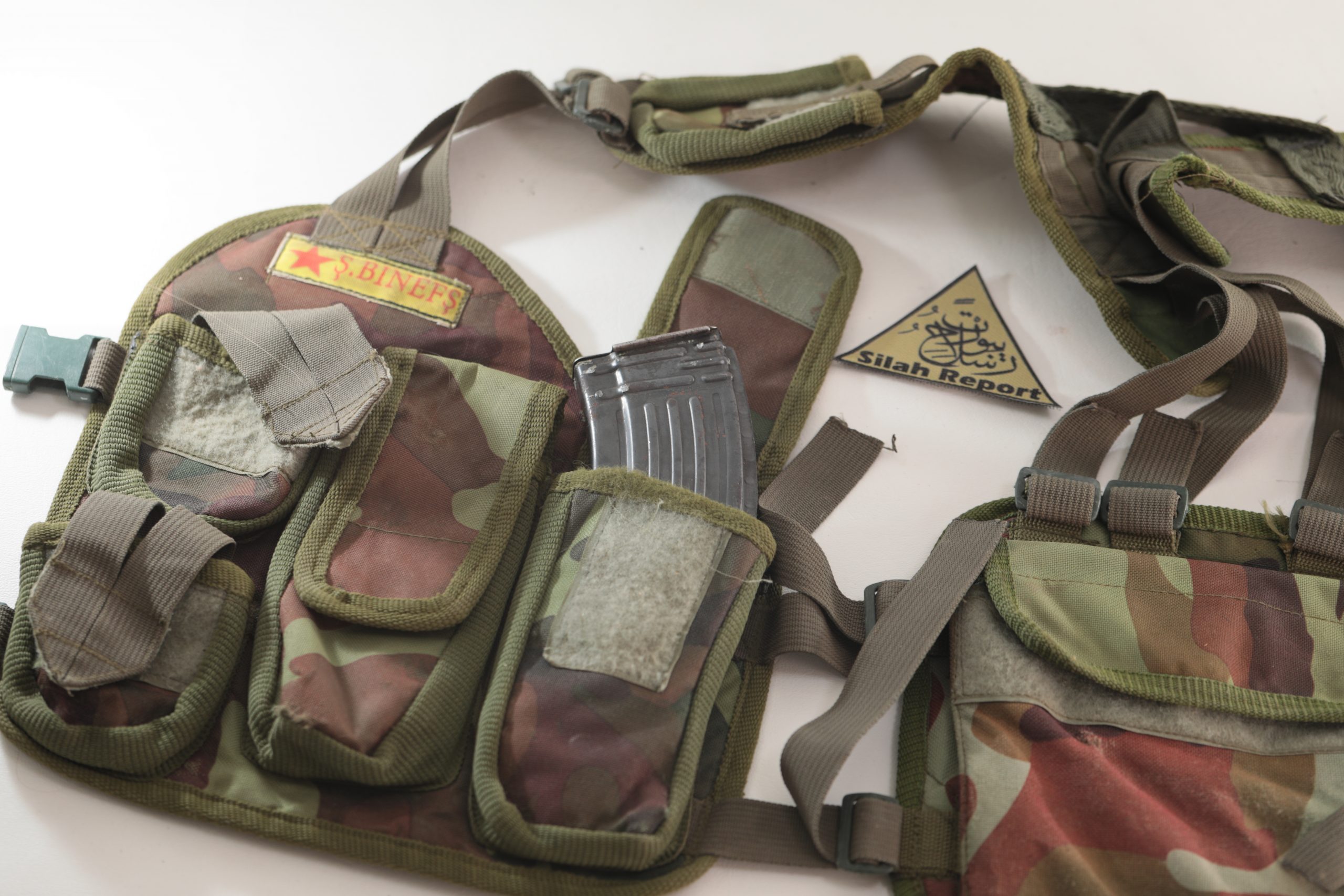
In this article we will examine some of the load-bearing equipment and kit used by the YPG and SDF Forces during the ongoing Syrian conflict. First a little context, the YPG is an abbreviation of Yekîneyên Parastina Gel in Kurdish and translates to People’s Protection Units in English. This initially Kurdish only militia can trace its lineage to 2011 when we saw the YPG become an official entity with the establishment of the Kurdish Supreme Committee when the left-leaning Democratic Union Party and the center to right-leaning Kurdish National Council formed a pact.
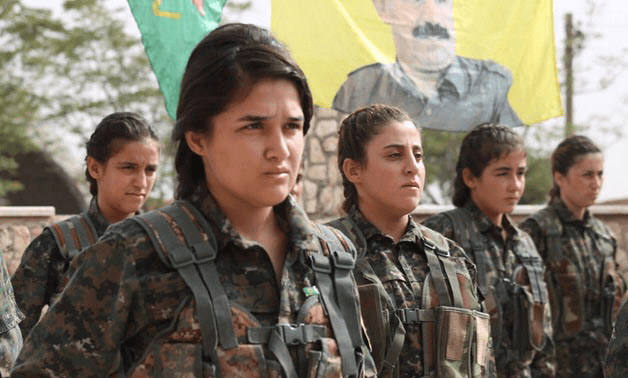
The primary goal of the YPG was initially to protect Kurdish villages and territories in northern Syria, but this expanded to include minorities aside from Kurds, such as Assyrians, Armenians, and Turkmen in what would eventually become the Syrian Democratic Forces (SDF) alliance established in early 2015. This was in in close coordination with regional Arab units from localities such as Minbij, Raqqa, and other cities in Northeastern Syria. YPG units cooperating alongside certain Free Syrian Army elements against the Islamic State saw the advent of Euphrates Volcano pact in late 2014. A separate all-female, multi-ethnic unit called the Yekîneyên Parastina Jin, or YPJ, was founded on 3rd April 2013, and was also integrated into the SDF command structure. These factions and alliances led to the foundation for the modern SDF, with the YPG being the head of military affairs.
Opponents of the YPG and the SDF were primarily the Islamic State, hostile FSA units and various other fundamentalist groups. Recently, conflict with Turkish armed forces and Turkish-backed FSA militia are ongoing in northern Syria. The Syrian Democratic Forces, YPJ and YPG are documented wearing virtually the same gear, and this article will focus on the identifiable primary kit utilized by the SDF, while a second article will examine that used by the Yekîneyên Antî Teror, the military counter-terrorism wing, abbreviated as YAT (separate from the law enforcement/Asayîş counter-terrorism unit, the Hêzên Asayişa Taybet (HAT), which translates to Special Police Force).
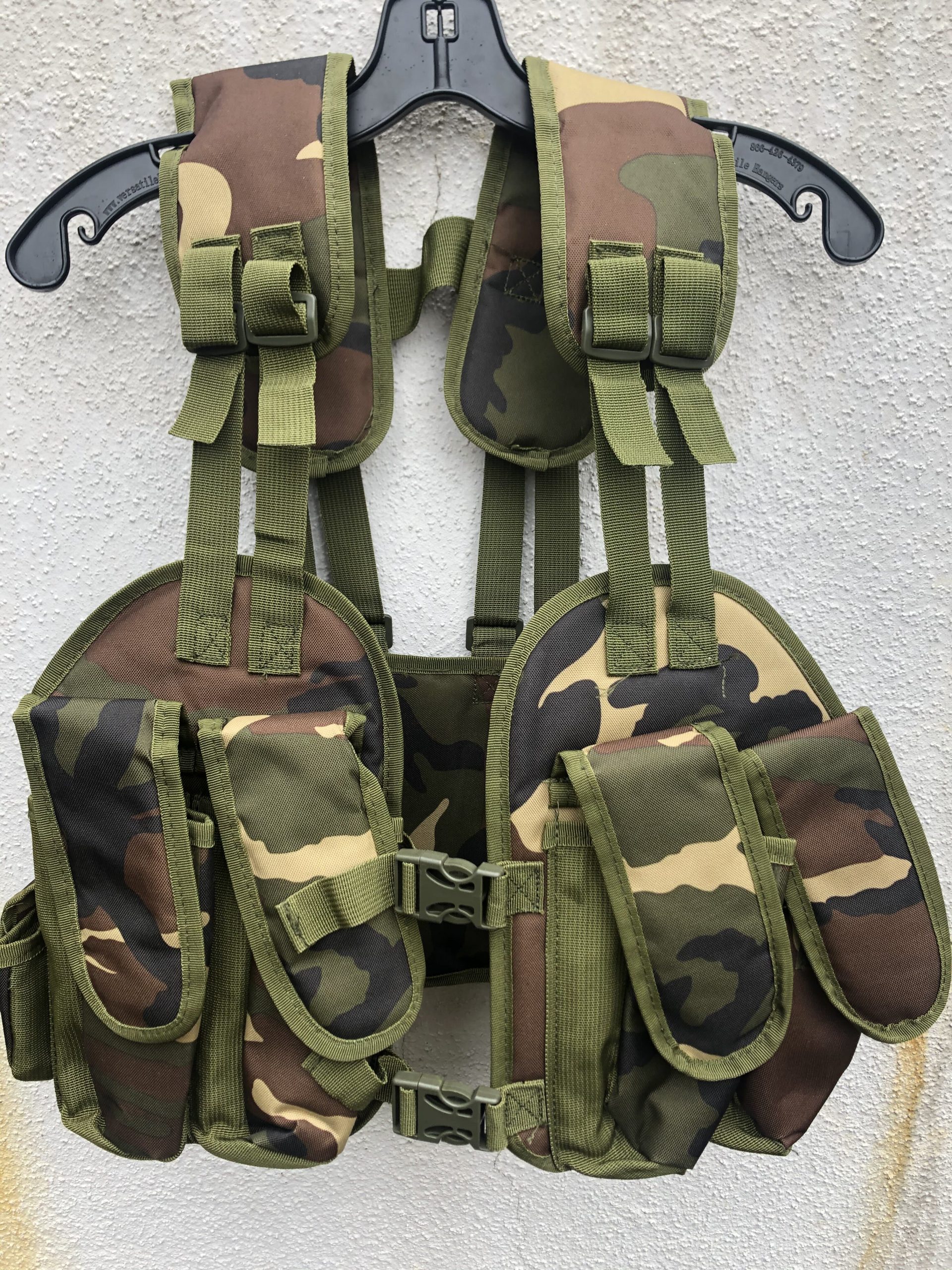
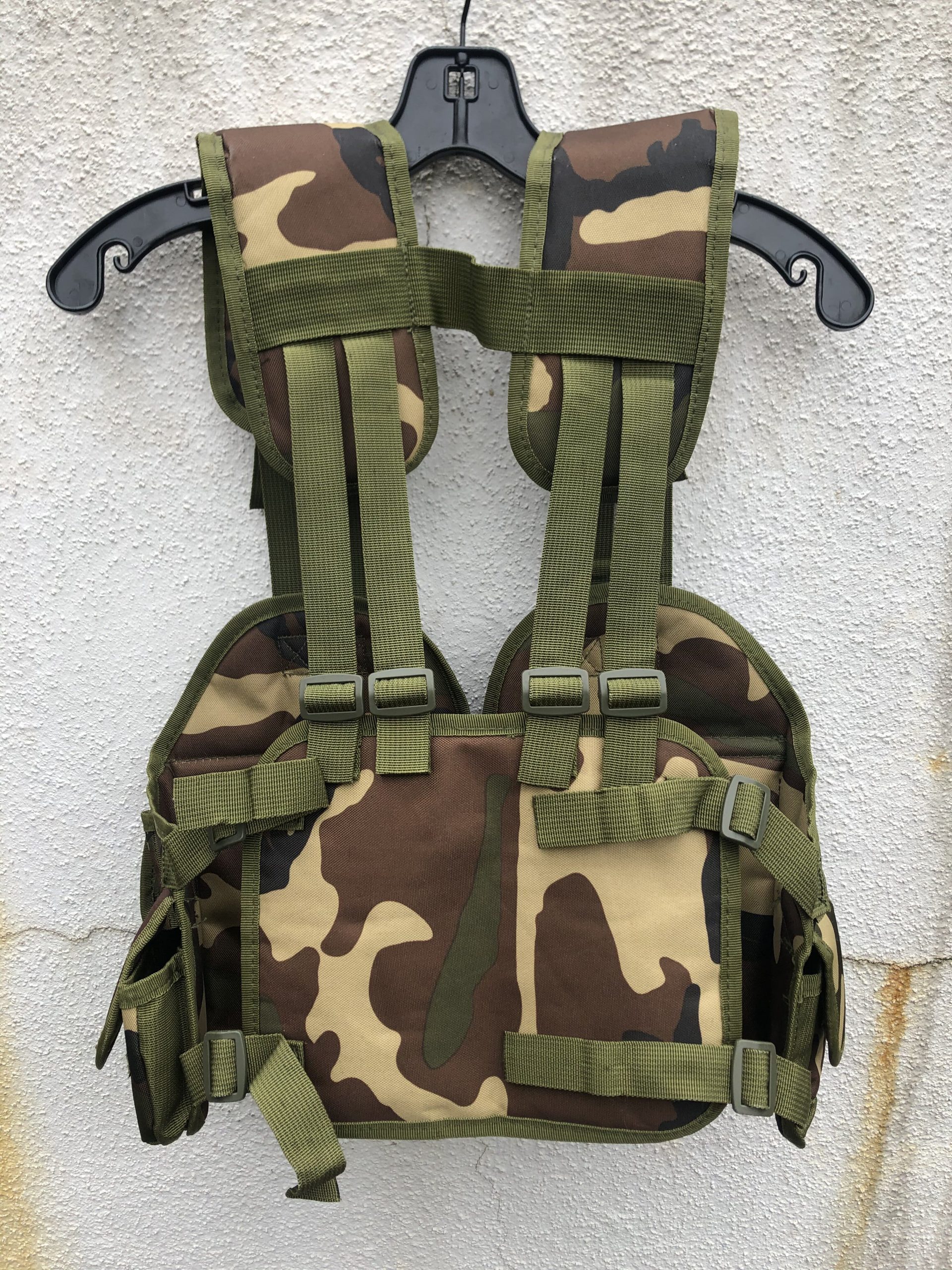
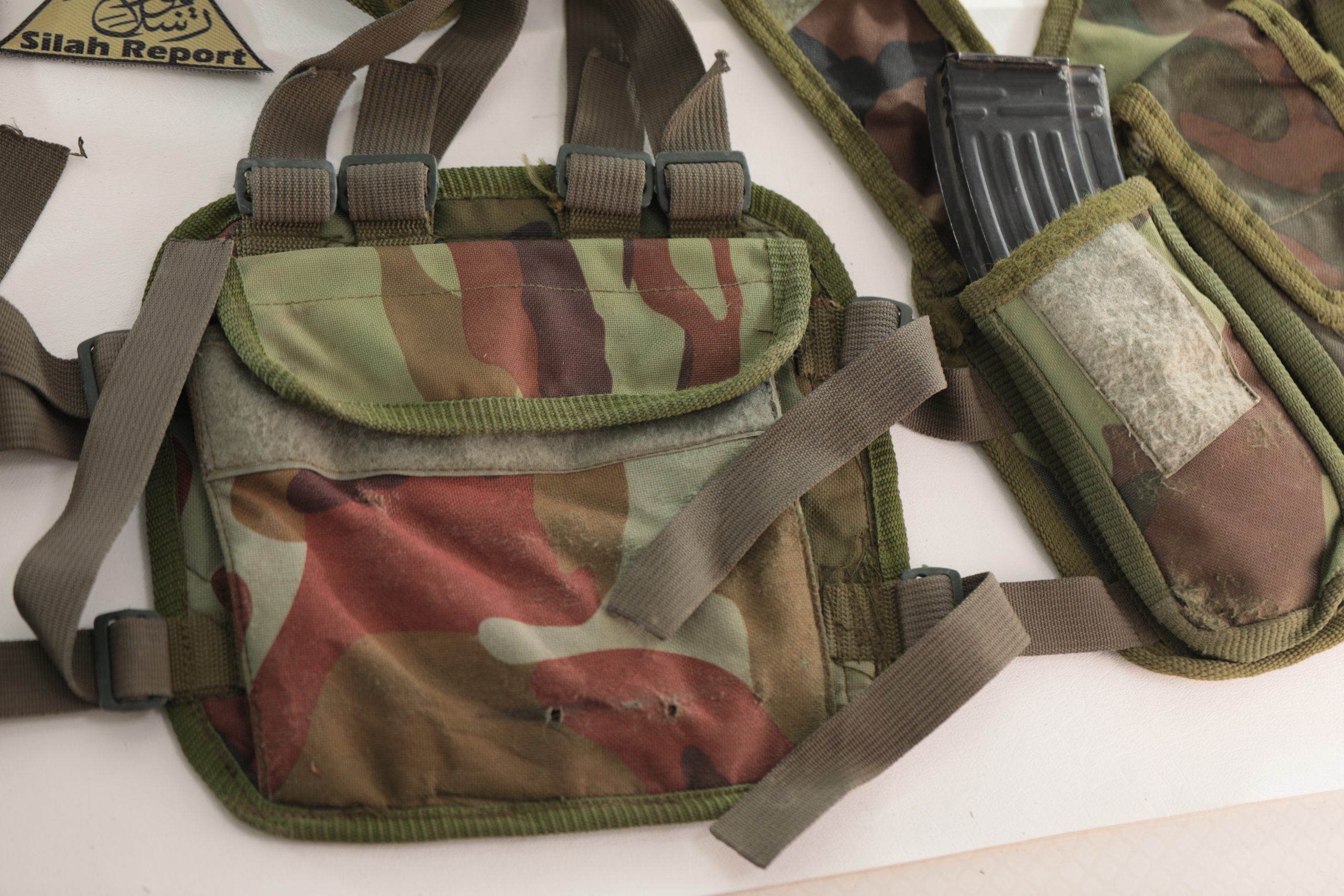
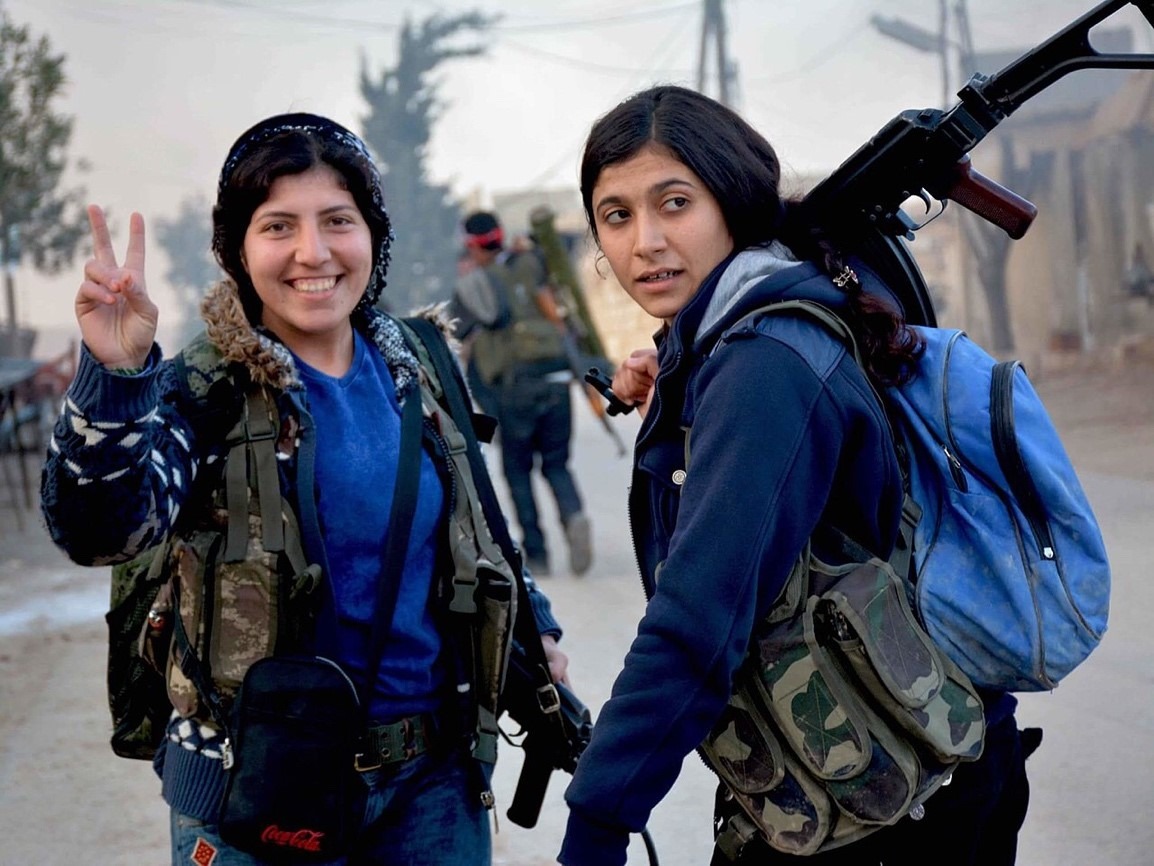
These load-bearing vests, often made with a copy of the M81 woodland pattern, appears to be the standard-issue primary kit issued to YPG and SDF Fighters. One variant features 4 magazine pouches, two on each side, and a grenade pouch on both the far left and right corners past the magazine pouches. These exact pattern of vests can be found online on websites such as AliExpress or eBay, and are Chinese of origin and made for hobbyists partaking in recreational activities like paintball or airsoft. Textile companies in Turkey make the same pattern of vest and are also intended for Turkey’s commercial market, such as for those who play airsoft or other tactical recreational activities. It is likely that the SDF’s primary LBV comes from multiple sources of the same type of H-Harness vest are purchased or made by the SDF in multiple variants and colors.
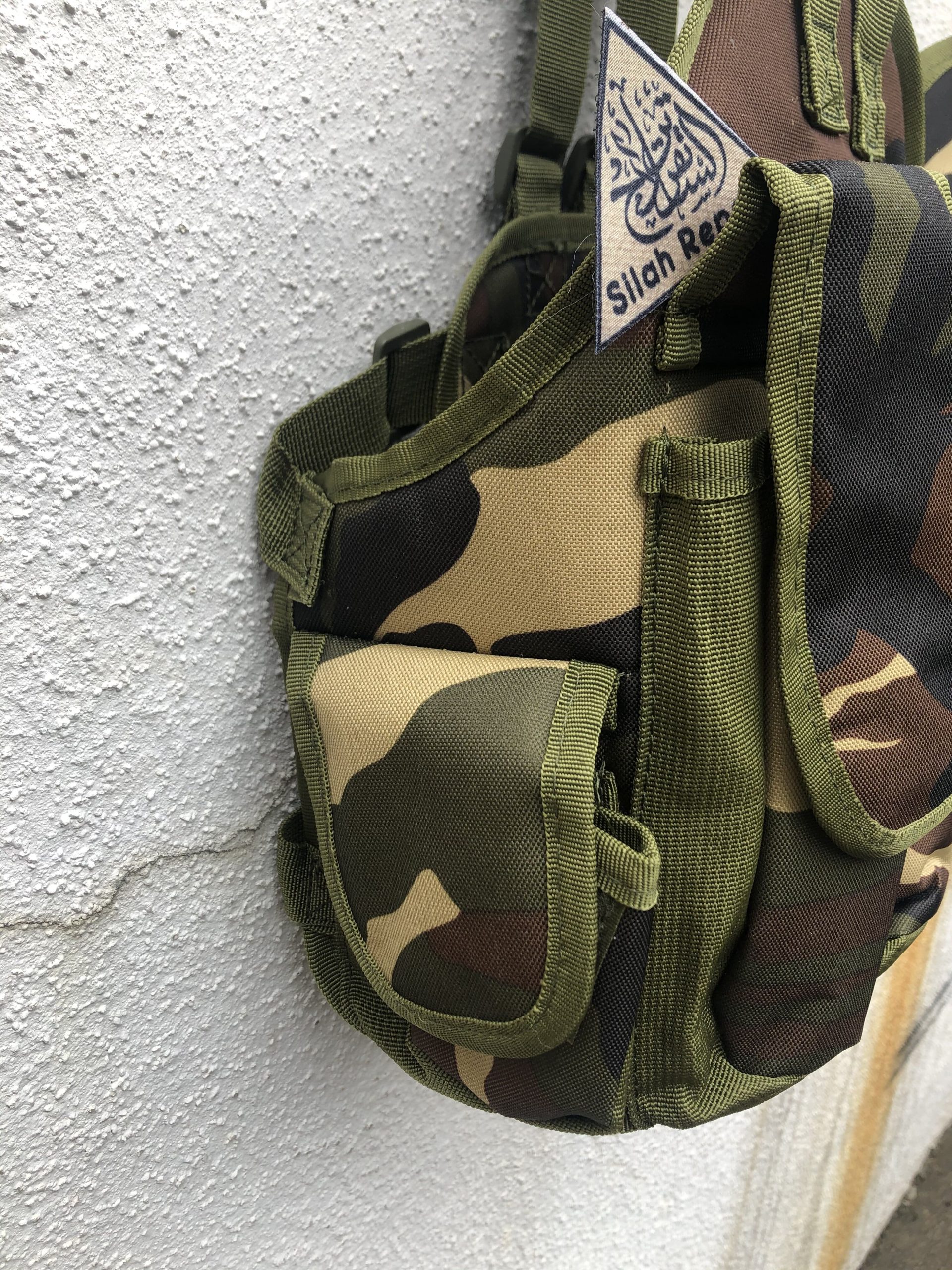
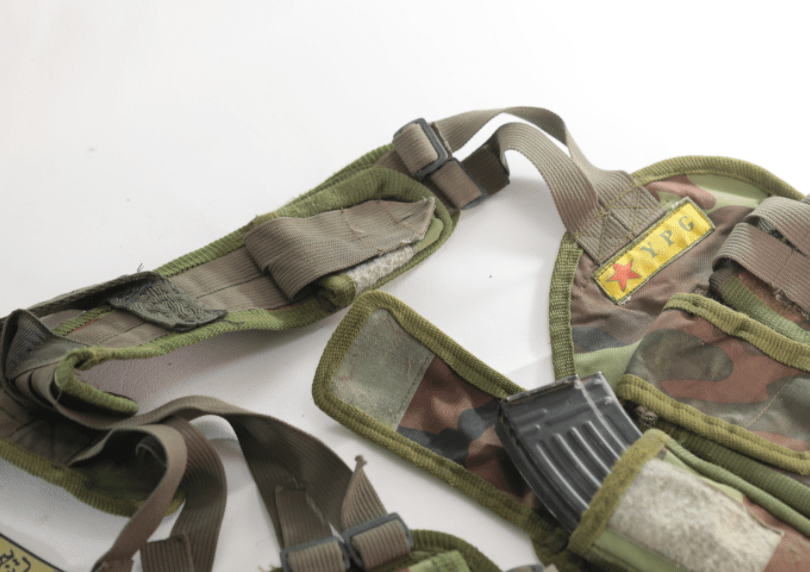
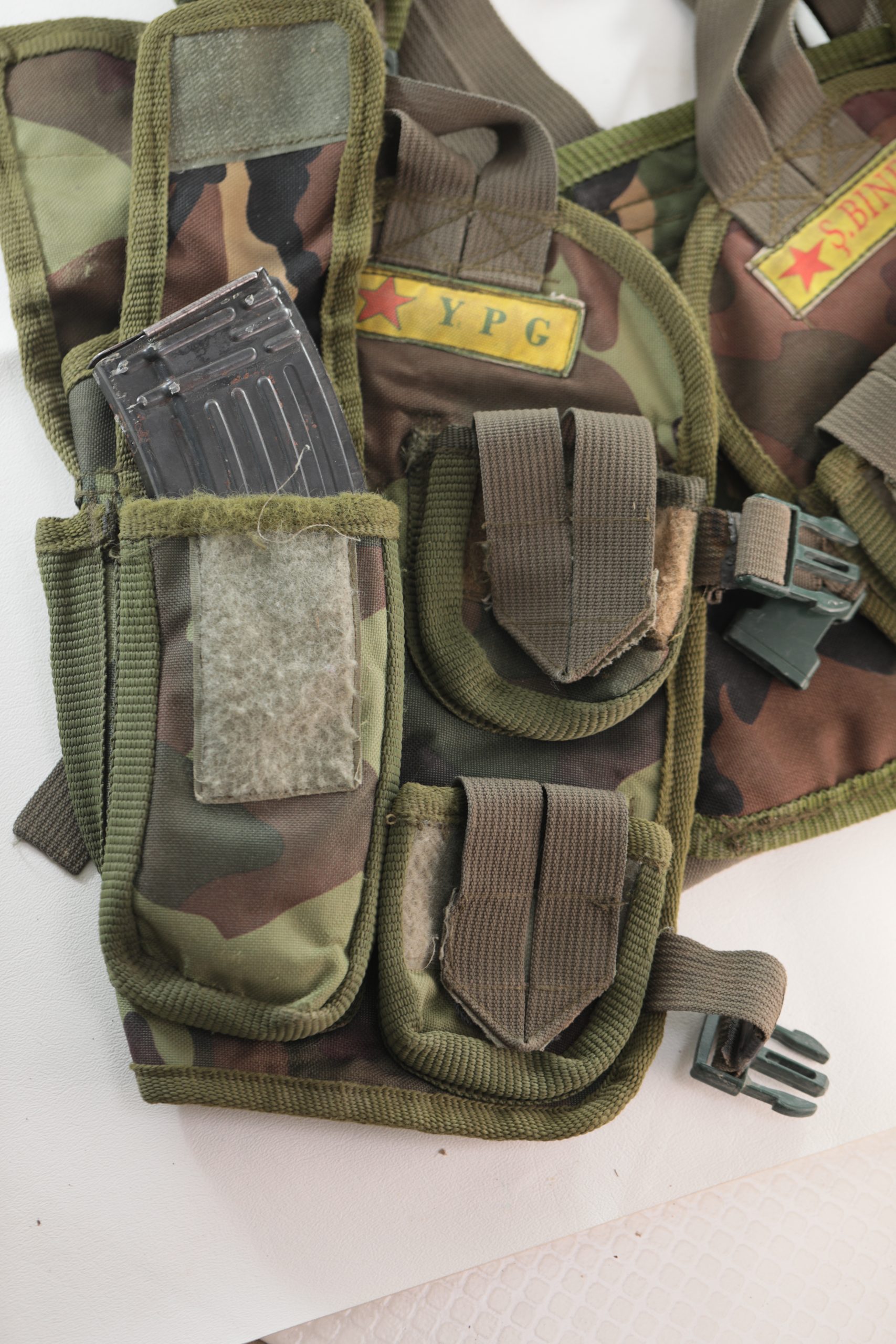
It is interesting to note that there are numerous variants of the SDF vest in use. Some are modified by fighters, who add rear general-purpose packs sewn onto the otherwise plain rear panel of the vest. Other variants possess 6 magazine pouches instead of 4 and have the grenade pouches on the upper part of the vest, at sternum level and above the magazine pouches. A multitude of different colors and patterns have been documented, for example a digital woodland pattern variant, which appears to be the second most commonly issued variant. Black, coyote brown, tan and even some made with Turkish Nano camouflage fabric is also seen in use. The latter variant again suggests that a distinguishable amount of these LBVs are made in Turkey or produced locally by tailors in Syria using fabrics found or imported in the area in order to supplement the SDF’s many fighters with a standard style of load-bearing equipment.
.jpg)
Ed Nash, a British foreign YPG volunteer, shares his experience with these load-bearing vests:
“The stitching was very good and the webbing was very hard wearing. I don’t recall ever seeing one wear out, despite sometimes years of combat use. However, the snap catches could get broken, normally caused by being stepped on.
…
This limited load out meant that occasionally YPG would stitch additional small pouches on for extra storage; I personally attached a small, soft pencil case to one of the shoulder straps for carrying a tourniquet and very basic first aid kit.
It was not unusual for users to stretch out the mag pouches in an effort to double the amount of ammunition that could be carried. This could be done, but in my personal experience doubling up the magazines would make extracting them difficult, especially under stress.…
As for the manufacturer, I never could work that out, or even the country of its make. I suspected it may have been made in Turkey, certainly other items seemed to be, such as the standard YPG/J winter jacket.
Though most YPG/J and later SDF would use the rig throughout the war, generally they would try to acquire a webbing set from ISIS stocks or bodies if possible. ISIS generally had excellent kit and webbing was one of the main things that YPG would happily help themselves too if they could. In summary, the standard YPG rig was a very primitive affair, especially in comparison to other webbing designs. But it was durable, cheap (I assume) and available. It was far from perfect, but it was good enough.”
Silah Report Reference Database Note-N.20200704.001
Nash makes the assumption that the vests he encountered were of Turkish and not Chinese origin.
Another YPG volunteer, who identifies himself as Rizgar, also shared his anecdote with his YPG issued vest:
“I got there in the summer of 2016 and around that time all of the uniforms that were standard issue were made of this plastic like material. Really sweaty, and melted easy. Over the course of the year from then into 2017 they started to get more fabrics and better uniforms were slowly issued. One time in Manbij there was a bunch of them but only in like size 50, they were huge haha. I needed another set so bad I grabbed them and put them on on top of the ones I had.
It all kind of depended on how good your Tabur commanded was connected of friendly. Also you could go to tailors and get all sorts done (for the uniforms)
(As for the LBV Vest), if you got someone to help you with the straps and position it right it wasn’t too bad, people would sew pouches and stuff onto the kind of small back panel of them, but not the most comfortable thing.”
-Correspondence with “Rizgar”, 2020
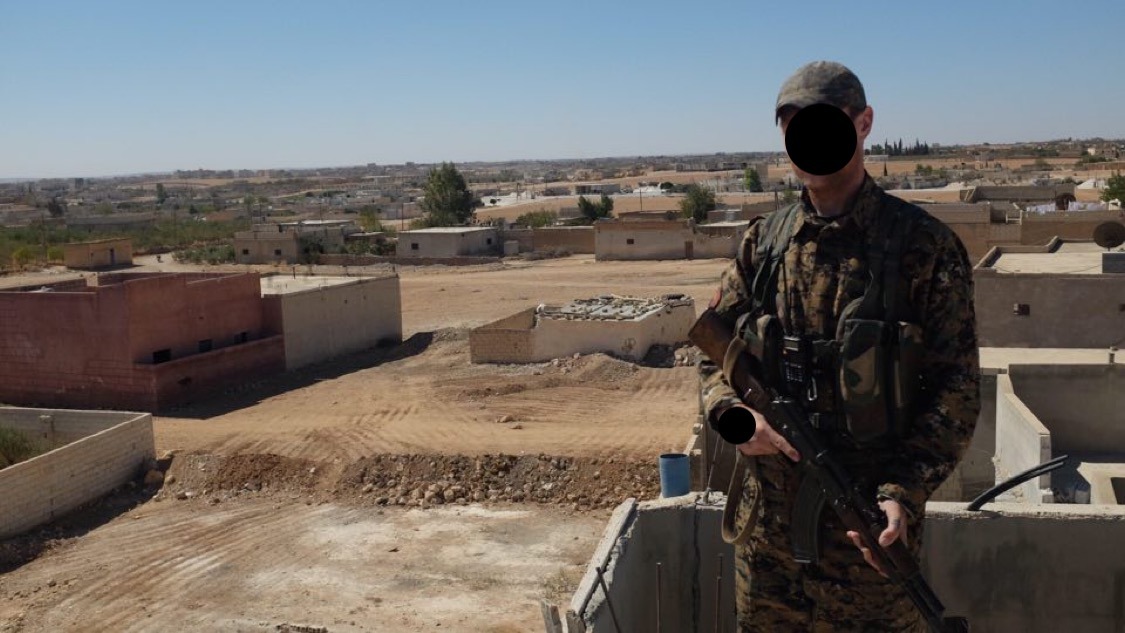
These different experiences of the vest, ranging from decent to not the most comfortable, can reinforce the statement that these vests’ quality depended on whether they were Turkish sourced, locally made or from China. Citing personal experiences of fighters with the gear as well as our own independent analysis of documented vests, one can deduce that the vast majority are in fact of Turkish origin and that Chinese and indigenous production vests supplement the primarily Turkish sourced gear.
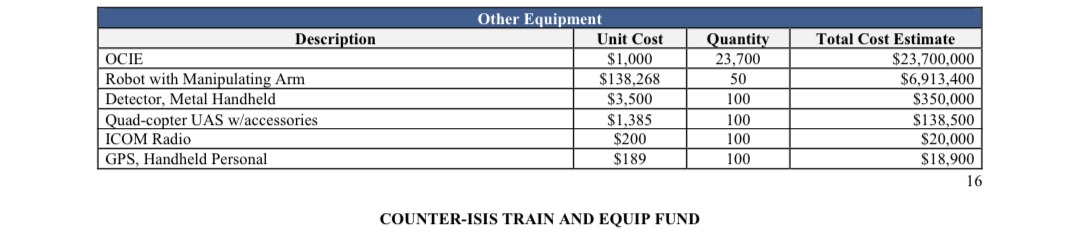
Also worth mentioning is the Fiscal Year 2019 Department of Defense Budget Proposal which is submitted to the United States Congress for approval. This budgetary proposal covers how much equipment will be purchased for its allies in Iraq and Syria, with US Department of Defense budgetary proposals going back as far as 2016 showing funds allocated to Kurdish factions. The SDF has received support from the Pentagon in recent years and resources allocated to the SDF, listed in the proposal as “Kurdish forces”, include resources such as binoculars, stipends for fighters, and OCIE, Organizational Clothing and Individual Equipment. Budget set aside for OCIE is funding allocated for SDF fighters to purchase uniforms and these LBV vests under the discretion of the SDF Tabur commanders, as noted by Rizgar.
While a specific date of its introduction of the iconic vest is unclear, there are photos of YPG militia members utilizing it as early as 2012, for example, during the battle of Ras al-Ayn. Because of how prolific the vest is online, we can infer that these predominantly woodland camouflaged LBVs may have been ordered en masse from Turkish and Chinese sources around late 2011, when the YPG became an officially formed as a Kurdish militia. As of today, the YPG issued woodland load-bearing vest continues to be the standard-issue 2nd line equipment for the YPG and the entirety of the SDF.
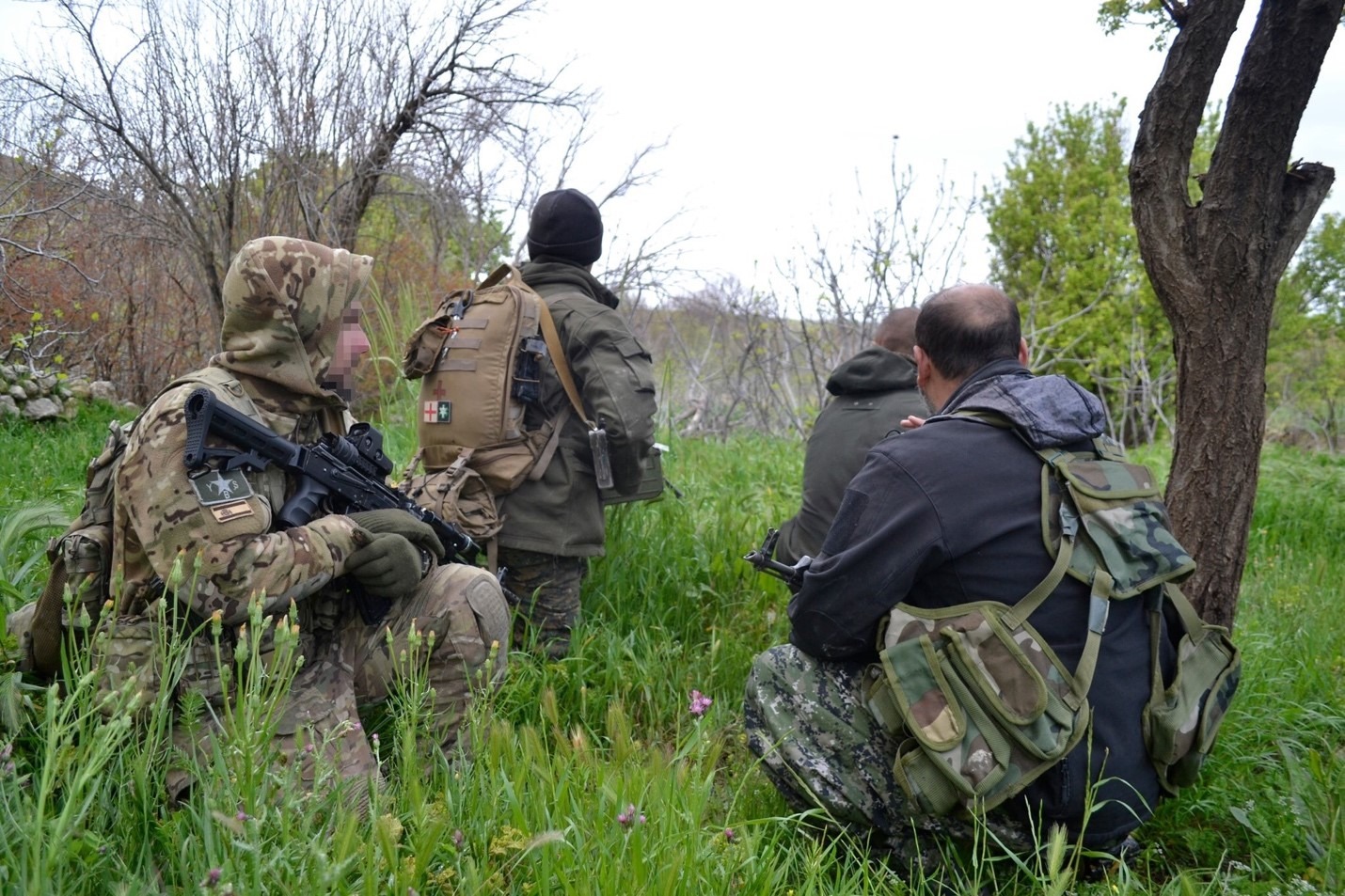
Foreign volunteers who join the ranks of the YPG or YPJ often bring their own personal load bearing equipment, consisting of various plate carriers or commercial chest rigs. Those who did not, however, are issued regular load-bearing vests.
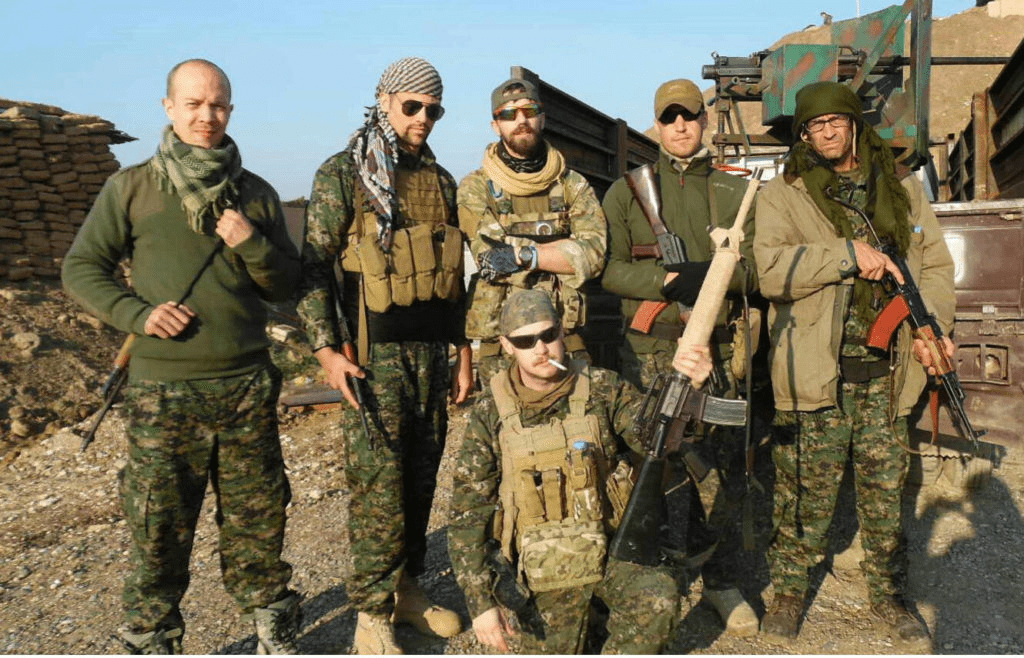
Despite its status as a militia unit, the load-bearing equipment utilized by the Syrian Democratic Forces, the YPG/YPJ, is an interesting blend of Chinese and Turkish sourced gear, and indigenously made vests. Their choice of kit is a reflection of the SDF’s manpower, economic status, available resources and relations it has with the international scene. Due to the volatility of the political climate in northern Syria, it will be interesting to see the gear of the militia fighters in the YPG/YPJ, YAT and the SDF evolve to adhere to the ever-changing situation and alliances they will encounter in the future.
In the second part of this article, we’ll look at the load-bearing equipment used by the SDF’s counter-terrorism unit, the Yekîneyên Antî Teror (YAT).
If you enjoy our work here at Silah Report please consider supporting us on Patreon!
I’ve seen these exact vests for sale from Chinese factories on sites which do bulk orders, like Alibaba
Very, very late reply, but yes, we can do that. Afghanistan has a whole confluence of indigenous, US, Chinese and other influence kit wise
After the second article for the YAT can we see the vests used by the Afghan security forces?