On the night of 11 November, 2018 the prestige of the Israeli elite force, the General Staff Reconnaissance Unit “Sayeret Matkal” was damaged by the Palestinian fighters of the “Al-Qassam Brigades” and the consequences of the operation led to the resignation of notable members of the Israeli government. The Israelis believed that Sayeret Matkal using the latest modern technological means, they could breach the security and military system of the Qassam Brigades, but apparently they failed.
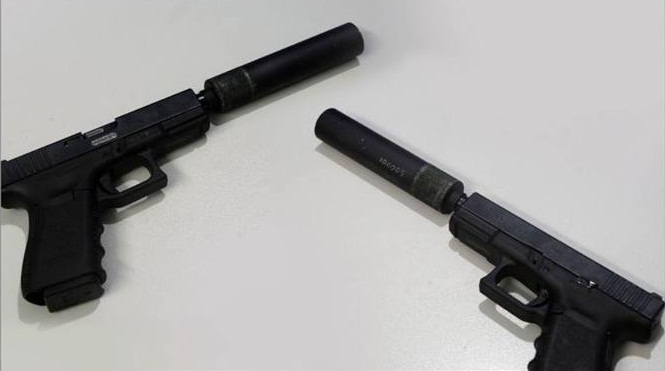
Fig.1.1. Two suppressed Glock-17 pistols which were used by the Israeli force and captured by Palestinians.
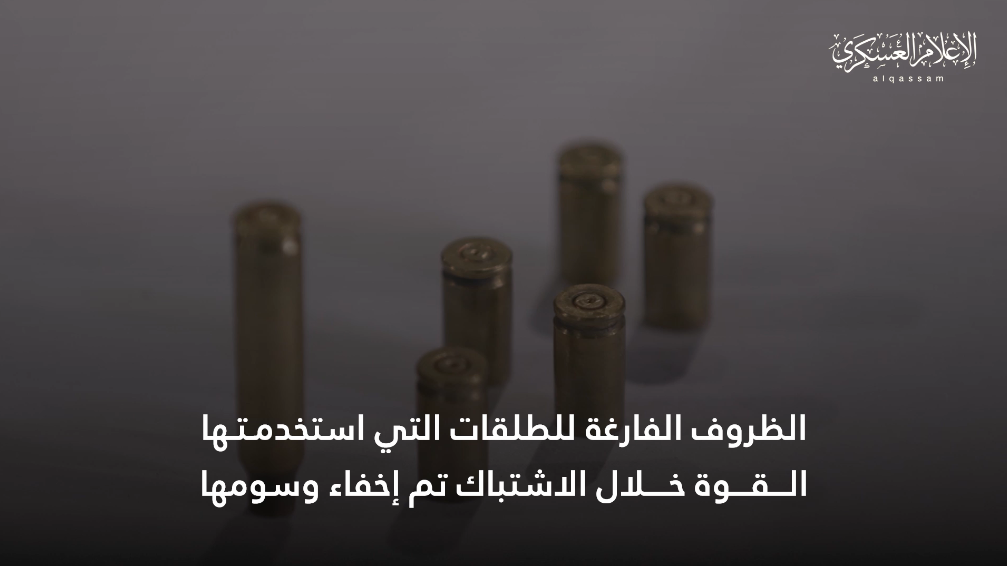
Fig.1.2. The spent cases of the Israeli unit were found with no markings, which was planned to be undetectable, but on the other hand – who else has the technology to manufacture such ammunition?
Al-Qassam website unveils the precise details of the Sword Edge operation from the first moment since detecting the Israeli special unit, through the killing of the unit’s commander, to the pursuit of the force and targeting the helicopter through which transported the fleeing Israeli operators.
The Palestinian Side of the Story
Suspecting the vehicle
In the early evening hours of Sunday 11/11/2018, Commander Nour Barakeh (from Al-Qassam Brigades) suspected a blue “Volkswagen” vehicle that was driving near his house, when he noticed that it was stopping in more than one place in the area and people got out. He also did not recognise the occupants..
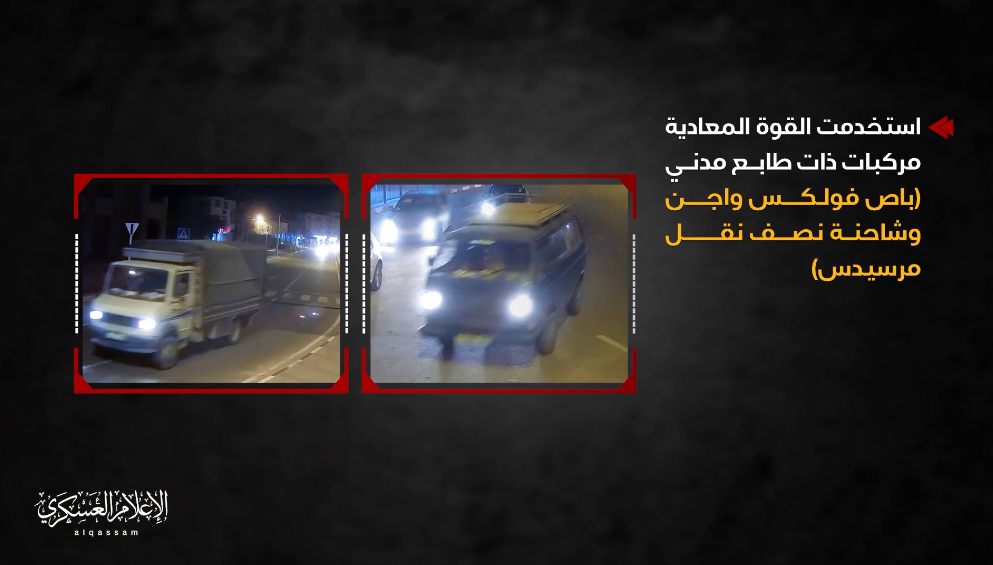
Fig.2.1. The Mercedes truck and the Volkswagen minibus boarded by the Israeli unit, the scenes were taken from the Palestinians’ surveillance cameras.
Sheikh Nour informed the field intelligence officer, and directed the mujahideen in the field to stop the vehicle, and when they confronted the members of the force, the commander of the force – who was killed in the operation – responded in a local Arabic accent that they were visiting their relatives, but Sheikh Nour was not convinced by this story and decided to pursue the vehicle and assign the interrogation process to the field intelligence officer.
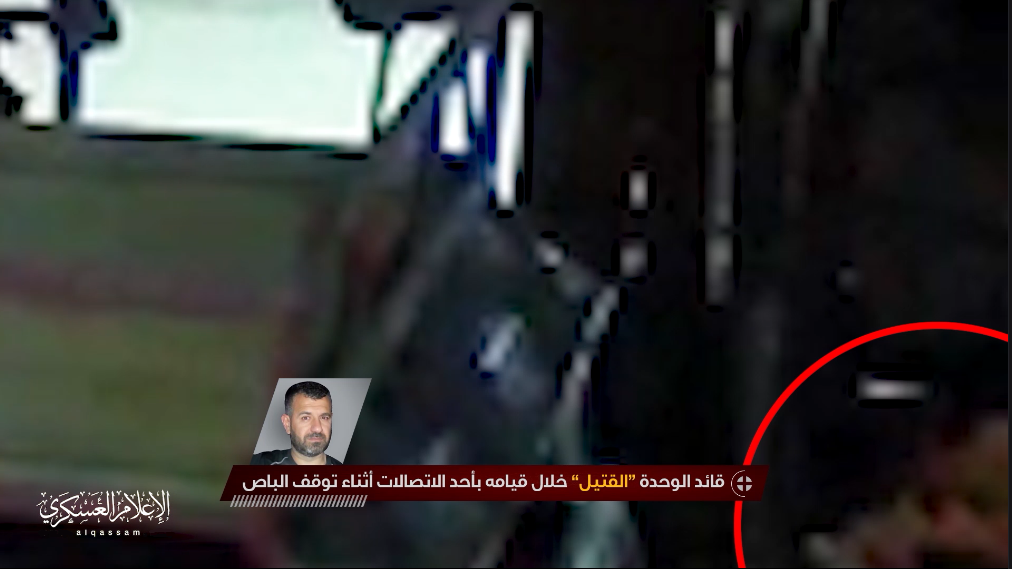
Fig.2.2. The Israeli unit commander, Colonel M. making a call during the bus stoppage.
Interrogating the unit
Sheikh Nour moved to pursue the suspicious vehicle, as he headed by a bypass road to cut off the vehicle’s route, and in the mean time the intelligence officer accompanied by a number of Mujahideen had stopped the vehicle and confiscated phones inside, as they were identical in shape and color and in a large part of its contents, and they also showed their identity cards which was assuming the names of people from Gaza City.
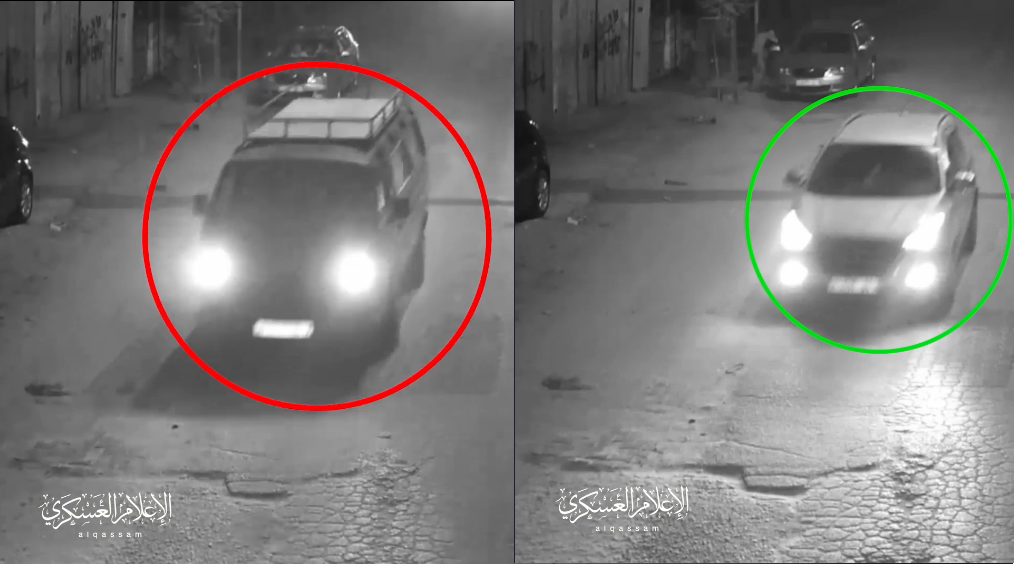
Fig.3.1. The Volkswagen bus in the red circle followed by Nour Barakah’s car in green circle.
Sheikh Nour instructed the partisans to search the vehicle and get the passengers off the vehicle, and to interrogate each one of them separately. During the interrogation, the partisans touched on the unit’s extreme keenness to present a unified story. However, under the pressure of the interrogation, some of them fell into a state of conflicting accounts, which were divided between visiting a patient in the hospital and working for an international organization named “HUMEDICA” and a third to accompany their relative who lives near the area.
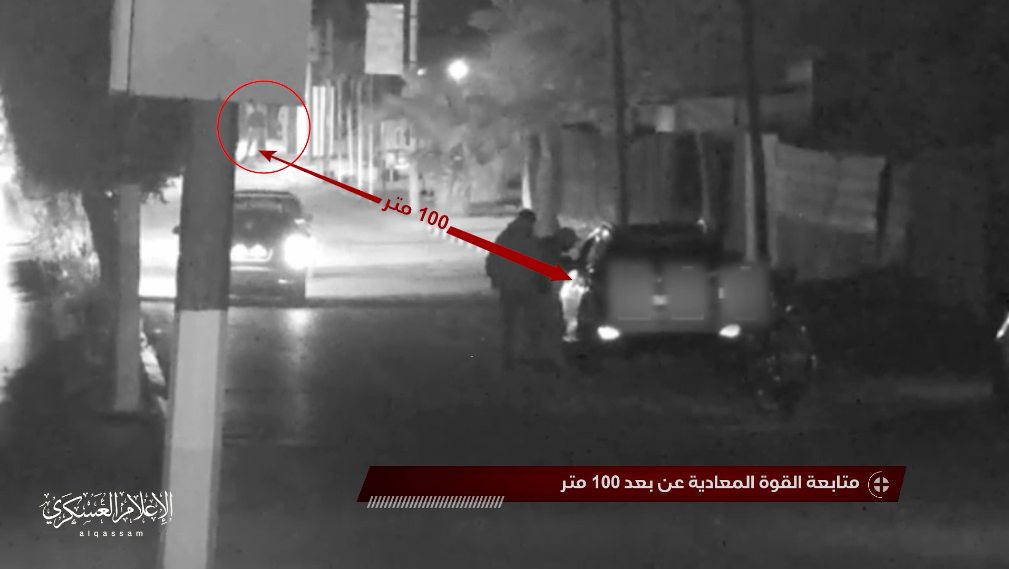
Fig.3.2. Palestinian combatants standing 100 meters far behind the Israeli unit while other combatants search the vehicle.
The interrogation lasted for nearly 40 minutes, during which everyone was forced to get off the vehicle, and among them was a man carrying a crutch and pretending to be suffering from a mobility disability, in addition to two women, and during the search, one of the women’s bag fell and what was inside of it was a collection of tiny-printed Qur’ans among women’s clothes, which reinforced the suspicion among the Palestinians.
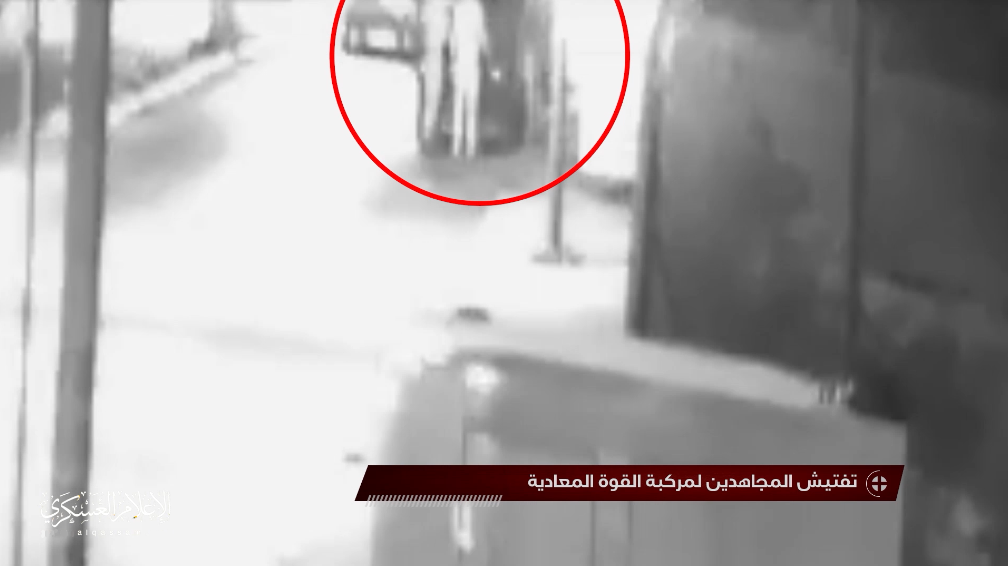
Fig.3.3. Palestinian combatants searching the vehicle.
As suspicion increased, the partisans raised the level of inspection. They found envelopes with equal amounts of cash and serial numbers, with the names and addresses of people from the Gaza Strip.
The field intelligence officer informed the Qassami commander Sheikh/Nour Barakeh of the progress of the investigation, his response was: “these are liars”, and he ordered the members of the force to be taken to a military site to start an extended round of interrogation with them.
Moment of Engagement
With the issuance of Sheikh Nour’s decision to take the force to one of the sites, signs of extreme tension appeared, some of them reportedly cried, and refused to obey the orders. They drew concealed pistols from the vehicle and began to fire on the Al-Qassam members. Sheikh Nour and the fighter Muhammad al-Qarra were killed immediately while two others were wounded, at that time one of the Al Qassam fighters fired his pistol towards a member of the Israeli force to hit him in the chest, and it became clear later that he was the commander, “Colonel M.”.
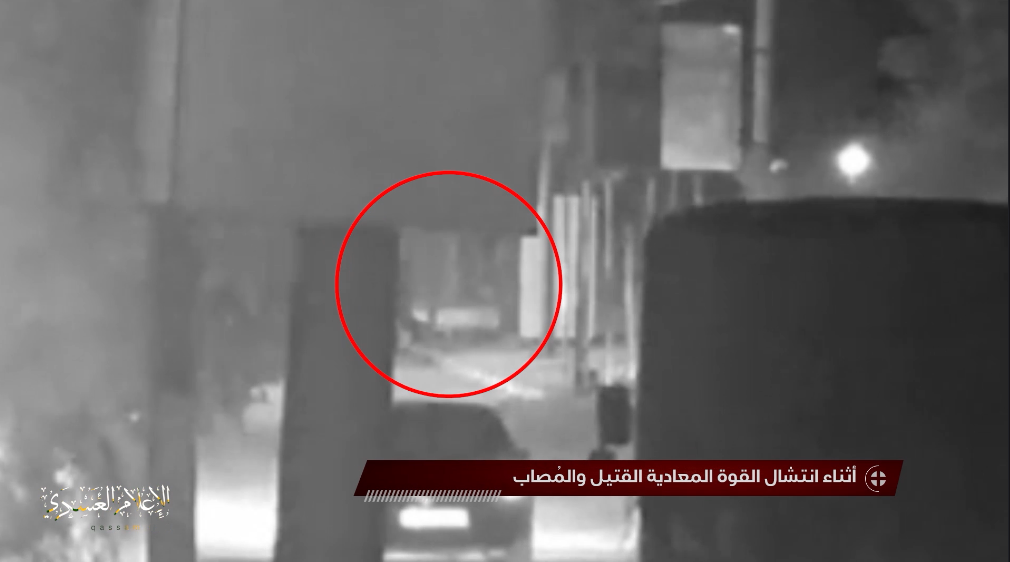
Fig.4.1. Israeli combatants recovering their commander’s body after being shot in action.
The unit’s members got out of the vehicle to exchange fire with the resistance fighters, hitting the intelligence officer, while one of the members of the force was wounded. At this moment, the force quickly recovered the body of the dead man, “Colonel M.”, who was wounded in a state of confusion, and the chase stage began.
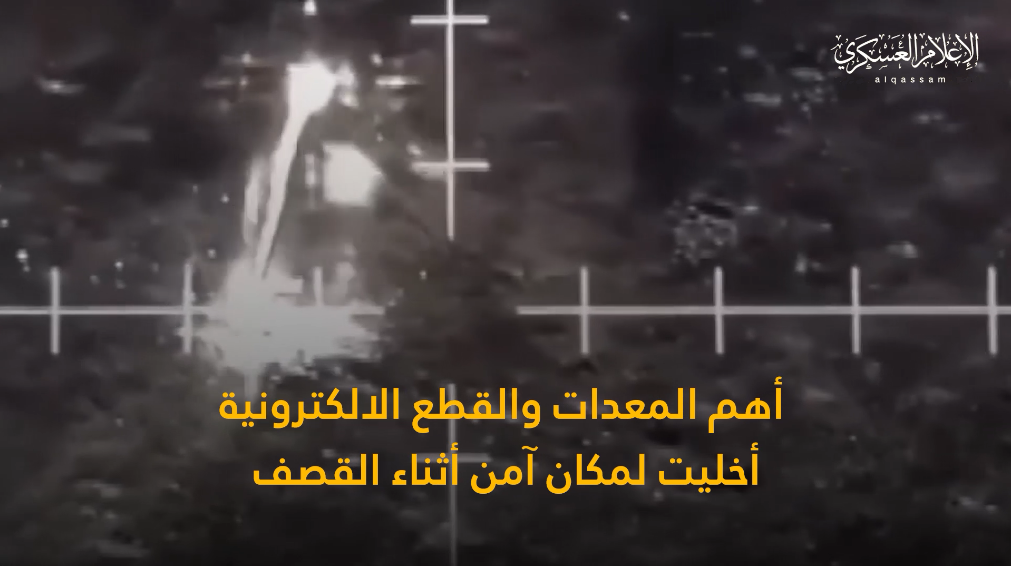
Fig.4.2. RPG-7 round shot from road-side ambush on the escaping vehicle, it passed right in front of it to explode on the other bank of the road.
Trapping the Unit
At exactly 8:48 pm, the eastern Khan Yunis battalion command was informed that there were deaths and injuries at the place of interrogation and that the vehicle headed to east very quickly, and immediately the command of the Eastern Khan Yunis Brigade issued an order to implement the pre-agreed mobilization plan No. (7/20), which includes shutdown of all roads and entrances leading to the area of the battalion’s territory, and imposing a cordon on all ports and entrances.
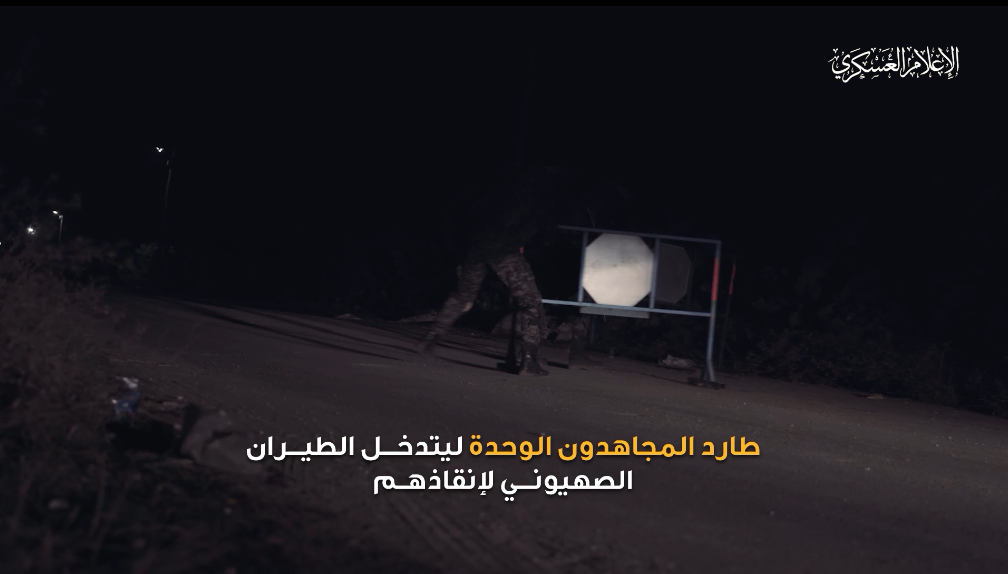
Fig.5.1. From a reenacting, Palestinian Qassam fighters blocking the roads according to orders given to them.
The Palestinian fighters began to implement the order and swept the entire area, in which they showed a high level of readiness and vulnerability, and during the sweeping process, the fighters began to envelope on the Israeli force from several directions.
In those moments, and after the Israeli leadership realized that it would not be able to withdraw the unit overland towards the border, the option became for the unit to hide with the vehicles in one of the farms near the place of evacuation and to maintain complete silence and wait for air support.
Meanwhile, the Israeli Air Force began to intervene by air to create a fire belt between the Palestinian partisans and the Israeli force to disrupt any attempt to reach their whereabouts, through helicopters and jet fighters that carried out a huge circle of fire in the vicinity of the unit’s presence, and all roads and junctions leading to its location were also targeted, which led to increase the number of Palestinian losses.
The Israelis began developing their evacuation plan, which consisted of calling up a “Yas’ur 2000” air transport helicopter (CH-53 Sea Stallion) and entering it from the eastern side at low altitude, backed by two Apache helicopters to protect and secure it.
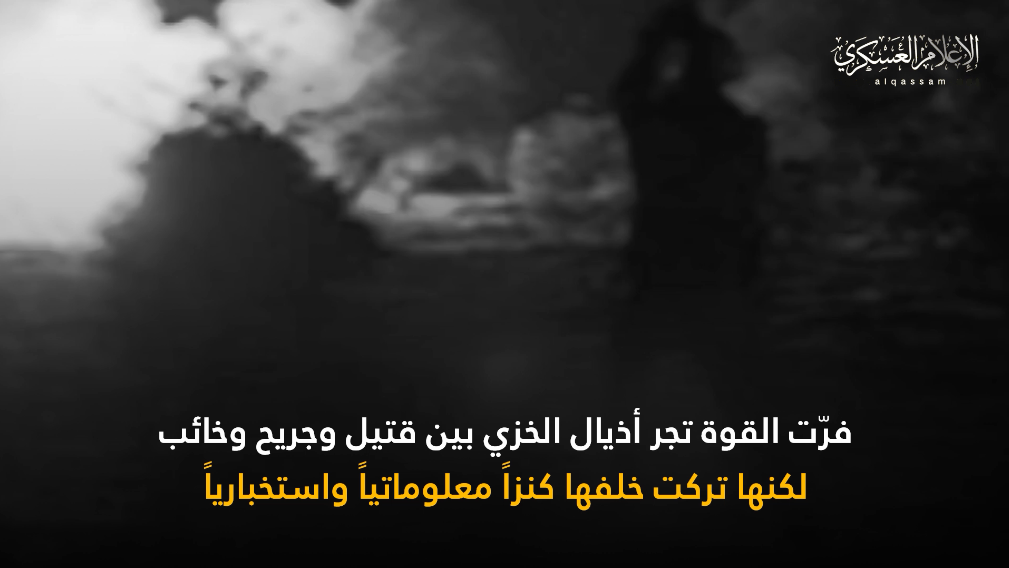
Fig.5.2. Surveillance cameras showing a Palestinian fighter from Al-Qassam brigades shooting his AK-pattern assault rifle on the Israeli helicopters while an explosion from Israeli Air-to-Surface missiles is just few meters far from him.
Meanwhile, the Israelis significantly interfered with all radio communications in the region including Al-Qassam radio waves and issued misleading signals indicating that a plane was shot down at sea and that the fighters should head towards the west, but this did not deceive the Palestinians, and a directive was issued through Al-Qassam brigades’ “Signal Corps” that this signal is false, and everyone should continue to work according to previous instructions.
However, the Israelis succeeded to evacuate their unit from the hostile area after losing their commander and killing a field commander with 6 other combatants from Al-Qassam Brigades, the commander and his fellow were shot from silenced Glock pistols during the interrogation while 5 others were killed by Israeli Air Force firewalls.
Aftermath
After evacuating the special unit, IAF performed a strike to destroy their leftovers but the Palestinians were too quick to collect documents and devices from the vehicles in the tight time between evacuation and the airstrike which represented an informational and intelligence treasure that Palestinians got their hands on.
Investigation teams from Al-Qassam brigades declared many mind-blowing results after analyzing the equipment they seized to the level that makes you think you are watching a James Bond movie, due to the very high tech equipment they used-or in that case, what they were about to use.
Vehicles
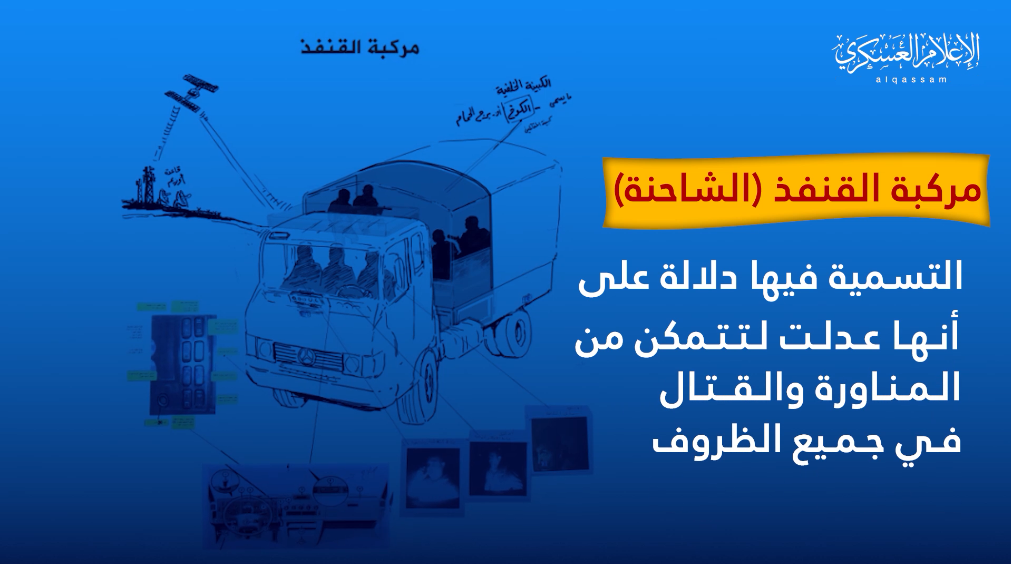
Fig.6.1. The Hedgehog vehicle, is an old Mercedes-Benz truck that was modified to be capable to maneuver and survive in all conditions.
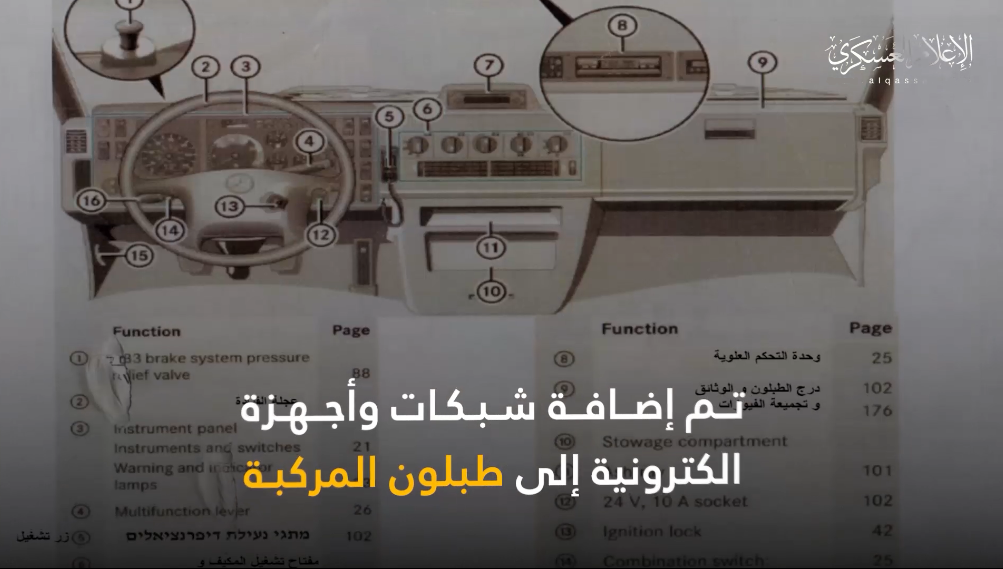
Fig.6.2. Disguised High-Tech devices were added to the vehicle’s dashboard.
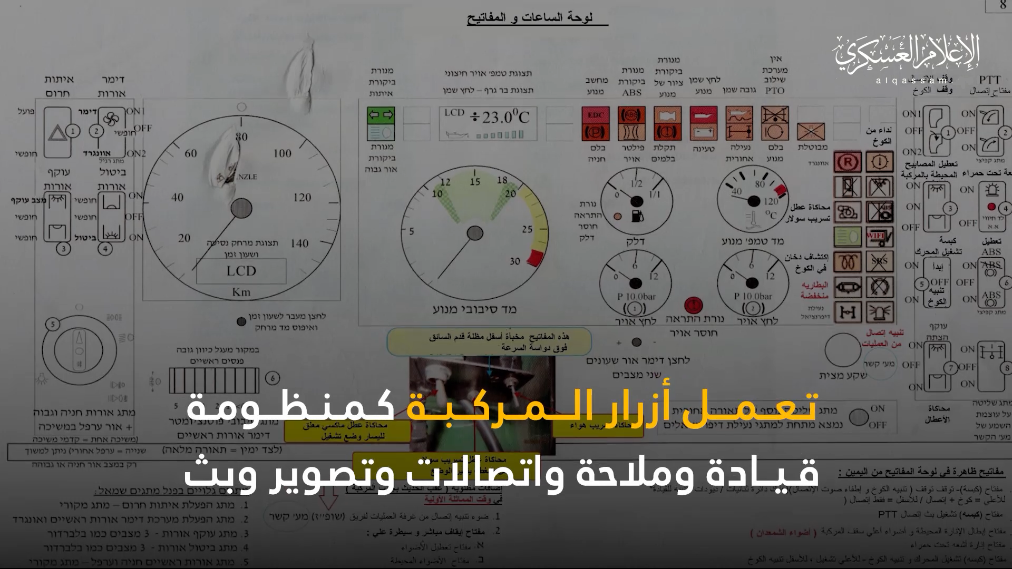
Fig.6.3. Dashboard buttons functions as Command, Navigation, Communications system.
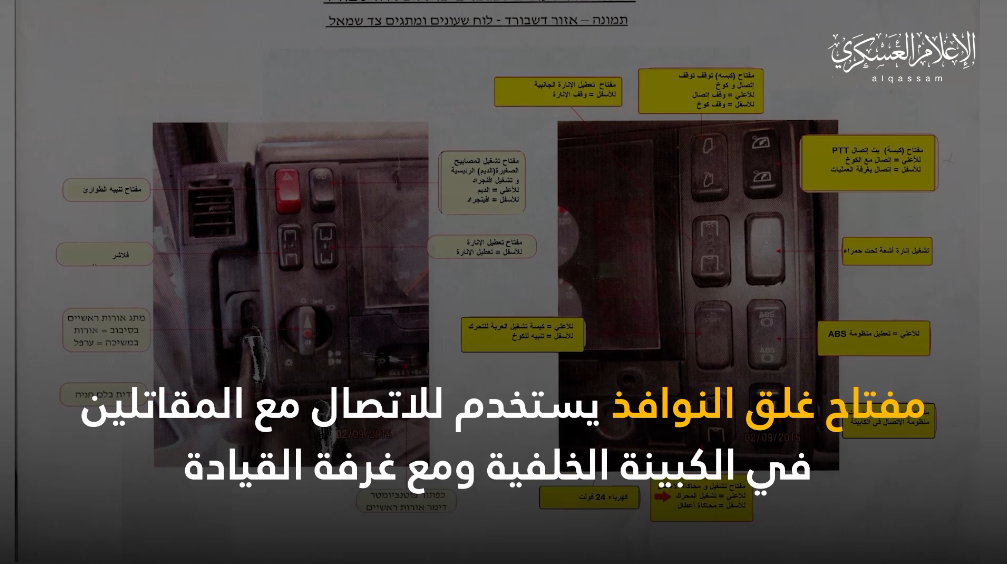
Fig.6.4. The car windows’ buttons function as communication buttons with soldiers in the isolated portion and with command center in Israel.
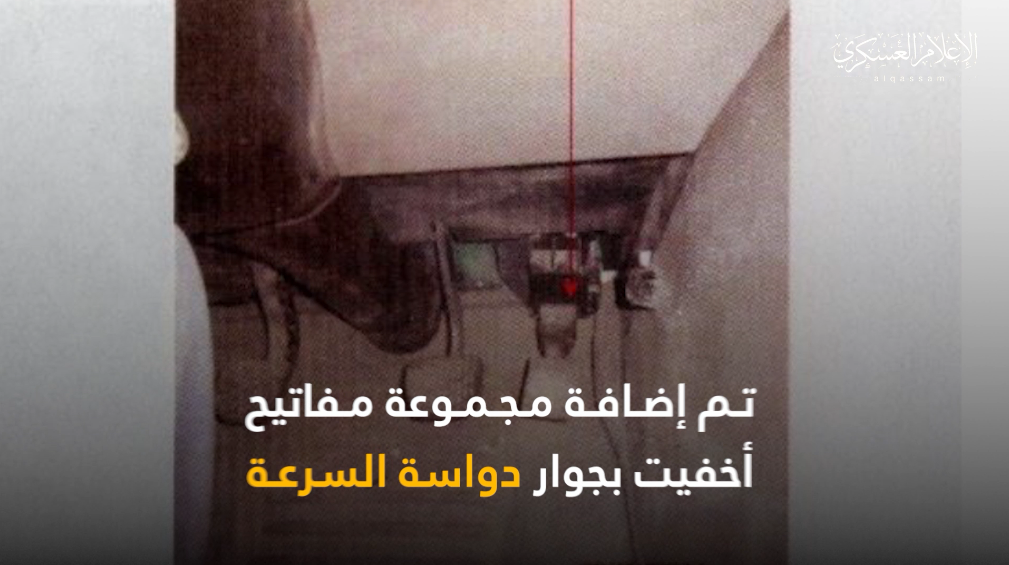
Fig.6.5. Other buttons were placed near the acceleration pedal which functions as emergency buttons to cause malfunctions in the vehicle such as gas leakage, brake and power temporary damage to justify the vehicle stoppage when needed.
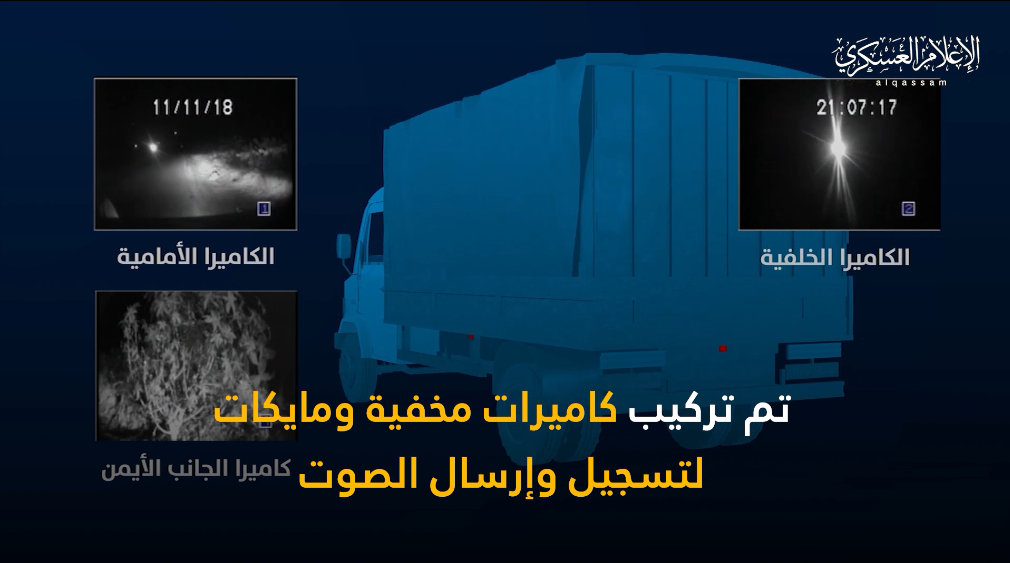
Fig.6.6. Cameras and microphones attached on outer hull of the vehicle to record and send real-time live view to the command center.
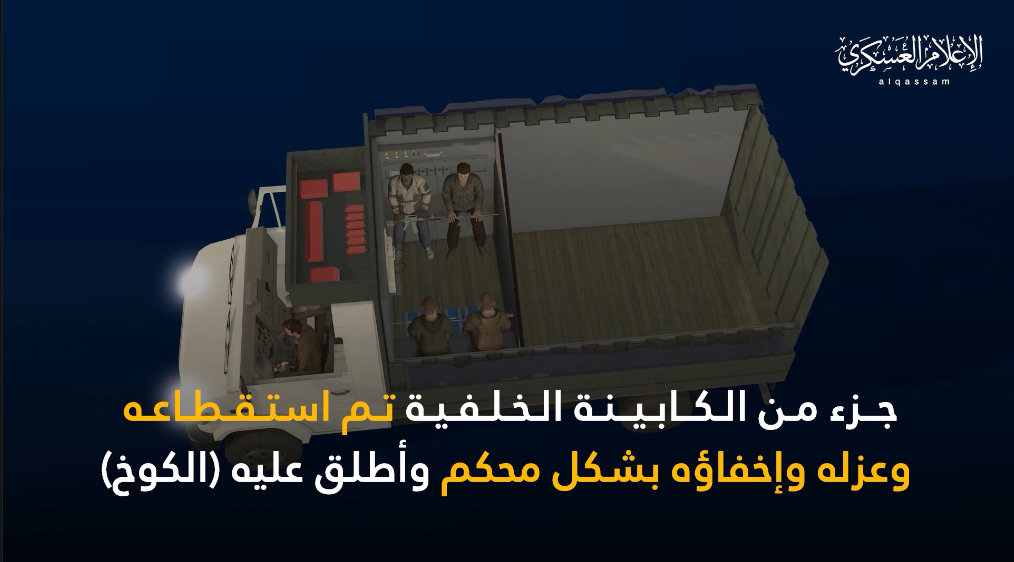
Fig.6.7. A portion was separated and isolated in the back trunk called the “cottage” contained 4 highly equipped soldiers.
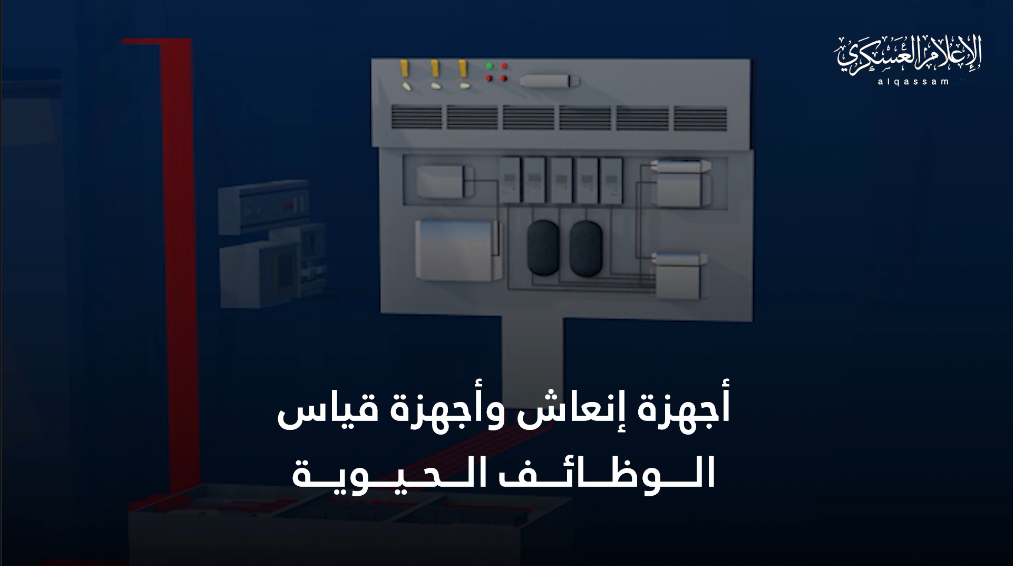
Fig.6.8. Resuscitation and vital functions indication devices.
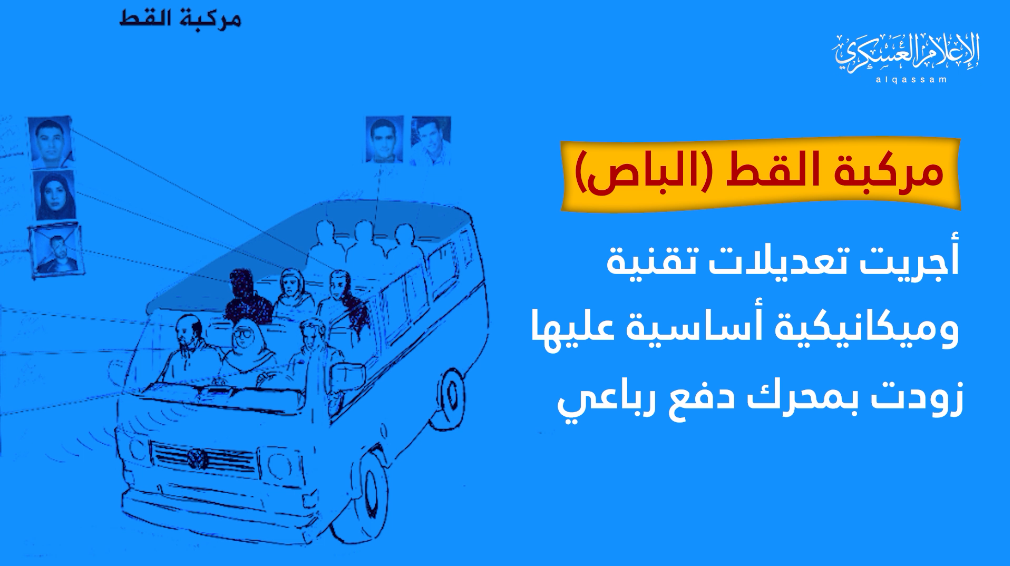
Fig.6.9. The “Cat” vehicle, an old VW minibus which was upgraded with various technical and mechanical devices, including a 4×4’s engine.
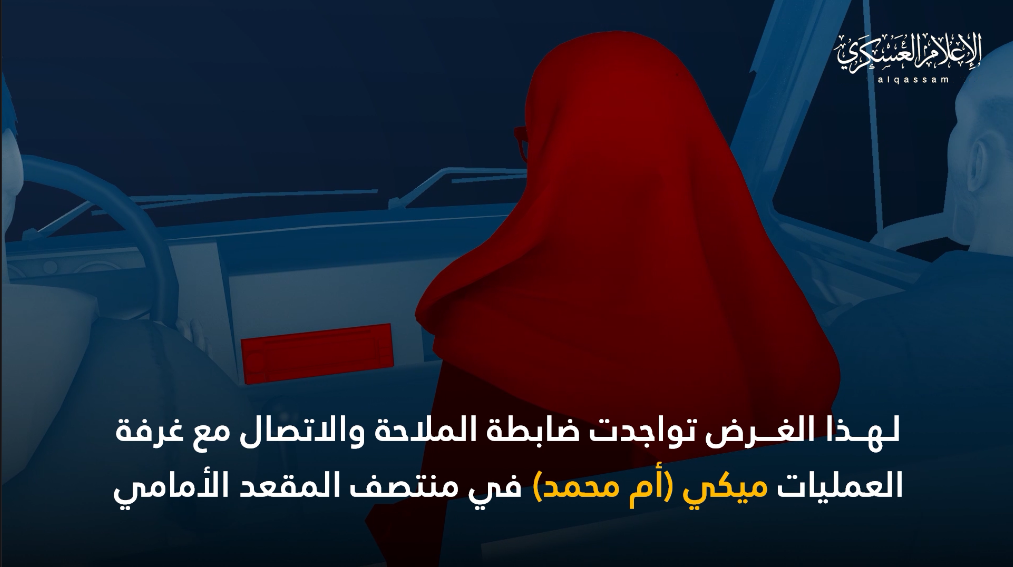
Fig.6.10. The radio set was exchanged by a communication radio, for that reason the Navigation and Communication female officer took her place in the middle of the front seat.
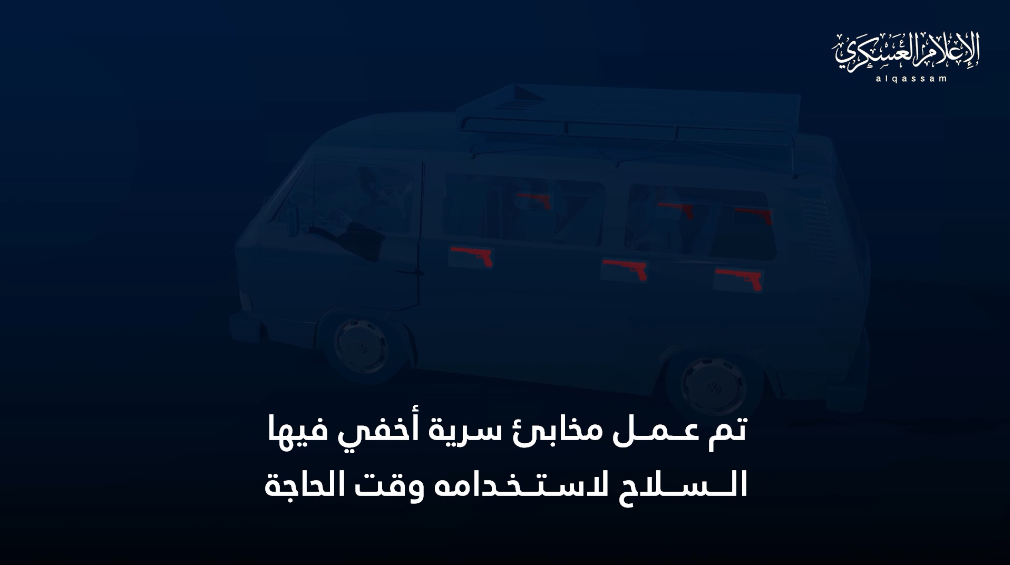
Fig.6.11. Hidden slots were made in the cabin to hide silenced pistols for use when needed.
Equipment
By tracking the routes taken by the Israeli unit, the Investigation teams found out that Israelis buried some of their equipment to use later through the operation.
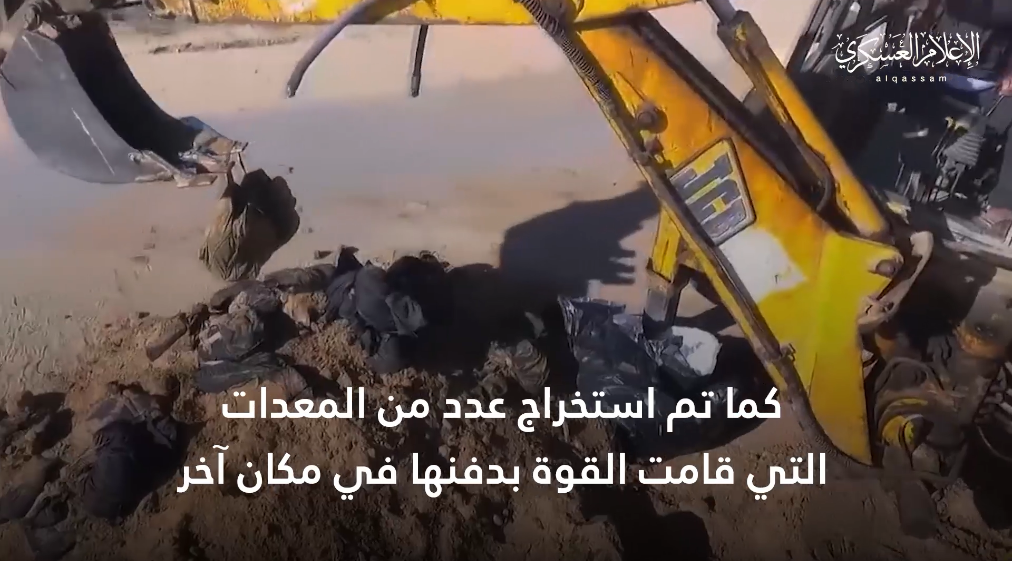
Fig.7.1. Excavators dug out the equipment which Israelis buried earlier.
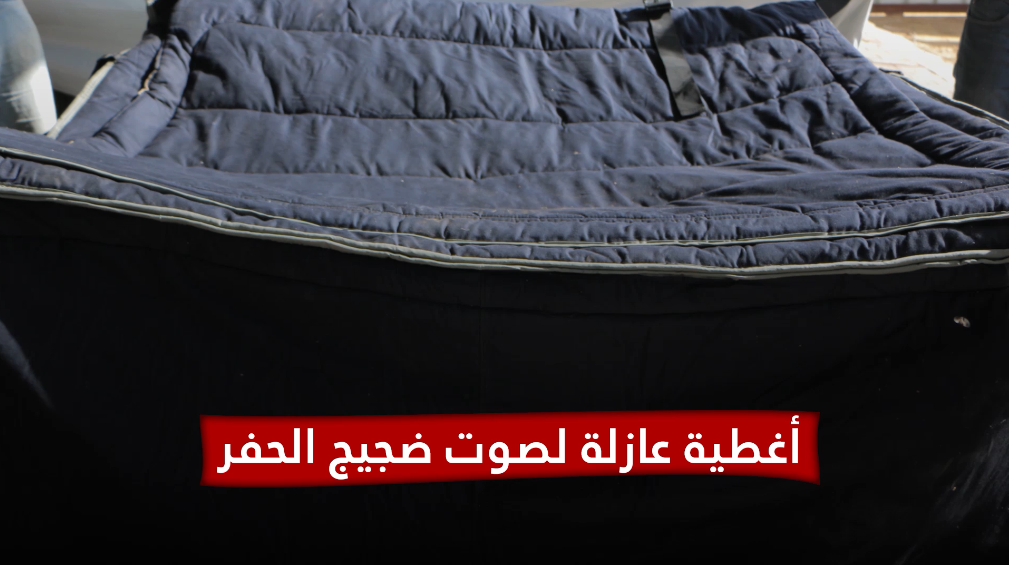
Fig.7.2. Soundproof blankets to cover the noise resulted by digging.
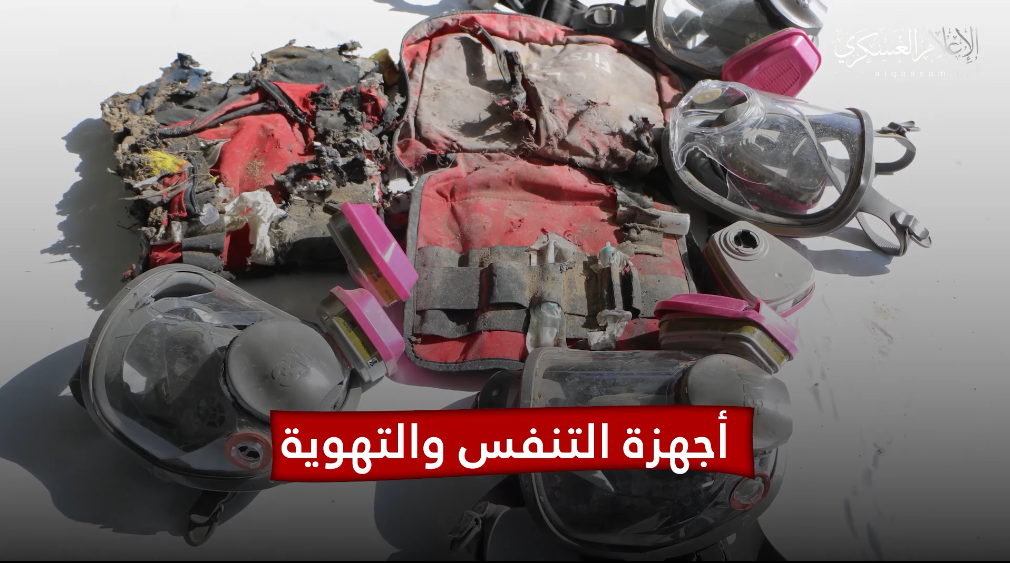
Fig.7.3. Respirators masks and ventilation devices for usage inside the tunnels.
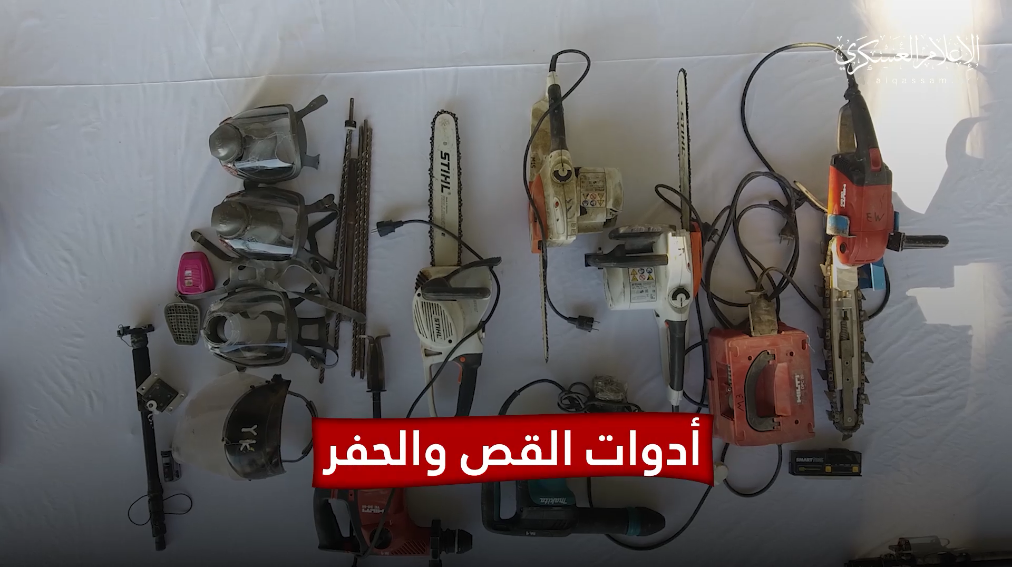
Fig.7.4. Hand and electric tools for digging tunnels and cutting any barrier that obstructs them.
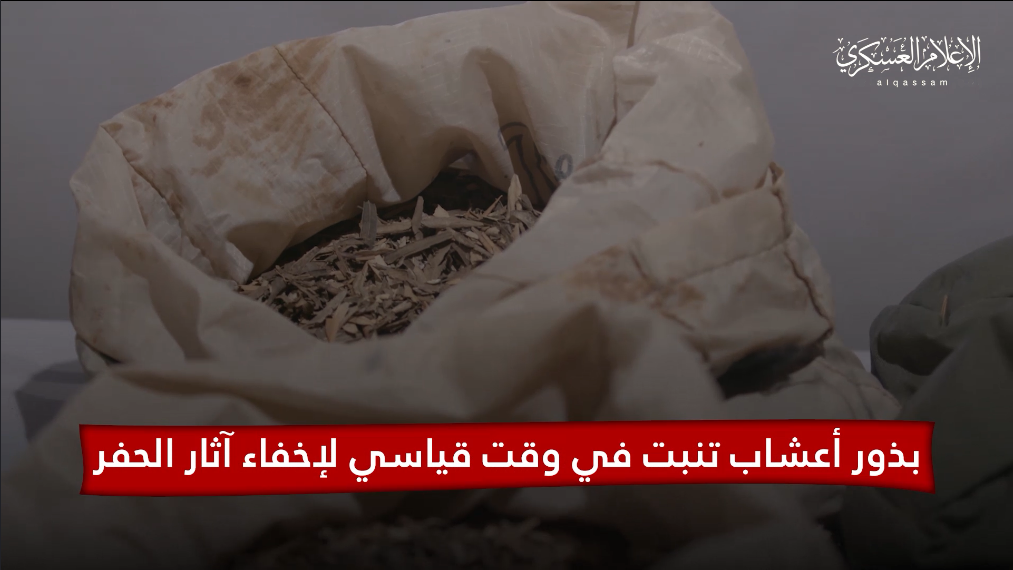
Fig.7.5. Herbs seeds that grow in a rapid time to hide excavation/digging leftovers.
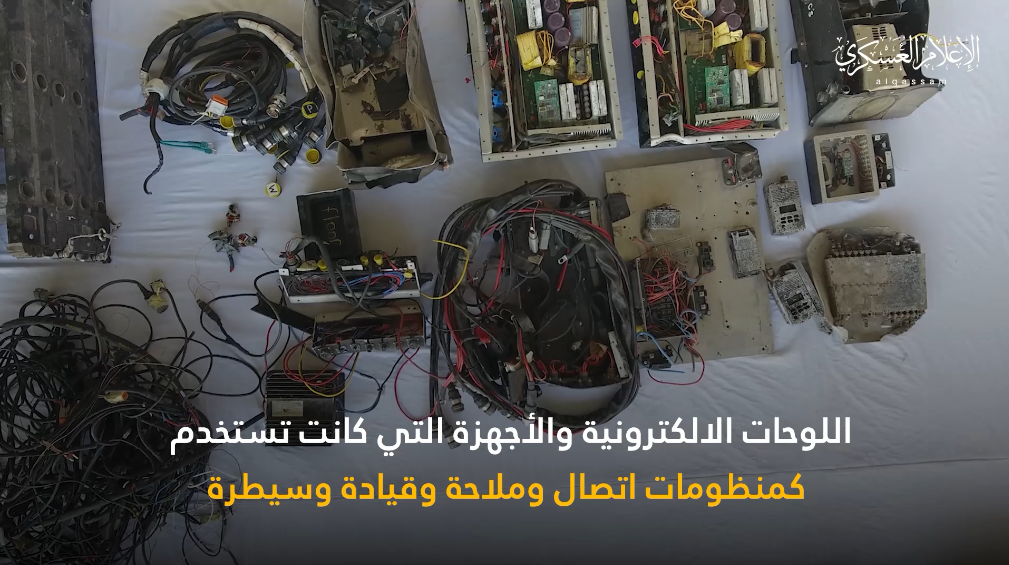
Fig.7.6. The electronic chips and devices which were recovered from the vehicles.
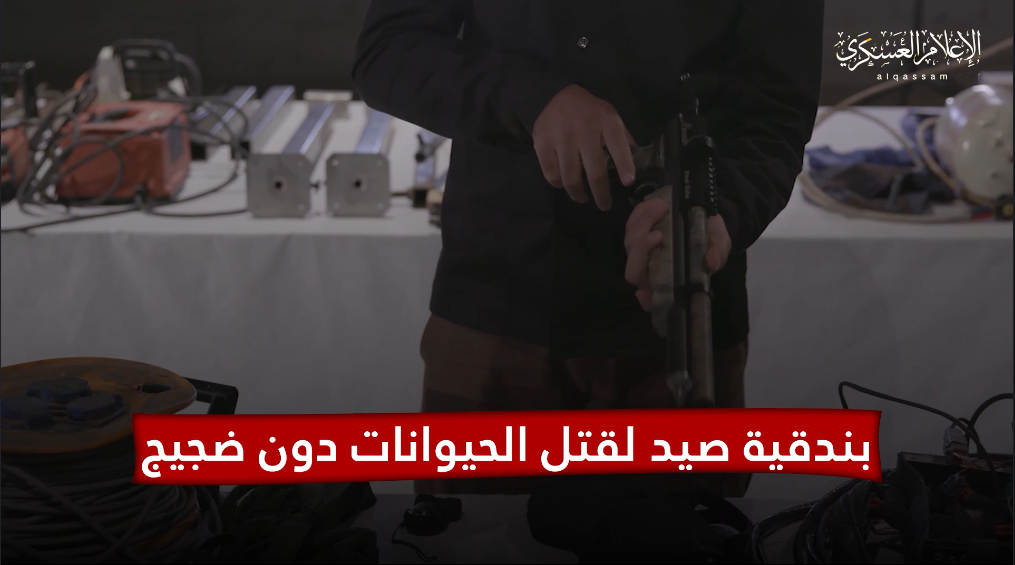
Fig.7.7. Suppressed PCP Air Gun to silently kill/hunt animals.
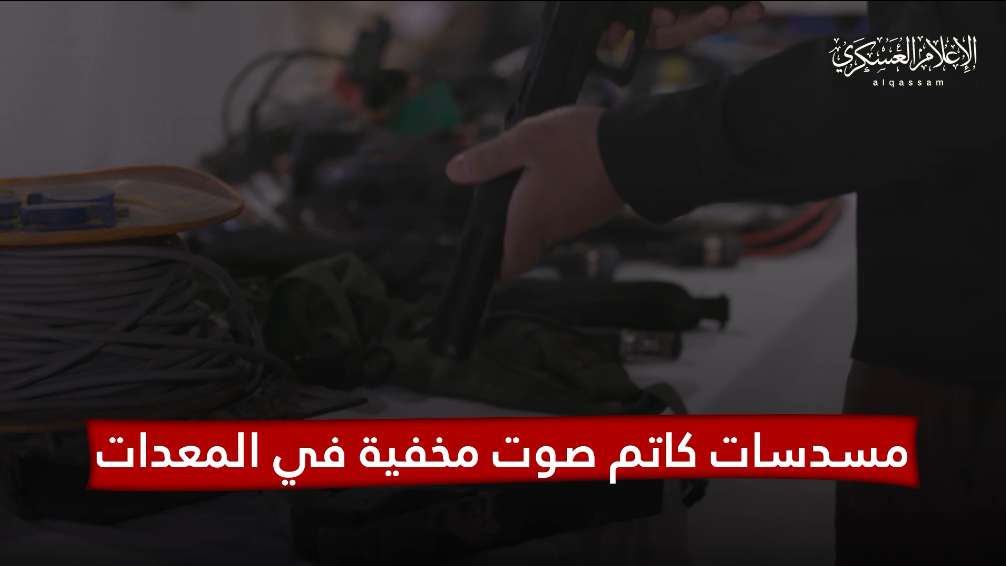
Fig.7.8. More suppressed Glock-17s hidden inside some of the tools.
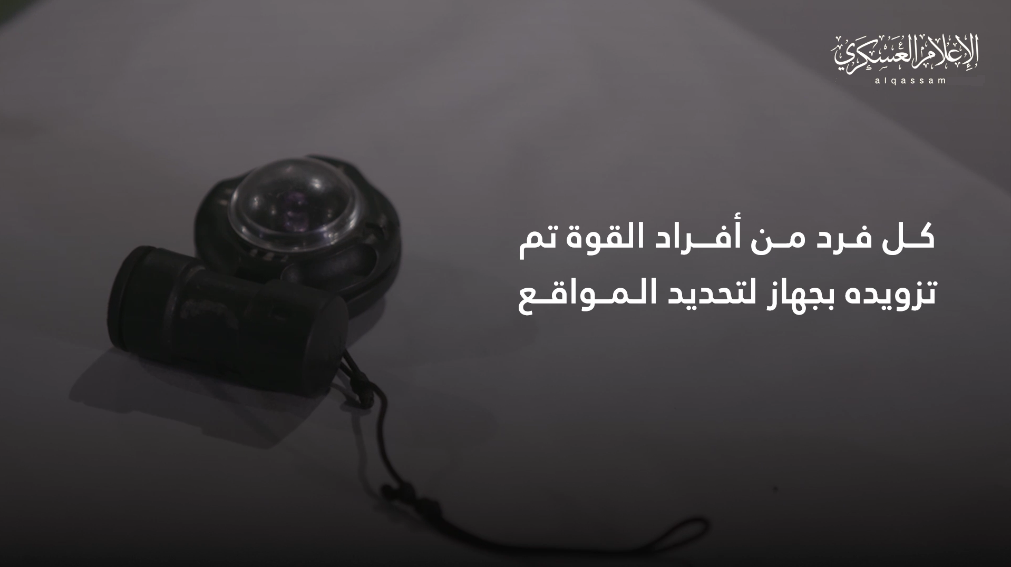
Fig.7.9. Every individual of the Israeli unit was provided a GPS to device to locate his position by the Command Center in Urim SIGINT base.
Conclusion and Lessons Learned
The Israelis spared no effort nor expense or technology for the operation but in their eagerness to supply the unit, even with rapid growing seeds to cover their digging, but no matter how technology advances, the human factor is still the decisive point in any conflict-especially when this human is well trained mentally.
Below is an Al Jazeera documentary about the operation:
If you enjoy our work here at Silah Report please consider supporting us on Patreon!