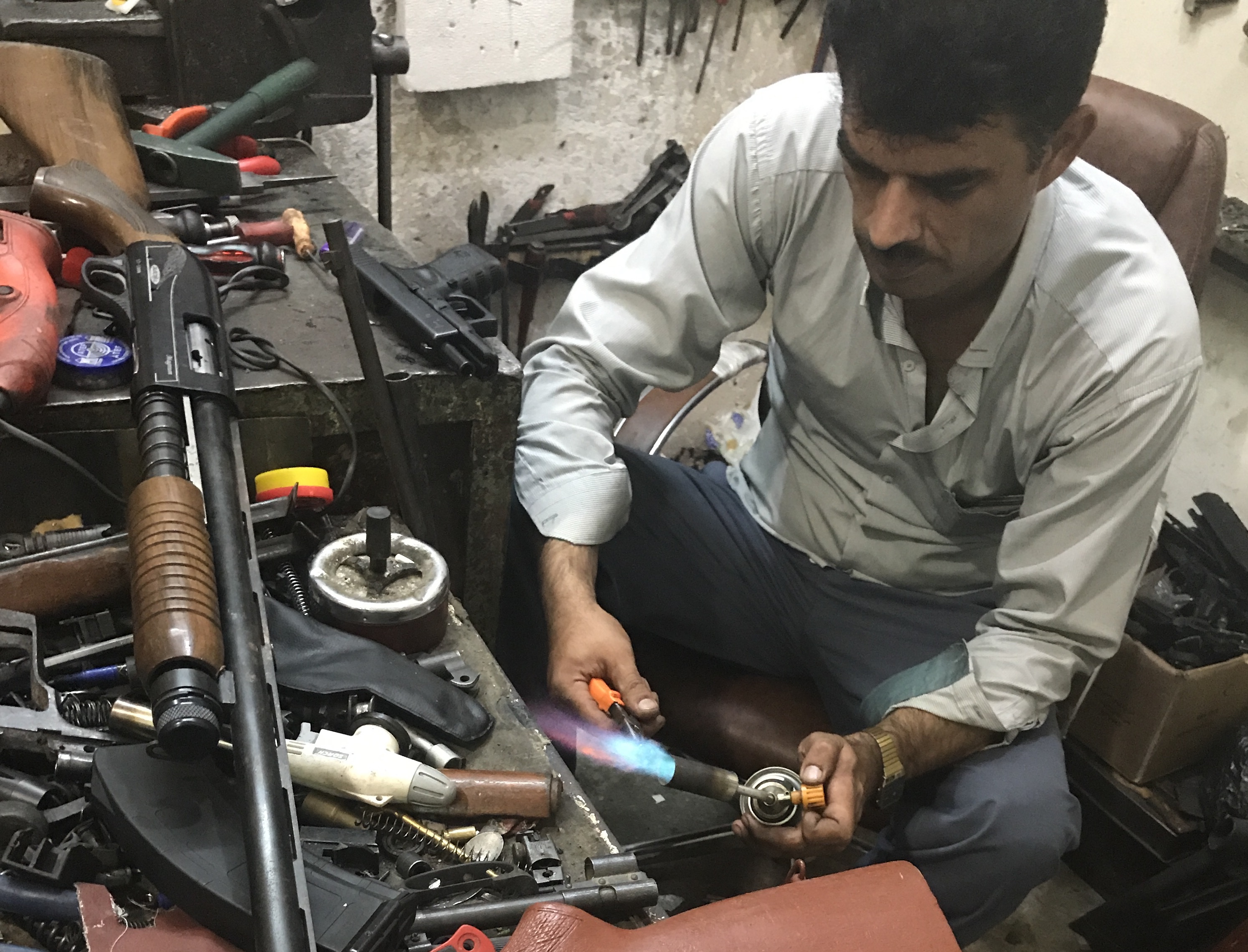
While in Erbil, we sat down with Wasta Bakhtiar-Azizz (وە ستا بە ختیار), one of the best-known and most highly respected gunsmiths in the Kurdistan region. Within Erbil and beyond, there are a number of gunsmiths that either work on small arms in need of maintenance and repair or perform services such as re-bluing, gold plating, modifications, and a number of other odd jobs that Kurdish gun owners request. Bakhtiar has worked in this community since he was a child, continuing the family’s business of his father, who was himself a renowned gunsmith. His son joins him in running the shop, and his brother owns a separate gun shop on the eastern side of Erbil. In addition to offering commercial gunsmithing services, he also volunteers his services to the Asyeish and Peshmerga, helping in maintaining and repairing their small arms.
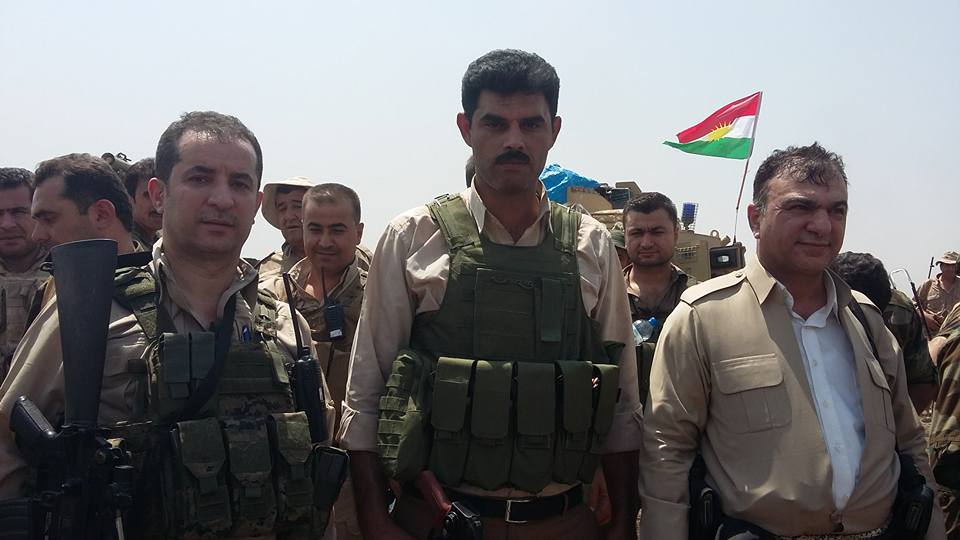
Figure 1.1 Bakhtiar visiting Peshmerga troops. He would often go directly to the front-lines against Isis during the fighting in Kurdistan, often to repair emplaced crew-served weapon systems that couldn’t be easily brought to Erbil. Source: Kurdistan Social Media via ARES CONMAT.
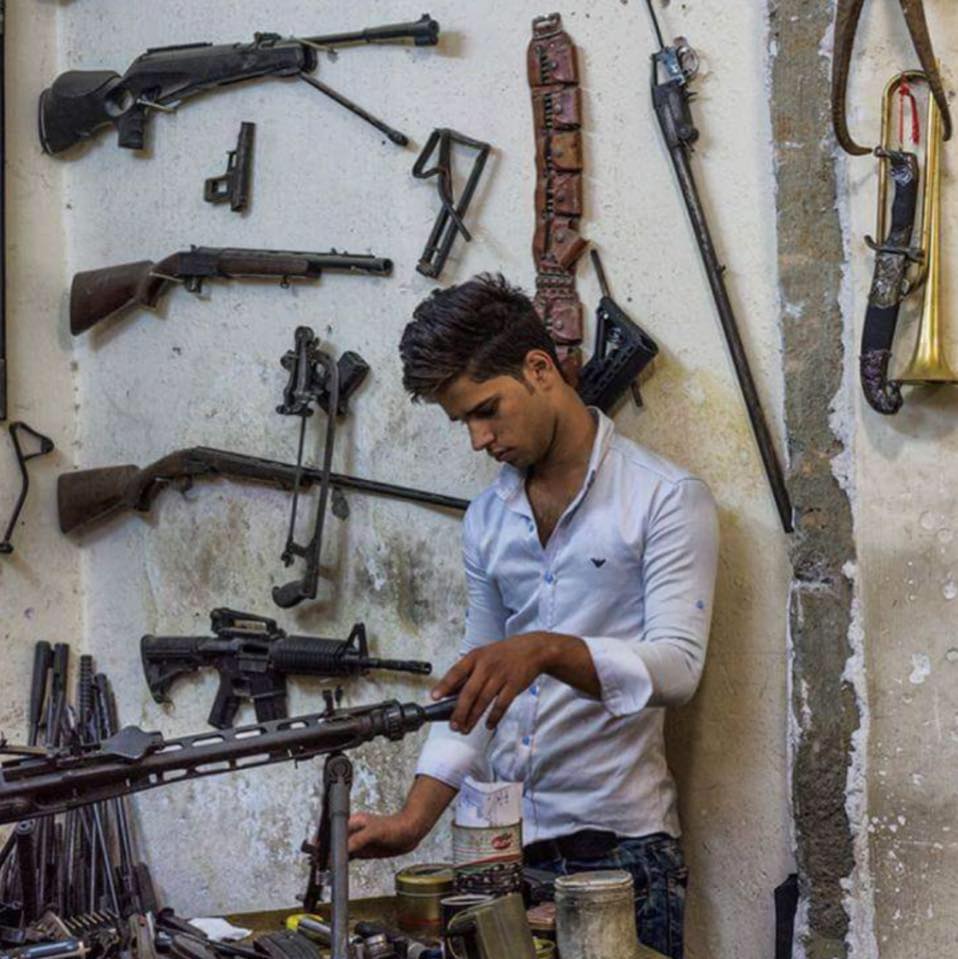
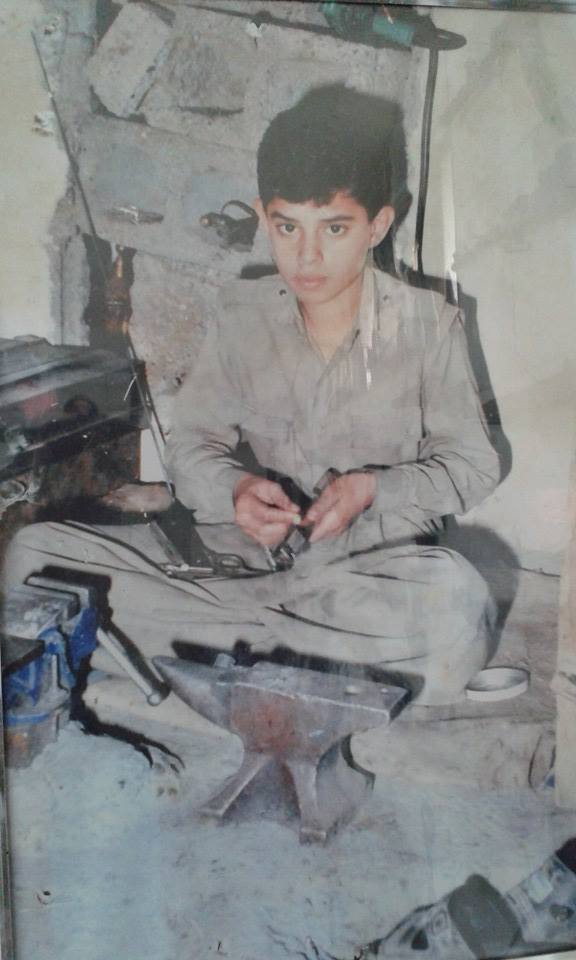
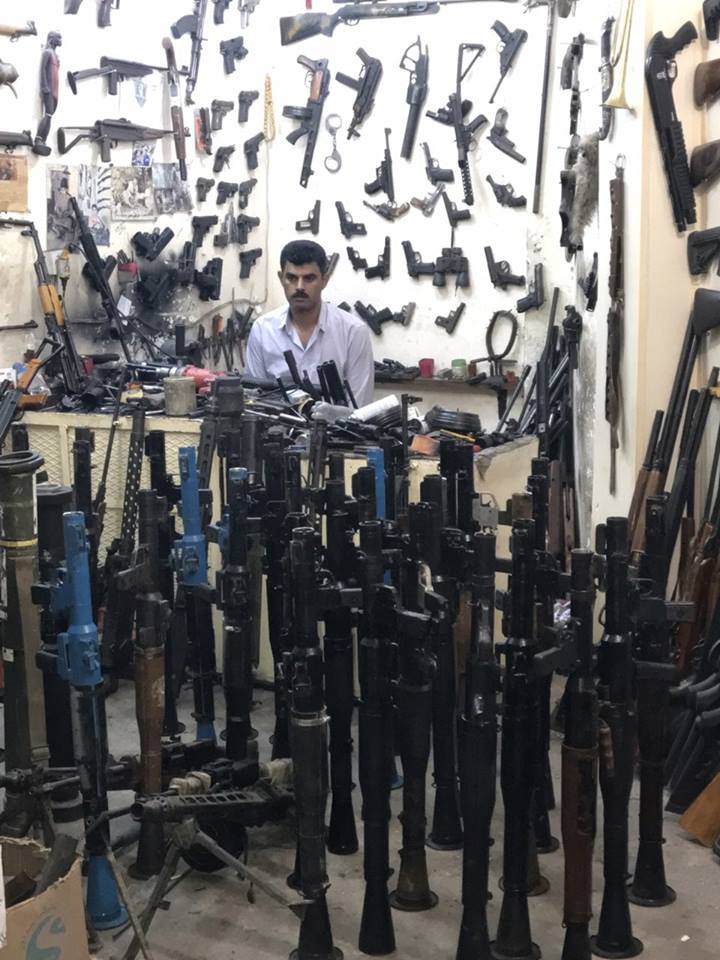
\Figure 1.4 Bakhtiar’s father, a Peshmerga fighter himself, was imprisoned for 20 years under Saddam’s regime. Bakhtiar attributes his gunsmithing education to his father. He told us that his mother used to be involved too, re-bluing parts while at home. Source: Kurdistan Social Media via ARES CONMAT.We’ve visited Bakhtiar at his basement-level shop outside of the Citadel multiple times now, and every time have become more impressed with what he can accomplish with relatively basic tooling, limited spare parts, and a bottomless well of creativity and ingenuity. One of those visits resulted in this episode for TFB TV, in which Miles gave a quick tour of all the guns on the walls and some of the odd project pieces that Bakhtiar had laying around.
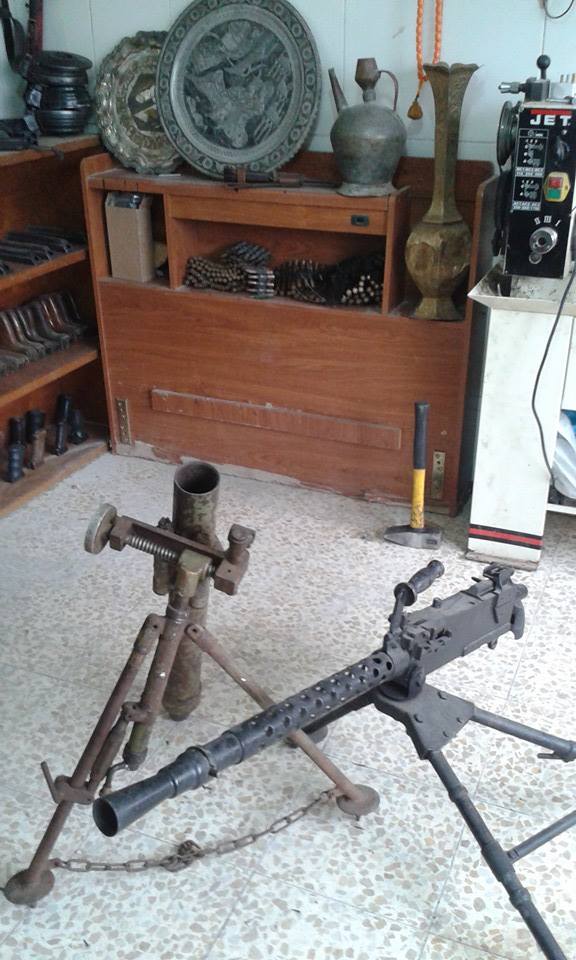
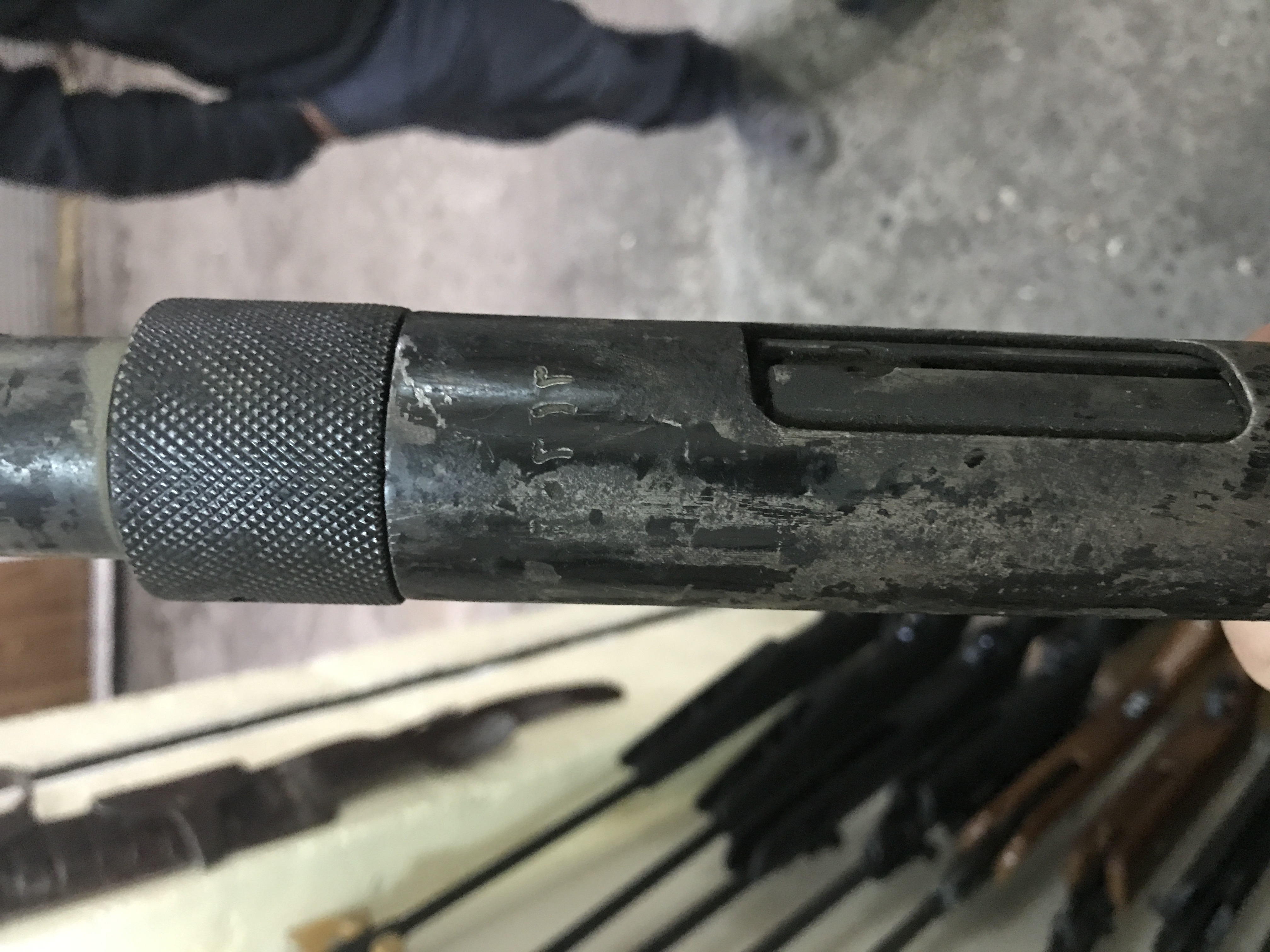
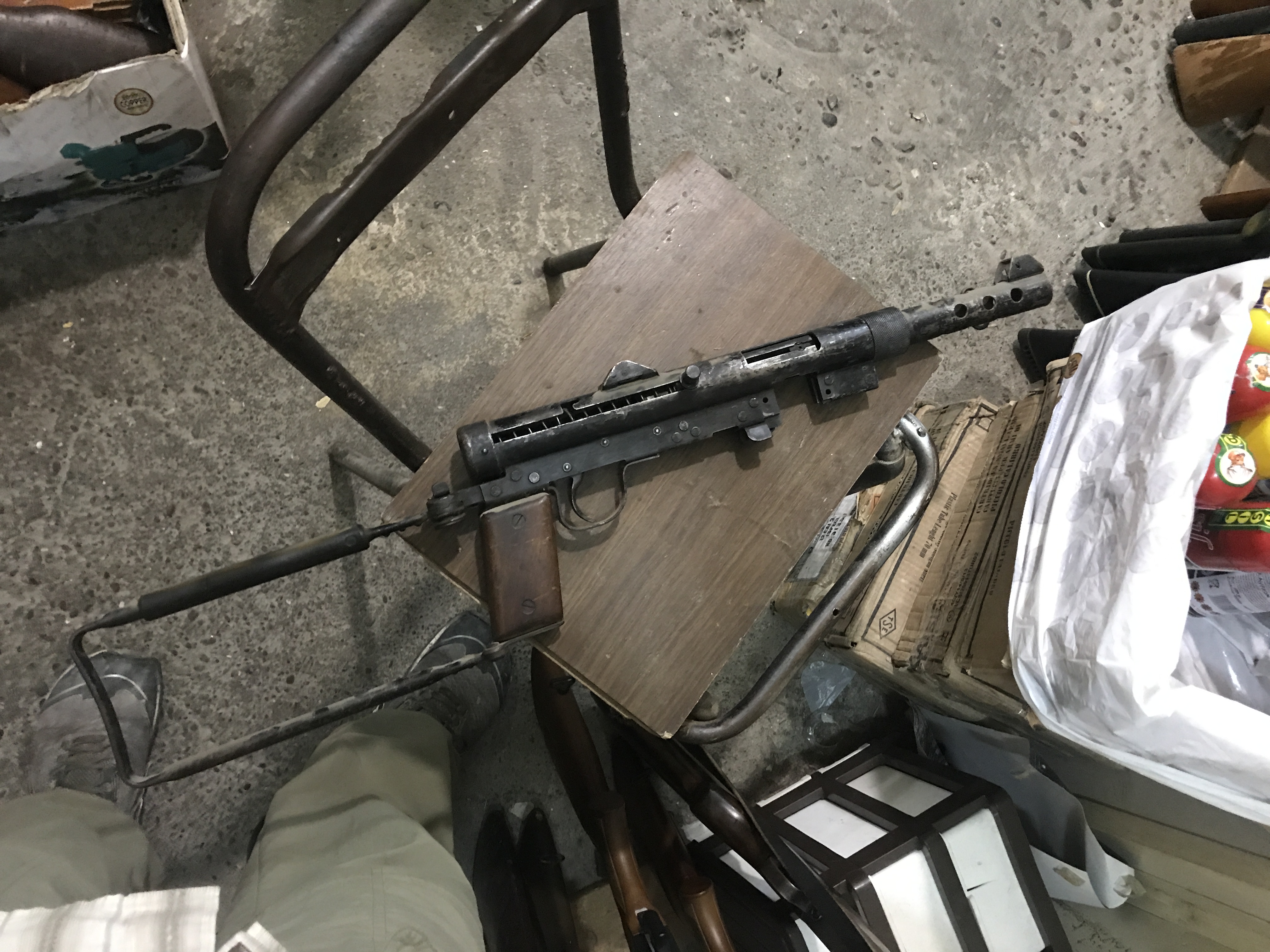
But what we really wanted to know were some of his opinions and experiences during his career on various designs, practices, etc. So we had lunch with Bakhtiar one day and he shared some anecdotes.
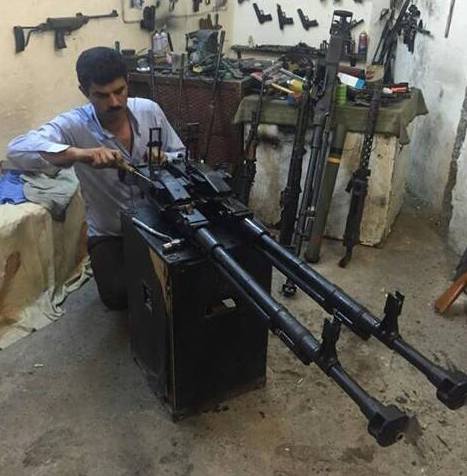
Working with DShK and M2 Machine Guns
Bakhtiar told us that he “beyond doubt” prefers the DShK over the Browning or FN Herstal M2 heavy machine gun. His biggest complaint about the M2 is the necessary headspace and timing gauges that are essential to operating the heavy machine gun safely. He is most comfortable working with Russian small arms and light weapons, because this is where most of his experience has been during his career.
Bakhtiar’s experience with DShK-series heavy machine guns is interesting. He observed the Soviet-bloc machine guns generally use harder steel than their Chinese variants. His tools often crack or break faster when working with Soviet/Russian weapons than when working with the Chinese derivatives. Another important note he made about the ‘Chinese DShK’, is that it tends to overheat quickly during sustained fire, and has deteriorating accuracy over a longer course of fire. He didn’t mention whether or not he was referring to the older Chinese-produced copies or the W85 variant which he showed pictures of, but we assume the W85 was the weapon being discussed.
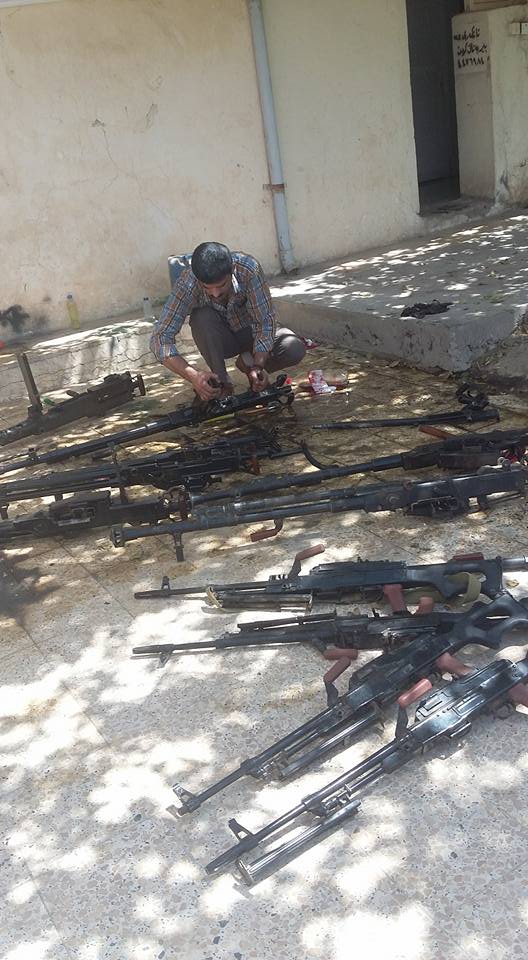
Craft-produced ISIS Materiel
Bakhtiar was extremely impressed by the weapons he saw captured from the Islamic State; the level of workmanship, ingenuity, and dedication was unlike anything he has ever seen being produced under relatively basic conditions. He highlighted, in particular, the rocket launchers [and presumably the recoilless weapons IS developed, which are often misidentified as rocket launchers -Ed.] and precision rifles that the group was capable of producing from hybridising craft-produced and pre-existing components.
Iranian booby-trapped 7.62 × 39 mm Bullets
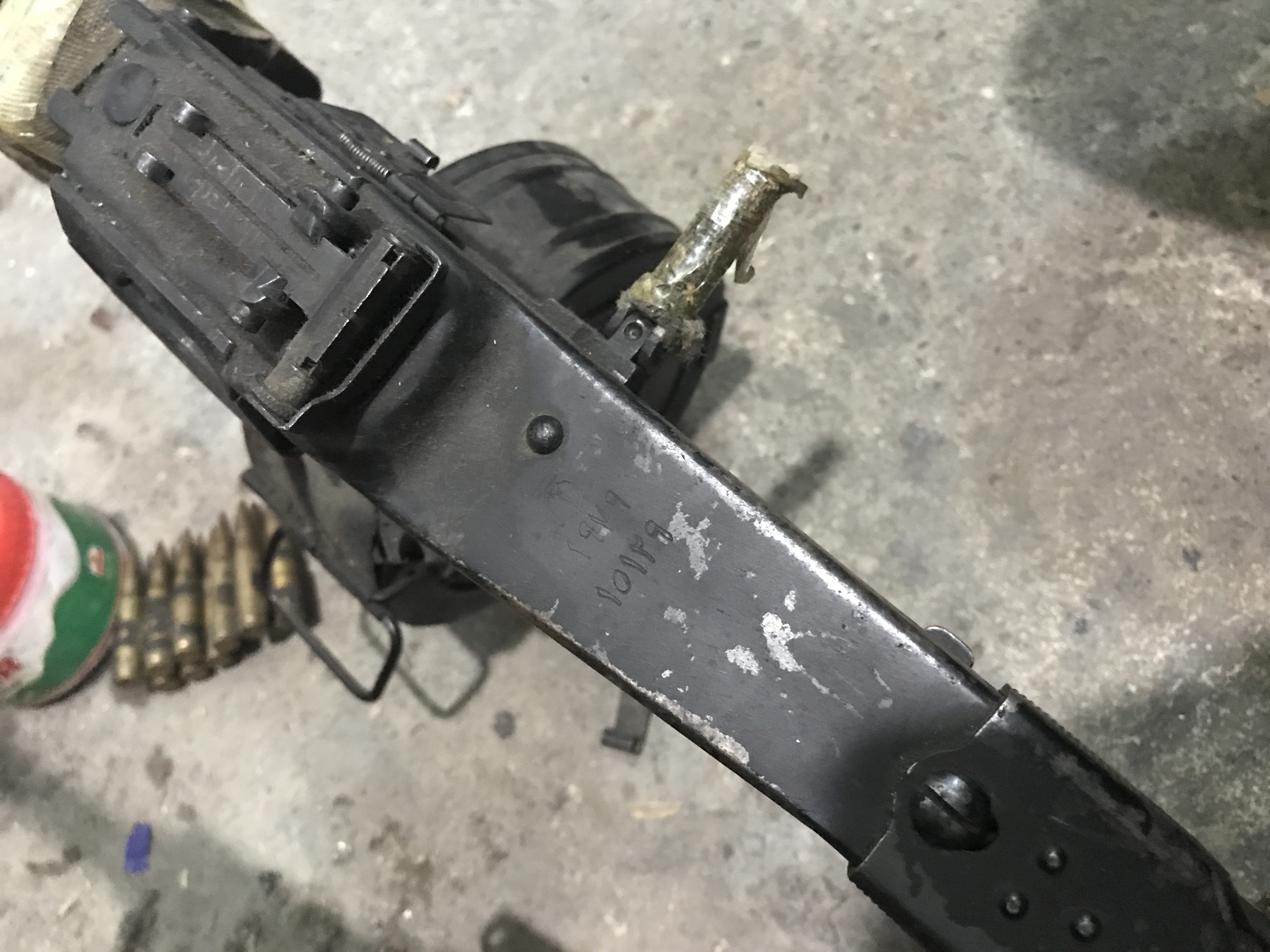
Bakhtiar mentioned to us an interesting phenomenon: frequent claims of “detonating bullets” originating from Iran, that were intentionally left behind in weapons caches during the Iraq-Iran War (1980–1988). These are still an issue today, as has been reported by other firearms enthusiasts in Kurdistan. Booby-trapped Iranian cartridges have previously been documented in Syria, but the production dates observed are after the Iran-Iraq War.
KPK and Pakistani Small Arms
Bakhtiar was extremely impressed by the small arms coming out of the Khyber Pakhtunkhwa (KPK) region in Pakistan, and he told us he encounters them every so often in the course of his work. However, he also mentioned G3 self-loading rifles and MP5 sub-machine guns, so it may be the case that he is conflating Pakistani Ordnance Factory-production weapons with those weapons produced in the KPK region.
Entering the Gunsmith career in Kurdistan
We asked Bakhtiar what advice he would give to new Kurdish gunsmiths today. He highlighted the danger of the work, especially considering the low safety standards in the field. He and his own son have both suffered from multiple negligent discharges—a result of other people in their presence not exercising proper firearms safety. In addition to human errors, the low quality and improvised nature of some faulty firearms has resulted in accidental discharges while others have been working on them. Unfortunately, firearms safety standards are extremely low among even competent professionals in many places in the MENA region.
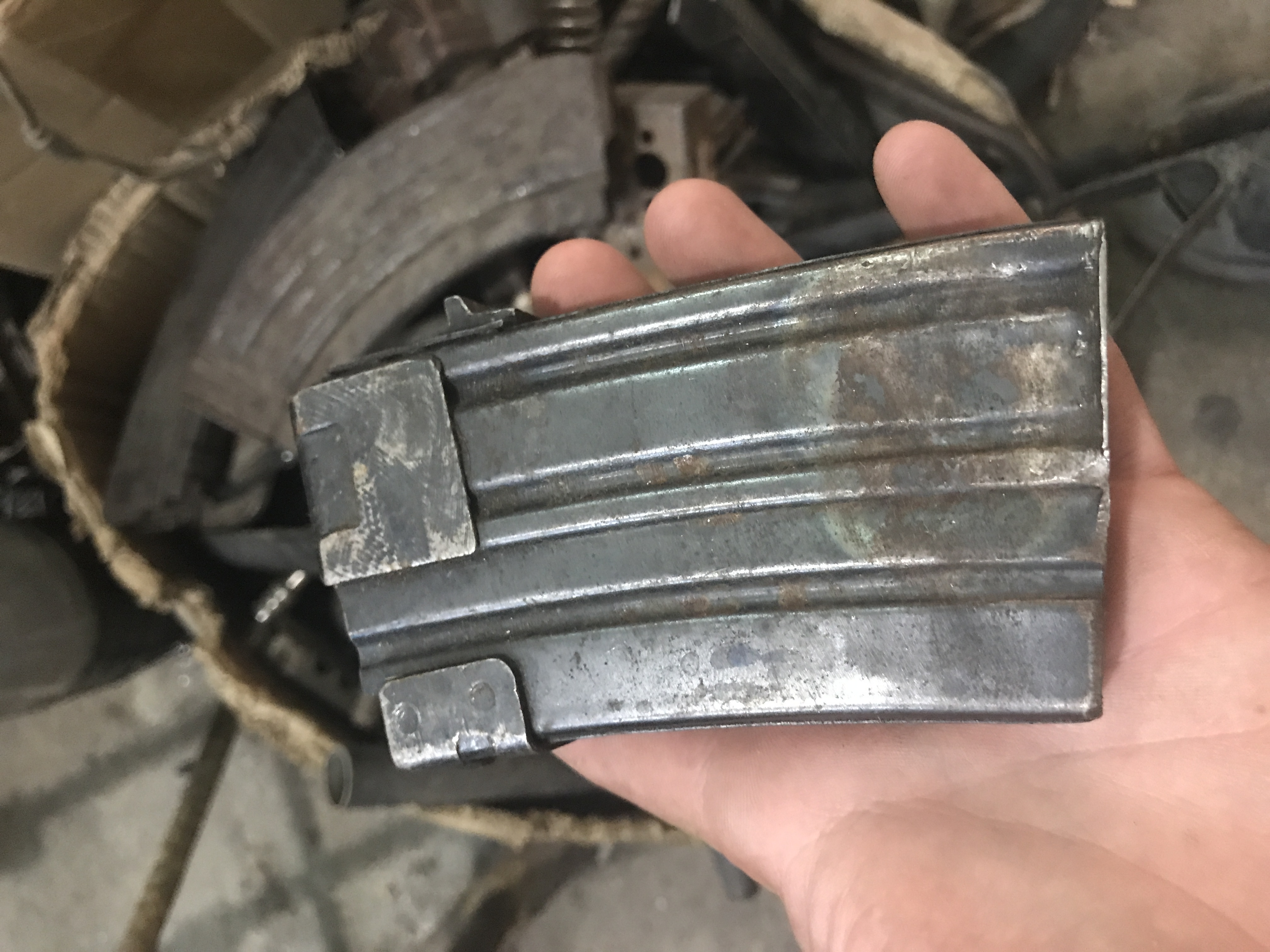
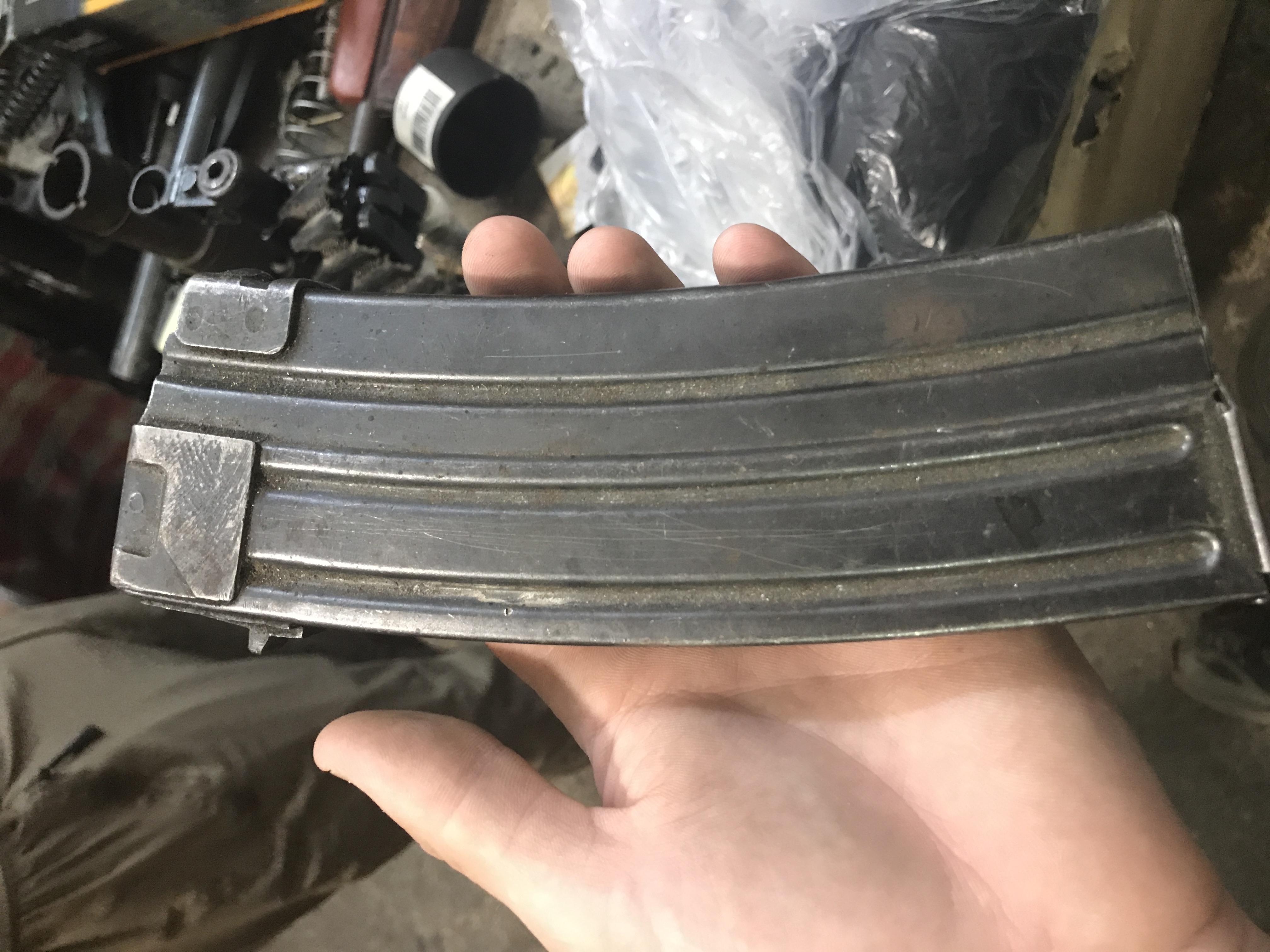 Figure 1.13 A Galil-type magazine in Bakhtiar’s shop. Apparently this came with an order of 120 Galil rifles that were in use by a local security company. We’re trying to chase down a rumour that suggests Iran might have purchased Galil rifles from Israel during the Iran-Iraq War, so seeing Galil magazines show up in Kurdistan (other shops have them too) is noteworthy. Source: Kurdistan Social Media via ARES CONMAT.
Remember, all arms and munitions are dangerous. Treat all firearms as if they are loaded, and all munitions as if they are live, until you have personally confirmed otherwise. If you do not have specialist knowledge, never assume that arms or munitions are safe to handle until they have been inspected by a subject matter specialist. You should not approach, handle, move, operate, or modify arms and munitions unless explicitly trained to do so. If you encounter any unexploded ordnance (UXO) or explosive remnants of war (ERW), always remember the ‘ARMS’ acronym:
AVOID the area
RECORD all relevant information
MARK the area from a safe distance to warn others
SEEK assistance from the relevant authorities
Greetings, see the Instagram Engagement Booster to boost engagement now: https://socialgrowthengine.com/products/instagram-engagement-booster?src=fm
Unlock viral-level Instagram performance with a surge of reach that pushes you into Explore & Top Posts.
Turn silent posts into traction and growth and land high-value brand deals.
Limited spots available—act fast — grab it before it’s gone.
Regards
Ryan Turner – GMB Growth Specialist