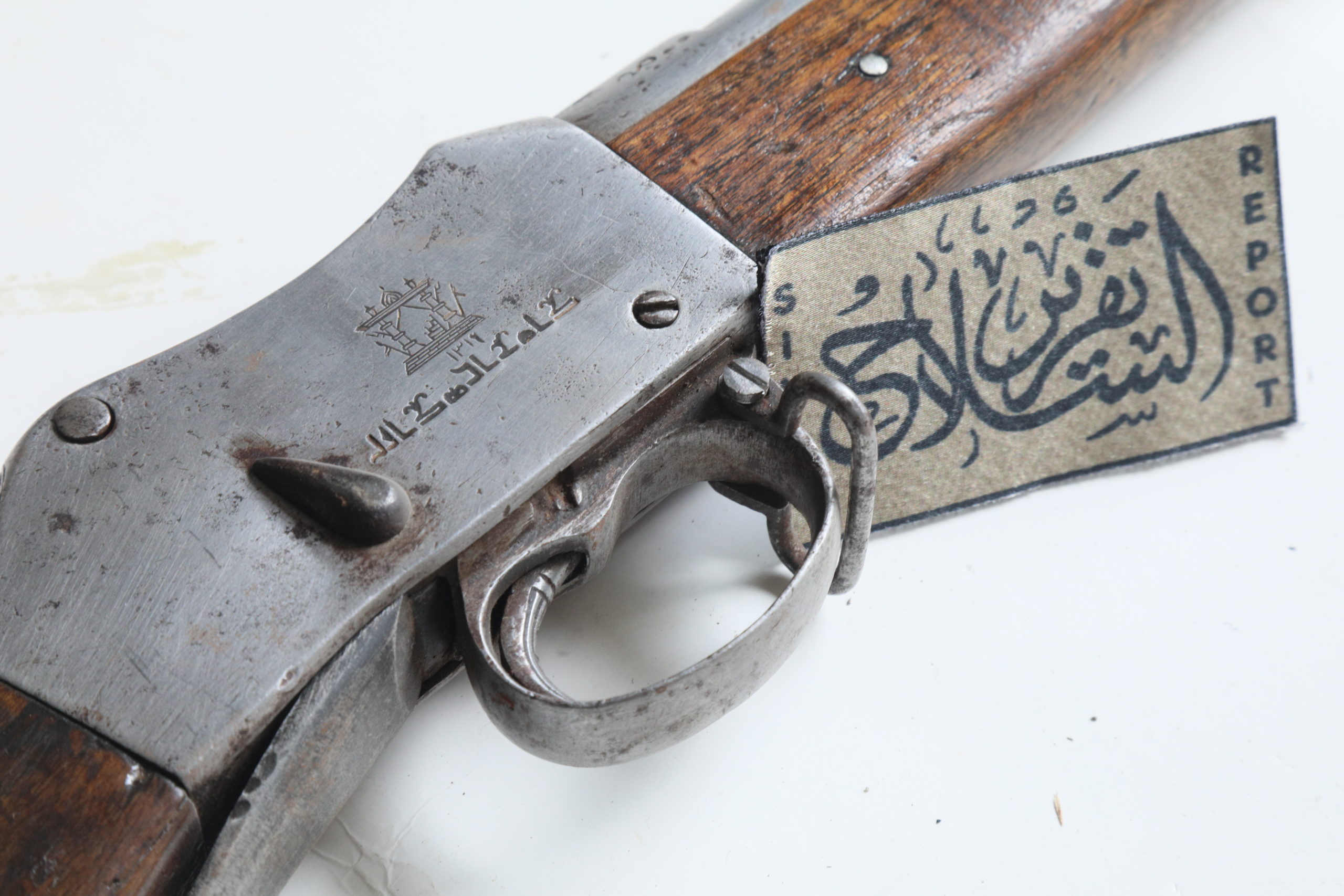
On the 23rd episode of the Silah Report Podcast, Miles interviews Vernon Easley and together they discuss the history of Martini rifles in Afghanistan as well as the new book he co-authored with N.R. Jenzen-Jones: THE EMIR’S NEW RIFLES: A HISTORY OF THE KABUL ARSENAL, 1885 – 1925. The discussion is incredibly rich with knowledge and in-depth research done not only on historical firearms in the region but also on the culture and history of the region itself.
The public SoundCloud version below includes the first forty-six minutes of the podcast, our supporters on Patreon can access the entire interview, which is one hour and 14 minutes long! So if you haven’t already please support us in our mission to bring you the best examination of MENA small arms culture we can!
If you’d like to have your questions answered by our panel during an edition of the podcast, please support Silah Report on Patreon and submit questions as often as you like!
If you missed the previous episode, you can find it here.
Check out the podcast here and listen along with the photographs below! If you want to listen to the complete interview then please do check us out on Patreon.
https://soundcloud.com/silah-report/v23-interview-with-vernon-easley-on-the-martini-in-afghanistan
Podcast Running Order:
Presentations:
Vernon Easley’s Background and Accomplishments
The History of Afghani Martini and Kabul Arsenal
Vernon Easley’s Background and Accomplishments
Vernon Easley is an accomplished published author and well-known Afghani Martinis collector from the United States. His contribution to uncovering the history of Afghani Martinis cannot be stated enough as he had revealed a great deal of once-obscure history related to the many Martini variants produced in Afghanistan and the production of firearms in Afghanistan during the 19th century and into the early years of the 20th century. Vernon is also a retired Military Analyst and Lead Systems Engineer.
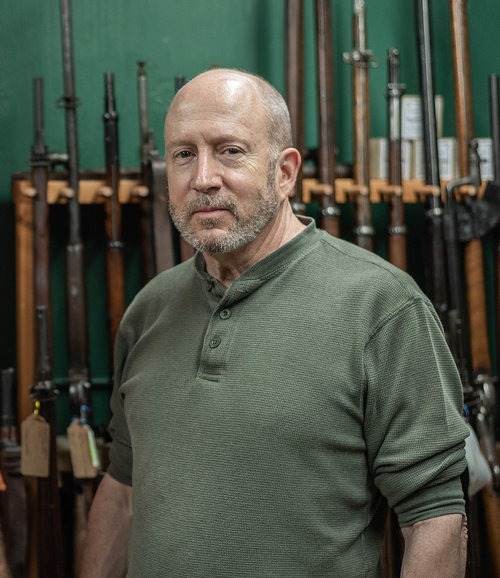
Fig.1.1. Vernon Easley (Source: Head Stamp Publishing)
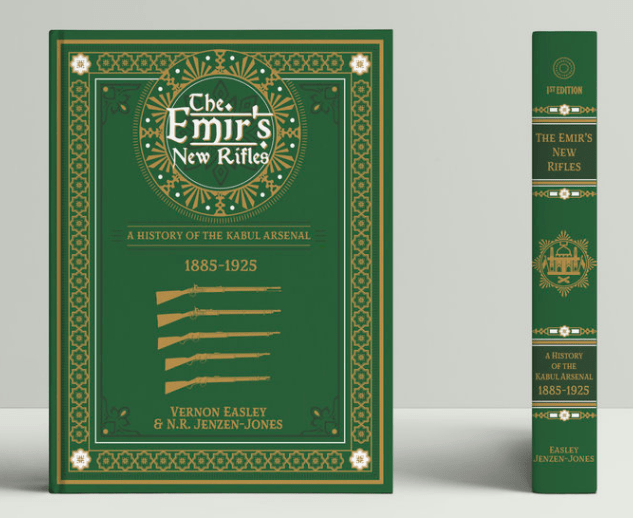
Fig 1.2 ‘The Emir’s New Rifles’ by Vernon Easley and N. R. Jenzen-Jones (Source: Head Stamp Publishing)
The History of Afghani Martini and Kabul Arsenal
Vernon enlightened us on the dawn of Martini production in Afghanistan, with the rise of the “Iron Emir“, Abdur Rahman Khan, who strove to turn Afghanistan into a military powerhouse in the region and have its own military industry (just as his predecessors did, but his contribution was at a much larger scale due to British support he received). Vernon stated that the Iron Emir had a dream to arm a one million-strong army, a dream that never materialized but at the time of his death he had ninety thousand men in his army, divided into the infantry, cavalry and artillery.
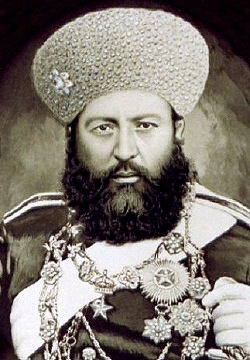
Fig 2.1. Abdur Rahman Khan, the Iron Emir (Source: Global Security)
Vernon moved on to speak about the variants of Martinis produced in Afghanistan and his recent discoveries. The Afghanis manufactured initially the exact copy of the British Mark Two Martini and then followed with several different variants, including one that would be in .303. Vernon discovered recently that the variants were not produced in a specific order (E.g. Type Type 7 actually existed before Type 6). Vernon also spoke about all the configurations done to a number of Martinis including changing of the caliber. After 1919 (year of Afghanistan’s independence) British influence had faded away.
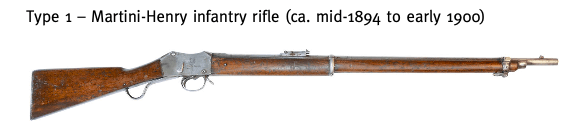
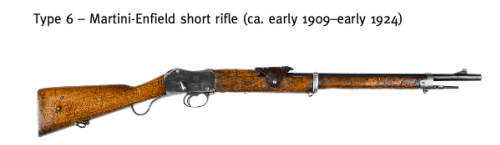
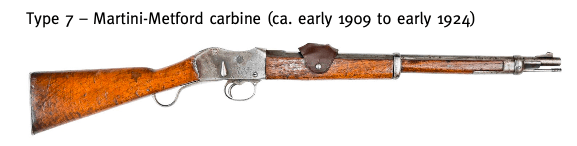 Fig 2.2-2.7. Images for variants of Afghani-made Martinis (Source: Panāh-pur: A history of the Martini rifle in Afghanistan, 1878–1925).
As Vernon answered the questions from our audience from Patreon, he mentioned reports of Afghani-made German and Russian firearms, but there is no concrete evidence to prove that Kabul Arsenal (the main military-industrial workhorse for the Emir) produced such firearms. Kabul Arsenal did produce other weaponry such as mounted guns and cannons.
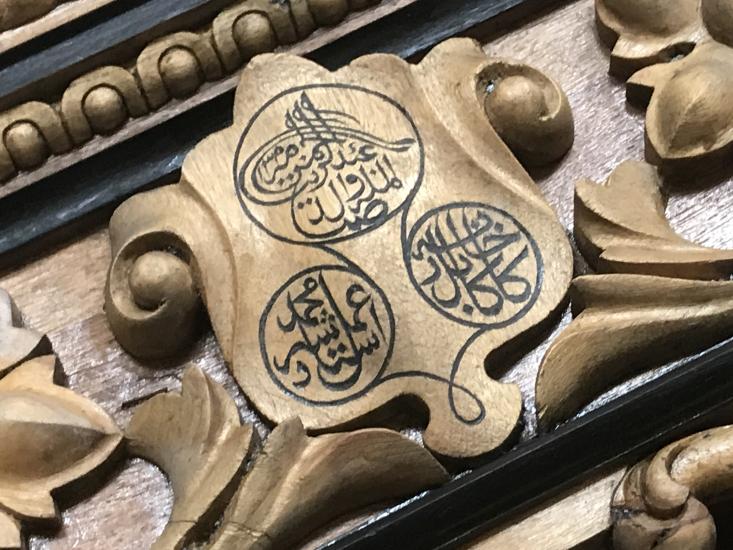
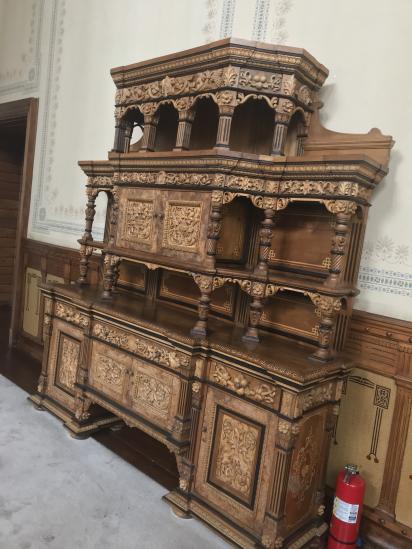
Fig 2.8-2.9. Miles shared with us images for a wooden sideboard also made by Kabul Arsenal (Source: Silah Report Field Research)
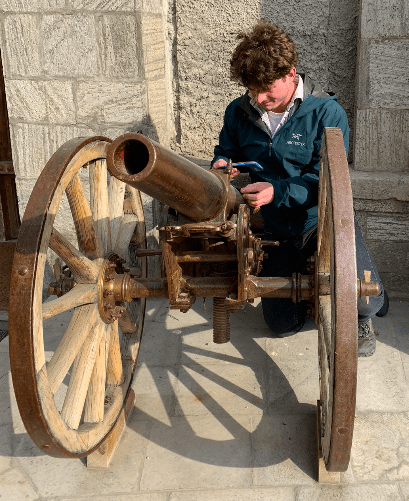
Fig 2.10. Miles Vining beside one of Kabul Arsenal’s cannons (Source: Silah Report Field Research)
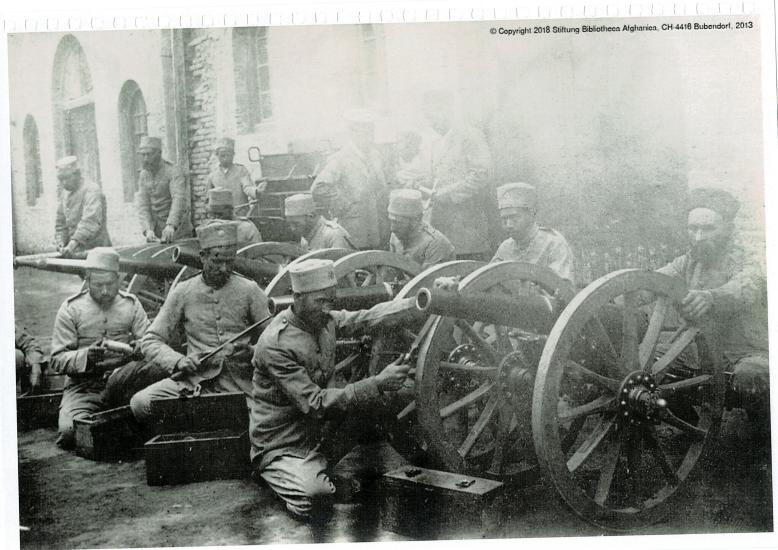
Fig 2.11. An image for mountain guns made by Kabul Arsenal with their crews (Source: Bubendorl)
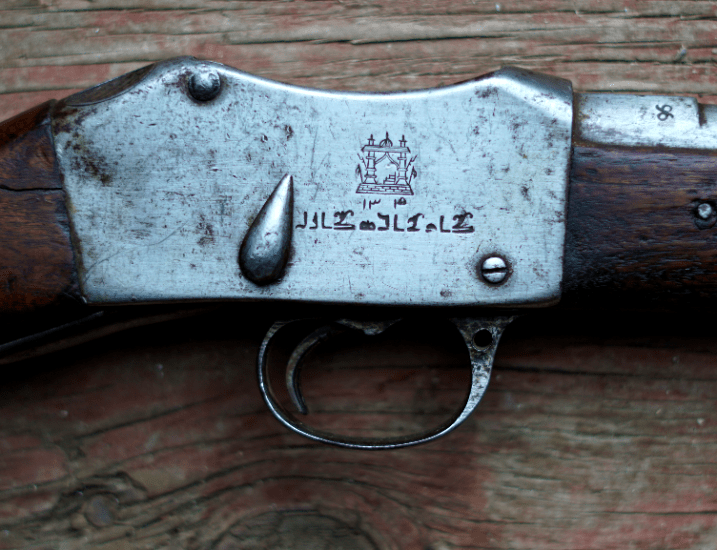
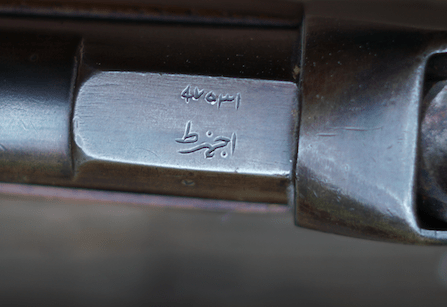
Fig 2.12-2.13. Miles also showed us another Afghani-made Martini and discussed in detail the language and letters used in the inscription (Source: Silah Report Reference Database)
Thank you to Vernon Easley for joining us to speak about the fascinating and little known history of Afghanistan’s Kabul arsenal.
Patreon Shoutout
If you want to support our work on researching small arms and light weapons in the MENA and Central Asian regions, please consider joining our Patreon support network that allows us to get articles, videos, and podcasts such as these to an international audience. Check us out at www.patreon.com/SilahReport