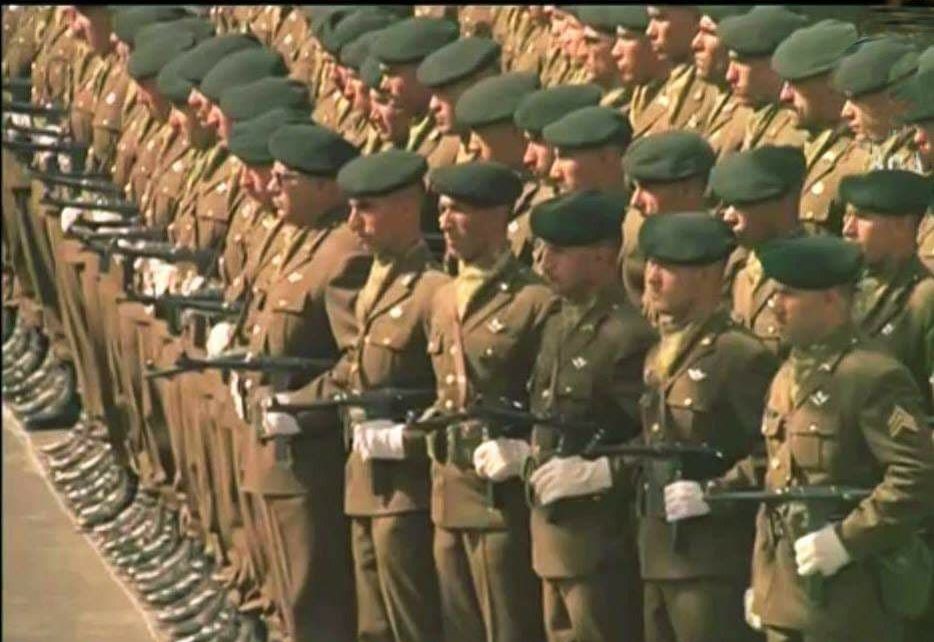
During the rule of Mohammad Reza Pahlavi, the Iranian military and law enforcement were equipped with a variety of submachine guns of Western and Eastern origins. Some were locally produced while others were imported in limited numbers. The main Persian word to describe a submachine gun is mosalsal (مسلسل in the Persian alphabet) which loosely means a ‘small arm that shoots continuously’. Here we will take a close look at examples of submachine guns that were imported or produced locally by the Iranian government during the rule of Mohammad Reza Pahlavi between 1941 to 1979 based on the existing information and photographic evidence. Also included in this article is a podcast interview with the piece’s author Yousef Riazi.
History
V31: Persian Fire and Steel With Dr. Manouchehr Khorasani
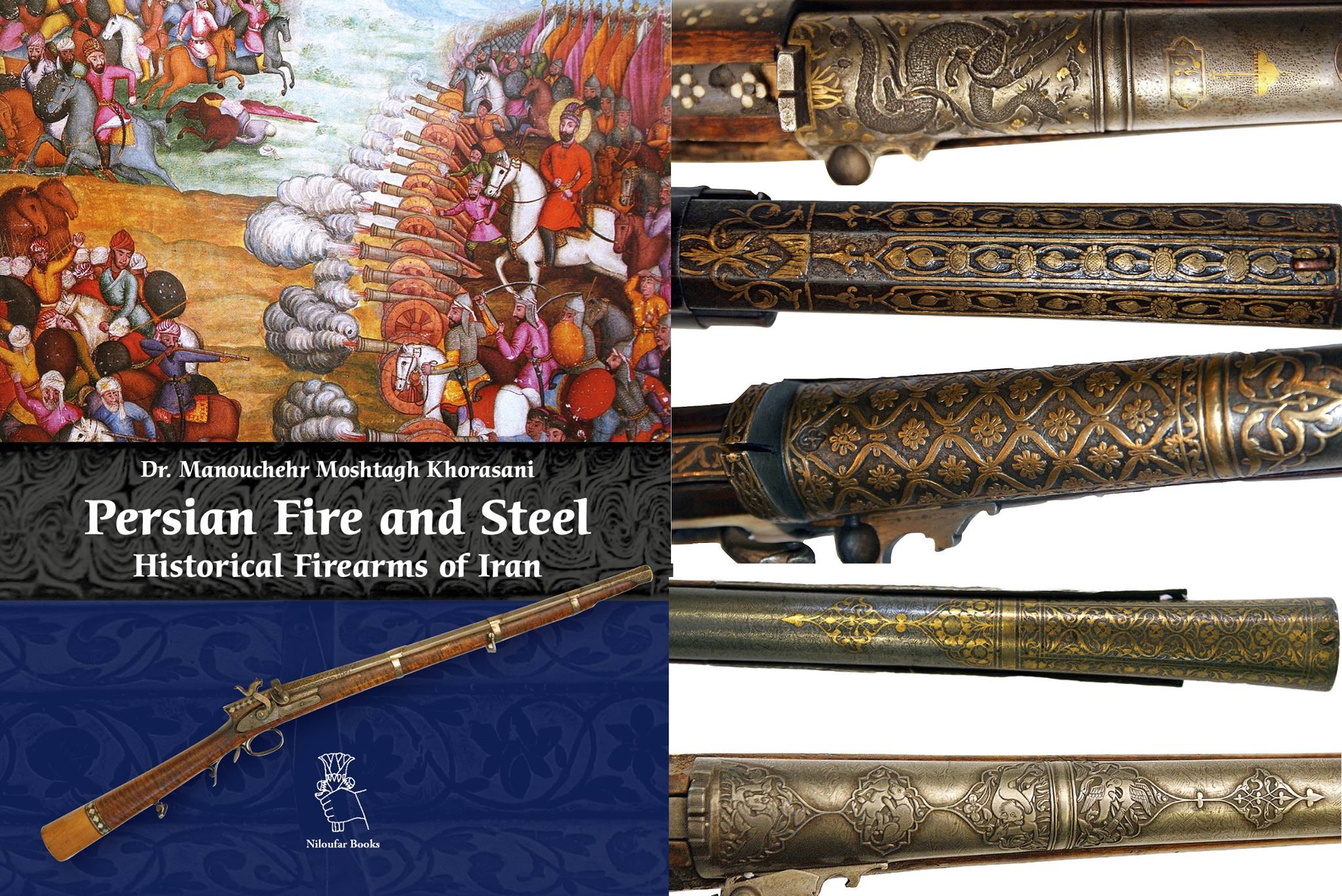
In this episode, Miles and Dr. Manouchehr Khorasani dive deep into the amazing history of firearms in Persia throughout different time periods as well as the cultural and religious relation with weapons. Dr. Khorasani is a historian who has delved deep into the history of Persian arms and armor, including Persian martial arts. He has an incredibly vast knowledge of the subjects and authored seven books and won three major book prizes.
Podcast V26 – Part Four: Bombardment of Ismalia and Galal’s Close Calls
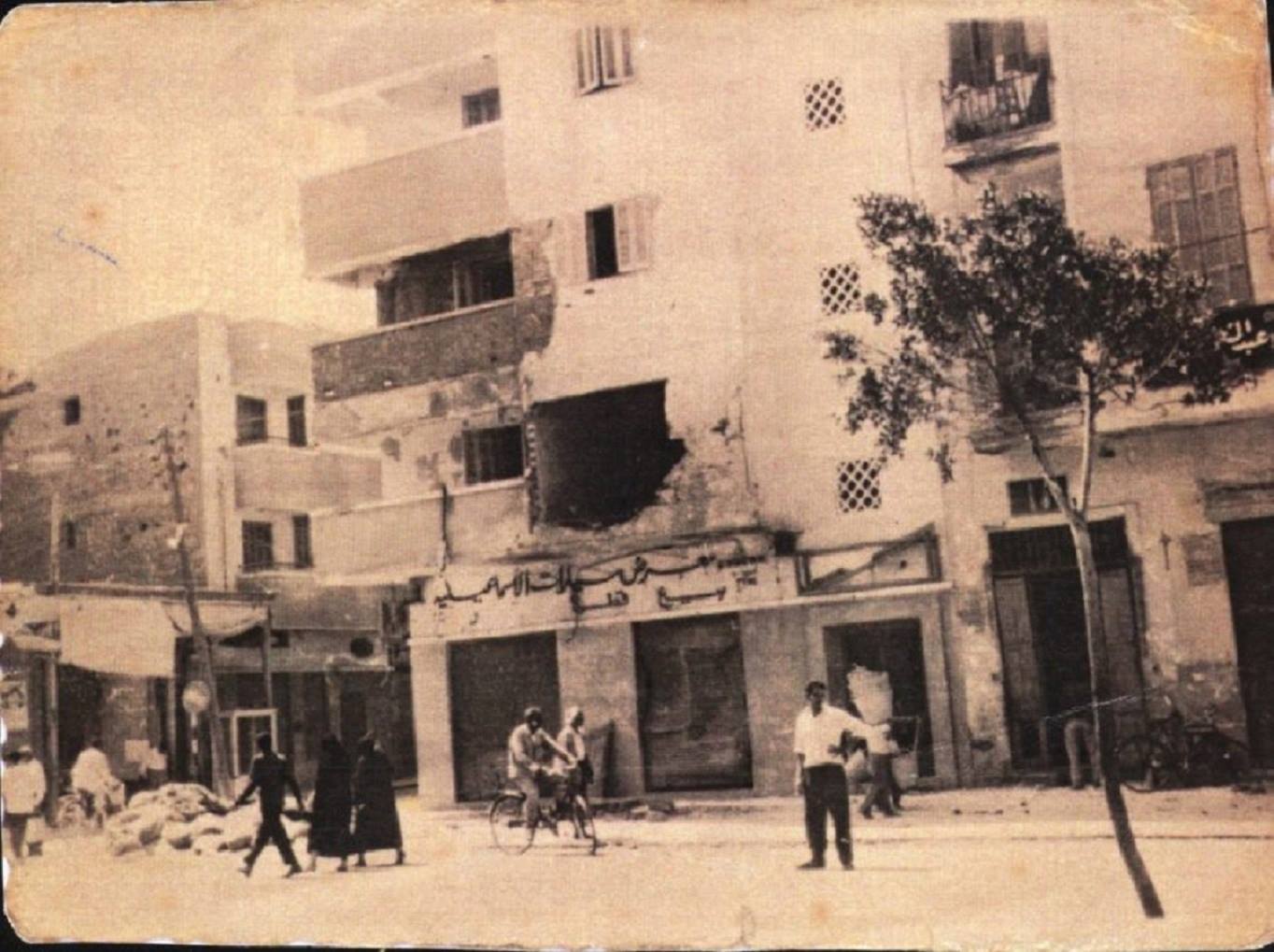
In this article we continue our interview with Egyptian artist Galal Abdo Hashem. When we reached the Six-Day War, the War of Attrition and October War in our interview with Galal, we tried to get all the possible details we could from him. In the end, he told us that he will speak about the notable incidents as he has many stories that would take months to cover. In this part of our series we will examine the bombardment of Ismalia in 1967. The city was bombarded throughout the War of Attrition, but Galal gave us a few incidents that mainly occurred in 1967 after the Six Day war.
If you missed earlier parts of the interview, you can find them here: Part One, Part Two, Part Three.
The Captured Cannon of Kabul, 1879
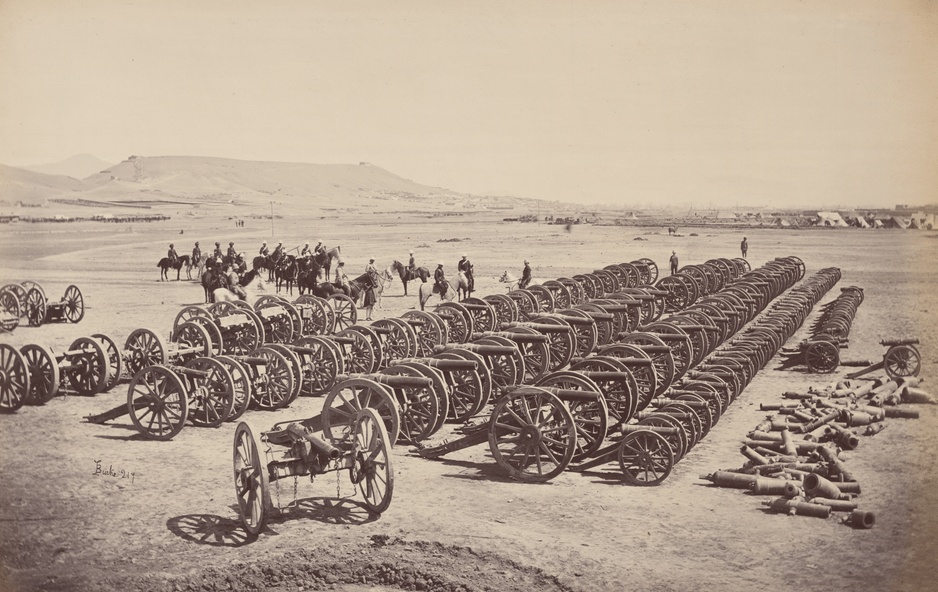
In 1869, the Emir of Afghanistan, Sher Ali Khan, began a process to rapidly improve the quality and quantity of artillery pieces in the Afghan Army. Informed by the experiences of the First Anglo-Afghan War (1839 to 1842) and internal territorial wars that he had previously fought, Sher Ali was determined to see his forces equipped with the latest rifled iron breech-loading guns. Whilst he was able to achieve this, his successes would be short-lived. Ultimately, failings in leadership and discipline would prove more important than his modernised guns.
V23: Interview with Vernon Easley on Martini-Henry Rifle Production in Afghanistan
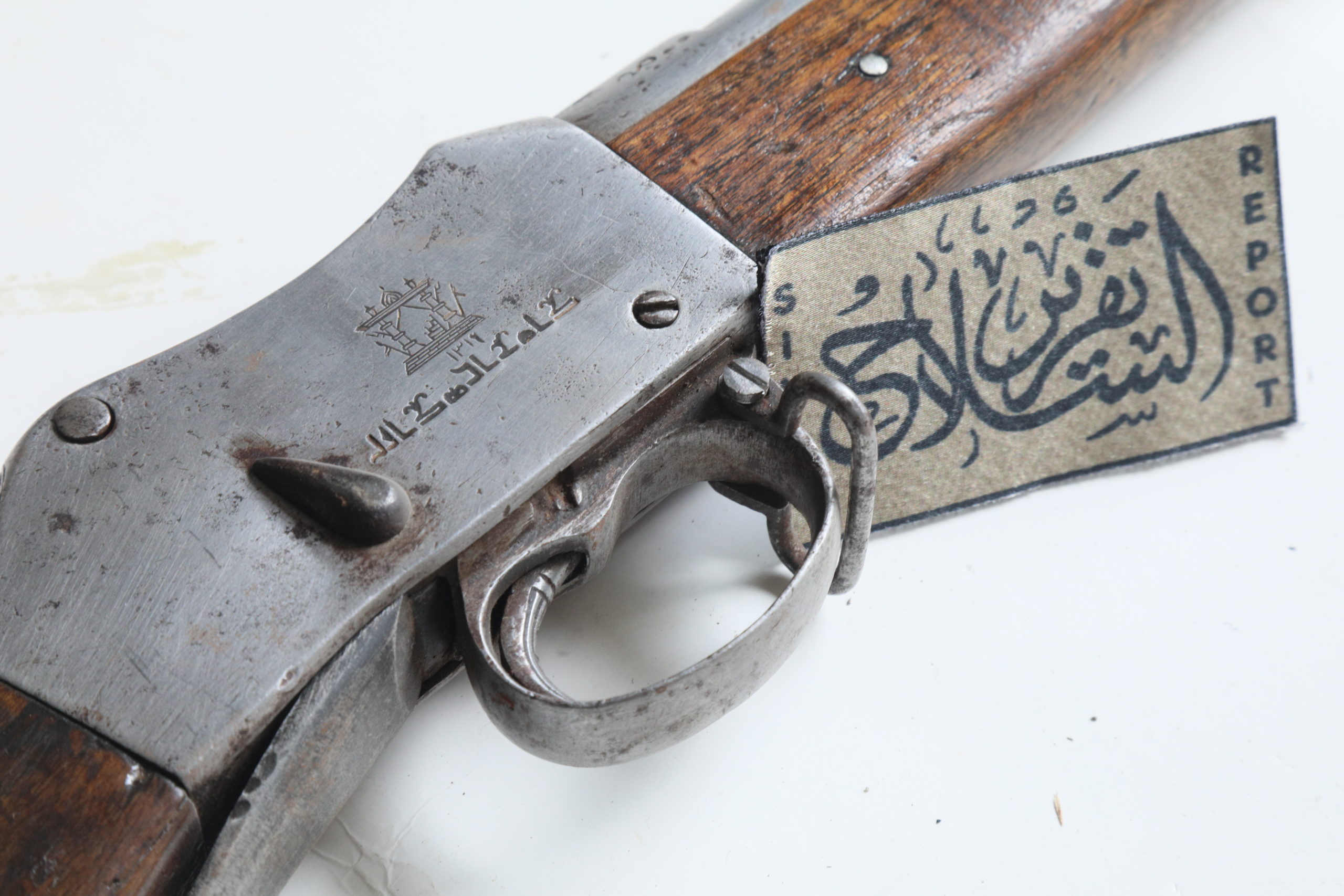
On the 23rd episode of the Silah Report Podcast, Miles interviews Vernon Easley and together they discuss the history of Martini rifles in Afghanistan as well as the new book he co-authored with N.R. Jenzen-Jones: THE EMIR’S NEW RIFLES: A HISTORY OF THE KABUL ARSENAL, 1885 – 1925. The discussion is incredibly rich with knowledge and in-depth research done not only on historical firearms in the region but also on the culture and history of the region itself.
The public SoundCloud version below includes the first forty-six minutes of the podcast, our supporters on Patreon can access the entire interview, which is one hour and 14 minutes long! So if you haven’t already please support us in our mission to bring you the best examination of MENA small arms culture we can!
Stars and Rifles Part 1: Ottoman Hexagram Proof Marks
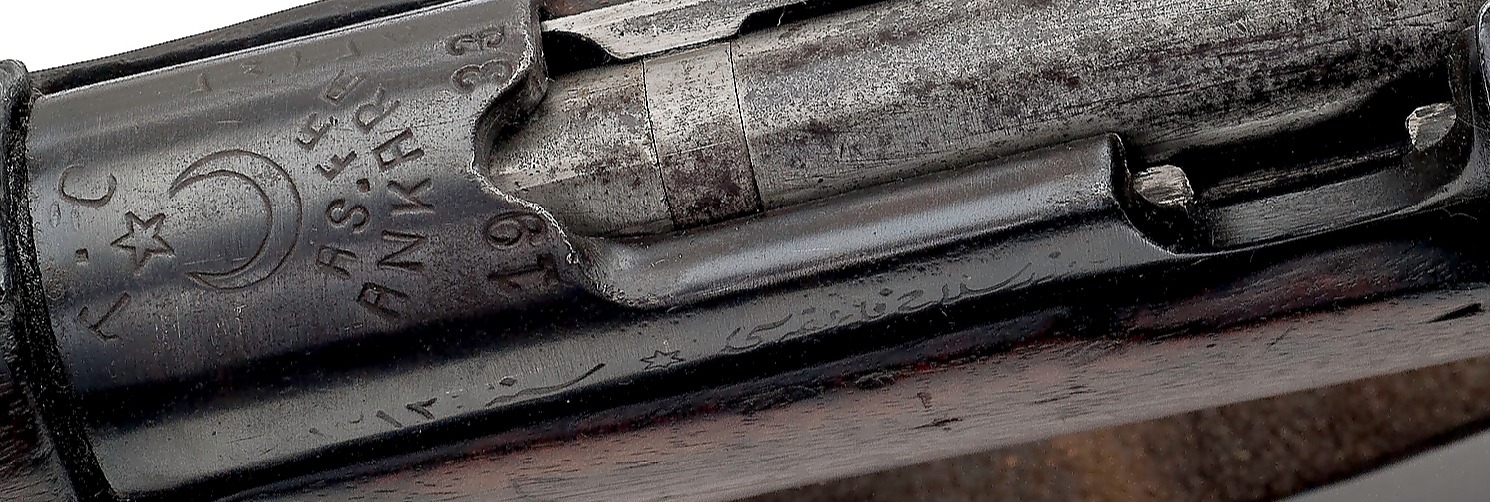
One of the peculiarities of a front line soldier’s life throughout the history of increasingly intense warfare is the heightened susceptibility to superstition and the supernatural, expressed through a plethora of different talismans, charms and other curious oddities. One might think of the strange British Touch Wud [wood] charms of World War I, the lucky rabbit feet worn by American soldiers in Vietnam or Japanese charm pouches worn during World War II. It is a common occurrence across all civilizations to feel shielded by the pretense of spiritual protection, as fleeting and illusory as it may seem. When the flesh is at its most vulnerable, man seeks different ways to somewhat dampen the fear for the imminent threat of death and disfigurement.
V8 Silah Report Podcast: sniper ‘battalions’ in Idlib, G36 rifles & more!
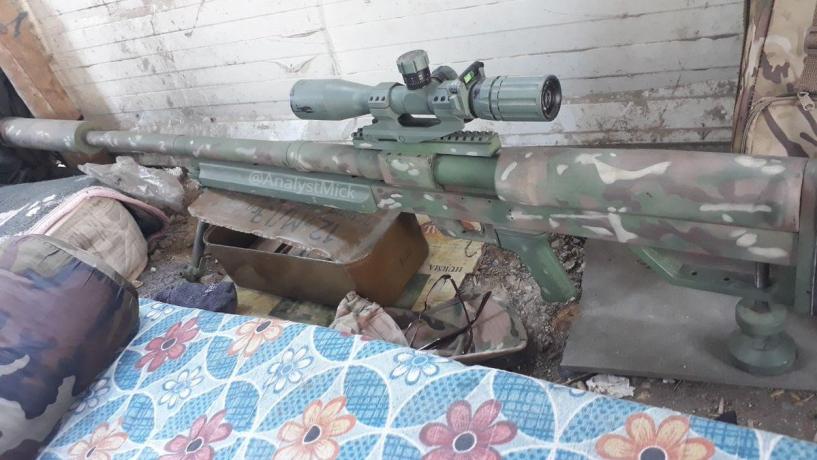
In episode 8 of the Silah Report Podcast, Miles and Adham are joined by guests AnalystMick, Daniel, and AbuZaben to discuss their recent findings in the MENA region. We cover sniper ‘battalions’ in Idlib, interesting SALW being offered for sale in Yemen, German vs. Saudi G36 rifles, and more! We also answer questions provided by our Patreon backers at the $5 or more per month level. Want to ask us a question related to small arms and light weapons in the Middle East, North Africa, or Central Asia regions? Become a backer today!
https://soundcloud.com/silah-report/v8-silah-report-podcast-sniper-battalions-in-idlib-g36s-and-more
French MAS Rifles in Syria, a Historical Perspective
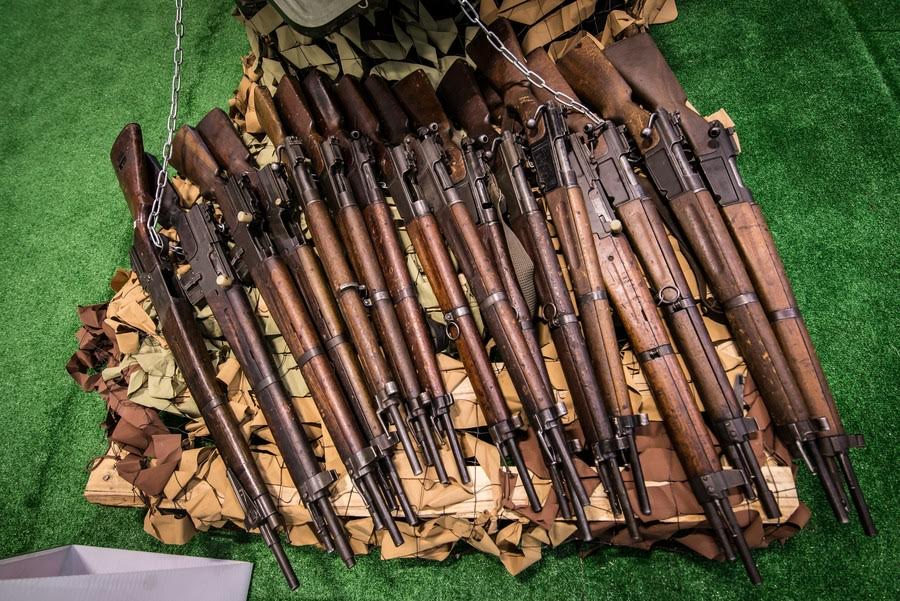
This guest article is brought to us by Bruce Marduel, taking a look at the French MAS series of bolt action and semi-automatic rifles in service throughout Syrian history.
There are plenty of exotic and obsolete weapons in the Middle East, and ancient French weapons produced by Manufacture d’Armes de St-Etienne can be spotted regularly in Syria along with StG 44, Mosin-Nagant and other relics.
Most of the rifles produced for the French Army during the XXth century were produced by Manufacture d’Armes de St-Etienne (MAS) : from the bolt-action Fusil à répétition 7.5mm M.36 a.k.a MAS 36, to the Fusil d’Assaut de la Manufacture d’Armes de St-Etienne also called FAMAS. The MAS 36 equipped the French Army since the 1930’s, followed by MAS 49 and MAS 49/56 after WWII. These rifles have a very long service life both in France and overseas.
MAS 36 arrived in the Middle-East during the Mandates and Second World War, back then France ruled over Syria and Lebanon, and French troops used MAS 36. During WWII, the French authorities of the Regime de Vichy (allied with Nazi Germany) declared Lebanon independent in 1941, the decision was confirmed by Free France and Charles de Gaulle, so the country became independent after WWII. The armed forces from newly-independent Lebanon used MAS 36 as a standard-issue rifle until the 1950’s when FN FAL replaced them. Lebanese MAS were kept as a reserve rifle or sold on the civilian market, so that they are visible among militias during the 1958 troubles in Lebanon.
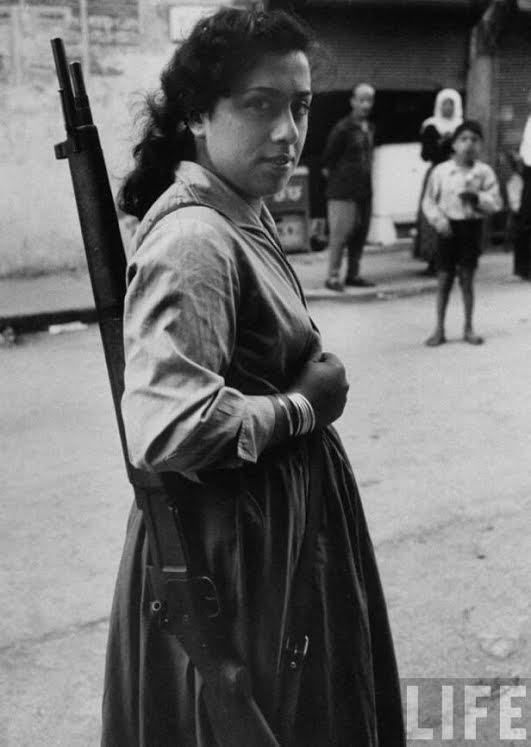
Civilian MAS 36 in Beirut, 1958
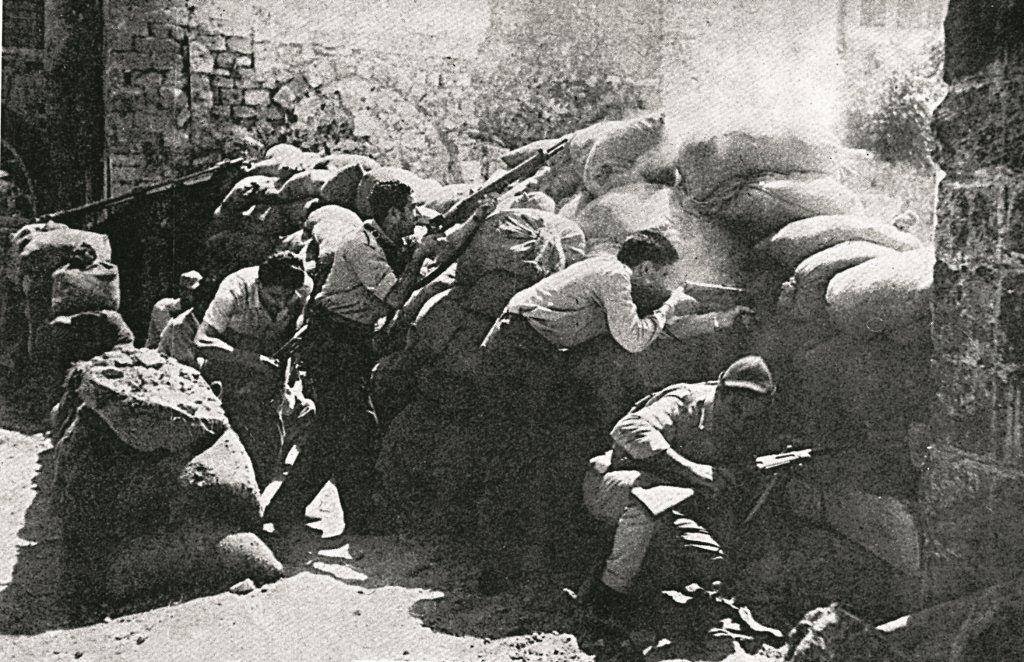
1958 unrest in Lebanon
The most significant shipment of MAS rifles to the Middle-East took place in the early 1950’s, when France delivered weapons to Syria : six-thousand « Syrian contract » MAS 49 (serial number F3XXXX), twelve-thousand MAS 36 and a production line for 7,5x54mm ammunition. Photos of the Syrian Independence Day show the subsequent evolution in the armament of Syrian troops from 1946 to 1966 :
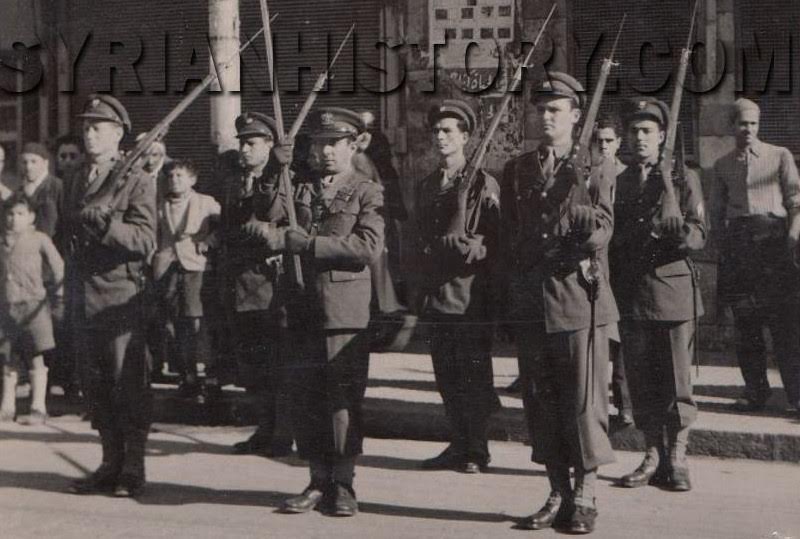
1946 parade with WWI Lebel
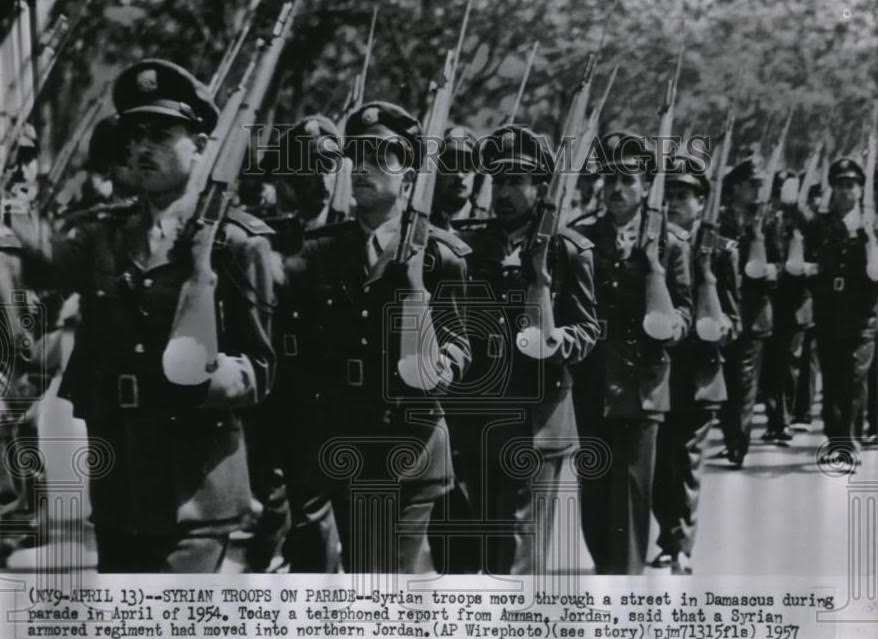
1954 parade with MAS 36
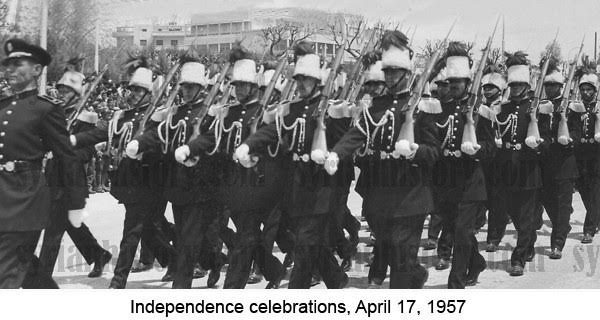
1957 parade with MAS 36
When Syria got closer to the Eastern Bloc (Baath putsch in 1963, and pro-soviet wing takeover in 1966) the Syrian army abandoned french rifles and adopted Kalashnikov, as showed in the video of the 1966 parade.
Use in Syrian Civil War
.
Assorted Firearms Observed in Oman
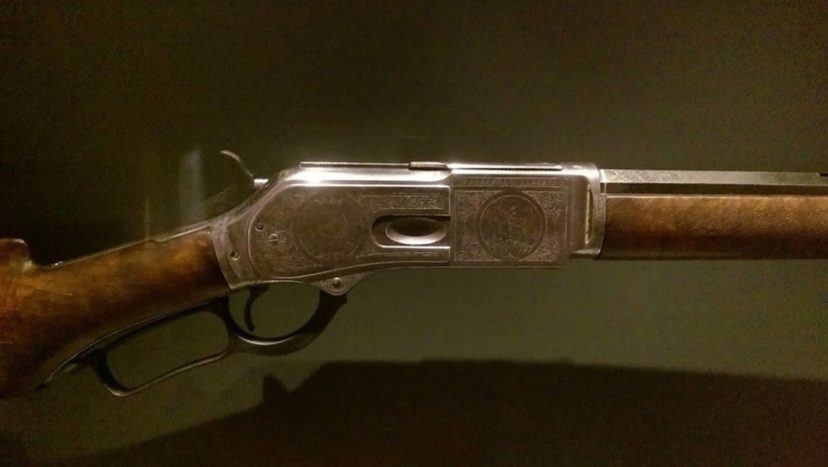
This guest post was written by Christopher Cowan, an avid reader and supporter of Silah Report.
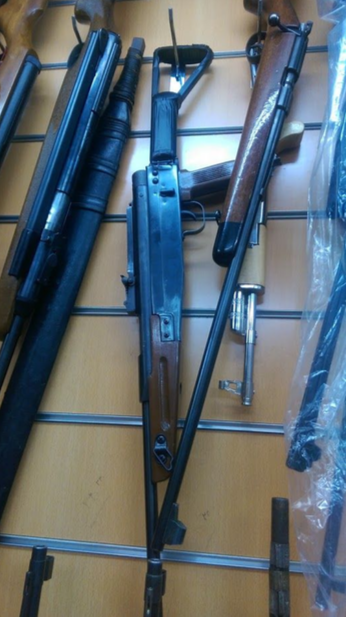
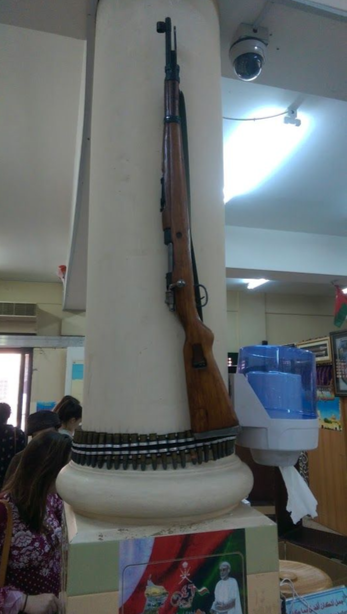
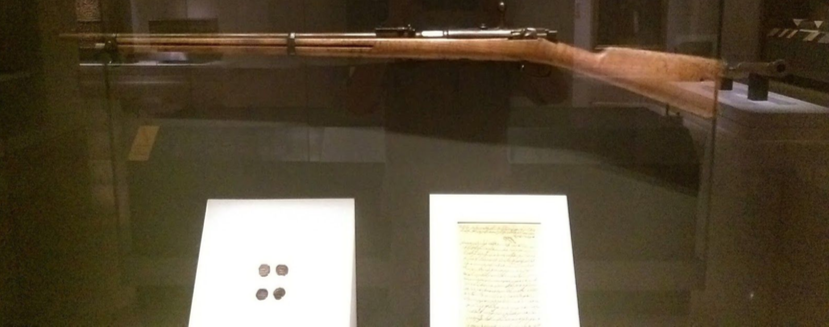
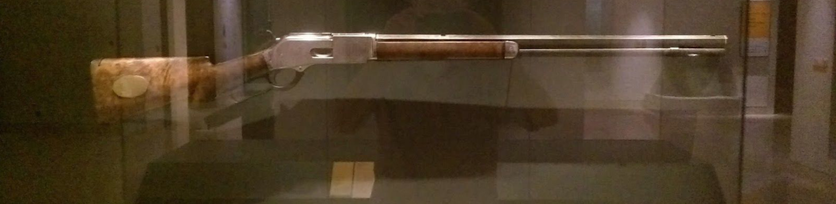
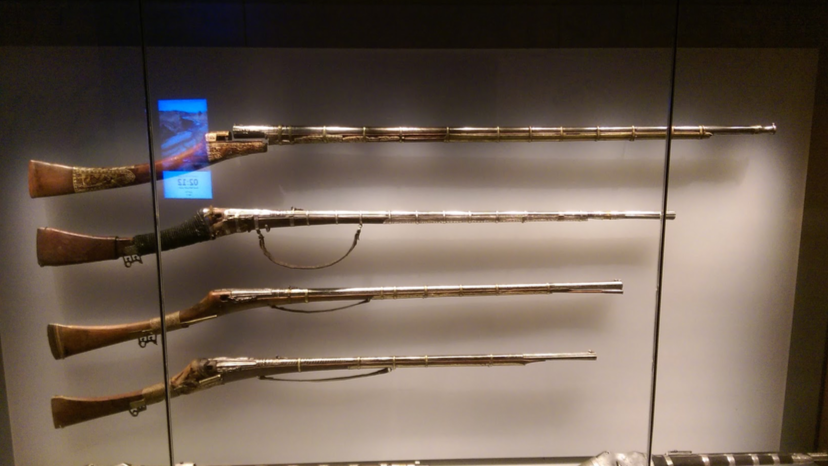
In reviewing material for an article about the Martini-pattern rifles I came across several other pictures I took unrelated to the subject of that article. These include several photos taken at the National Museum as well as Nizwa Sooq.
Sudanese AR10 in the wild, Yemen edition


This photograph was recently found on social media and features a local Yemeni man posing with an 7.62x51mm NATO AR10 next to his friend with what appears to be a modified 7.62x39mm RPK (due to the compensator) mounted with a 45 round magazine. The AR10 in question appears to be one of the largest contracts that Armlite produced of AR10s, which was the Sudanese contract of approximately 2500 rifles in the 1950s. This inference is taken from the proximity of Sudan to Yemen, so it must be stated that this is only a guess as to it’s origins and not a complete conclusion. If we could have seen the rear sight, that would remove all doubt, depending on whether or not the graduations are in Arabic numerals.


This is a little bit about it from Wikipedia-
Firearms historians have separated AR-10 production under the A.I. license into at least three basic identifiable versions, along with various sporting, carbine, and other experimental designs and calibers. The three main variants have been termed the Sudanese model, the Transitional, and the Portuguese model AR-10. A.I. built all of these rifles, beginning with the Sudanese model AR-10. The Sudanese version derives its name from the sale of approximately 2,500 AR-10 rifles of to the government of Sudan in 1958. The Sudanese model was equipped with a very lightweight, fluted steel barrel fitted with a trim, prong-style flash suppressor, a bayonet lug, lightweight fiberglass furniture, and sight graduations in Arabic.[21][22] The Sudanese model weighed only 3.3 kg (7.3 lb) with an empty magazine.[21] The price, including cleaning kit and four magazines, was US $225 per rifle.[23] All AR-10s, whether produced by ArmaLite or by A.I., used the same Stoner-designed 20-round lightweight aluminum ‘waffle’ magazine with pressed-in, corrugated sides, intended to be discarded in combat once emptied.[24]
This particular rifle appears to be in excellent condition considering that it is most likely 60 years old and has existed in a very rough part of the world when it comes to firearms care and maintenance. The young man looks to have affixed a canvas sling to the rifle, in addition to embedding a circular metal piece in the stock, also wrapping something around the buttstock by the rear sight and charging handle.

Weight 3.29–4.05 kg (7.25–8.9 lb) w/o magazine Length 1,050 mm (41.3 in) Barrel length 528 mm (20.8 in)
Cartridge 7.62×51mm NATO Action Gas-operated, rotating bolt Rate of fire 700 rounds/min Muzzle velocity 820 m/s (2,690 ft/s) Effective firing range 600m/656yd (ca 700m/765 1/2yds with A.I. 3.6× telescopic sight) Feed system 20-round detachable box magazine Sights Adjustable aperture rear sight, fixed post front sight