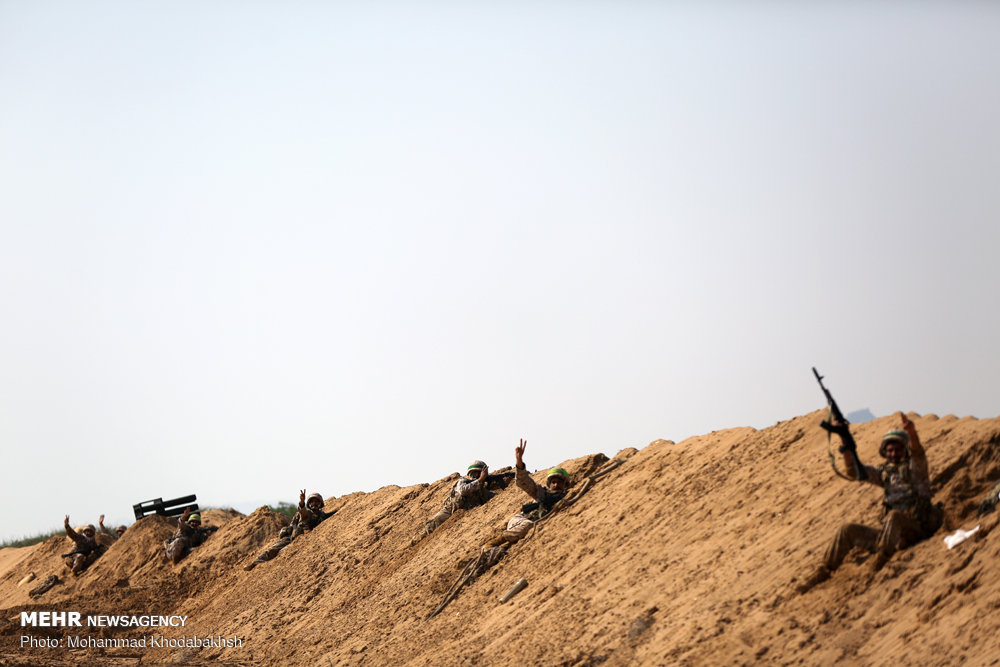
For decades, the Kalashnikov self-loading rifle has been a prolific design, put to use by various actors worldwide and revered by many as a symbol of either good or evil. Iran is no exception to its sphere of influence and shows no signs of loosening its reins on the weapon, which since the days of its war against Iraq, it has kept various variant of the rifle in service. In this article, we will document the history and functionality of the most recent variant of the Kalashnikov rifle seen in Iran: the AK-103.
Iran
Indigenous Iranian Equipment: Iranian Molle Vest
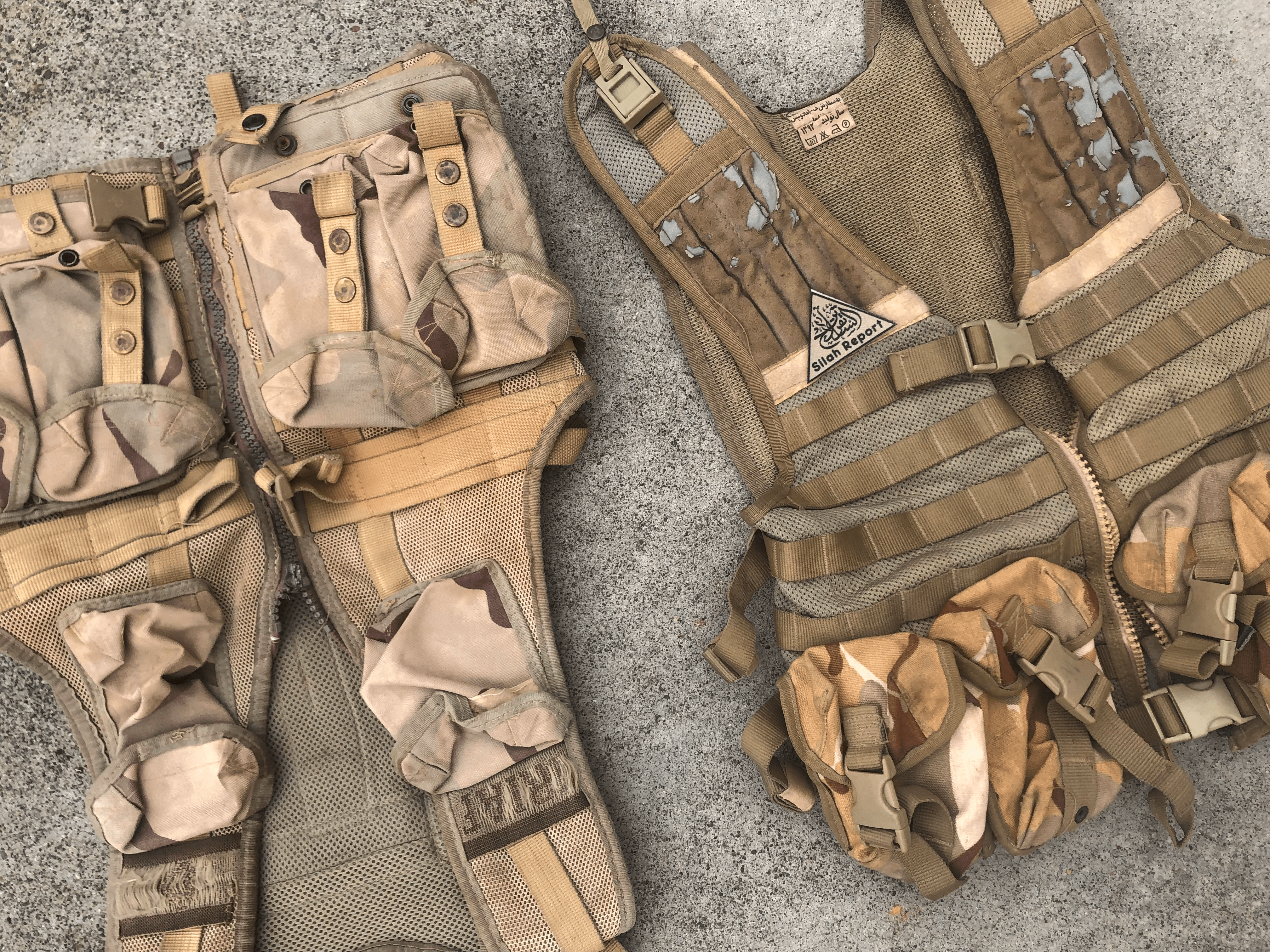
Iran’s armed forces consists of a multitude of different services, including the Ground Forces, Navy, Air Force, an Air Defense Force which is responsible for providing an anti-aircraft security net, and a law enforcement branch. This structure remains somewhat similar to the Shah-era military structure, save for the Air Defense Force which became its own branch separate from the Air Force in 2008, as well as the Islamic Revolutionary Guard Corps which contains its own ground force, navy, and aerospace force. In addition to the IRGC’s other branches is the Quds Force, which performs asymmetrical warfare abroad, and the Basij, a paramilitary unit. These branches all have personnel equipped with various different types of tactical equipment, with many pieces acquired pre-Islamic Revolution transferring over to the newly formed Iranian Army.
Silah Report Podcast V33: Iranian Submachine Guns (1979-Present)

In our previous article we reviewed the history of different submachine guns which entered Iranian service during the Pahlavi era. In 1979, when the Pahlavi dynasty was overthrown by Islamic Revolutionaries, many small arms purchased by the former regime continued their service with Artesh (armed forces) and newly branded armed forces such as Sepah Pasdaran (the Islamic Revolutionary Guard Corps). There were a couple of submachine gun purchases made by the new regime in the 1980s from unknown sources, these purchases mostly were conducted by IRGC to arm their units, including a new unit called Ansar-Al Mahdi who are tasked with VIP protection as well Saberin and S.N.S.F. In this article, accompanied by an interview with the author on a recent episode of the Silah Report Podcast, we will examine the submachine gun platforms which entered Iranian service after the Islamic Revolution using photographic evidence.
Silah Report Podcast V33: Iranian Submachine Guns (1941-1979)
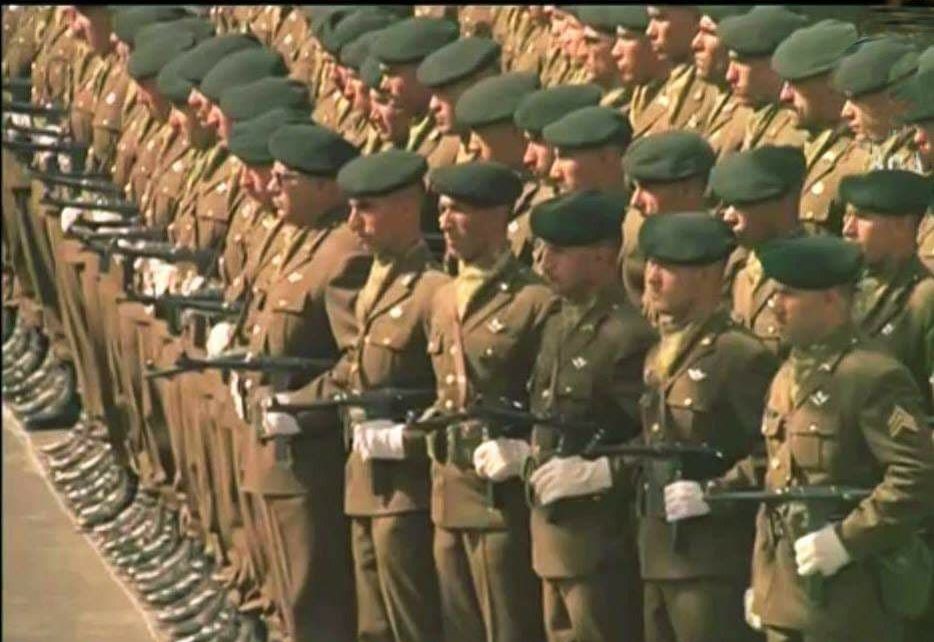
During the rule of Mohammad Reza Pahlavi, the Iranian military and law enforcement were equipped with a variety of submachine guns of Western and Eastern origins. Some were locally produced while others were imported in limited numbers. The main Persian word to describe a submachine gun is mosalsal (مسلسل in the Persian alphabet) which loosely means a ‘small arm that shoots continuously’. Here we will take a close look at examples of submachine guns that were imported or produced locally by the Iranian government during the rule of Mohammad Reza Pahlavi between 1941 to 1979 based on the existing information and photographic evidence. Also included in this article is a podcast interview with the piece’s author Yousef Riazi.
V32: Yousef Riazi and Iranian Small Arms in use by the Iranian Military
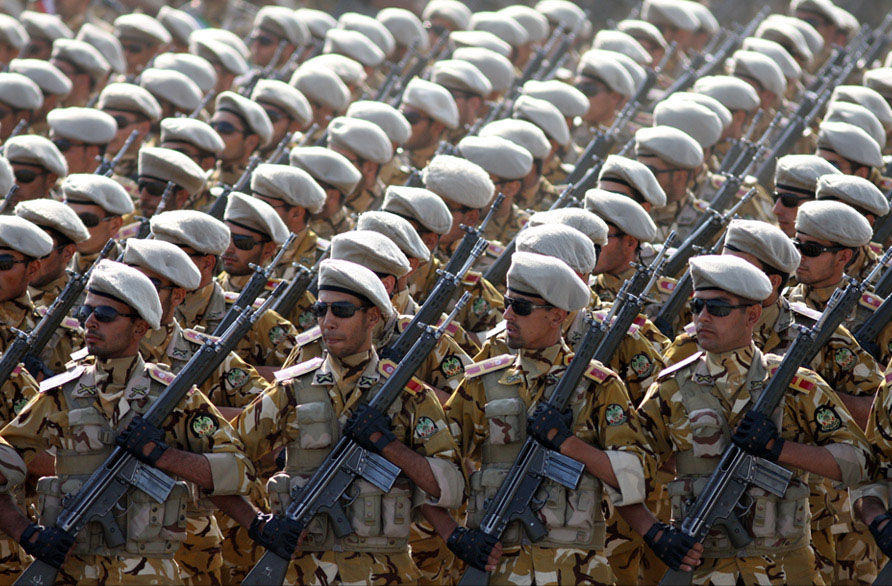
In this episode, Miles and Yousef Riazi discuss in great detail the different types, and quality of Iranian-made small arms and the history of the weapons that are issued to the infantry of the Iranian army. As well as Yousef’s experience dealing with them as a former conscript who served in the Iranian army.
V31: Persian Fire and Steel With Dr. Manouchehr Khorasani
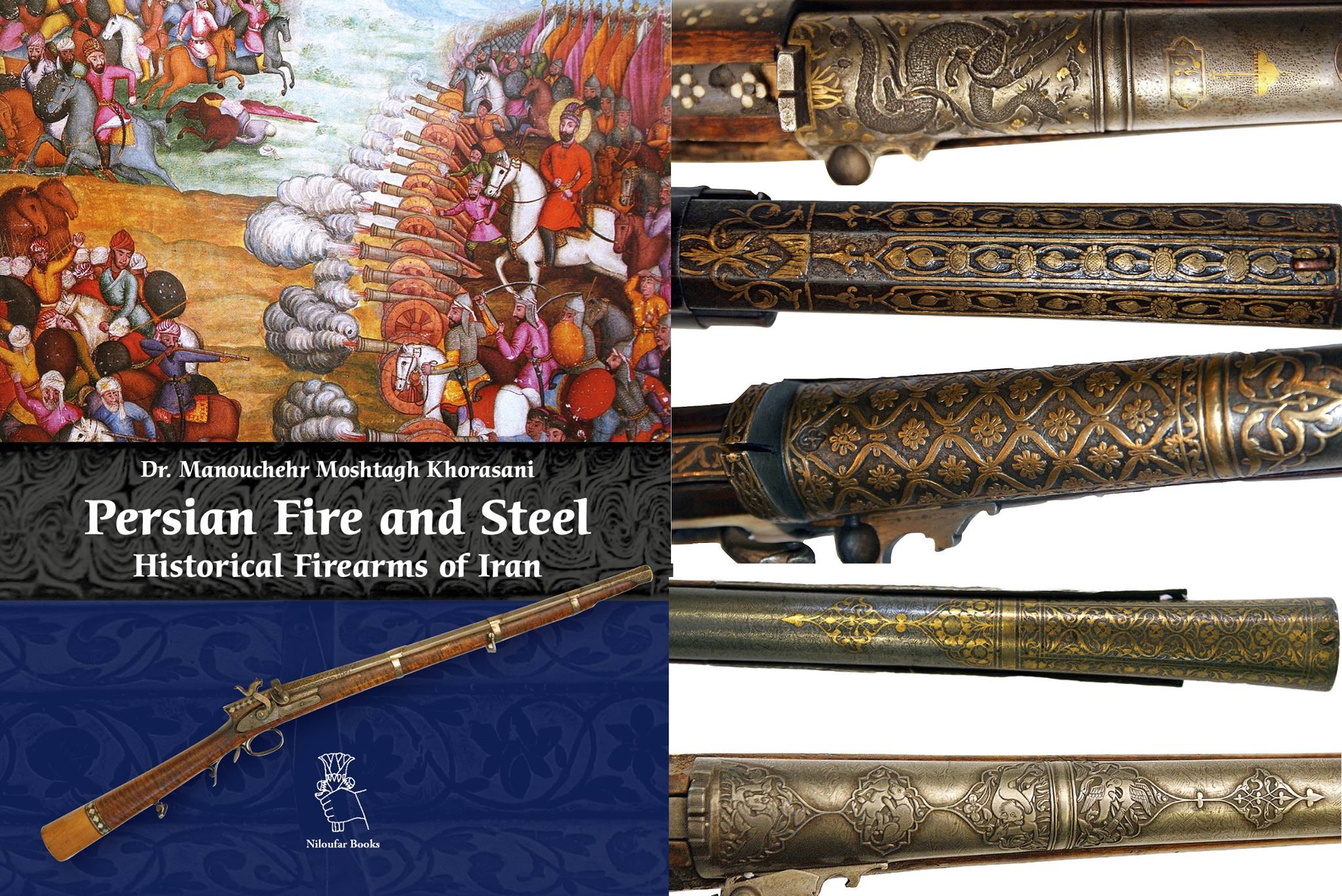
In this episode, Miles and Dr. Manouchehr Khorasani dive deep into the amazing history of firearms in Persia throughout different time periods as well as the cultural and religious relation with weapons. Dr. Khorasani is a historian who has delved deep into the history of Persian arms and armor, including Persian martial arts. He has an incredibly vast knowledge of the subjects and authored seven books and won three major book prizes.
Iran Unveils New 7.62×51mm MASAF Series Rifle
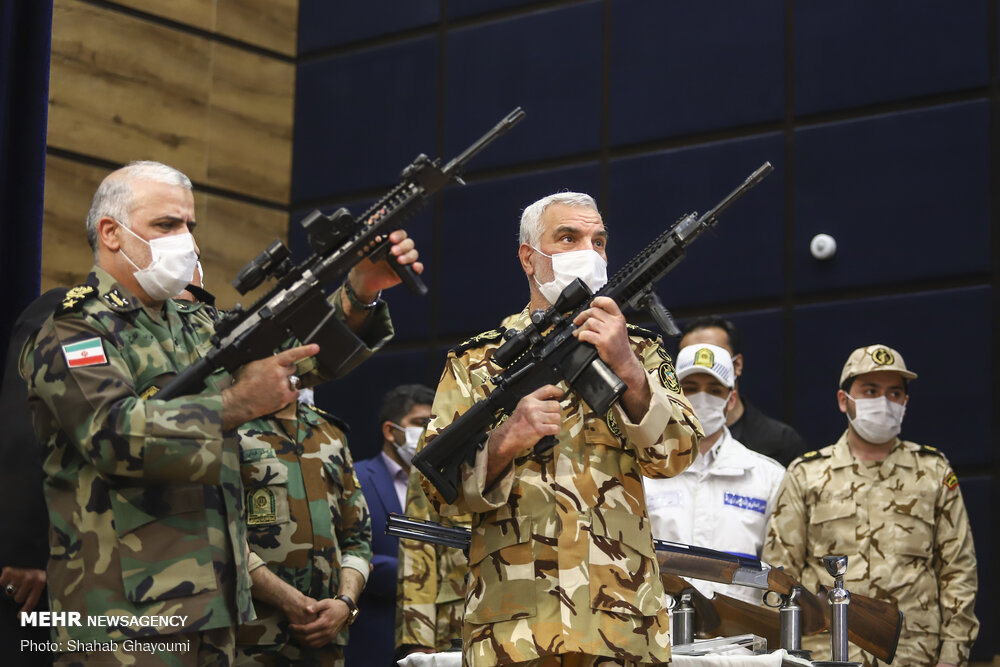
The state Defence Industries Organisation (DIO) of Iran recently unveiled a new 7.62×51mm self-loading ‘battle rifle’. This is an addition to Iran’s MASAF series of rifles which first emerged in 2016. The first variant of the MASAF was chambered in the NATO 5.56×45mm cartridge. The new rifle was unveiled at the 13th Hazrat Ali Akbar Soldier Young Festival in Tehran, Brigadier General Amir Hatami, Minister of Defense and Armed Forces Support, attended the unveiling of the weapons.
Small Arms of the Iranian Movie: “Damascus Time”
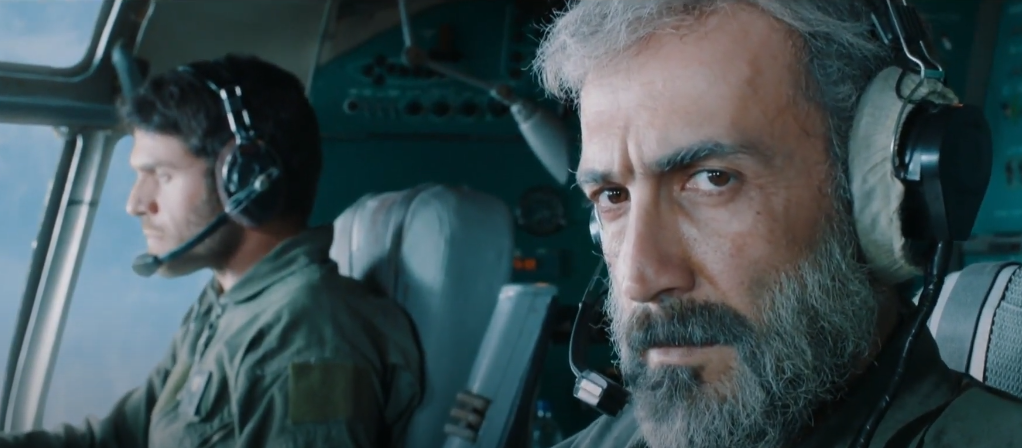
Damascus Time or (به وقت شام), written and directed by Ebrahim Hatamikia and produced by Mohammad Khazai, is a 2018 Iranian film about a fictionalized hijacking of a humanitarian cargo aircraft by ISIS during the Second Palmyra Offensive in 2017 and the survival of its Iranian and Syrian crew. Filmed in both Iran and Syria, the film takes clear inspiration from American action staples such as Air Force One and the many cinematic depictions of the Global War on Terror. But in this film, expressions of American exceptionalism and sympathetic portrayals of their foreign policy are exchanged for Iranian ones. Like with many films, the firearms used within the film and how they are portrayed reveal certain subtexts around the film and how it portrays the civil war in Syria.
Syrian Civil War Crest Symbology: Comparative Conclusion
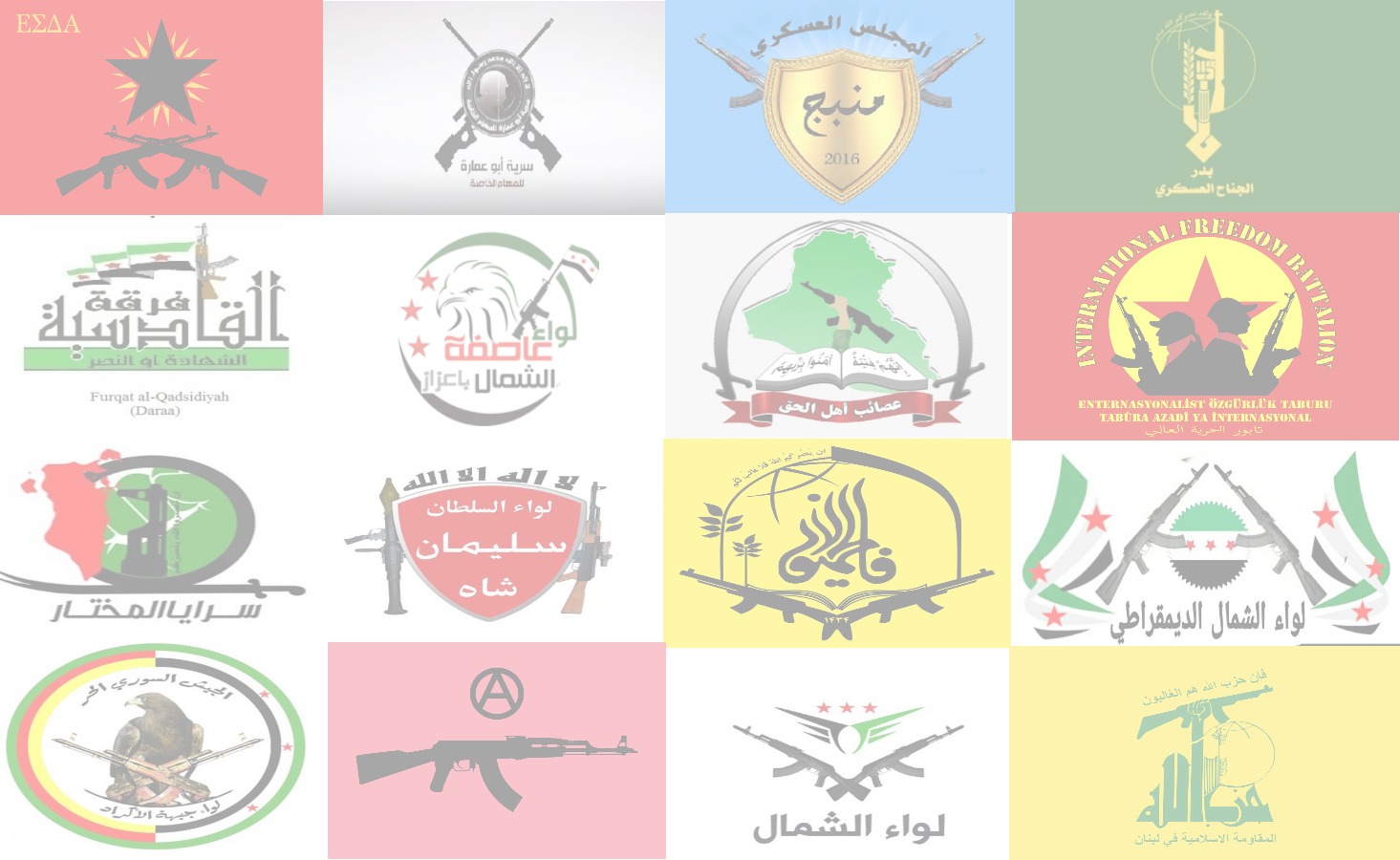
In this series we have examined Syrian armed groups from across the entire political spectrum who at one point or another during the war featured a firearm in their official crest. Our goal is to present a statistical overview of the small arms used in this military imagery and to share some interesting information I was able to deduce. You can find the first three parts of this series here, here and here. In this fourth and final part, we will make a comparative overview of all the political affiliations fighting previously focused on throughout the previous posts.
Small Arms Crest Symbology: The Syrian Regime
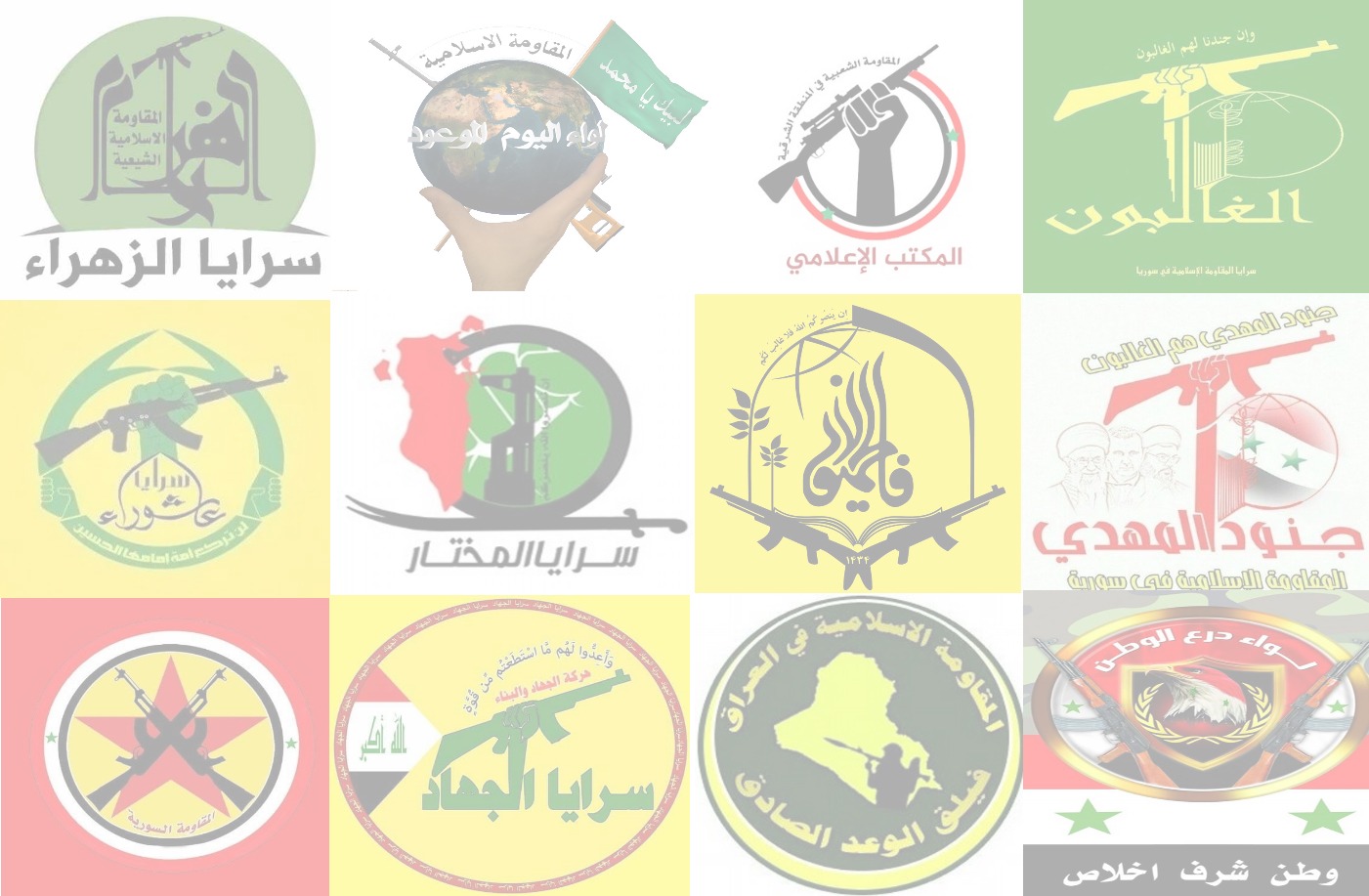
The Syrian Civil War is many things, not least an extremely complex conflict. In this series we examine the imagery used by various groups from across Syria’s political spectrum. In the first part of the series we examined the crests Opposition-affiliated groups and organisations. If you missed the first part of the series you can find it here. In this part we will examine groups affiliated with the Assad Regime and present a statistical overview of the small arms used in their military imagery. You can find the first part of this series here.