
In our previous article we reviewed the history of different submachine guns which entered Iranian service during the Pahlavi era. In 1979, when the Pahlavi dynasty was overthrown by Islamic Revolutionaries, many small arms purchased by the former regime continued their service with Artesh (armed forces) and newly branded armed forces such as Sepah Pasdaran (the Islamic Revolutionary Guard Corps). There were a couple of submachine gun purchases made by the new regime in the 1980s from unknown sources, these purchases mostly were conducted by IRGC to arm their units, including a new unit called Ansar-Al Mahdi who are tasked with VIP protection as well Saberin and S.N.S.F. In this article, accompanied by an interview with the author on a recent episode of the Silah Report Podcast, we will examine the submachine gun platforms which entered Iranian service after the Islamic Revolution using photographic evidence.
Iranian Sub Machine Gun History & Design Evolution with Yousef Riazi
One of the first submachine guns that entered Iranian service after the Islamic Revolution in the late 1970s and 1980s was the 9×19mm Beretta M12S. Islamic Republic Revolutionary Guards that were considered as a new branch of Iranian Armed Forces back in the 1980s adopted the Beretta M12 as their issued SMG. Limited numbers were imported into the country among Beretta 92 pattern pistols and these submachine guns were still in service into the early 2010s. They were photographed in multiple military shows and Government events, but there is a high possibility the M12S is no longer in service today. This specific submachine gun was also used mostly by the Ansar-Al Mahdi unit for the role of VIP protection, some other units of IRGC also known to use the Beretta M12S.
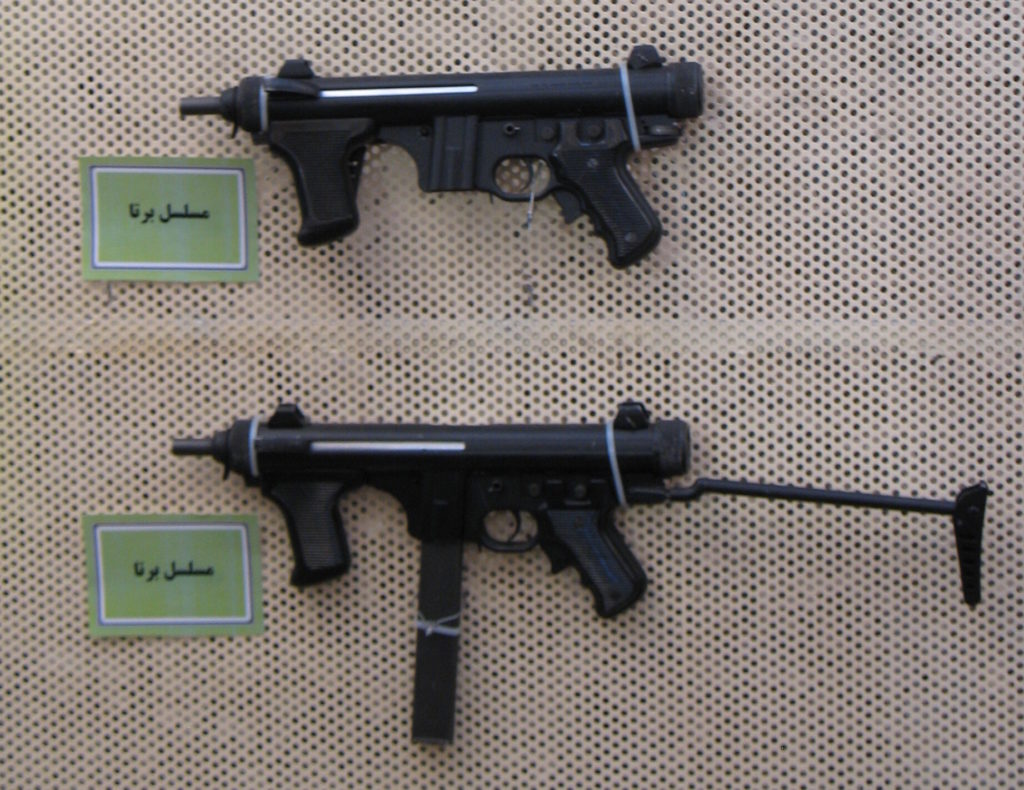
Fig. 1.1. Beretta M12s on display in the Iran-Iraq war anniversary exhibition in 2012 (Source: Author’s photo collection)
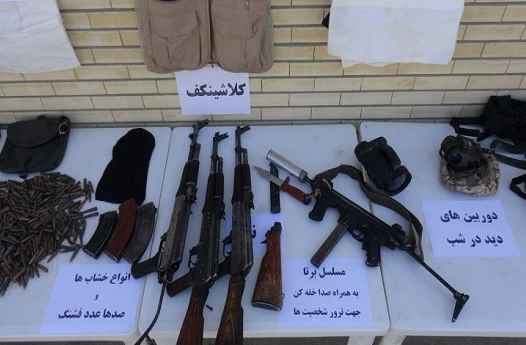
Fig. 1.2. Captured suppressed Beretta M12 among other equipment captured from a terrorist cell (Source: navidtehran.ir)
The Spanish Z-84
Another submachine gun platform was purchased directly from Spain in the late 1980s was Star Z-84 chambered in 9×19mm. The IRGC purchased this weapon to equip its Navy divers, later on, the Z-84 was also produced without a license in Iran. The version of the Z-84 in service with Islamic Revolutionary Guards is the “Corto” or short model which is produced with a 215mm barrel and has sights similar to the CETME L rifle. The Z-84 was last seen in the Great Prophet military exercise in the hands of IRGC frogmen as well as S.N.S.F ( Sepah Navy Special Forces ) during multiple amphibious assault exercises and it is still believed to be in active service.
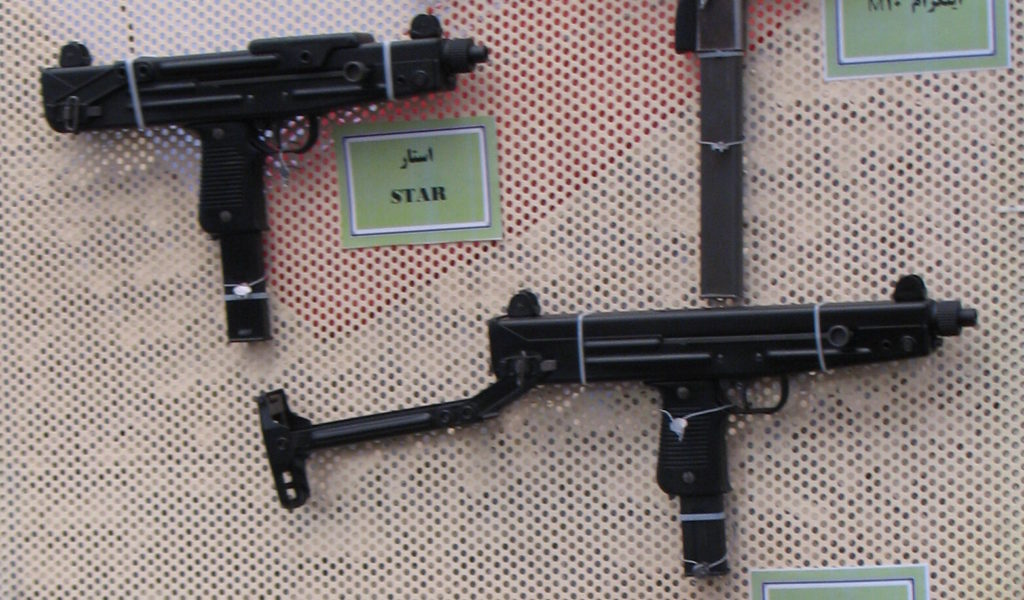
Fig. 2.1. IRGC Navy operated STAR Z-84 put on display in the Iran-Iraq war anniversary exhibition in 2012 (Source: Author’s photo collection)
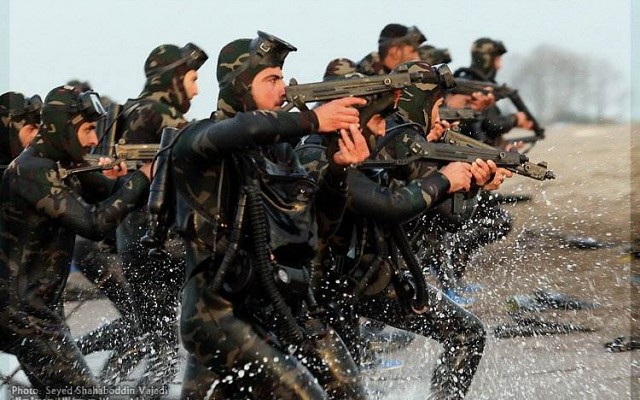
Fig. 2.2. IRGC combat divers with their STAR Z-84s (Source: Seyed-Shahaboddin Vajedi)
Tondar: The Iranian MP5
In 1991, the Iranian Police Forces ( Nirooye Entezami, نیروی انتظامی in Farsi ) were established from the Shahrbani and Gendarmerie and a local IRGC-backed group called Komiteh, all armed with a variety of different small-arms. The submachine guns in service with the new police force included UZIs, Beretta M12s, and some MP5A3s. Alongside newly purchased Sig Sauer P226 pistols, Iran selected the Heckler & Koch MP5A3 as their standard submachine guns, the Uzi became secondary standard, and the Beretta M12s were transferred completely to IRGC. Nirooye Entezami needed to obtain more MP5s and due to the shortage of MP5s in the service, the DIO ( Defense Industries Organization) in the late 1990s started a production line to copy the MP5A3, calling it the Tondar ( in Farsi تندر ) chambered in 9×19mm. The Iranian MP5 copy is visually distinctive from original German-made samples, the color of the lower receiver, as well as the handguard of Tondar submachine guns, is an olive-brown color which is similar to the licensed produced G3 in Iran.
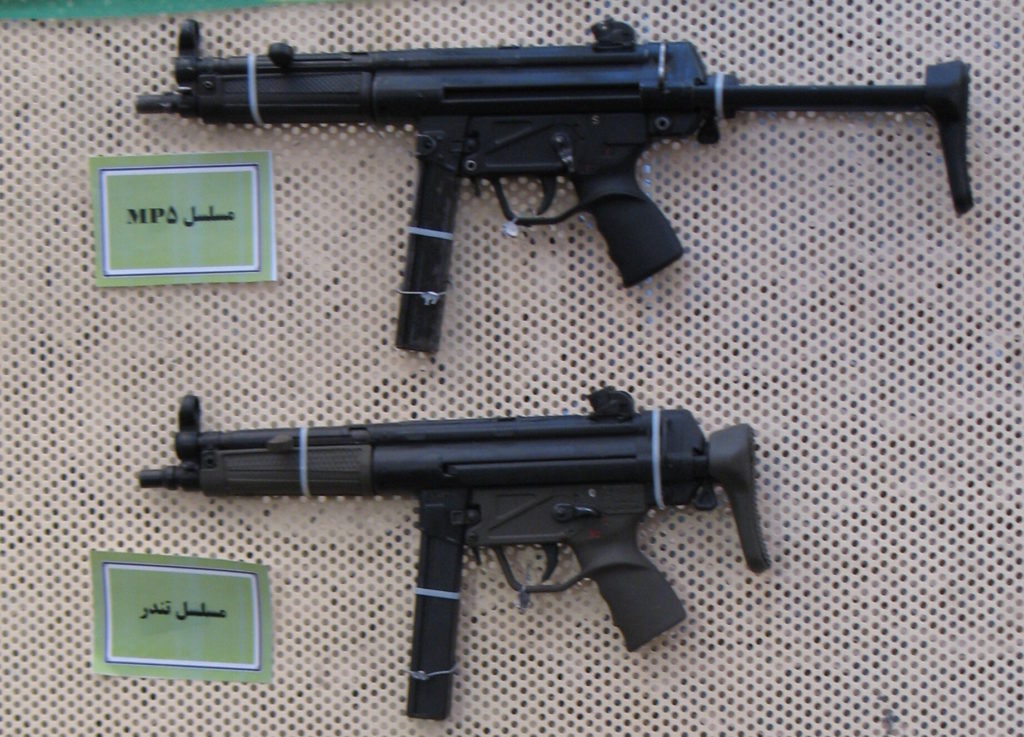
Fig. 3.1. MP5A3 ( upper sample with SEF trigger group ) and Tondar ( with 0-1-20 trigger group ) put on display in the Iran-Iraq war anniversary exhibition 2012 (Source: Author’s photo collection )
The trigger group of Tondar submachine guns is SEF, like the originals but rendered in Persian markings, but ‘0-1-20’ marked trigger groups have been seen throughout the produced submachine guns. Besides the standard MP5A3 produced by DIO, the MP5K was also copied and produced under the name of Tondar Sabok (تندر سبک in Farsi), also known as the TK-9. Another version comes with a fixed plastic buttstock that resembles MP5A2. Currently, the Tondar is serving with Army, IRGC, and police but because of its low quality of production, most of the submachine guns have ended up in storage. Some SOF units like Naval Commandos started using UZIs in the same role. Tondar same as the original MP5 can be equipped with HK-produced scope mounts and it has been photographed with Z-24 scopes which are used on Iranian G3 rifles.
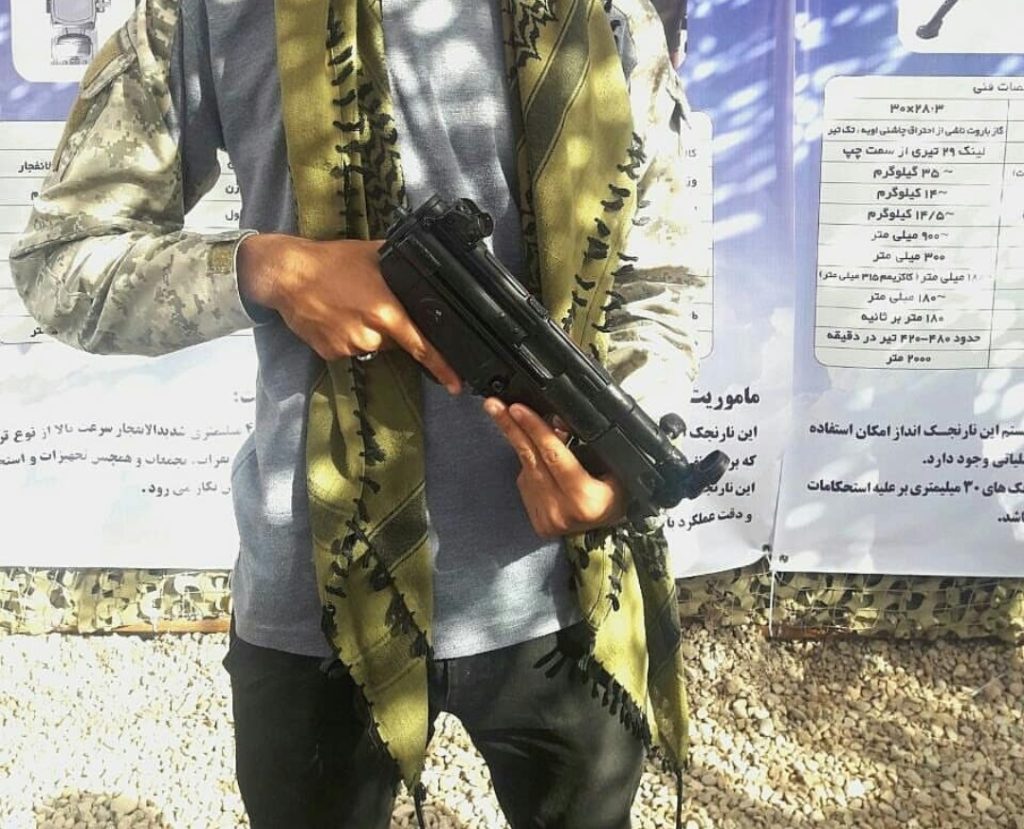
Fig. 3.2.Tondar Sabok in a military exhibition in 2018 (Source: sapp.ir)
In the 2000s when Iran and Sudan were allies, Iran opened a firearms factory in Sudan and they have also produced Tondar submachine guns which has named ” Tihraga ” and have entered the service of Sudan’s armed forces. Also throughout the Middle East and the black market, we have witnessed multiple samples of Tondar which were original Iranian production samples, or the ones which were built by salvaging the original MP5 parts with Iranian produced samples. With the photographic evidence that exists, Tondar samples from both standard Tondar and Tondar Light have been used by Iran’s proxy groups such as Hezbollah which they have upgraded them with original MP5 parts and customized them.
Unnamed Iranian K7 Submachine Gun Copy
In a government exhibition back in 2020, Iran revealed a new submachine gun which is based on the South Korean K7 platform. It is still unclear about the name of the submachine gun, but a number of South Korean news agencies including Chosun claimed that the sample which has been put on display is a Korean production K7 integrally suppressed 9×19mm submachine gun. The same sample appeared in the country’s arms show during the anniversary of Victory Day (Battle Of Khoramshahr in 1982). It is still unclear if this submachine gun is sample has been entered production or is only a displayed sample and if it is an original South Korean produced how did it end up in Iran which is under an arms sanction. An unsuppressed version of the K7 submachine gun was also displayed in the Victory Day exhibition but no further data was published as of the time of writing this article.
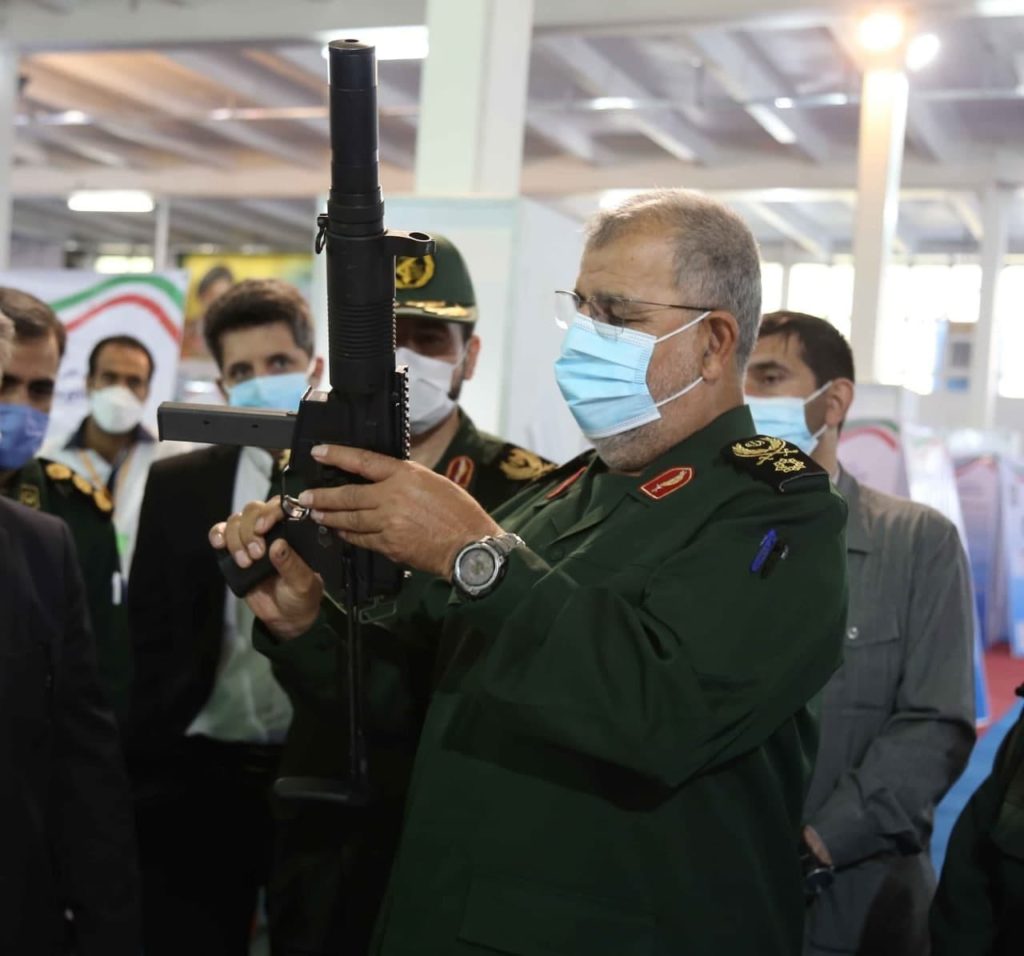
Fig. 4.1. Iranian K7 pattern submachine gun displayed in the Victory Day National Arms Exhibition on the 24th May 2021 (Source: isna.ir)
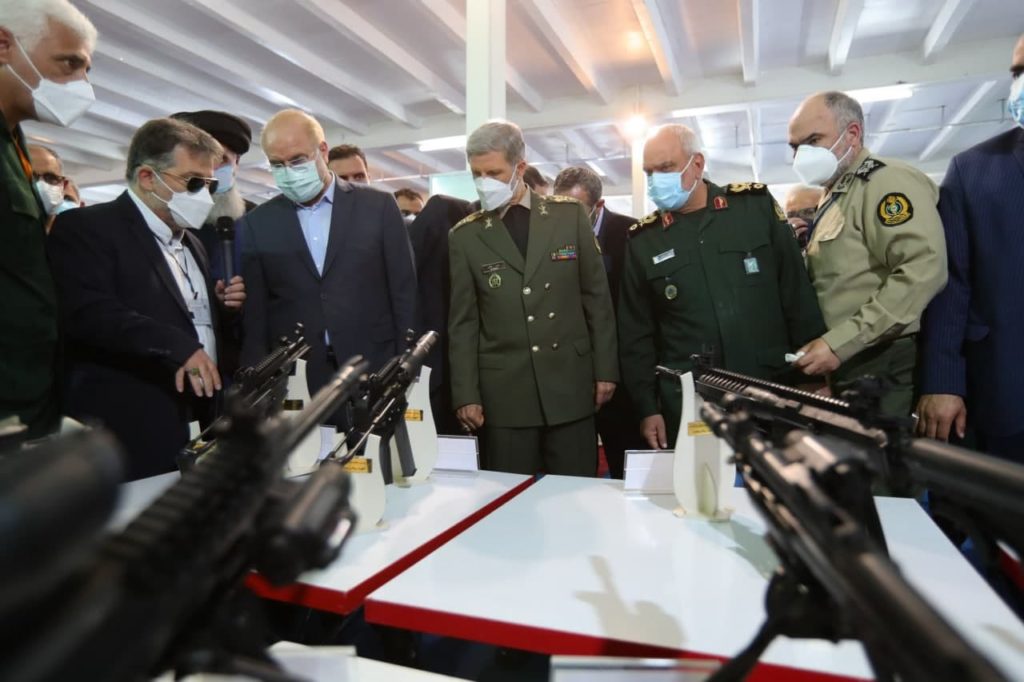
Fig. 4.2. Suppressed and un-suppressed versions of the mysterious K7 pattern submachine gun displayed in the Victory Day National Arms Exhibition on the 24th May 2021 (Source: isna.ir)
Current Situation
Iranian Armed Forces currently still operated their full-sized UZIs and MP5s and their unlicensed locally produced Tondar. Even though there are multiple attempts to upgrade the current small arms issued to the forces, no attempt has been made to upgrade the SMGs in service. For example, the Iranian Police Force NOPO, which is a special mission unit task to deal with situations such as hostage rescue still uses the same MP5 or Tondar assembly which was produced back in the 1970s and they lack any sort of attachment such as weapon lights or aiming modules. On the other hand, even they are capable of purchasing small arms, no decision was made in addition to replace these outdated platforms and the future of Iranian Armed Forces SMGs is unclear.
If you enjoy our work here at Silah Report please consider supporting us on Patreon!