
In March 1962 the Israeli Defence Forces launched a raid on Syrian positions in the village of Al-Nuqayb, on the eastern shores of the Sea of Galilee. The raid, known as Operation Swallow (מבצע סנונית) was described by the IDF as a retaliation for Syrian attacks on Israeli fishermen in the Sea of Galilee. During the operation Israeli commandos captured a selection of weapons which were subsequently displayed for the press. In this article we’ll examine the weapons captured.
Historical
Iranian 5.56mm Rifles: From S5.56 to Masaaf
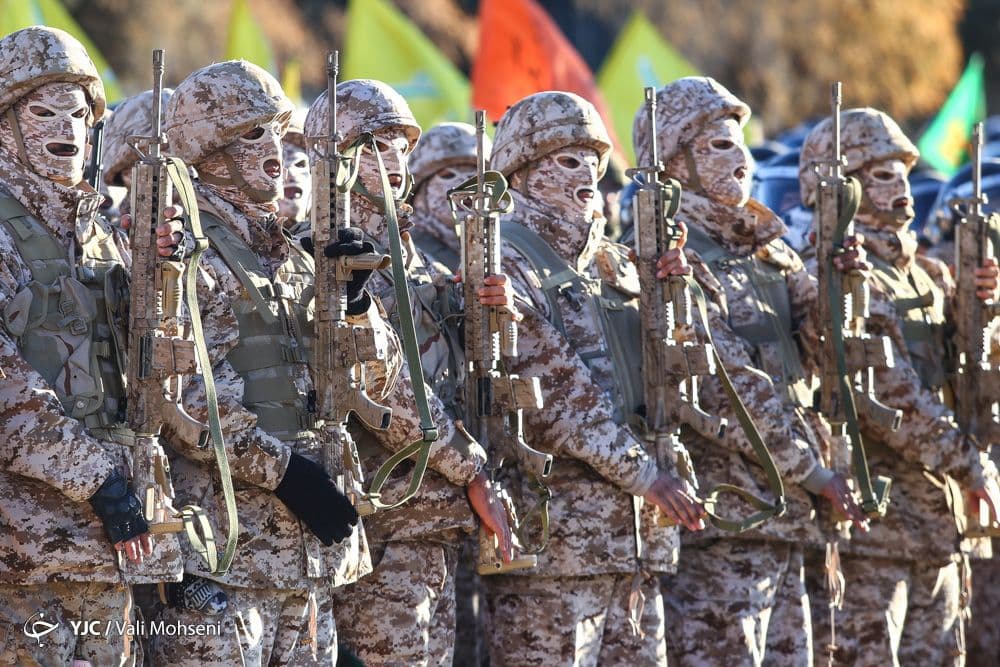
The story of 5.56×45mm self-loading rifles in Iran goes back prior to the Revolutionary-era. During the modernization efforts conducted by Mohammad Reza Shah Pahlavi to improve Iranian Armed Forces Capabilities, numerous 5.56×45mm rifles were tested. Among these rifles that are documented and tested by Iranians were FN CAL and AR-18 assault rifles. But the program didn’t adopt a new rifle and it ceased when Islamic Revolution occurred in 1978. In this article we will examine the history of Iran’s 5.56×45mm rifles.
Pre-State Israeli ‘Revolver’ Ammunition
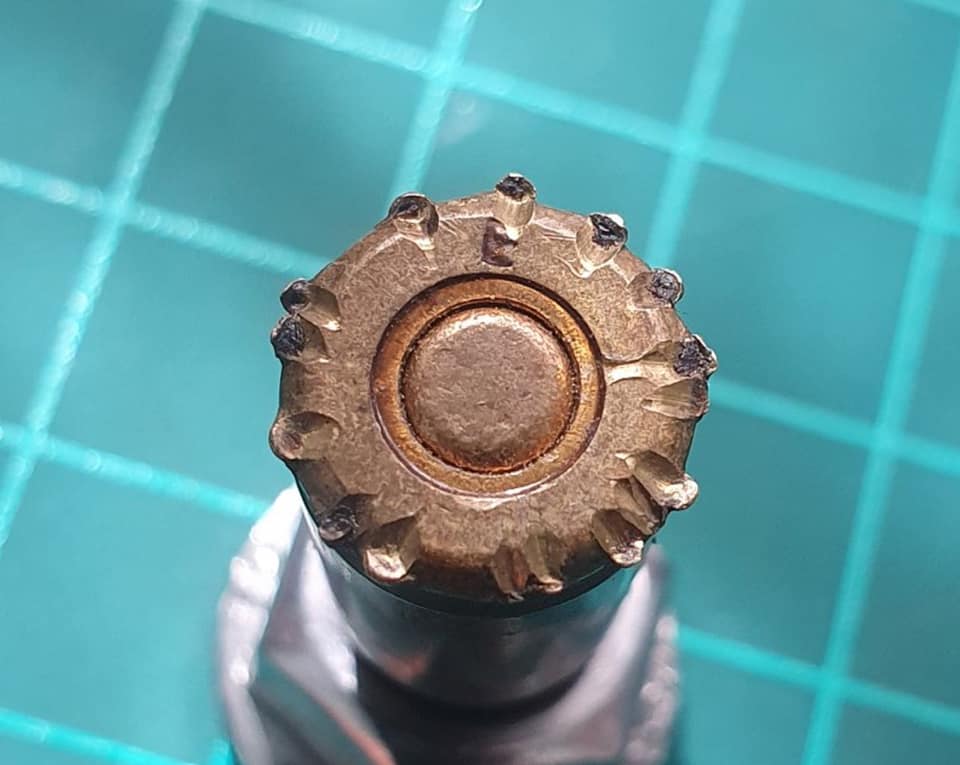
In the pre-State era of Israel’s existence, it has been well covered both here at Silah Report and elsewhere, that various Jewish armed groups addressed their extreme lack of materiel through clandestine methods. This short article covers one of the interesting ways the pre-State forces supplied ammunition for the wide range of small arms in service.
The NSV and the Legacy of Western Kazakh Machine-Building Company
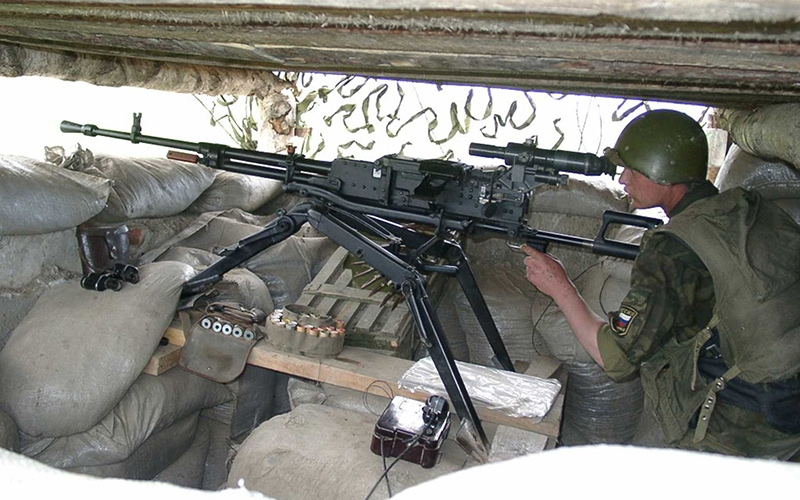
The NSV heavy machine gun (Utyos/Utes) is one of the most recognized and respected heavy machine guns on the battlefield today. The original NSV was designed by Grigory Nikitin, Yuri Sokolov, and Vladimir Volkov and produced by a few different Soviet satellite states.[i] The most well-known of these NSV manufacturers is the Western Kazakh Machine-Building Company (ZKMK), formerly MetallistJSC, a manufacturing plant in Uralsk, Kazakh Soviet Socialist Republic (modern-day Kazakhstan).[ii] In this article we’ll examine the history of the Kazakh NSV.
A Review of the Latest Products from Iran’s Defense Industries Organization (DIO) – Part One
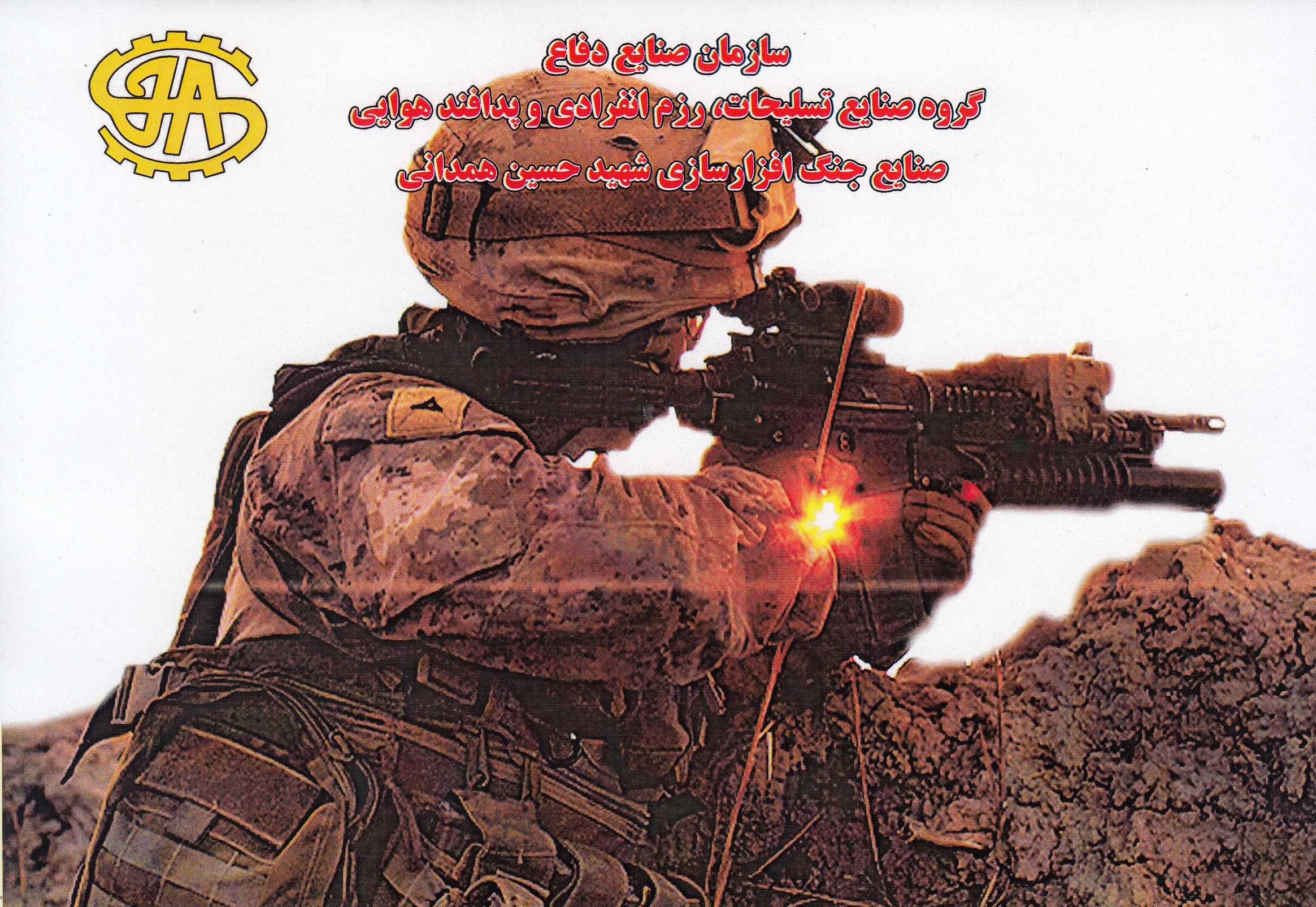
In this first part of a series looking at Iran’s Defense Industries Organization (DIO) and its products we examine some of the DIO’s submachine guns and rifles.
Silah Report Podcast V33: Iranian Submachine Guns (1979-Present)

In our previous article we reviewed the history of different submachine guns which entered Iranian service during the Pahlavi era. In 1979, when the Pahlavi dynasty was overthrown by Islamic Revolutionaries, many small arms purchased by the former regime continued their service with Artesh (armed forces) and newly branded armed forces such as Sepah Pasdaran (the Islamic Revolutionary Guard Corps). There were a couple of submachine gun purchases made by the new regime in the 1980s from unknown sources, these purchases mostly were conducted by IRGC to arm their units, including a new unit called Ansar-Al Mahdi who are tasked with VIP protection as well Saberin and S.N.S.F. In this article, accompanied by an interview with the author on a recent episode of the Silah Report Podcast, we will examine the submachine gun platforms which entered Iranian service after the Islamic Revolution using photographic evidence.
The Hakim Rifle in Somali Service: A Forgotten History
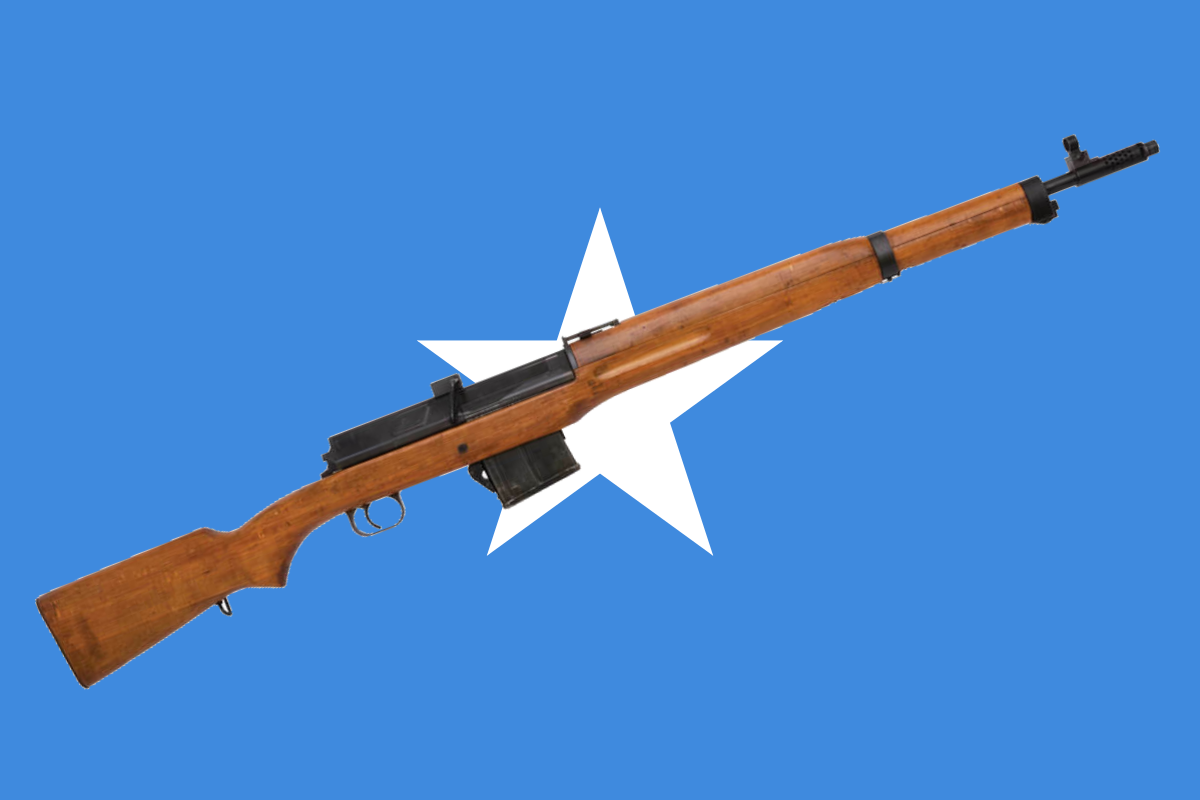
The Hakim self-loading rifle is often thought of as having been symbolic of Egypt’s military presence in the Sinai peninsula during the 1956 War and as a middle ground between its 7.92×57mm FN49 self-loading rifles and later 7.62×39mm Kalashnikov pattern self-loading rifles. However, there exists little evidence that the rifle was used in such capacity by the Egyptians, only a few photographs exist of the Hakim in use in the Sinai, usually in rear echelon or training contexts. Much more evidence suggests that the Hakim was employed heavily in Yemen by both Egyptian soldiers and their Yemeni allies through photographs and Hakim rifles that occasionally surface on the Yemeni market. A further yet unexplored destination and user of Hakim rifles is Somalia and this article will illustrate how evidence suggests that it was actually one of the most prolific users of the Hakim.
World War Two Era Weaponry in the Hands of ISIS in Sinai
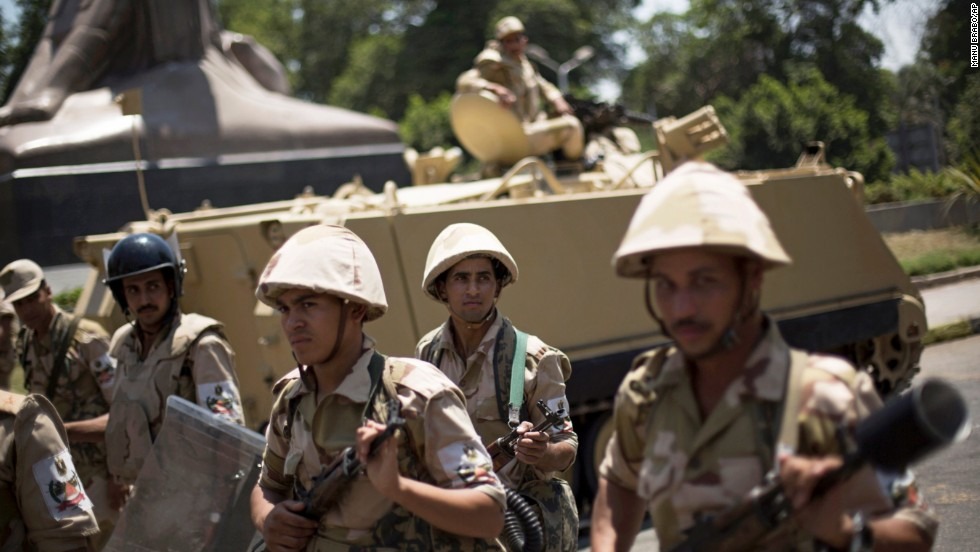
Their is currently an insurgency being fought in Northern Sinai between the Egyptian military and security forces with ISIS’ branch “Wilayat Sainaa” (Sinai Province). We have found materials published by Egypt’s Ministry of Defense and Ministry of Interior that has listed some of the interesting gear and weaponry captured from ISIS. This includes World War Two era weaponry, DIY weapons, and what appears to be a single modified M1 helmet that could possibly have been the property of the Israeli Defense Forces once upon a time (this will be covered in a later article); this brings up the question: how much gear and weaponry were looted from battlefields by the locals during the conflicts between Egypt and Israel. In this article, we will present some of the rather exotic World War Two era weaponry while saving the DIY materials for a future article.
(Note: While World War Two era weaponry is quite a broad term that encompasses firearms still being used by modern-day armies such as the M2 Browning and the DShK heavy machine guns; this article will focus on small arms that are no longer in production, extremely rare to be acquired on the civilian and black markets and are not modern-day replicas.)
Israel’s 7.62×51 Tear Gas Ammo
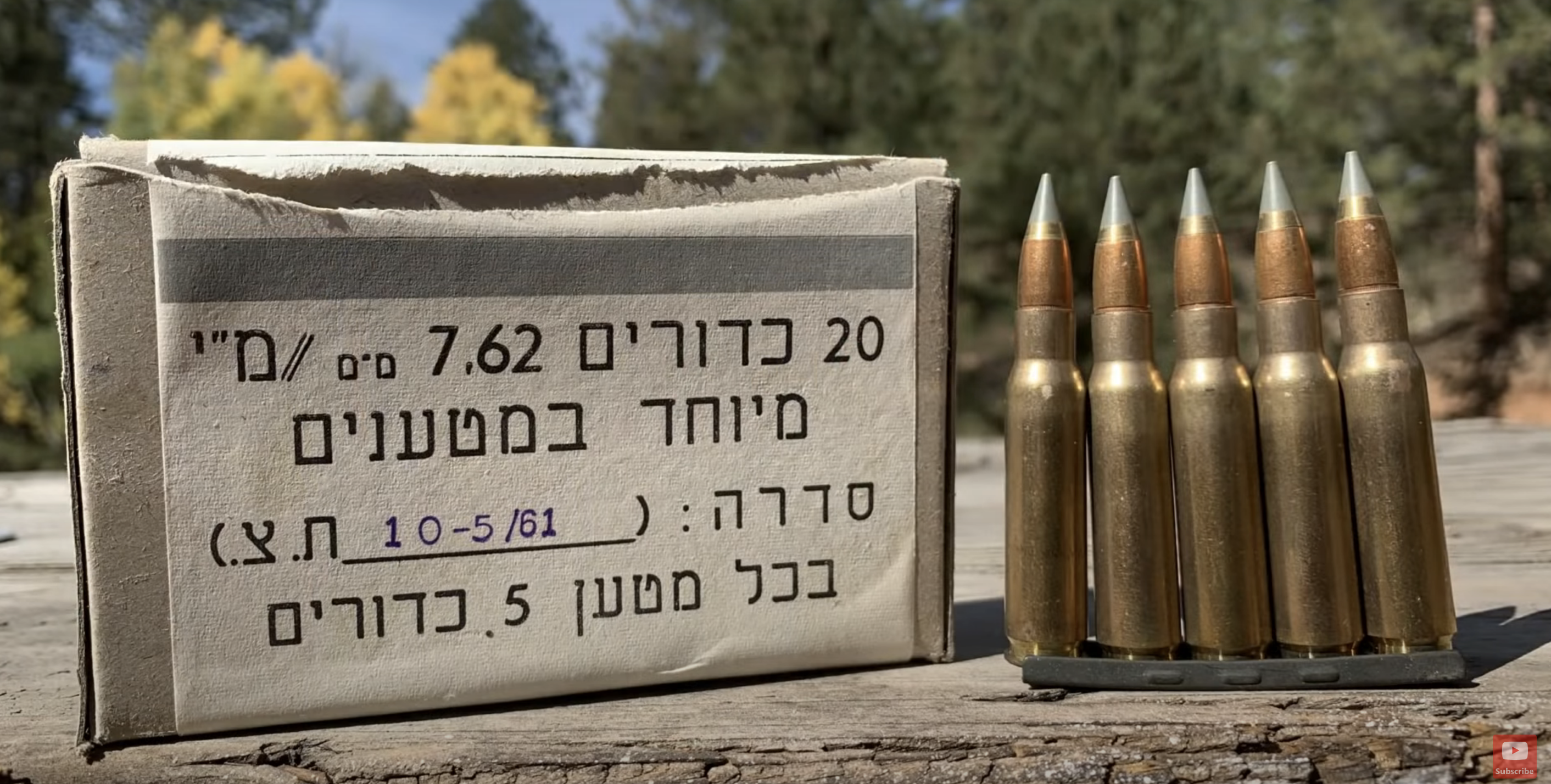
Israeli-made 7.62×51mm tear gas ammo has been available on the US commercial market for a number of years but its exact origins have remained a mystery. In this article we explore what we know, and don’t know, about IMI tear gas ammo.
Silah Report Podcast V33: Iranian Submachine Guns (1941-1979)
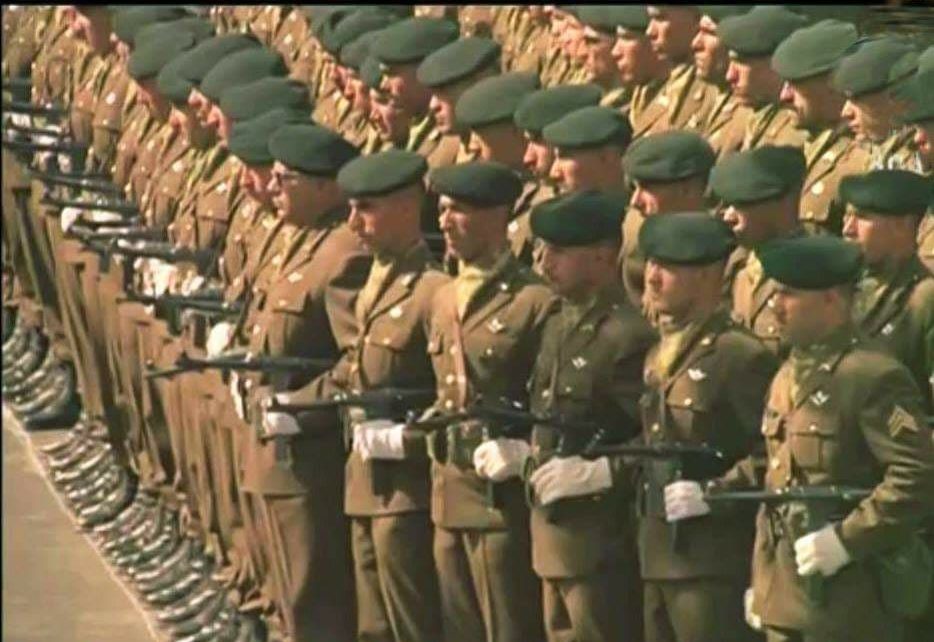
During the rule of Mohammad Reza Pahlavi, the Iranian military and law enforcement were equipped with a variety of submachine guns of Western and Eastern origins. Some were locally produced while others were imported in limited numbers. The main Persian word to describe a submachine gun is mosalsal (مسلسل in the Persian alphabet) which loosely means a ‘small arm that shoots continuously’. Here we will take a close look at examples of submachine guns that were imported or produced locally by the Iranian government during the rule of Mohammad Reza Pahlavi between 1941 to 1979 based on the existing information and photographic evidence. Also included in this article is a podcast interview with the piece’s author Yousef Riazi.