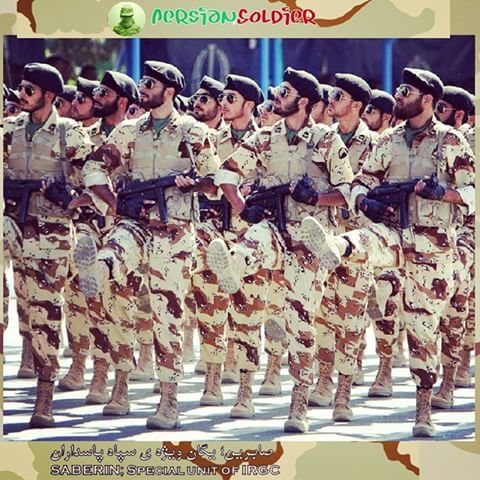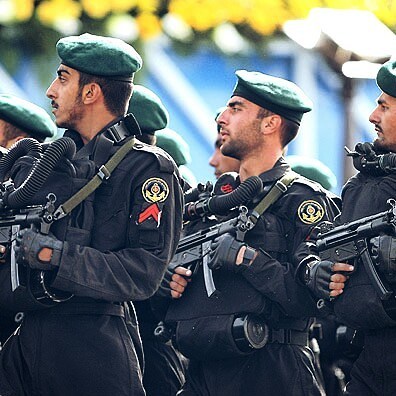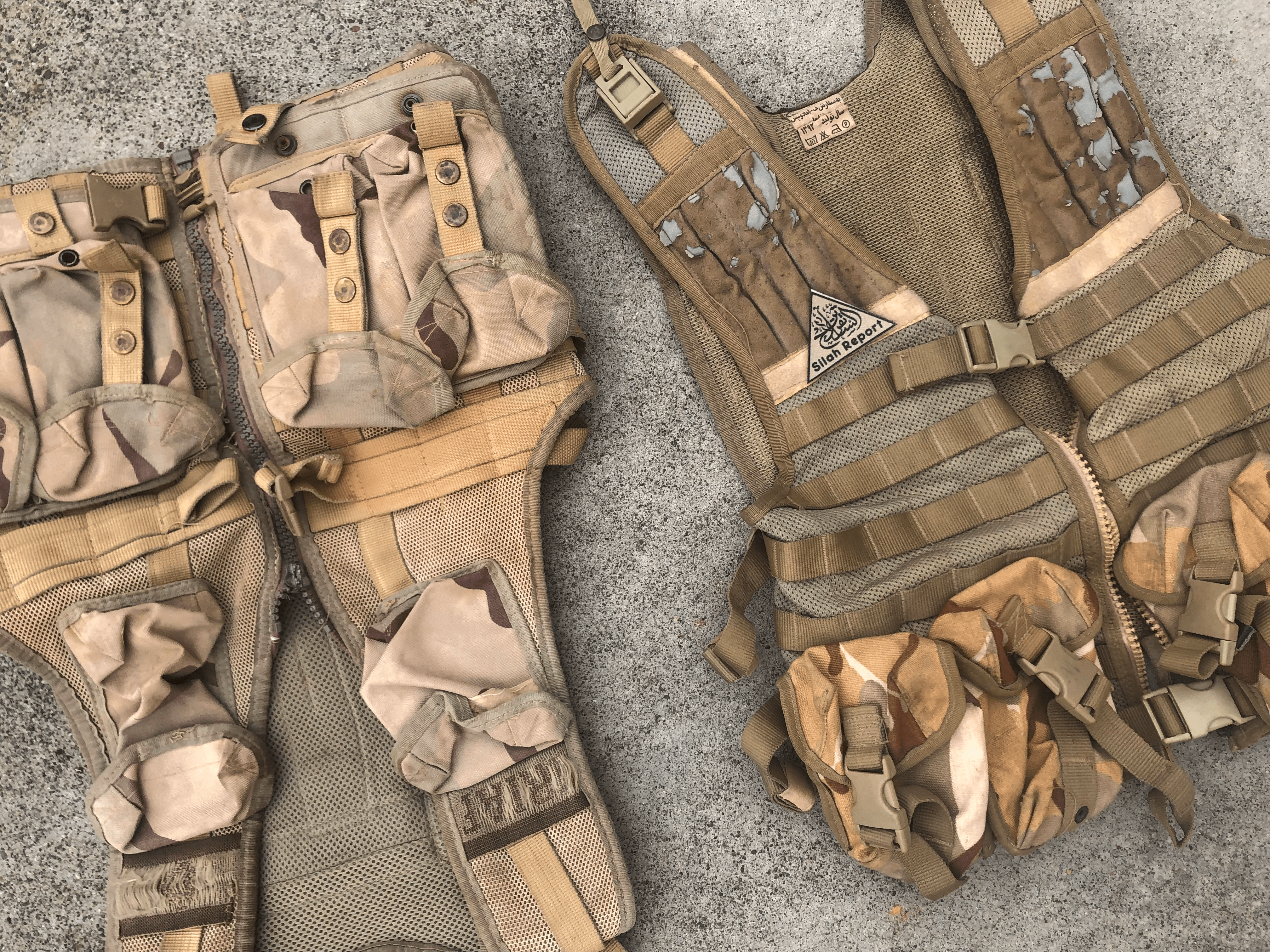
Iran’s armed forces consists of a multitude of different services, including the Ground Forces, Navy, Air Force, an Air Defense Force which is responsible for providing an anti-aircraft security net, and a law enforcement branch. This structure remains somewhat similar to the Shah-era military structure, save for the Air Defense Force which became its own branch separate from the Air Force in 2008, as well as the Islamic Revolutionary Guard Corps which contains its own ground force, navy, and aerospace force. In addition to the IRGC’s other branches is the Quds Force, which performs asymmetrical warfare abroad, and the Basij, a paramilitary unit. These branches all have personnel equipped with various different types of tactical equipment, with many pieces acquired pre-Islamic Revolution transferring over to the newly formed Iranian Army.
MP5
Silah Report Podcast V33: Iranian Submachine Guns (1979-Present)

In our previous article we reviewed the history of different submachine guns which entered Iranian service during the Pahlavi era. In 1979, when the Pahlavi dynasty was overthrown by Islamic Revolutionaries, many small arms purchased by the former regime continued their service with Artesh (armed forces) and newly branded armed forces such as Sepah Pasdaran (the Islamic Revolutionary Guard Corps). There were a couple of submachine gun purchases made by the new regime in the 1980s from unknown sources, these purchases mostly were conducted by IRGC to arm their units, including a new unit called Ansar-Al Mahdi who are tasked with VIP protection as well Saberin and S.N.S.F. In this article, accompanied by an interview with the author on a recent episode of the Silah Report Podcast, we will examine the submachine gun platforms which entered Iranian service after the Islamic Revolution using photographic evidence.
Silah Report Podcast V33: Iranian Submachine Guns (1941-1979)
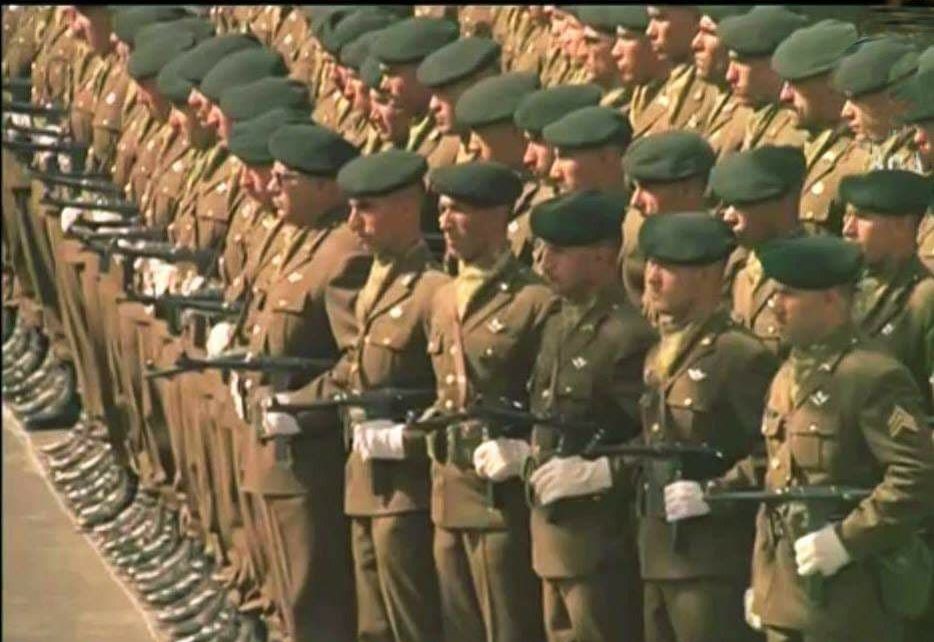
During the rule of Mohammad Reza Pahlavi, the Iranian military and law enforcement were equipped with a variety of submachine guns of Western and Eastern origins. Some were locally produced while others were imported in limited numbers. The main Persian word to describe a submachine gun is mosalsal (مسلسل in the Persian alphabet) which loosely means a ‘small arm that shoots continuously’. Here we will take a close look at examples of submachine guns that were imported or produced locally by the Iranian government during the rule of Mohammad Reza Pahlavi between 1941 to 1979 based on the existing information and photographic evidence. Also included in this article is a podcast interview with the piece’s author Yousef Riazi.
The Khyber Diaries: A Glimpse Into An ‘Antique’ Arms Shop
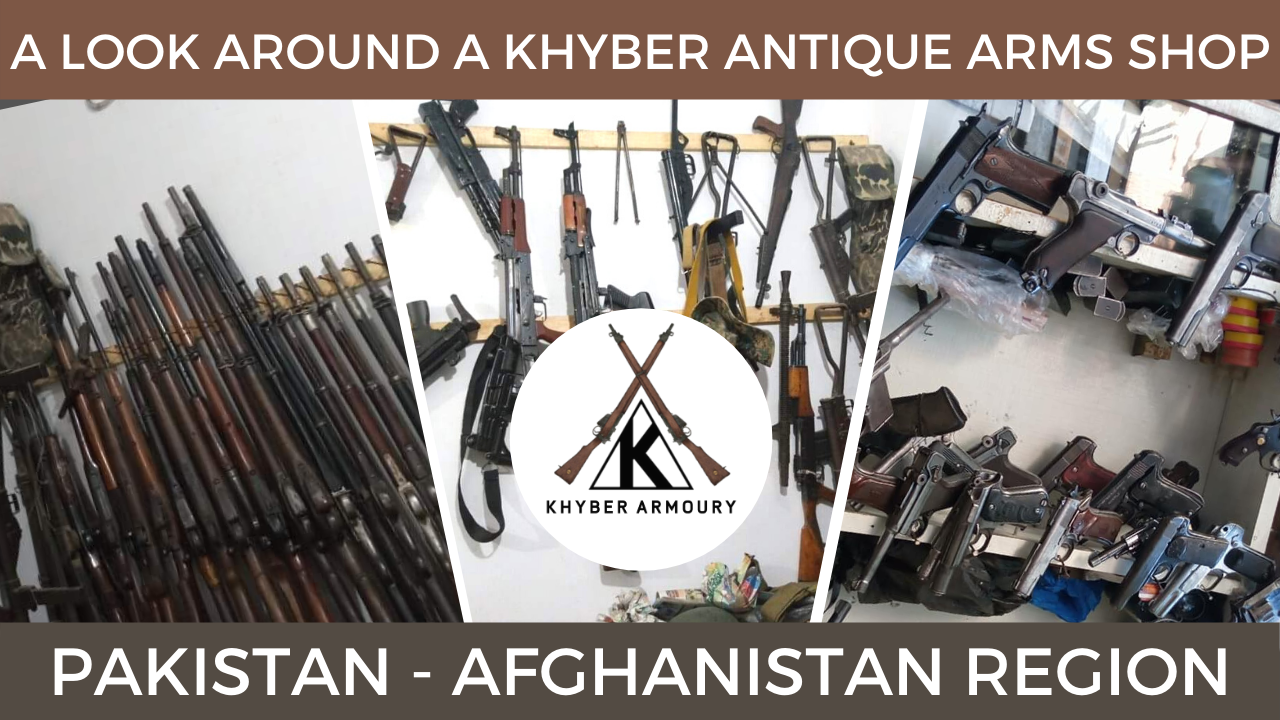
An often-nostalgic thing to do is reminisce of the arms shops in the days of old. Those well-stocked dealerships. They were once a lot like Aladdin’s cave with large arrays of plentiful, but now hard-to-find arms on display and for sale, at extremely affordable prices by today’s standard. Luckily, we can occasionally encounter some remnants of these days in Pakistan where an abundance of now-antiquated firearms are still to be found in the arms bazaars of Khyber Pakhtunkhwa within places like the infamous town of Darra Adamkhel and to a lesser degree, in those within and close to Peshawar city.
Straight MP5 Magazine spotted in Isfahan LE Demonstration
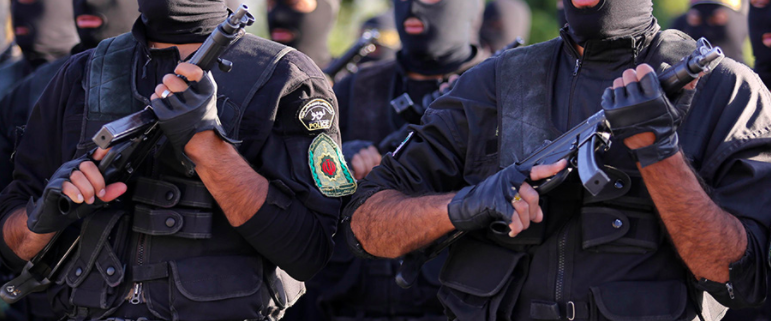
Within the Law Enforcement demonstration recently held in Isfahan (in which we posted about a thermal optic in use ), a straight walled magazine was spotted in use by one of the officers taking part in the demonstration. Iran’s Defense Industries Organization produced licensed copies of the MP5 from the time of the Shah (along with the G3), and it is still heavily employed by Iranian forces. Most of the MP5s today appear to be equipped with the curved 30 round magazine, but that is what makes this particular one stand out, due to the original straight wall design that Heckler & Koch introduced the very first MP5 variants with.
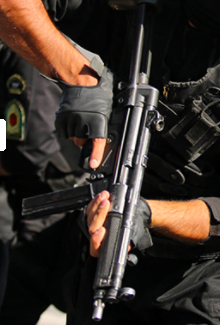
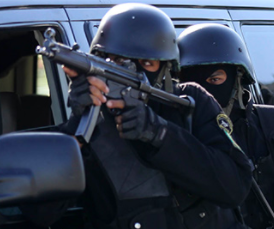
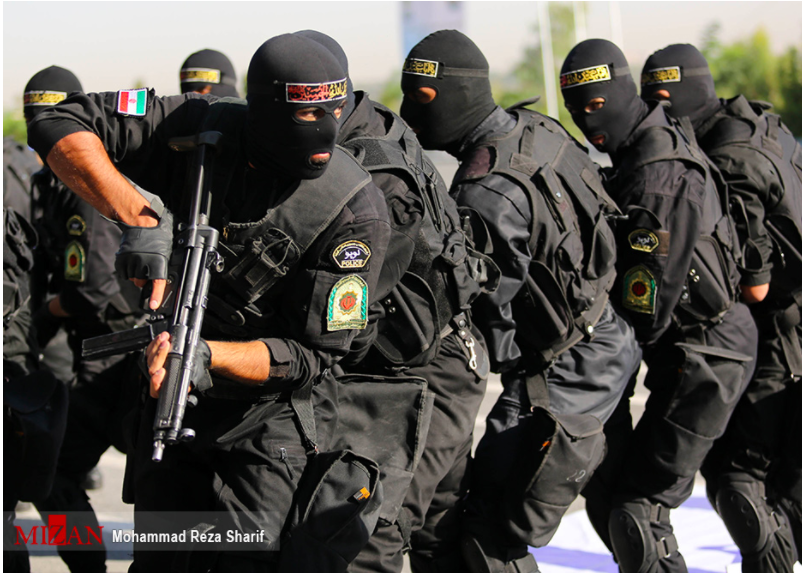
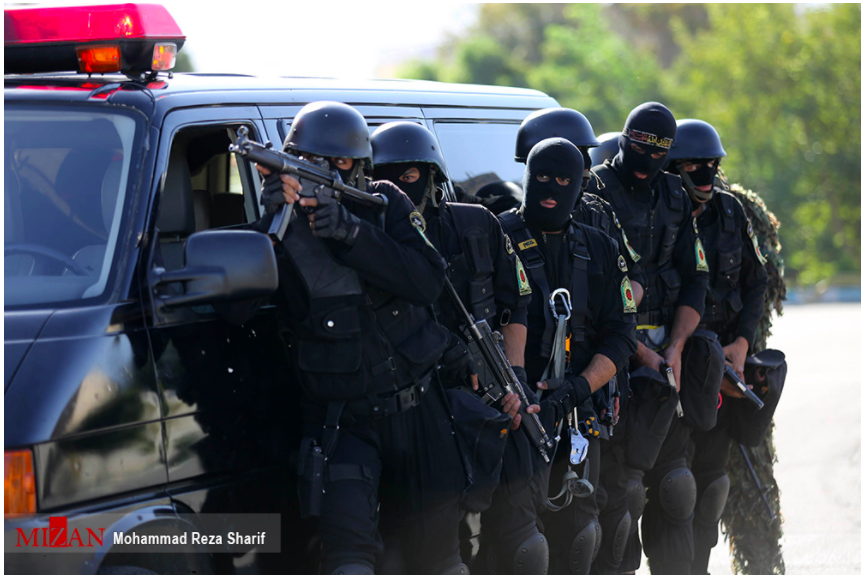
The MP5 has several variants within Iran, one of which has green polymer furniture, while there is an MP5K variant with a forward grip.