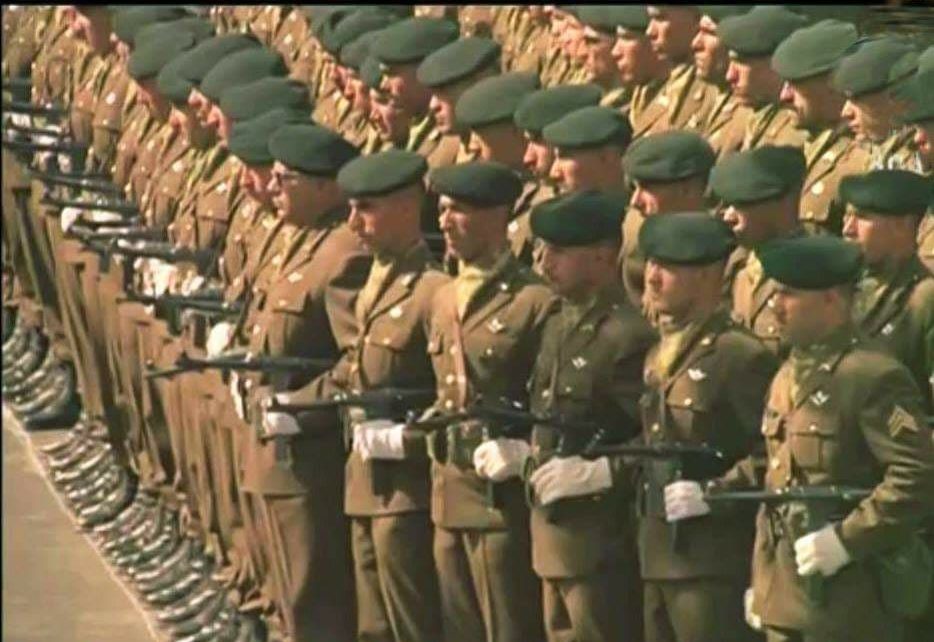
During the rule of Mohammad Reza Pahlavi, the Iranian military and law enforcement were equipped with a variety of submachine guns of Western and Eastern origins. Some were locally produced while others were imported in limited numbers. The main Persian word to describe a submachine gun is mosalsal (مسلسل in the Persian alphabet) which loosely means a ‘small arm that shoots continuously’. Here we will take a close look at examples of submachine guns that were imported or produced locally by the Iranian government during the rule of Mohammad Reza Pahlavi between 1941 to 1979 based on the existing information and photographic evidence. Also included in this article is a podcast interview with the piece’s author Yousef Riazi.
Iranian Submachinegun History & Design Evolution with Yousef Riazi
Iranian Submachine Guns (1941-1979)
Mostly we have heard, read, and seen photographic evidence of Iranian UZIs or HK MP5s, but there was no published information on the other submachine gun platforms which have seen service with the Iranian military and security forces during the rule of Mohammad Reza Pahlavi. In this article based on the collected photographic evidence as well as the information obtained from multiple sources, we will take a close look at those submachine gun samples, which entered Iranian service between 1941 to 1979.
In January 1943, the Iranian government and the Soviet Union signed a deal to produce the 7.62×25mm chambered PPSh-41 in Iran under license and deliver a number of those submachine guns to the Soviet Union. PPSh-41 is considered as one of the first submachine guns produced in Iran. Limited numbers of the PPSh-41 were produced and the production line was closed before World War Two ended. After the end of the war unknown numbers were produced and were used by the Iranian Shahrbani (police) and the military, which later replaced them with newer submachine gun platforms in the 1950s.
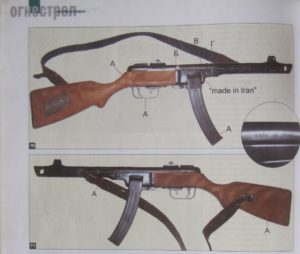
Fig.1.1. Iranian Produced PPSH-41 ( source: Davidov B.V. (December 2005). “PPSH – Made in Iran”. “Mir Oruzhiya” Magazine.)
Throughout the same era, a limited number of .45 ACP Thompson M1s also ended up in Iranian service which was used during the clashes between the central government and unrecognized secessionist state of Azerbaijan People’s Government in 1945-1946. Taymor Bakhtiar, the Iranian General which later founded SAVAK (the secret police, domestic security and intelligence service in Iran during the reign of the Pahlavi dynasty), was photographed with an M1 during the military operations. Iranian troops also used German Bergmann MP28s which were purchased before World War Two – and may have been the first submachine guns used by Persian forces.
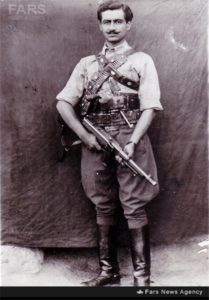
Fig.1.2. A young Taymor Bakhtiar with his Thompson M1 (Source: FARS News Agency)
In the 1950s and after the 1953 coup, two types of submachine gun entered Iranian Service. The US Army surplus M3/M3A1 .45 ACP submachine guns and Nazi-produced MP40, chambered in 9×19mm, both of which were supplied by the United States. These guns were exclusively used by Shah’s Imperial Guards but the MP40 also saw service with 55th Airborne Brigade based in Shiraz.
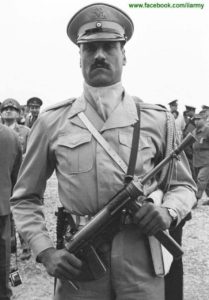
Fig. 1.3. Iranian Imperial Guard with his M3A1 (via the Imperial Iranian Army facebook page)
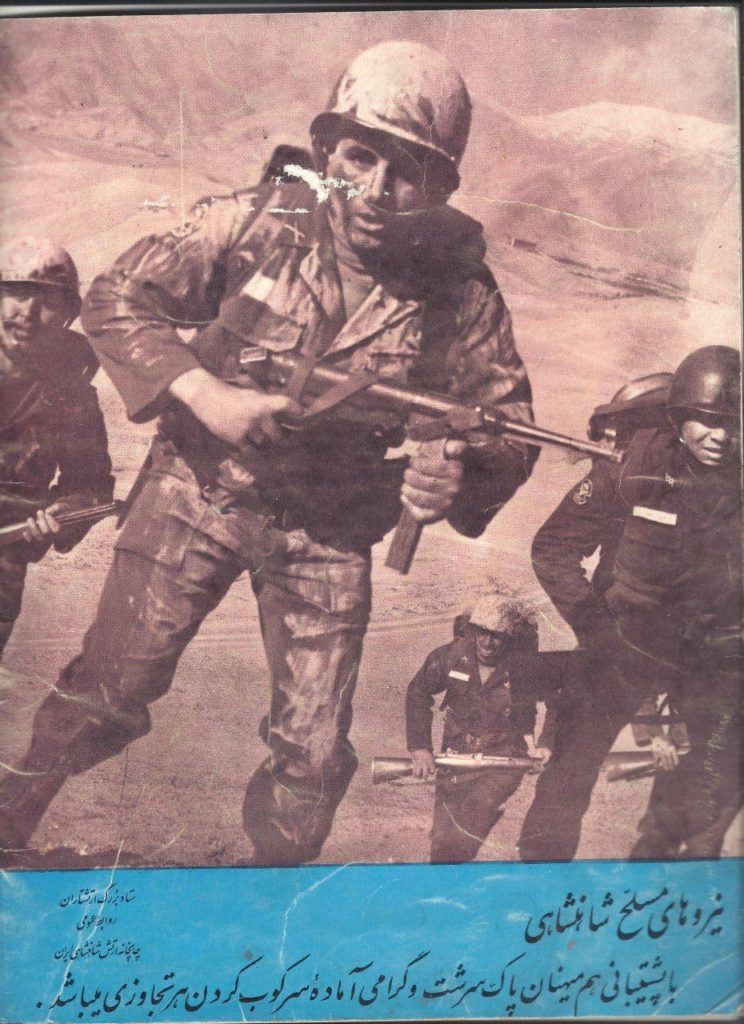
Fig. 1.4. Iranian Imperial Army Public Relations featuring 55th Airborn Brigade and MP40 SMG (Source: Iranian Imperial Army Public Relations)
Another submachine gun that was imported into the country was the French-made MAT49 which saw service with Shahrbani. The 9×19mm MAT49 was used in a terror attack by the Iranian communist militia that killed Army General Zia-Aldin Farsiv in 1970, the weapon was stolen through a prior attack by the same group against a Shahrbani unit.
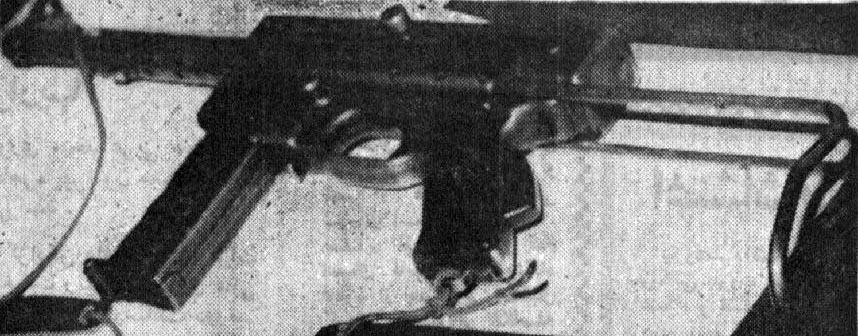
Fig. 1.5. Stolen Shahrbani MAT49 which was used in the assassination of General Farsiv (Source: Mashruteh.org)
Despite the mentioned weapons, none would gain the reputation of Israeli-made Uzi in Iranian service. Iran recognized Israel in 1949 and later on both nations established close economic and military ties in the 1960s and Shah’s plan to do a series of reforms on military and security forces, Arteshbod Toofanian (Arteshbod is the Farsi word for general) was in charge of securing military purchases from abroad, together with Colonel Nimroodi, Iran’s military attache to Israel, secured a deal with IMI to purchase Uzis in 1965-1966.
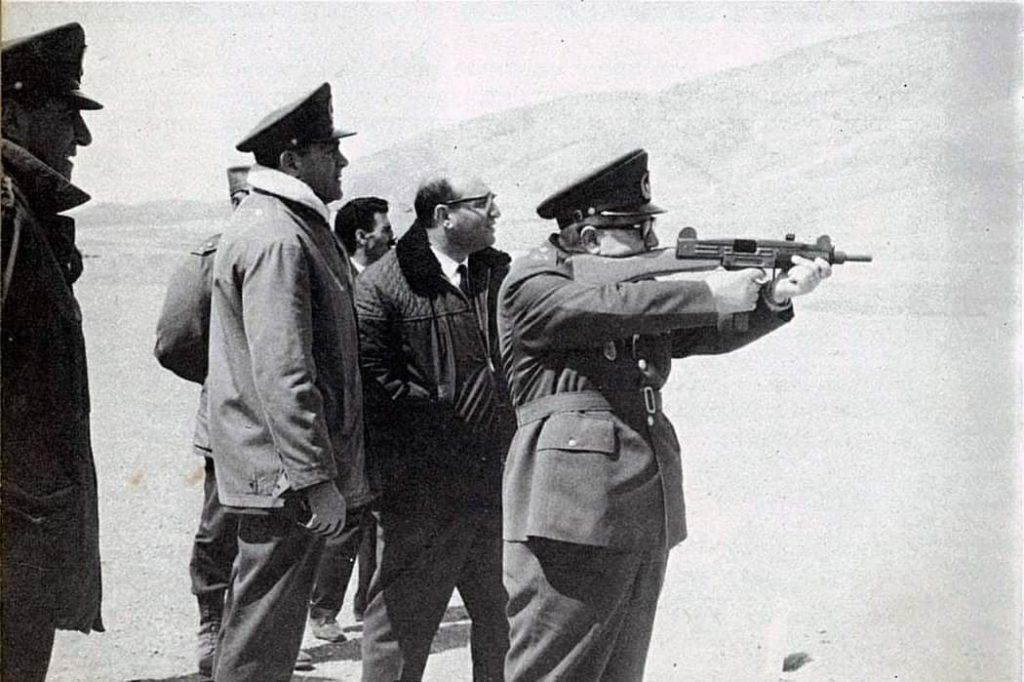
Fig. 1.6. General Toofanian test firing the UZI (Source: Imperial Iranian Army facebook page)
Pronounced in Farsi as یوزی (Yuzi), the first batches of Iranian-ordered Uzis were wooden stock versions but later on, the majority of the orders were metal folding stock version of Uzi. Iranian-ordered Uzis had Farsi markings on the receiver (including serial number and the name of the branch of the armed forces) with the Iranian Imperial logo as well as the IMI marking. Iranian Uzi selector switches can be found in two versions, some had original IMI selector switch with the Latin alphabet while others have Persian markings, see below:
| Selector mode | IMI Selector | Persian Selector |
| Safe | S | ضامن ( ض ) |
| Semi-Automatic | R | تک تک |
| Automatic | A | مسلسل |
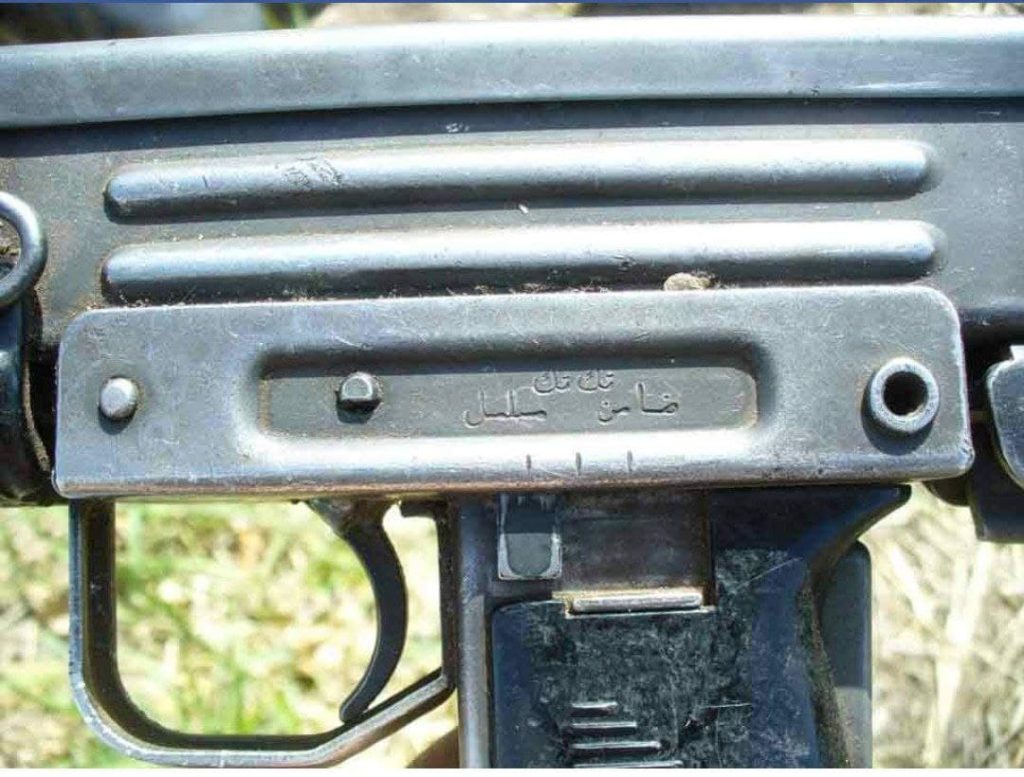
Fig. 1.7. Farsi selector of an Iranian UZI, this picture was also featured in The UZI Submachine Gun by David Gabouri
Iranians also purchased a number of Uzi weapon light attachments as well as unknown suppressor kits but the most interesting fact about Iranian ordered Uzis are the bayonet attachments. Due to an official request to IMI, Iranian Uzis are equipped with a bayonet lug so during ceremonies military personnel could use the bayonet. Thousands of Uzis entered service with some selected armed forces branches including Special Forces of Army (NOHED) and Naval Marines (Takavaran-Daryaee), Shahrbani, and Gendarmerie.
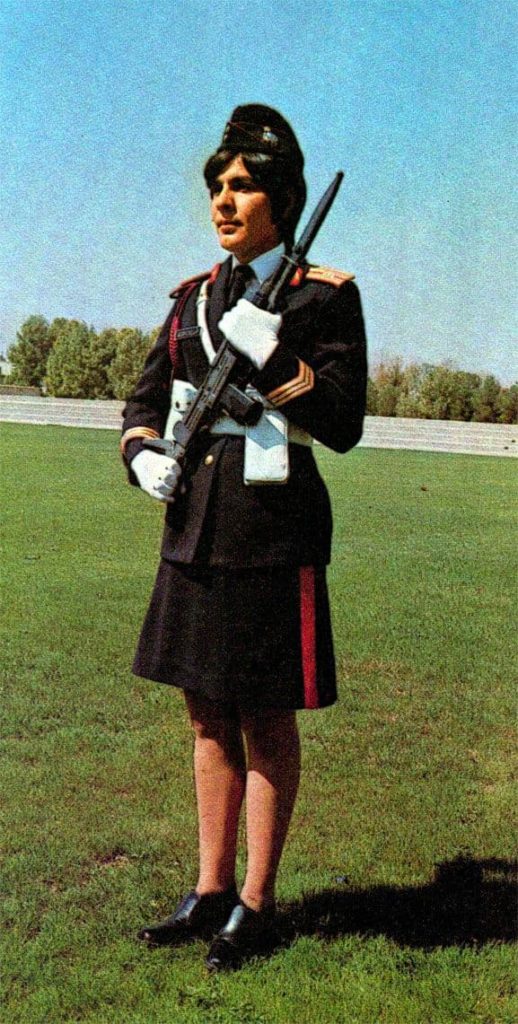
Fig. 1.8. Shahrbani female cadet with bayonet equipped UZI (Source: Parade at Persepolis book )
With the Uzi in service, many submachine guns were phased out with only M3A1 grease gun remaining in service, soon with the arrival of G3A4 self-loading rifles in the 1970s, the MP40s that were in service with paratroopers were phased out with only limited numbers issued to the protection units of Iranian railways that still some are active service.
Another interesting submachine gun which was imported in very limited numbers, and was used by Shah’s intelligence agency known as SAVAK (ساواک in Persian), was the Ingram MAC-10 in the late 1960s and early 1970s. Still, there is no evidence of how long MAC-10 was in Iranian service or the purchased numbers but, but there are three samples on display in the Army’s Zulfiqar (named after Shia’s first Imam’s sword) in the province of Kerman. Interestingly one of the samples in the museum is equipped with Sionics suppressor.
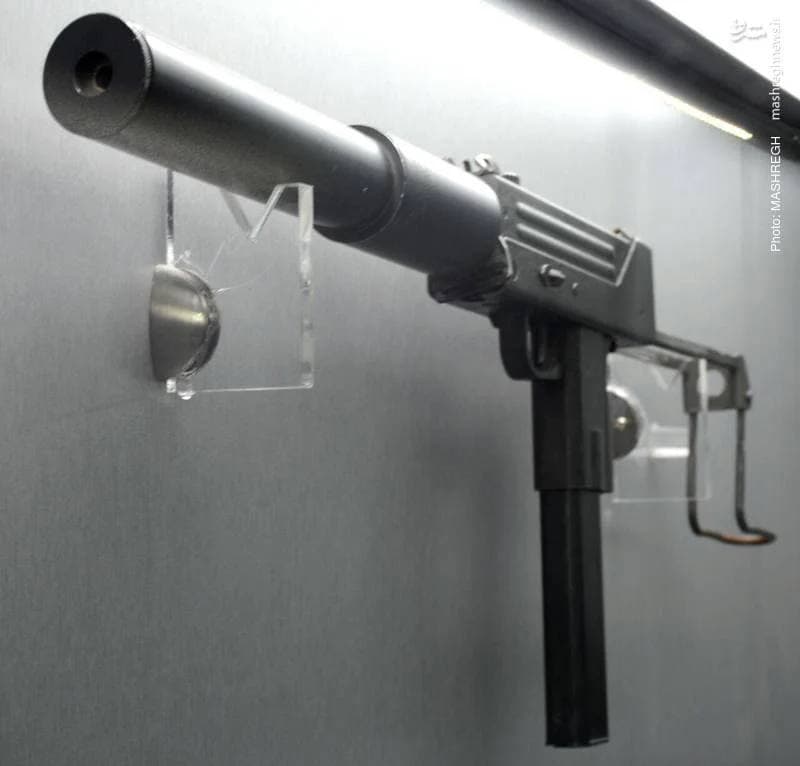
Fig. 1.9. MAC-10 SMG with Sionics suppressor in Zulfiqar Museum (Source: Mashregh News )
In the 1970s when Heckler & Koch G3 self-loading rifle entered Iranian service, they were also introduced to the new 9×19mm MP5 submachine gun. IIAF or Iranian Imperial Air Force purchased MP5s for its military police units and it becomes the only faction in the Iranian Armed Forces that never issued Uzis to its units. MP5s delivered to IIAF were mostly MP5A3s as well as limited numbers of MP5A2s that used early slim handguards and fixed stocks. Another version of MP5 which was imported before 1979 into the country was the short version MP5K that saw limited use by security forces in the role of VIP protection.
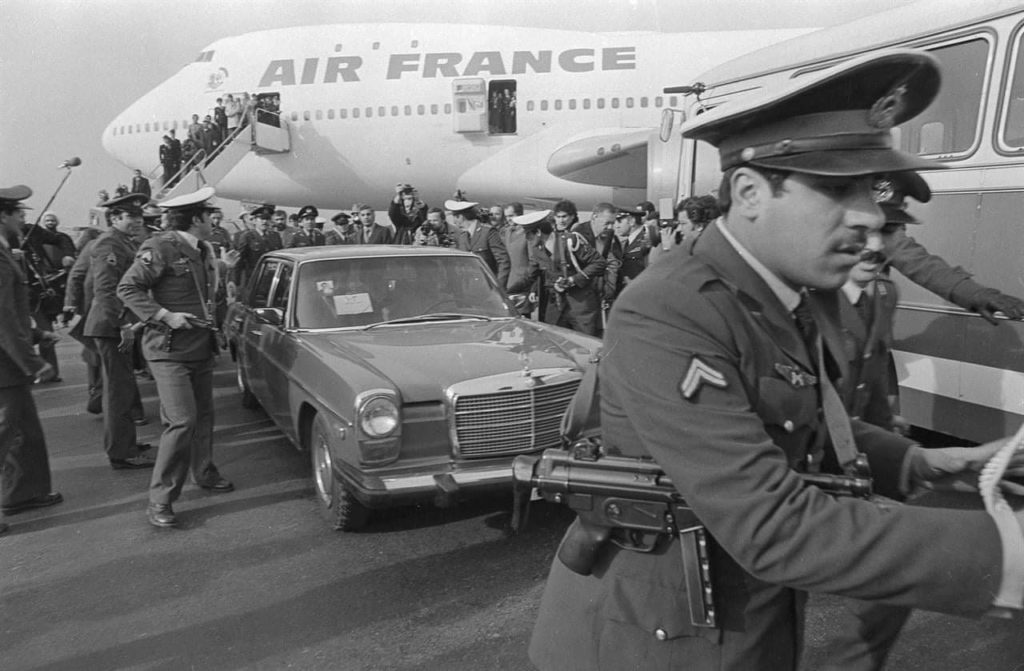
Fig. 1.10. Iranian Imperial Air Force (IIAF) military personnel with MP5A3s during the arrival of Ayatollah Khomeini on February 1st 1979 (Source: AP)
In our next article on Iranian submachine guns we will examine those used after the Islamic revolution, post 1979 to the present day. Read it here.
If you enjoy our work here at Silah Report please consider supporting us on Patreon!
Great article, I look forward to the follow up on post 1979-use, in particular the use of the Star Z-84!
Two caveats:
The Thompson is the M1928A1 variant, not the M1. The top mounted charging handle and the Cutts compensator are tell-tale signs.
And the grease gun is an M3, not an M3A1, due to the charging handle.