Iran’s armed forces consists of a multitude of different services, including the Ground Forces, Navy, Air Force, an Air Defense Force which is responsible for providing an anti-aircraft security net, and a law enforcement branch. This structure remains somewhat similar to the Shah-era military structure, save for the Air Defense Force which became its own branch separate from the Air Force in 2008, as well as the Islamic Revolutionary Guard Corps which contains its own ground force, navy, and aerospace force. In addition to the IRGC’s other branches is the Quds Force, which performs asymmetrical warfare abroad, and the Basij, a paramilitary unit. These branches all have personnel equipped with various different types of tactical equipment, with many pieces acquired pre-Islamic Revolution transferring over to the newly formed Iranian Army.
Many of the Shah-era equipment were carried over post-1979 Islamic Revolution, such as uniforms, German M62 helmets, British Brodie helmets, and notably a copy of Israeli load bearing equipment. Aside from the Israeli harness, a wide array of load carrying equipment were used during the 1980-1988 Iran-Iraq war, such as US M1945 harnesses, Chinese AK Chicom chest rigs, as well as captured Iraqi gear were pressed into service during the almost decade long war. The majority of the aforementioned gear would see service decades past the war, in fact, the Israeli harness clones still see issuance with troops today, as well as Chicom chest rigs, both original Chinese patterns and locally made Iranian models with snap closures for its pouches.
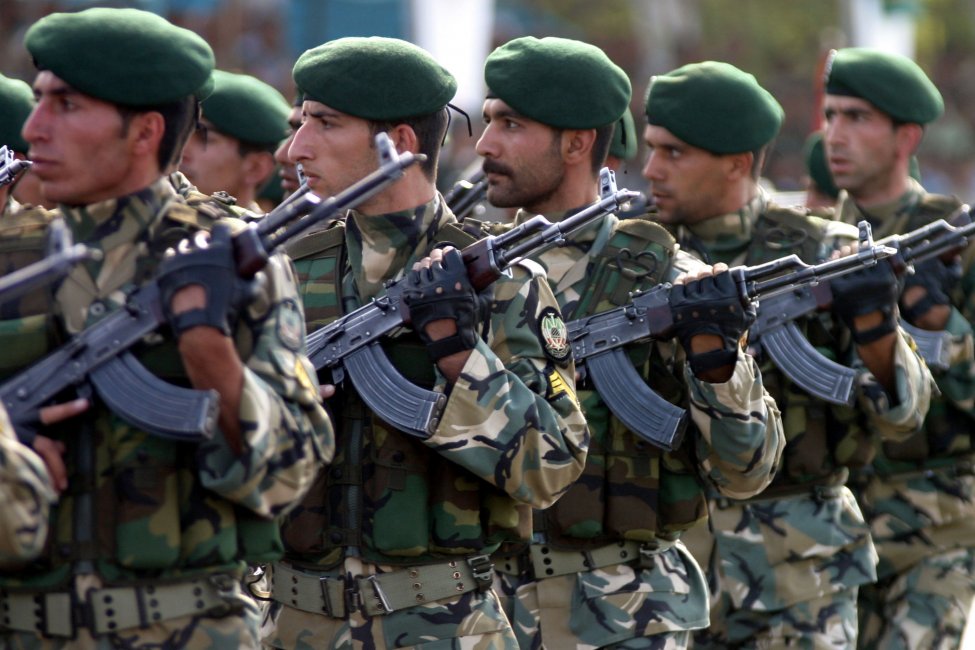
Fig.1.1. NOHED Special Forces march during a parade, September 22, 2005. They are all wearing Blackhawk-style crossdraw vests in the M81 woodland camouflage pattern, and this vest remains standard issue for the unit today. (Source: upi.com)
The 2000s saw an emergence of locally designed and more modern equipment for the Iranian armed forces. Around the mid 2000s, this vest, which seems to share many elements with the Blackhawk crossdraw vest, was introduced with the 65th Airborne Special Forces Brigade, also known as NOHED. It is made in the M81 woodland camouflage pattern and is still standard issue for the NOHED brigade.
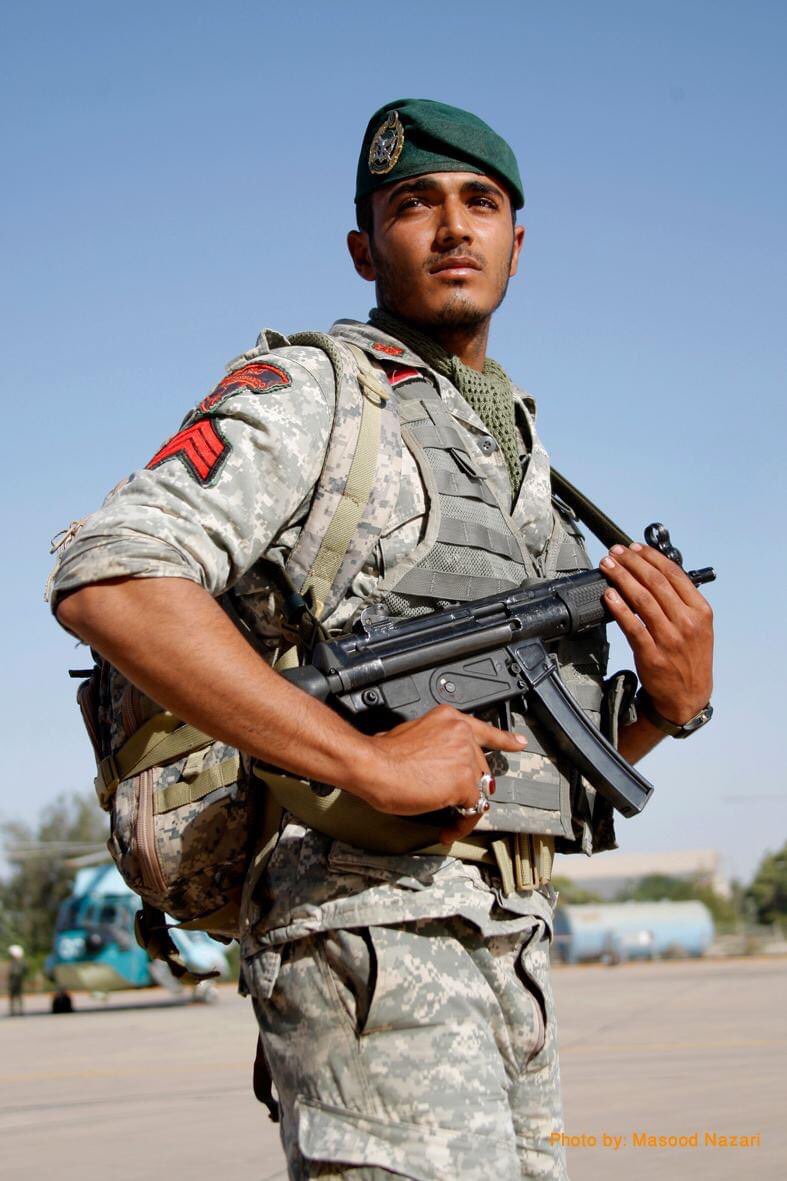
Fig.1.2. An Iranian Navy Special Forces member. Note his vest, which is a clone of the US made FLC vest. His gun is an Iranian licensed clone of the MP5, called the Tondar. (Source: forcesdz)
Iran’s domestic interpretation of MOLLE gear was first seen in the Army Day parade on April 18, 2009. Sepah Navy Special Forces members were sporting a MOLLE (Modular Lightweight Load Carrying Equipment) vest that is a clear copy of the US Fighting Load Carrier vest. These vests also replicated the foliage green coloration Cordura material and digital UCP camouflage pattern for the magazine pouches.
More domestically produced MOLLE vests were subsequently debuted the following year, around 2010, when images from parades showed servicemen with a few different variants of vests.
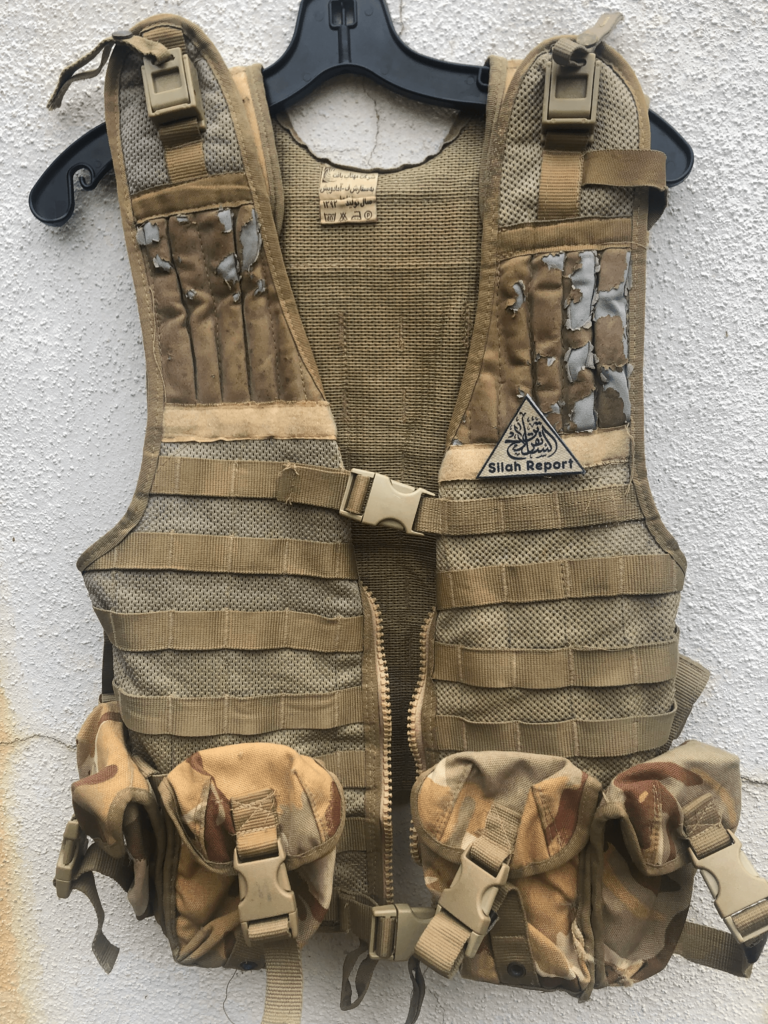
Fig.1.3. Author’s Iranian MOLLE vest. (Source: Author’s Collection)
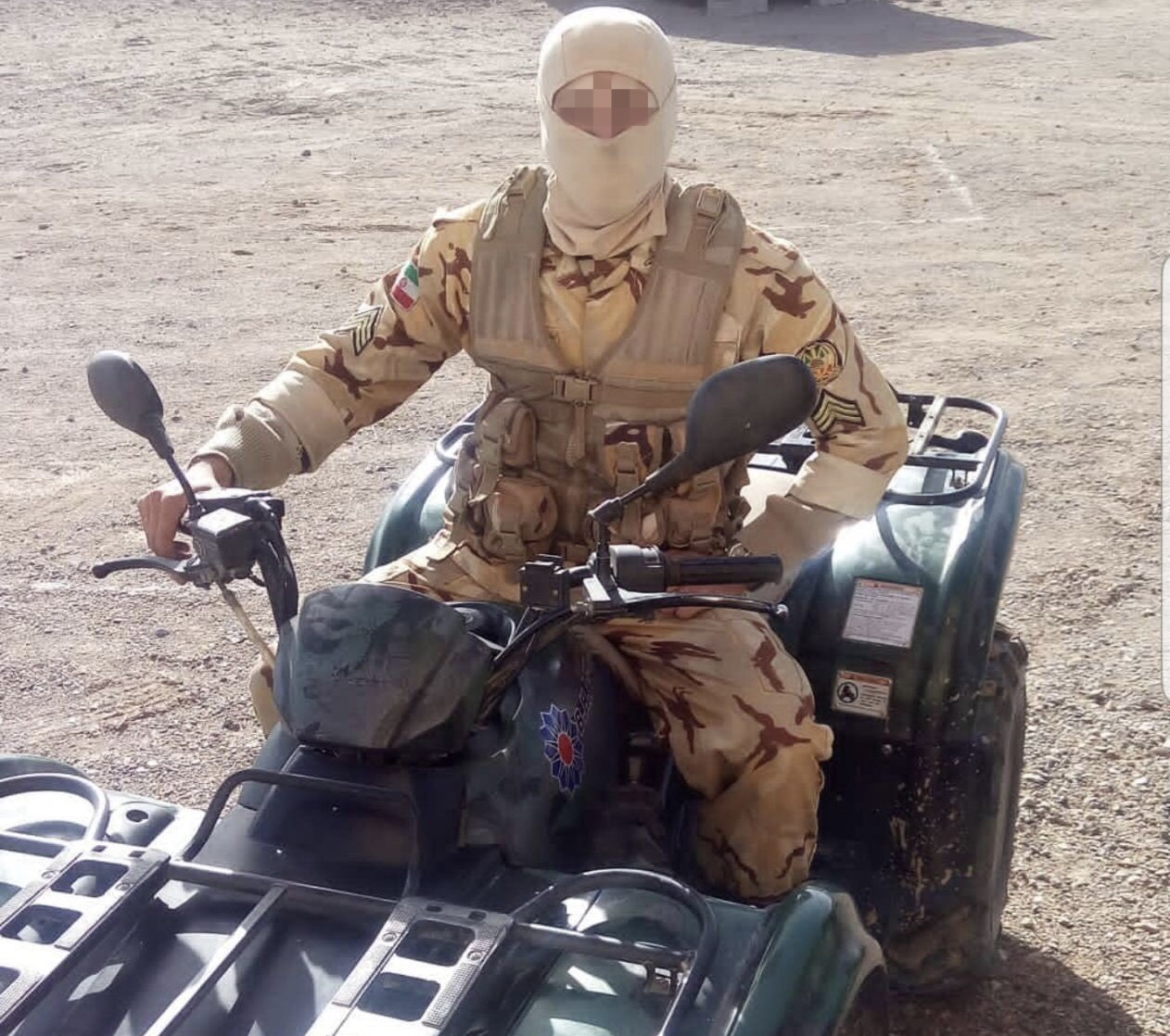
Fig.1.4. An Iranian soldier on an ATV wearing the same MOLLE vest variant seen above. (Source: Yousef Riazi)
Its magazine pouches, made in Iranian desert DPM camouflage with buckle closures, fit G3 rifle magazine, as the G3s are license built and Iran’s primary rifle since the Shah era. This vest also borrows some style cues from Blackhawk! crossdraw vests, featuring standard MOLLE rows for mounting pouches, faux leather padding for shouldering a rifle stock on both the left and right shoulders, a zipper closure system and two male and female buckles for additional security to the wearer’s body. The vest can be adjusted for height via hook and loop closure, and for width using the six adjustment straps, three on each side. Interestingly enough, the front buckle closures are made by Woojin Plastic in South Korea, and the shoulder buckles, ostensibly for mounting a pack, are American ITW Nexus Quick release 1584 buckles. Use of this vest spans many different Iranian forces, being standard issue for conscripted soldiers, special forces units, as well as documented use by Iranian-backed factions in Iraq.
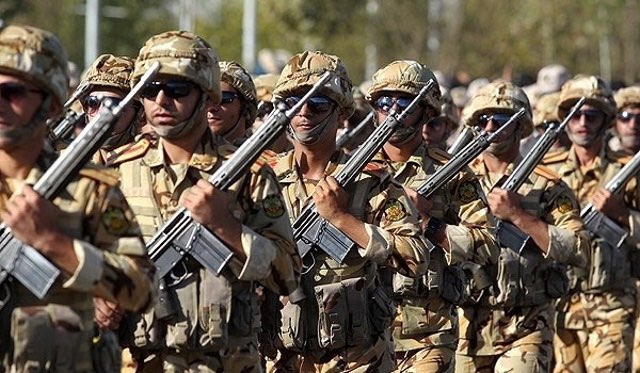
Fig.1.5. Iranian soldiers march wearing the Blackhawk! style MOLLE vest designed in Iran. Note the DCU 3-color desert camouflage pouches, lengthened to fit AK or MP5 magazines. (Source: worldisraelnews.com)
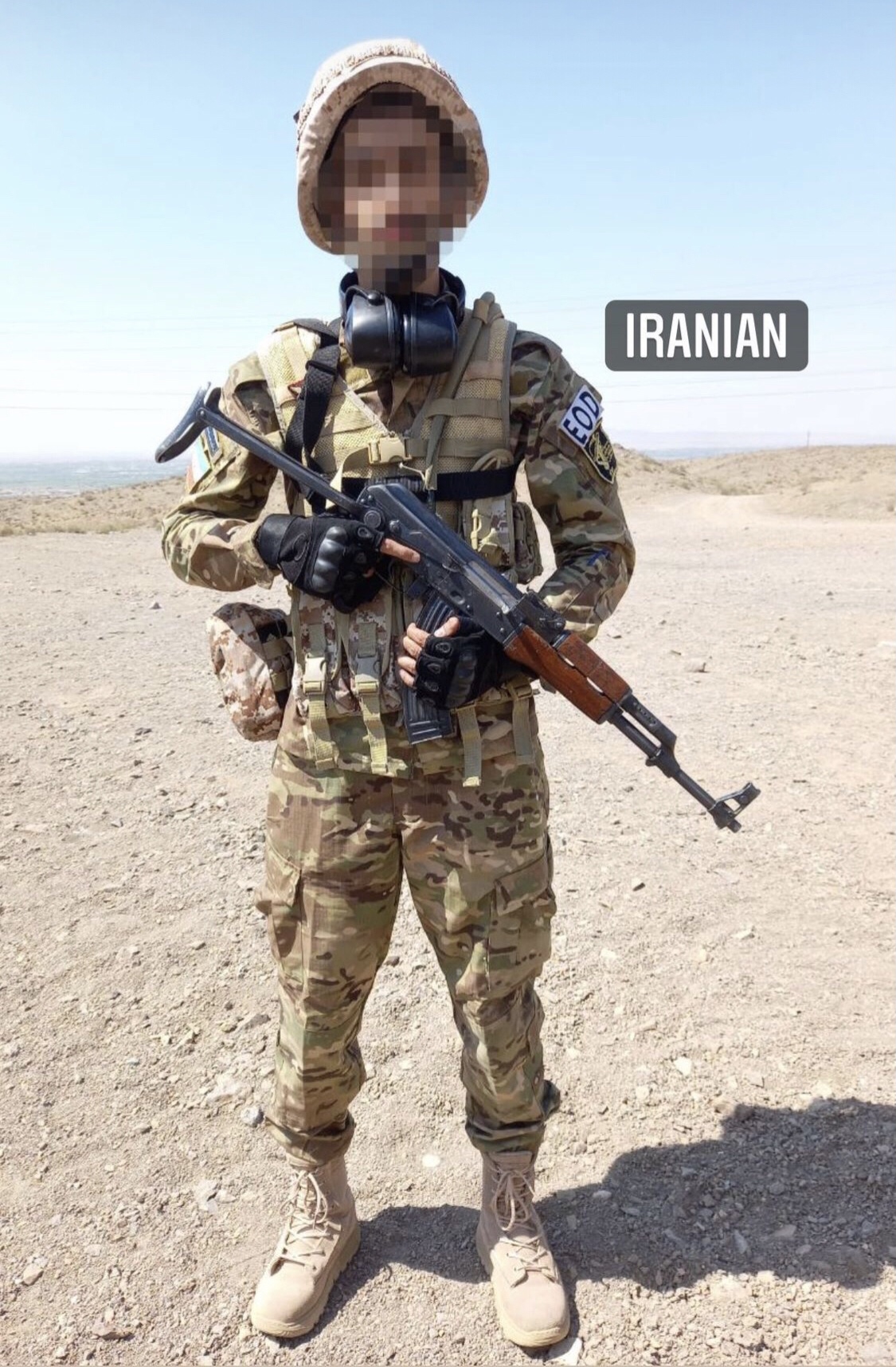
Fig.1.6. Iranian EOD wearing a MOLLE vest equipped with digital desert pattern pouches. (Source: Instagram via streakingdelilah)
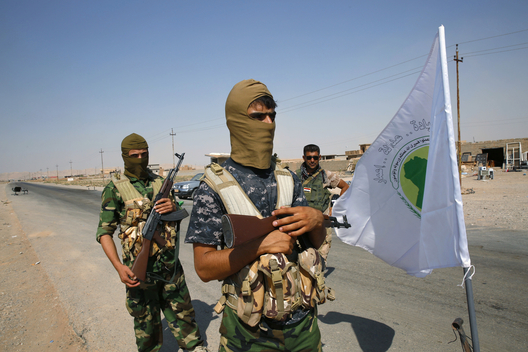
Fig.1.7. Iraqi fighters from the Shia Badi Brigade outside Sulaiman Pek. The first two on the left are sporting Iranian-supplied MOLLE vests with AK pouches in desert DPM. (Source: atlanticcouncil.org)
Other versions of this same vest include those with pouches made for AK-pattern rifle magazines, which also come in 3-color desert camouflage colored and digital desert camouflage options, as well as green vests with digital green camouflage pouches reminiscent of the UCP pattern with a lime color scheme added. The digital green variant is quite rare and only spotted incrementally with Iranian special forces units, with some of them being used by Iranian special forces in Syria. Green MOLLE vests sometimes feature pouches in the M81 woodland camouflage pattern, which is equally as rare as the digital green versions.
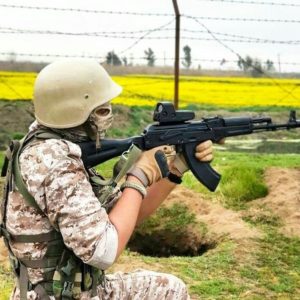
Fig.1.8. Fatehin SOF unit of the Basij. Note the rare green MOLLE vest with M81 woodland pouches. (Source: Ali K. via @iranian_militarism Telegram)
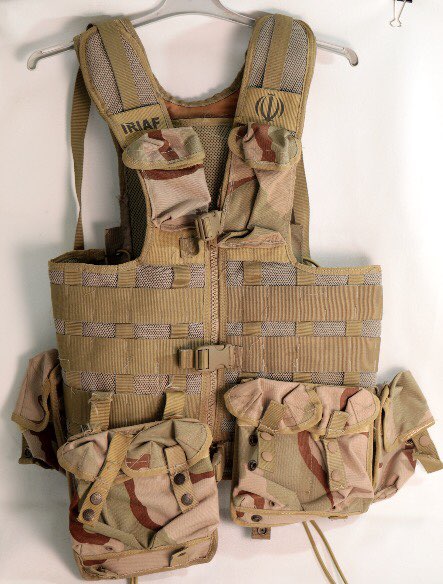 Fig.1.9. New, unissued Iranian vest. Note the Islamic Republic of Iran Armed Forces inscription and the Iranian flag above the chest pouches. (Source: Javad)
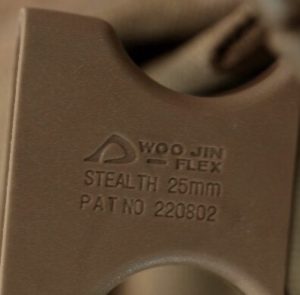
Fig.1.10. Closeup of the Woo Jin 25mm buckles used to close the vest shut. Both of the Iranian designed MOLLE vests use the same buckles. (Source: Javad)
Another MOLLE crossdraw vest first seen during the same parade features two built-in Velcro enclosed pouches around the chest area, with the smaller one likely made for grenades and the longer pouch used for storing radios. Found above those pouches is an Islamic Republic of Iran Armed Forces abbreviation on the right strap, and the Iranian flag on the left strap. Much like its last counterpart, the vest is closed shut with a zipper and two pairs of South Korean-made Woojin buckles. But, as opposed to the last variant with buckle closed pouches, the magazine pouches of these vests are almost exclusively made in the 3-color desert pattern and are closed with both hook and loop Velcro and snap button closures. Digital desert camouflage pouches of this vest have also been sparsely recorded. It must be noted that unlike the previous crossdraw vest, these pattern of vests come with less magazine pouch options, as most variants are made for the G3 self-loading rifle, save for a few rare examples of vests equipped with DCU camouflage AK pouches with snap closures. Infantry men and some special forces units also make use of this vest.
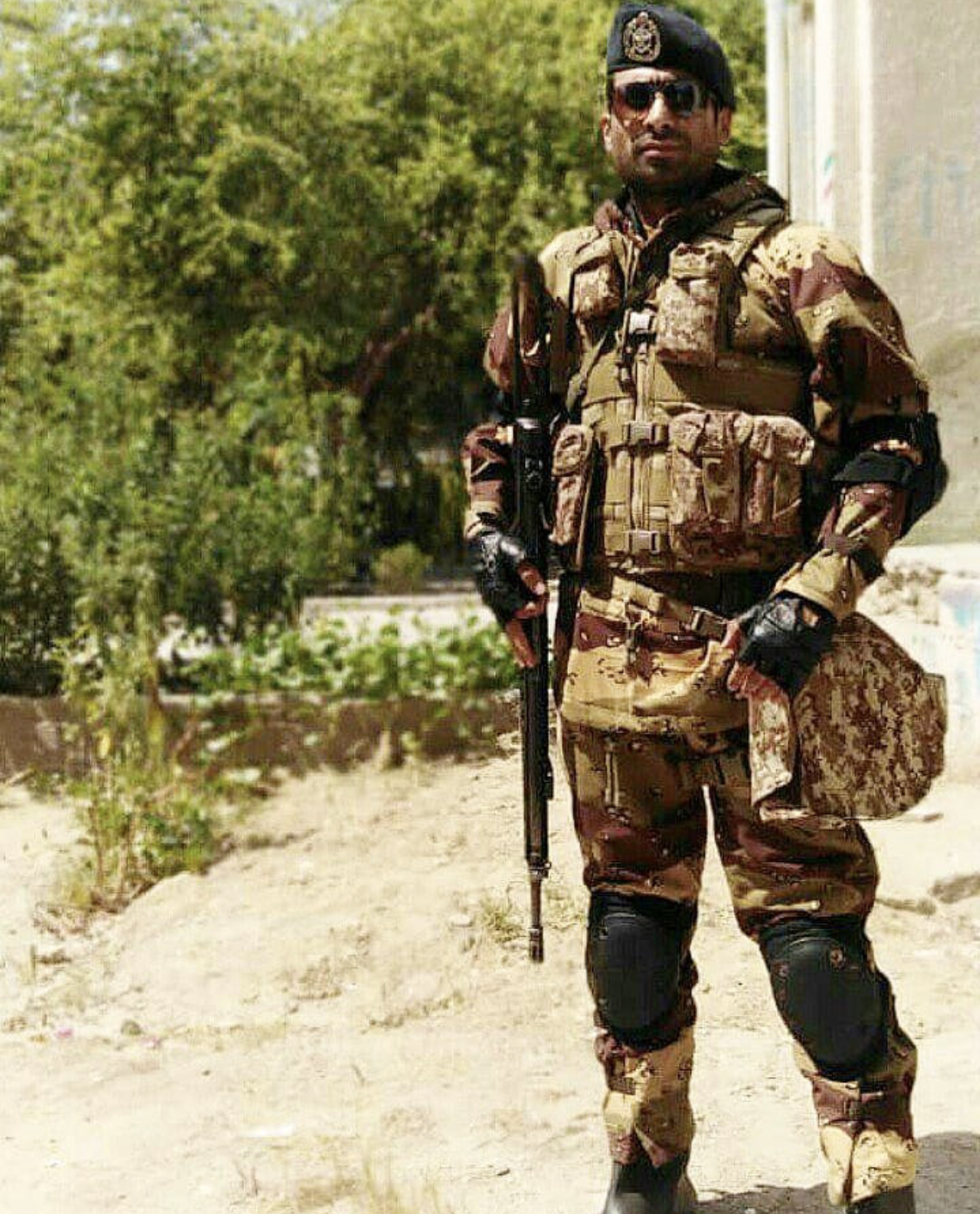
Fig.1.11. Iranian serviceman with a rare variant of the MOLLE crossdraw vest above. His pouches are in a digital desert pattern.(Source: Instagram via Iranian.navy)
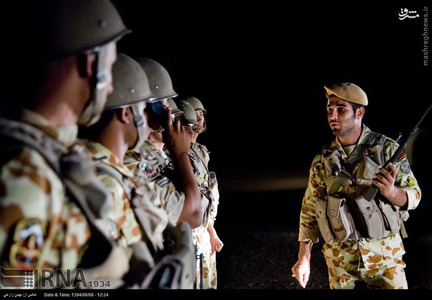
Fig.1.12. Iranian troops using IRIAF marked vests equipped with AK magazine pouches. These may have the same snap closure/Velcro style that the G3 DCU camouflage pouches are designed to have. (Source: bloghnews.com)
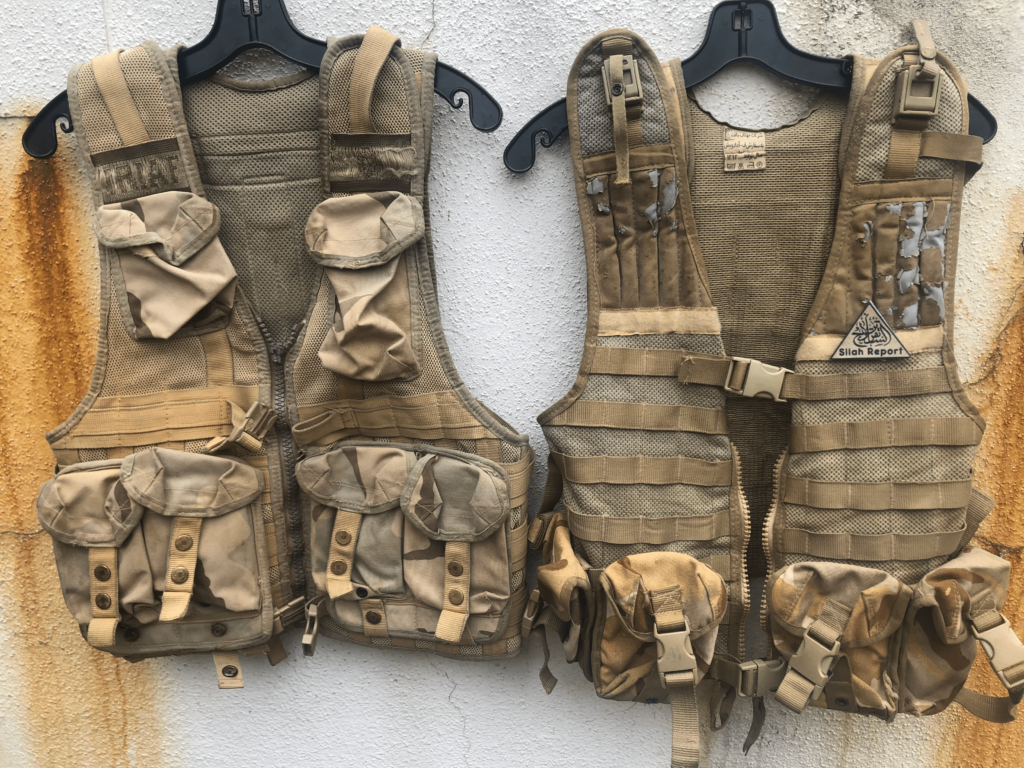
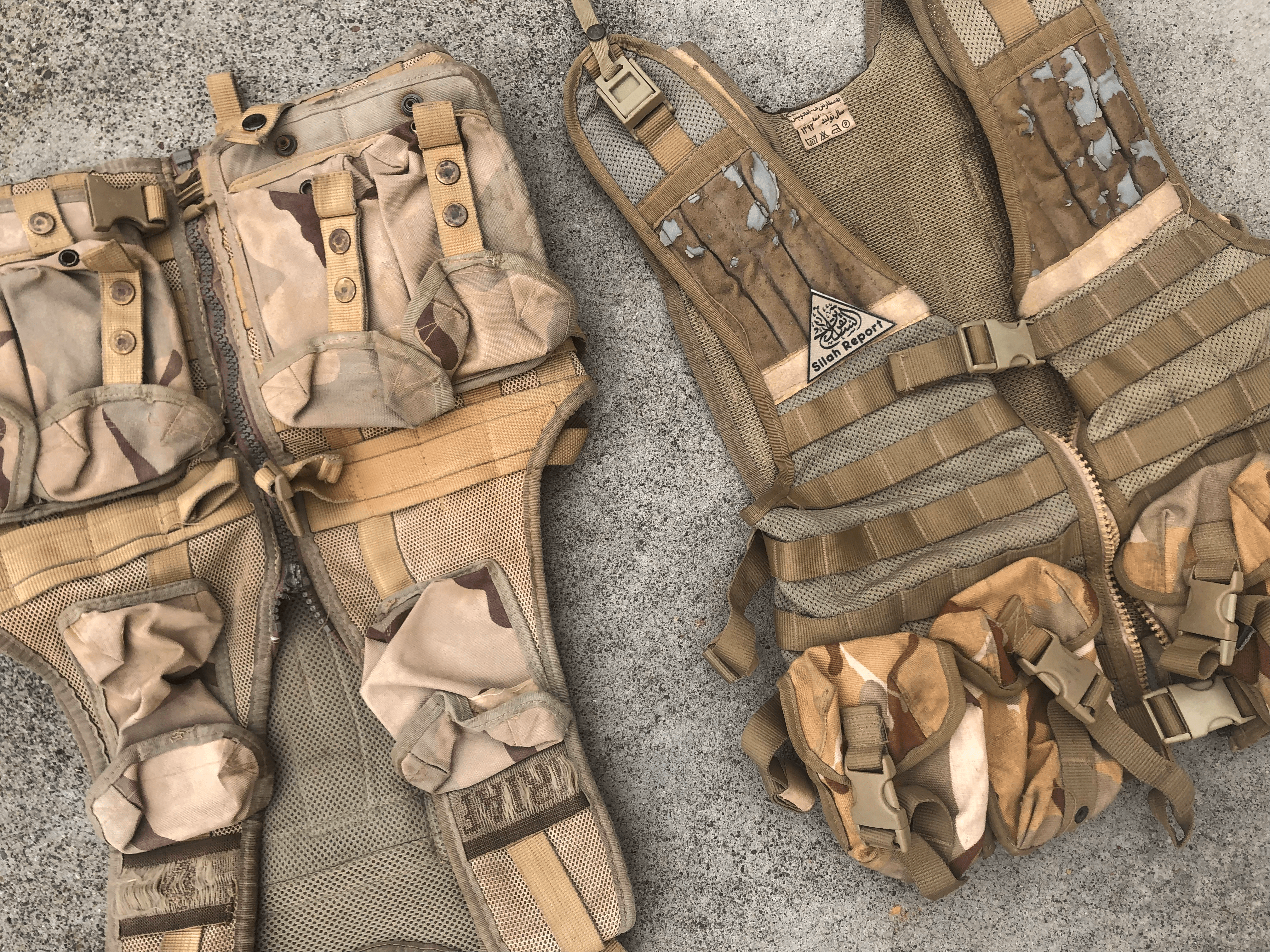
Fig.1.13. The two Iranian vest variants compared side-by-side. (Source: Author’s Collection)
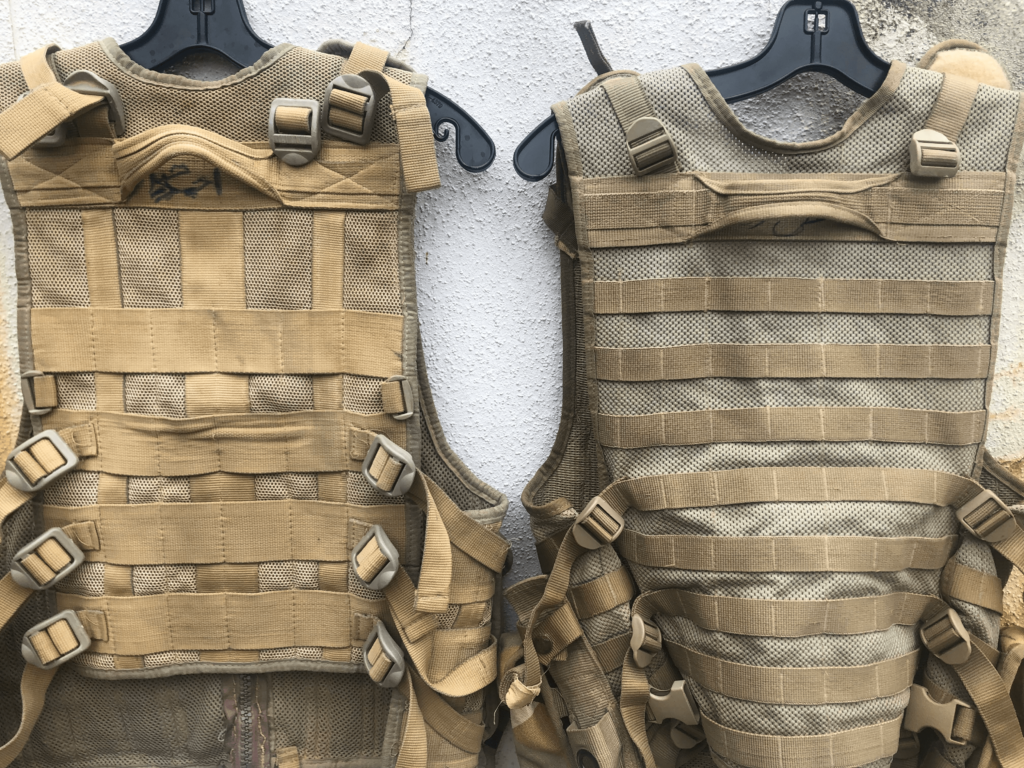
Fig.1.14. Rear of both vests Both have three adjustment straps on each side to cinch the vest to the wearer. (Source: Author’s Collection)
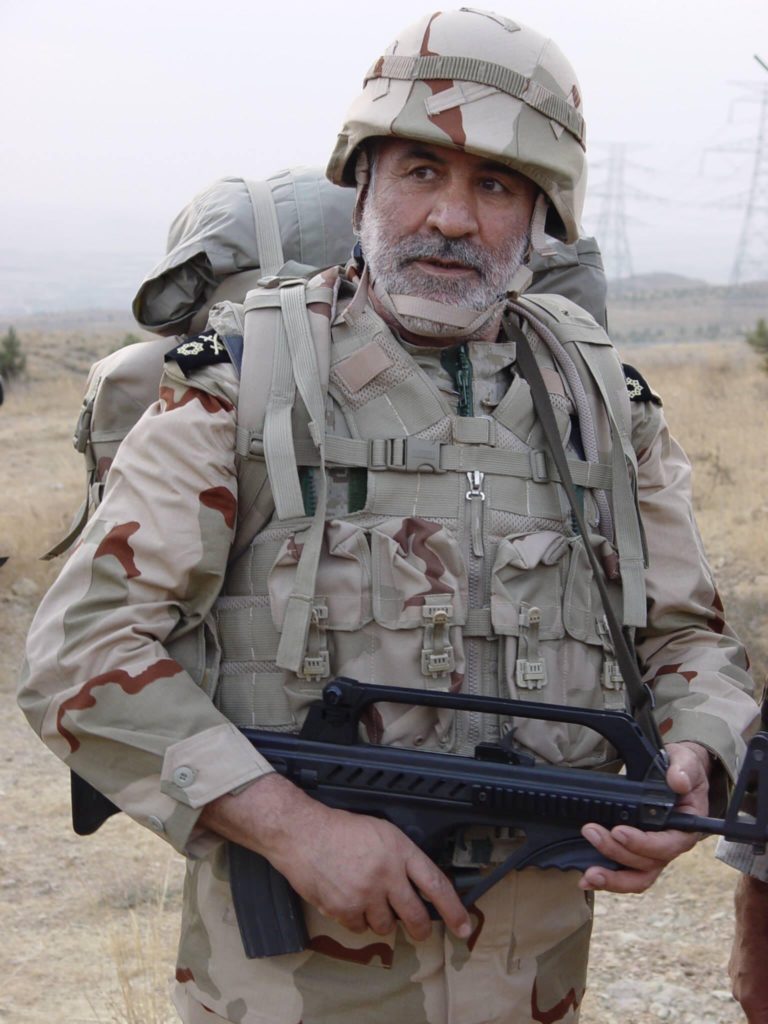
Fig.1.15. Brigadier General Nur-Ali Shushtari wearing the Iranian MOLLE Vest with Spanish buckled pouches. (Source: armyrecognition.com)
The last notable iteration of the MOLLE crossdraw vest, also first introduced in 2010, has very prominent Y-shaped shoulder straps and uniquely, Spanish buckle enclosed pouches. Due to the length of the magazine pouches, these vests’ users always carry either an MP5 submachine gun or an AK-pattern self-loading rifle as their magazines will fit in their long and thinly profiled pouches. Two colors exist for its pouches, a 3-color desert and uniquely, a six color “Chocolate Chip” camouflage pattern seen only with this model of vest. At least some of these models of vests are produced in China, as these vests are sold on Alibaba, an online wholesale Chinese marketplace. Most of the users of this kind of MOLLE vest are often Iranian special forces operators.
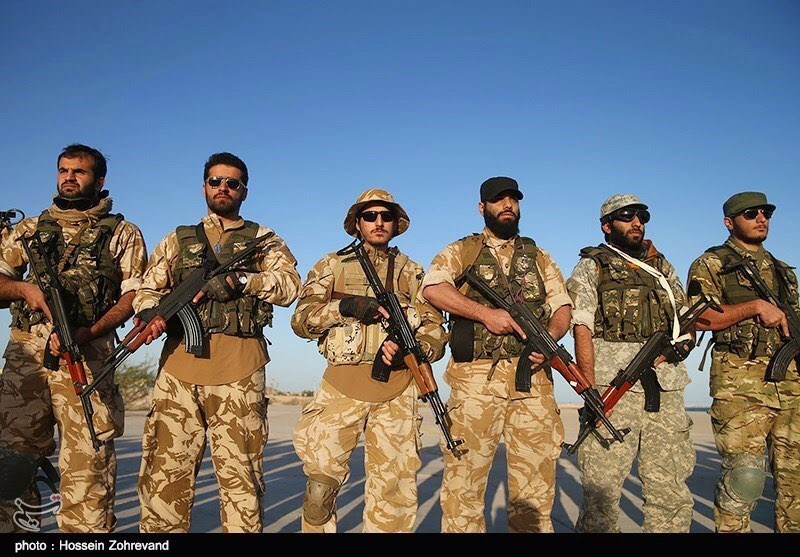
Fig.1.16. Iranian Navy Special Forces, middle operator is wearing a vest with Spanish buckled pouches in 6 color chocolate-chip camouflage. The others are wearing the rare MOLLE vest with digital green pouches mentioned before. (Source: tansimnews.com)
Yousef R., an Iranian contributor to Silah Report whose close friends ran these same vests said that he was not satisfied and that he made some upgrades to his kit. He noted that soldiers often gave their vests to the local tailors to add more pockets or to make it smaller or bigger. Similarly, Javad, another Iranian military enthusiast from Iran noted that “unfortunately they just use whatever is issued.”
When it came to troops acquisition of equipment, there is not a gear culture that is seen in some other conventional armies around the world. Gear customization’s extent in Iran is a solider taking their gear to the tailors or adding an accessory pouch. Aftermarket MOLLE pouches are rare but usually come in the form a radio or canteen pouch, or a pistol holster. Any of these MOLLE vests issued out to troops come with a set of magazine and grenade pouches, and although adjustable, larger or smaller bodied soldiers may need to privately purchase a tailor’s service for a more bespoke and comfortable fit.
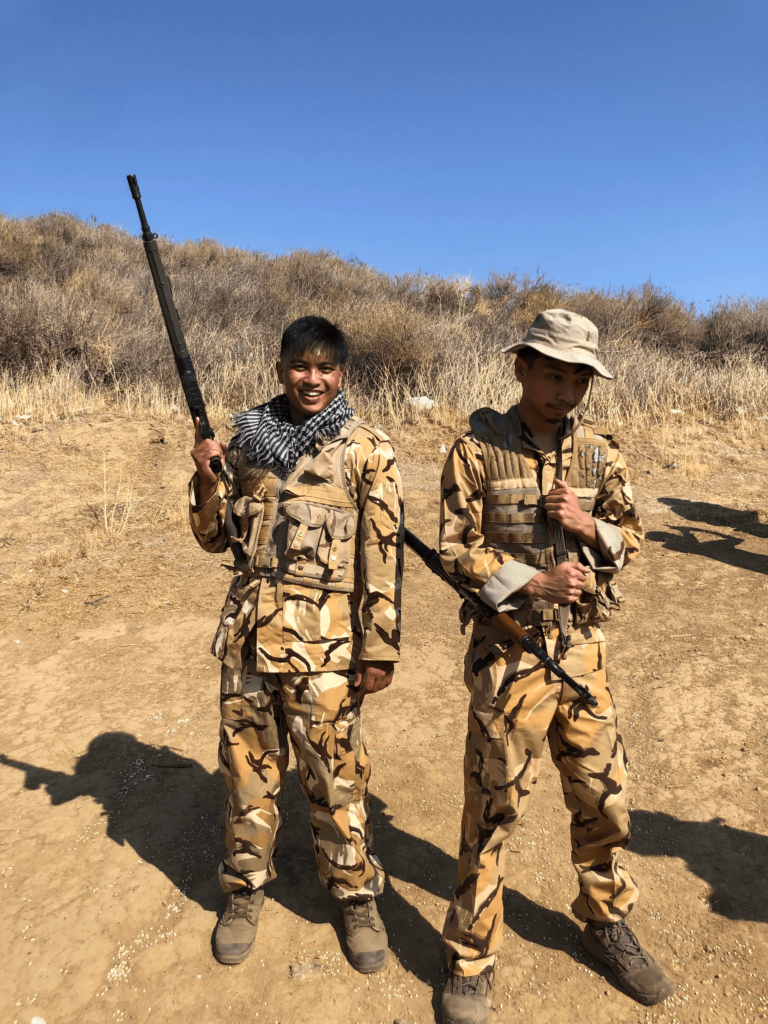
Fig.1.17. Author and brother testing the Iranian made MOLLE vests and Iranian desert DPM uniforms at an airsoft game. Both vests come with G3 magazine pouches, the one on the right barely fit AK magazines, as the buckle closure’s straps allow to adjust for length, whereas the left does not and only fits G3 magazines, hence the choice of airsoft rifles. (Source: Author’s Collection via Alex Sun)
Quality wise, however, these crossdraw vests seem to be decently constructed, and not too far removed in terms of quality compared to its original US-made Blackhawk predecessor. The vests in my personal collection have seen notable use, likely passed on from conscript to conscript before retiring at an Iranian military store. Both are well worn though they are intact and have some service life left to them. While more durable and sophisticated kit designs exist, these Iranian made vests are made of decent materials and seem to hold up to the rigors that Iranian troops put their gear through, save for the occasional need for tailoring.
Iranian armed forces personnel, whether it be regular infantry or clandestine operatives in a foreign country, are seldom portrayed in western media, movies, video games or otherwise. Battlefield 3, a fictional, first-person shooter game released in 2011, does feature an Iranian paramilitary faction first seen in Iraqi Kurdistan and later in Iran proper. An intriguing but easily overlooked detail is that some of the People’s Liberation & Resistance militiamen wear MOLLE vests with accurately modeled buckle enclosed pouches, except for the inaccurate green Chocolate Chip-DPM hybrid camouflage pattern. A more accurate camouflage pattern to use for the vest would be Iranian Desert DPM or DCU. In-game the pattern the vest’s camouflage is a real Iranian camouflage pattern, but is from an older uniform pattern used by the Iranian Marines and individual equipment was never made using the pattern. So far, Battlefield 3 is so far the only known video game that portrays Iran’s locally produced MOLLE vest.
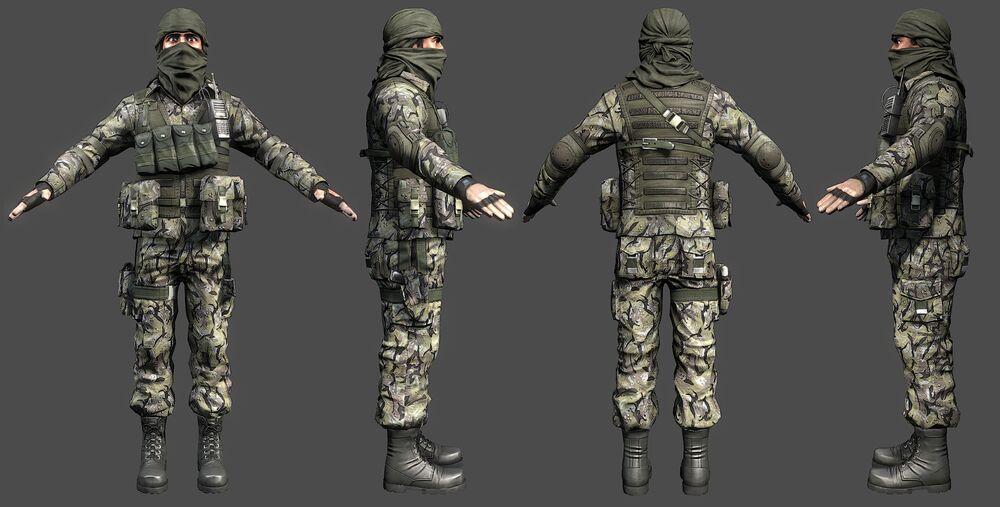
Fig.1.18. People’s Liberation and Resistance fighter models from Battlefield 3. The vests are clearly modeled after the Iranian made one, save for the inaccurate camouflage scheme. A Chicom chest rig is also placed atop the MOLLE vest. The practice of wearing a Chicom chest rig over the MOLLE vest is documented with Iranian troops who are issued AK rifles. (Source: battlefield.fandom.com)
In part 2, we will examine different models of armor vests utilized by Iranian service members.
Bibliography:
Riazi, Yousef, written interview online. 27 August 2021.
Javad, written interview online. 7 September 2021.
Special thanks to Javad and Yousef Riazi, who helped immensely with providing information and photographs for this article.
If you enjoy our work here at Silah Report please consider supporting us on Patreon!
Interesting that just about everyone has copied the US Molle Tactical Vest. Here’s a link to my AK belt rig. It carries 12 AK mags and uses a US GI belt and belt suspenders.