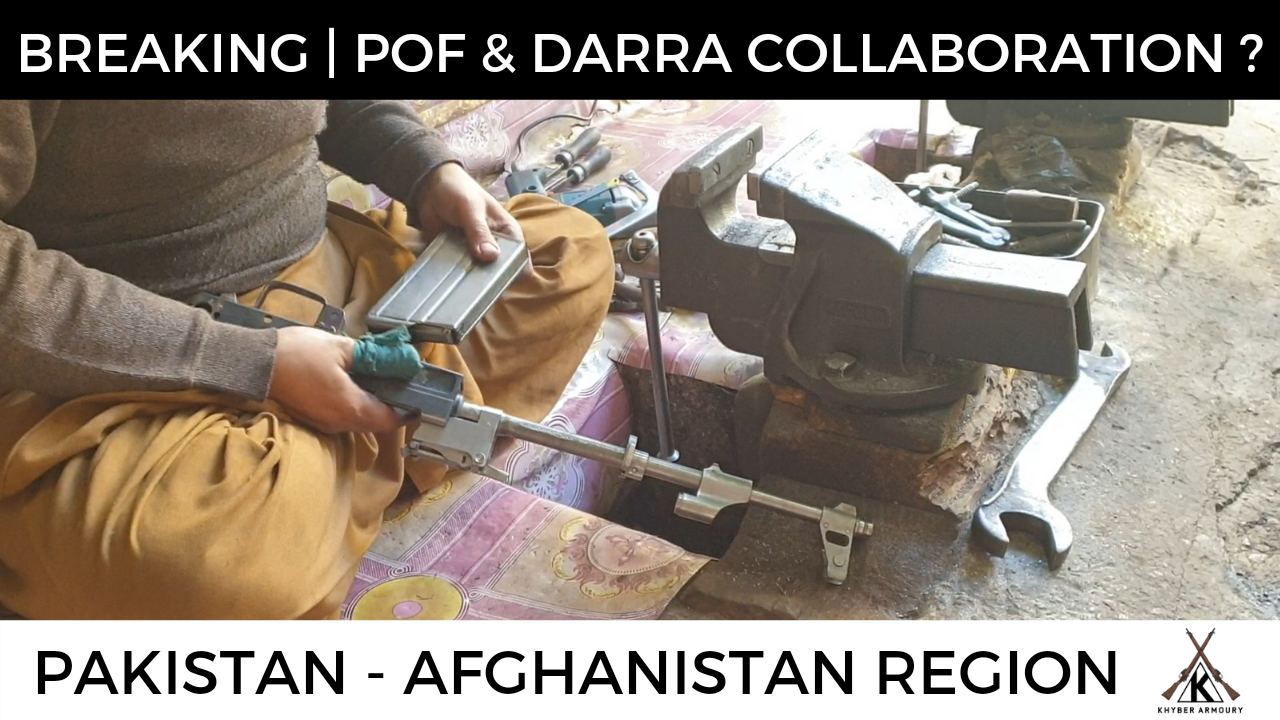
The Pakistani arms manufacturing conglomerate, Pakistan Ordinance Factories (POF), headquartered in Wah Cantt, Punjab, have come to a historic decision in regards to the arms industry located in the town of Darra Adam Khel in a meeting chaired by the current Government of KPK province, Shah Farman.
Darra Adam Khel
A Sterling Submachine Gun Found In Darra
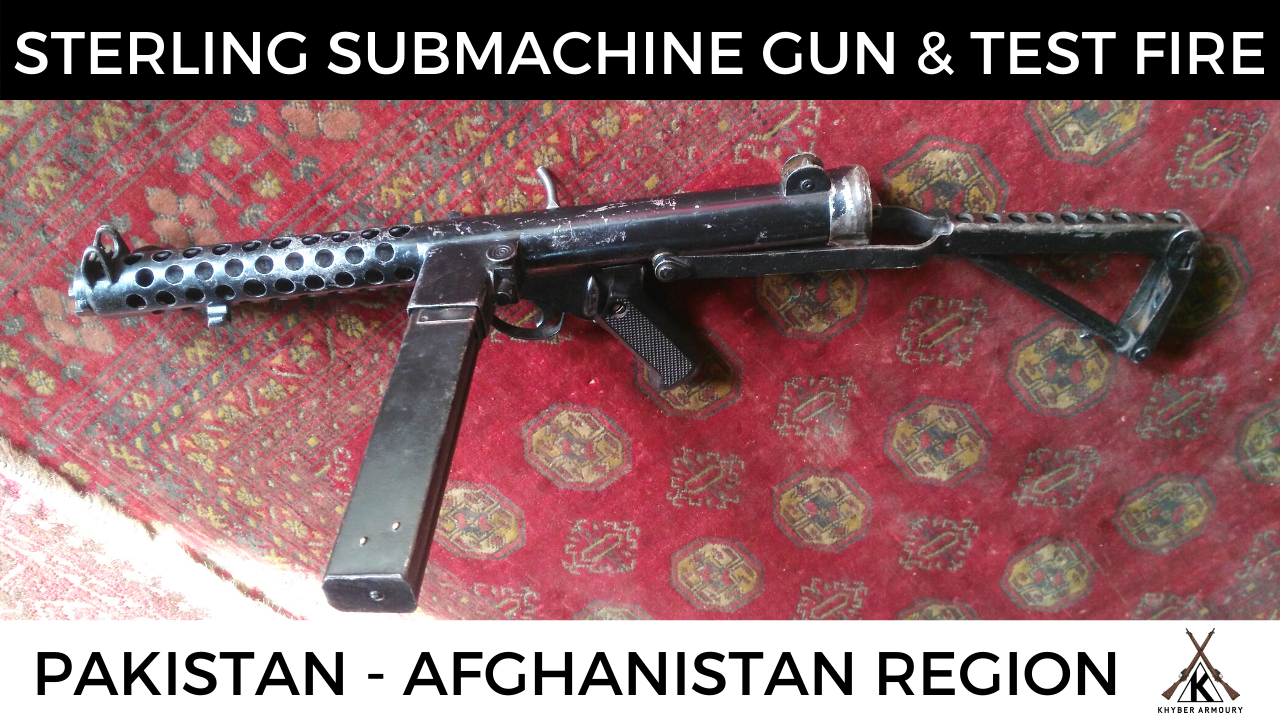
The Sterling submachine gun is a well renowned submachine gun of British design by George William Patchett – the head arms designer at Sterling Armaments Company in Dagenham, England, UK. The weapon is a select-fire, blowback operated submachine gun, utilising advanced primer ignition design and is chambered in the widely used 9×19mm cartridge. It is fondly remembered as a very reliable and rugged platform to this day by its users. It was initially adopted by the UK armed forces starting around 1953 replacing the earlier and more infamous STEN submachine gun and ended up being removed from active service in around 1994, replaced by the 5.56×45mm SA80 self-loading rifle. This platform of SMG has been used by a wide variety of countries across the globe and has also been manufactured by the UK, Canada, India and also Chile.
Non-Barrelled Actions – What’s The Point?
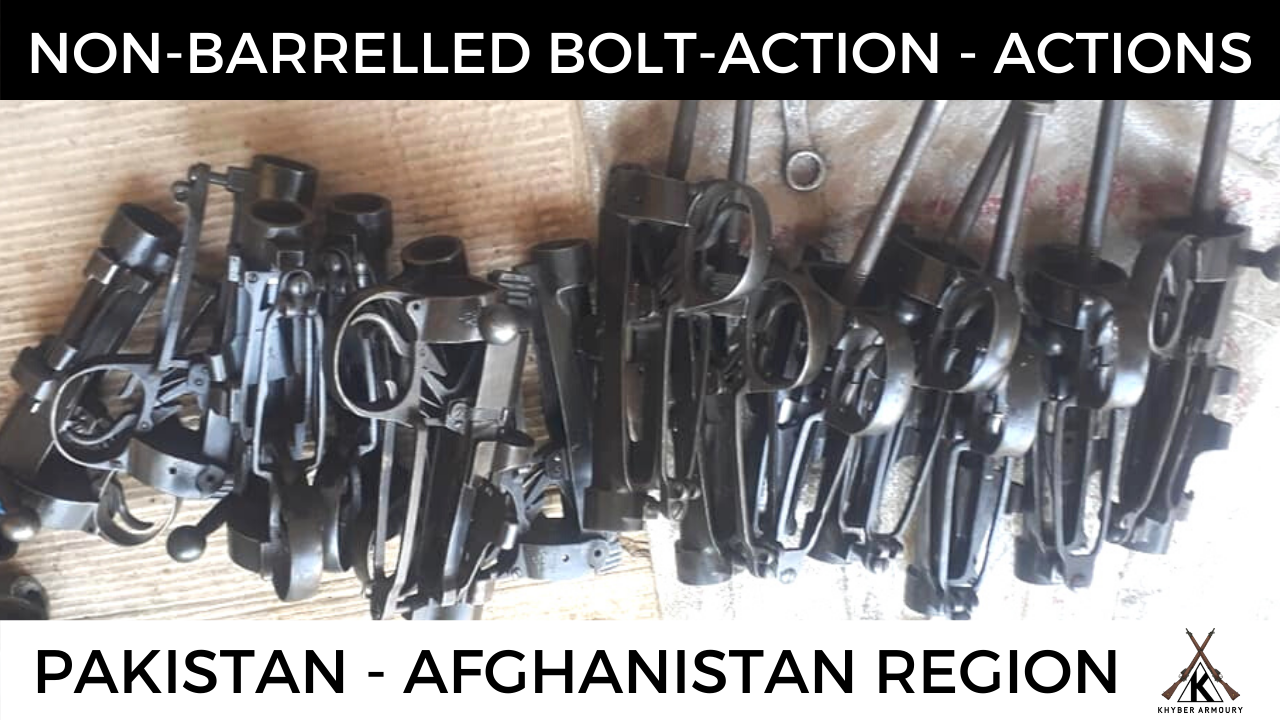
A number of images were shared with us which originate from one of the more famous dealers in the long running manufacturing and arms trading town of the ‘Khyber’ region in Pakistan – Darra Adam Khel. These images showed a bunched-up pile of non-barrelled actions for a number of bolt-action patterns, a dream for many collectors and shooters in places such as Europe and the USA.
The American ‘Tommy Gun’ In The Pak-Afghan Region
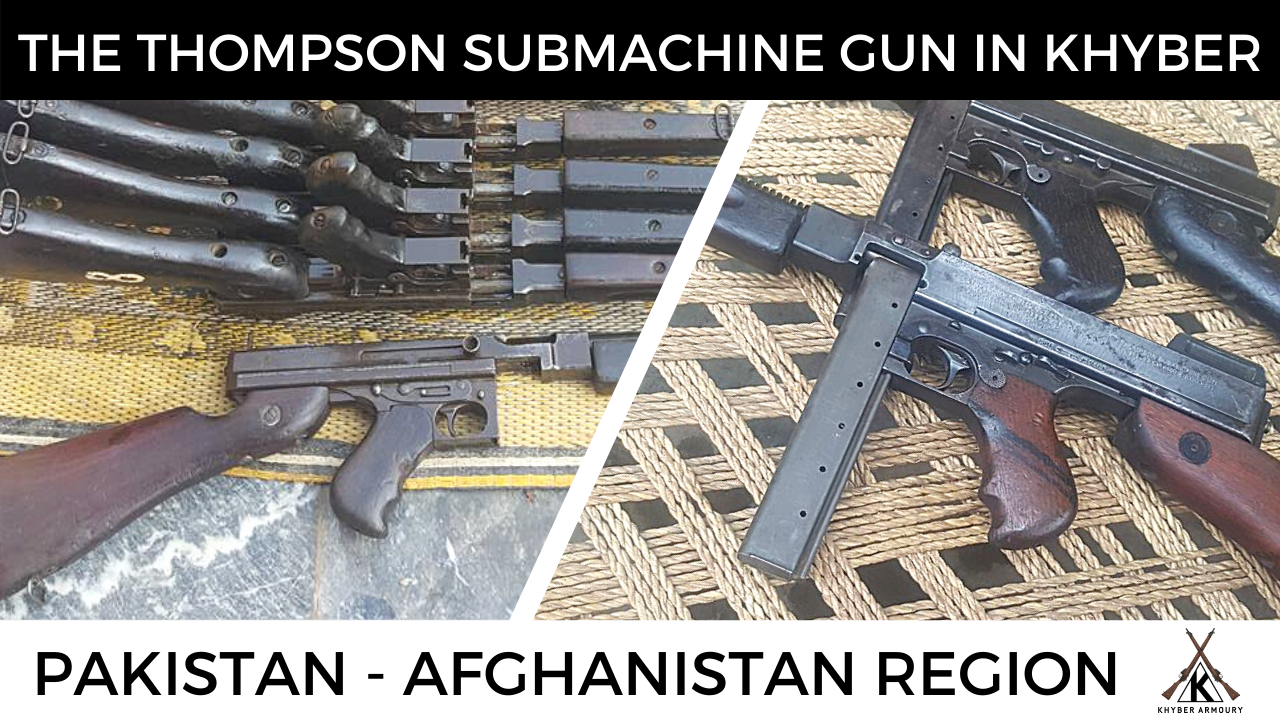
The Thompson models 1928, 1928A1, M1 and M1A1 submachine guns, famously also nicknamed the ‘Tommy Gun’, are a heavy weight milled all-steel submachine gun design, chambered in the U.S. military’s then standard issue pistol round – the .45 ACP cartridge, and designed in the USA in the wake of World War One. They were first adopted by the U.S. military in a widely used capacity during the World War Two, eventually being supplanted by the cheaper and simpler M3 and M3A1 ‘Grease-Gun’ submachine guns. A small but significant number have also been seen in the Pak-Afghan Region.
The Khyber Diaries: A Pistol Component Shop
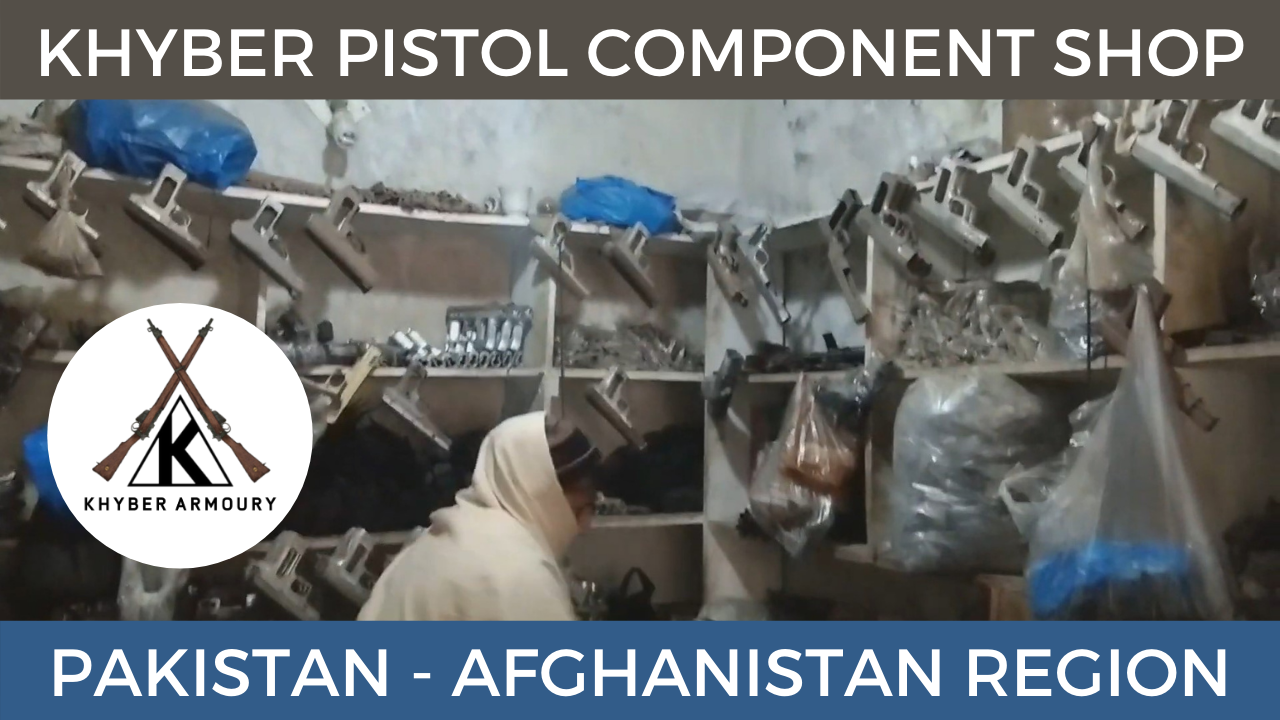
An often-misunderstood subject is how Khyber gunsmiths make their extensive selection of arms in the modern day. A major myth propagated by misinformed persons is the belief that gunsmiths of the Khyber region fabricate the parts for their firearms from scratch, by hand. The truth is, we aren’t living in the early to mid-1900s anymore and these smiths have no need to make these by hand – for the most part and haven’t done so for a few decades now.
The Khyber Diaries: A Glimpse Into An ‘Antique’ Arms Shop
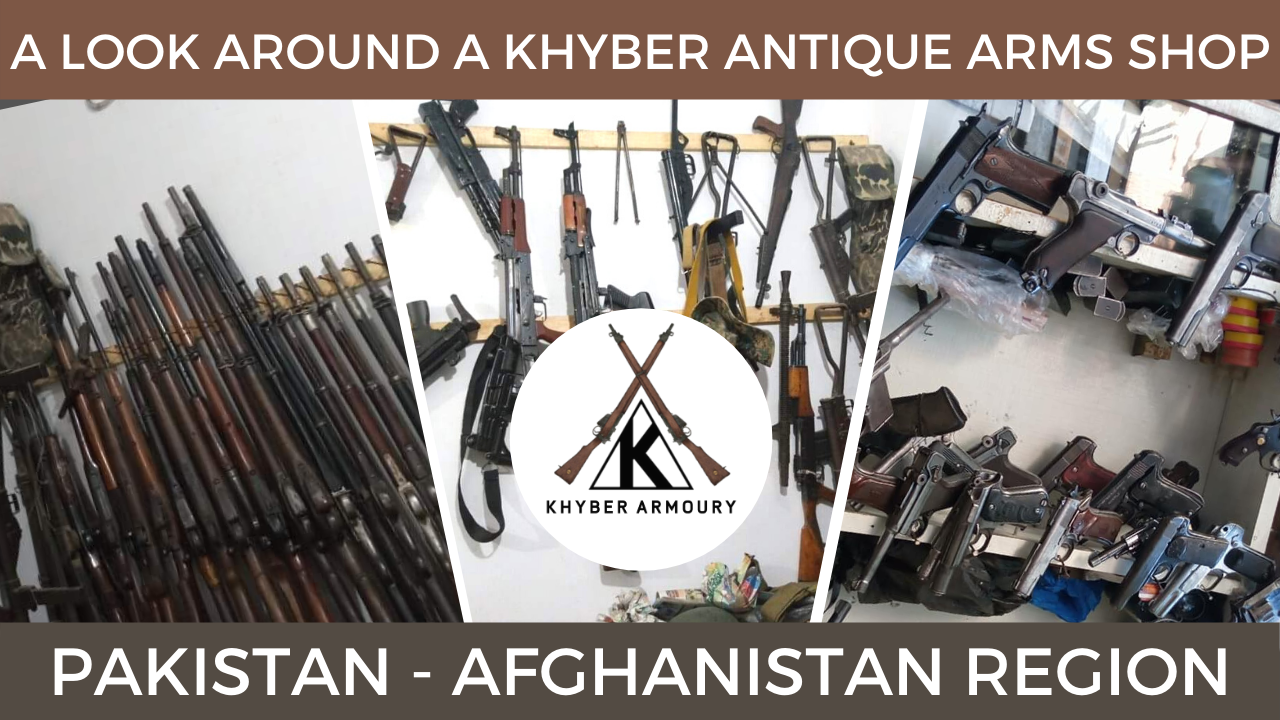
An often-nostalgic thing to do is reminisce of the arms shops in the days of old. Those well-stocked dealerships. They were once a lot like Aladdin’s cave with large arrays of plentiful, but now hard-to-find arms on display and for sale, at extremely affordable prices by today’s standard. Luckily, we can occasionally encounter some remnants of these days in Pakistan where an abundance of now-antiquated firearms are still to be found in the arms bazaars of Khyber Pakhtunkhwa within places like the infamous town of Darra Adamkhel and to a lesser degree, in those within and close to Peshawar city.
Scarce Spanish STAR Submachine Gun In The Pak-Afghan Region
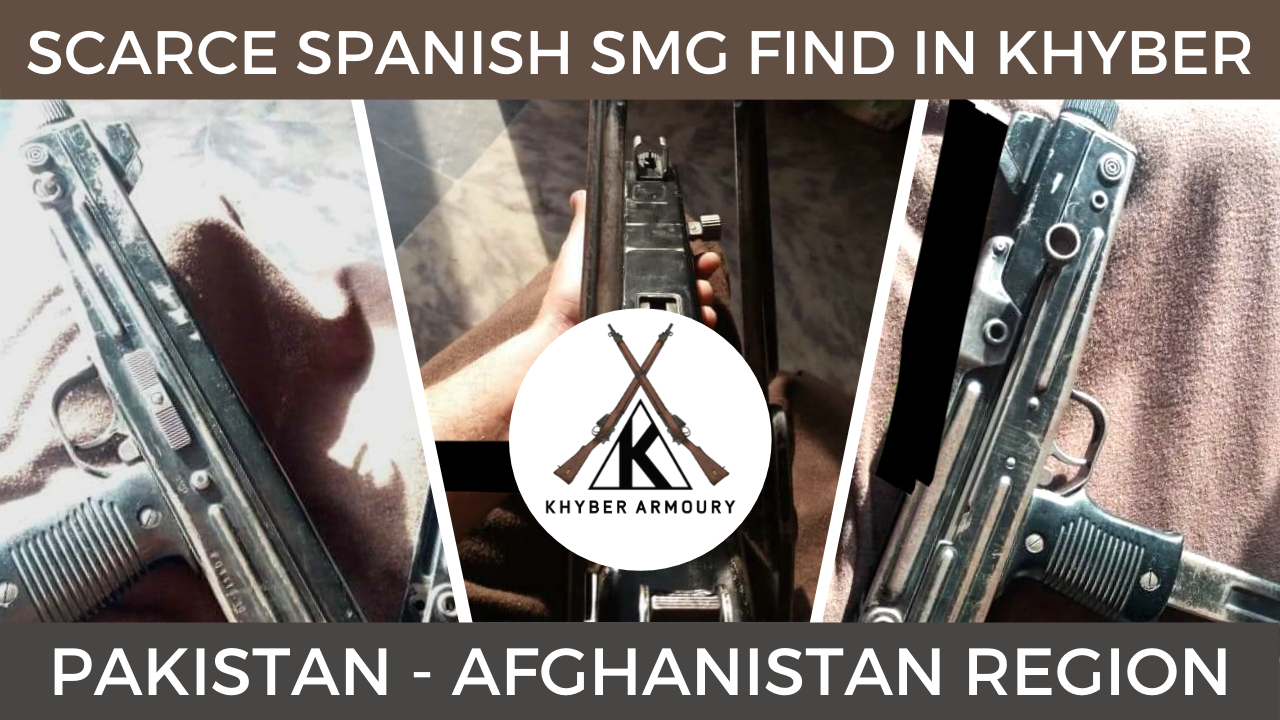
STAR, short for Star Bonifacio Echeverria, is a well known Spanish company which manufactured firearms for around 116 years, from about 1905 to 1997 when they closed up shop. The various firearm designs and platforms they manufactured, apart from some pistol designs, aren’t too common and don’t typically pop up in more out-of-the-way regions of the world. That being said, a small more unknown gem of theirs happened to end up in an arms dealership located in the infamous town of Darra Adam Khel in the Khyber Pakhtunkhwa province of Pakistan, of all places.
The Pak-Afghan Side-Folding AK Phenomena
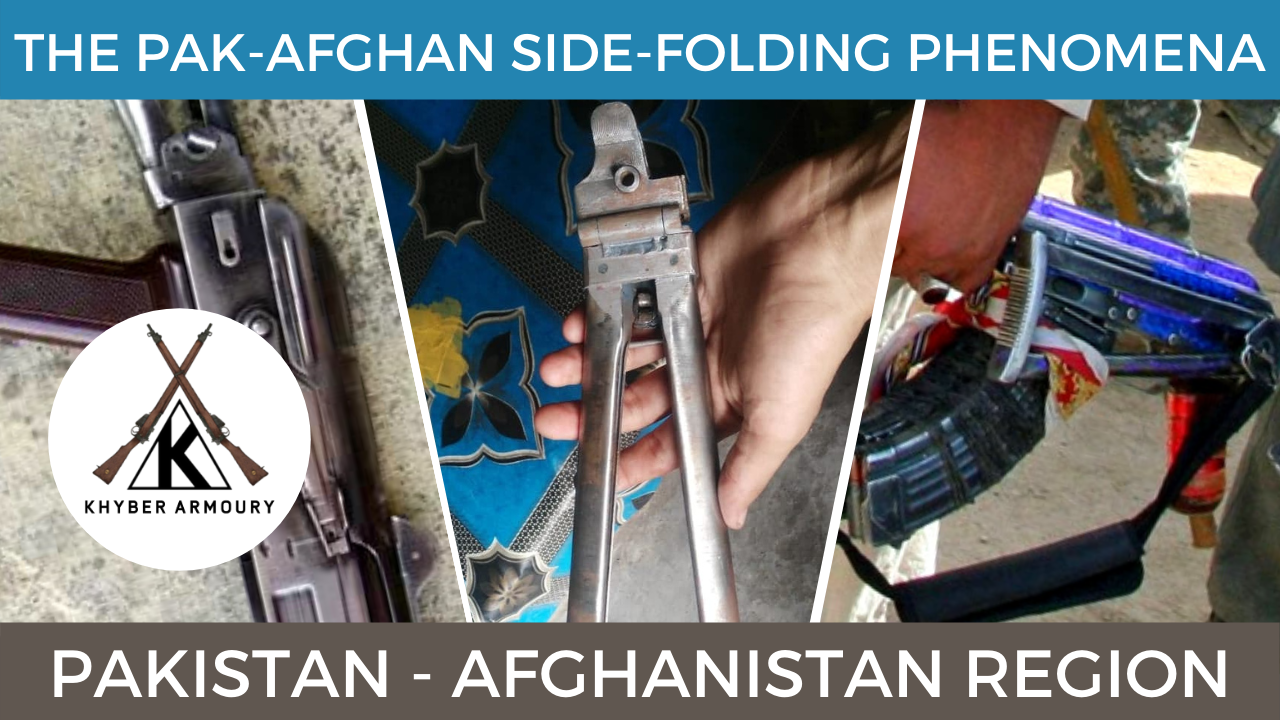
Over the past few decades, a certain style of AK-pattern self-loading rifle or more specifically an AK variant feature has come out on top to be nicknamed the iconic ‘Khyber AK’ style by arms enthusiasts outside the Pak-Afghan region. This was destined to be so, especially after being seen in the hands of the infamous Usama Bin-Ladin, which helped propel this AK style into the limelight. Although it would be incorrect to assume one specific style to be the definitive Khyber modified or built AK type self-loading rifle ‘design’ due to the multitude of styles and variants manufactured in the Khyber region. The AKM or an AK-pattern rifle fitted with the iconic Russian skeleton triangle side-folding buttstock found on the AKS-74 and AKS-74U, has become that iconic piece. Not only that, but it truly is also one of the more popular choices for a folding buttstock within the Pak-Afghan region in general.
Silah Report On Reaper Feed – Darra Adam Khel
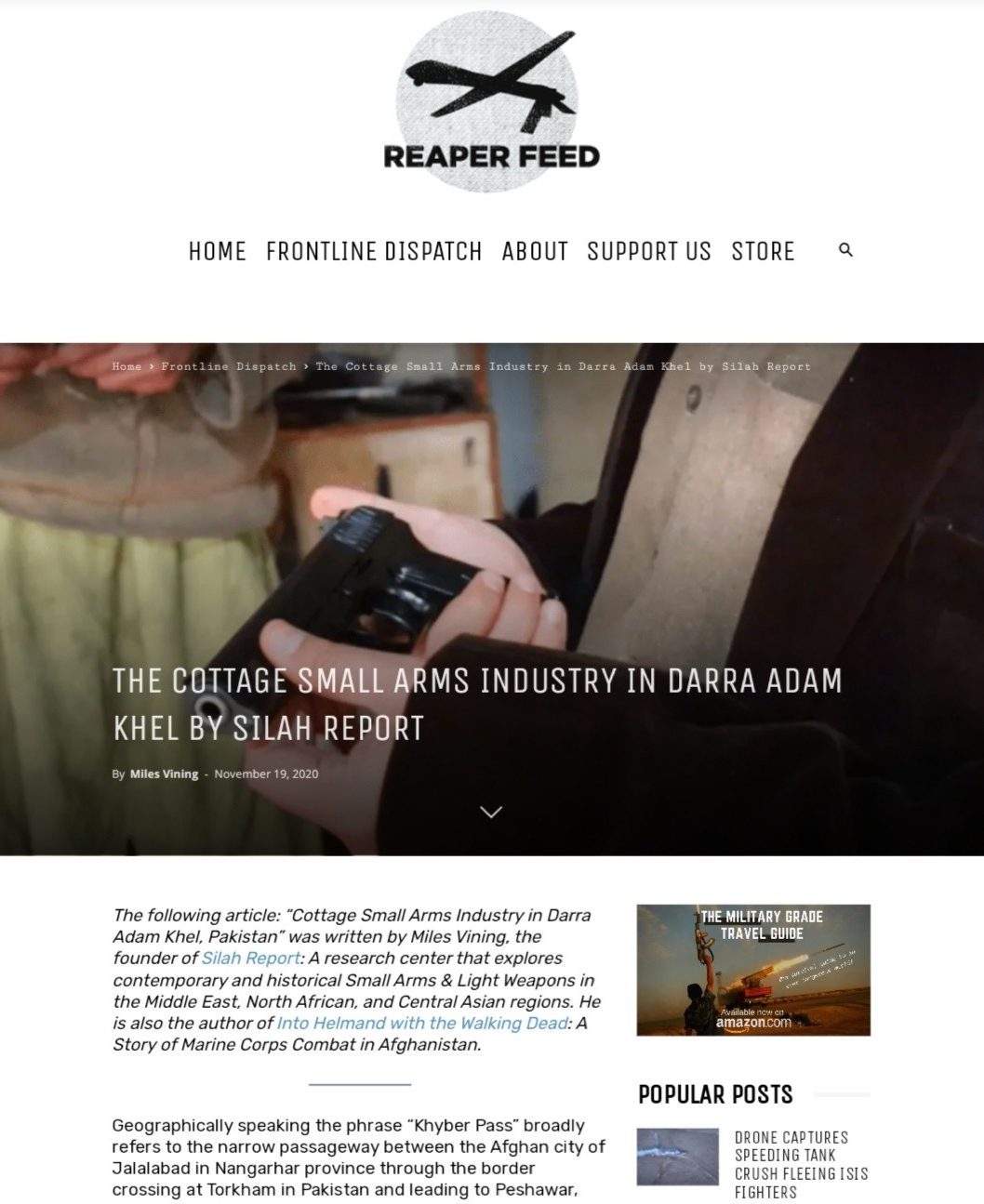
Miles Vining, our Khan in Chief, has written a guest article for Reaper Feed looking at the legendary ‘Khyber Pass region and its firearms history. Miles discusses the region’s history as a hub for handmade firearms, why the term ‘Khyber Pass’ is increasingly misrepresentative, and the importance of the region’s focal point Darra Adam Khel as a manufacturing hub that blends traditional and modern production methods. Miles looks at the culture, production methods and industry of Darra as well as how the region is continuing to change – as it always has – to meet new trends and demands within the local firearms culture.
Origins: The Khyber Pakhtunkhwa Clear Frame Glock Pistols
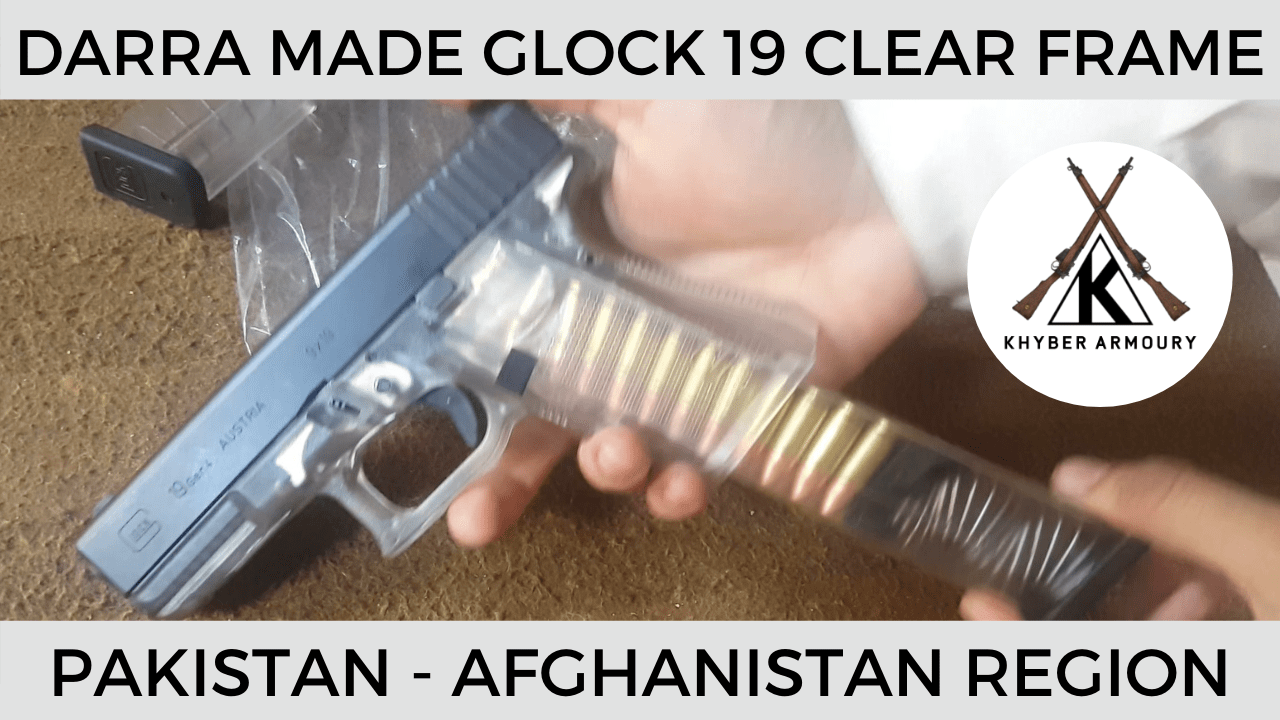
The Glock line of rugged and reliable polymer-framed, self-loading pistols have become a staple of the firearms market and community – military and law-enforcement alike – worldwide. Still, features pop up that can’t be attributed to Glock and this is true for these mystery clear-frame Glock pistols which have become available on the Pakistani market in recent years. Who makes these clear frame Glock copies though? Where did they come from? What is the purpose? Do they even work? All these questions and more have been asked by people the world over. To understand why and how these came to be, we must first look deeper.