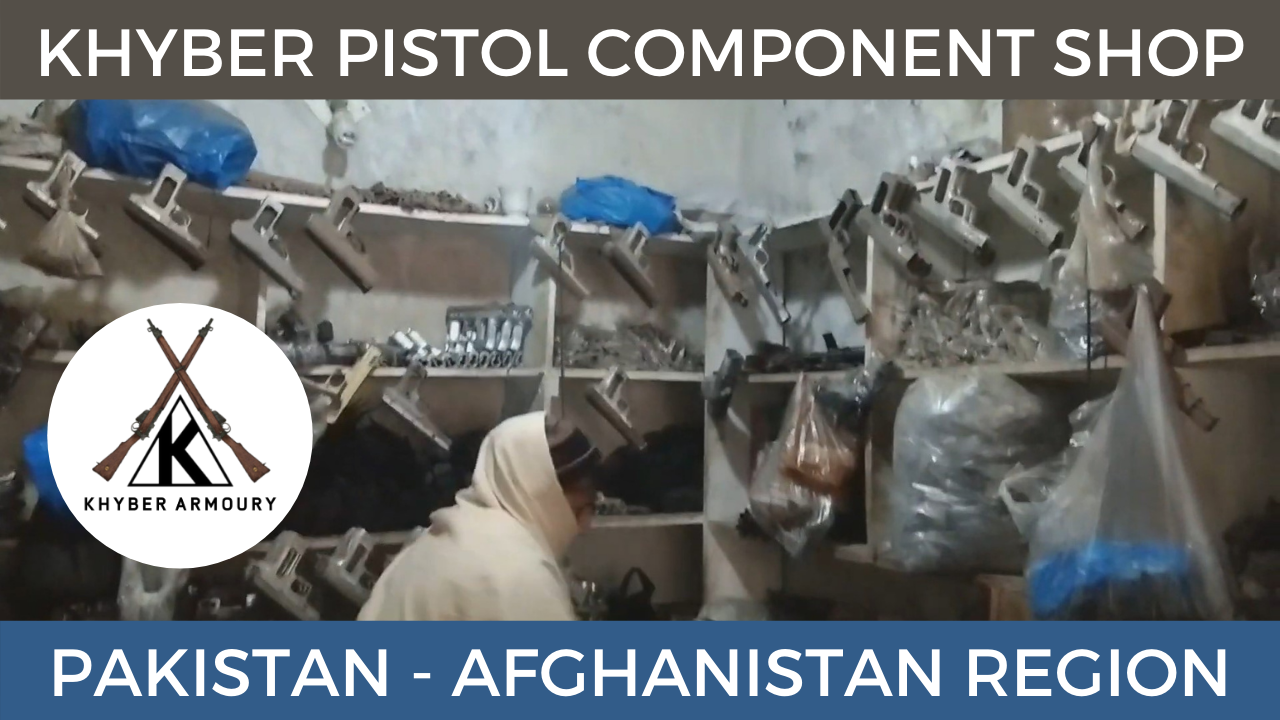
An often-misunderstood subject is how Khyber gunsmiths make their extensive selection of arms in the modern day. A major myth propagated by misinformed persons is the belief that gunsmiths of the Khyber region fabricate the parts for their firearms from scratch, by hand. The truth is, we aren’t living in the early to mid-1900s anymore and these smiths have no need to make these by hand – for the most part and haven’t done so for a few decades now.
Darra Guns
Origins: The Khyber Pakhtunkhwa Clear Frame Glock Pistols
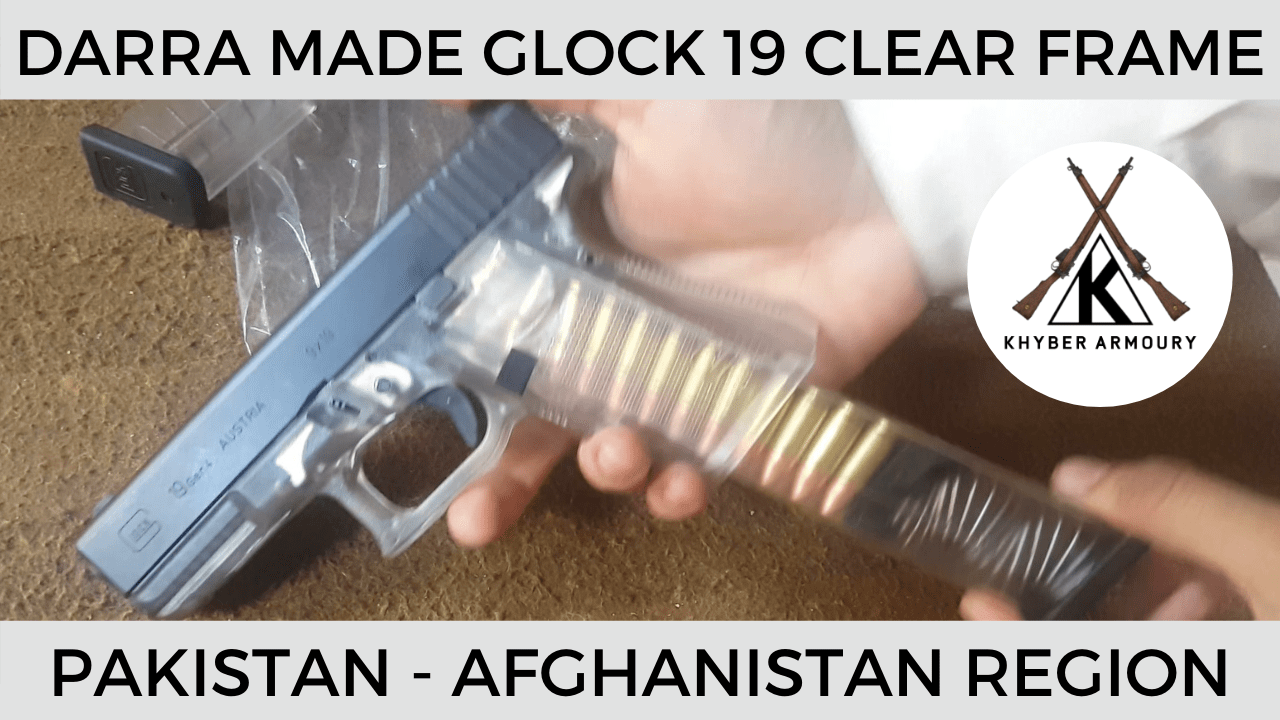
The Glock line of rugged and reliable polymer-framed, self-loading pistols have become a staple of the firearms market and community – military and law-enforcement alike – worldwide. Still, features pop up that can’t be attributed to Glock and this is true for these mystery clear-frame Glock pistols which have become available on the Pakistani market in recent years. Who makes these clear frame Glock copies though? Where did they come from? What is the purpose? Do they even work? All these questions and more have been asked by people the world over. To understand why and how these came to be, we must first look deeper.
Origins: Darra’s PPSh-41 Franken-Builds
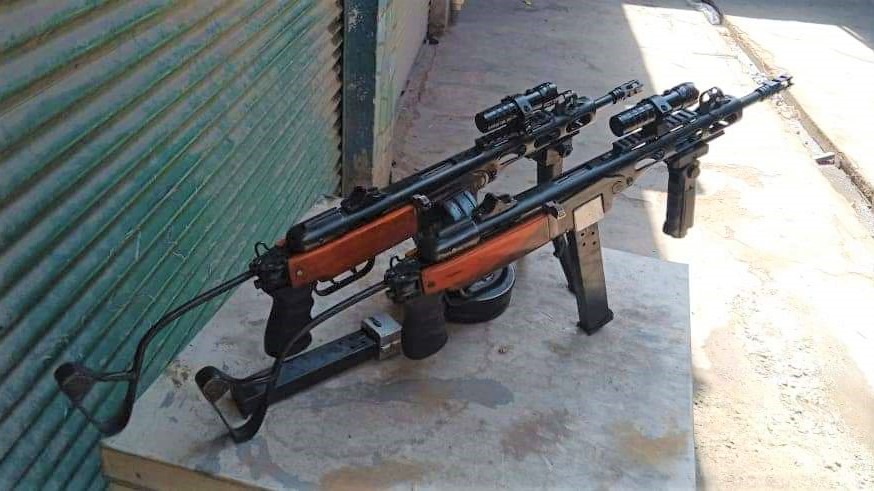
There have been a few images circulating on social media depicting several PPSh-41-patterned submachine guns modified with blasphemous ‘tacticool’ configurations. Locally, these submachine guns are called the ‘Papusha‘ and are chambered in the same 7.62×25mm pistol cartridge as the original guns. The 7.62×25mm round is locally known as .30 bore. Almost all of these images can be traced back to Pakistan, specifically Darra Adamkhel, where dealers have them displayed in their shopfronts and also on their social media pages.
The STEN Gun: Darra & Khyber-Pass Edition
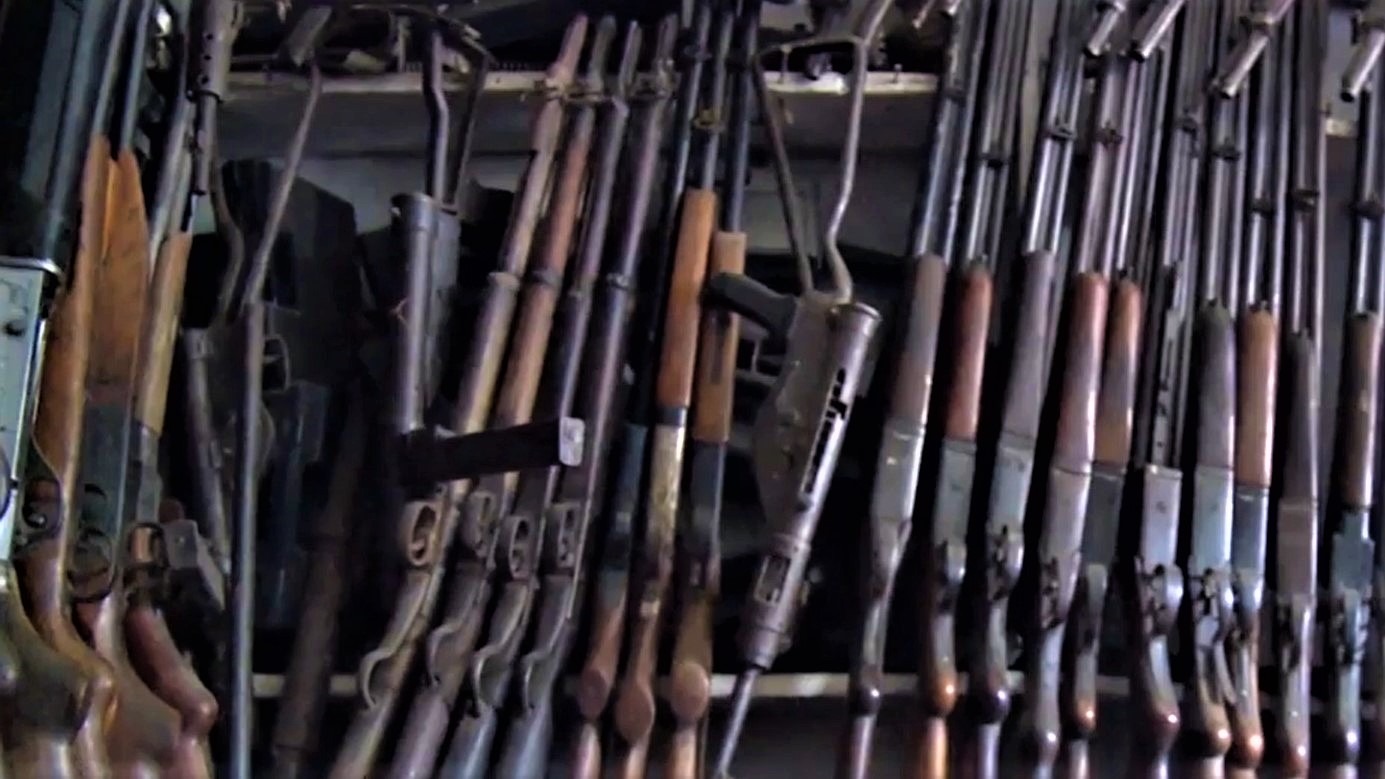
The British STEN 9×19mm submachine gun, is one of the iconic firearms of World War Two. The weapon’s name comes from the names of the weapon’s main designers: the ST from Major Reginald V. Shepherd and Harold Turpin, with the EN from the RSAF Enfield arms factory where it was developed. With over four million, of various patterns being made during World War Two, this was once a firearm which could be easily found. It was a cheap, simple and relatively reliable design, born of necessity rather than anything else. It was such a crude and rugged piece of kit that it was famously nicknamed the ‘Plumbers nightmare’ amongst others.
A Look Back in Time: Darra Adamkhel During The Soviet-Afghan War – 1983
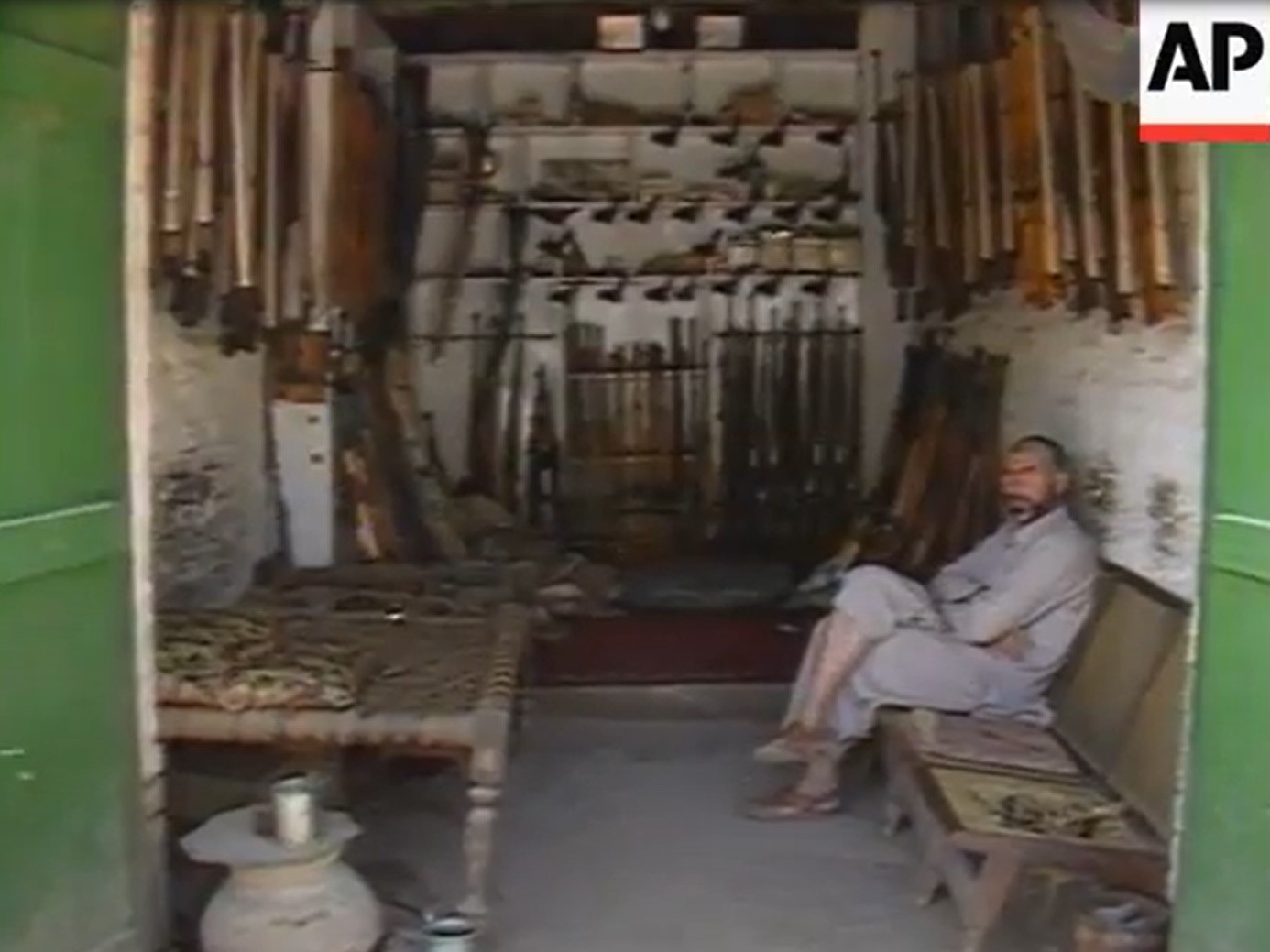
The focus of this article is a video which has been around for some time, yet seems to be somewhat obscure. So far, I have yet to see it shared amongst the firearm community interested in the Pak-Afghan region’s cottage manufacturing of small-arms. A total of 37 years, as of 2020, have elapsed since it was made and although the quality isn’t great, it is a glimpse into the distant past, a look at what process are still the same and what has changed since then.
Bren Light Machine Guns In The Pak-Afghan Region
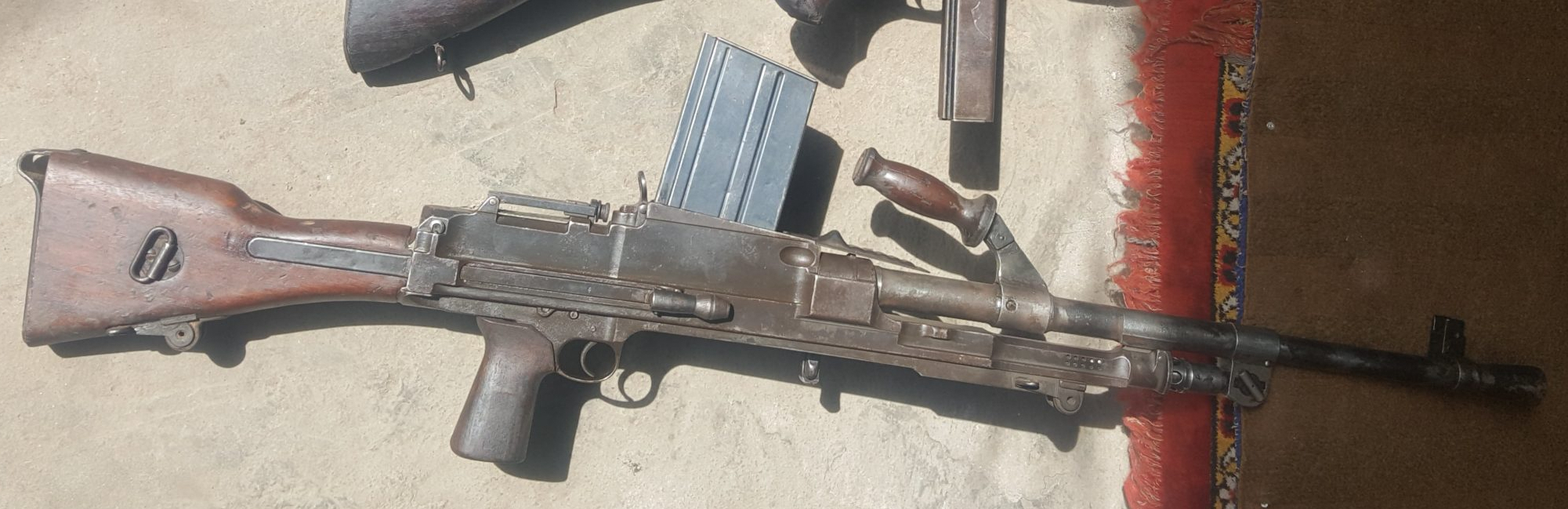
The Bren Light Machine Gun, most notable for its use during World War Two, with British and Commonwealth forces. It is an iconic piece of small arms history, its rugged and reliable design meant that it stayed in use for many years and in various calibres, from the late 1930s well up to the 1990s with the British military. It did see some limited use by other groups and militaries up until the mid-2000’s also. From our field work it now appears that there still a number of British Bren and Czech ZB vz.26-pattern guns in the Darra region.