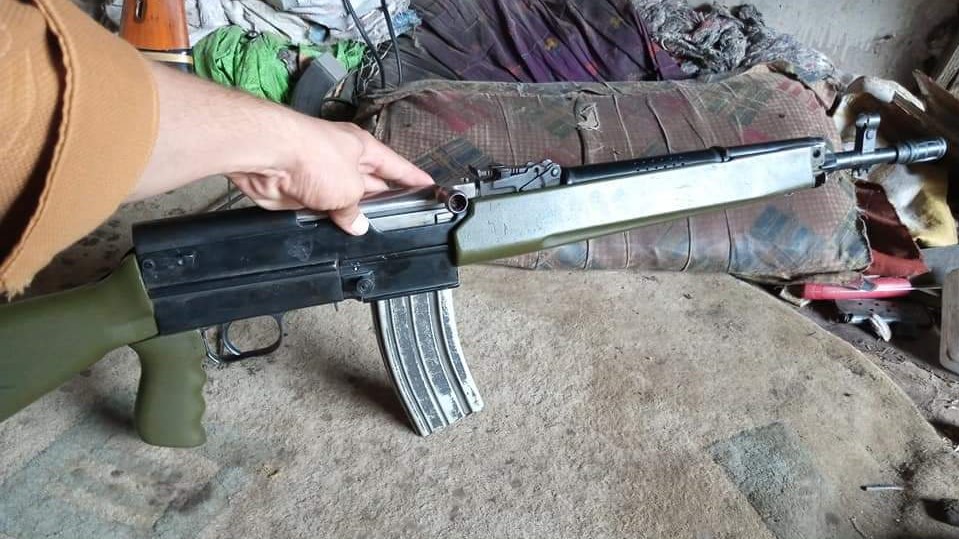
A friend of ours in the Pak-Afghan border regions within Pakistan recently shared a couple of photos with us showcasing a somewhat unique firearm. This was a highly modified SKS-pattern 7.62×39mm self-loading rifle, likely of Russian origin, and probably a left in the region after the Soviet-Afghan War. By now we should all be very familiar with the some of the wackier work coming out of the Khyber Pakhtunkhwa region and this was an interesting piece to see. It is highly unusual configuration to see an SKS-pattern rifle in and the work done to the weapon makes it quite unique.
KPK
Origins: The Khyber Pakhtunkhwa Clear Frame Glock Pistols
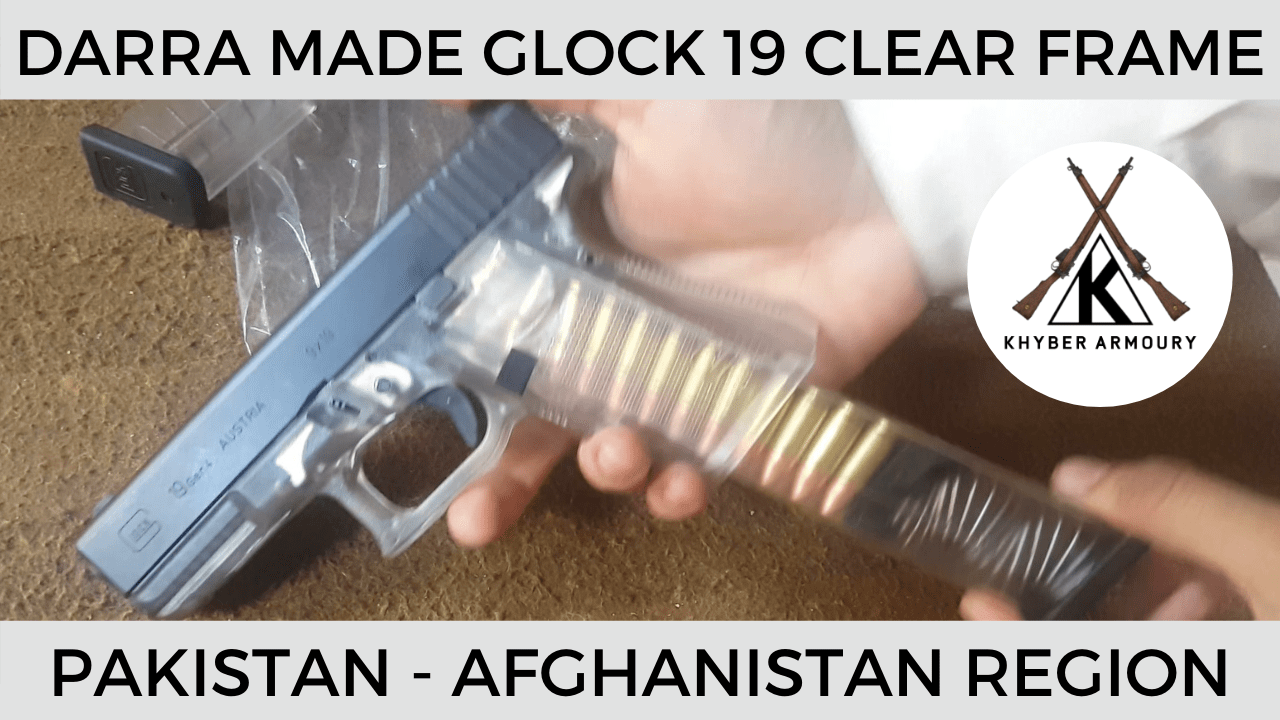
The Glock line of rugged and reliable polymer-framed, self-loading pistols have become a staple of the firearms market and community – military and law-enforcement alike – worldwide. Still, features pop up that can’t be attributed to Glock and this is true for these mystery clear-frame Glock pistols which have become available on the Pakistani market in recent years. Who makes these clear frame Glock copies though? Where did they come from? What is the purpose? Do they even work? All these questions and more have been asked by people the world over. To understand why and how these came to be, we must first look deeper.
Origins: Darra’s PPSh-41 Franken-Builds
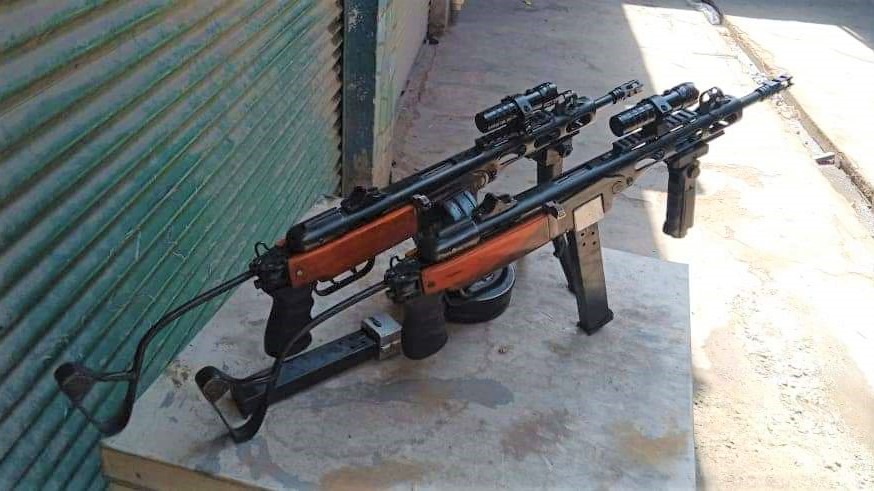
There have been a few images circulating on social media depicting several PPSh-41-patterned submachine guns modified with blasphemous ‘tacticool’ configurations. Locally, these submachine guns are called the ‘Papusha‘ and are chambered in the same 7.62×25mm pistol cartridge as the original guns. The 7.62×25mm round is locally known as .30 bore. Almost all of these images can be traced back to Pakistan, specifically Darra Adamkhel, where dealers have them displayed in their shopfronts and also on their social media pages.
Colloquial Cartridge Nomenclature in Afghanistan and Pakistan
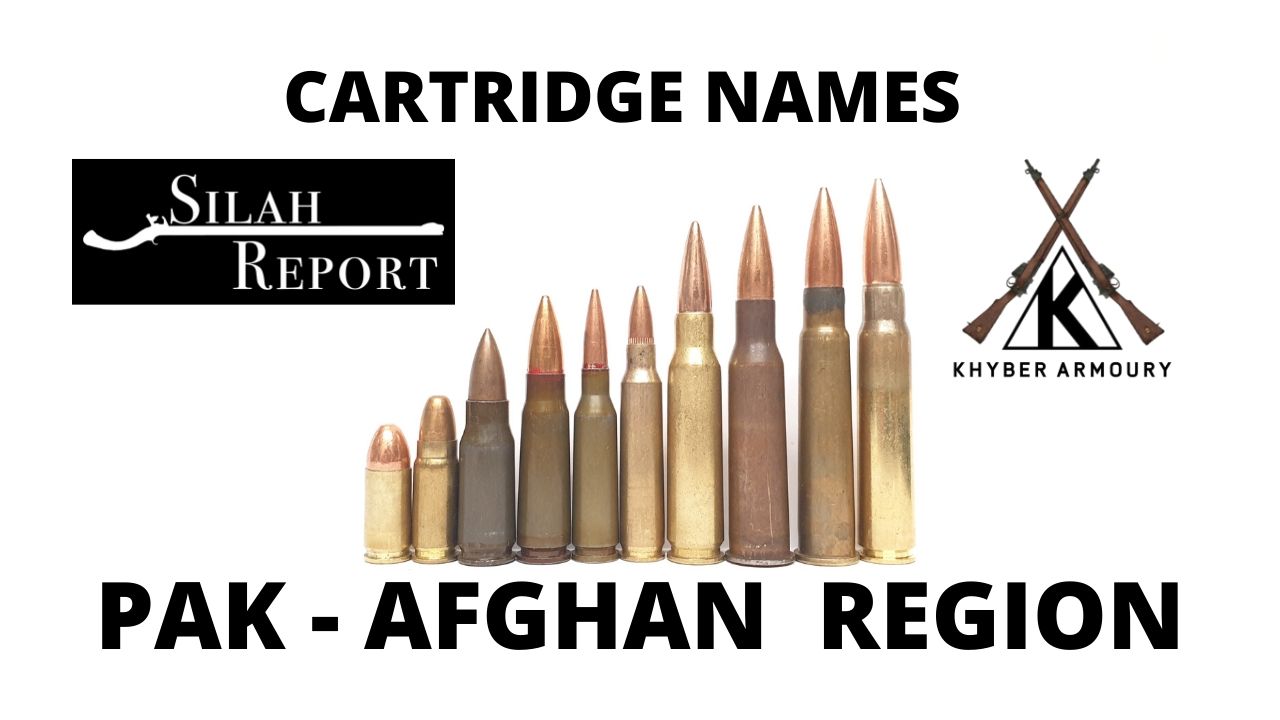
A cartridge or Bore / Goli as they are most commonly referred to as within Pakistan and/or Afghanistan, have held various names in the expansive Pak-Afghan region for decades. The most widespread and in current use is known to some; however, their etymology or source is unbeknownst to most. There are some names used which can be attributed to both a firearm and a cartridge, this can also be found to refer to multiple different types depending on a region. It is also important to note and understand that the sound, ‘V’, is mainly heard to be said as ‘PH’ with a pronounced H, because the ‘V‘ sound is not present in Pashto. Some speakers do pronounce the V as such, however, it is not common to hear it so. Let us cover the cartridges used, up to 12.7mm.
A Look Back in Time: Darra Adamkhel During The Soviet-Afghan War – 1983
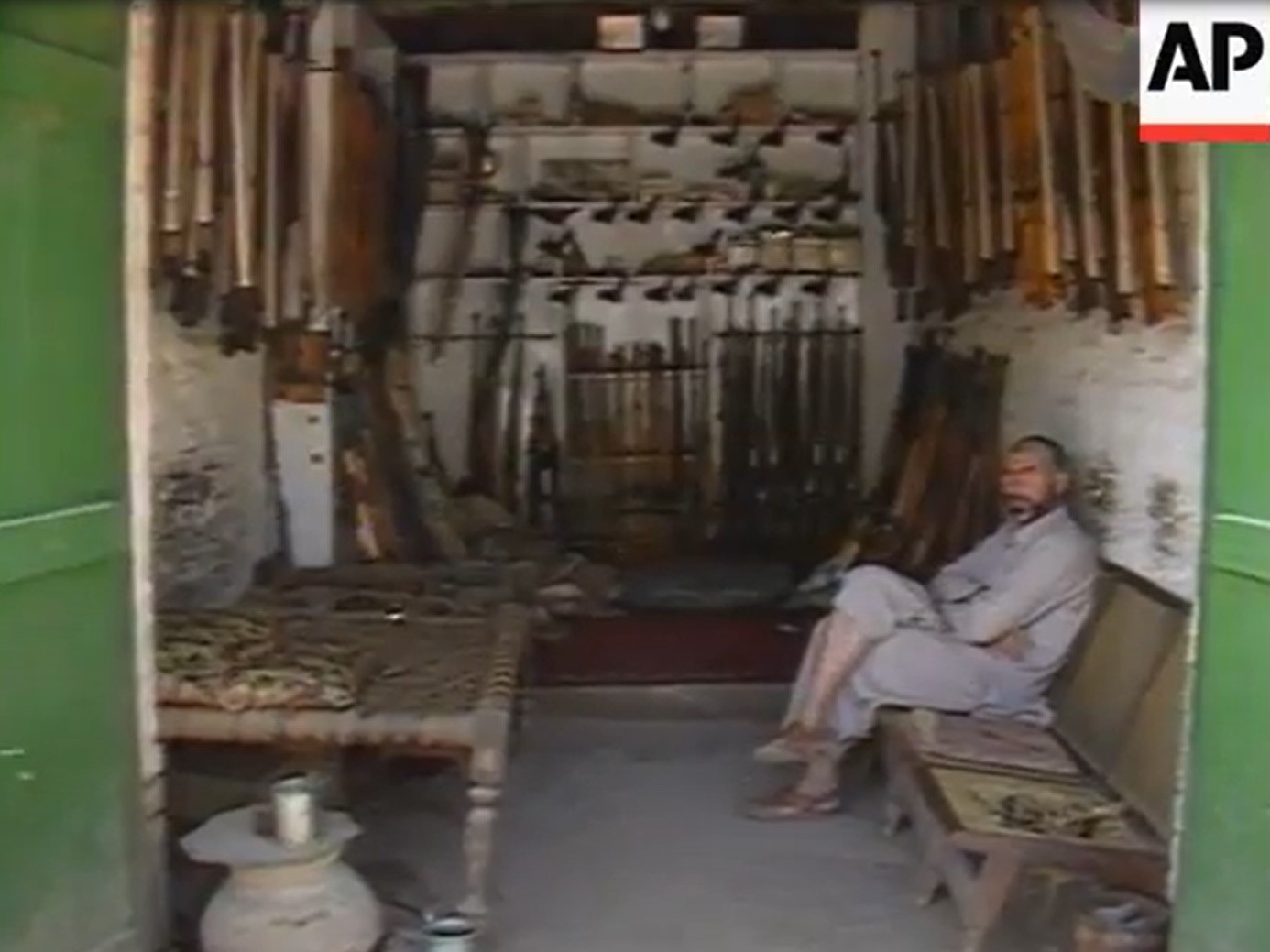
The focus of this article is a video which has been around for some time, yet seems to be somewhat obscure. So far, I have yet to see it shared amongst the firearm community interested in the Pak-Afghan region’s cottage manufacturing of small-arms. A total of 37 years, as of 2020, have elapsed since it was made and although the quality isn’t great, it is a glimpse into the distant past, a look at what process are still the same and what has changed since then.
Pak-Afghan Finds: A Smith & Wesson Model 659 or Something Else?
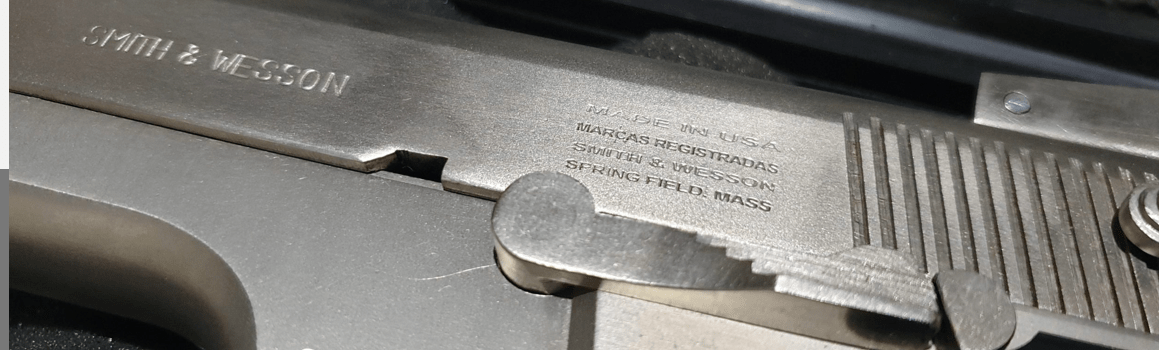
The Smith & Wesson 59/659 series pistols are not among the most common to find outside of the US. They are a reliable and dependable self-loading 9×19mm all-metal pistols which, despite being obscure, are definitely the factors that have led to a Pakistani firearms manufacturing company to make a copy of one variation.
The Afghan Mujahideen’s ‘Poison-Bullet’ – Then and Now
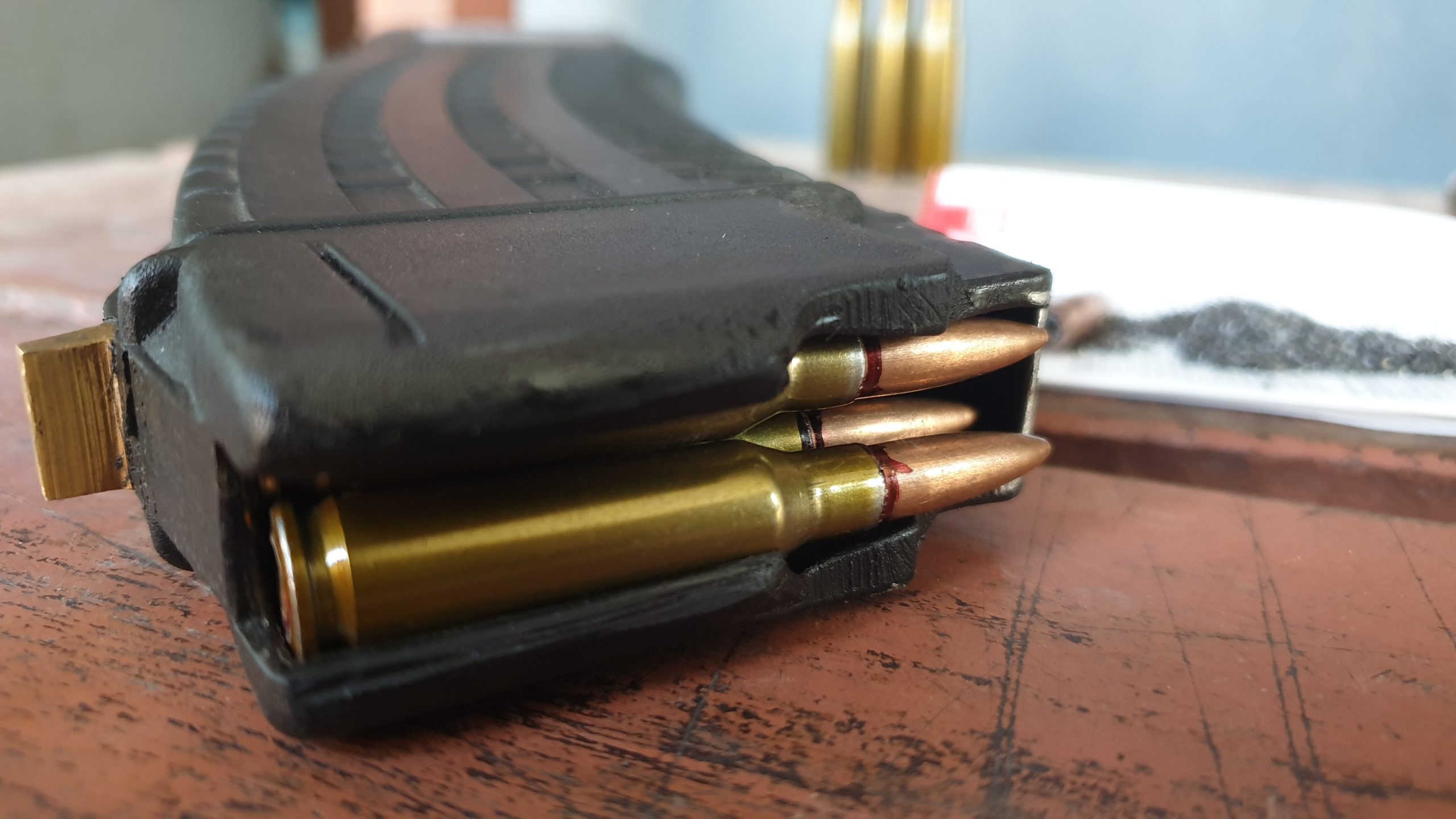
The 5.45×39mm intermediate round is of course not new, it has been around since the early 70’s when it was developed in Russia for the new AK project, later called the AK-74. This potent round was nicknamed the poison-bullet by Mujahideen in Afghanistan, during the Soviet-Afghan conflict of 1979-1989, due to its tremendous wounding effects on its target. Since then, the round has only gained in popularity within the Pak-Afghan region whilst other areas of the former Soviet-Union have moved away to different cartridges such as the NATO standard 5.56×45mm. The venerable 5.45 round is still in use by a small number of militaries, most notably the Russians.
Silah Report Podcast V14: Pakistani Glocks, Improvised 44 Bore ammunition, Old Rifles in Afrin
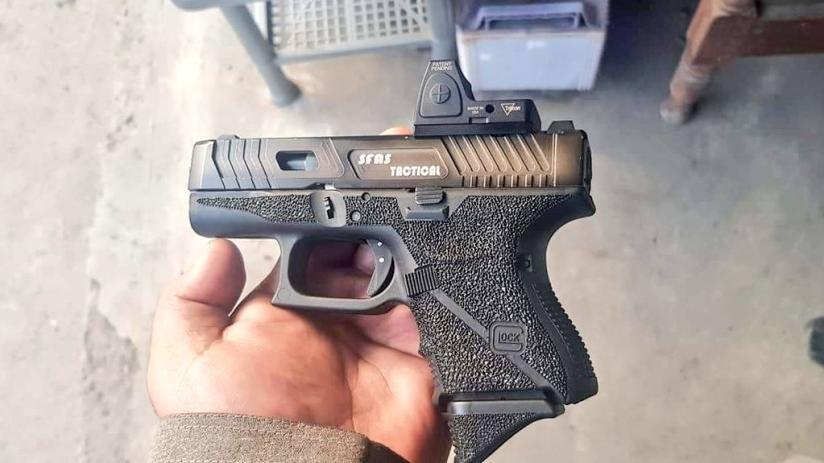
What would Glock copies be if there weren’t a KPK-region version? And are these even considered fake or real in the larger Pakistani context? In this episode, Kyber Armoury, Adham, Daniel, Mr. Jenzen-Jones, and Analyst Mick present and take a look at all these topics. We also take questions from Patreon members about such things as radio usage in Syria.
The Last Gunsmiths of The Khyber Pass
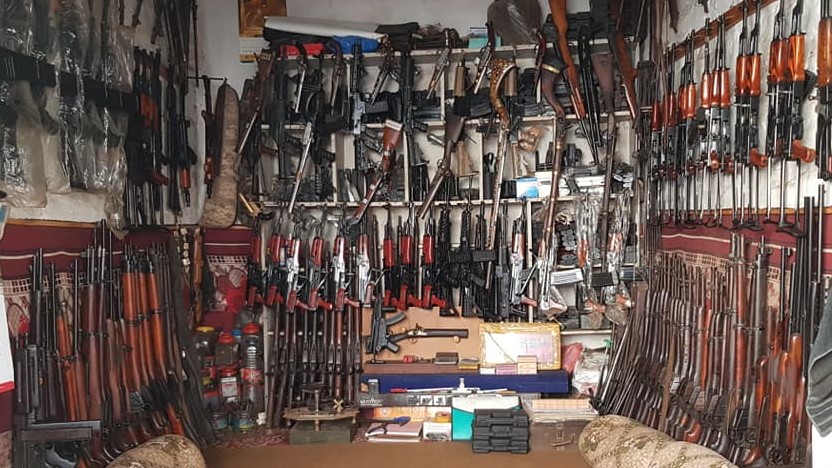
Fog clings to a never-ending row of low-rise buildings down the length of a dusty road, it’s early, around eight o’clock on a cool April morning. The fog clears and voices breakthrough and you see the first glimpses of the large bazaar, sounds of shutters slamming open, doors being unlocked and people greeting each other as their day starts. The occasional chatter of gunfire can be heard as firearms are test fired nearby.
Darra Adam Khel. This bustling town is situated in modern-day Pakistan, a stone’s throw from the Pak-Afghan border. What makes it so special? You may ask and the answer lies within the myriad of myths and legends put out over the years.
The AK Milled Faux-Stamped Receiver Types of Darra & The Khyber Pass
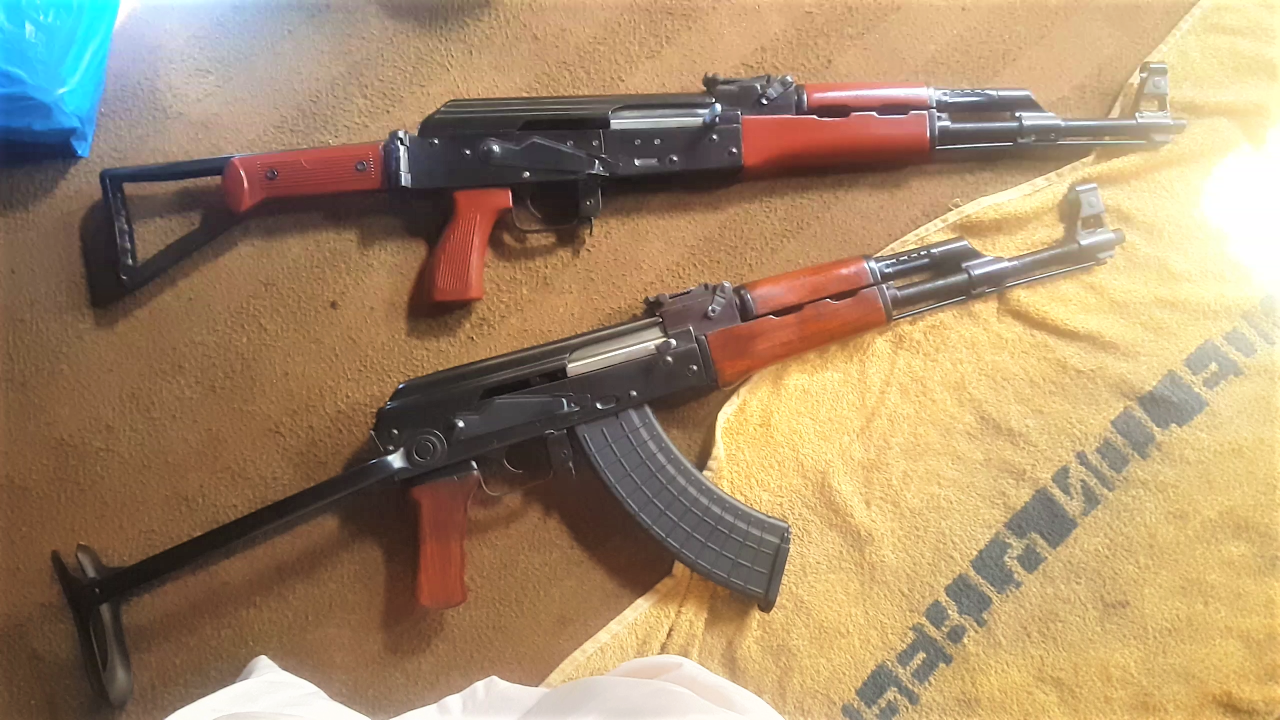
An often-misunderstood topic in regards to Darra-E / ‘Khyber’ AK’s, is the type or variation of receivers that are produced in the Pak-Afghan, FATA, tribal region. Particularly noted are a variation of milled receiver that are machined and fashioned in such a sense, they imitate a standard stamped receiver so well that at a glance you would not be able tell if it was a genuine stamped receiver or not.