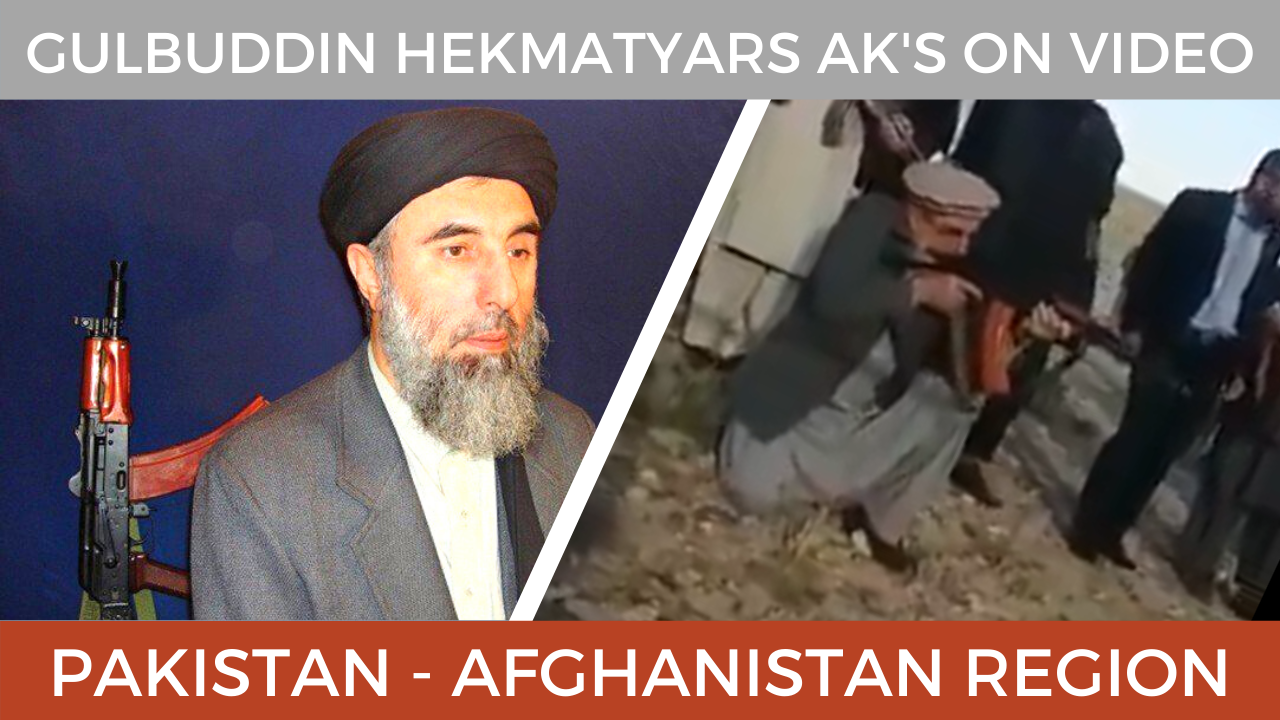
Recently, a colleague from Afghan Eye, an independent media organisation covering Afghanistan, shared with us a video uploaded by a Twitter user which purportedly showed an Afghan elder of some renown handling and firing an AK-pattern rifle. The man in question was Gulbuddin Hekmatyar.
Khyber
The Khyber Diaries: A Pistol Component Shop
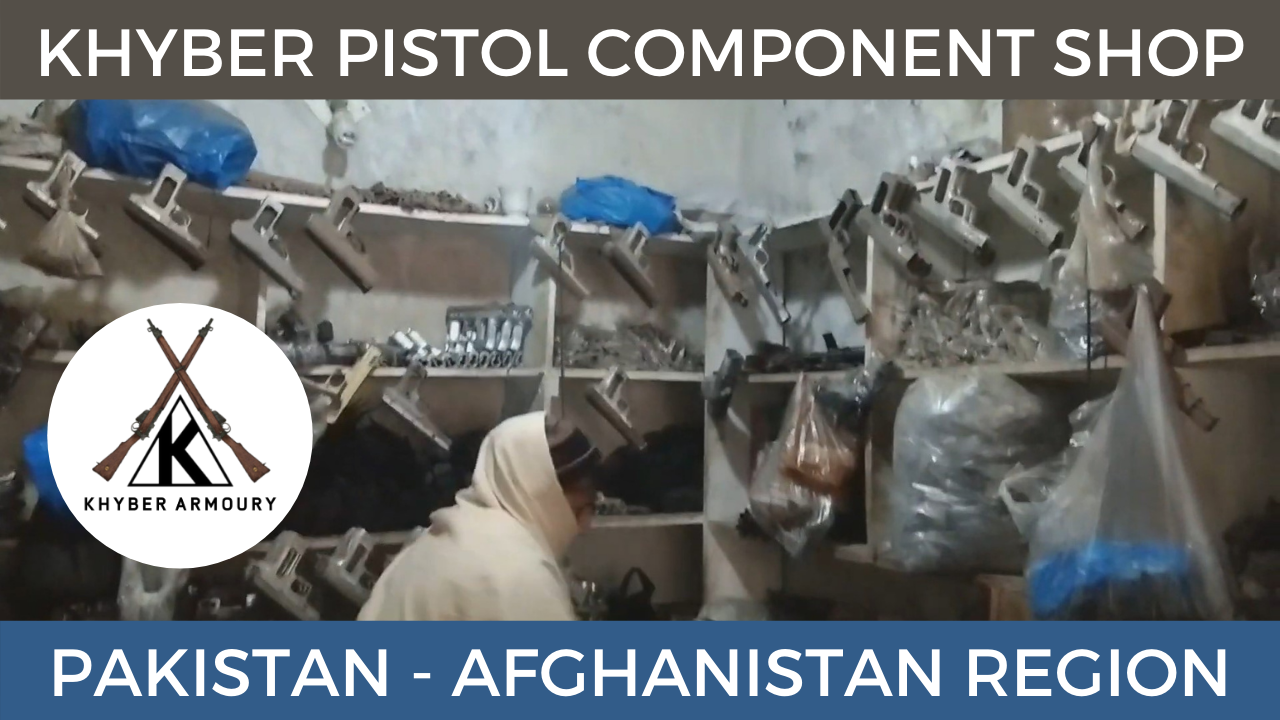
An often-misunderstood subject is how Khyber gunsmiths make their extensive selection of arms in the modern day. A major myth propagated by misinformed persons is the belief that gunsmiths of the Khyber region fabricate the parts for their firearms from scratch, by hand. The truth is, we aren’t living in the early to mid-1900s anymore and these smiths have no need to make these by hand – for the most part and haven’t done so for a few decades now.
AR15 Rifles from Khyber Pakhtunkhwa-Based Royal Arms Company
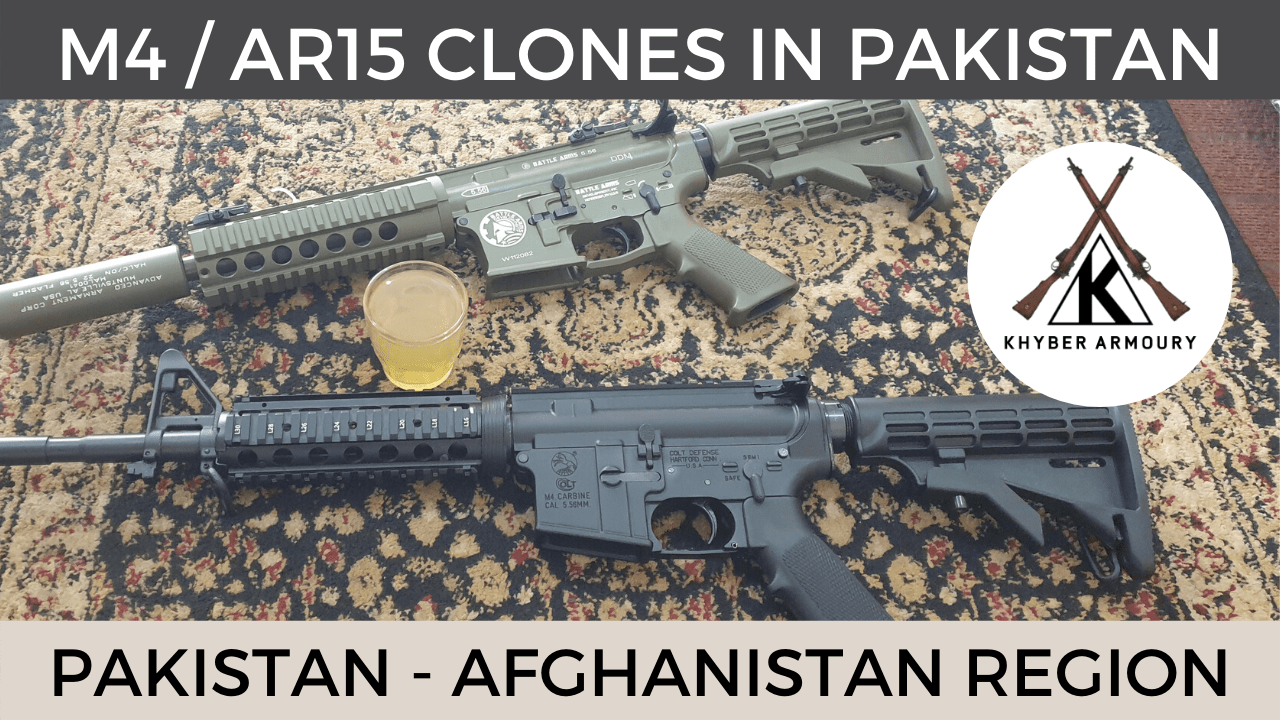
The AR15 or ‘M16’ & ‘M4’ pattern self-loading rifles are a very popular choice in many commercial and military markets the world over, Pakistan is no exception. Some Pakistani law-enforcement and military units utilise varying models of this platform already and a large prevalence of M4 and M16 5.56×45mm rifles of various types and manufacturers have been creeping onto the market slowly in the last few decades or so, none more so than the Colt or FN marked M4A1 and M16A2/A4 rifles seeping through from Afghanistan in the last decade. There is such a high demand for these particular firearms and a low supply and high price for genuine examples that various manufacturers stepped up-to-the plate and have started to manufacture their own copies within the ex-FATA and Khyber Pakhtunkhwa region, mainly in Peshawar’s small-arms manufacturing zones but also within the infamous arms manufacturing town of Darra Adamkhel.
Colloquial Cartridge Nomenclature in Afghanistan and Pakistan
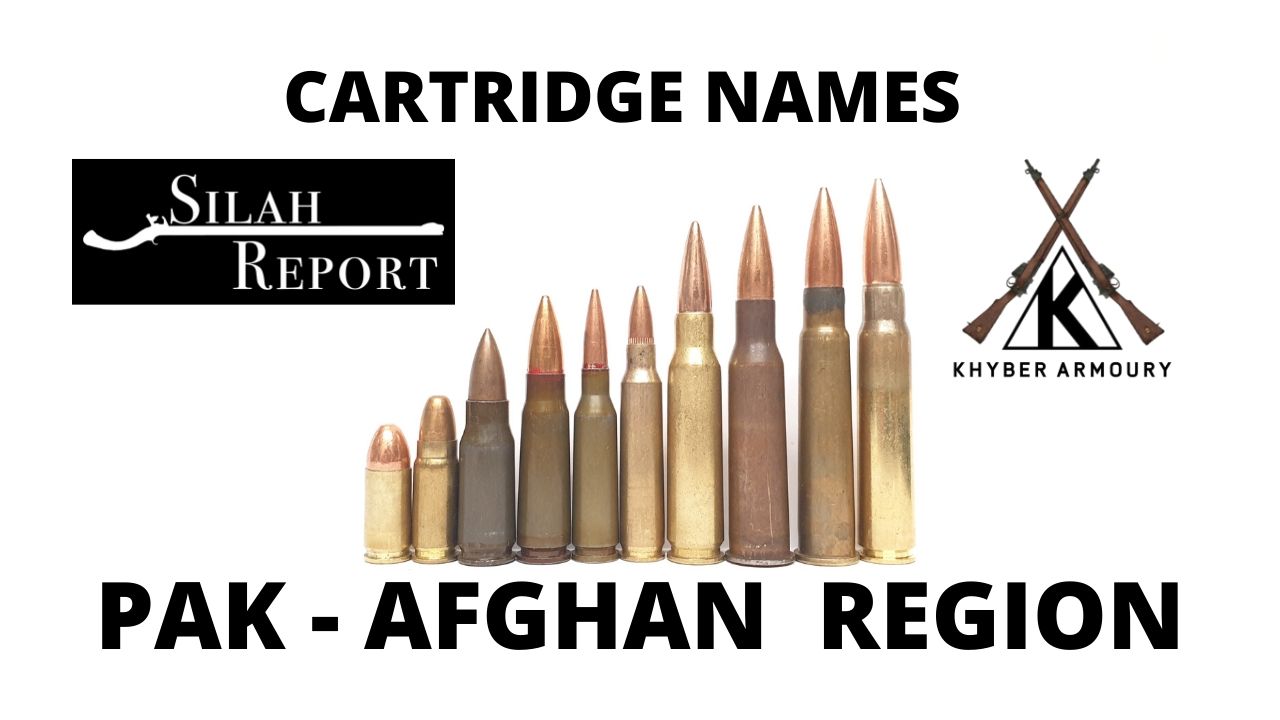
A cartridge or Bore / Goli as they are most commonly referred to as within Pakistan and/or Afghanistan, have held various names in the expansive Pak-Afghan region for decades. The most widespread and in current use is known to some; however, their etymology or source is unbeknownst to most. There are some names used which can be attributed to both a firearm and a cartridge, this can also be found to refer to multiple different types depending on a region. It is also important to note and understand that the sound, ‘V’, is mainly heard to be said as ‘PH’ with a pronounced H, because the ‘V‘ sound is not present in Pashto. Some speakers do pronounce the V as such, however, it is not common to hear it so. Let us cover the cartridges used, up to 12.7mm.
The STEN Gun: Darra & Khyber-Pass Edition
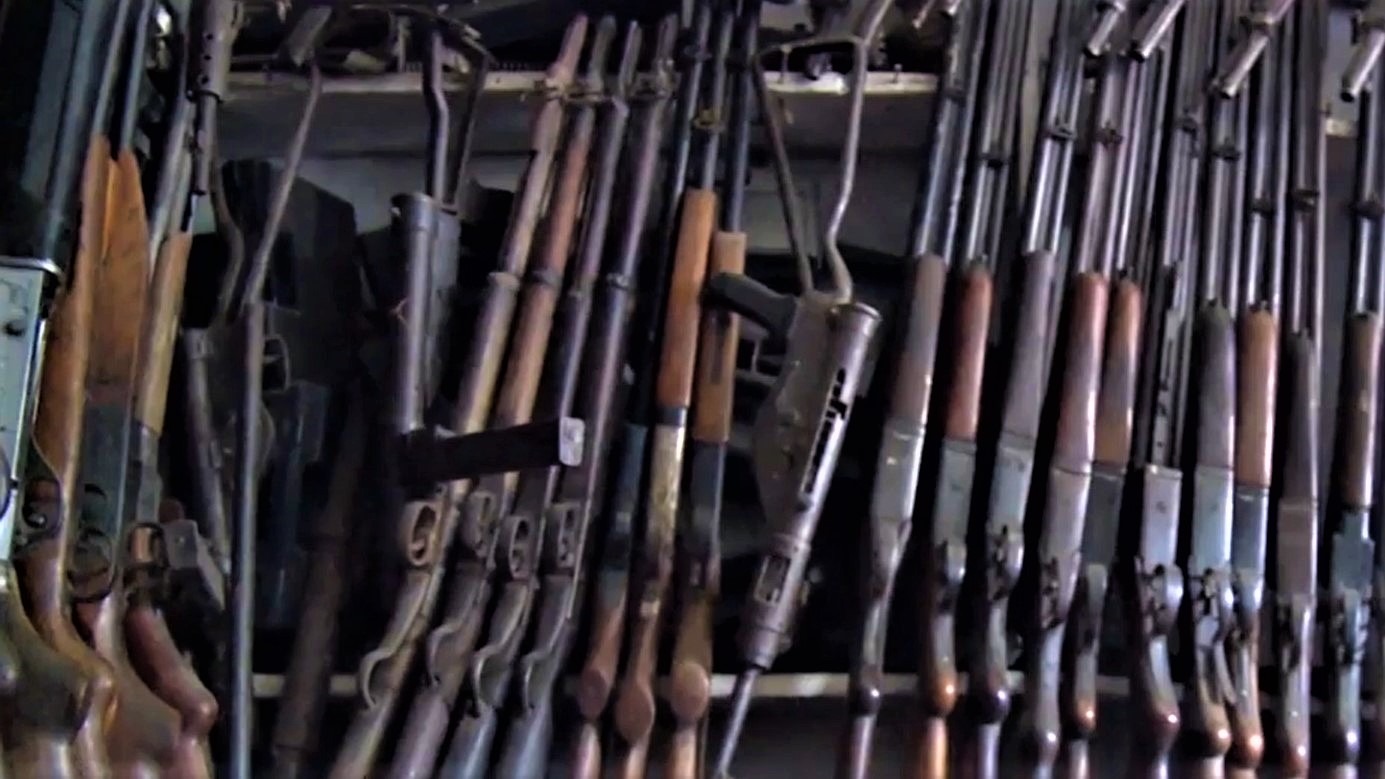
The British STEN 9×19mm submachine gun, is one of the iconic firearms of World War Two. The weapon’s name comes from the names of the weapon’s main designers: the ST from Major Reginald V. Shepherd and Harold Turpin, with the EN from the RSAF Enfield arms factory where it was developed. With over four million, of various patterns being made during World War Two, this was once a firearm which could be easily found. It was a cheap, simple and relatively reliable design, born of necessity rather than anything else. It was such a crude and rugged piece of kit that it was famously nicknamed the ‘Plumbers nightmare’ amongst others.
A Look Back in Time: Darra Adamkhel During The Soviet-Afghan War – 1983
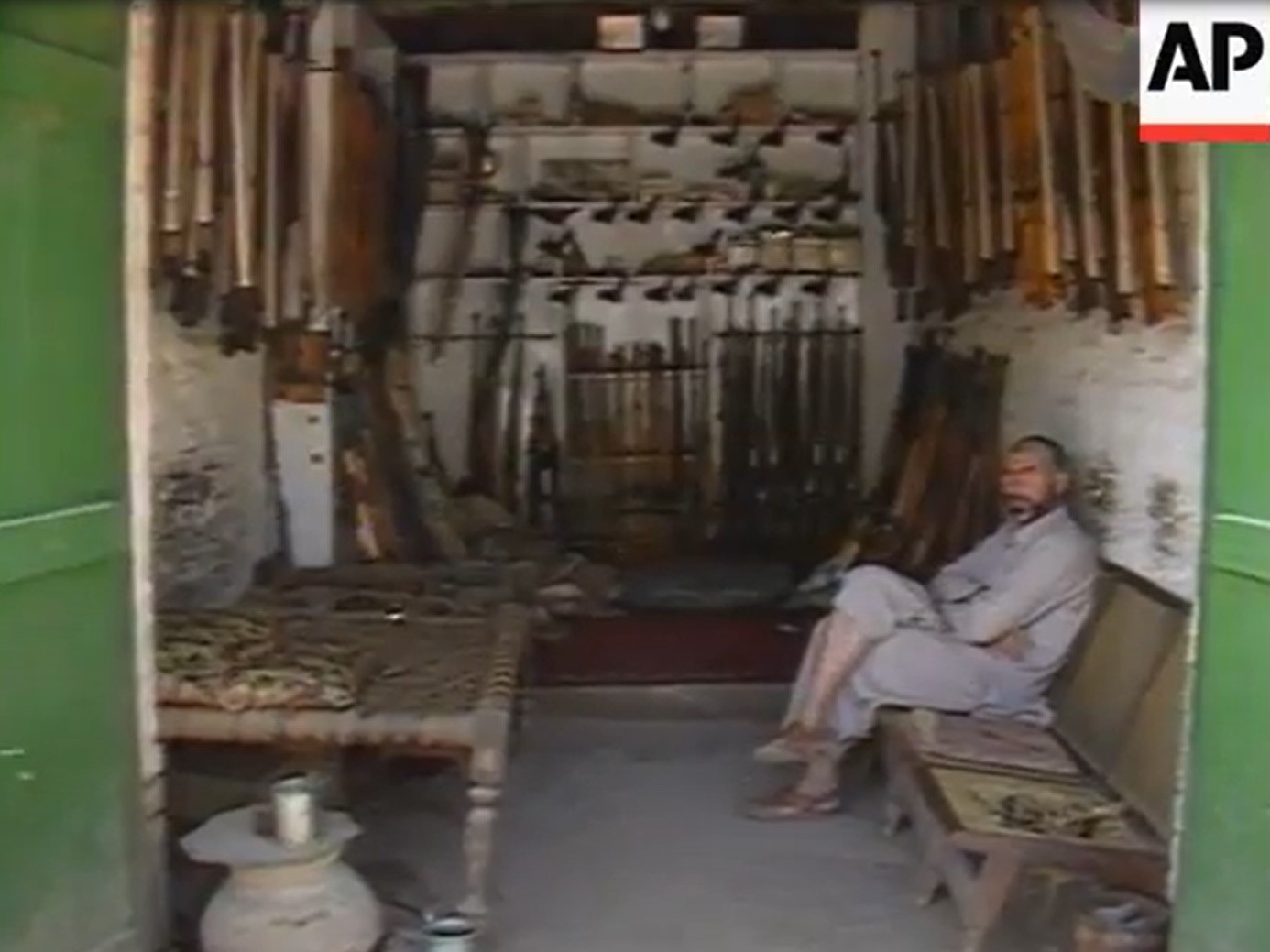
The focus of this article is a video which has been around for some time, yet seems to be somewhat obscure. So far, I have yet to see it shared amongst the firearm community interested in the Pak-Afghan region’s cottage manufacturing of small-arms. A total of 37 years, as of 2020, have elapsed since it was made and although the quality isn’t great, it is a glimpse into the distant past, a look at what process are still the same and what has changed since then.
Bren Light Machine Guns In The Pak-Afghan Region
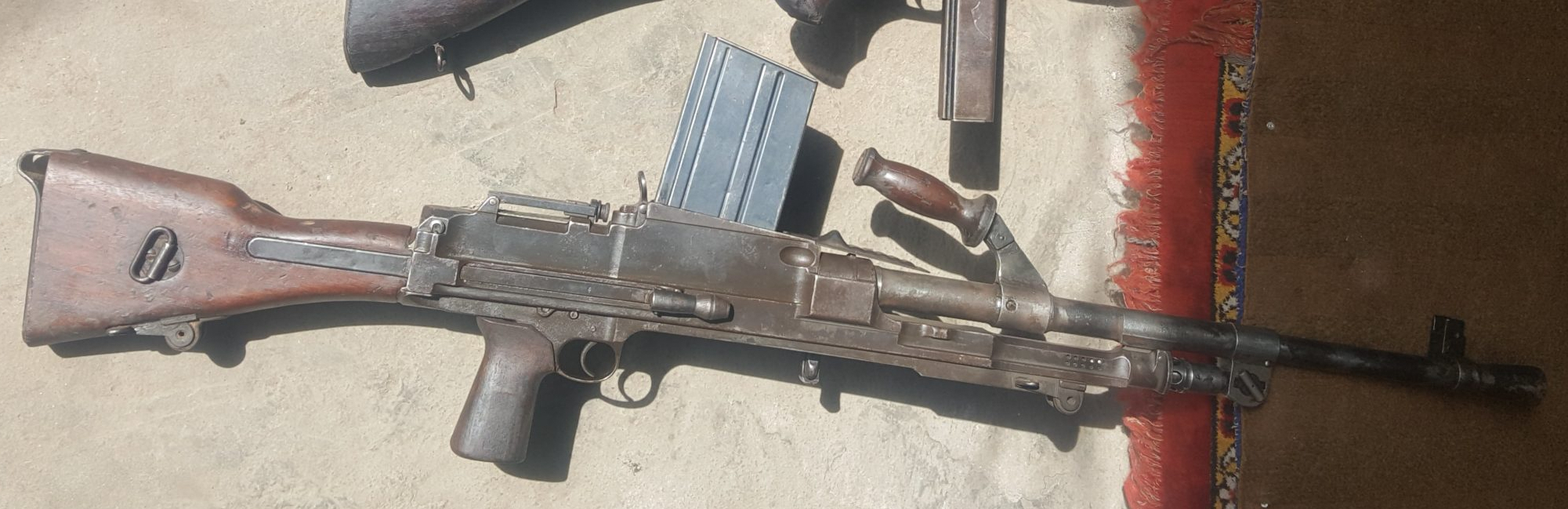
The Bren Light Machine Gun, most notable for its use during World War Two, with British and Commonwealth forces. It is an iconic piece of small arms history, its rugged and reliable design meant that it stayed in use for many years and in various calibres, from the late 1930s well up to the 1990s with the British military. It did see some limited use by other groups and militaries up until the mid-2000’s also. From our field work it now appears that there still a number of British Bren and Czech ZB vz.26-pattern guns in the Darra region.