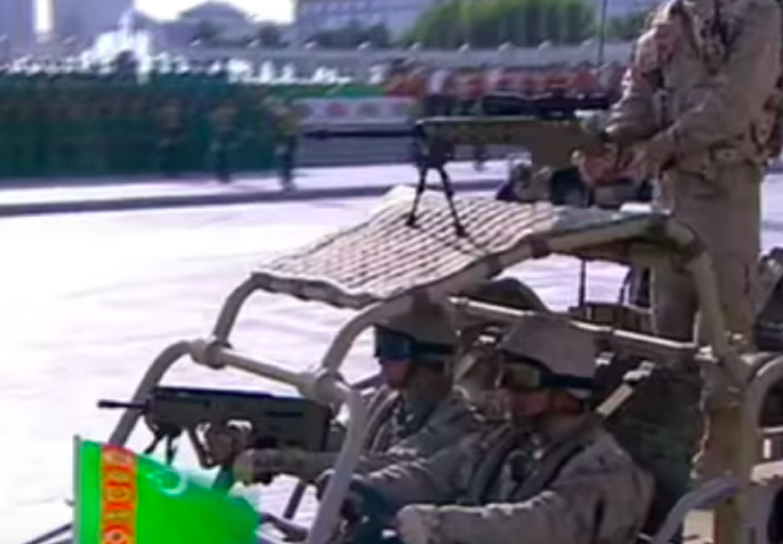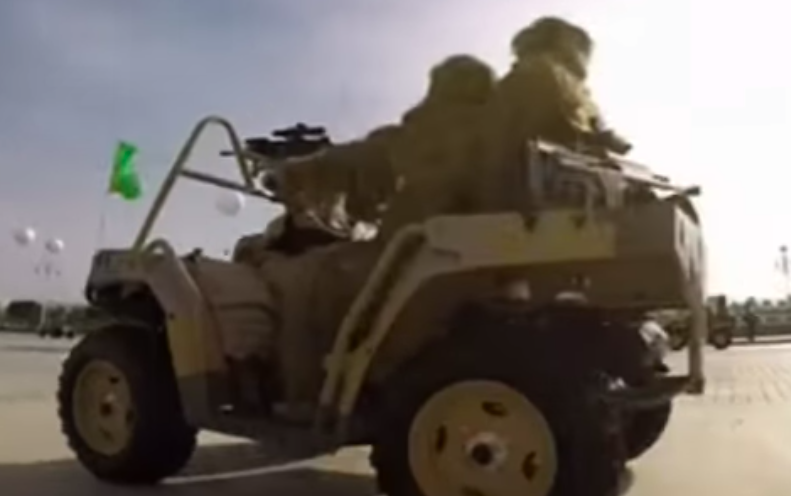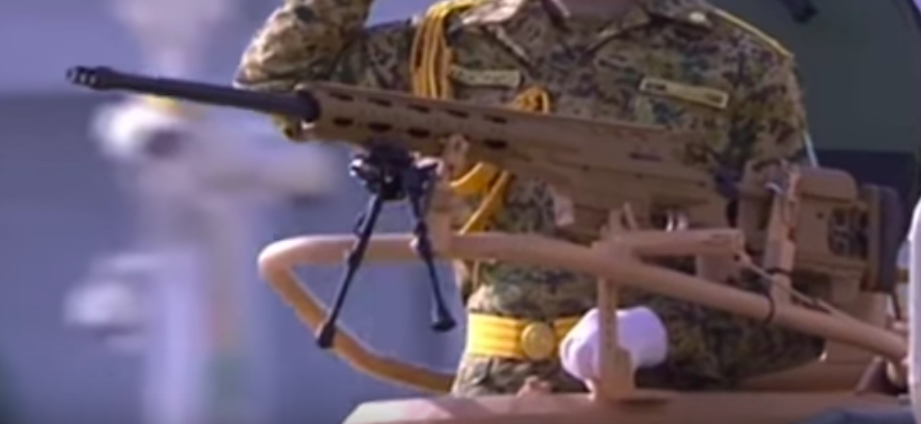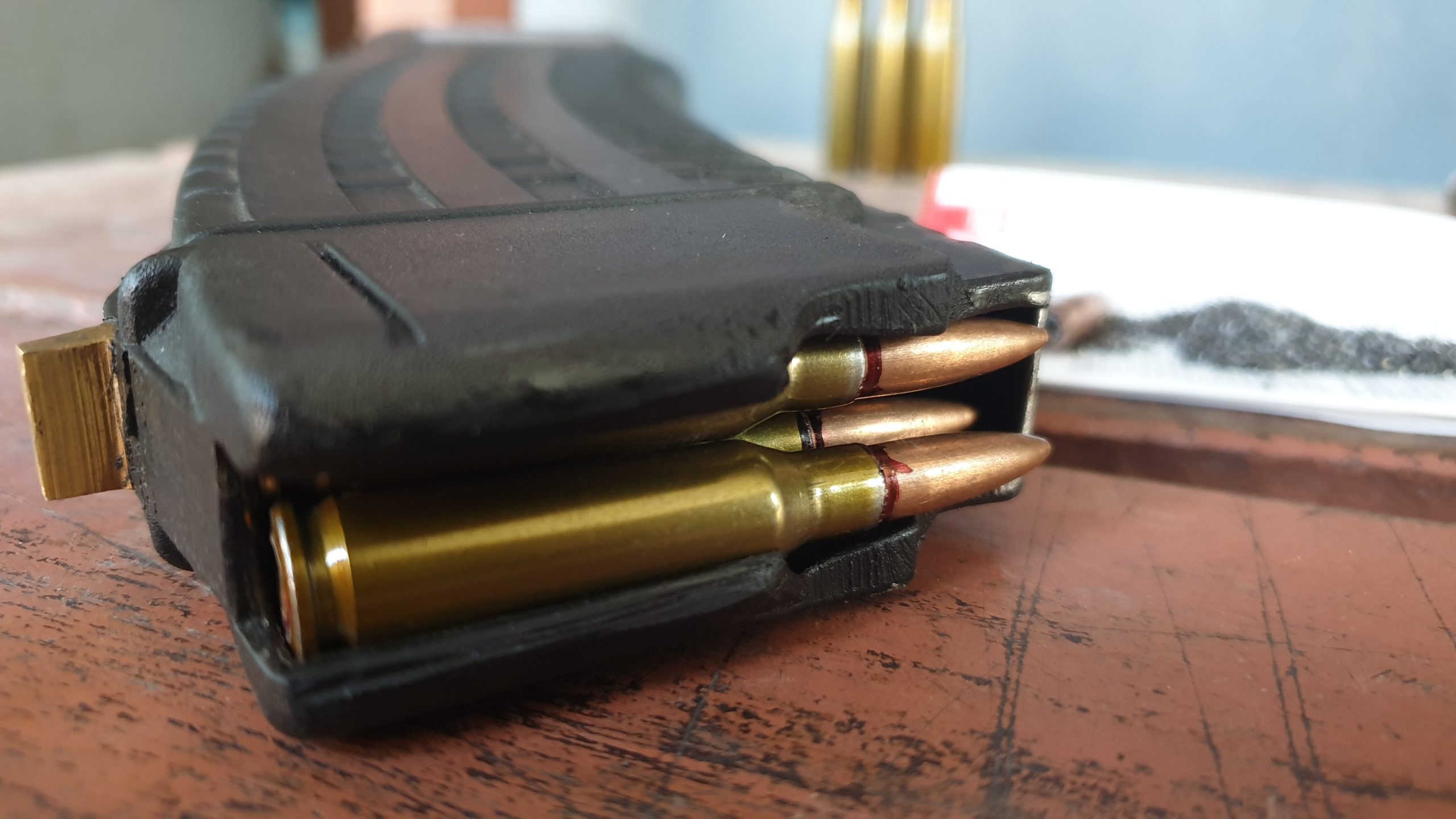
The 5.45×39mm intermediate round is of course not new, it has been around since the early 70’s when it was developed in Russia for the new AK project, later called the AK-74. This potent round was nicknamed the poison-bullet by Mujahideen in Afghanistan, during the Soviet-Afghan conflict of 1979-1989, due to its tremendous wounding effects on its target. Since then, the round has only gained in popularity within the Pak-Afghan region whilst other areas of the former Soviet-Union have moved away to different cartridges such as the NATO standard 5.56×45mm. The venerable 5.45 round is still in use by a small number of militaries, most notably the Russians.
Central Asia
The Voice of the Gun in Central Asia
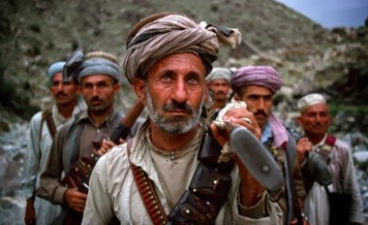
This guest post was written by Marcello Fantoni, an avid reader and supporter of Silah Report.
“The question is not about the weapon, but the spirit in which you use it.”(1)
For those raised within the dichotomous paradigm of Westphalian war and peace, war is the end of sociability, the exhaustion of every social recourse. Likewise, when that war is over, and sociability is said to return the memories of fracture become encased in temporal and Cartesian distinctions, the material culture of conflict sequestered to the appropriate sterile cases in the vaults of armouries and museums. Yet, conflict is inherently and inescapably sociological (2). It is the birth of a new form of sociability, on the level of both the individual and the collective, and this is a relationship in which the material culture of conflict retains an agency beyond the moment of fighting itself. It is not a relic but becomes the assurance against repeat and symbolic of the new addition to the cultural history and citrisis of a society. We have seen time, and again that material culture is good for thinking, feeling and expression, even eating and drinking (3), but we must, however, remember that it is also for fighting.
Conflict and the conceptualising, organisation and negotiation of it are shaped by the society which engages in it, and the community itself in is turn influenced by it. Conflict and its material culture become inexorable parts of the society’s post-conflict identity, having a fundamental impact on the ordering of the post-conflict reality (4). In this change, the material culture which provided the means to act for the individual attains a symbolic position. It may bestow both a new social life and physical death. Through the analysis of how specific weapons have come to be identified with cultures and the role of conflict in that culture, we shall see that those weapons are far more than the nefarious amalgamations of elements, but intrinsic parts in the development, manipulation and organisation of a society from both the emic and etic perspective. The thick sociological (5) description of the tools which both create and destroy sociability. The voice of the gun.

In Central Asia and the Caucuses, firearms have become ingrained in the identity of societies, for many as a response to the years of oppression under successive regimes, but also as part of customary law and social differentiation. But, the adoption of these weapons also reflects the rebirth of an often constructed martial tradition and ideology which often idealises of a fictive golden historical age as a central rallying point for future conflicts. Military traditions are written deep into their histories, and those histories are contained in the weapons which come to symbolise them. In Chechnya and Dagestan, the APS Stechkin machine-pistol has replaced the Shalt Kama traditional dagger and is illustrative of the independence movements of the 1990s and early 2000s as a high-status prestige item linked to the presidential guard of Dudayev and Maskhadov. But, its concealability also reflects the banditry which was born of those same conflicts. For the ethnocultural group of the Cossacks, the traditional Nagaika whip now serves side by side the AK-74M as their identity as an irregular military force is becoming ever more tied to their exploitation as the Russian State’s ready supply of disposable mercenaries and the new Tsar’s enforcers (6). For the cultures of the Northwest Frontier, the AK-74SU and Glock pistols as prestige pieces have usurped the venerable Enfields and Jezails, reflecting both the recent history of the region since 1979 and the preferences of FATA’s ever more discerning customers. Yet, constants remain, the Kukri of the Gurkha and the Kirpan of the Sikhs. Though, for both the colonial manipulation of the, as a “martial race” was born of their use of the 1856 Enfield rifle, which set them apart from the bulk of the British Indian Army who revolted in 1857 over the rumour that the bullets were lubricated with the fat of pigs and cows. Abhorrent to Muslims and high-caste Hindus, but not to the Gurkha and Sikhs.
Through the analysis of the social function and conceptualisation of weapons and those who use them within Central Asian and Caucasian societies, we shall see how they have become inexorably linked to both the past and present of a culture and how it is viewed internally and externally.
Marcello Fantoni can be reached at Marcello.p.a.fantoni@gmail.com
Sources
______________________
(1) Thoreau, H. D. 1860. The Echos of Harper’s Ferry.
(2) Richards, P. 2005 (ed) No Peace, No War: An Anthropology of Contemporary Armed Conflicts. Oxford: James Currey.
(3) Douglas, M. and Isherwood, M. 1979. ‘the world of goods’. London: Allen Lane.
(4) Hallpike, C. R. 1973 Functionalist interpretations of primitive warfare, Man (n.s.) 8/3, 451-70
(5) Geertz, C. 1973. ‘The interpretation of cultures’. New York: Basic Books.
(6) RFE/RL. 2018. Cossack Fighter Laments Russian ‘Utilization’ Of Mercenaries In Syria. https://www.rferl.org/a/syria-Russian-mercenaries-cossack-shabayev–interview/29056934.html. Retrieved 03/05/18.
Suggested Readings.
• Jersild, A. 2002. Orientalism and empire, North Caucasus Mountain Peoples and the Georgian Frontier, 1845-1917. McGill-Queen’s University Press.
• Bourgois, P & Scheper-Hughes, N (2004) ‘Introduction: Making Sense of Violence.’ In Scheper-Hughes, N & Bourgois, P (eds) Violence in War and Peace: An Anthology. (Oxford, Blackwell, 2004)
• Lee. E. W. 20110. Warfare and culture in world history. New York University Press.
Muzzle Brake Designed by Diyar Gilmanov (Kazakhstan)
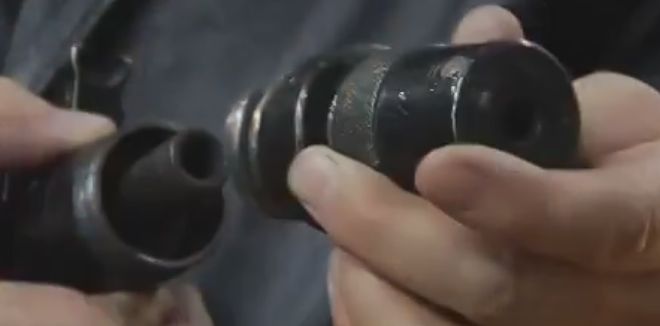
While doing research for another article, I came across an invention of a Kazakh arms designer named Diyar Gilmanov. This gentleman has designed a muzzle device which has quite an interesting construction.
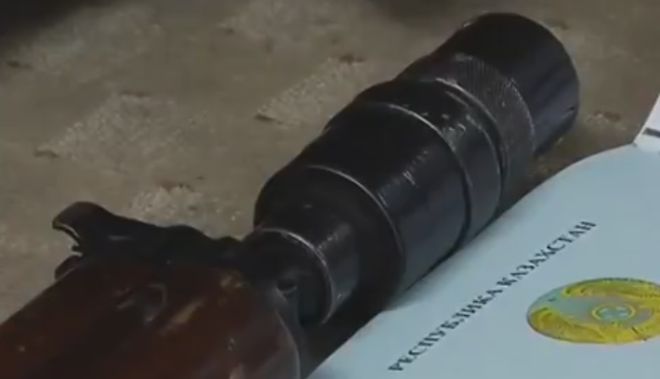
Gilmanov’s muzzle brake has a telescoping design. It consists of an inner part that is mounted onto the muzzle of the weapon and a spring-loaded mobile part. Upon firing the weapon, gasses escaping the muzzle enter the two expansion chambers (4 and 5 in the drawings) and force the spring loaded part to move forward. The spring then extends and returns the mobile assembly back to its collapsed position.
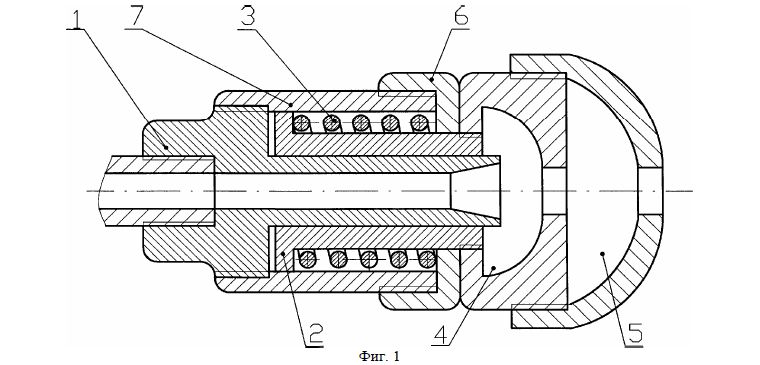
According to the designer, this forward motion mitigates the recoil. It is probably accomplished by the mass of the forward moving assembly which counters the rearward motion of the bolt carrier group or the recoil mitigation occurs due to the forward impact of the mobile part onto the housing on its foremost position. The recoil reduction may also be achieved by the combination of the described two processes.
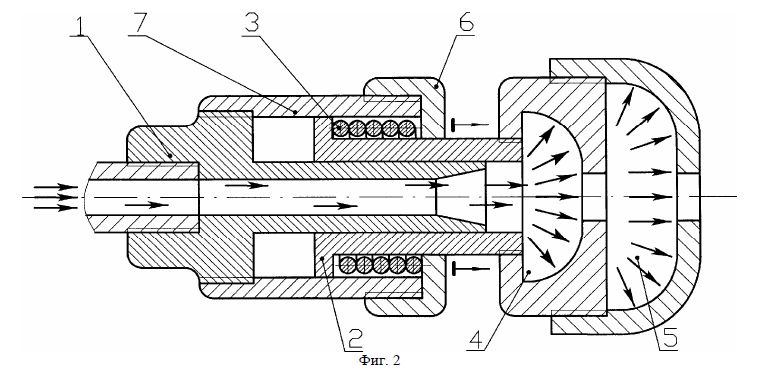
The drawings used in this article are from the Kazakh patent #16012 granted to Diyar Gilmanov in 2009. You can view or download that patent (in Russian) by clicking here. Here is also a link to a short video (found on OK.ru social media website) showing this muzzle brake in action.
https://ok.ru/video/1155074560
Judging by the construction of this muzzle device, I assume it may also partially reduce the flash signature and the report. Also, it should double as a booster for AK carbines and AKS-74U (Krinkov) rifles.
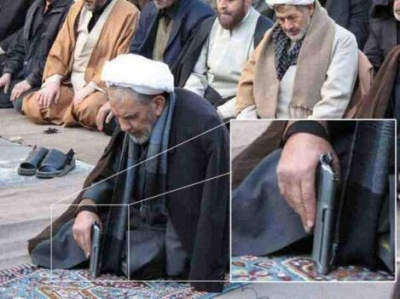
The Odd Case of Iranian Imams Holding the “Weapon of the Day” During Khutbah Prayer Sermons
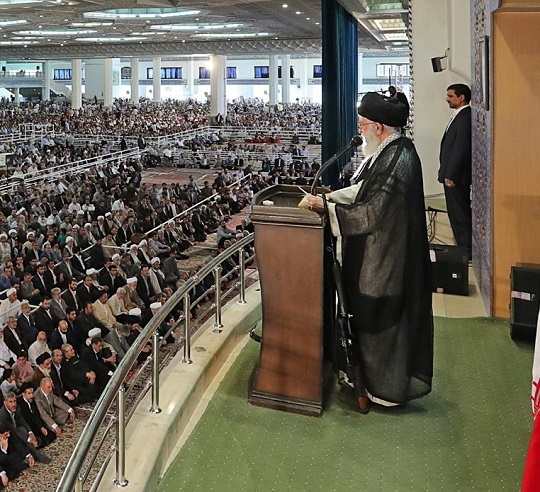
In a previous article on Silah Report authored by Ali Parsa and generously donated by him from his website Aliparsa.com, Ali specifically mentioned an interesting practice done by Iranian Shi’a Imams during Friday Khutbah Prayer services. Imam’s in Iran are known to hold on to various rifles while giving their Khutbah sermons. Ali mentions that this comes from a Sunnah of the Prophet Muhammad (ﷺ) where it mentions that the Prophet always held the “Weapon of the Day” while giving his own sermons. Going into a little searching I found this paragraph on Islam QA that gives some background behind this-
In a tradition recorded by Imam Abu Dawood, it is narrated that the companion, Hakam bin Hazn Al Kulfi (RA) said, ‘We witnessed Juma with the Prophet (SA), and while standing (to deliver the khutba), he was leaning on a staff or bow. (Abu Dawwood – Chapter of a person who delivers a khutba and leans on a bow). Based on this narration, scholars have stated that holding the staff while delivering the khutba is commendable, as it was a practice of the Prophet (SA). In this regard, the great jurist, Allama Shami recorded the following: – ‘Certainly taking the staff is a Sunnah just as standing’. (Raddul Mukhtar).
Now, I’m not nearly as versed in the Sunnah as Iranian Shi’a clerics, but in this instance it makes no mention of a “Weapon of the Day”, which Imams in Iran appear to interpret as meaning whatever primary weapon is issued that is used to defend the Islamic Republic of Iran. That is certainly one interpretation of “Weapon of the Day”, perhaps similar how a “Uniform of the Day” is in many armed forces regulations around the world informing troops what uniform to wear. The explanation above refers to a “Staff”, which the Prophet appears to simply mean something to lean on, gain physical support from, and show to emit a sense of authority in front of a congregation. We have similar examples of Prophet Moses’s staff and there are other religious texts that reference a staff as well.
A key note to mention here is that this practice is only adhered to in the Islamic Republic when it comes to gripping actual firearms during the Khutbah sermons. It doesn’t appear to even exist in other Shi’a dominated countries or countries under Iranian influence to the extent that it does in Iran.
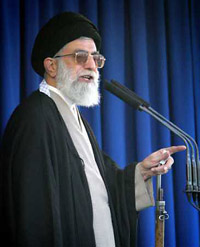
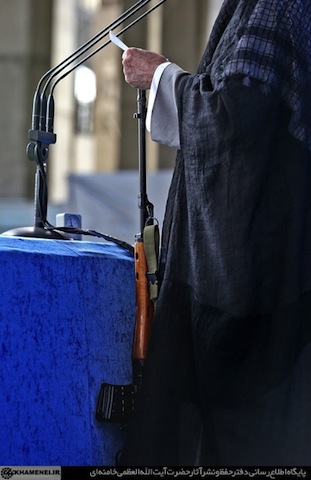
Now, going back to sort of the entire reason why Silah Report exists (apart from general small arms & light weapons analysis), is that we serve to make sense of these cultural phenomena when it comes to the intersection of small arms and the regions we are interested in. A prime example is this Blaze post in 2015 that is entitled “Can You Spot What Iran’s Khamenei Was Holding During His Speech on the Nuclear Deal? The Mainstream Media Ignored It”.
The post goes to great length to try and psychoanalyze the geopolitical ramifications of Imam-i-Khamenei gripping what is most likely a Chinese export copy of the 7.62x54r mm SVD Dragunov marksman rifle.
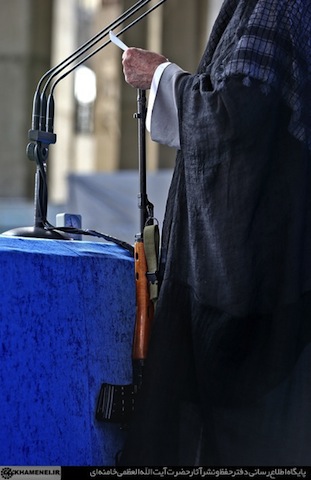
The article mentions that-
To drive home the point, the supreme leader’s official website posted a close up photo captured from beside the podium of the gun which even showed the magazine jutting out
…
But the most potent sign of all reflecting his message – the gun balanced under his left hand holding his speech notes – was left unmentioned.
It’s unlikely that if the speech had been given by an American or any Western politician that this scene setting detail would have been overlooked, especially given the hotly debated issue of guns.
The AP’s website had this photo of Khamenei holding the gun, but it was not mentioned in the copy in the accompanying article
By now, I hope readers of this article will realize the odd stance that The Blaze is taking on this Dragunov. Of course the Iranian media didn’t mention it because this is in fact actually a completely routine practice done by Imams at every organizational level throughout the religious hierarchy in Iran. Should the Iranian media have thoroughly mentioned the microphone in front of Imam-i-Khamenei’s face as well?
Now, this post isn’t to slander a conservative news outlet for getting something wrong. Any viewpoint from any source at all that is worthy of correcting in a cultural, historical, or social light will be equally scrutinized. This one just so happened to stand out as a prime reason why we at Silah Report are dedicated to our jobs at hand, to fill this void of historical and cultural knowledge by analyzing the technical with the cultural.
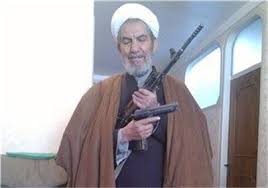
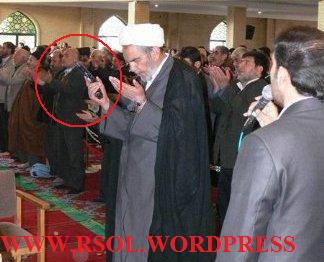
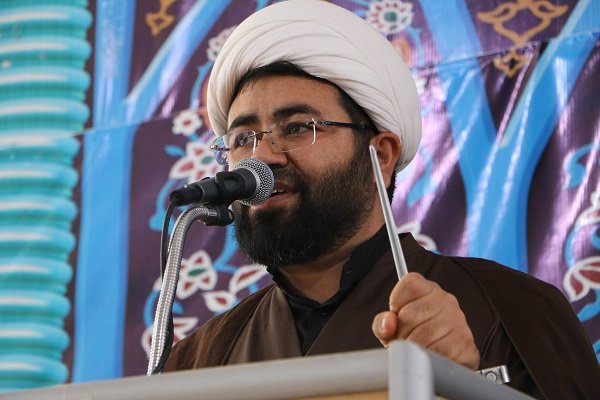
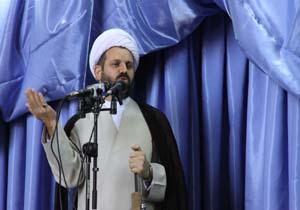
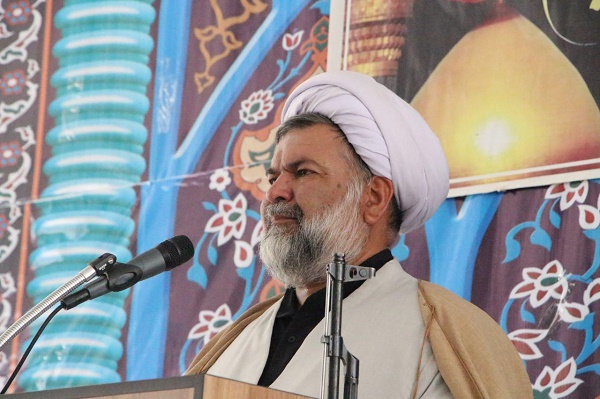
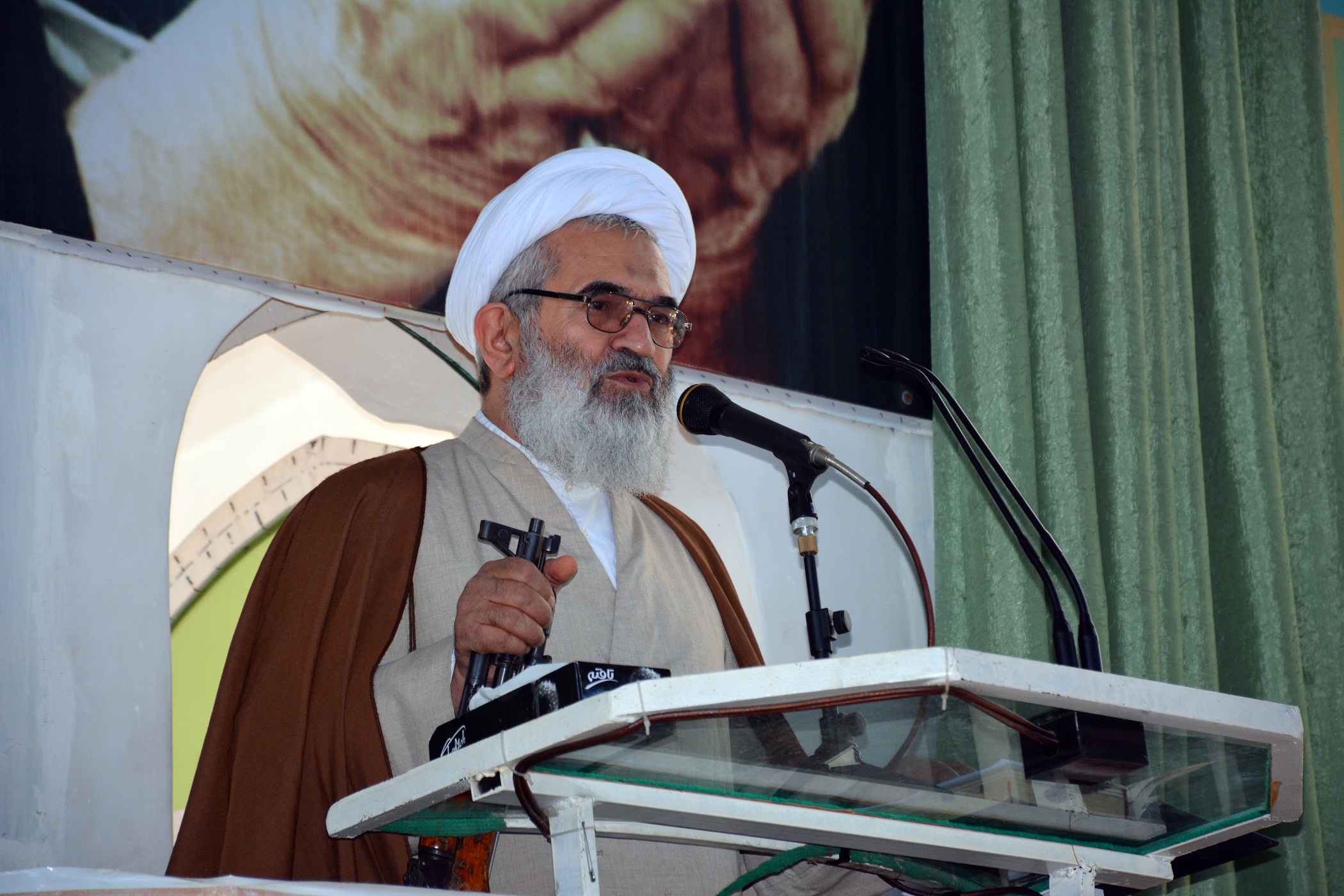
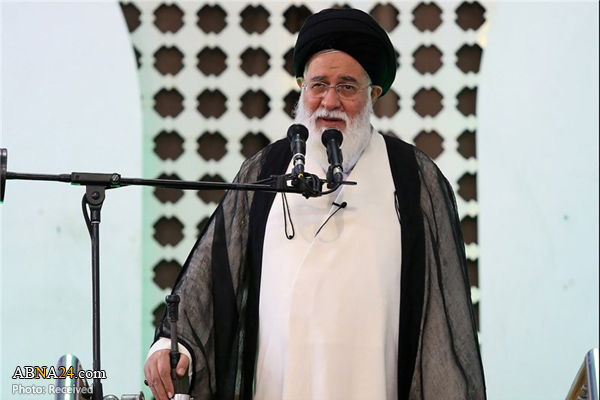
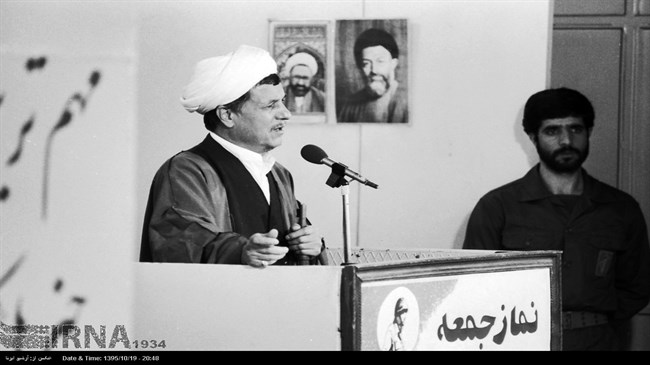
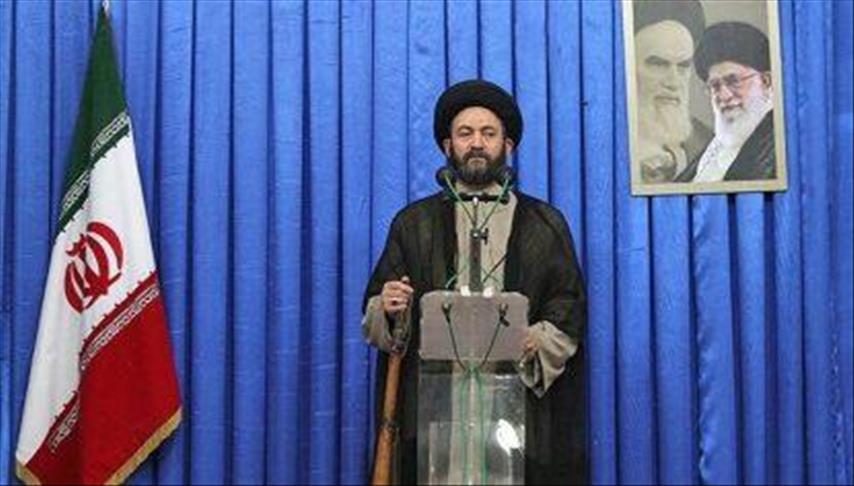
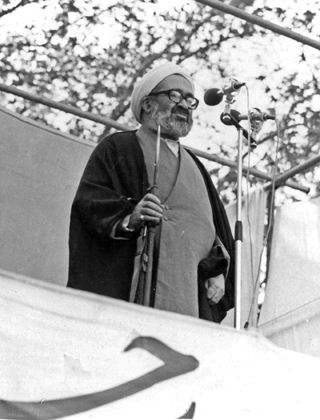
For more information on other Imams holding small arms during sermons, check out this Farsi language post on the topic, literally discussing what certain Imams prefer to hold during their Khutbahs.
From the post, in Farsi-
به گزارش پارسینه، برکف گرفتن سلاح توسط امام جمعه، سنتی است اسلامی که ریشه در صدراسلام دارد، نمادی از آمادگی دفاعی در برابر دشمنان اسلام حتی در محراب و محل نماز، بعد از پیروزی انقلاب اسلامی، مرحوم آیت الله طالقانی که با حکم امام خمینی، احیاگر سنت نماز جمعه بود، بار دیگر این سنت اسلامی را زنده کرد. آیت الله طالقانی در برابر پیشنهاد برخی از انقلابیون که به وی پیشنهاد کردند از شمشیر به عنوان سلاح خطیب امام جمعه استفاده کند، این پیشنهاد را رد کرد و “سلاح روزآمد و مدرن” را به دست گرفت.
در اوایل انقلاب اسلامی، سلاح ژ-3 تفنگی بود که امامان جمعه تهران و شهرستانها در حین ایراد خطبه جمعه به دست می گرفتند که در سالهای بعد، اسلحه از رده خارج “برنو” جای ژ3 را گرفت.
در میان ائمه جمعه، آیت الله حسنی امام جمعه ارومیه به داشتن سلاح های متعدد از جمله کلت و گرینوف در نماز جمعه شهرت دارد و معمولا بر خلاف ائمه جمعه دیگر از سلاح کلاشینکف در محراب نماز جمعه استفاده می کند.
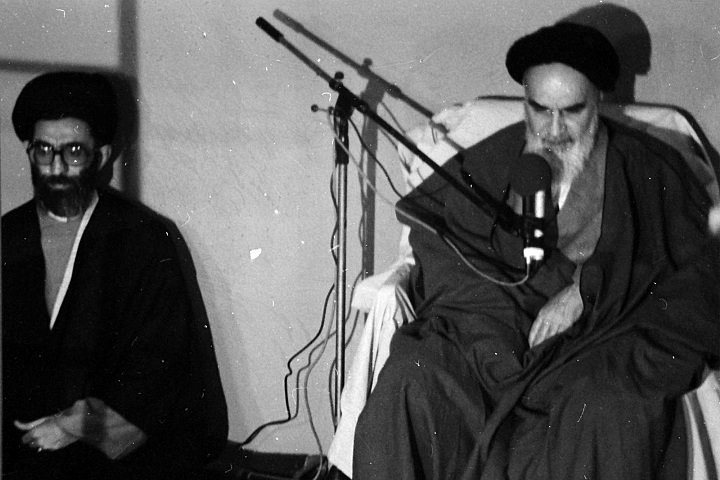
As a quick sidenote by scanning photographs online, it doesn’t appear that the initial Supreme Leader of Iran, Imam-i-Khomeni adhered to the practice. Although it should be noted that senior Imams during his time did partake in it, as evidenced in the black and white photographs above.
“Brno”, the Persian Mauser
Ali Parsa is an Iranian scientist who has a lifelong passion for sailboats. He also knows a great deal about the history of the Mauser bolt action rifles that initially entered service in Iran at the turn of the 20th Century. He wrote this article examining the history of the Persian Mauser with its roots in the Czech VZ24 being license produced in arms factories outside of Tehran. This article was written almost a decade ago and he has very generously allowed Silah Report to republish it with express permission from himself. It initially appeared on the website that bears his name, Aaliparsa.com. This edition has been lightly edited.
Mauser rifles first appeared in Iran before the First World War. Looking at pictures of Iran’s Constitutional Revolution era, one can spot Mauser rifles and handguns in the hands of freedom fighters of Sattar Khan and Bagher Khan, as well as other Constitutionalists in different regions of Iran.
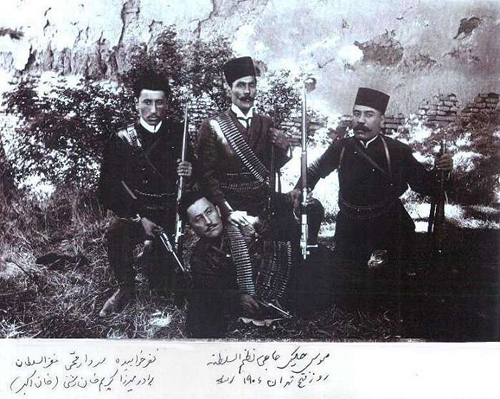
Iranian Constitutionalists, with their Mausers, in 1906
At the end of World War I, and as a result of the Versailles treaty arms ban, Germany no longer produced these rifles, but an almost exact copy was in production in Czechoslovakia. After Hitler became the German chancellor, the production was resumed in Germany.
Later, with the invasion of Czechoslovakia, the identical rifle was produced in Germany and Czechoslovakia.
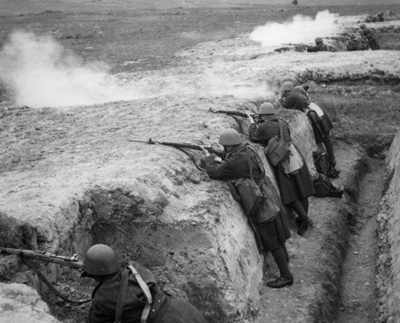
Czechoslovak Army Drill, 1938
A major production center was in Brünn, or Brno, as the city is called in the Czech language. The rifles made in Brno, the Czechoslovakian model, are known as VZ24 (for Vzor24, or Model 24 in the Czech language) and had the word Brno imprinted on them.
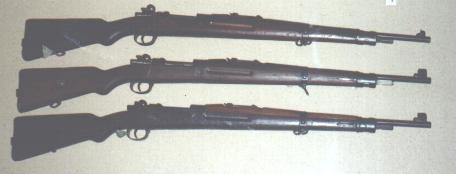
Czechoslovakian VZ24
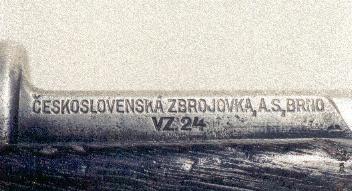
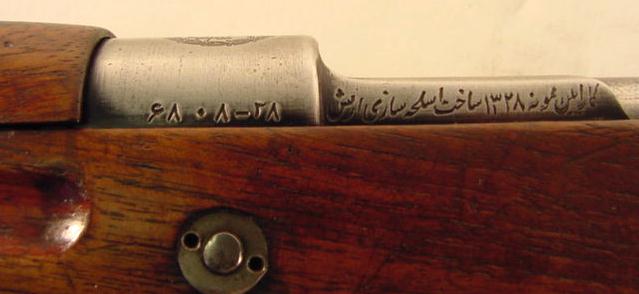
Markings of a VZ24
Officially, the Mauser rifle was selected for the Iranian army during Reza Shah’s time. But Iran didn’t go for the original German and ordered the identical Czechoslovakian version, the so-called Brno. The Czech firm provided Iran rifles made of many German parts. It was similar to the longer barrel version Germans designated as K98. Some official test results are available from antique arms dealers today, featuring signatures of the Brno factory representative, the Iranian in charge, and of course, satisfactory ‘grouping’ or bullet marks.
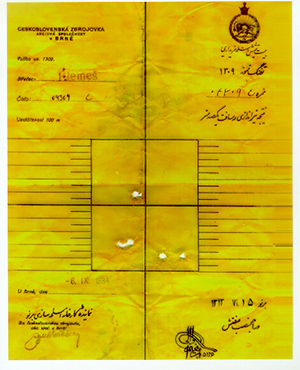
A 1934 test result document
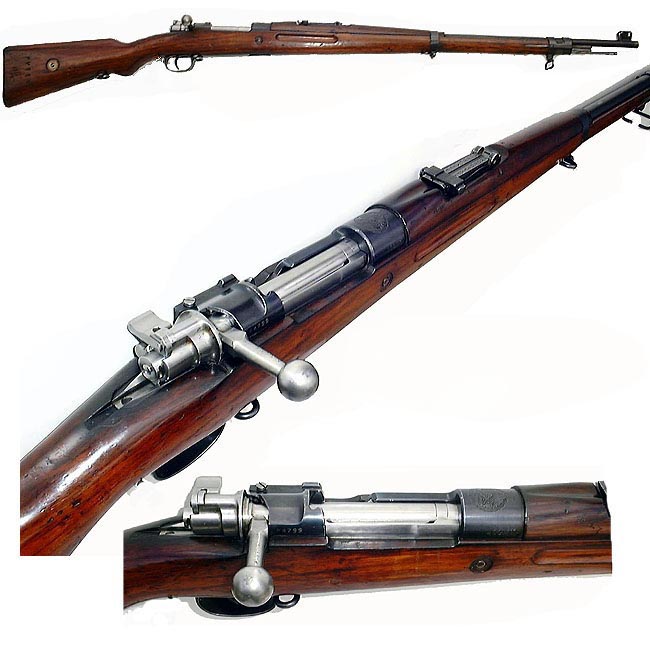
Full length ‘Brno’ with markings in Persian
At that time two other rifles were in use and very well known in Iran: the British Lee Enfield and the Russian Mosin Nagant (Noghaan, or Naaghaan, (نوغان- ناغان) in popular parlance in those days). The exact reason for preferring Brno over its rivals is not known, but one can speculate that those in charge of the Iranian army, or maybe Reza Shah himself, tried to avoid dependence of Iran to either of the two neighboring powers. Besides, the Brno and it’s Mauser original were considered to be the best military rifle of its day.
The Iranian government ordered three versions of this weapon. It was manufactured in Czechoslovakia by two firms. One was called Ceskoslovenska Zbrojovka, or CZ. These rifles are known to collectors as Persian CZ98, Persian Mauser or Persian Brno.
A Pahlavi crown, lion and sun crest appears near the feeding ring, as an inscription in Persian (in Nasta’liq script) on the side of its magazine giving the model and the factory name, which was in Brno. From then on the name, Brno was used by Iranians to refer to this rifle.
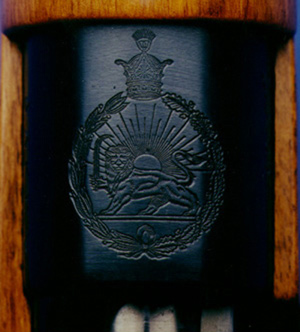
Lion and Sun crest of a Persian Mauser
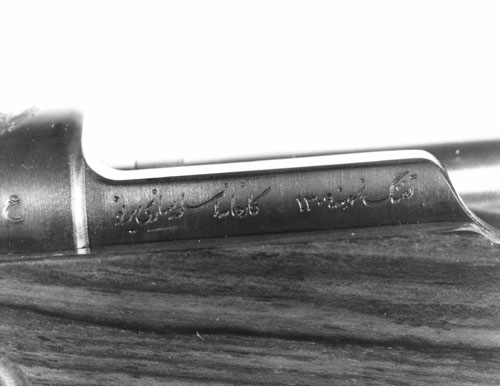
Persian markings of a Brno made rifle
One typical such inscription read “tofang-e nemoone 1309 karkhane-ye aslahe sazi berno” (“Rifle model 1309 Made at Brno Arms factory.” The number 1309 refers to the Persian year 1309 which is the year 1930 in the Gregorian calendar).
In the late 1940s Iran’s Taslihat-e Artesh (Arms Factories of the Army), popularly known as Mosalsal-sazi (the machine-gun factory), in Tehran started production of these Brno rifles. The needed machinery and technical assistance were provided to Iran through the industrial firm Škoda, which had a long history of cooperation with Iran. Iran produced two models: the regular VZ24 rifle (similar to the German Kar98k, overall length 1110 mm) and the short version (similar to the German G30, overall length 993 mm) known as “Berno kootah” (short Brno).
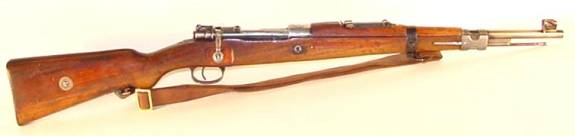
Berno Kootah (short Brno)
Under a licence from CZ. The difference was only in the markings on the side of reciever: instead of naming Brno as the maker, it was written “sakht-e aslah-e sazi-e artesh” (made by the Army arms factory).
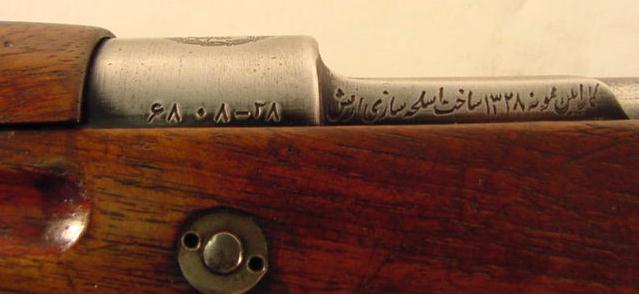
Markings on an Iran made short Brno
The products are known among the collectors as Persian Mauser and are regarded to be the best and smoothest of the Mauser family of bolt-action rifles.
For many years Brno was the standard personal weapon of the Iranian armed forces, until it was replaced by the more modern, semi-automatic, American Garand M1, and later by the German Heckler & Koch G3.
The rifle was especially cherished by Iranian tribes, who are known to be firearms aficionados and able shooters. A tribesman sharpshooter would settle for nothing less than a Brno. Tribal rebels did everything to acquire one of these rifles, and they did get their hands on these in many tribal wars during Reza Shah and Mohammad Reza Shah’s time. And probably the tribal chieftains, or Khans, did get shipments from foreign sources, to be distributed among their savars (mounted fighters). One single event, which contributed to the widespread availability of Brno rifles among the tribes in Iran, was the fall of Reza Shah following the invasion of Iran by the Allied forces in 1941. At that time the Iranian army, after a short resistance, was almost disbanded and many people, especially tribesmen, got hold of the Brnos left after the soldiers abandoned the barracks.
There are many stories of the gun’s accuracy among the tribes. When Dadshah rebelled against the shah’s government in Baluchistan in the 1950s, people said that his wife, Bibi Khatoon, who accompanied him in the mountains, at one occasion, took her Brno and shot a bullet right into the barrel of the gun of a poor gendarme who was aiming at her over a long distance. Its popularity among Iranian tribes was so much that it was mentioned in some of their songs. A version of a well-known Boyer Ahmad song has a refrain that says “Mastom, Mastom, Brno kootah be dastom” (I’m drunk and have a short Brno in my hand).
For the politically minded intellectuals of 1950s and 1960s, the rifle was a symbol of the Shah’s repressive rule. It can be seen in the pictures of soldiers attacking the house of Dr. Mossageq on the fateful day of 19 August 1953 (the infamous day of the US-British coup).
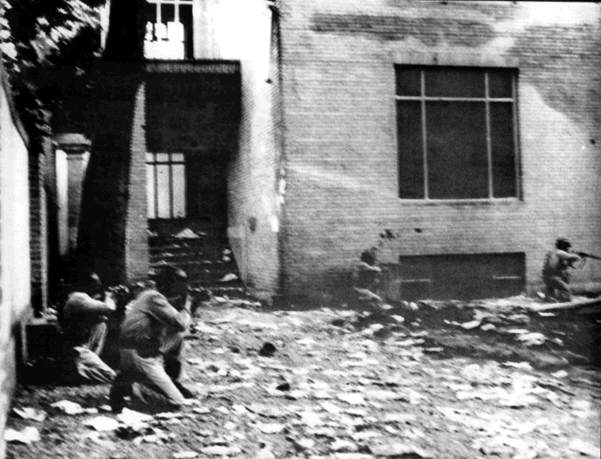
Soldiers attacking the house of Dr. Mossadiq, Aug. 1953
Gory pictures of executions of Tudeh party officers in the Chitgar shooting range in 1955 shows defiant young officers strapped to the stake minutes before execution, with Brnos present to do the task. When Navab-Safavi, the fundamentalist leader of Fadaiian Islam was arrested, Iranians saw his pictures being transferred to a prison under bayoneted Brnos.
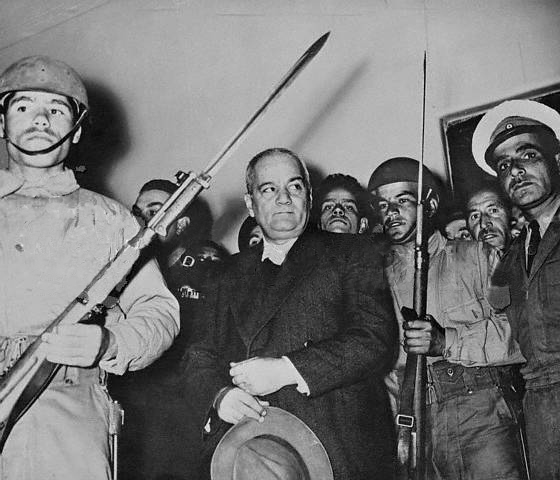
Dr. Yazdi, the Tudeh party leader, after arrest in 1953, surrounded by soldiers with Brnos
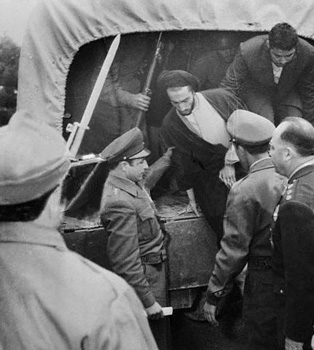
Navab-Safavi, the Fadaiian-e Islam leader arrested
You can see it in pictures of 15 Khordad (June 1963) uprising in Tehran. In fact, when the Shah’s opposition cried against his “rule of the bayonet”, it was the sight of these Brnos with their bayonets attached that they were referring to.
Ordinary people usually had their first encounter with the rifle while passing a guard in the street, or when they were (willingly or otherwise) recruited for the military service.
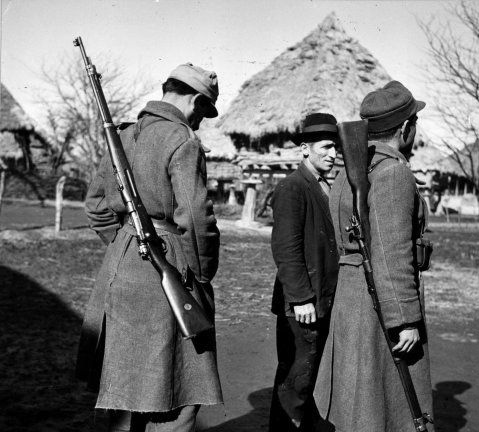
A deserter is taken to military service in a Gilan village, circa 1955
In the 1960s the semi-automatic US made M1 replaced Brno in the Iranian army, and Brno use was confined to the gendarmerie and the game wardens for a while, before it was decommissioned from active use. In the 1970s it was used mainly in ceremonial occasions.
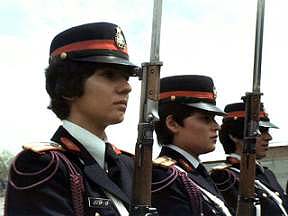
Girl cadets of the police academy in graduation ceremony, circa 1972
During the 1979 revolution, the gun reappeared in the hands of the revolutionaries and tribesmen, who never abandoned their Brnos. When Kurds challenged the newly established Islamic government, they used mostly modern assault rifles. But Brno still had a use: The Kurds claimed that with special cartridges that can pierce 2cm of steel, Brno can down aircraft and helicopters.
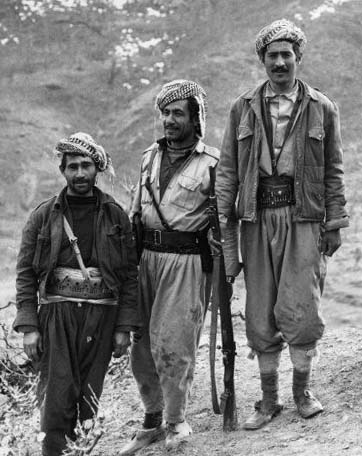
Kurdish ‘Peshmarga’s with Brno
Besides the rebels, the Islamic government too had a use for Brno: It was, and is, used in official Friday prayer ceremonies. The speaker is required to have ‘the weapon of the day’ by his side, according to the tradition of the Prophet (he apparently used a sword).
A Friday prayer session, with Brno
These images were collected and published on an Iranian website Parsine asking the question of “What kinds of weapons do Imam’s like?”
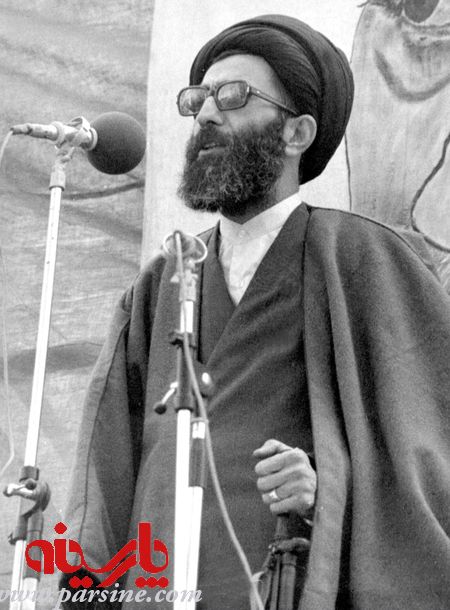
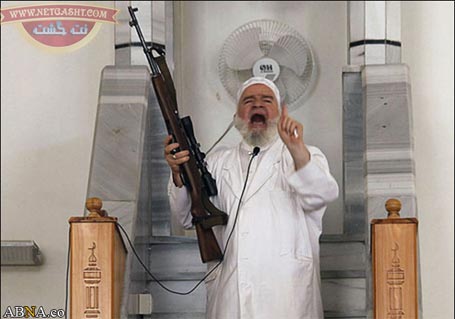
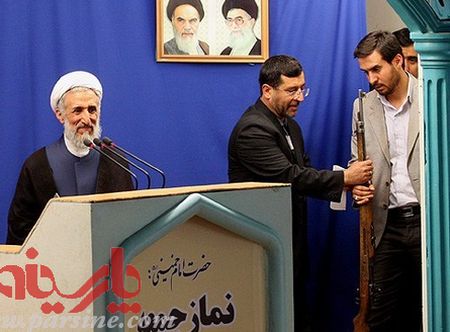
https://www.theblaze.com/news/2015/07/20/can-you-spot-what-irans-khamenei-was-holding-during-his-speech-on-the-nuclear-deal-the-mainstream-media-ignored-it
The most likely reason for its use in such ceremonies is that it is long enough for the speaker to hold it like a walking stick while he is standing and preaching. The Mauser brothers would have been happy to hear that their rifle would be considered a ‘weapon of the day’ a century later.
For people of my generation Persian Mauser, or Brno, brings back many bittersweet memories. The coup, the executions, the NoghlAli (Iranian version of GI Joe) with his Brno in a watch-cabin, the pain of being hit by its butt in street demonstrations, the greedy gendarme guy looking for a chicken to steal, the poor poacher in a remote town using the old rifle to feed his family with meat once in a while. You see it in the old newspaper pictures of battles, ceremonies, riots and executions. It is a piece of history.
Thank you Ali Parsa for contributing to Silah Report!
U.S. M16A4 Reportedly Among Iranian Protests
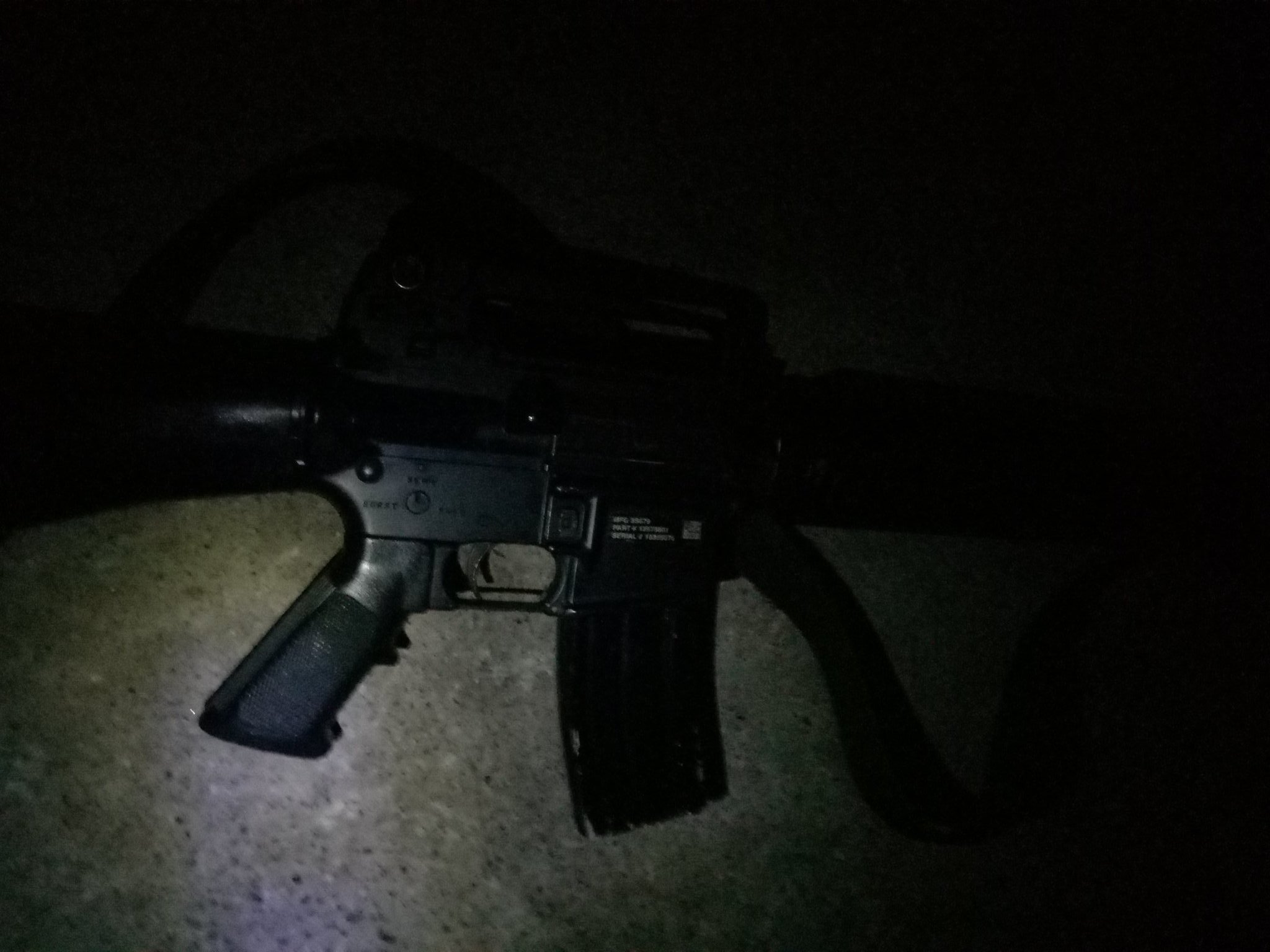
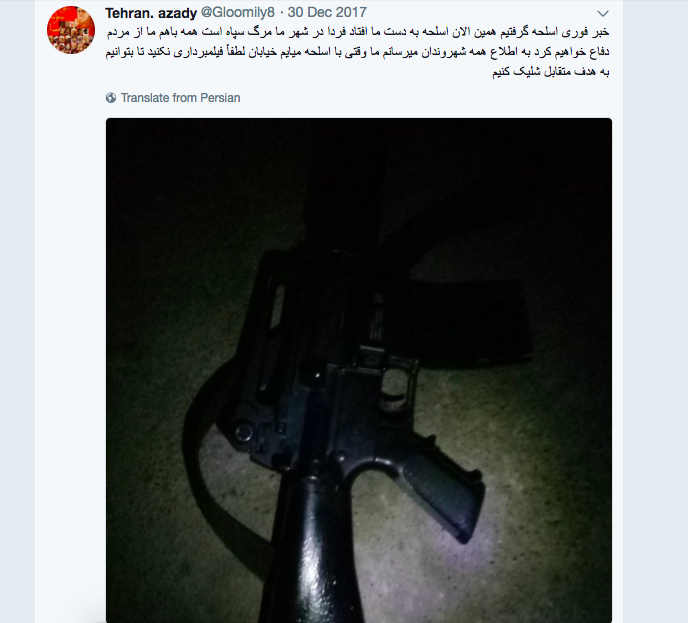
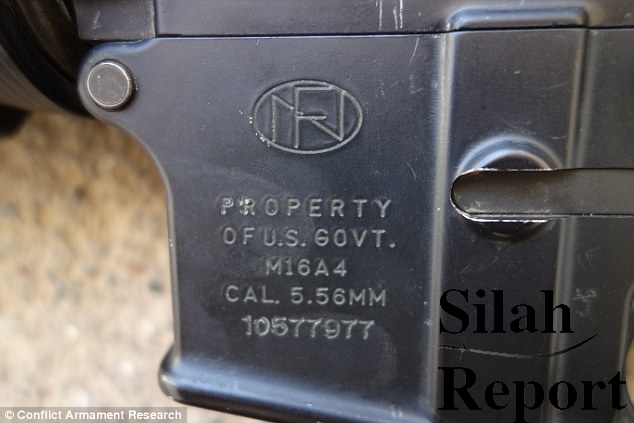
A Twitter account by the name of Tehran. azady/@Gloomily8 (Free Tehran) has posted two posts and accompanying photographs on their page depicting what appears to be an FN Herstal, former U.S. Government 5.56x45mm M16A4 Service Rifle. It is not known or confirmed if the image is actually from Tehran for that matter, but a cursory Google Image Search revealed this Twitter account appears to have been the first online poster of this particular photograph. It would also appear that these photographs are actually screenshots from a motion picture, due to the apparent movement of the light source.
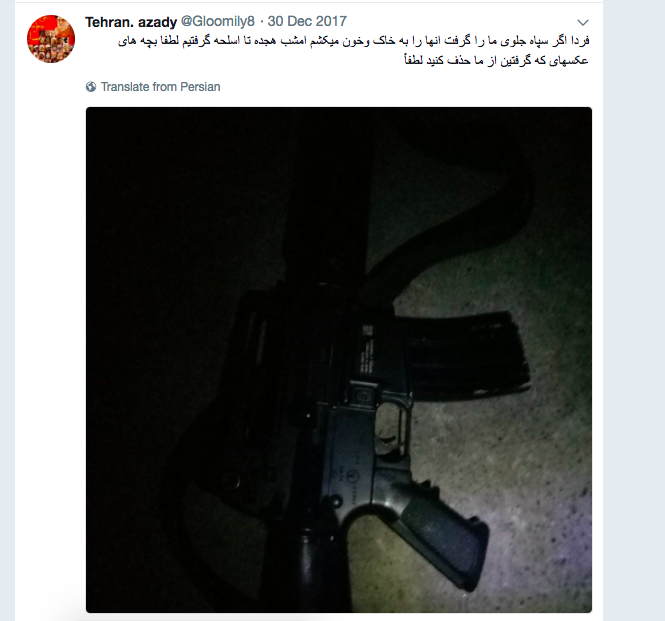
Neither post makes much mention of the weapon and is more concentrated on what is going to be happening or will be planned to happen in the future in regards to the protests.
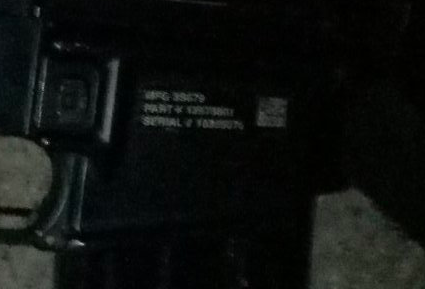
Notice the SKU imprint-
It would appear that this M16A4 is most likely diverted from U.S. Foreign Military Sales to Iraq. What could possibly confirm this is the design of the handguard. We know it is an M16A4 due to the M1913 Picatinny Rail a part of the upper receiver, of which an “A2” carrying handle is fastened to. What is being left out however, is the design of the handguard. If it is a Knight’s Armament “A4” handguard, it would be a very rare sight indeed. But most likely it is an “A2” style with the circular handguards and vertical vent ports. The “Hybrid” M16A4/A2 rifles were previously sold to the Iraqi Army-
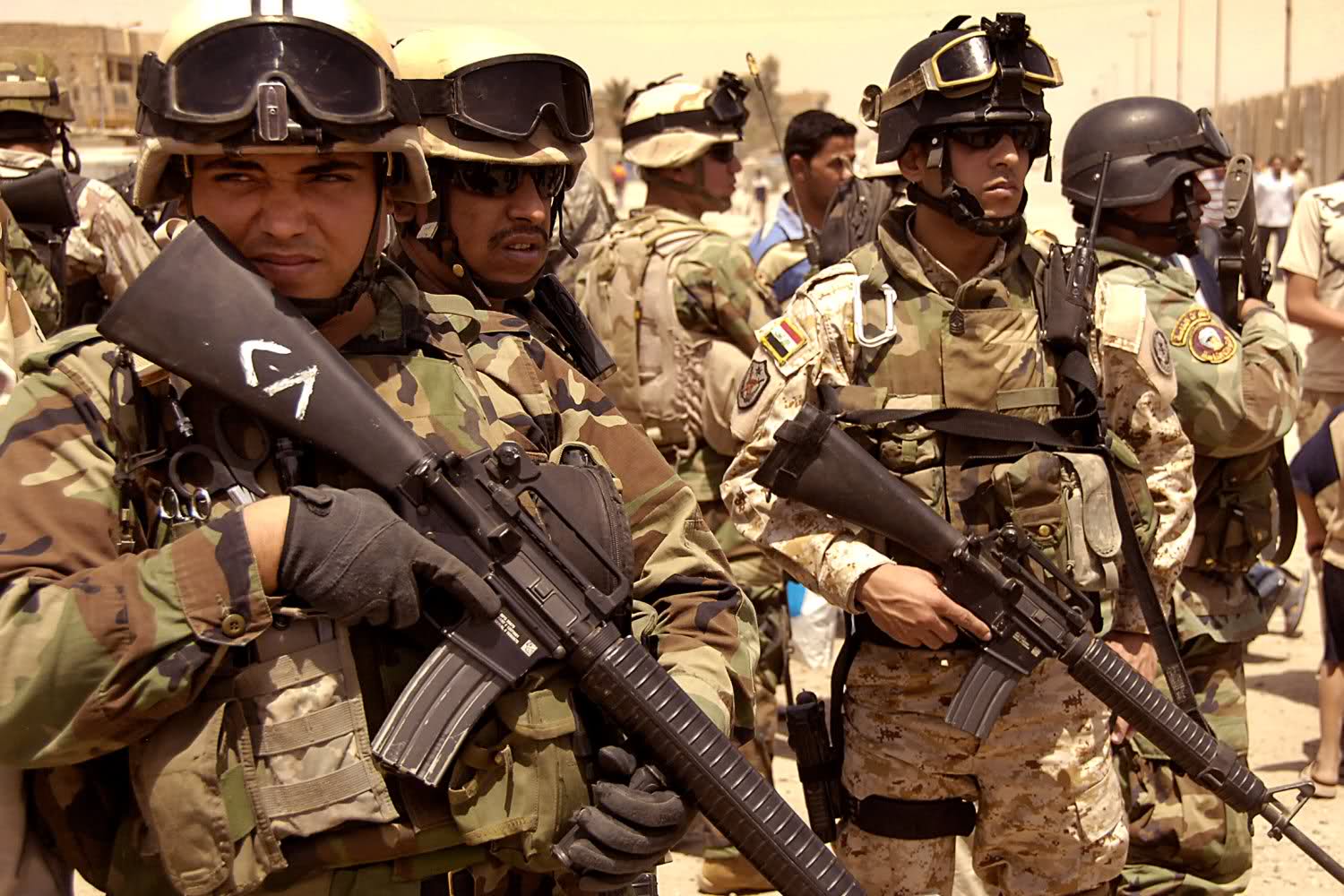
And were subsequently seen/captured by the so-called Islamic State-
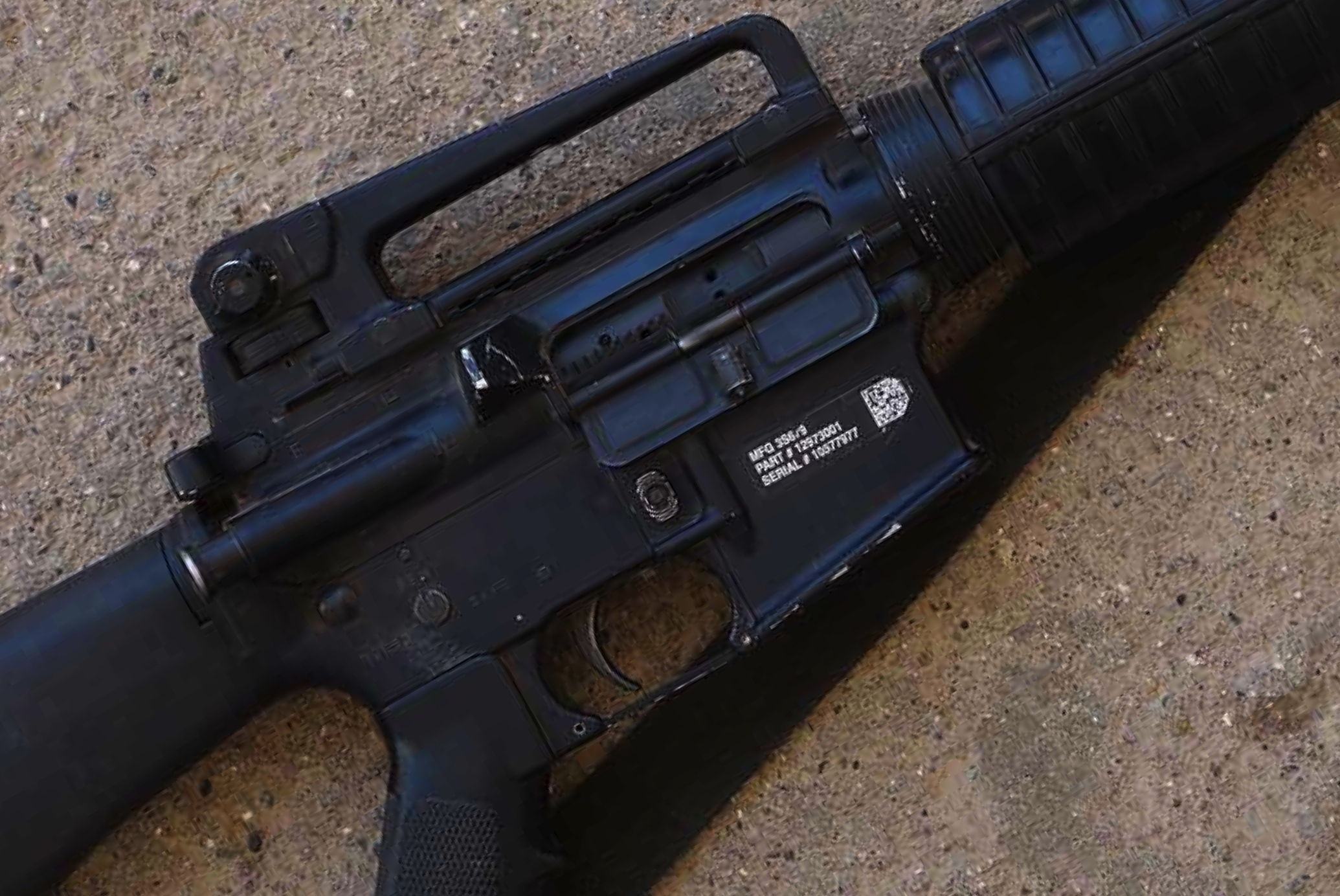
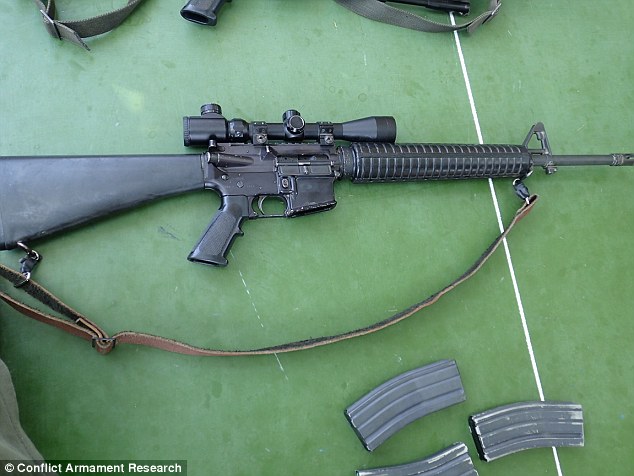
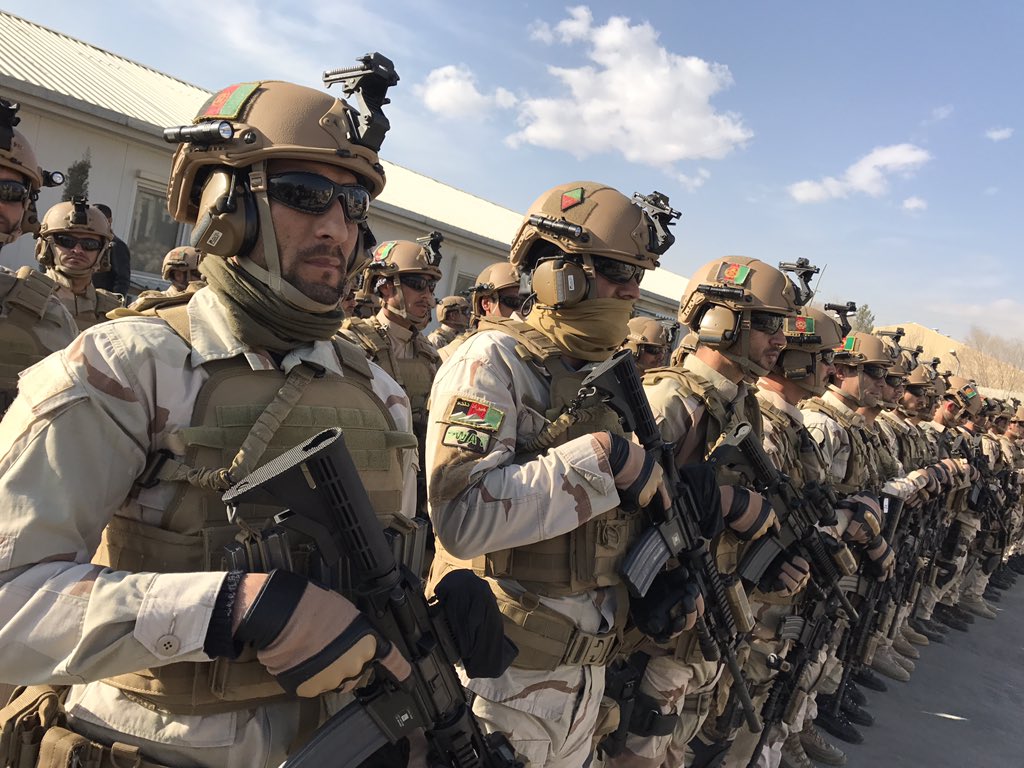
It should be noted that M16A4s are in service in Afghanistan with the Ministry of the Interior, in addition to M4/M4A1s are in service with numerous Afghan forces as well. But the amount in service in Afghanistan doesn’t seem to be proportional to the amount of M16A4s with the Iraqi Army, or circulating on the Iraqi black market.
Beretta and Sako Presence at Turkmenistan Independence Day Parade
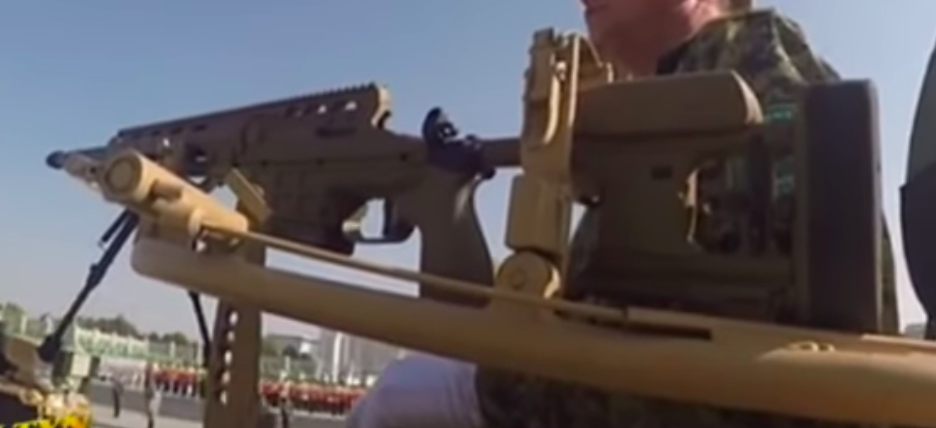
At this year’s 26th anniversary of the Independence of Turkmenistan, Beretta and Beretta owned Sako came out in large numbers among the small arms on parade. Of course, the Beretta 5.56x45mm NATO ARX160 took center stage among both the line troops and special operations component, with the SF component also being armed with IWI 5.56x45mm NATO Tavor TARs.
Turkmenistan is often lampooned for its bizarre civic culture that combines national symbols with its leader’s personality cult. But judging by the recent military parade in Ashgabat, Turkmenistan’s armed strength is for the sole purpose of territorial defense. Unlike North Korea, Turkmenistan doesn’t pose a threat to global peace. It’s also trying to crawl out of an economic mess caused by its reliance on energy exports.
Neither does Ashgabat appear to have regional ambitions. On the contrary, it faces a grave threat from its border with Afghanistan where militants tied to either the Taliban or ISIS are active. In the greater scheme of things, Turkmenistan’s imperative is balancing its aspirations with the looming strength of China, India, Iran, Russia and Turkey.
Yet even if it’s overshadowed by larger countries in its neighborhood, when it comes to mass calisthenics, very impressive rifle drills, and costumed Turkmen archers trotting on horseback, Turkmenistan makes sure it surpasses its neighbors in pageantry.
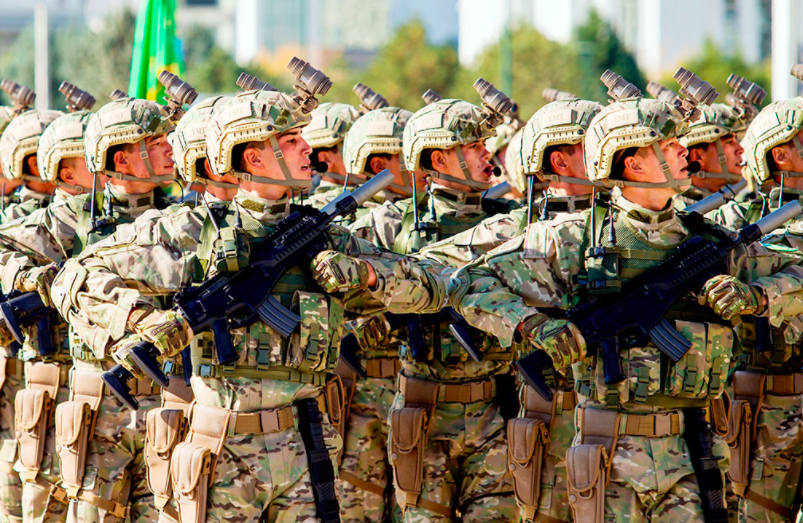
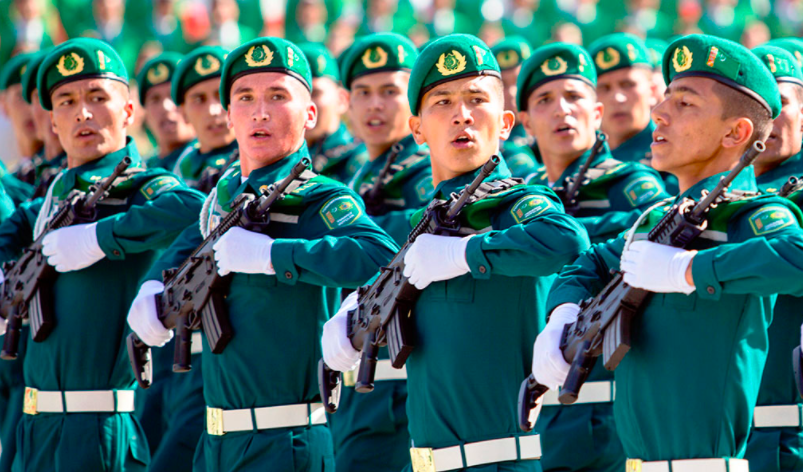
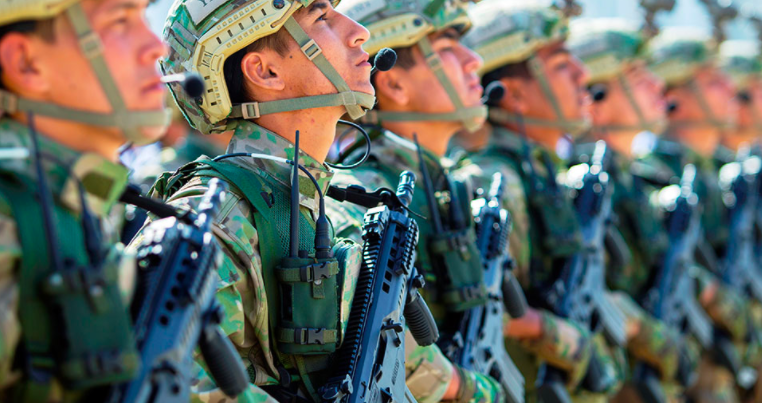
Along with the ARX160s, there were some mounted with Beretta’s accompanying 40x46mm low-velocity GLX-160 UBGL.
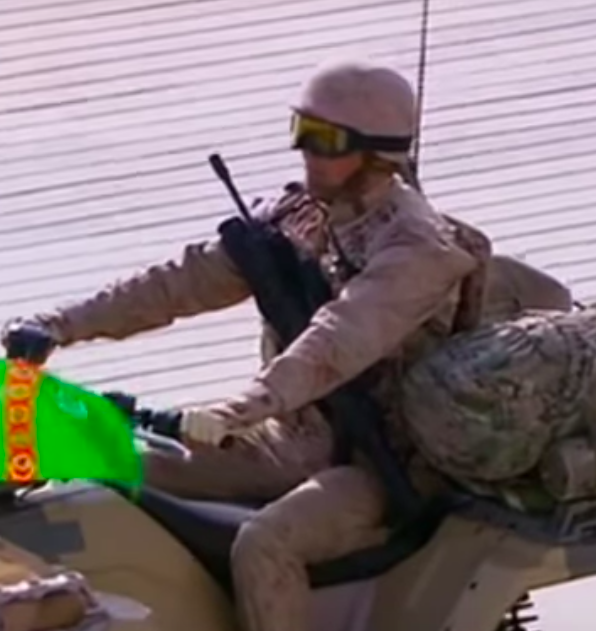
And a designated Marksmans variant.
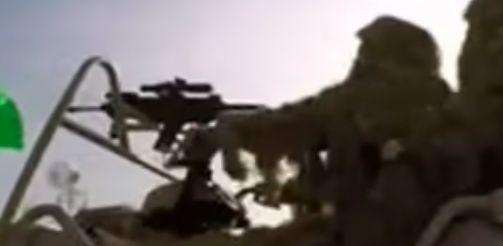
It appears that Turkmenistan has also purchased the IWI Negev light machine gun as well.
But the other significant update was with the precision rifles, that of Sako TRG M10s. These are probably chambered in 7.62x51mm NATO but could be in .338 Lapua Magnum. They were shown in a tan finish.