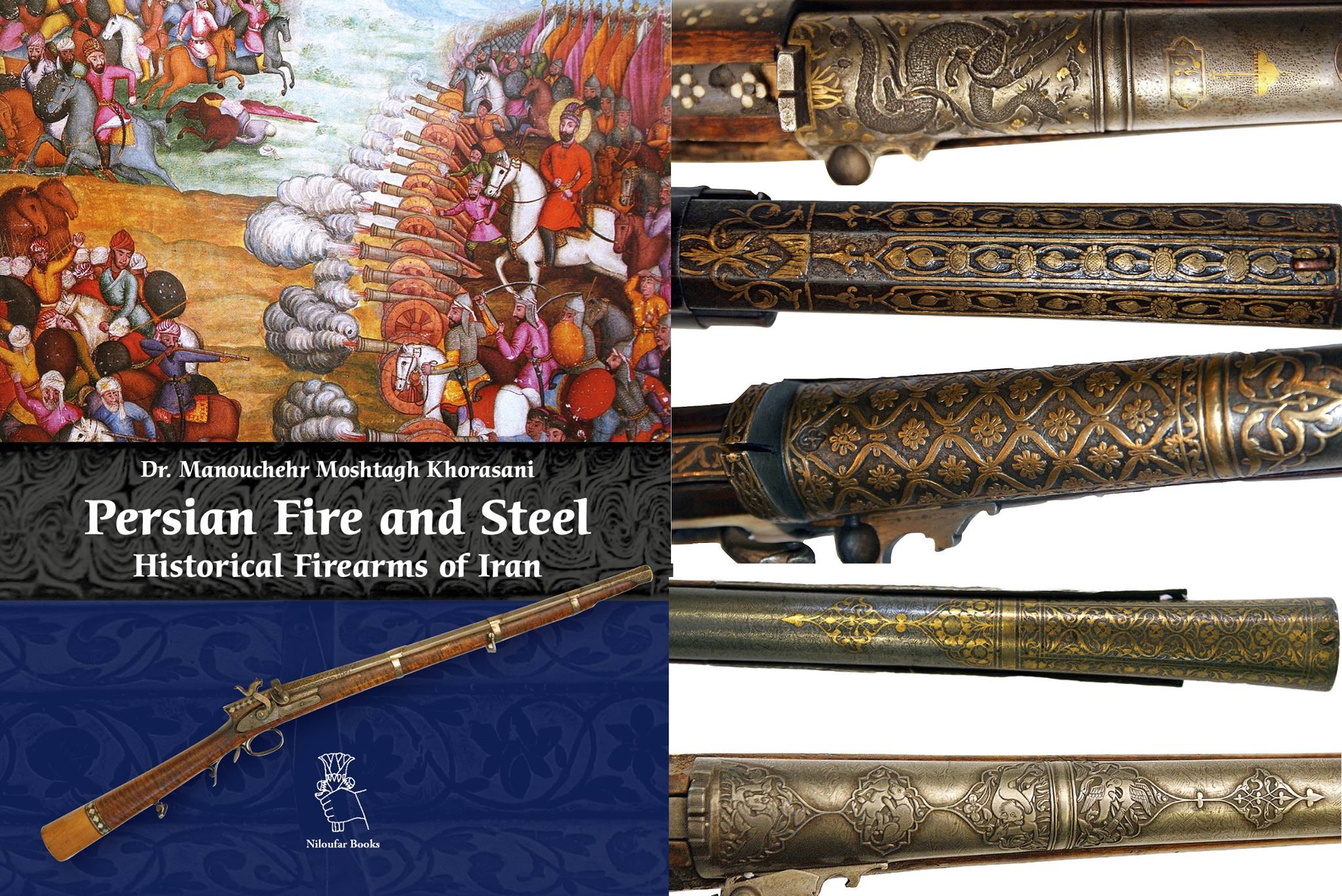
In this episode, Miles and Dr. Manouchehr Khorasani dive deep into the amazing history of firearms in Persia throughout different time periods as well as the cultural and religious relation with weapons. Dr. Khorasani is a historian who has delved deep into the history of Persian arms and armor, including Persian martial arts. He has an incredibly vast knowledge of the subjects and authored seven books and won three major book prizes.
Islam
Stars and Rifles Part 2: Afghanistan’s Eight-Point Crest
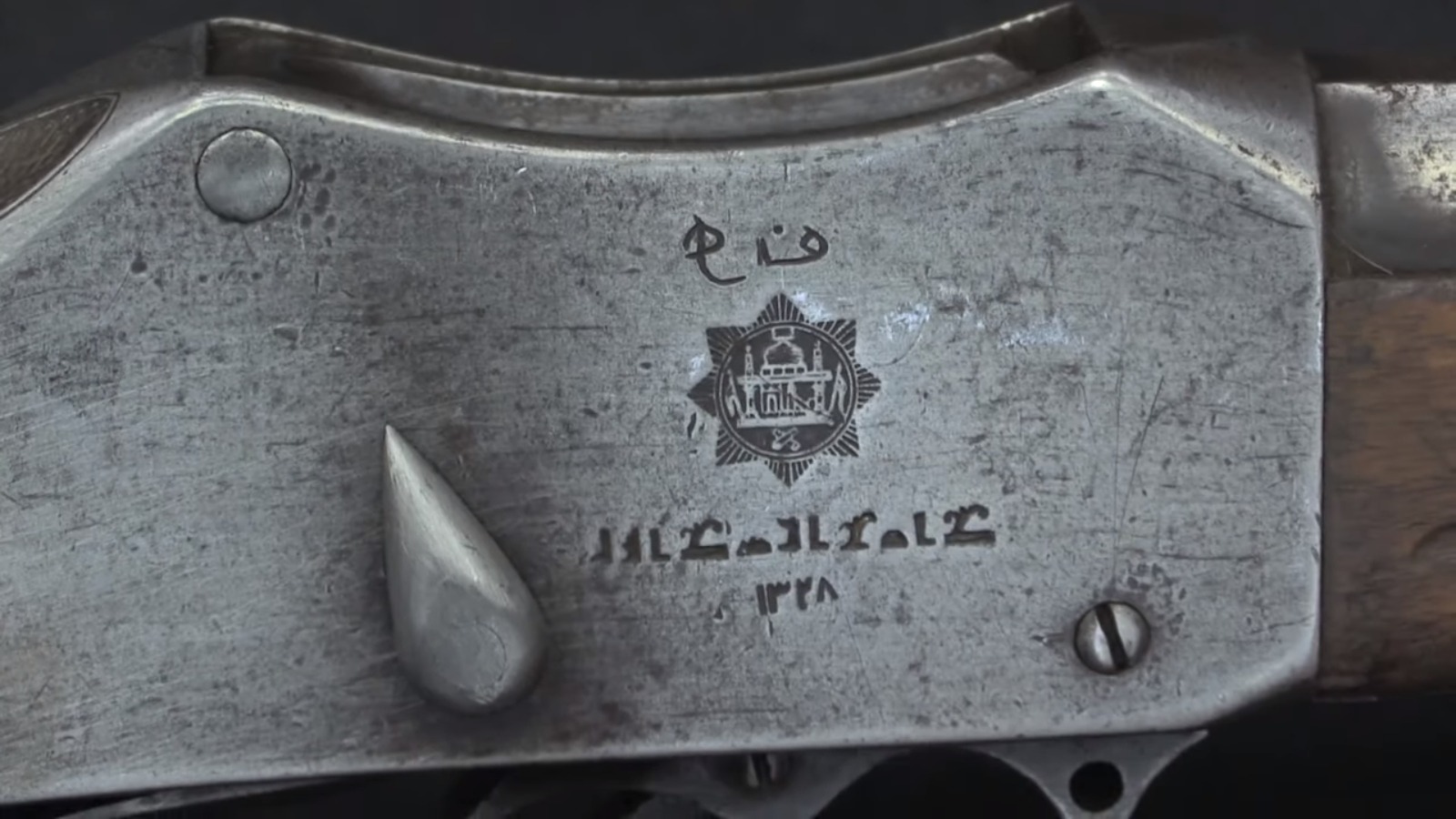
By 1879, the so-called Great Game between the Russian Empire and Great Britain over Central-Asia entered one of its final phases after the British victory in the Second Anglo-Afghan War. In the web of diplomatic and political maneuvers so apparent during this turbulent period, it was of paramount importance for the British Crown to keep the Russians at bay and reduce their influence on Afghanistan as much as possible. In this article, we will examine the markings on Afghanistan’s indigenously produced rifles.
A Brief History of the Ramadan Cannon
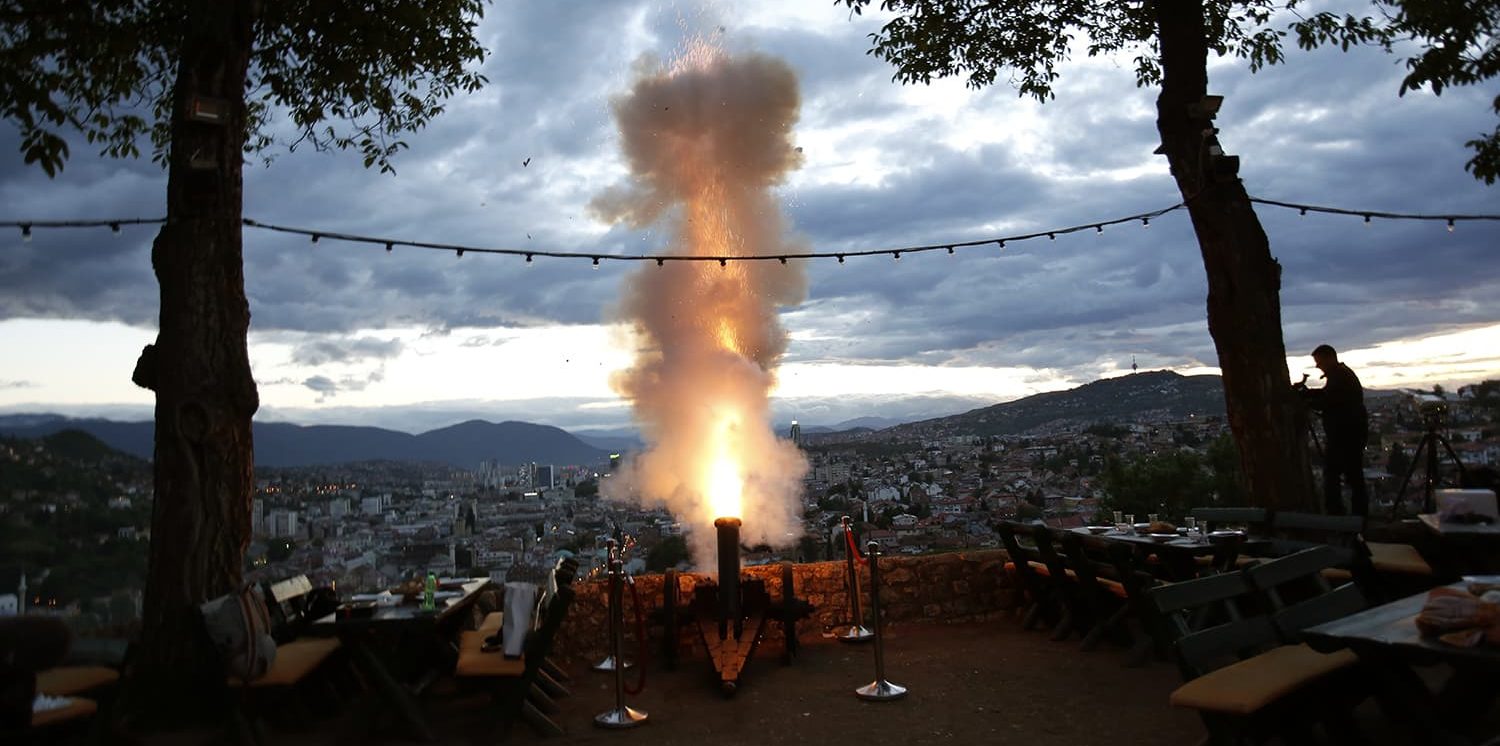
The sun slips slowly and majestically behind the horizon, heralding the end of the Muslim fast. Yet another day on the Ramadan-calendar crossed out. Since everything in this day and age runs like clockwork, fasting Muslims glance impatiently at their watches and clocks spread throughout the house awaiting that exact time of the sun’s setting. Historically, however, there has been another, louder, more spectacular method of announcing ifṭār – the firing of a cannon.
Stars and Rifles Part 1: Ottoman Hexagram Proof Marks
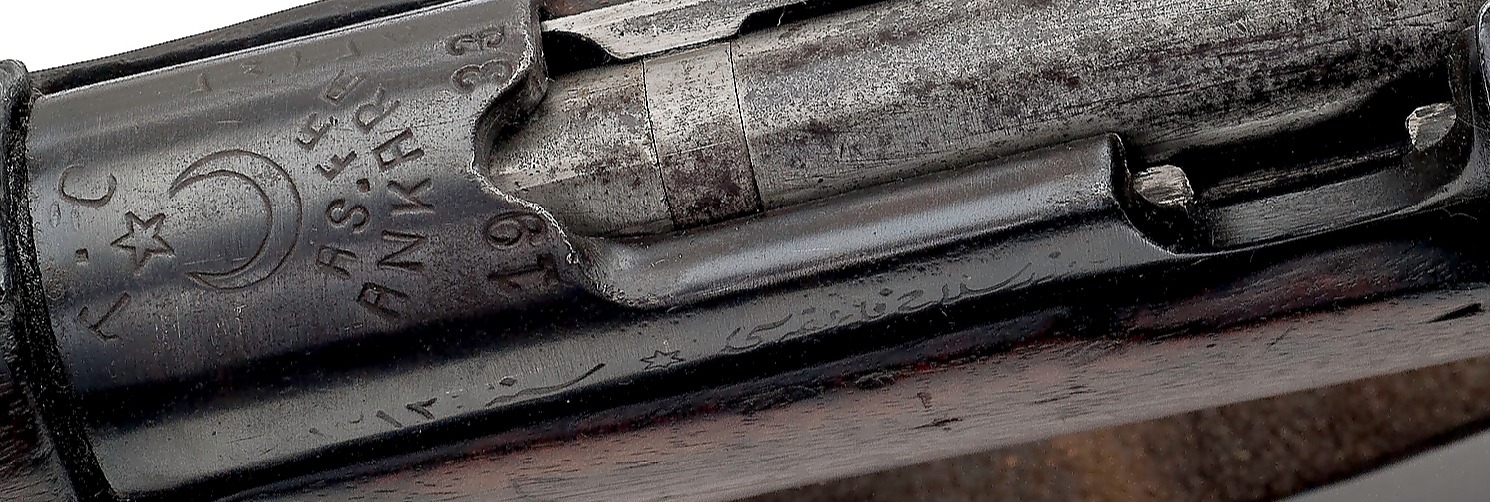
One of the peculiarities of a front line soldier’s life throughout the history of increasingly intense warfare is the heightened susceptibility to superstition and the supernatural, expressed through a plethora of different talismans, charms and other curious oddities. One might think of the strange British Touch Wud [wood] charms of World War I, the lucky rabbit feet worn by American soldiers in Vietnam or Japanese charm pouches worn during World War II. It is a common occurrence across all civilizations to feel shielded by the pretense of spiritual protection, as fleeting and illusory as it may seem. When the flesh is at its most vulnerable, man seeks different ways to somewhat dampen the fear for the imminent threat of death and disfigurement.
Pakistani SSG’s Rifles Function as “Prayer Barrier”
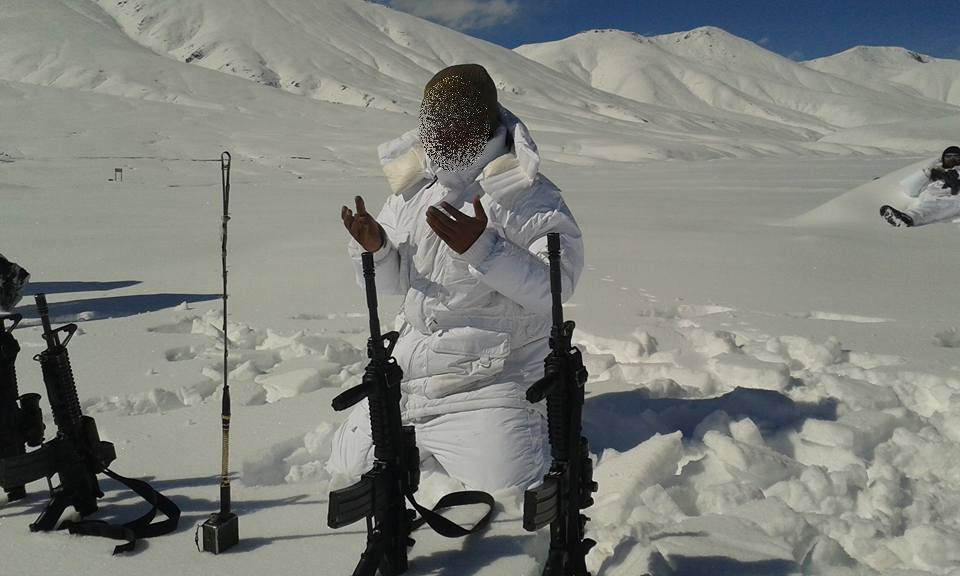
Recent photographs of Pakistan’s Special Service Group have surfaced in which members of the group are conducting mountain warfare training in the snow. Of particular interest is of the group conducting their Salat, or daily prayers. The prayers themselves aren’t so much as interesting as is what the soldiers are doing with their weapons. The M4s and in another picture, Kalashnikov patterned self-loading rifles are stuck into the snow in front of the soldiers praying, butt first.
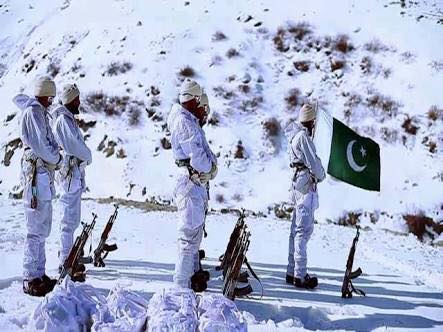
Although not really utilized today throughout the Islamic world, the practice dates back to the early Islamic period where one would place an object in front of them so other people would know not to walk in front of them during their salat. Specifically, it is called a Sutrah, or سترة in Arabic, meaning screen, or cover. There are some Hadiths on the topic but again it isn’t in wide use today.
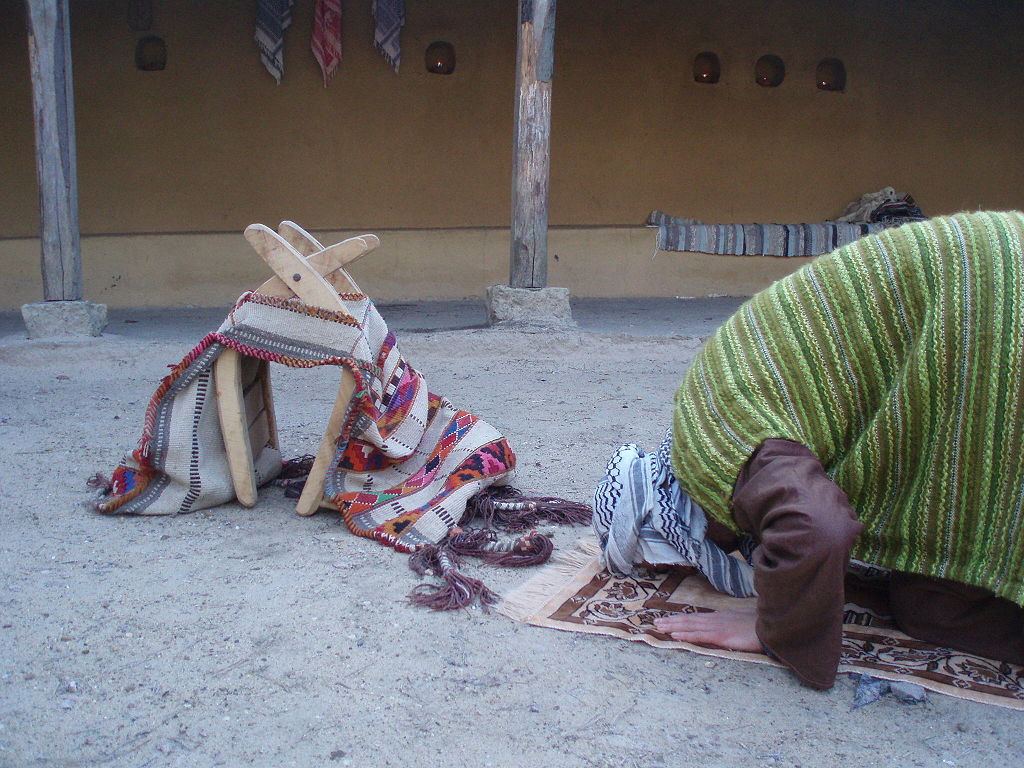
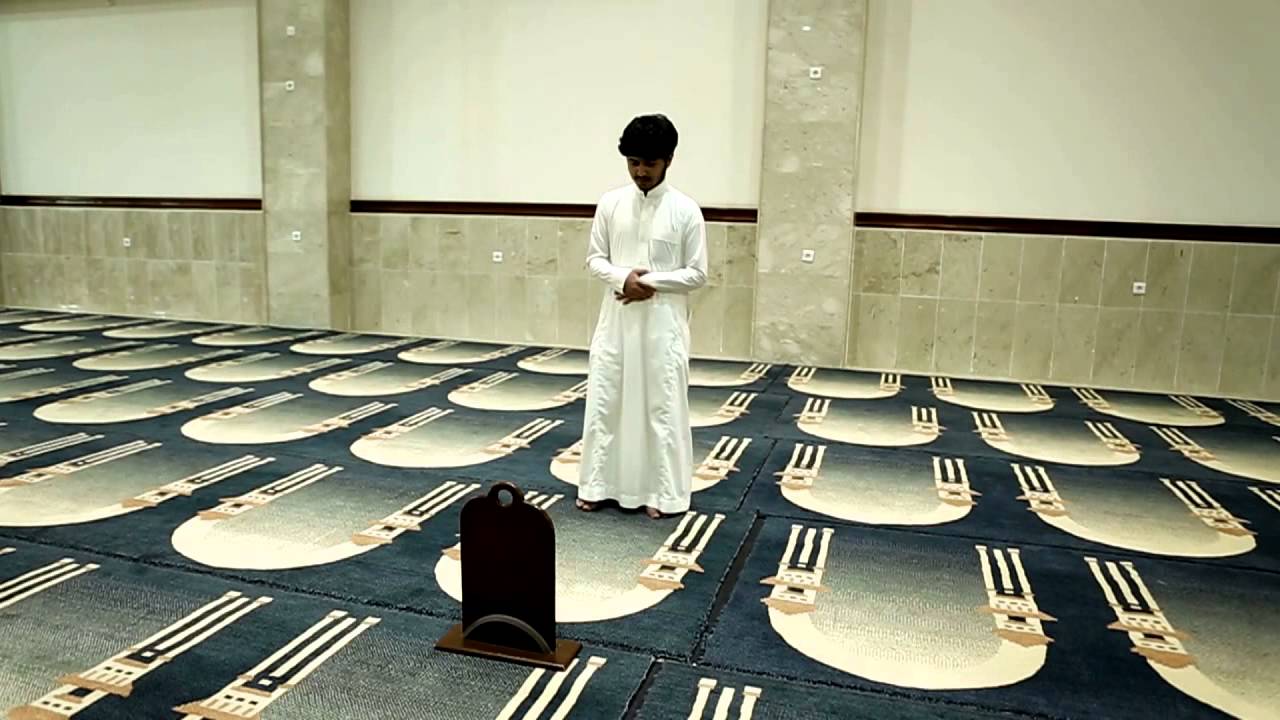
Wikipedia lists two Hadiths in particular–
Sahl ibn Abu Hathmah narrated: إذا صلى أحدكم إلى سترة فليدن منها لا يقطع الشيطان عليه صلاته The Prophet said: When one of you prays facing a sutrah he should keep close to it, and not let the devil interrupt his prayer.
The Messenger of Allah said: لا تصل إلا إلى سترة، ولا تدع أحداً يمر بين يديك، فإن أبى فلتقاتله؛ فإن معه القرين Pray facing a sutrah, and let no one cross in front of you while praying. If he insists, then prevent him by force because he is accompanied by shaitan.
Another resource on the topic is listed here for those fluent in Arabic.