
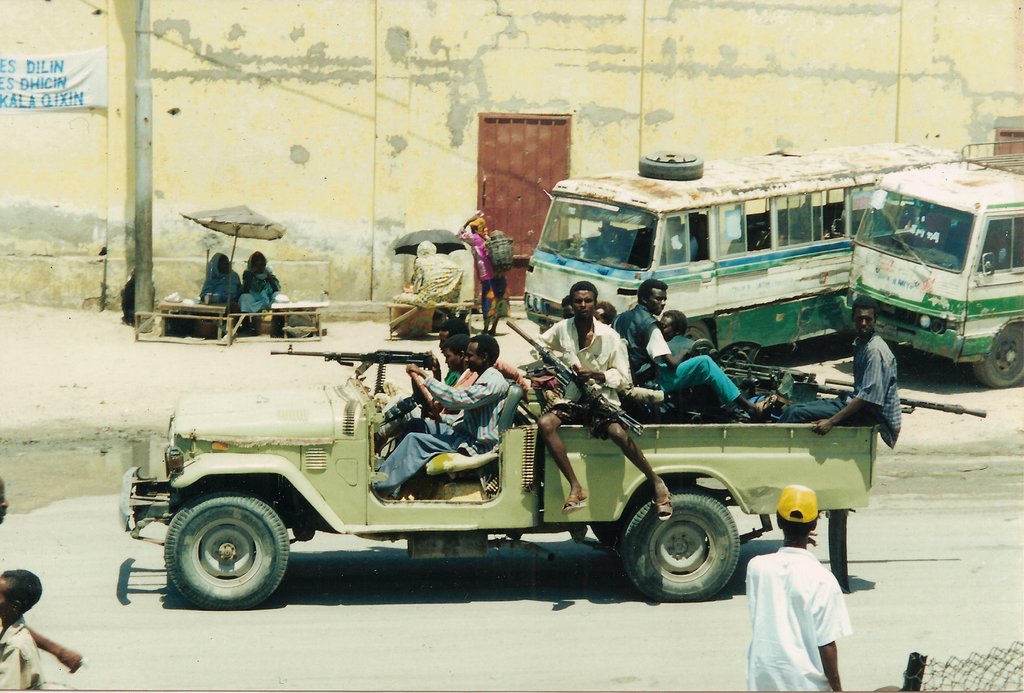
The term technical as a designation for light improvised fighting vehicles is quite the neologism (a word or term which has entered use relatively recently), which has increasingly entered common vernacular, though not yet fully accepted into mainstream military parlance of professional First World armies. The latter often speak instead of a Non-Standard Tactical Vehicle (NSTV), which quite sufficiently covers what a technical actually is. In this article we’ll examine the etymological origins of the ‘technical’.
 Omer Sayadi
Syrian Civil War Crest Symbology: Comparative Conclusion
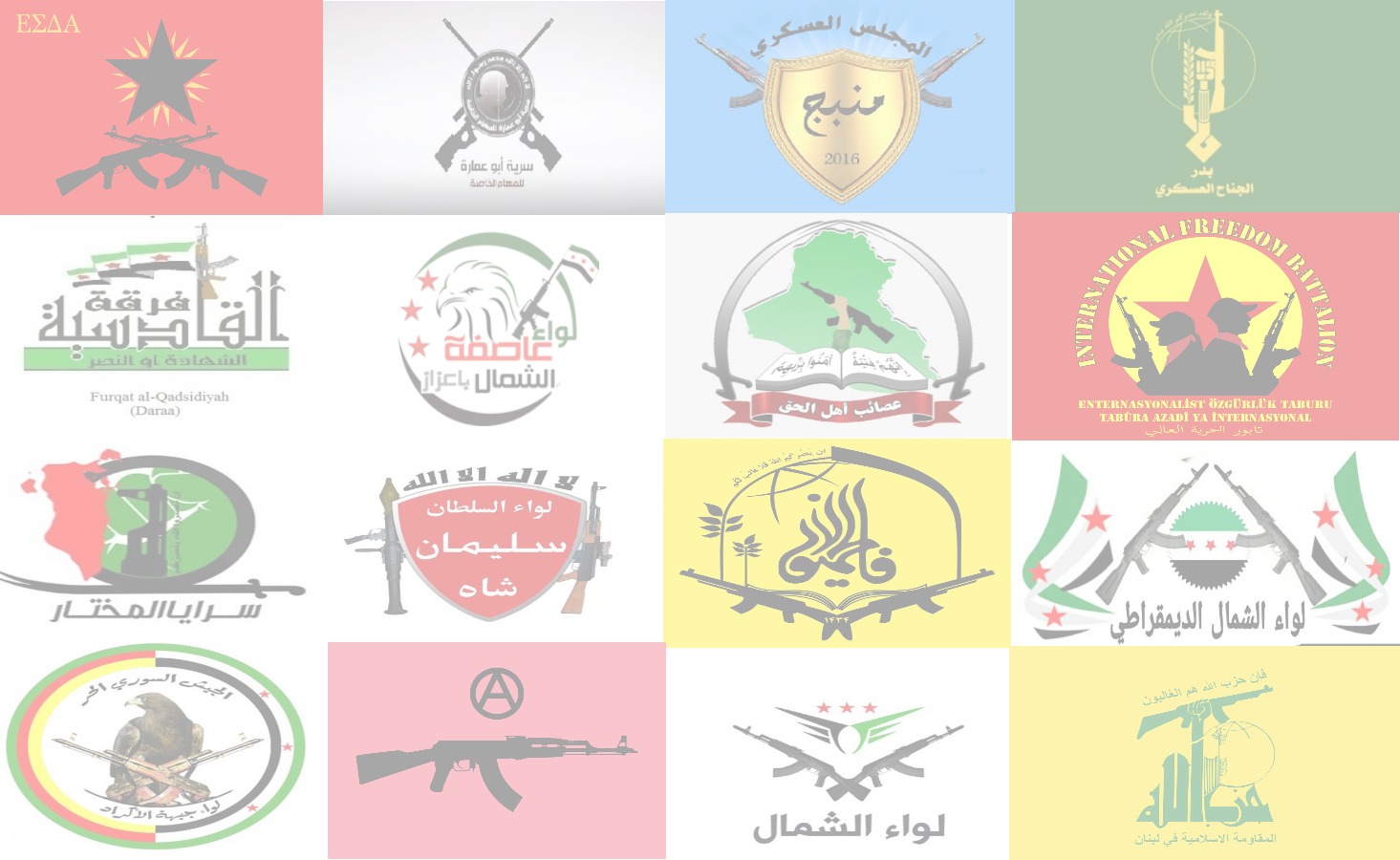
In this series we have examined Syrian armed groups from across the entire political spectrum who at one point or another during the war featured a firearm in their official crest. Our goal is to present a statistical overview of the small arms used in this military imagery and to share some interesting information I was able to deduce. You can find the first three parts of this series here, here and here. In this fourth and final part, we will make a comparative overview of all the political affiliations fighting previously focused on throughout the previous posts.
Syrian Civil War Small Arms Symbology: Syrian Democratic Forces in Rojava
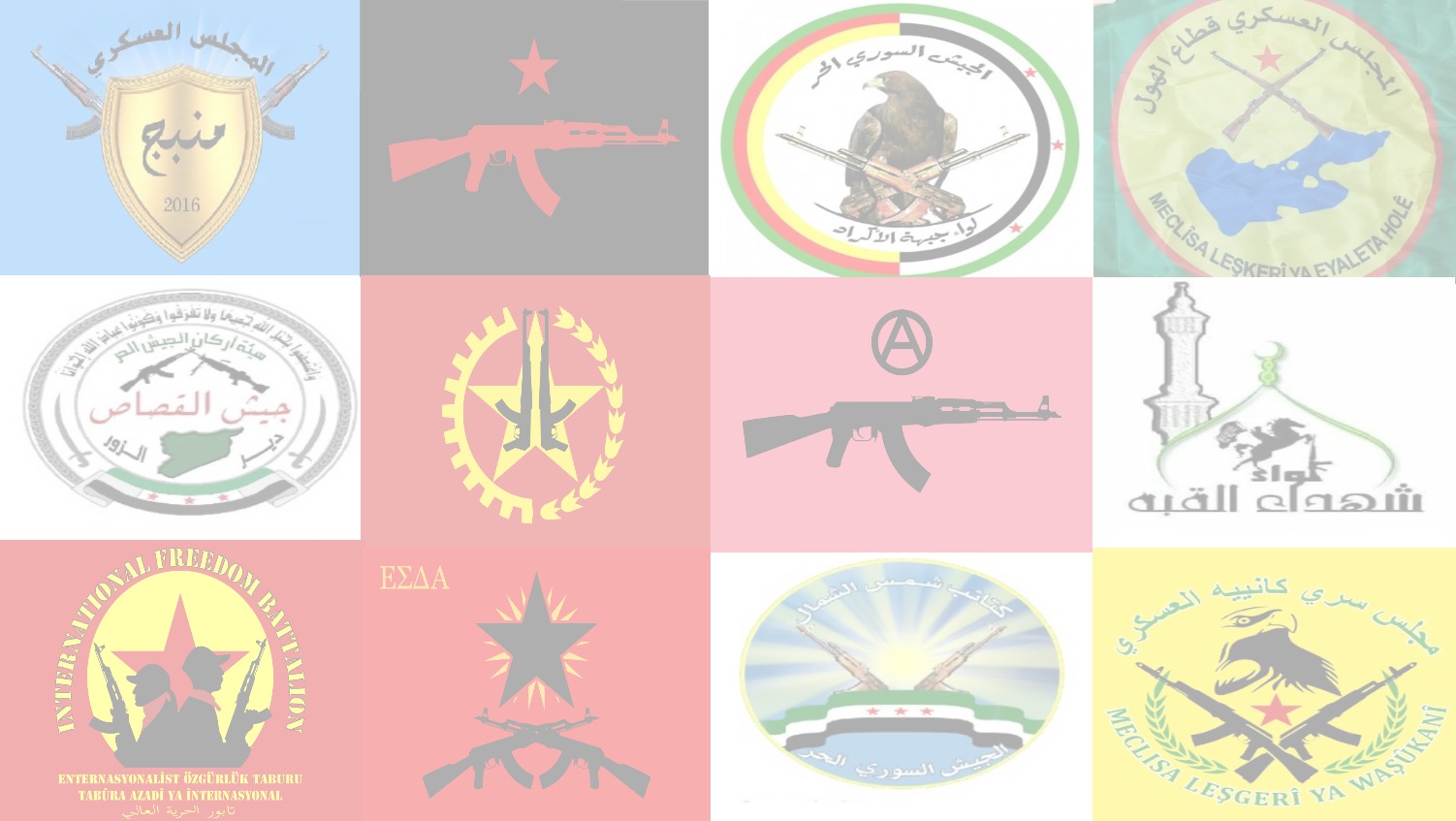
In this series we have examined Syrian armed groups from across the entire political spectrum who at one point or another during the war featured a firearm in their official crest. Our goal is to present a statistical overview of the small arms used in this military imagery and to share some interesting information I was able to deduce. You can find the first part of this series here and the second part here, the Opposition and Regime respectively.
Small Arms Crest Symbology: The Syrian Regime
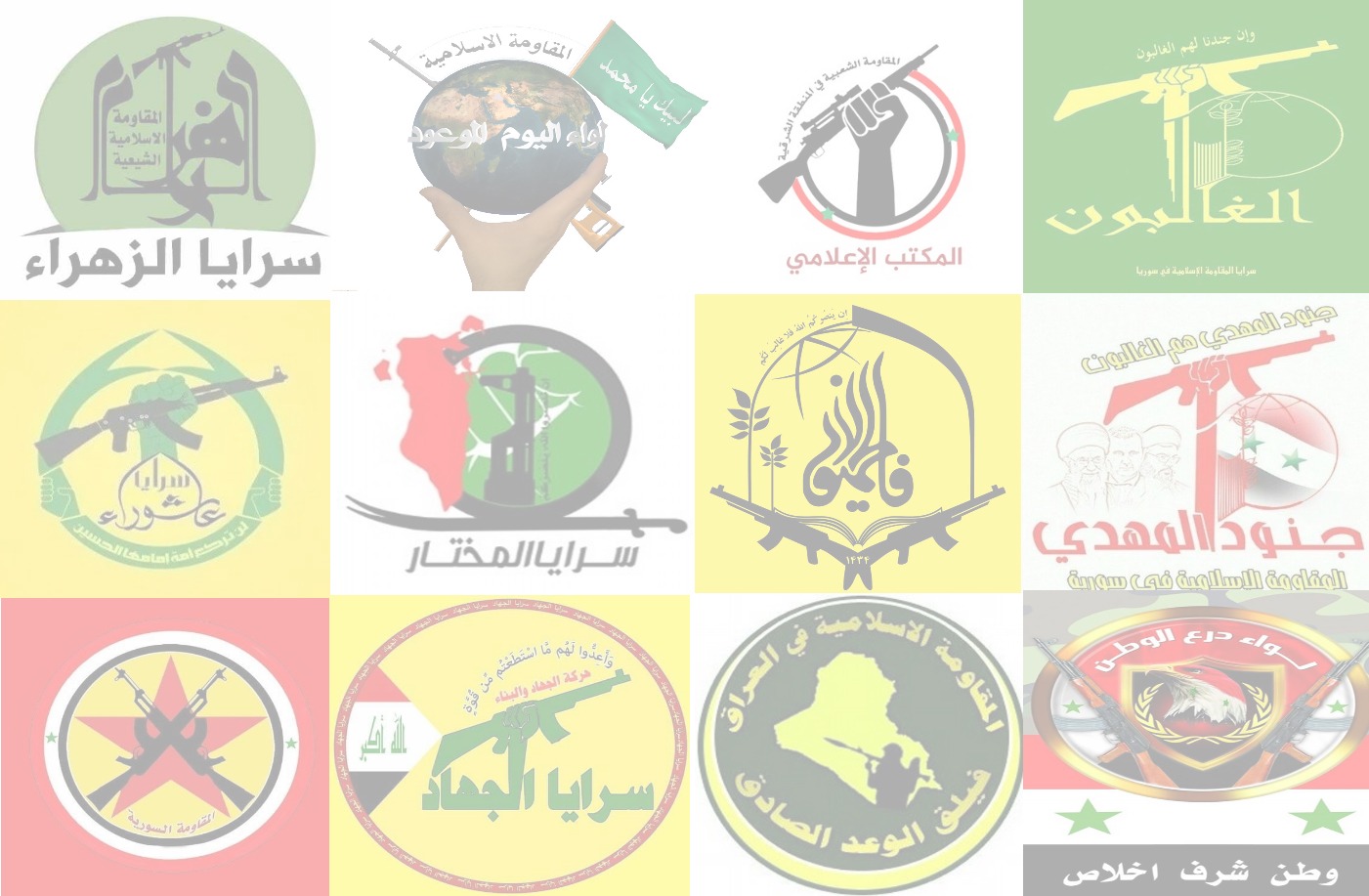
The Syrian Civil War is many things, not least an extremely complex conflict. In this series we examine the imagery used by various groups from across Syria’s political spectrum. In the first part of the series we examined the crests Opposition-affiliated groups and organisations. If you missed the first part of the series you can find it here. In this part we will examine groups affiliated with the Assad Regime and present a statistical overview of the small arms used in their military imagery. You can find the first part of this series here.
Small Arms Symbology of Syrian Opposition Forces (2011-2020)
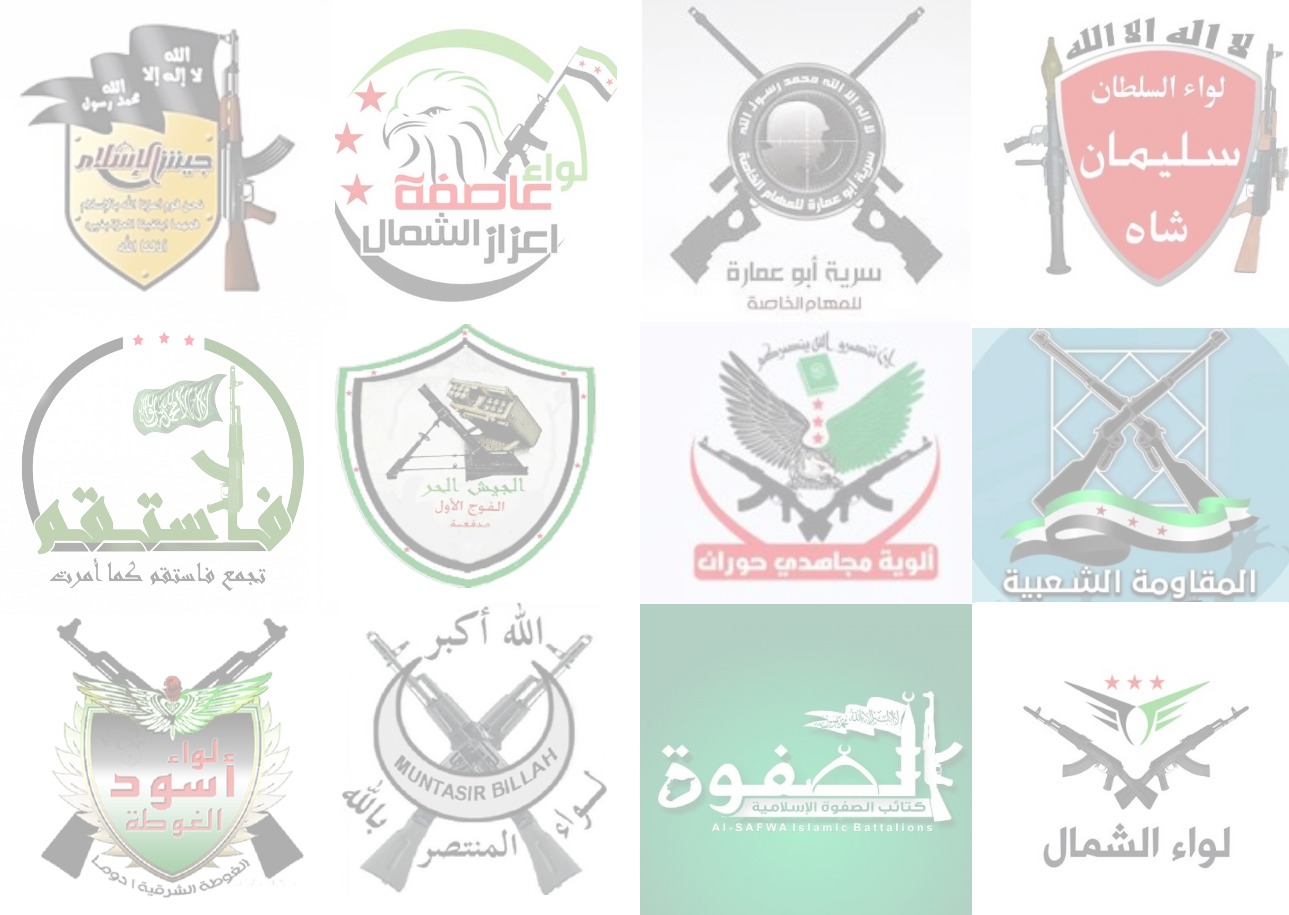
The Syrian Civil War is an extremely complex conflict, not least in terms of its innumerable state and non-state actors, armed groups, popular militias and foreign contractors. Despite the obvious confusing chaos and dreadful complexity caused by a large number of participants it does offer a representative sample frame for academic research. For any researcher looking for a realistic subset of armed factions and political movements within the wider region, Syria provides an interesting case study. In this exclusive series, I examined Syrian armed groups from across the entire political spectrum who at one point or another during the war featured a firearm in their official crest. My goal is to present a statistical overview of the small arms used in this military imagery, and to share some interesting information I was able to deduct.
Stars and Rifles Part 2: Afghanistan’s Eight-Point Crest
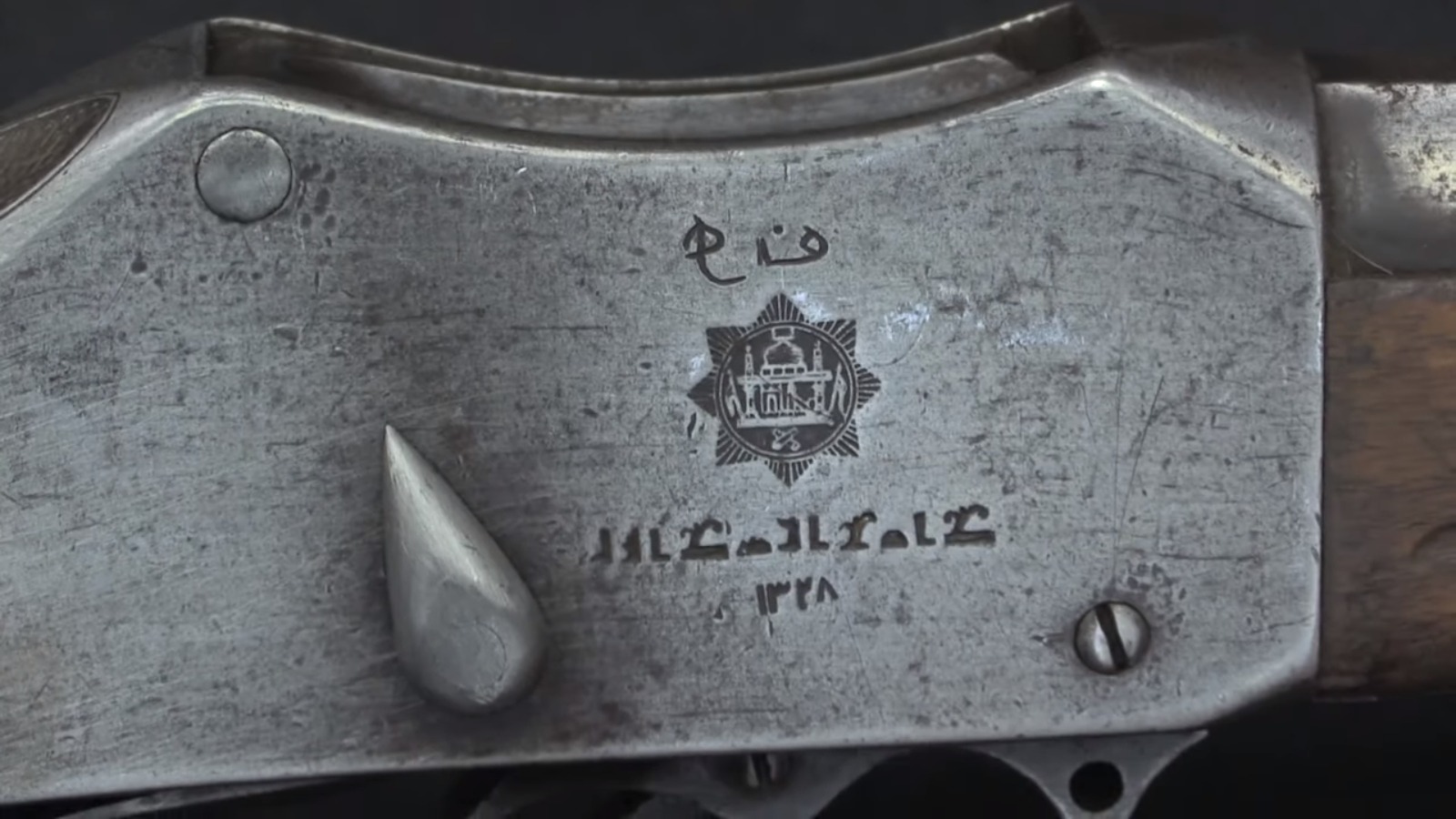
By 1879, the so-called Great Game between the Russian Empire and Great Britain over Central-Asia entered one of its final phases after the British victory in the Second Anglo-Afghan War. In the web of diplomatic and political maneuvers so apparent during this turbulent period, it was of paramount importance for the British Crown to keep the Russians at bay and reduce their influence on Afghanistan as much as possible. In this article, we will examine the markings on Afghanistan’s indigenously produced rifles.
A Brief History of the Ramadan Cannon
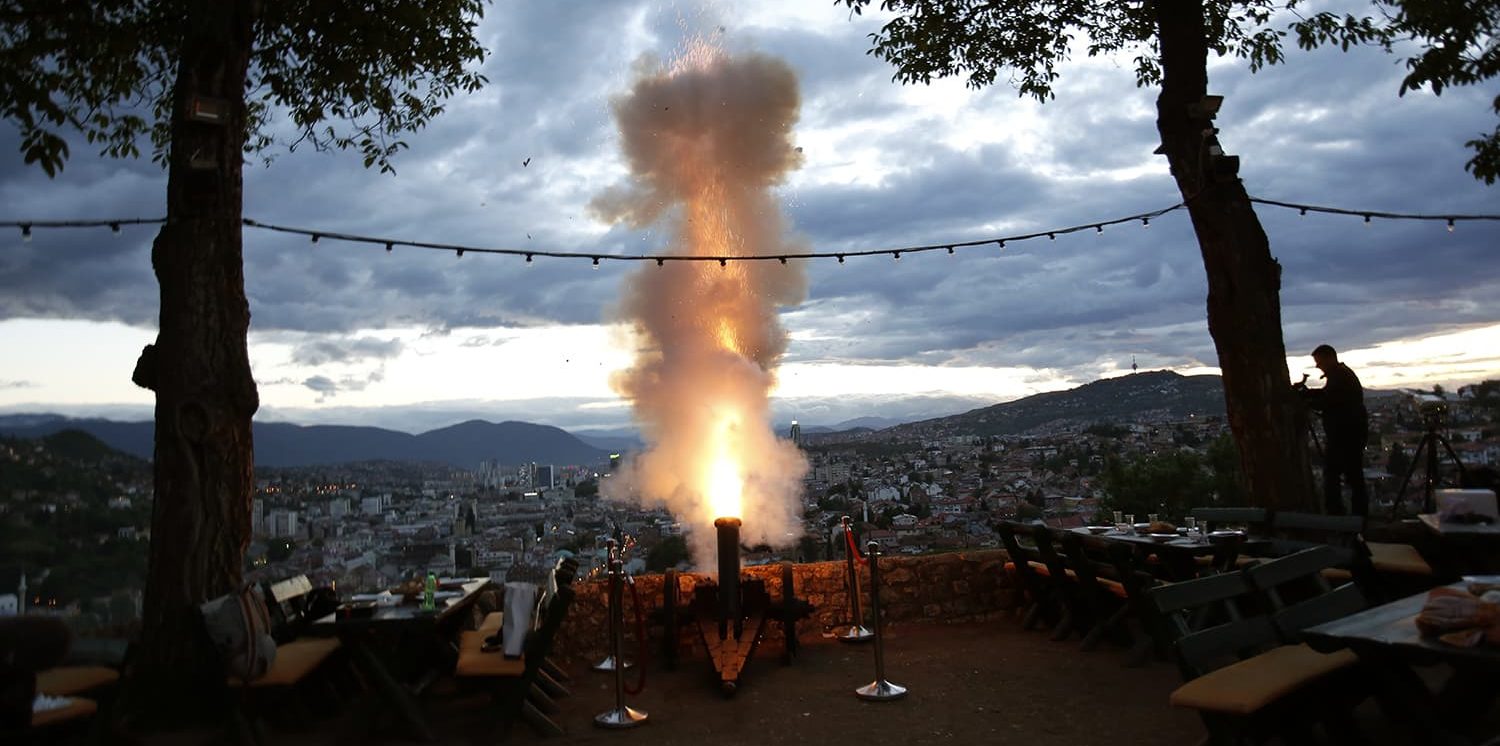
The sun slips slowly and majestically behind the horizon, heralding the end of the Muslim fast. Yet another day on the Ramadan-calendar crossed out. Since everything in this day and age runs like clockwork, fasting Muslims glance impatiently at their watches and clocks spread throughout the house awaiting that exact time of the sun’s setting. Historically, however, there has been another, louder, more spectacular method of announcing ifṭār – the firing of a cannon.
Stars and Rifles Part 1: Ottoman Hexagram Proof Marks
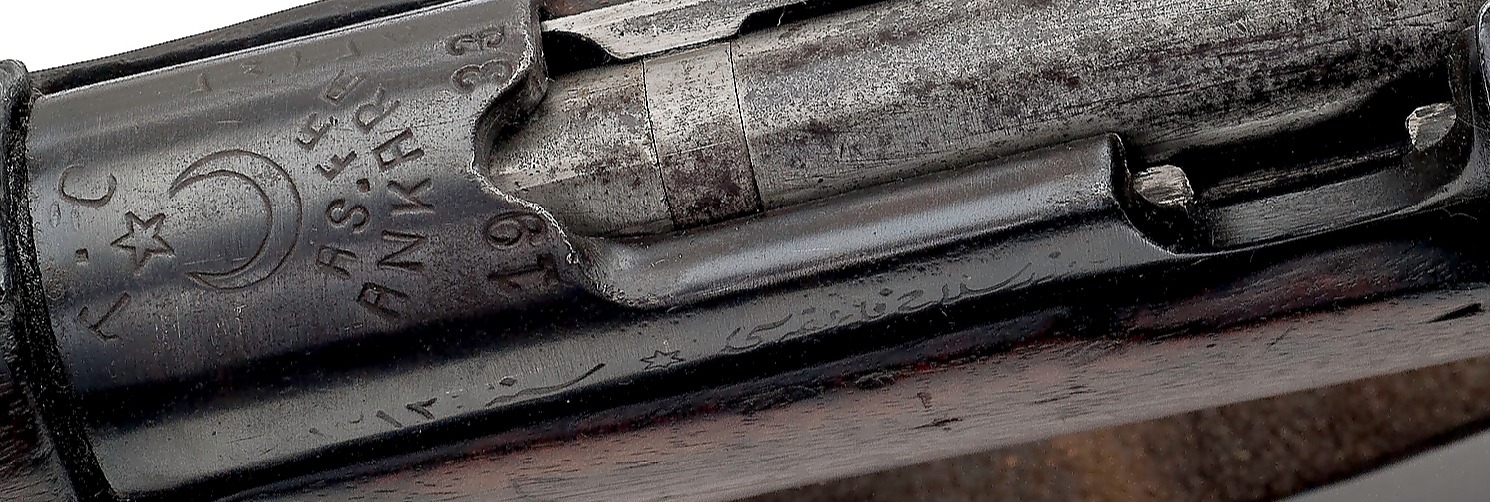
One of the peculiarities of a front line soldier’s life throughout the history of increasingly intense warfare is the heightened susceptibility to superstition and the supernatural, expressed through a plethora of different talismans, charms and other curious oddities. One might think of the strange British Touch Wud [wood] charms of World War I, the lucky rabbit feet worn by American soldiers in Vietnam or Japanese charm pouches worn during World War II. It is a common occurrence across all civilizations to feel shielded by the pretense of spiritual protection, as fleeting and illusory as it may seem. When the flesh is at its most vulnerable, man seeks different ways to somewhat dampen the fear for the imminent threat of death and disfigurement.
The Emblem of the Shiite Muqāwama: The Cold War’s Third Alternative
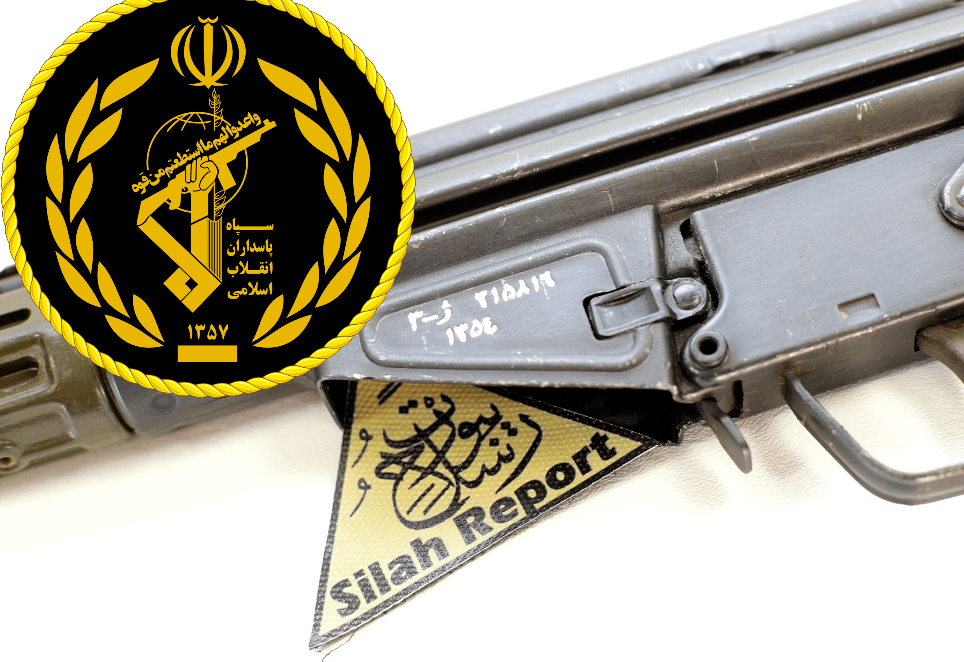
When designing a new flag or representative banner of any given social group, one of the most important pillars of vexillology (the study of flags) one should keep in mind is clarity. Any serious flag should at least be indicative of what it represents, and how the people brandishing it wish to be perceived by the outside world. A clueless spectator means failure in offering a sufficiently suggestive flag for the group’s representation to the public. A flag is an important attribute for any group, presenting a visual introduction and identification through colors, symbols and objects featured on the banner.
Operation Balak: The IDF’s Star of David on Nazi Rifles
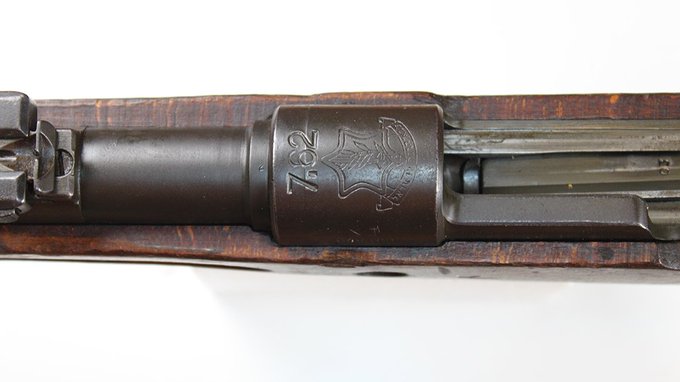
“All is fair in love and war” is an idiom in English that refers to the practice of otherwise questionable actions being considered acceptable under exceptional circumstances. When talking about weaponry in general, one example to illustrate the aforementioned saying would be the direct use of an enemy’s arms of war to forward one’s own agenda. Anti-Communist Afghan Mujahideen fighting their Soviet enemies with Soviet-made weaponry, Islamic State attacking regional adversaries with US M4’s and M16’s or the post-war US government employing former German and Japanese scientists and technologies for their fight against the Red Menace are all examples of this common practice. The Israeli Defense Forces‘ hexagram emblem on Nazi Mauser-manufactured Kar98k carbines is another interesting manifestation of this idiom.