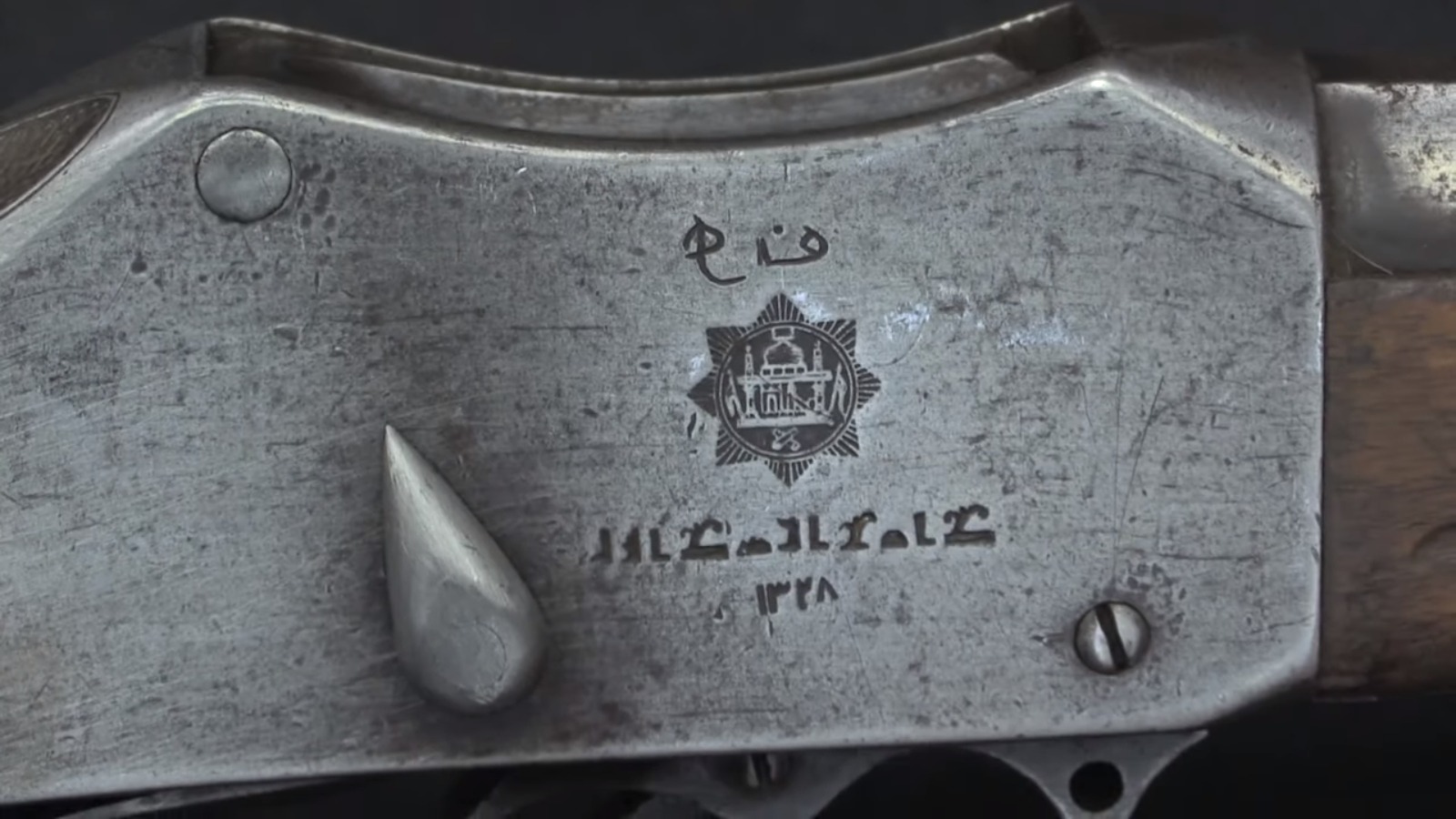
By 1879, the so-called Great Game between the Russian Empire and Great Britain over Central-Asia entered one of its final phases after the British victory in the Second Anglo-Afghan War. In the web of diplomatic and political maneuvers so apparent during this turbulent period, it was of paramount importance for the British Crown to keep the Russians at bay and reduce their influence on Afghanistan as much as possible. In this article, we will examine the markings on Afghanistan’s indigenously produced rifles.
British
A Brief History of the Ramadan Cannon
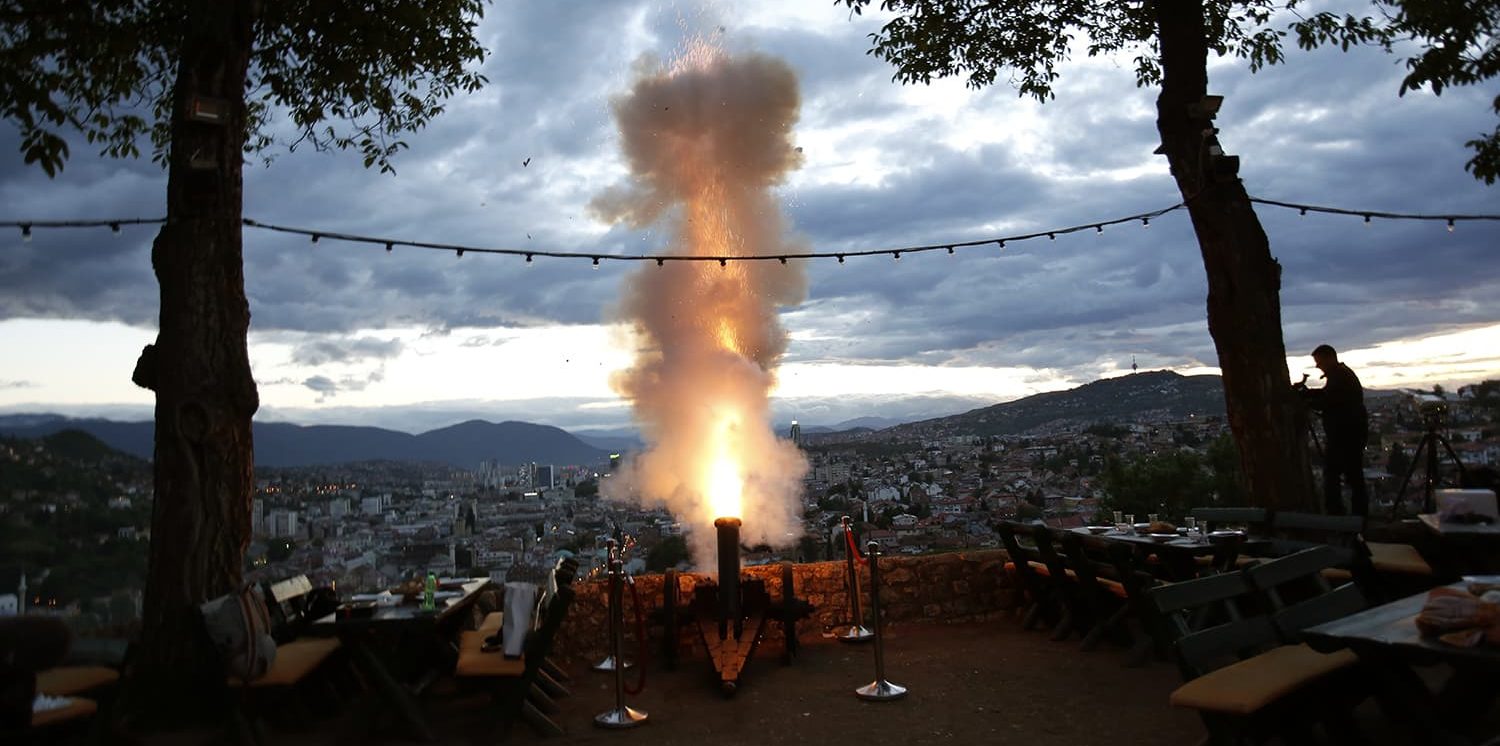
The sun slips slowly and majestically behind the horizon, heralding the end of the Muslim fast. Yet another day on the Ramadan-calendar crossed out. Since everything in this day and age runs like clockwork, fasting Muslims glance impatiently at their watches and clocks spread throughout the house awaiting that exact time of the sun’s setting. Historically, however, there has been another, louder, more spectacular method of announcing ifṭār – the firing of a cannon.
Operation Balak: The IDF’s Star of David on Nazi Rifles
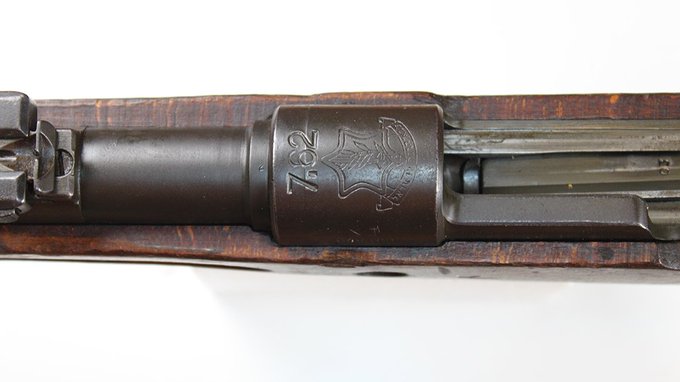
“All is fair in love and war” is an idiom in English that refers to the practice of otherwise questionable actions being considered acceptable under exceptional circumstances. When talking about weaponry in general, one example to illustrate the aforementioned saying would be the direct use of an enemy’s arms of war to forward one’s own agenda. Anti-Communist Afghan Mujahideen fighting their Soviet enemies with Soviet-made weaponry, Islamic State attacking regional adversaries with US M4’s and M16’s or the post-war US government employing former German and Japanese scientists and technologies for their fight against the Red Menace are all examples of this common practice. The Israeli Defense Forces‘ hexagram emblem on Nazi Mauser-manufactured Kar98k carbines is another interesting manifestation of this idiom.