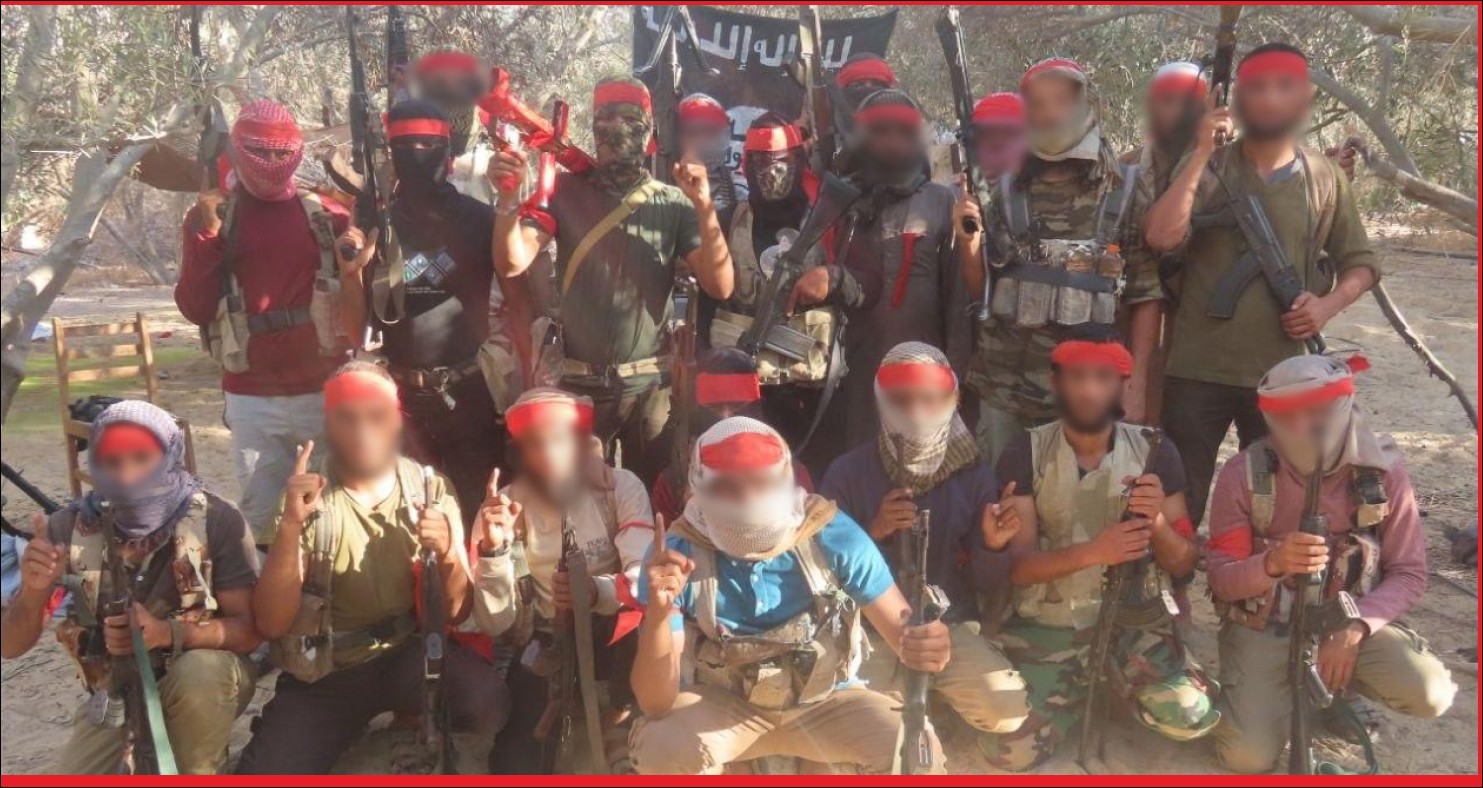
Ever since Libya fell into the civil war of 2011 Egypt has had a massive problem with arms smuggling on its borders with Libya. Thousands upon thousands of firearms, tons of explosives, legacy anti-air MANPADs, as well as advanced weaponry like the Kornet ATGM. Egypt in 2011 was almost in a complete state of chaos due to a revolution that saw its then-president Hosni Mubarak removed from power after ruling the country for thirty years and replaced by the SCAF (Supreme Command of the Armed Forces). In this article we will examine some of the improvised munitions and weapons that have been spotted on the Sinai Peninsula.
Libya
Syrian Civil War Crest Symbology: Comparative Conclusion
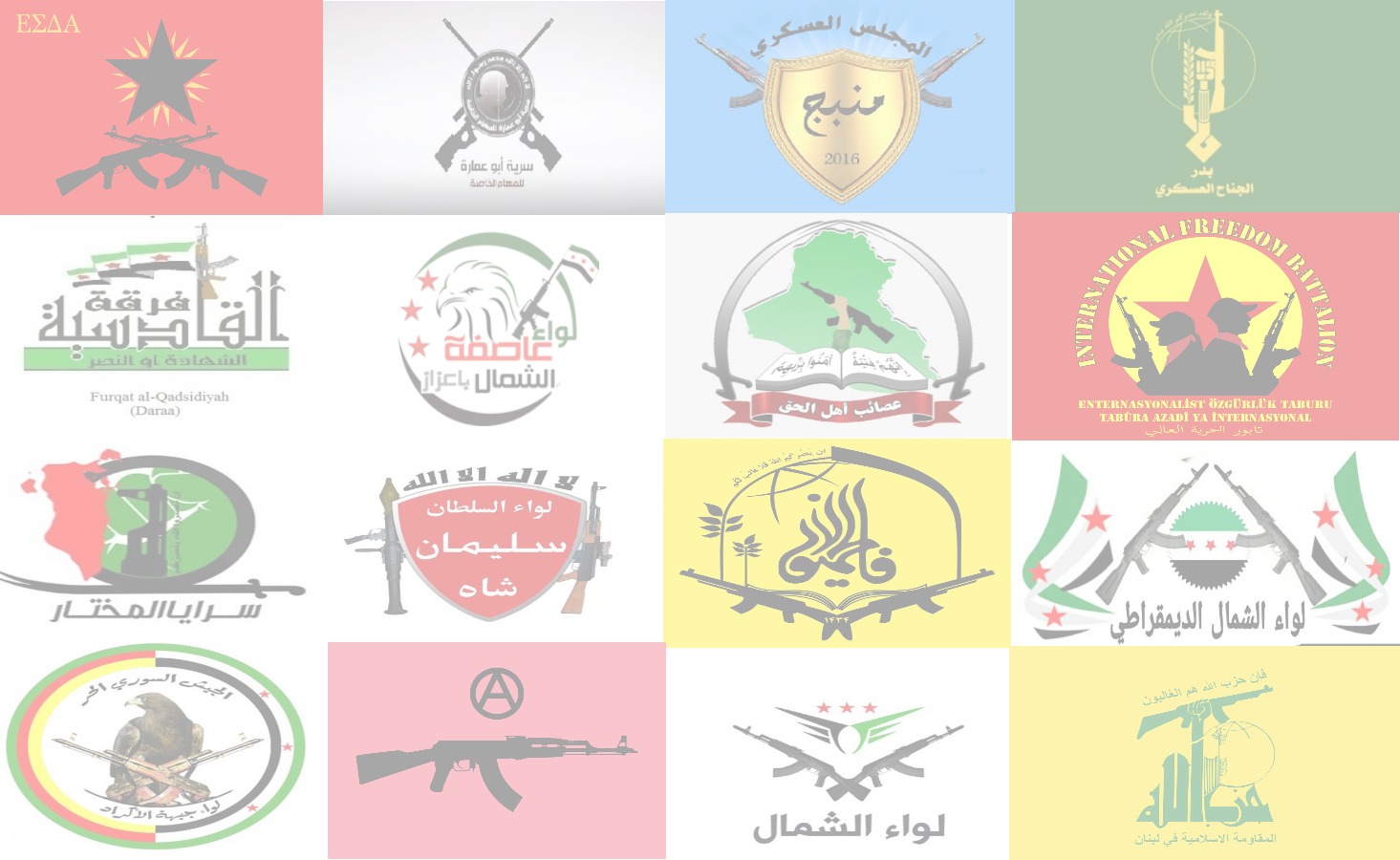
In this series we have examined Syrian armed groups from across the entire political spectrum who at one point or another during the war featured a firearm in their official crest. Our goal is to present a statistical overview of the small arms used in this military imagery and to share some interesting information I was able to deduce. You can find the first three parts of this series here, here and here. In this fourth and final part, we will make a comparative overview of all the political affiliations fighting previously focused on throughout the previous posts.
V18: IDF Gear Review and Excalibur Grenade Launcher in Libya
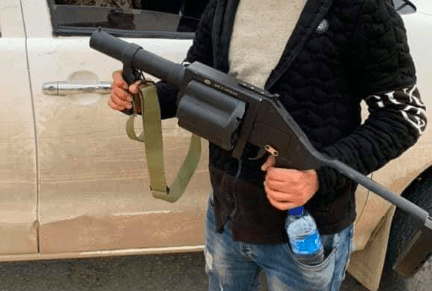
In the 18th episode of Silah Report, our guest was IDF Gear Review, who enlightened us about small arms in Israel. He also shed light on some of the cultural aspects of the IDF. Miles spoke about his brief experience with one of the IDF units when he visited Israel recently. Finally, an extremely exotic grenade launcher found in Libya and following some research has been able to enlighten us about its origins.
A Bodeo Model 1889 Revolver Surfaces in Libya
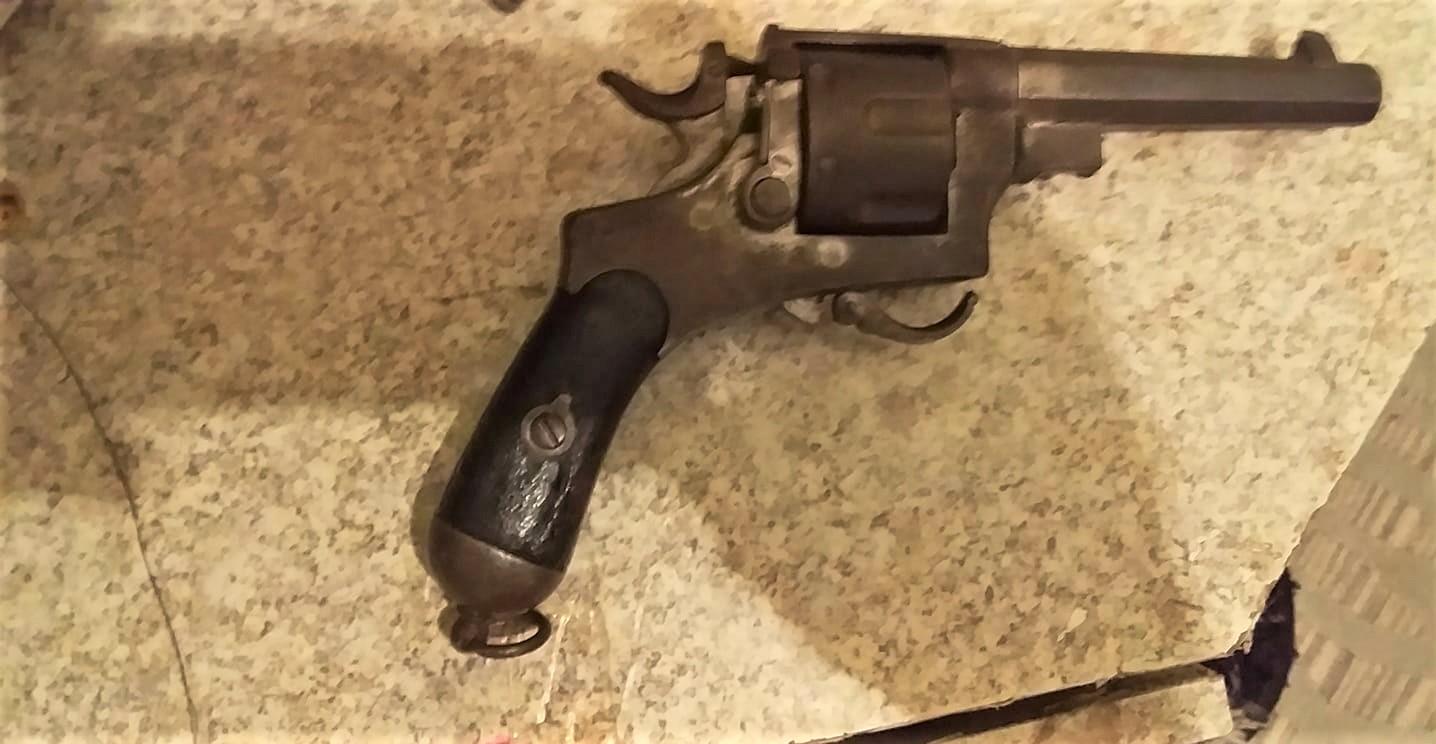
In his first guest post for Silah Report Daniel Casingena looks at a 19th century Italian revolver which recently surfaced on social media and reportedly originated in Libya.
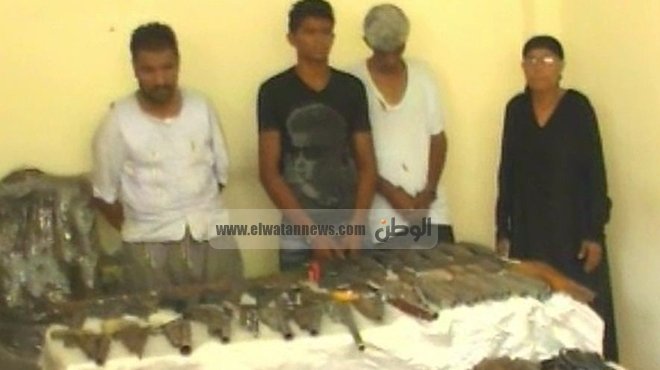
Smuggled MG-34 Seized in a Raid by Egyptian Security Forces in Sinai
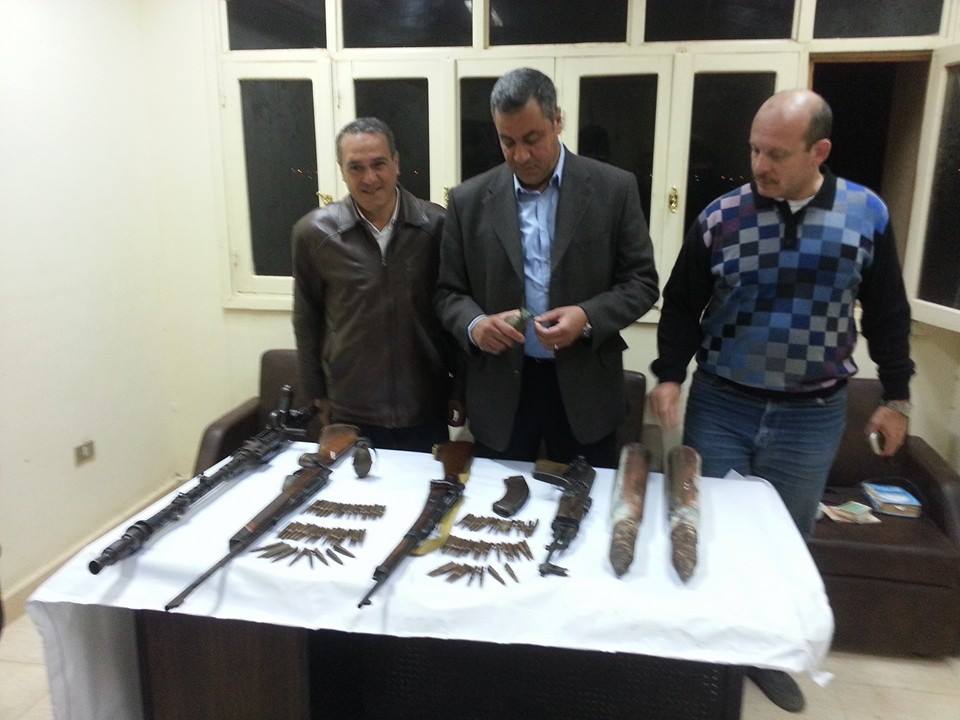
While reviewing old articles on smuggled weapons and munitions to Egypt and to Sinai specifically, I came across an article on ”ONewsAgency” published on the 16th December, 2014, about the seizure of five hundred kilograms of Bango (a type of marijuana) and a variety of small arms in “South Sinai Governate”. One of the weapons photographed was the Second World War-vintage MG-34, 7.92 × 57 mm, general purpose machine gun.
Podcast Vol.4: Libyan assembled Makarovs, Yemeni colloquial names
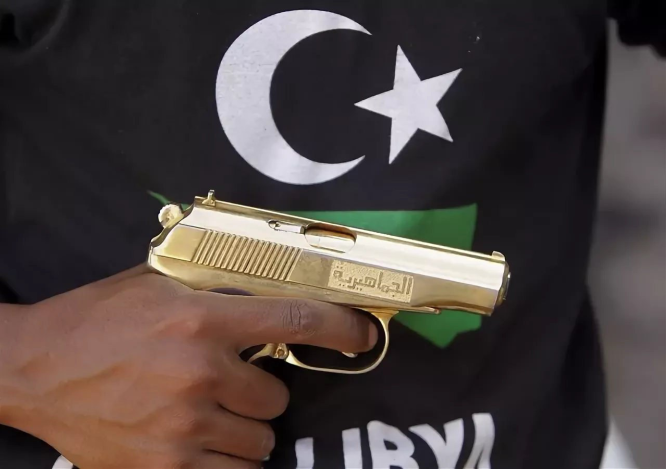
Joining us today is Adham from SR, Cali from Calibre Obscura, Vladimir from Kalashnikov, Abdullah from Khyber Armoury and Hrachya from SR. We get into a number of different topics, mostly concerning small arms in Libya and Yemen. Make sure to listen in as you read along!
The Arms Smuggling Hub of Egypt: The South
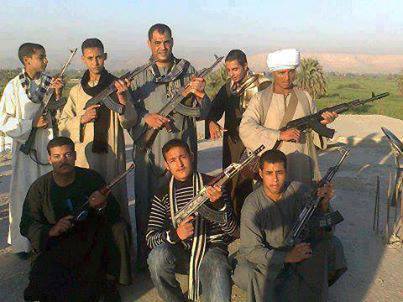
The southern region of Egypt is known for its green pastures lying on both sides of the Nile River, Abu Simbel Temple which tourists from all over the world travel to see, Lake Nasser that was formed by the Aswan High Dam, Luxor’s Karnak Temple. Valley of the Kings and so many more. Yet, there aren’t many tourists who would venture out and try to deal with the local inhabitants, who have their own unique Egyptian Arabic dialects, own unique traditions, and culture, which separates them from the dwellers of Cairo, Alexandria, and Northern Egypt.
Shotgun Pistol: Criminals’ Favorite Silah in Egypt
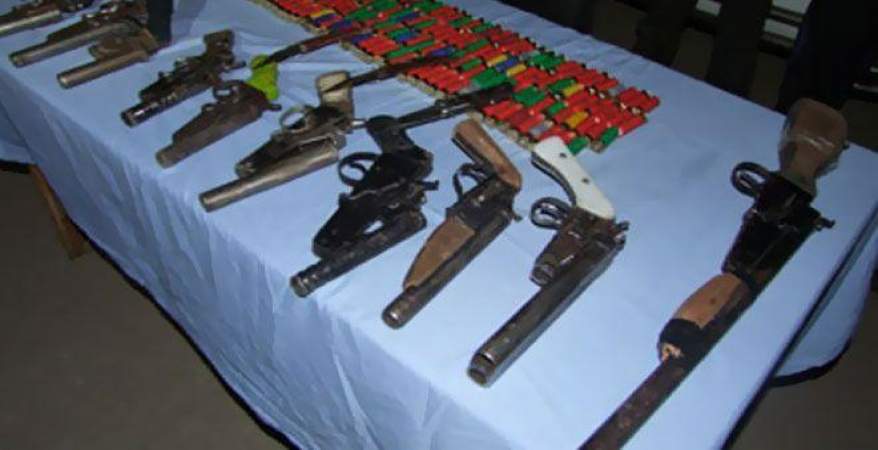
It’s cheap and easy to manufacture, it’s relatively concealable (different sizes exist), and it allows you to carry a machete or any other melee weapon in the other hand, how practical! The iconic DIY shotgun pistol of Egypt since the 25th January Revolution became extremely popular among the poor, the violent activists and of course, criminals.


WW II Small Arms in Libya

Although this these images are from a post that is several years old and on an Airsoft forum, the historical relevance is still very important to consider when examining small arms in the MENA region. These photographs came out during the massive unrest in Libya during and following the Libyan unrest otherwise known as “17 February” that overthrew long-time ruler Muammar Gaddafi. Although many of these small arms were actually used in fighting, the photographs appear to show a lull, where militia forces aren’t actually engaged but are rather conducting target practice or celebrating.
Two variants of the U.S. 1919 are shown, the first one appears to be a heavily modified 1919A4 variant, while the second one is a 1919A6. At first glance, these may appear to be 7.62x51mm NATO variants that Israel modified to use in the IDF during the 1950s and 1960s. However, a closer look at the belt of ammunition reveals the length of the rounds do appear to be .30-06 Spr and thus are most likely original manufacture 1919A4s and A6s.


 The photo below shows a Browning Hi Power, Sterling SMG, and a Caracano rifle in the background.

The proceeding two photographs are of a Russian 7.62x54Rmm DP28 light machine gun. These might have arrived in Libya as a form of surplus support from the Soviet Union during the Cold War.


At an initial glance, this would appear to be a German 9x19mm MP40, but instead, due to the circular opening in the magazine well it is in fact, the predecessor to the MP40, the MP38.

This rifle appears to be a Mauser K98 with a broken stock that has been replaced

17 February Unrest Summary (Wikipedia)-
The first Libyan Civil War, also referred to as the Libyan Revolution[33] or 17 February Revolution,[34] was an armed conflict in 2011, in the North African country of Libya, fought between forces loyal to Colonel Muammar Gaddafi and those seeking to oust his government.[35][36] The war was preceded by protests in Zawiya on 8 August 2009, and finally ignited by protests in Benghazi beginning on Tuesday, 15 February 2011, which led to clashes with security forces that fired on the crowd.[37] The protests escalated into a rebellion that spread across the country,[38] with the forces opposing Gaddafi establishing an interim governing body, the National Transitional Council.
The United Nations Security Council passed an initial resolution on 26 February, freezing the assets of Gaddafi and his inner circle and restricting their travel, and referred the matter to the International Criminal Court for investigation.[39] In early March, Gaddafi’s forces rallied, pushed eastwards and re-took several coastal cities before reaching Benghazi. A further UN resolution authorised member states to establish and enforce a no-fly zone over Libya, and to use “all necessary measures” to prevent attacks on civilians.[40] The Gaddafi government then announced a ceasefire, but fighting continued.[41][42] Throughout the conflict, rebels rejected government offers of a ceasefire and efforts by the African Union to end the fighting because the plans set forth did not include the removal of Gaddafi.[43]