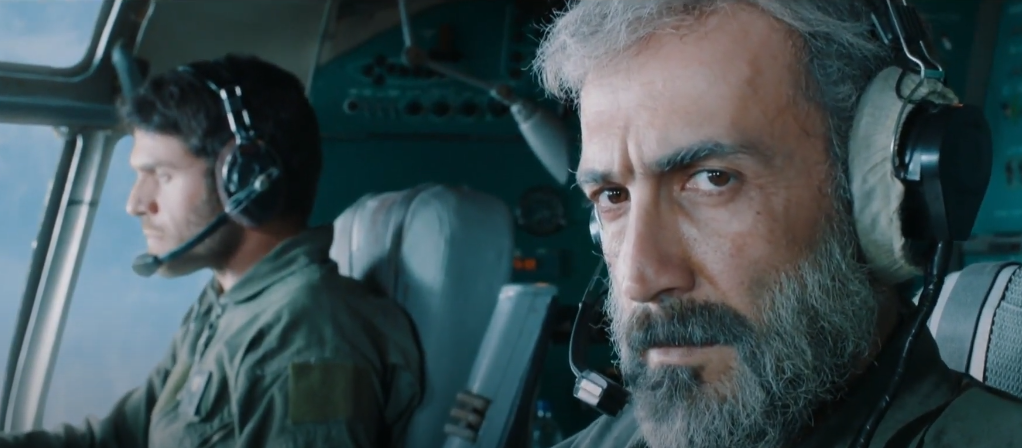
Damascus Time or (به وقت شام), written and directed by Ebrahim Hatamikia and produced by Mohammad Khazai, is a 2018 Iranian film about a fictionalized hijacking of a humanitarian cargo aircraft by ISIS during the Second Palmyra Offensive in 2017 and the survival of its Iranian and Syrian crew. Filmed in both Iran and Syria, the film takes clear inspiration from American action staples such as Air Force One and the many cinematic depictions of the Global War on Terror. But in this film, expressions of American exceptionalism and sympathetic portrayals of their foreign policy are exchanged for Iranian ones. Like with many films, the firearms used within the film and how they are portrayed reveal certain subtexts around the film and how it portrays the civil war in Syria.
Watch the trailer below:
Vehicles
While not the focus of the article, the unique circumstances of the production of this film provide it with many weapons systems seldom seen in most Western productions outside of CGI and they will be briefly addressed here.
Aircraft:
Seeing as the majority of the film takes place in a Russian Ilyushin Il-76 heavy transport plane, aircraft play an important role in the film. Early on, we see our father and son protagonists Younes and Ali Rostami at an airbase preparing for their mission to fly refugees out of Palmyra. A ubiquitous Mi-8 helicopter is seen along with two Su-25 Frogfoot ground attack aircraft, an infamous symbol of Syria’s air war. These two planes are notable, because although they appear to have a Syrian flag emblazoned on the side of the aircraft; Syria’s air force does not operate the Su-25, as its usage in Syria proper is reserved for the Russian air force. From observing their camouflage pattern, these specific Su-25s appear to be part of the IRGC Aerospace Force and were obtained via Iraq during the first Gulf War as the pilots exited the country to avoid American airstrikes. These planes were then deployed to Iraq in 2014 to assist in halting the ISIS offensive there. While it is possible that these planes may well have participated in the fight against ISIS themselves, the fact that they are only seen being towed around the airfield and reports of parts shortages for them suggest they these specific planes may be non-operational and are only able to be used as props.
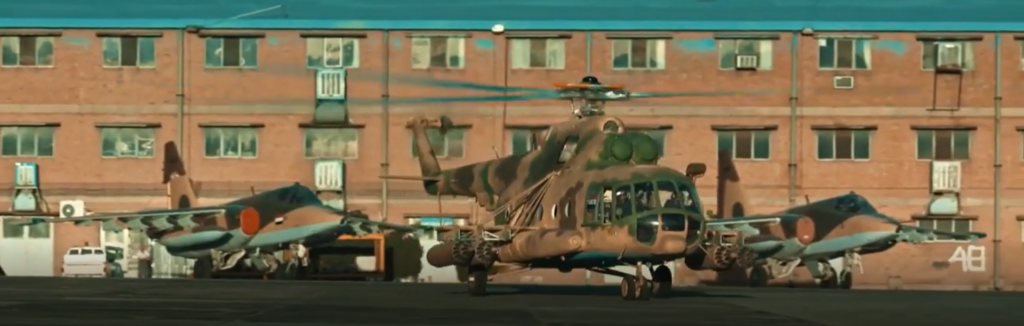
Fig. 1.1. The two Su-24s and the Mi-8. (Source: Damascus Time)
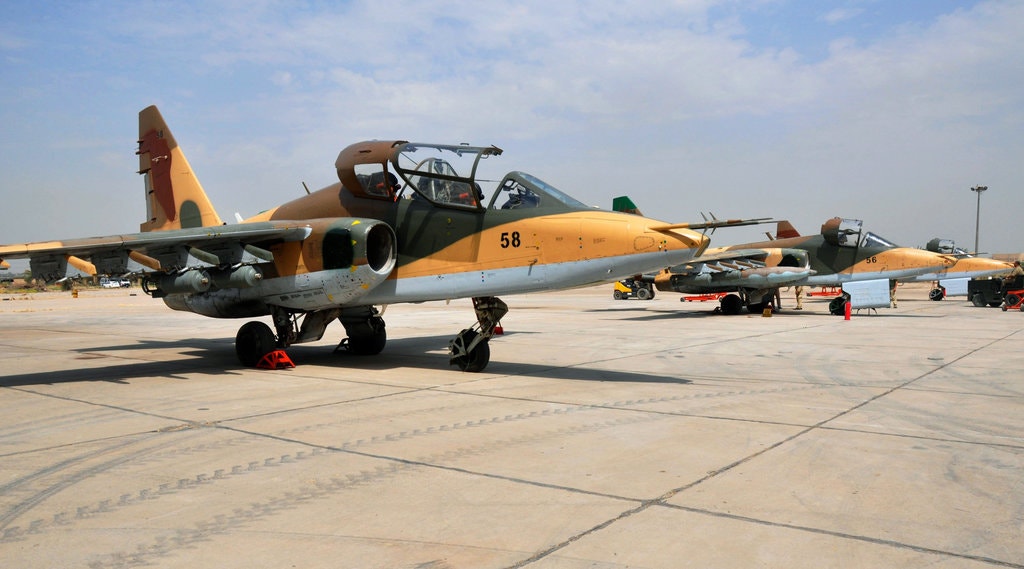
Fig. 1.2. Iranian Su-25s with the same color scheme deployed to Iraq in 2014. (Source: The New York Times)
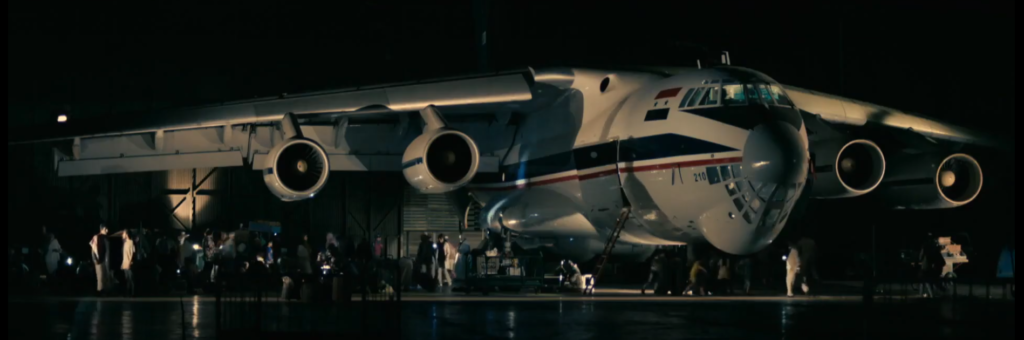
Fig.1.3. The Il-76. (Source: Damascus Time)
Armored Vehicles:
When our protagonists arrive on the ground in Palmyra, there is a roadblock guarding a column of refugees. This roadblock consists of two T-54/55 tanks and a T-72 all adorned with 12.7×108mm DShK machine guns and a BMP-1.
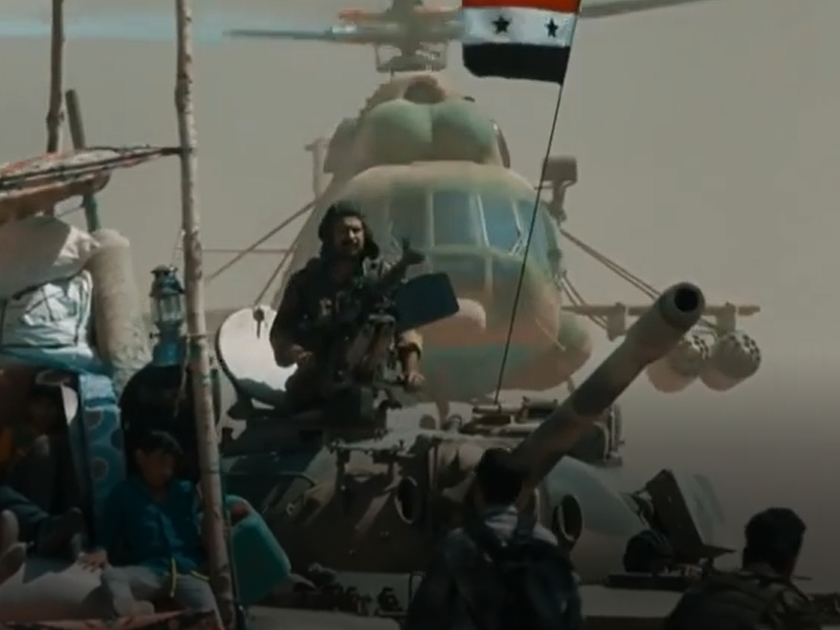
Fig. 2.1. One of the T-54/55s with the Mi-8. (Source: Damascus Time)
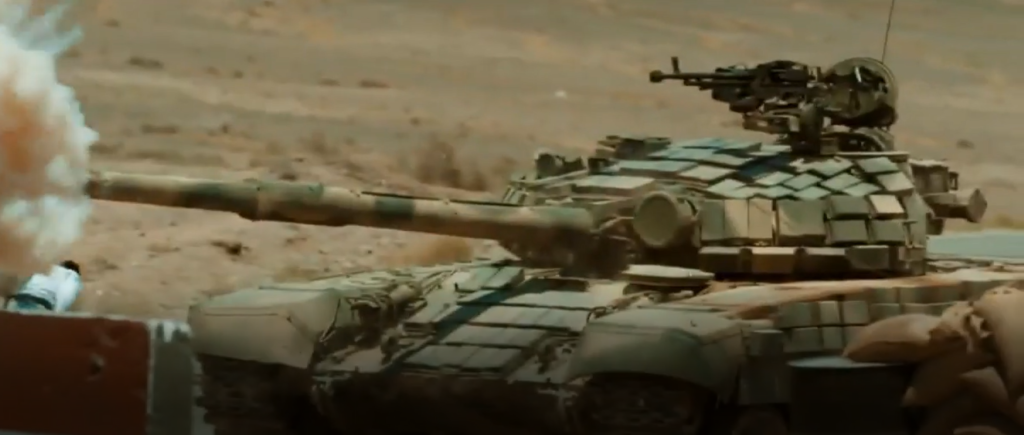
Fig. 2.2. The T-72. (Source: Damascus Time)
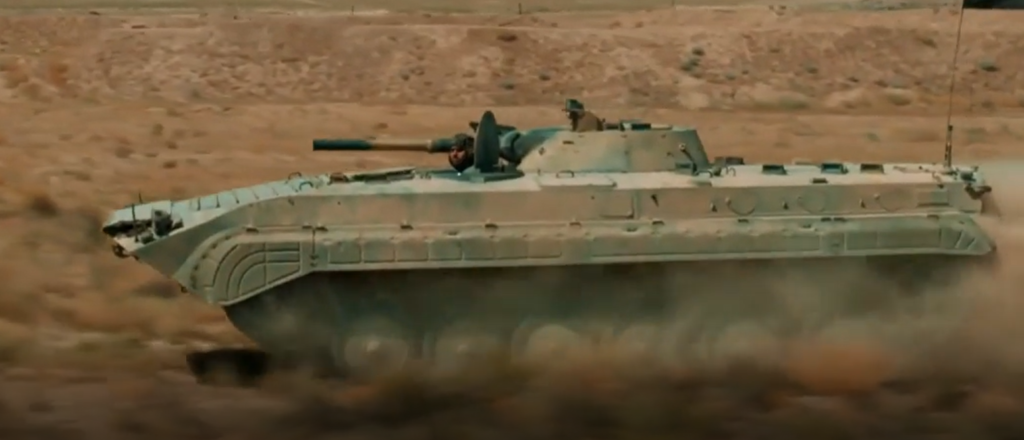
Fig. 2.3. The BMP-1. (Source: Damascus Time)
Technicals:
Another symbol of the war in Syria, technicals make several prominent appearances in the film both as gun trucks and VBIEDs. The first is seen when a suicide bomber targets the aforementioned column of refugees. The improvised armor on many of these vehicles gives them a decidedly Mad Max feel. Ones seen later in the film pay homage to the brand-new white Toyota Hilux that became so infamous in ISIS’s advance in 2014. All technicals in the film are armed with DShK heavy machine guns.
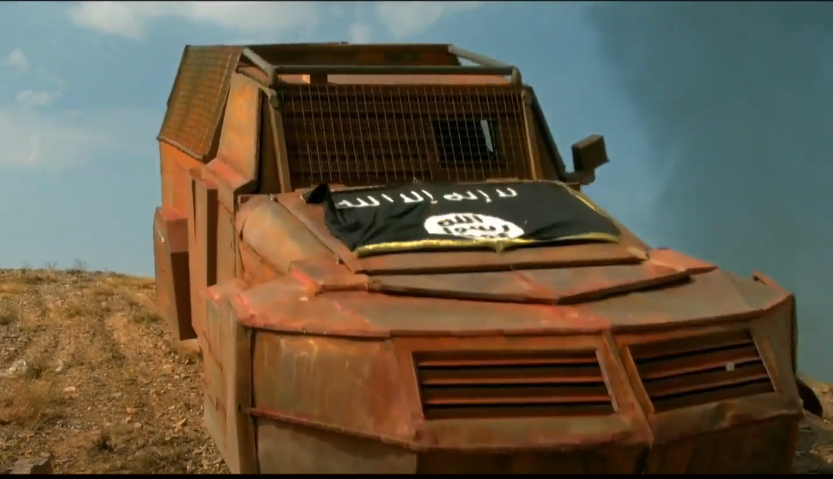
Fig. 3.1. An armored VBIED. (Source: Damascus Time)
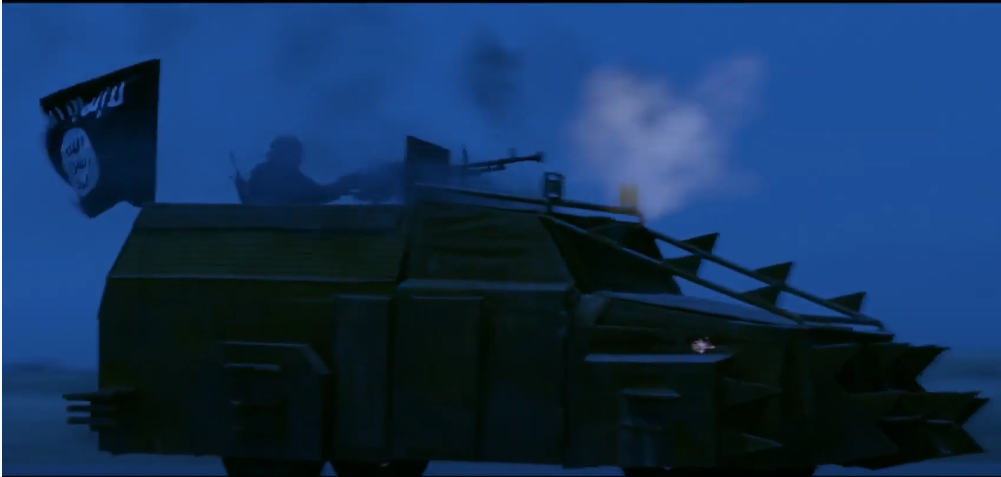
Fig. 3.2. An up-armored technical. (Source: Damascus Time)
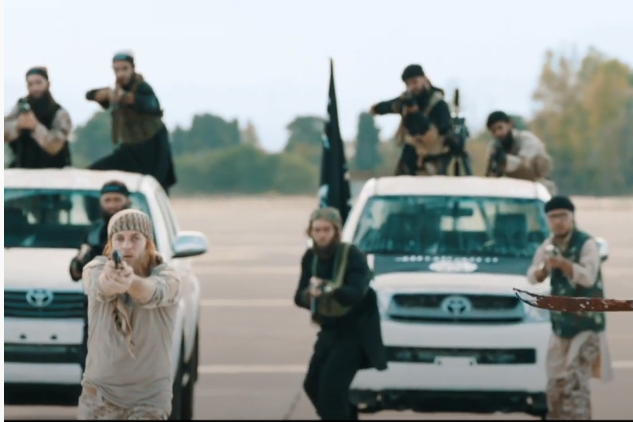
Fig. 3.3. The infamous white Toyotas. (Source: Damascus Time)
The Small Arms
Type 67
The first small arm seen in the film at first appears to be a PKM 7.62×54mmR machine gun in the aforementioned Mi-8 helicopter. Upon closer inspection, however, it appears that it is actually a Chinese Type 67, a design that draws heavily from the SG-43 machine gun and assembled in GPMG configuration. These guns have occasionally been photographed in the current fighting in Syria and their appearance in films is rare.
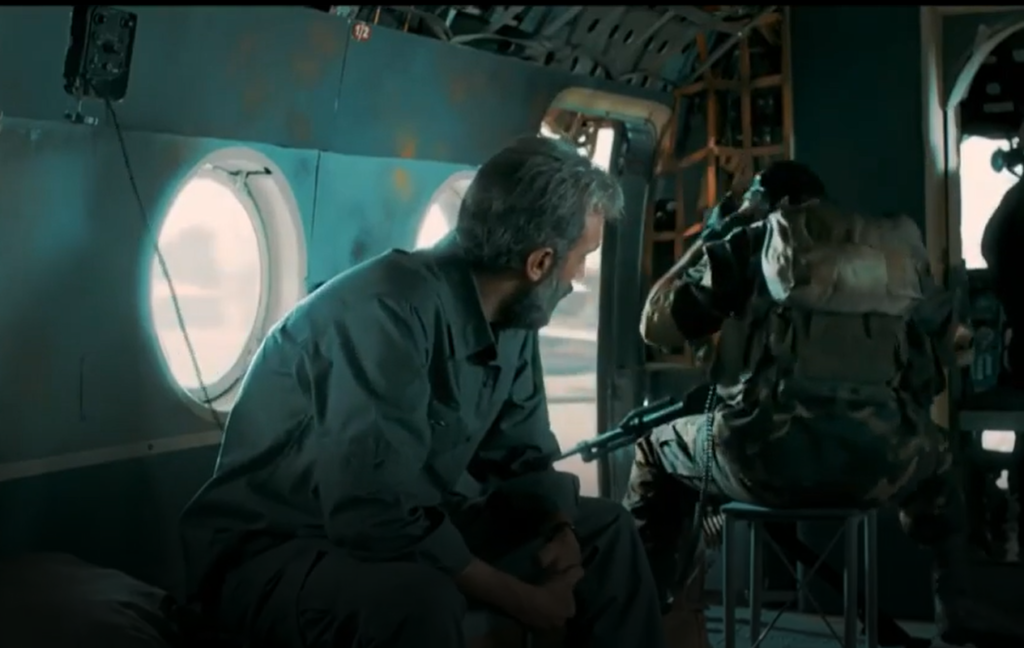
Fig. 4.1. The helicopter-mounted Type 63, at first appearing, to be a PKM. (Source: Damascus Time)
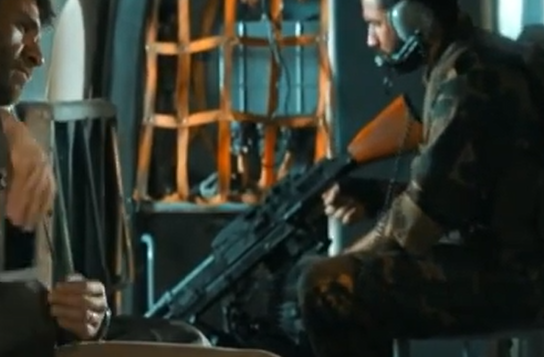
Fig. 4.2. A Closer view of the Type 63, showing its distinctively straight stock and angled receiver shape. (Source: Damascus Time)
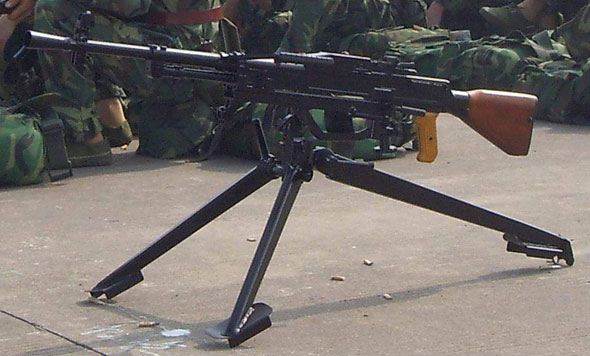
Fig. 4.3. Full view of the Type 67 GPMG for reference. (Source: WeaponSystems)
AK-103
During the roadblock scene, we are introduced to Bassem Hamdani, a Syrian soldier. He carries a 7.62×39mm AK-103 self-loading rifle.
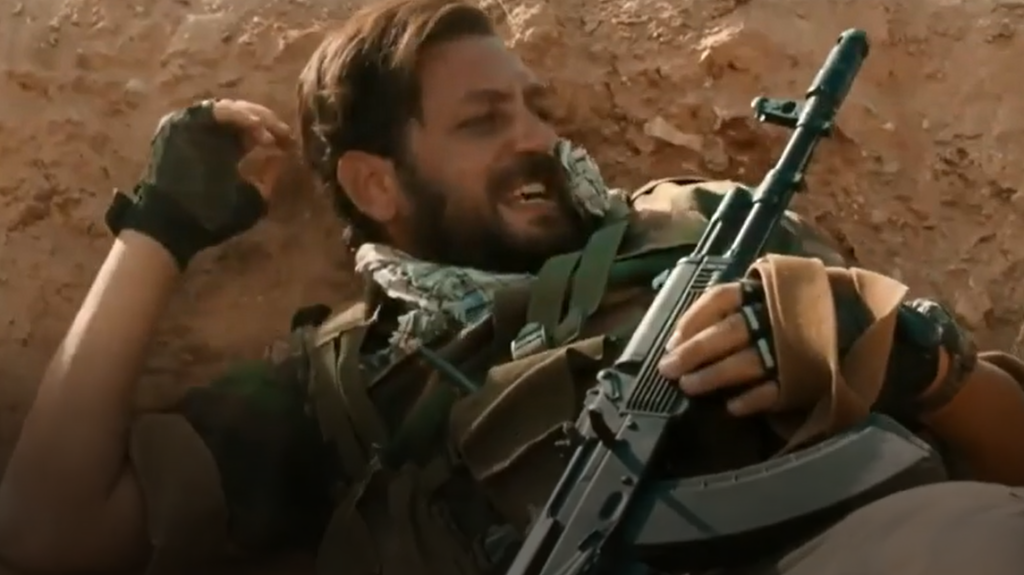
Fig. 5.1. Bassem with his AK-103. (Source: Damascus Time)
AKMS
As our protagonists make their way through Palmyra in the aforementioned BMP, they are ambushed by a rocket attack and they quickly disembark the vehicle. As they exit, we can see their companions wielding an array of Kalashnikovs. One soldier with a highly visible Hezbollah patch wields a 7.62×39mm Romanian Pm Md.63. Another fighter wields a 7.62×39mm AKMS patterned under-folder. Based on his appearance, he is also likely coded to be a member of the Liwa Fatemiyoun, an Afghan militia sourced mainly from the Shi’a Hazara ethnic group. He also appears next to another fighter who appears to be wearing a patch from that militia.
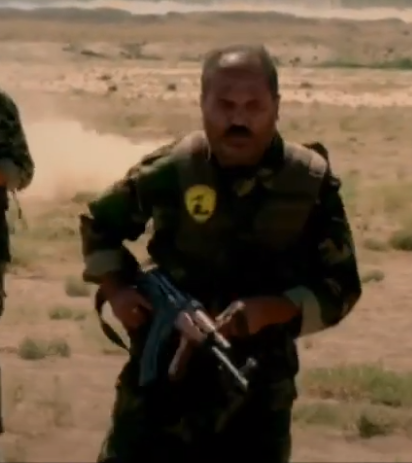
Fig. 6.1. Hezbollah patch and Pm Md.63. (Source: Damascus Time)
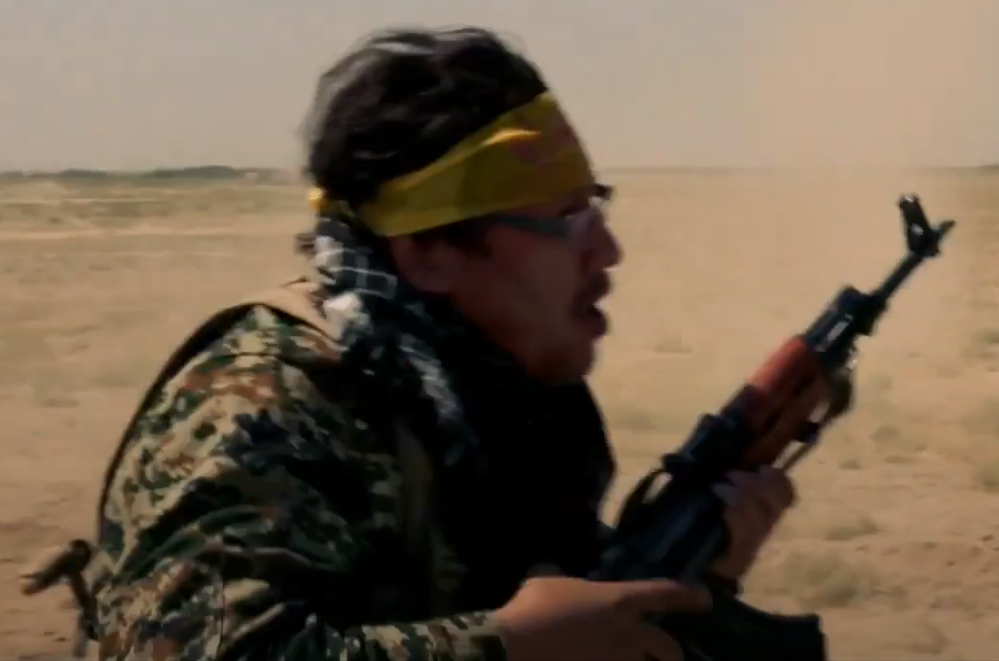
Fig. 6.2. AKMS-patterned rifle. (Source: Damascus Time)
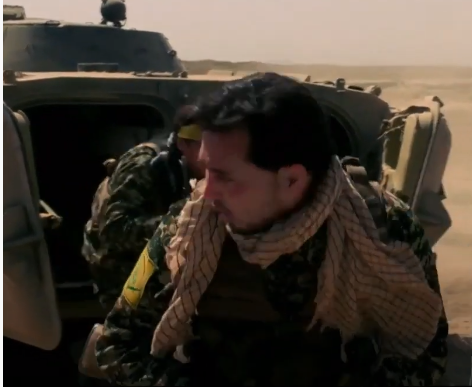
Fig. 6.3. Note the Liwa Fatemiyoun Patch. (Source: Damascus Time)
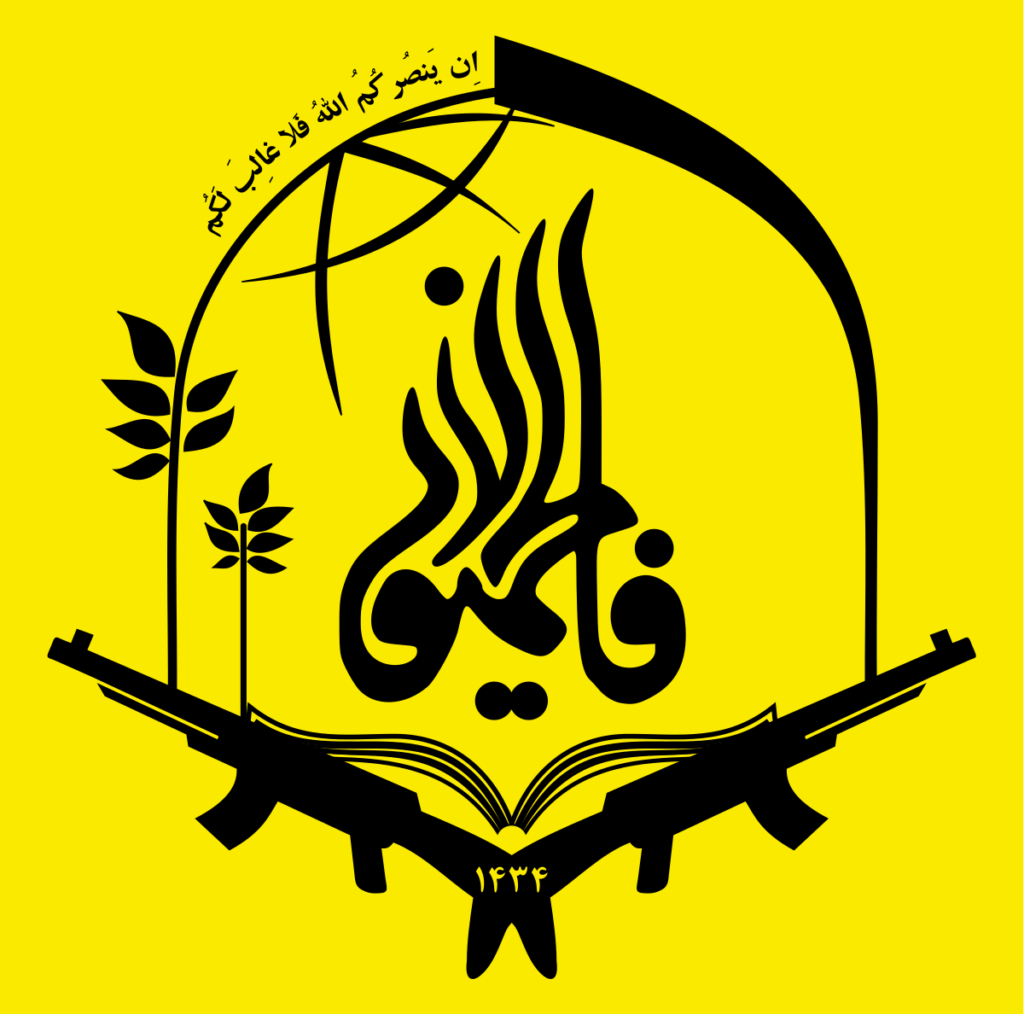
Fig. 6.4. The Liwa Fatemiyoun insignia. (Source: WikiMedia)
Chinese CQ & Iranian S-5.56
When our protagonists finally arrive at the hanger where the Ilyushin is being stored, we see a small arm rarely seen in western films at all, a DIO Model S-5.56 5.56×45mm chambered self-loading rifle. This is an Iranian copy of the Chinese CQ rifle, which is itself a copy of the classic 5.56×45mm M16A1. It can be told apart from other AR-15 derivatives from its distinctive sight adjustment dial, its default 20 round magazine, its handguards, and its noticeably curved pistol grip. The CQ is also the basis of Iran’s bullpup conversion rifle, the KH-2002.
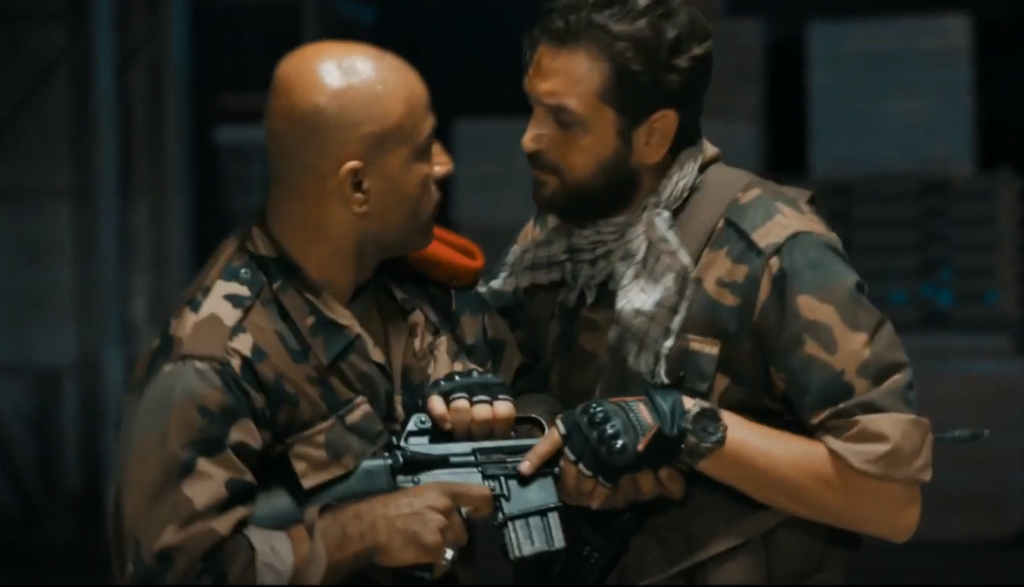
Fig. 7.1. Note the 20-round magazine and rear sight range dial. (Source: Damascus Time)
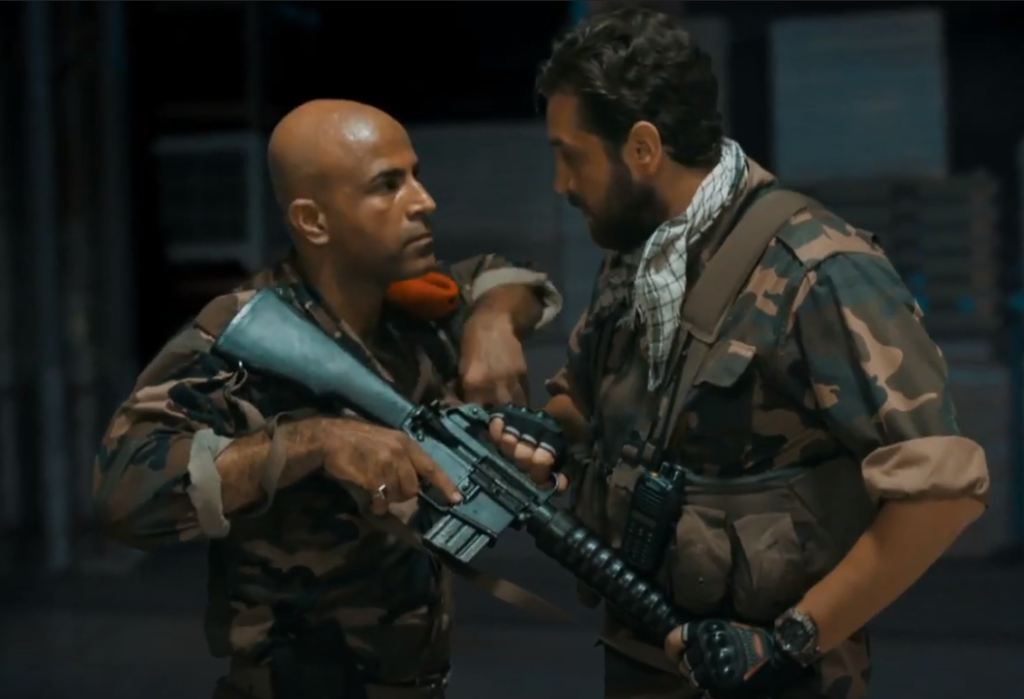
Fig .7.2. Note the CQ’s distinctive handguards. (Source: Damascus Time)
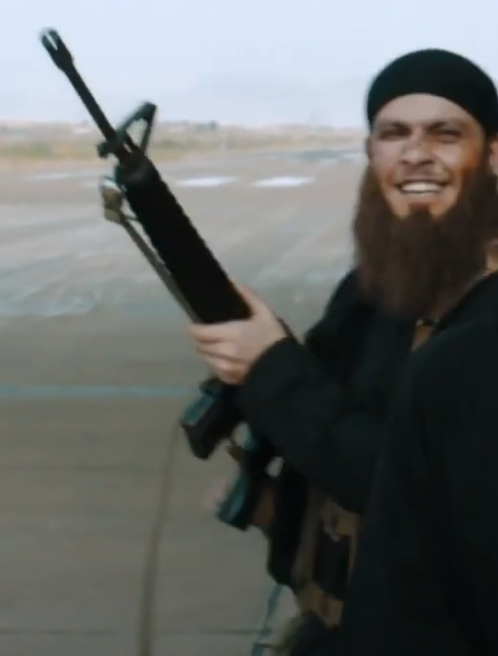
Fig. 7.3. Note the distinctively curved pistol grip. (Source: Damascus Time)

Fig. 7.4. CQ rifle for comparison. (Source: Wikimedia)
Perhaps most interesting about the appearance of this rifle in the film is that it turns up “organically” in the hands of both Syrian regime soldiers and ISIS fighters. Whether intentional or not, this mimics how CQ derivatives have separately made their way into hands on both sides of the Syrian Civil War. Being an Iranian copy of the CQ, the S-5.56, is a common weapon in Iran and it has showed up in the hands of pro-regime fighters at several points throughout the conflict as the following pictures demonstrate. Conversely, opposition fighters have been seen multiple times wielding CQ-style rifles with the serial numbers filed off. The theory is that these were smuggled in from Sudan and are their domestically produced Terab rifles copied from Iranian S-5.56s based on their much straighter pistol grip. Curiously, the optics package present on some of these Terab rifles are the same as the ones seen in Chinese promotional images for their various AR-15 derivatives, while optics seen on S-5.56 rifles seem to be different. However, it is possible they were bought separately from China by Sudan or the rebels. Other photos have surfaced of opposition fighters with rifles that have CQ-style curved pistol grips and Israeli applique stocks, demonstrating that CQ derivatives and the accessory parts for them have numerous convoluted paths for entering the conflict.
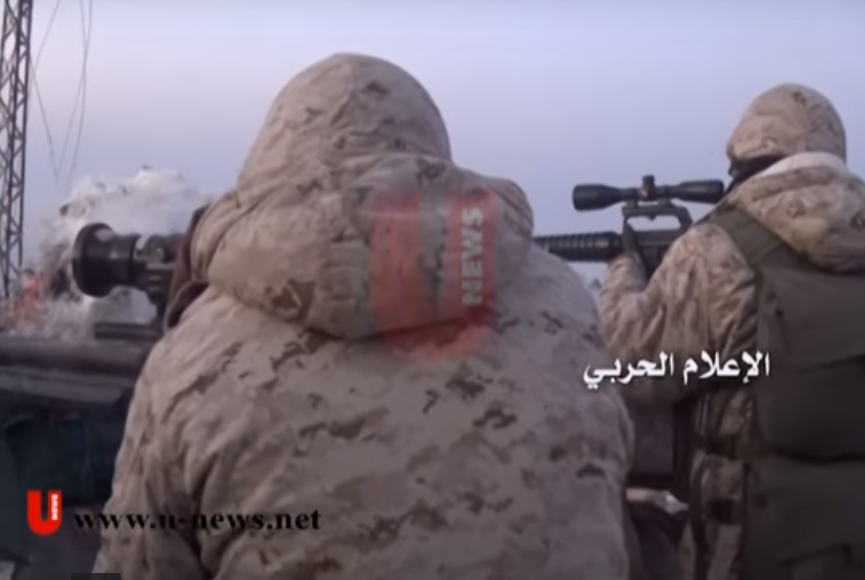
Fig. 7.5. S.5.56 in use by IRGC in Syria. (Source: @green_lemonnn on Twitter)
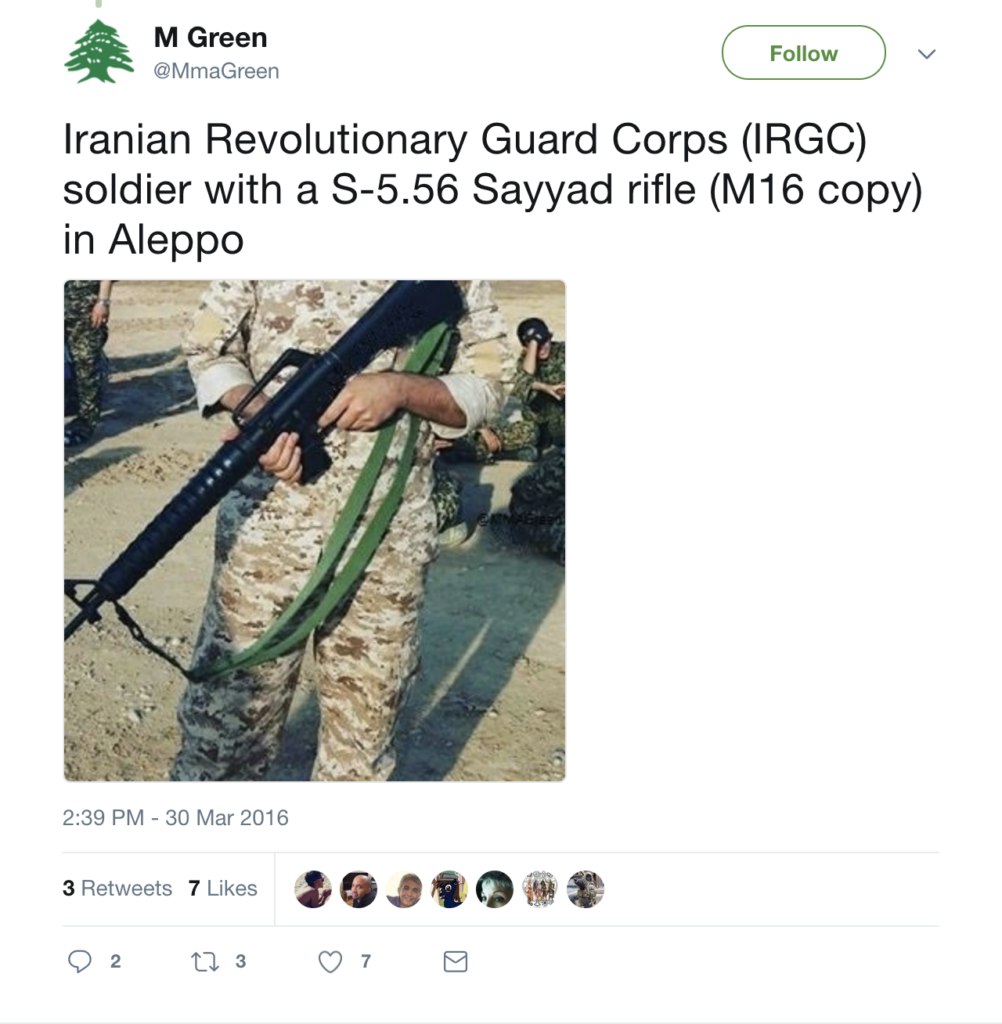
Fig. 7.6. Another social media post showing an S.5.56 in use by IRGC in Syria.(Source: @mmagreen on Twitter)
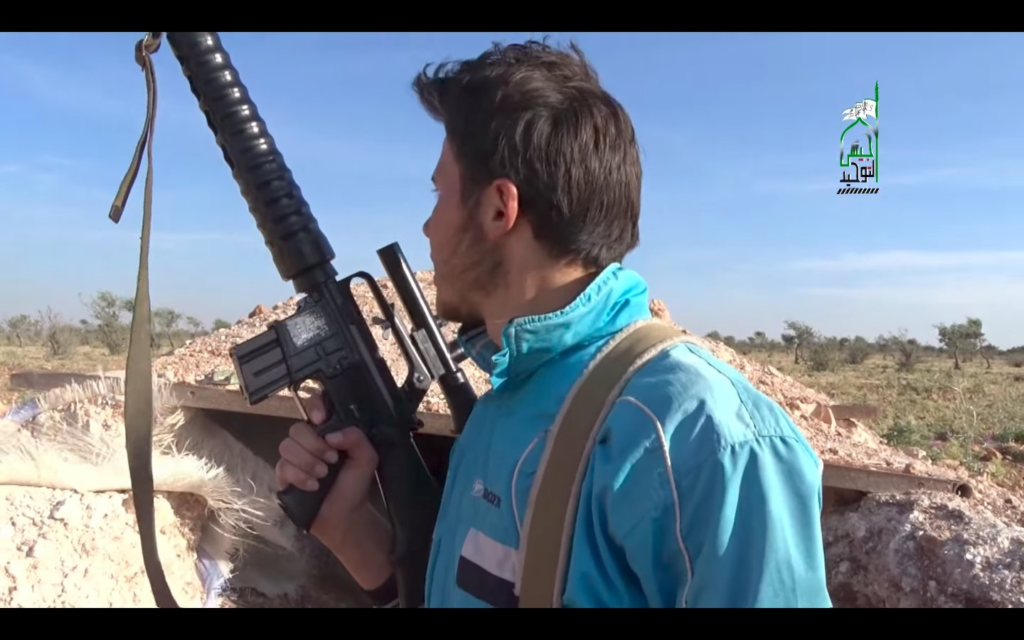
Fig. 7.7. Jaysh al-Tawhid fighter with a Sudanese Terab. Note the straighter pistol grip, obliterated markings, and optics. (Source: @rufus_mcdonald on Twitter)
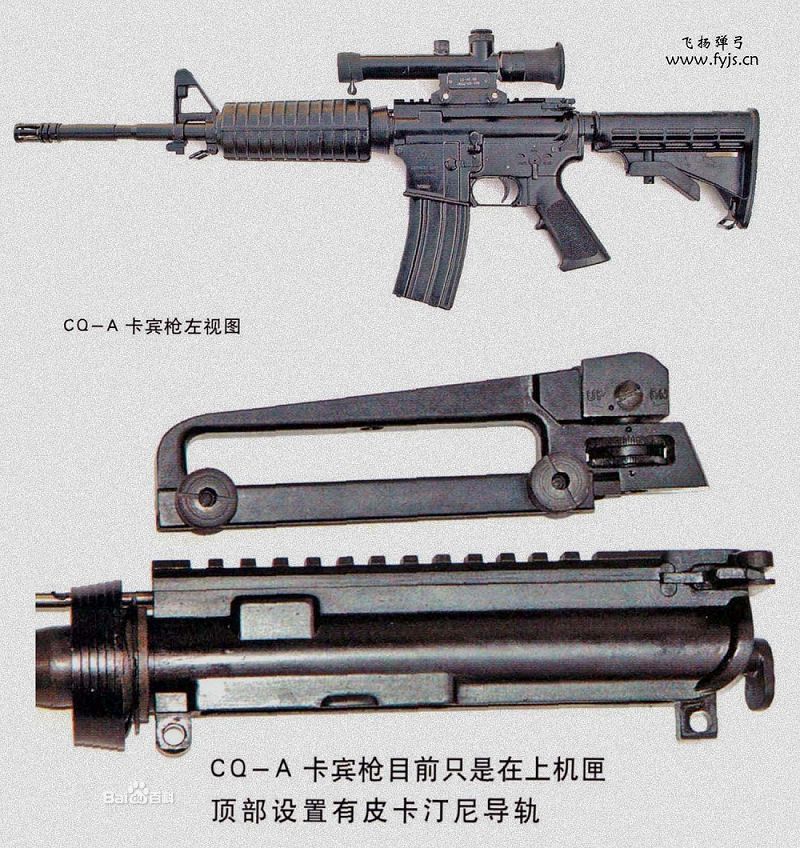
Fig. 7.8. Chinese promotional literature featuring the same optic. (Source: TheFirearmBlog)
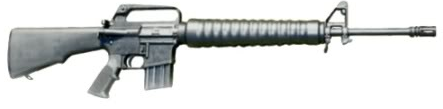
Fig. 7.9. Sudanese Terab, note the straight pistol grip. (Source: www.guns.fandom.com)
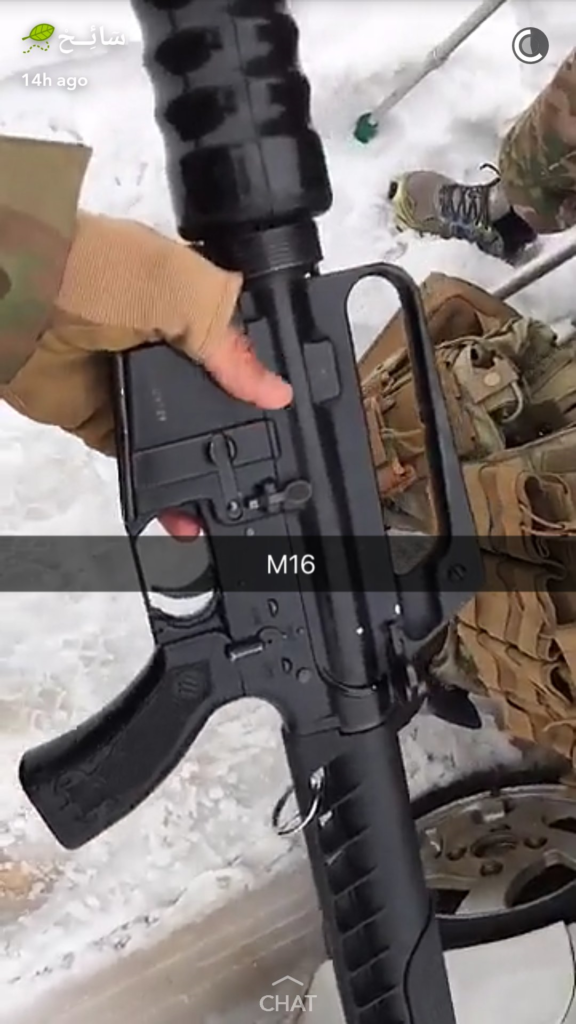
Fig. 7.10. Jabhat Fatah al-Sham fighters in Syria with a CQ-style rifle, note curved pistol grip and Israeli applique stock. (Source: @JettGoldsmith on Twitter)
MG3
The plane readies for takeoff as refugees and ISIS prisoners, a local Sunni sheikh and his followers, are loaded onto it. When the plane begins to take off, the runway is attacked by a swarm of ISIS technicals in a seen eerily reminiscent to the climax of the film Argo, which casts the Islamic Republic as the villains. During this scene, we see a Syrian soldier use a 7.62×51mm MG3 machine gun to protect the plane, a logical appearance as the MG3 is Iran’s standard GPMG.
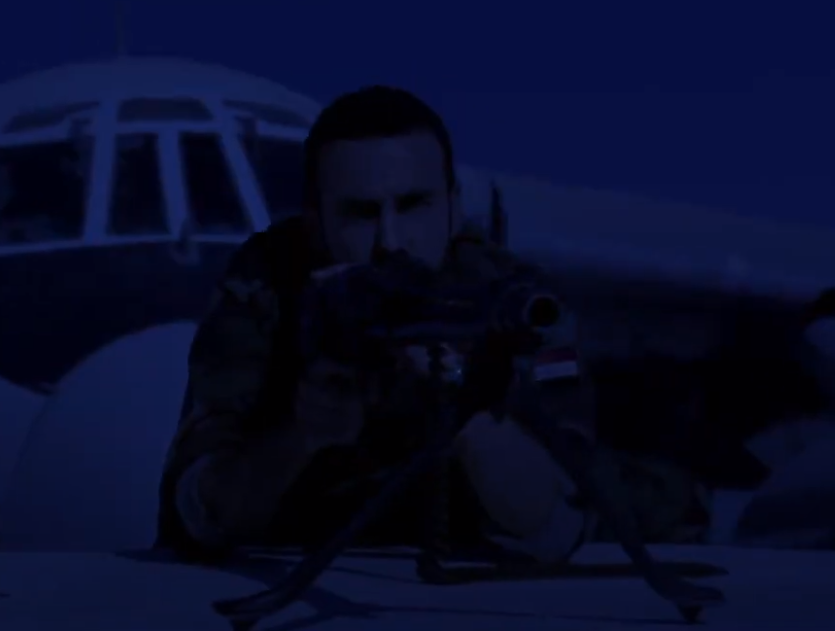
Fig. 8.1. MG3. (Source: Damascus Time)
Modernised AKM
During the takeoff scene and soon after when additional ISIS fighters hiding amongst the plane’s passengers storm it, we see several 7.62×39mm AKM patterned self-loading rifles with a heavy amount of modular furniture of unknown origin.
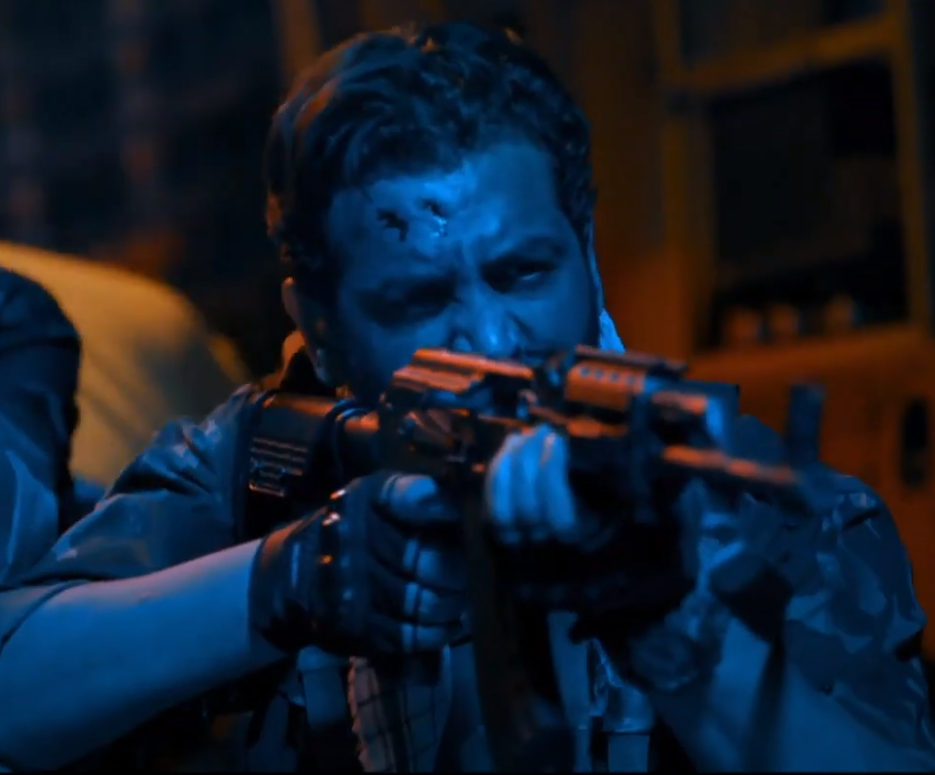
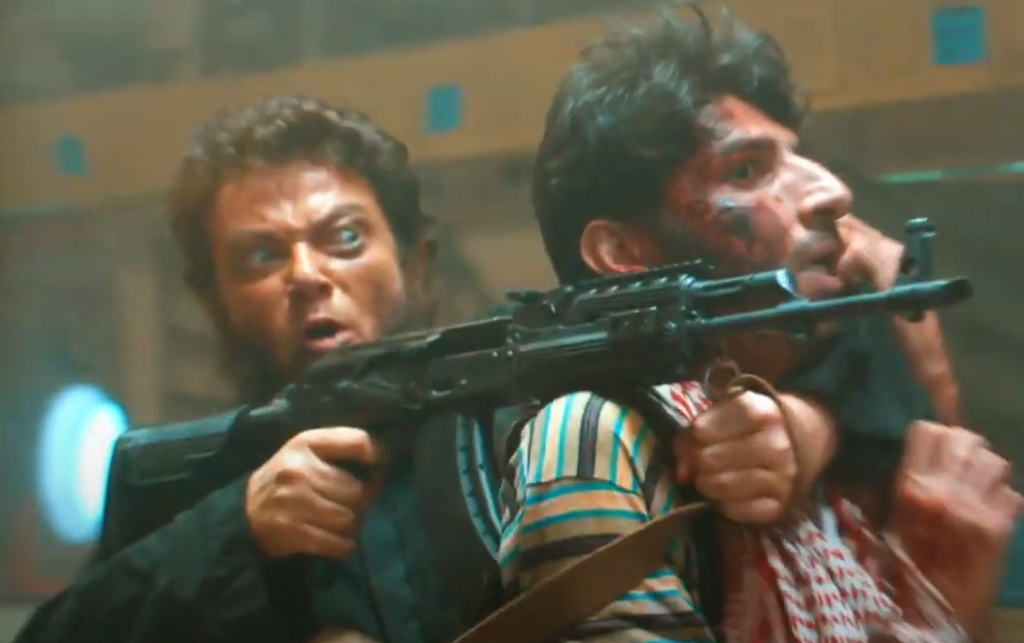
Fig. 10.1. AKM patterned rifles (Source: Damascus Time)
Beretta 92F-patterned Pistol
During the takeover, we also see the use of a 9×19mm Beretta 92FS patterned pistol. The Syrian army actually uses a copy of the 92FS, the Turkish Yavuz 16, but these appear to be a slightly different model based on the lack of markings on the slide seen here, it is also entirely possible that they are prop guns.
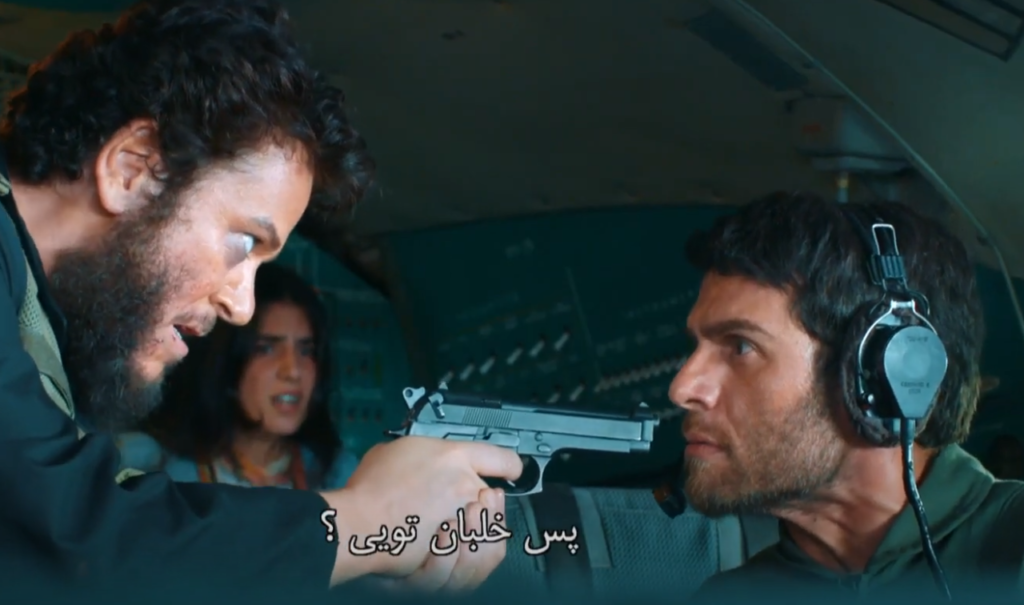
Fig. 11.1. The 92FS, note the lack of markings on slide, most other Beretta 92 derivatives have some sort of markings here. (Source: Damascus Time)
AKMs
As the plane reaches the hijackers’ desired destination, the ISIS fighters disembark the plane to rendezvous with their allies. The ISIS fighters that meet them on the runway contrast with the characterization of the hijackers. They appear to be from multiple ethnic backgrounds, Chechen, West African, Afghan, Indonesian, Western, etc. They also carry a diversity of arms, epitomized in their rough-looking collection of 7.62×39mm AKMs, Pm Md.63s, and Type 56-1 self-loading rifles. Another fighter is seen holding a CQ rifle while another wields an RPG-7.
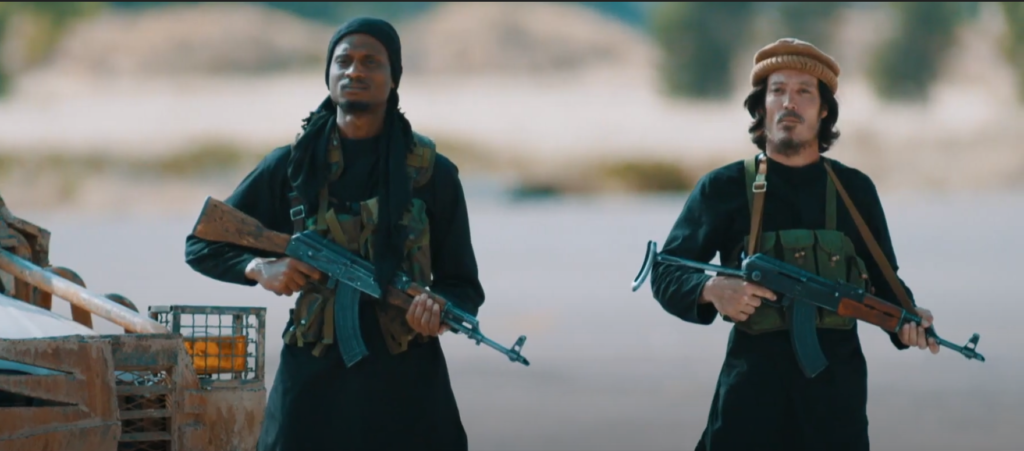
Fig. 12.1. An AKM and Chinese Type 56-1. (Source: Damascus Time)
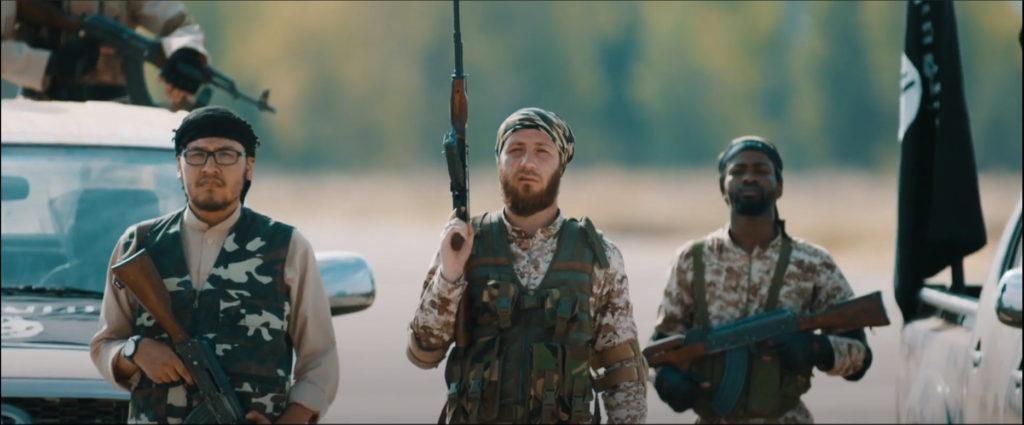
Fig. 12.2. AKM-patterned rifle and Pm Md.63s. (Source: Damascus Time)
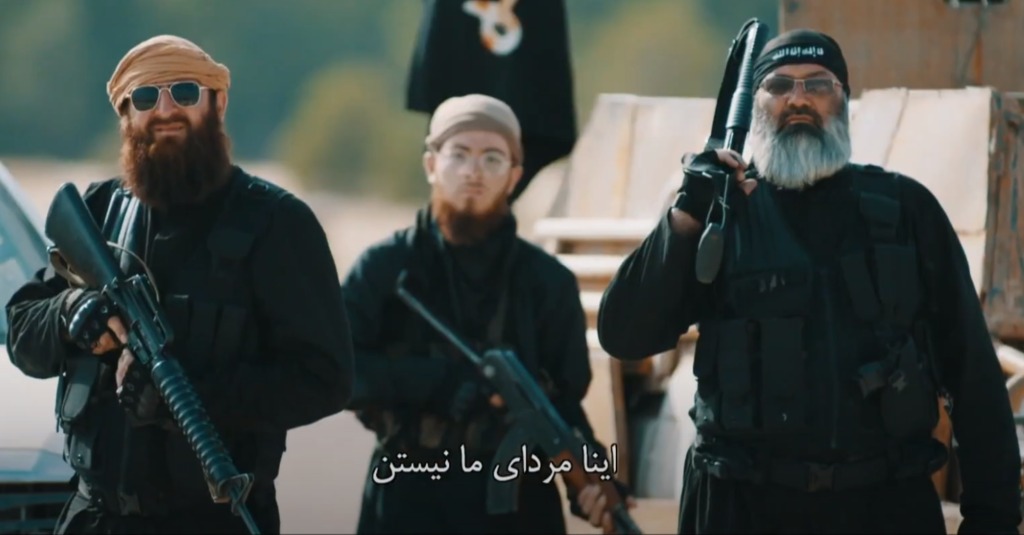
Fig.12.3. A S-5.56 CQ copy, a Type 56-1, and a Turkish shotgun. (Source: Damascus Time)
Fig.12.4. RPG-7. (Source: Damascus Time)
ISIS Shotgun
A final ISIS fighter wields a mysterious shotgun. This shotgun is most likely one of Turkish design as it has the DLG Tactical stock/pistol grip combo that is ubiquitous on many Turkish shotguns. Shotguns with this buttstock have also been observed numerous times in seized ISIS weapons caches, making it a subtle yet accurate addition to the film’s unique portrayal of the war’s small arms. And while it was not possible to pinpoint the exact model of shotgun, a very similar one with matching stock and pump furniture appears in photographs taken in the shop of a Kurdish gunsmith.
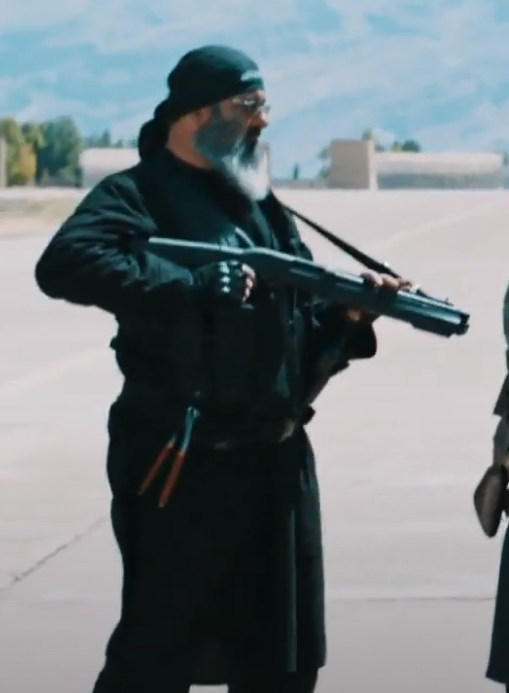
Fig.13.1. A front view of the shotgun. (Source: Damascus Time)
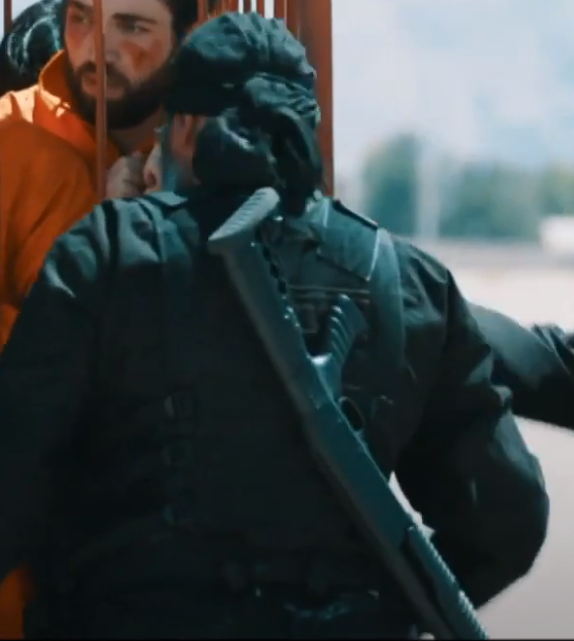
Fig.13.2. Note the stock with the holes for holding shells, the pattern on the pistol grip, and the plastic furniture on the pump. (Source: Damascus Time)
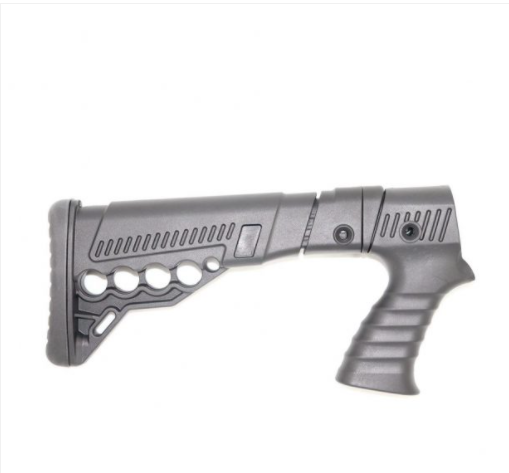
Fig.13.3. “DLG PISTOL GRIP STOCK FOR HATSAN ESCORT AND OTHER TURKISH SHOTGUNS.” (Source: Europe Outdoor Online Retail)
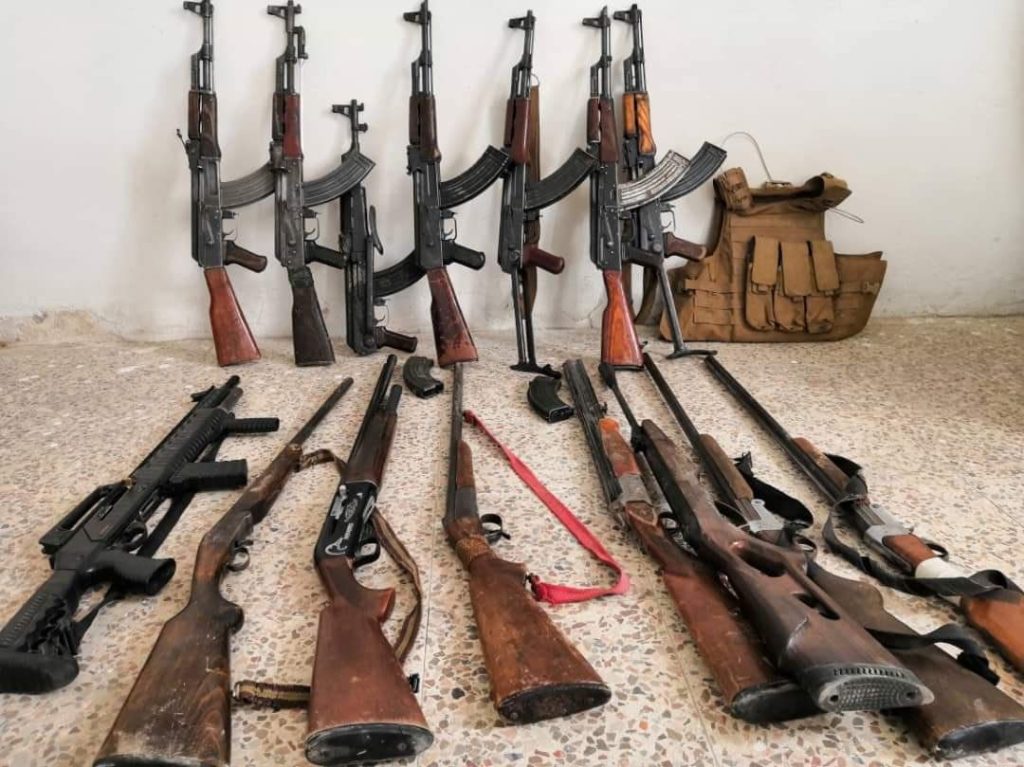
Fig.13.4. A Turkish Shotgun (far left, bottom row) with the same stock captured from an ISIS weapons cache. (Source: Calibre Obscura)
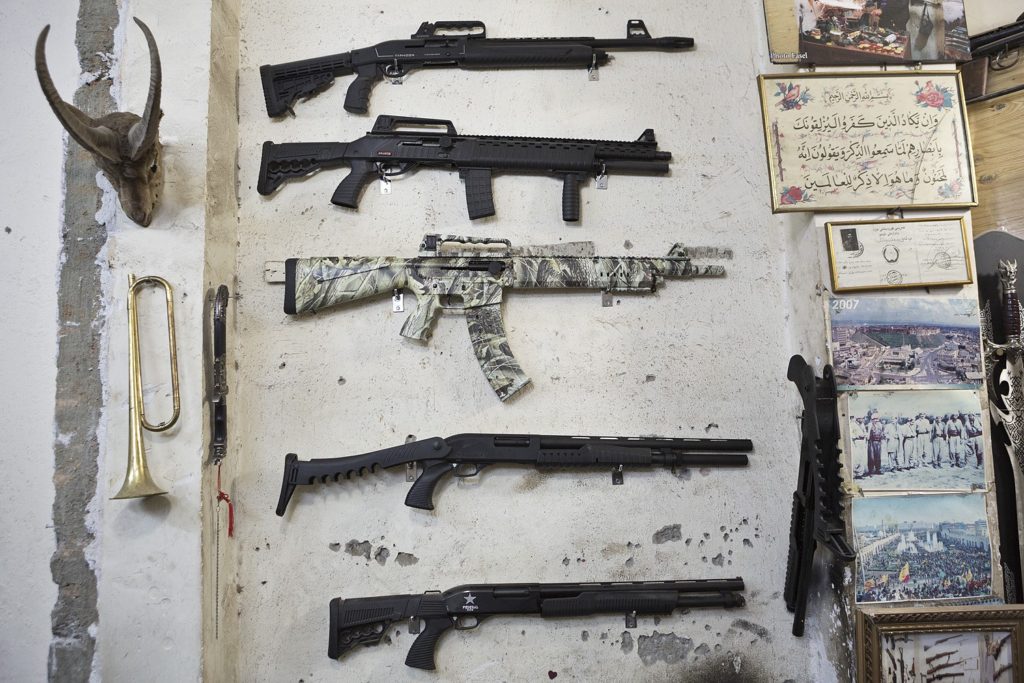
Fig.13.5. A shotgun (bottom) with matching stock, pistol grip, and pump furniture found in a Kurdish gun shop. (Source: Matt Cetti-Roberts on Medium)
SVD
Their leader, a fictionalized portrayal of Abu Omar al-Shishani (أبو عمر الشيشاني) who was dead by this point in the war, carries a Dragunov 7.62×54mmR SVD/Chinese Type 85 designated marksman’s rifle, its wooden furniture matching his fiery red beard. al-Shishani murders the sheikh and his wife following a disagreement over their Jihadist values.
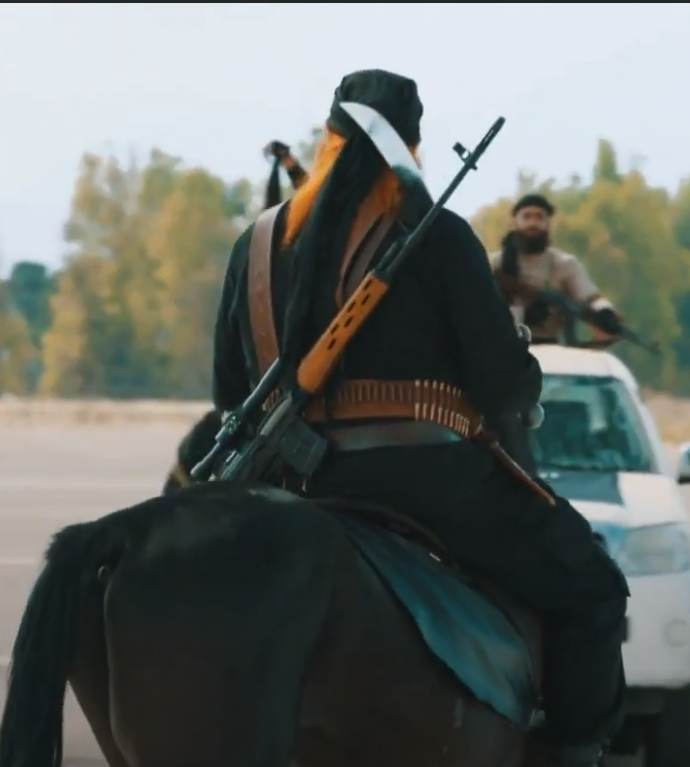
Fig. 14.1. The Dragunov SVD/Type 85. (Source: Damascus Time)
A 1911
Our protagonists are then lead away as captives to the ruins of ancient Palmyra where a mock execution is filmed. A young fighter in the vein of the “cubs of the caliphate” holds up an M1911 patterned pistol in an unconfirmed chambering, possibly a Turkish copy or prop gun.
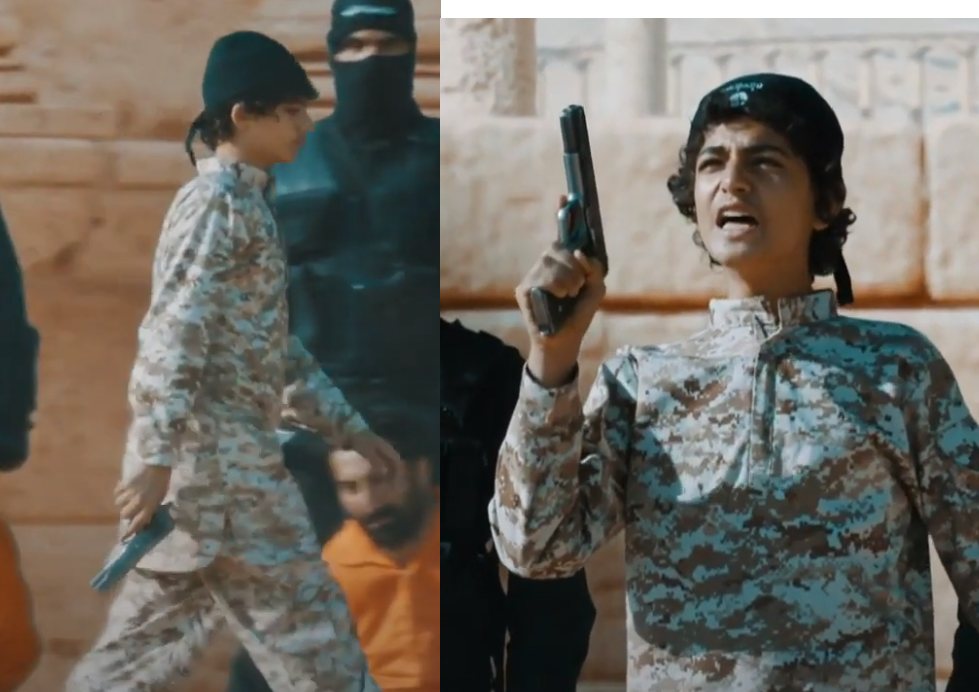
Fig. 15.1. Views of the M1911 style pistol. (Source: Damascus Time)
The climax of the film involves a scheme to drop the captured Syrian and Iranian soldiers from the back of the plane while locked in cages. Ali heroically overpowers his captors and parachutes his comrades to safety as he goes down with the plane.
Conclusions
As a whole, Damascus Time uses its story to paint a positive and explicitly diverse image of the pro-Assad forces in the fight against ISIS. It portrays Iranians, Syrians, Lebanese, Afghans, Muslims, and Christians all united behind the cause of stopping ISIS. Though it should be noted that when it comes to who carries which small arms, the seniority in this coalition becomes clear as the Iranian and Syrian characters often have the best and newest rifles, with ISIS soldiers only obtaining such pieces through capture. The weapons of their militia allies are a bit plain by comparison and their enemies often have the worst looking ones (with the exception of al-Shishani’s eye-catching SVD). It also portrays its villains on a sliding scale, from a group of neutrally portrayed and elderly Muslim Brotherhood (Ikhwan, إخوان) prisoners representing those who took part in the 1982 Hama Uprising, to the evil but still honor-bound local sheikh, and finally the treacherous foreign fighters. These factors together create an onscreen hierarchy where the senior partners of Iran and Syria are portrayed in the best light as professionals with access to the best weapons. The Shi’a militias are portrayed as an order below but still positive, the pacified Ikhwan carry no weapons at all, and the ISIS members (save for their leader) are portrayed as a ramshackle group both in armament and national origin, an inverted reflection of how the pro-regime forces are portrayed.
The film also does not touch on any aspects of Syria’s civil war beyond the fight against ISIS. The United States, other rebels groups, and the Kurds are never mentioned. The closest it ever comes to this is a moment late in the film when Ali insinuates that ISIS is secretly being funded by Israel. This choice of a singular antagonist was most likely done to keep the film as uncontroversial as possible, as ISIS is an antagonist any market around the world can get behind and simplified narratives of complex geopolitical events abound in Western films about the War on Terror as well. But in its usage and portrayal of different weapons systems, glimpses of the complexity of the Syrian Civil War shine through.
The international element of the war is not just heroes and villains traveling to Syria to do battle as the film portrays it, but complex chains of economic and political interest. The portrayal of the CQ rifles in the film is an excellent example of this, as it leads us to a story of an American gun being copied by China, being copied again by Iran, and then given to Syrians while at the same time a Sudanese copy of the Iranian gun ends up in Syria where it is used to fight the Iranians who originally set up its production. This convoluted chain of events is itself mirrored in the film by how many times guns are picked up from a defeated adversary by different characters and then used by the opposing side. A potential reason for why the film cannot help involuntarily illustrating the war’s complexity despite its simple narrative is that the production of the film spontaneously absorbs actual weapons and stories of the conflict by virtue of where it was filmed. This is perhaps best displayed in the story of the Su-25s, of planes being shuffled about between owners and conflicts as the geopolitical balance of the region changes and ultimately these artifacts of past wars are reused to tell the story of one of those conflicts. For this reason, Damascus Time is a must-watch for anyone interested in the portrayal of firearms in film and global arms trade in general.
Sources:
“DLG PISTOL GRIP STOCK FOR HATSAN ESCORT AND OTHER TURKISH SHOTGUNS,” Europe Outdoor Online Retail, <https://europe-outdoor.eu/product/dlg-pistol-grip-stock-hatsan-escort-turkish-shotguns/>
“Terab,” guns.fandom, <https://guns.fandom.com/wiki/Terab>
“Type 67,” WeaponSystems, <https://old.weaponsystems.net/weaponsystem/AA06%20-%20Type%2067.html>
@green_lemonnn, “#Syria Russian T-90A made its combat debut in Khan Tuman, Southern Aleppo. youtube.com/watch?v=vXGskZ via @Ald_Aba,” Twitter, Dec. 20, 2015, <https://twitter.com/green_lemonnn/status/678563400075603968/photo/3>
Ayat Media, “Damascus Time – Trailer,” Youtube, Dec. 19, 2018, <https://www.youtube.com/watch?v=b-kpw2-YDTo&ab_channel=AyatMedia>
CalibreObscura, “Covert Operations: The Arms of ISIS Insurgents in Syria (2019),” CalibreObscura, Jul. 12, 2019, <https://www.calibreobscura.com/covert-operations-the-arms-of-isis-insurgents-in-syria-2019/>
Ebrahim Hatamikia, Damascus Time, Owj Arts and Media Organization, 2018.
Johnathan Ferguson and N. R. Jenzen-Jones, “Chinese Type 67 GPMGs in Syria and Yemen,” Armaments Research Services, Mar. 17, 2016, <https://armamentresearch.com/chinese-type-67-gpmgs-in-syria-yemen/>
Matt Cetti-Roberts, “We Visited a Kurdish Gunsmith who Repairs Captured Weapons,” War Is Boring, Mar. 14, 2015, <https://medium.com/war-is-boring/we-visited-a-kurdish-gunsmith-who-repairs-captured-weapons-19e049e94397>
Michael R. Gordon and Eric Schmitt, “Iran sends 3 attack planes to Iraqi government,” The New York Times, July 8, 2014, <https://www.nytimes.com/2014/07/09/world/middleeast/iran-sends-3-attack-planes-to-iraqi-government.html>
MrInfo2012, “Fatemiyoun Division Flag,” WikiMedia, Apr. 22, 2018, <https://en.wikipedia.org/wiki/Liwa_Fatemiyoun#/media/File:Fatemiyoun_Seal.svg>
Steve Johnson, “Chinese Counter-Terrorism Unit Using M4 Clone (Norinco CQ-A),” TheFirearmBlog, June 9, 2013, <https://www.thefirearmblog.com/blog/2013/06/09/chinese-counter-terrorism-unit-m4-clone-norinco-cq-a/>
TheTranc, “NORINCOType CQ 5,56x45mm assault rifle – Right side,” WikiMedia, Jan. 23, 2010, <https://en.wikipedia.org/wiki/Norinco_CQ#/media/File:NORINCO_Type_CQ_5’56x45mm_assault_rifle.jpg>
If you enjoy our work here at Silah Report please consider supporting us on Patreon!
Great review Josh – very detailed