In our journey to uncover wartime stories from all sides during the Arab-Israeli Conflict, we managed to meet Galal Abdo Hashem, an Egyptian living in his home city of Ismalia, a city that has witnessed the horrors of war more than once during the 20th century. Galal Abdo Hashem is not a war veteran with military training, in fact, he never fired a single shot towards his enemies, but he decided to do something instead that gained him notoriety and his name written on Egypt’s Honor List. To this day he gives lectures, speaks with journalists, and appears on TV shows to speak about his experience and journey during a time when Egypt was at war with Israel. This article is the story of one of Egypt’s civilians who, despite taking up arms to defend his homeland, decided there was another way to contribute to the war effort – art.
Note: The views of the individuals we interview on the Silah Report Podcast represent themselves only and not the views of Silah Report. In Silah Report, one of our core tenets is to remain apolitical and unbiased when it comes to our research. Indeed, in Silah Report we have members from different ethnicities, religions, and political views. We do not let our personal convictions affect the quality of the content we provide to our audience and we do our best to provide you with the most accurate and unbiased information available.
https://soundcloud.com/silah-report/v26-part-two-the-six-day-war-war-of-67-the-spine-breaker
In this instalment of the series covering Galal’s experiences and journey, we will delve in-depth into his role during what became known as the “War of Attrition” between Egypt and Israel. The following are some highlights from our discussion with Galal and contemporary photographs that illustrate the topics discussed.
“We hoped they would enter Ismalia”
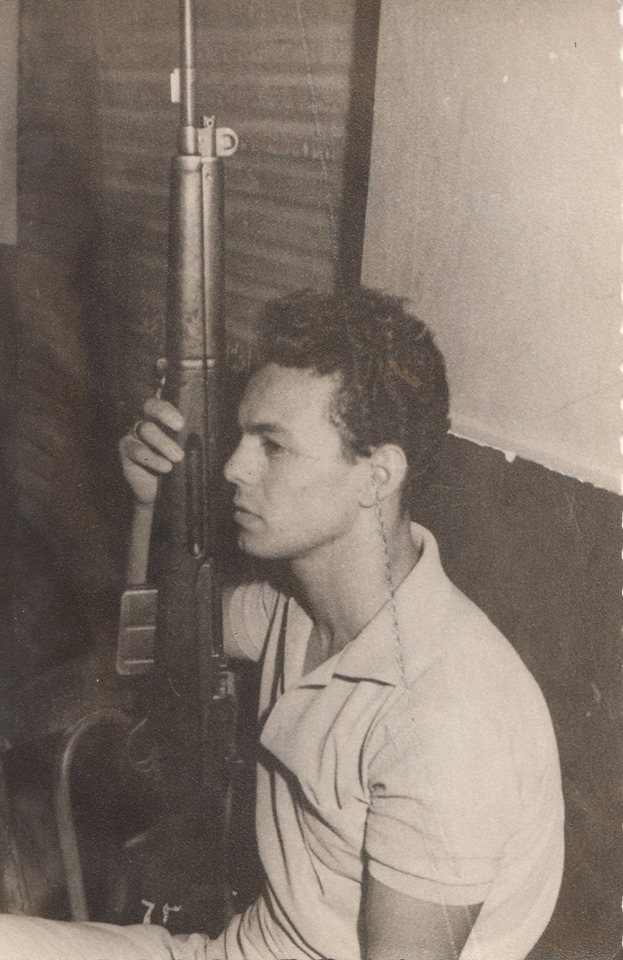
Fig. 1.1. A young Galal holding a Belgian-made FN1949 self-loading rifle on the 21st of June 1967 right after the Six-Day War (Source: Galal Abdo Hashem)
To Arms
The news of defeat in the Six-Day War left Egyptians feeling horrified and stunned. Galal has recently described the day on which the Six-Day War began, as the most hated day of his entire life. Right after the news, Galal explains, there were armed men on every street carrying .303 Lee-Enfield bolt-action rifles, Combloc 7.62×39mm SKS self-loading rifles, Carl Gustav/Port Said 9×19mm submachine guns and RPD 7.62×54mmR light machine guns. In our discussion, Gal noted that the nickname for the RPD at the time was “Faw”. The armed men became the armed resistance in Ismalia, a sort of local defence militia, and were expecting IDF incursions or even an invasion. The militia at first was disorganized, people in the city actually knew the location of the small arms caches and motivated men would gather and go to the location of said caches and grab whatever they could. The militia was a mismatch of former military servicemen and men with no military experience whatsoever. Those who had military backgrounds would teach others how to shoot and disassemble their weapons. Later on, the militia became better organized and equipped with the addition of AKM 7.62×39mm self-loading rifles as the Egyptian government began to oversee the militias directly.
“We turned the defeat into another war”
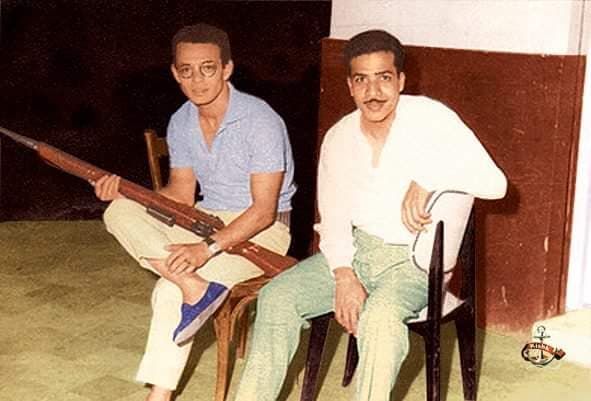
Fig. 2.1. A young Galal with his FN49 sitting with a friend (Source: Galal Abdo Hashem)
Below are some photographs of the Egyptian militia training and demonstrating their skills before a crowd. The men are armed with an array of small arms including the Port Said 9×19mm submachine guns and 7.62×39mm AK-pattern self-loading rifles.
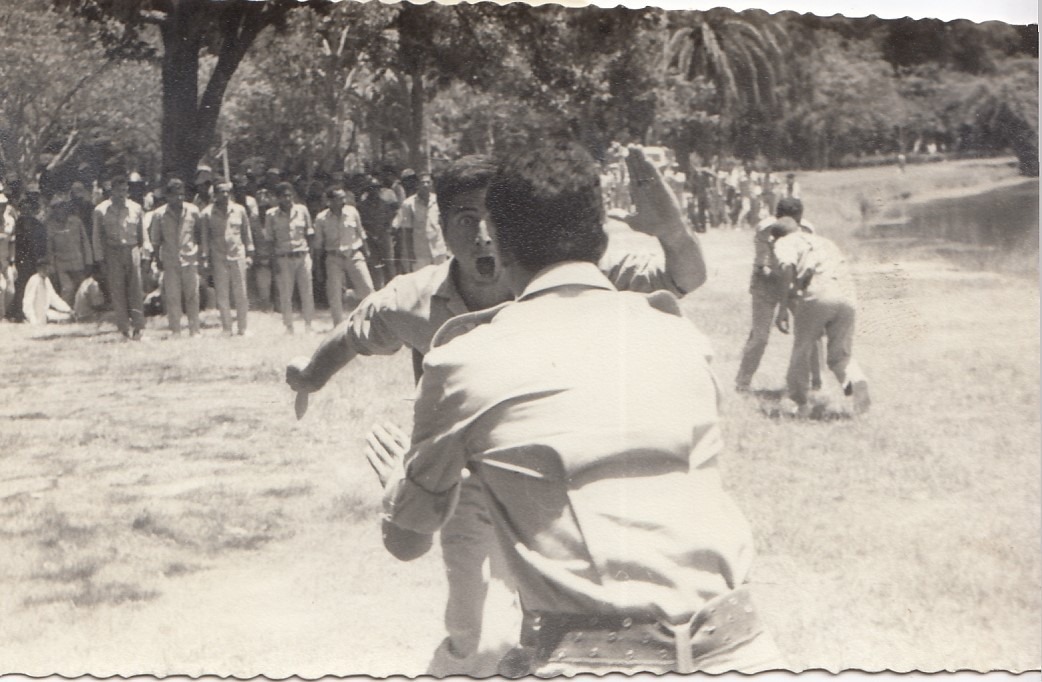
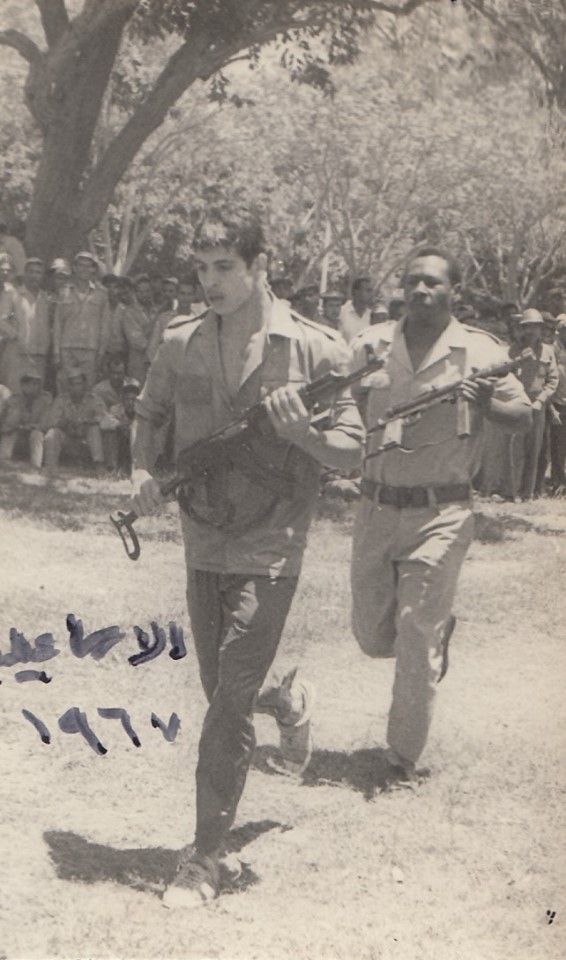
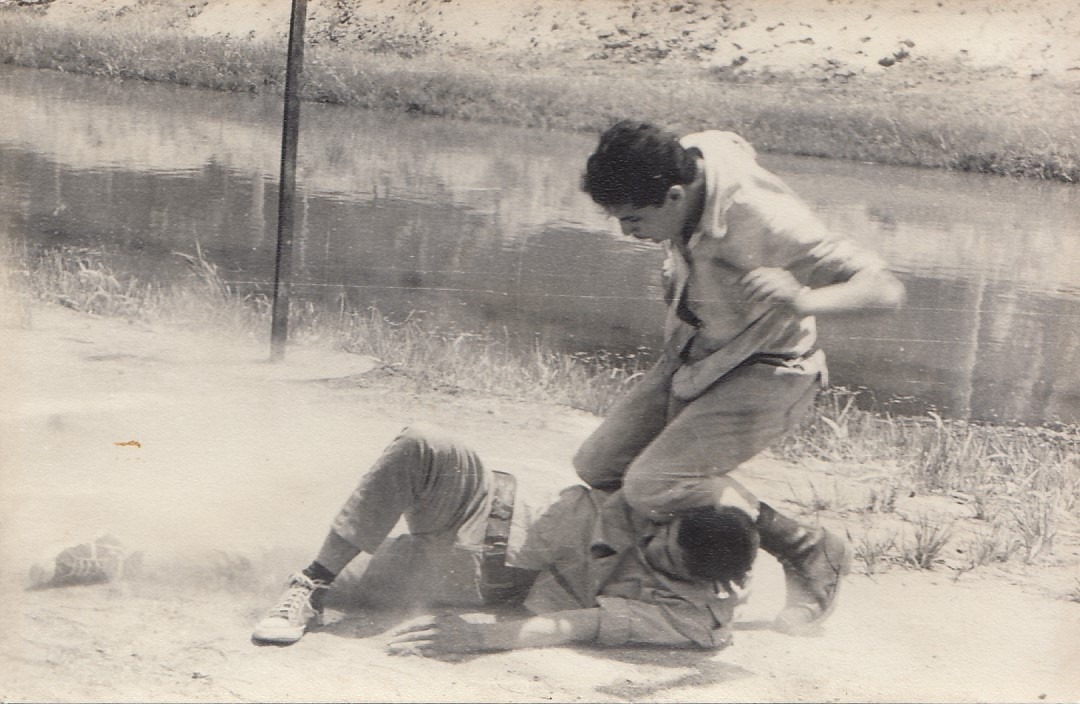
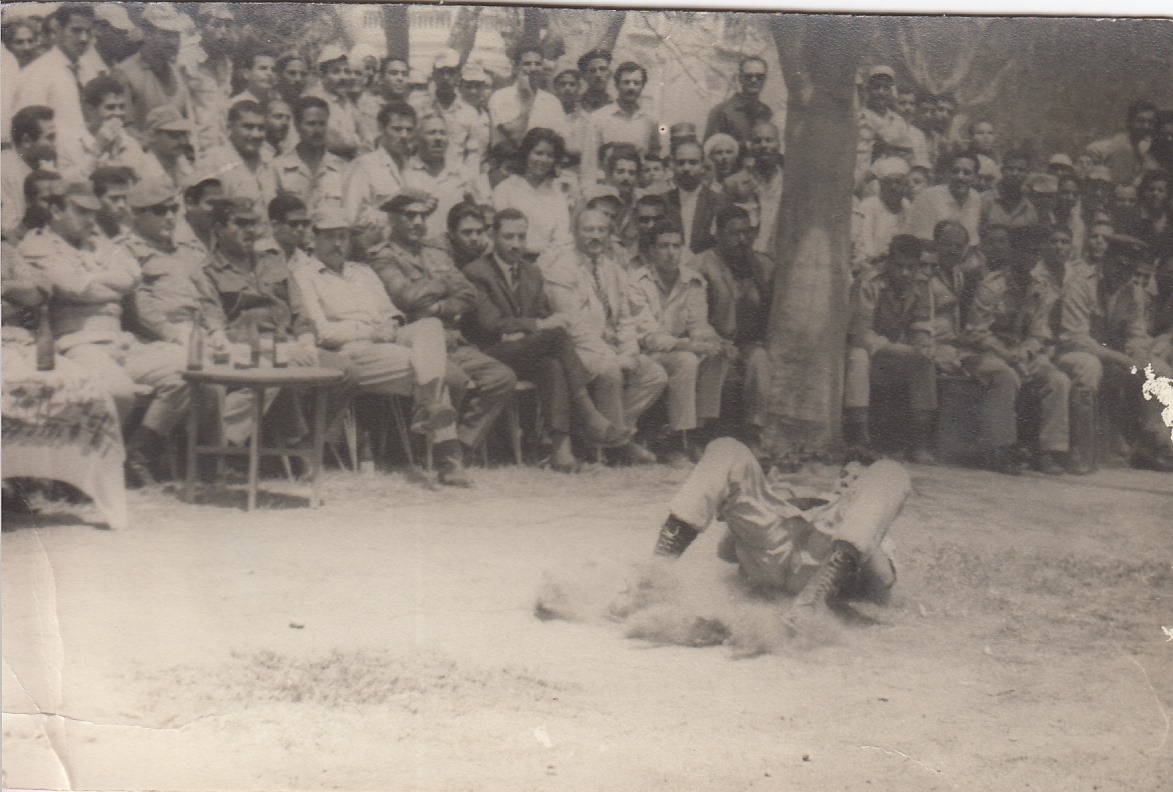
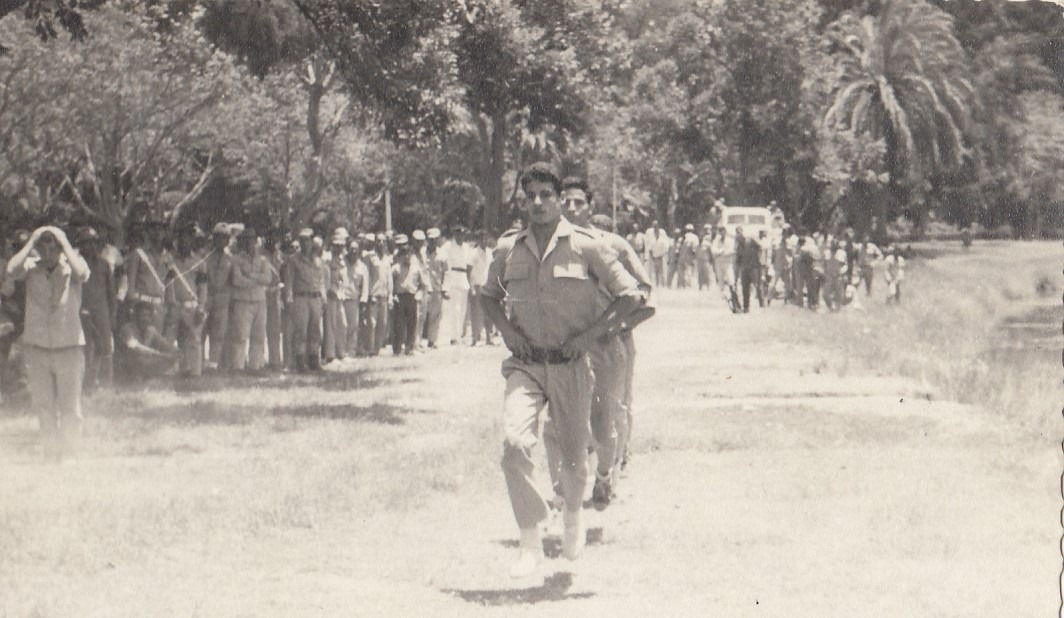
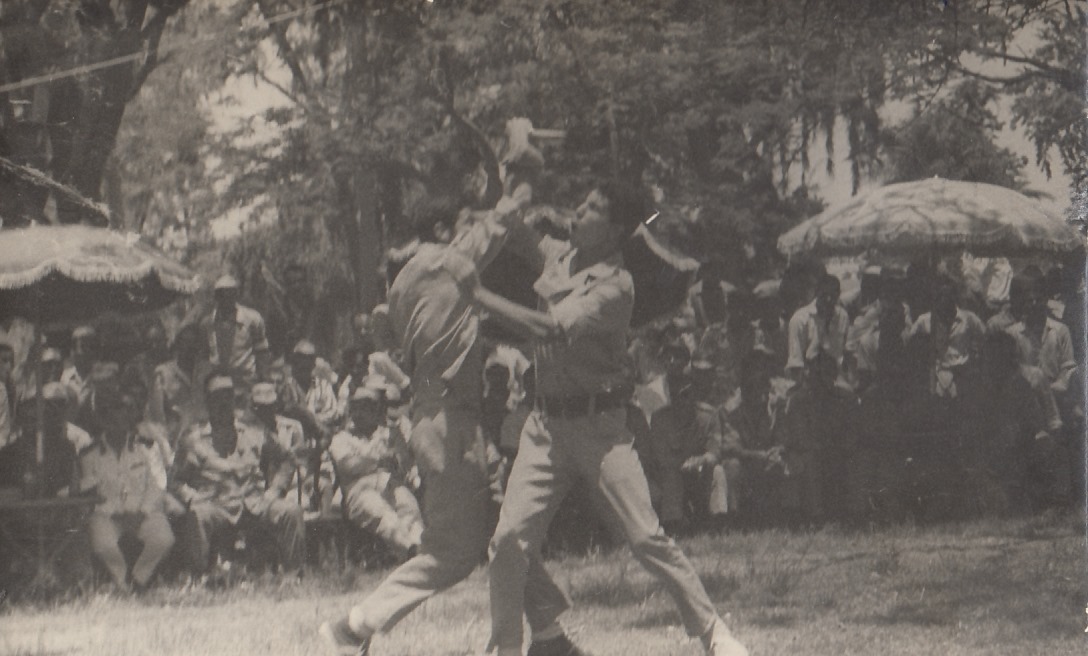
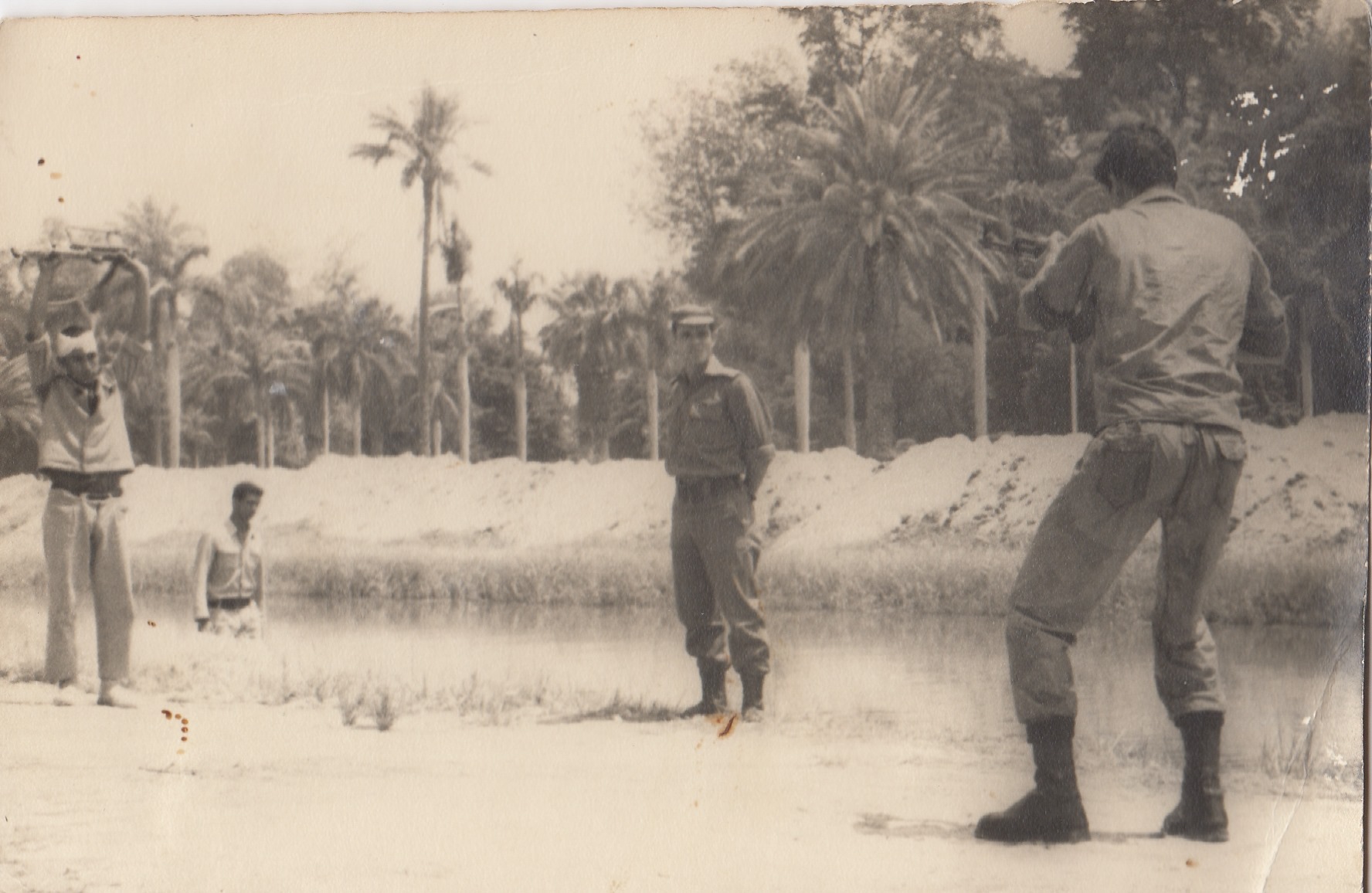
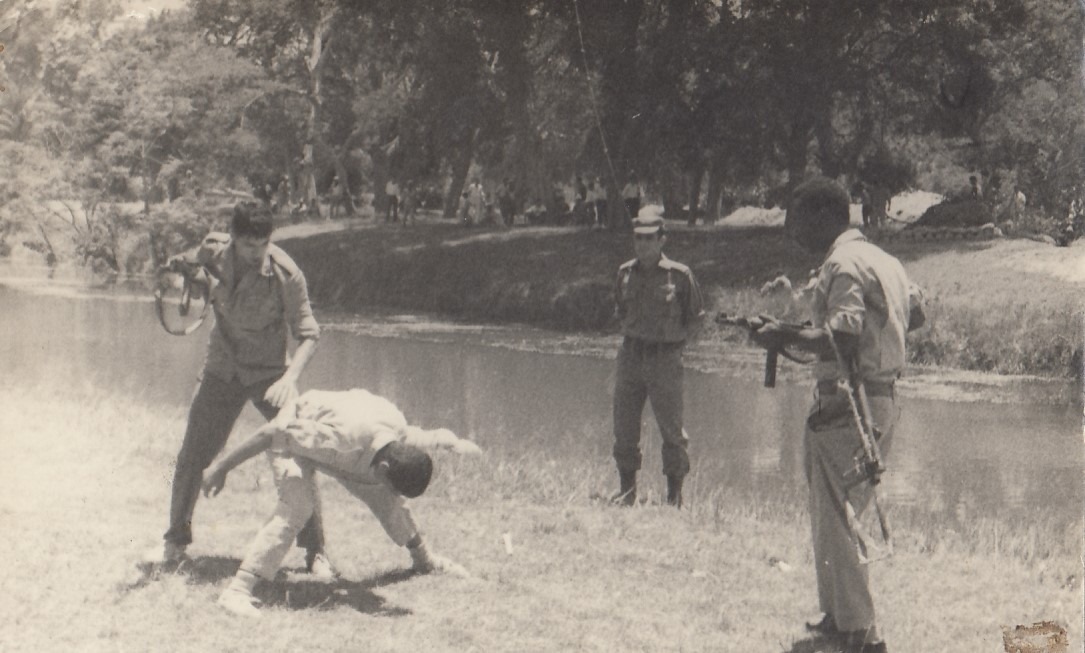
Fig. 2.2-2.9. Egyptian militia/resistance fighters performing in front of a crowd that involved military personnel and civilians. (Source: History of Ismalia City Facebook Page)
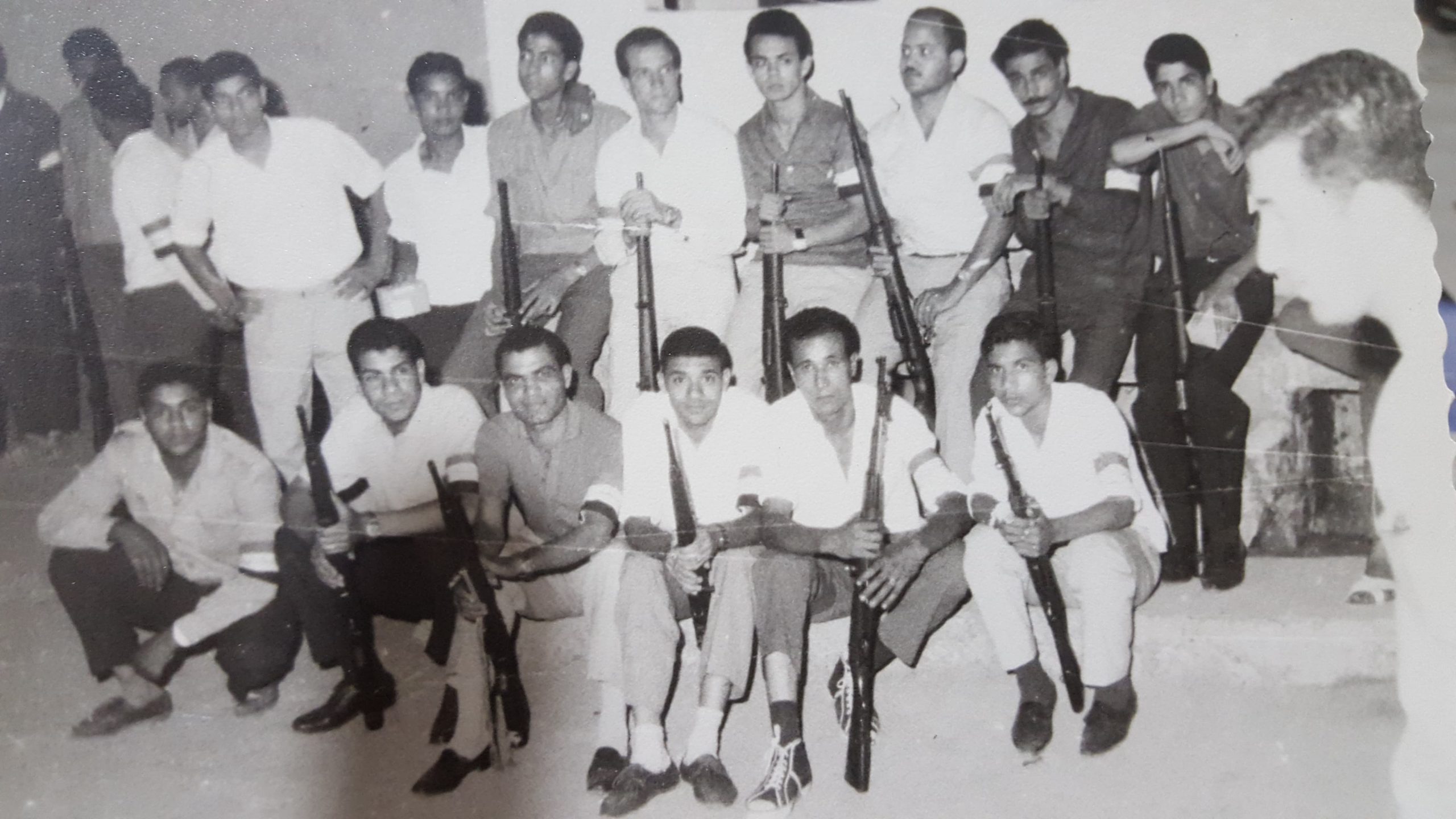
Fig. 2.10. Galal (standing in the center) with his comrades in the militia, carrying a variety of small arms including FN49 and SKS self-loading rifles (Source: Galal Abdo Hashem)
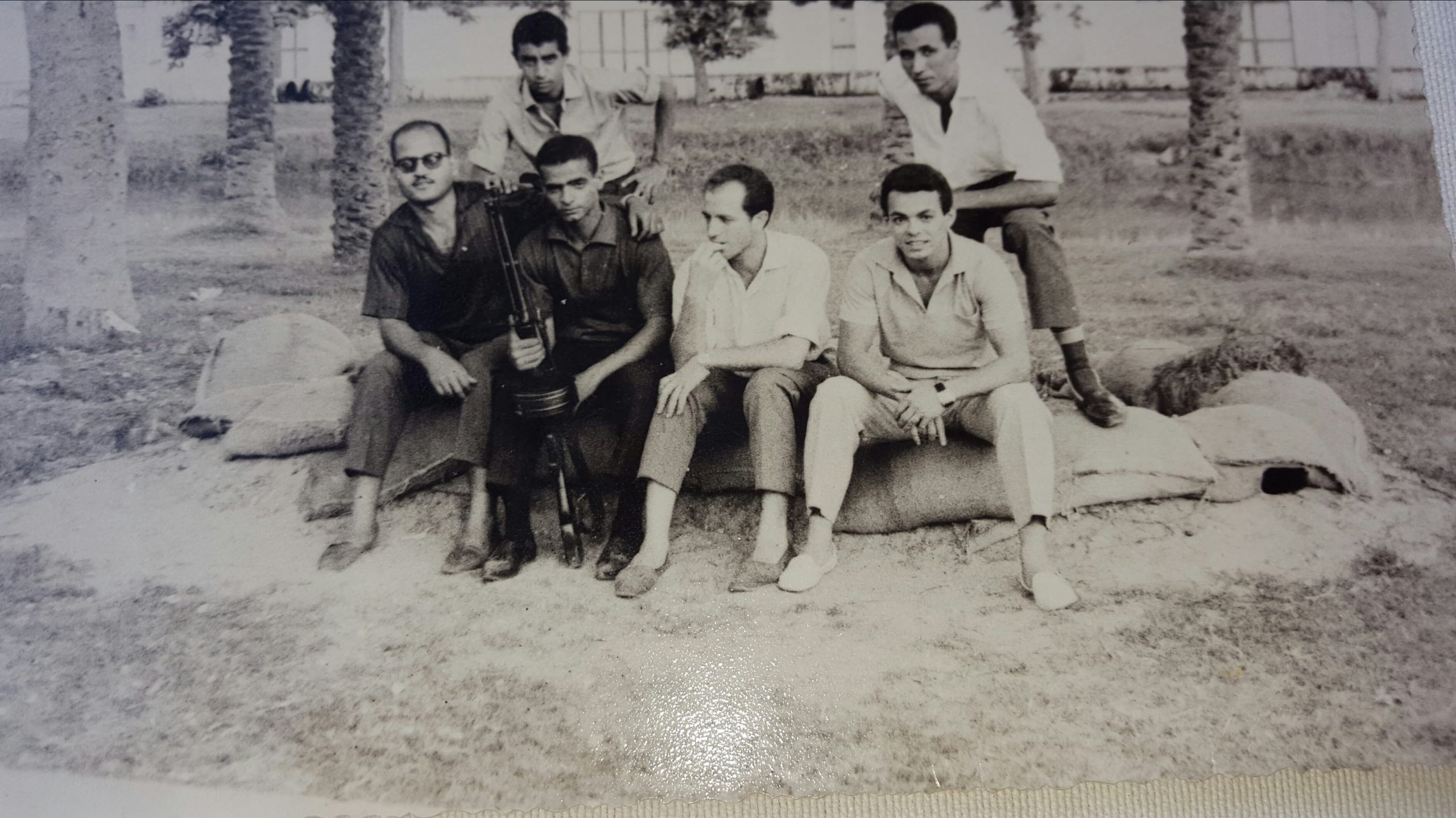
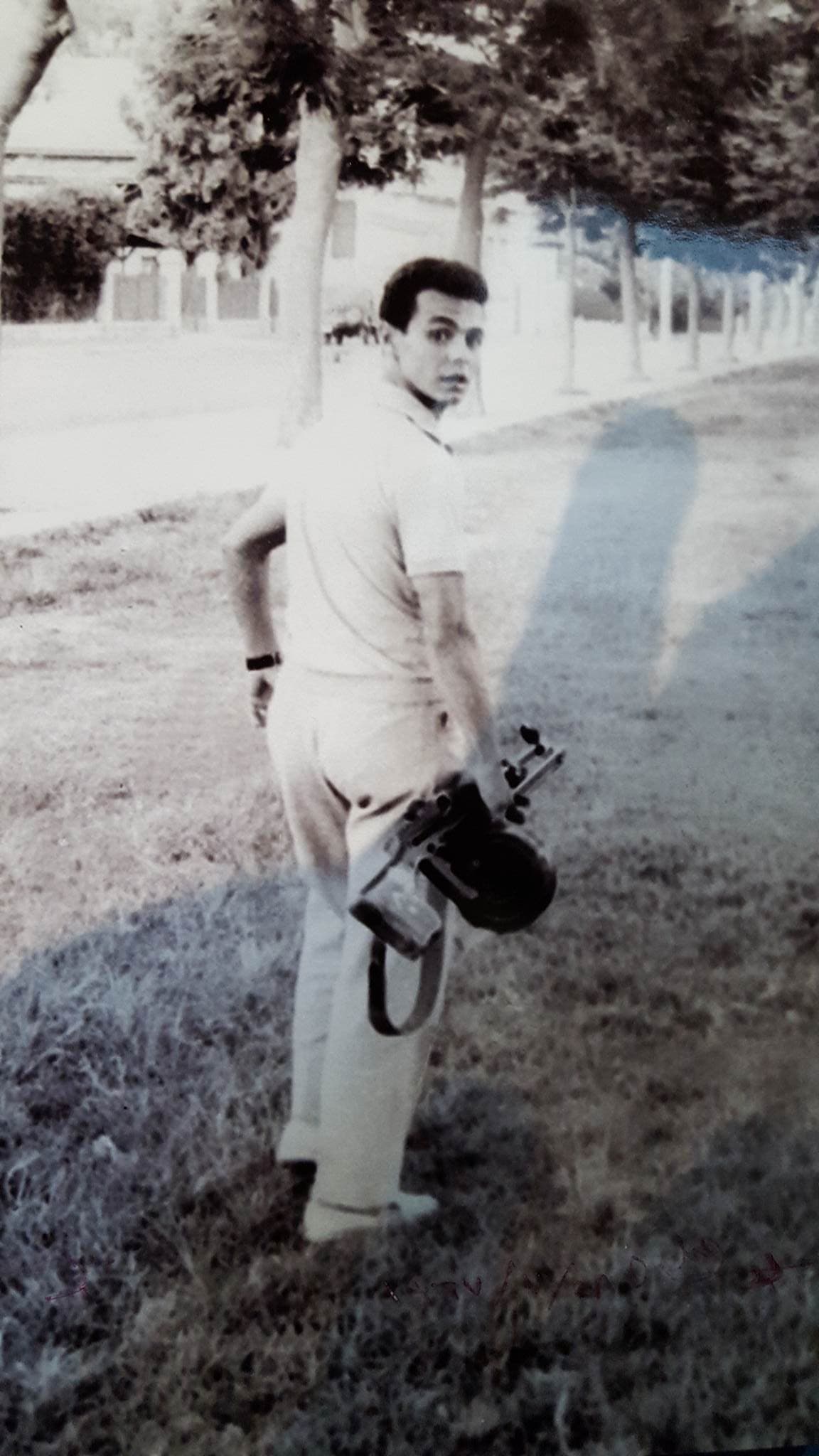 Fig. 2.11-12 Galal at one point switched weapons with a friend of his, taking his militia platoon’s 7.62×39mm RPD light machine gun. Shortly after Galal returned the RPD to his friend and got back his FN49. He was worried that ammunition could be scarce and won’t be able to find enough ammunition for the drum belt carriers.
Check out our article on the FN-49 in Egyptian Service
From Defeat to Another War: The War of Attrition (2:57-9:20)
According to Galal, right after Israel had taken over Sinai and started to take positions on the eastern banks of the Suez canal, small groups of Egyptian troops made up of around five to six soldiers led by an officer would cross the canal to conduct ambushes on IDF patrols and positions. Later on, fortifications were built and Israel began the construction of the Bar-Lev Line. Gal described raiding patrols’ actions as almost suicidal and that sometimes the troops that crossed would not return at all. Egyptian Saa’ka Commandos would partake in such operations as well as Egyptian resistance members. Galal described vividly the scene of Egyptian commandos who he befriended during the war when they would come to his home to have dinner right after conducting an operation.
Their uniforms were stained with copious amounts of blood and they would explain to Galal what occurred during their operation. Galal gave us an extremely brief example of the discussion that occurred (he felt it would be better to interview the veteran commandos themselves). One commando explained that the blood on his comrade’s clothing belonged to an Israeli soldier who tried to ambush him in close quarters combat but a knife fight ensued and the Israeli soldier was killed. Galal described how Egyptian snipers would eagerly wait for Israeli soldiers to come out of their shelter or bunker. According to Gal, at one time, for several months, Israeli soldiers couldn’t raise their heads above the parapet as it would be suicide, instead they began using periscopes instead.
Fig. 3.1. In an interview, Uri Avnery (who passed away in 2018), briefly mentions that Egyptians carried out raids right after the Six-Day War. Uri was a veteran of the 1948 war and after his discharge, he became a journalist. In his later years, he became a peace activist who clashed with Israeli authorities.
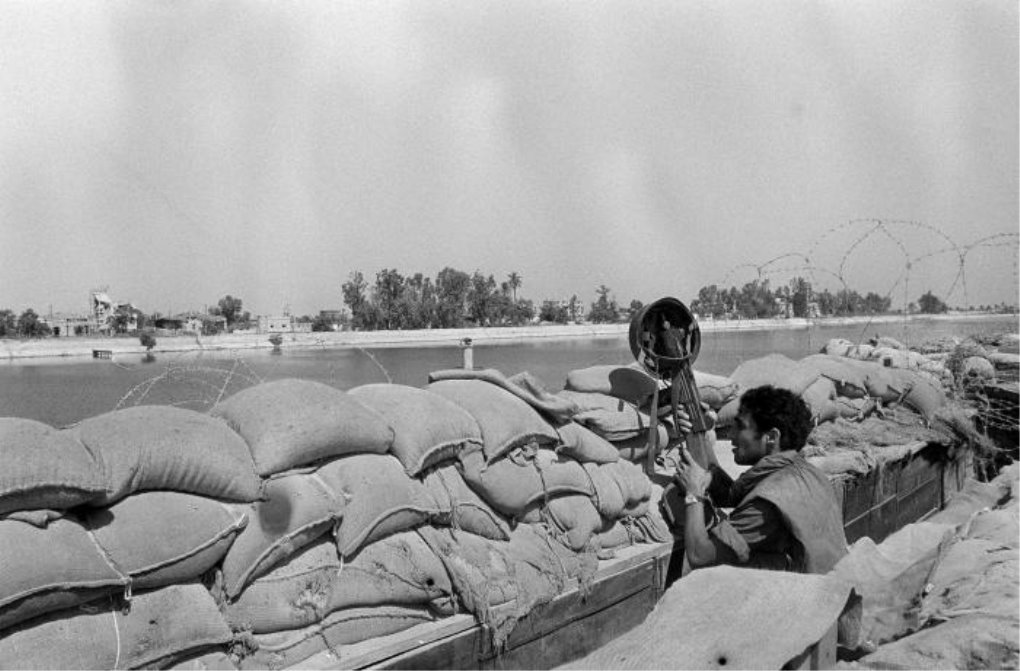
Fig. 3.2. An Israeli soldier using the oldest trick in the book to bait Egyptian snipers, note his Uzi submachine gun (Source: via Yoel- Silah Report contributor)
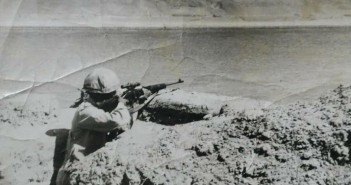
Fig. 3.3. An extremely rare photo for an Egyptian sniper during the War of Attrition. The rifle in question is a ZG-51sn, a modified variant of the 7.62×54mmR Mosin-Nagant bolt-action rifle by Czechoslovakia. The rifle was possibly also manufactured in Egypt under the designation of “Riyad” but more evidence is needed before we can reach a solid conclusion.
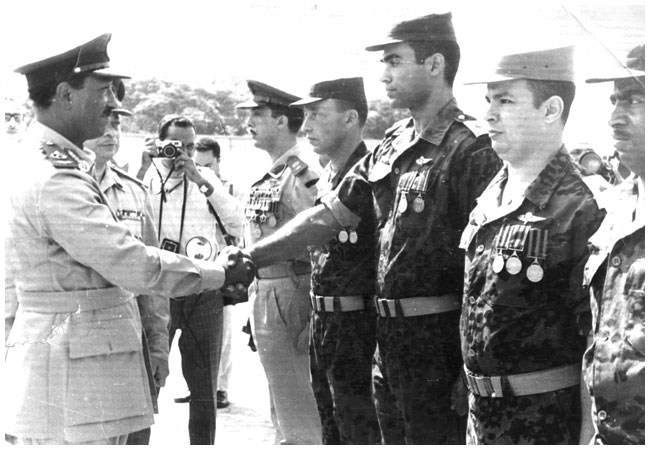
Fig. 3.4. The War of Attrition saw both sides using special forces units heavily during the fighting. In this image, Anwar Sadat (President of Egypt after Nasser’s death in 1970) is shaking hands with members of ‘Group 39 Combat’. The unit was created by Ibrahim Al Refaie (Egypt’s most decorated soldier, killed in action during the late stages of the October War/Yom Kippur War and is standing beside the photographer in the image). The unit was involved in reconnaissance, raiding Israeli strong points, capturing intel or enemy personnel and mining operations. The unit is comprised of infantry Saa’ka and Naval Saa’ka (commandos). The unit was disbanded after the October War. (Source: Group 73 Historians)
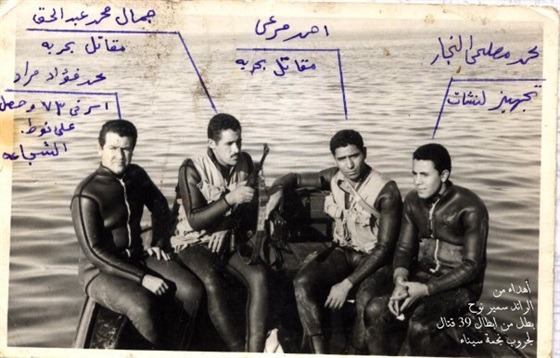
Fig. 3.5. Members of group 39 on a zodiac boat. (Source: Major Sameer Noah, a former member of the unit)
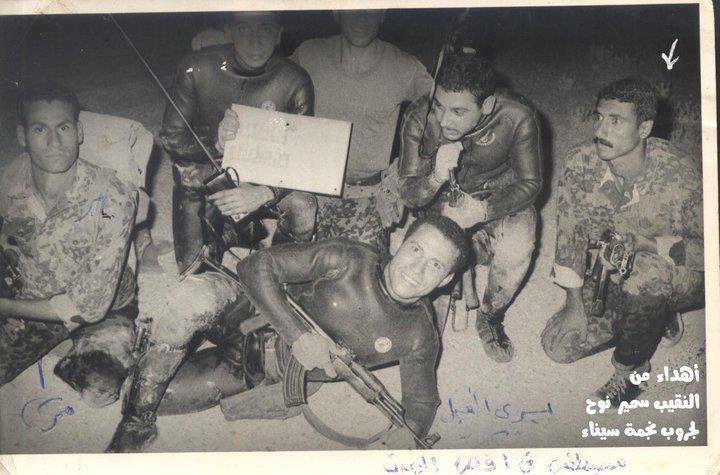
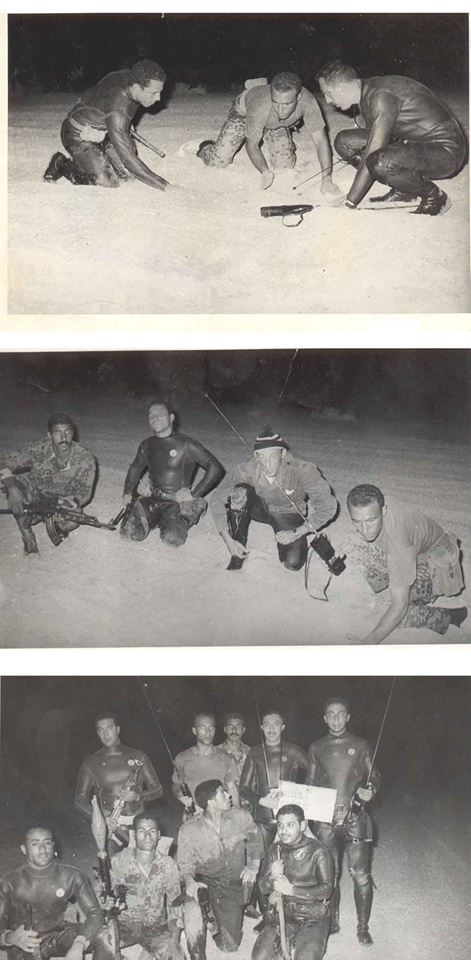
Fig. 3.6-3.9. Members of Group 39 managed to take photos while they were conducting a mining operation. Note that they removed an Israeli warning sign (which is sadly unreadable). One of the commandos has an RPG-7 as it was expected that if they lost the element of surprise they would have to engage heavily armed IDF vehicles including half-tracks equipped with 30. cal, 50 cal machine guns and possibly 20mm auto-cannons or even tanks. (Sources: Major Sameer Noah & Group 73 Historians)
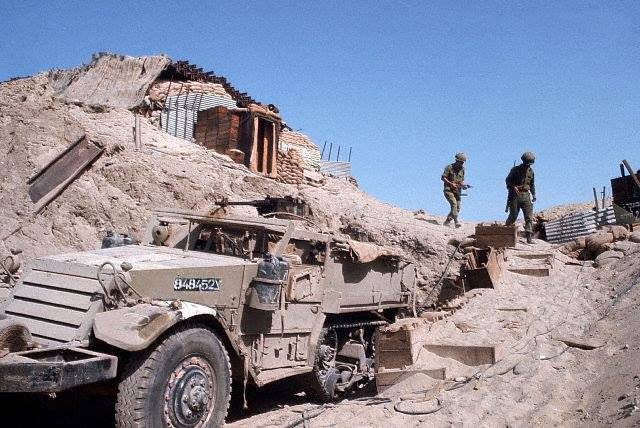
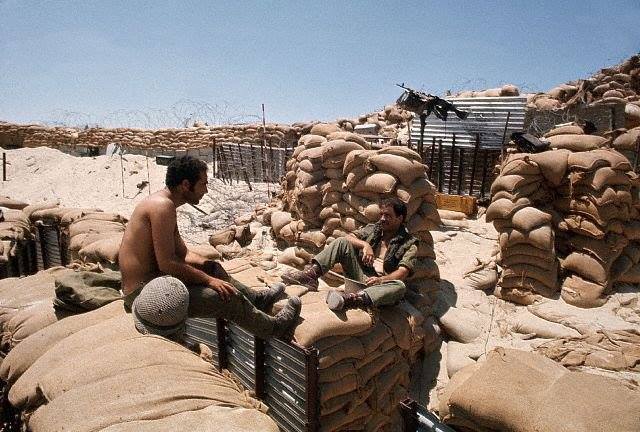
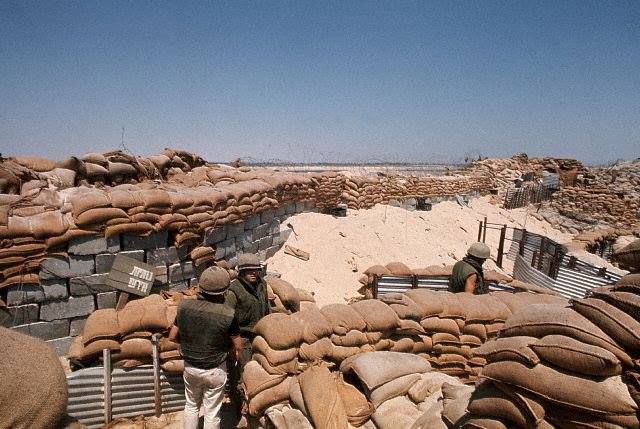
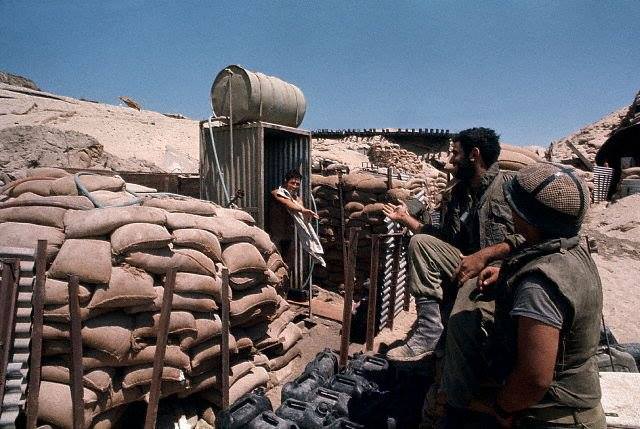
Fig. 3.10-3.13. Israeli troops at the Bar-Lev Line during the War of Attrition (Source: Group 73 Historians)
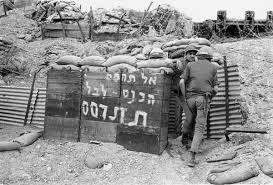
Fig. 3.14. A sign in an Israeli trench reads: “Don’t hesitate; enter or else splatter” (translation courtesy of Yoel). During the War of Attrition, both sides would bombard each other with artillery and mortars unless there was a ceasefire.
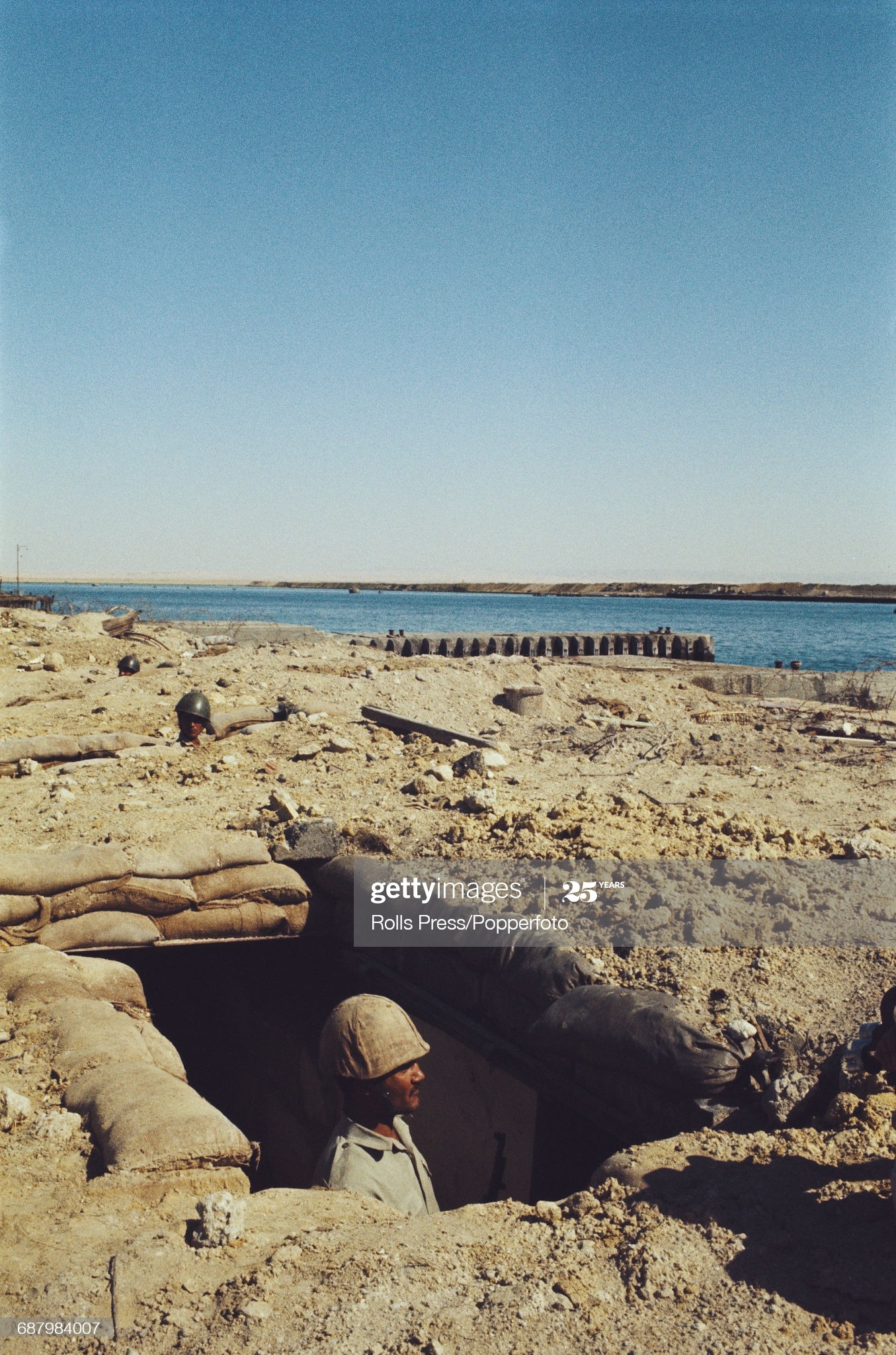
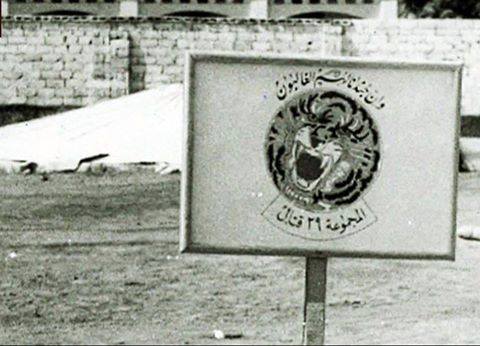
Fig. 3.16. The emblem of Group 39, the motto above the emblem is a Quranic verse 173 from Assaffat Chapter: “Our soldiers will be those who overcome.”- Sahih international translation (Source: Group 73 Historians)
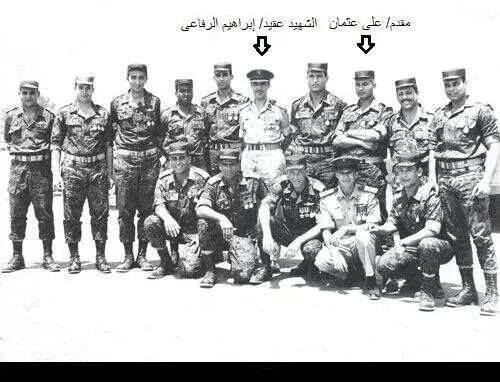
Fig. 3.17. Ibrahim Al Refaie in the center of the photo with various members of Group 39 Combat. (Source: Group 73 Historians)
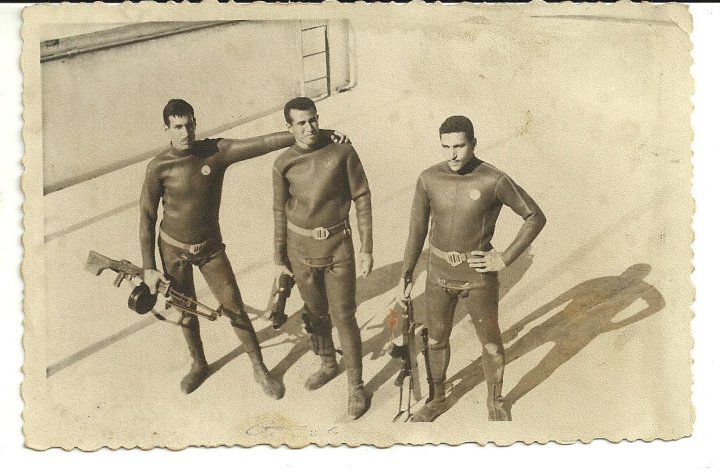
Fig. 3.18. Egyptian frogmen/Naval Saa’ka (members of Group 39 Combat) carrying an AKMS self-loading rifle, an RPD light machine gun and an RPG-7 (Source: Group 73 Historians)
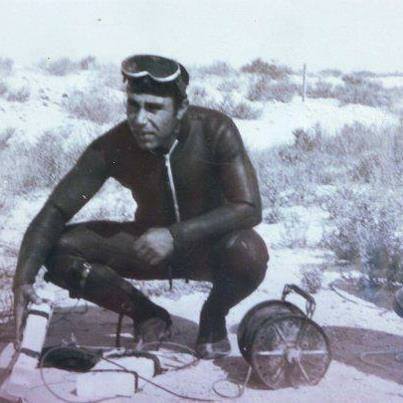
Fig. 3.19. Egyptian frogman with explosives. (Source: Group 73 Historians)
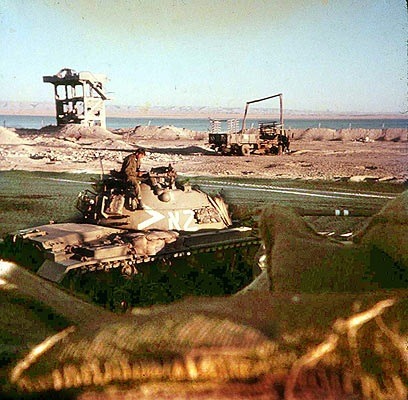
Fig. 3.20. Israeli M48A3 tank near an outpost at the Bar Lev Line (Source: Group 73 Historians)
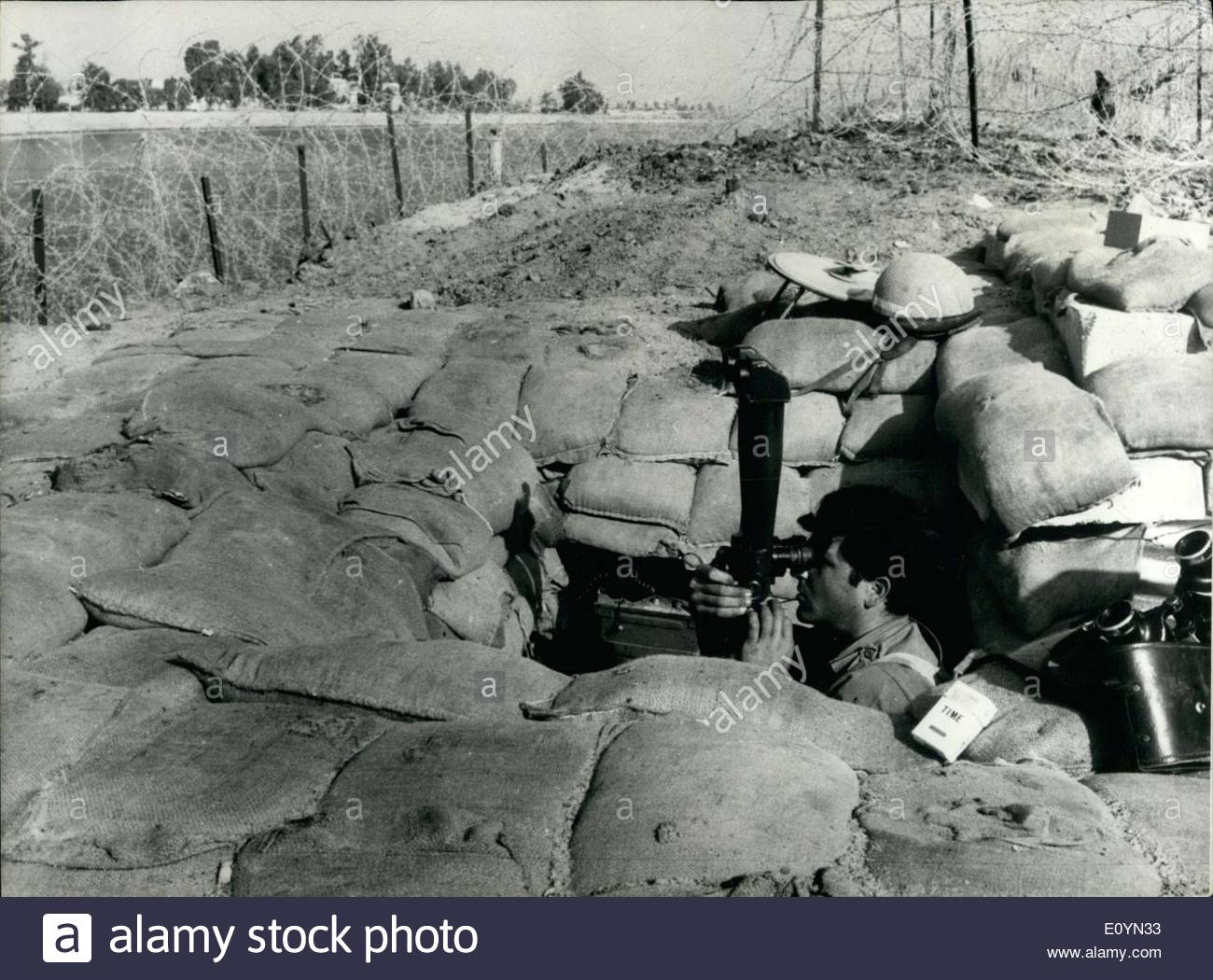
Fig. 3.21. Israeli soldier using a periscope at Ber Lev Line, 10th November 1970. (Source: Alamy Stock Photo)
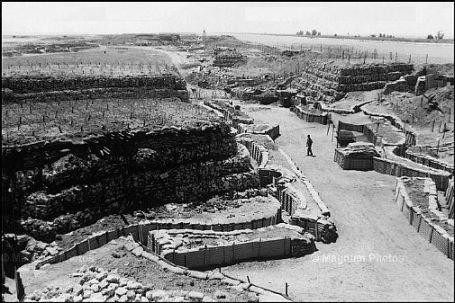
Fig. 3.22. Bar Lev Line throughout the War of Attrition became more and more fortified, complex and armed to the teeth. (source: Magnum Photos)
In the next part of this series, we will examine what Gal had to say about the 1969 Bombardment of Ismalia and his close calls.
If you enjoy our work here at Silah Report please consider supporting us on Patreon!