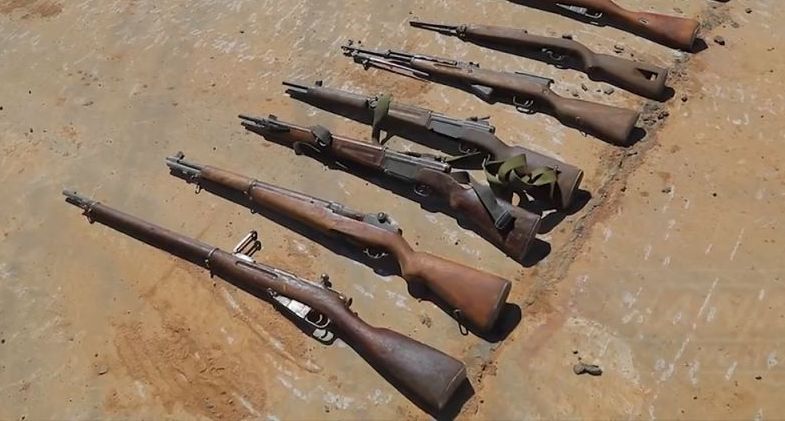
This guest article is brought to us by Bruce Marduel, taking a look at the French MAS series of bolt action and semi-automatic rifles in service throughout Syrian history, and in this case, the current Syrian Civil War.
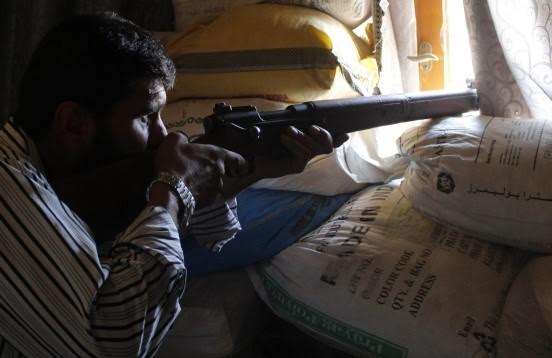
MAS 36 is the oldest rifle is the MAS family, and even if it entered production before WWII it is still used in an impressive number of countries, including Lebanon and Syria. A MAS 36 was first visible in a 2013 picture of the Syrian Conflict, limited information is available, but it seems that MAS 36 are actually used in combat.
This guest article is brought to us by Bruce Marduel, taking a look at the French MAS series of bolt action and semi-automatic rifles in service throughout Syrian history.
There are plenty of exotic and obsolete weapons in the Middle East, and ancient French weapons produced by Manufacture d’Armes de St-Etienne can be spotted regularly in Syria along with StG 44, Mosin-Nagant and other relics.
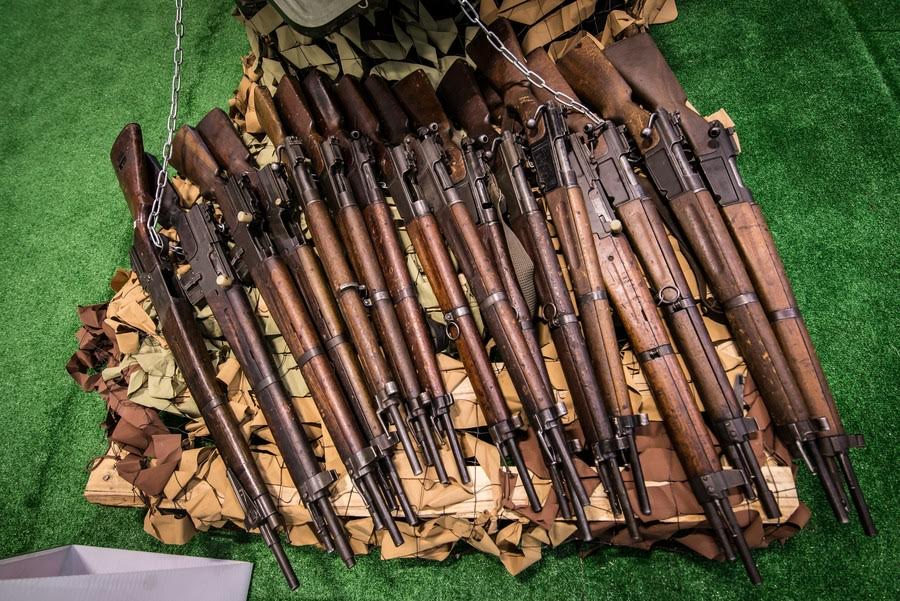
Most of the rifles produced for the French Army during the XXth century were produced by Manufacture d’Armes de St-Etienne (MAS) : from the bolt-action Fusil à répétition 7.5mm M.36 a.k.a MAS 36, to the Fusil d’Assaut de la Manufacture d’Armes de St-Etienne also called FAMAS. The MAS 36 equipped the French Army since the 1930’s, followed by MAS 49 and MAS 49/56 after WWII. These rifles have a very long service life both in France and overseas.
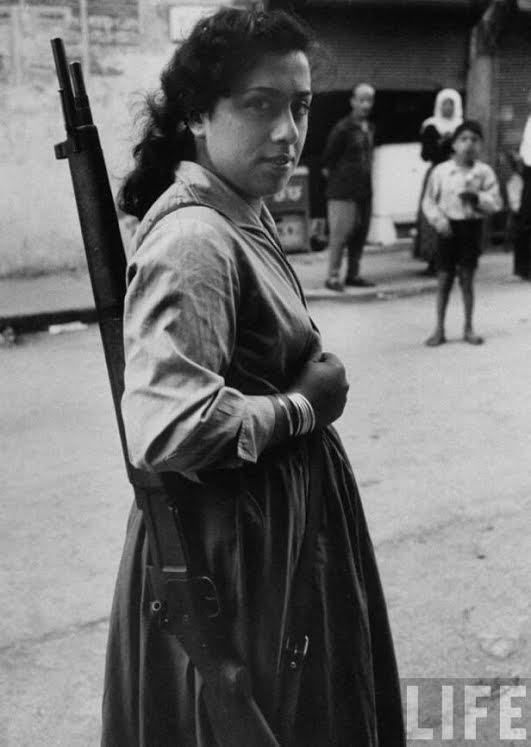
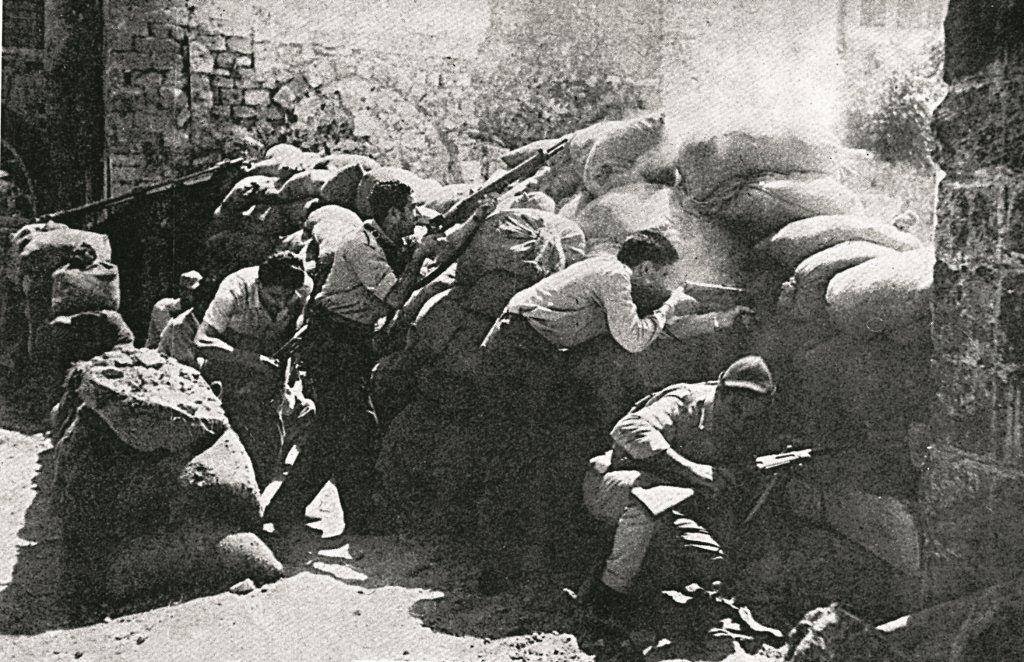
MAS 36 arrived in the Middle-East during the Mandates and Second World War, back then France ruled over Syria and Lebanon, and French troops used MAS 36. During WWII, the French authorities of the Regime de Vichy (allied with Nazi Germany) declared Lebanon independent in 1941, the decision was confirmed by Free France and Charles de Gaulle, so the country became independent after WWII. The armed forces from newly-independent Lebanon used MAS 36 as a standard-issue rifle until the 1950’s when FN FAL replaced them. Lebanese MAS were kept as a reserve rifle or sold on the civilian market, so that they are visible among militias during the 1958 troubles in Lebanon.
Civilian MAS 36 in Beirut, 1958
1958 unrest in Lebanon
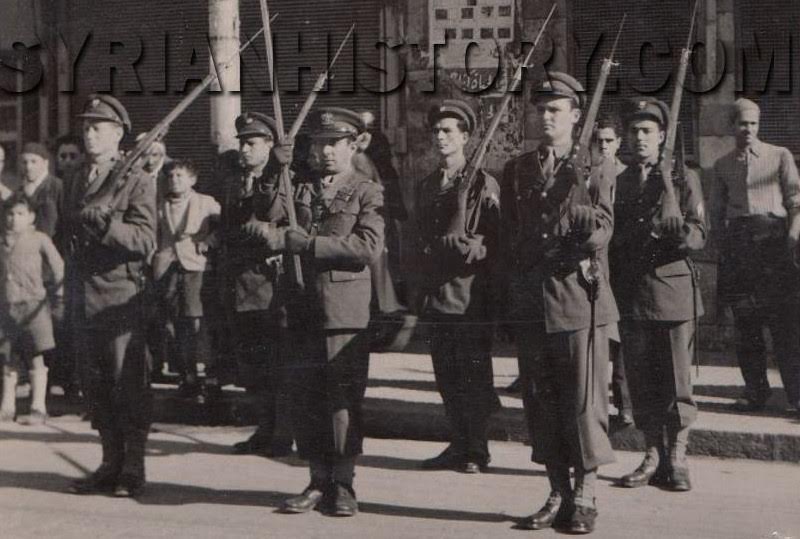
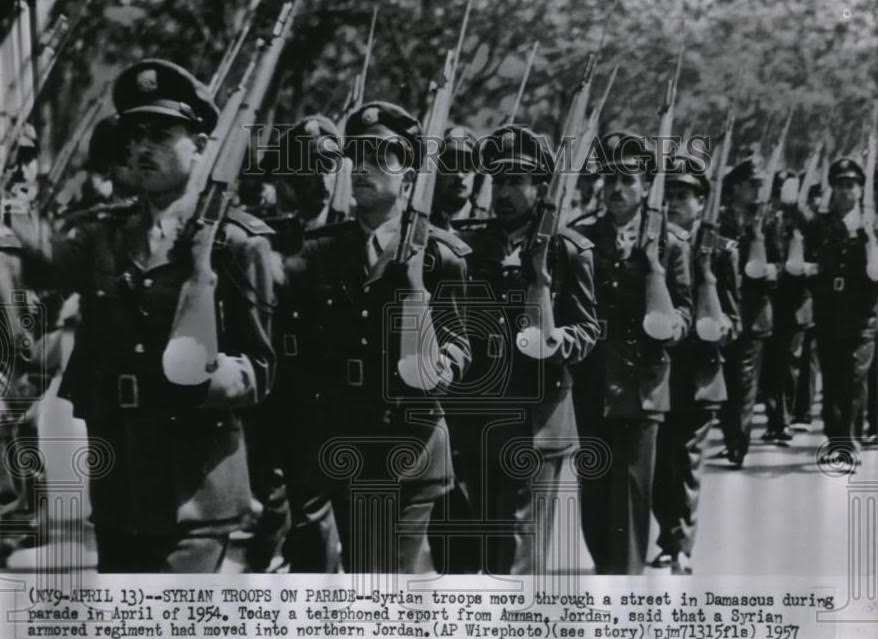
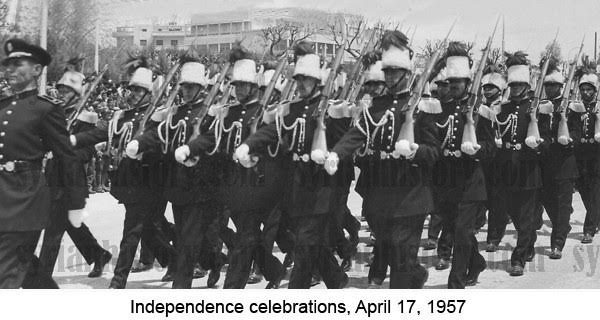
The most significant shipment of MAS rifles to the Middle-East took place in the early 1950’s, when France delivered weapons to Syria : six-thousand « Syrian contract » MAS 49 (serial number F3XXXX), twelve-thousand MAS 36 and a production line for 7,5x54mm ammunition. Photos of the Syrian Independence Day show the subsequent evolution in the armament of Syrian troops from 1946 to 1966 :
1946 parade with WWI Lebel
1954 parade with MAS 36
A file photo from Syrian Arab News Agency (SANA) archive
1957 parade with MAS 36
When Syria got closer to the Eastern Bloc (Baath putsch in 1963, and pro-soviet wing takeover in 1966) the Syrian army abandoned french rifles and adopted Kalashnikov, as showed in the video of the 1966 parade.
ANNA News (Abkhazian Network News Agency) has published a video where they show the arms and munitions captured by the Syrian Arab Army (SAA) as a result of Operation Basalt launched by the SAA against various armed groups in Southern Syria. Besides the tanks, armored vehicles and anti-tank weapons, there is also a wide variety of small arms which is especially interesting in the context of Silah Report. Let’s watch the mentioned video first then discuss what interesting small arms were shown in the video.
https://www.youtube.com/watch?v=JIWP9Jzbzaw
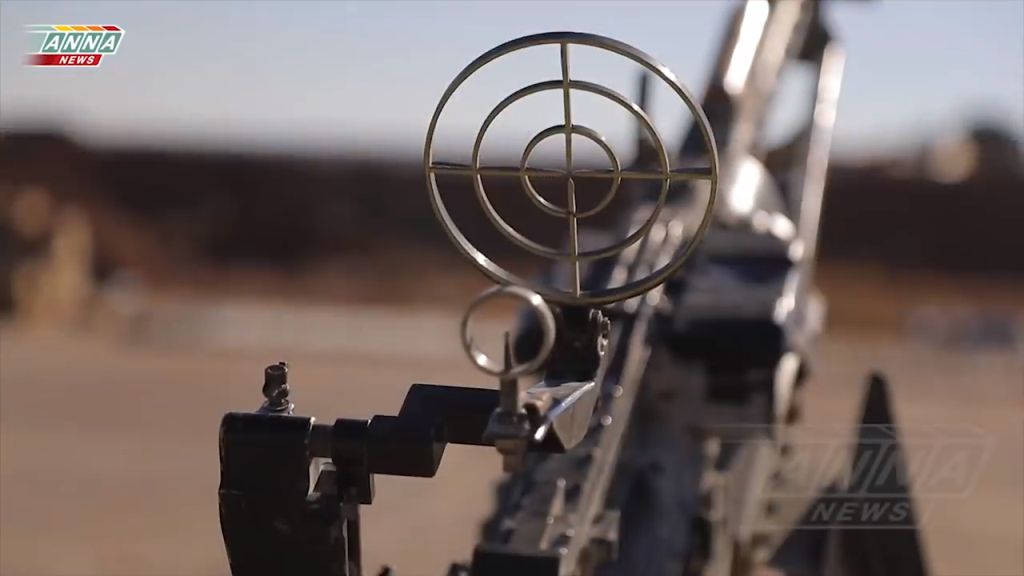
Below you will find screenshots from the video with captions describing the weapon systems shown in the image.
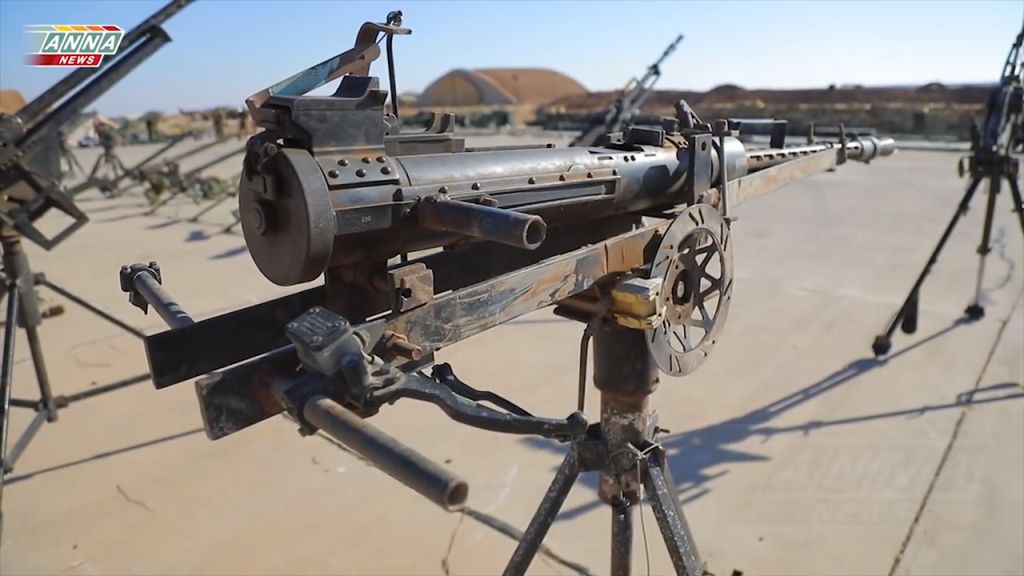
Probably the most widespread heavy machine gun in this conflict is the DShK, however, you can also see 14.5mm KPV machine guns like the one shown in this image.
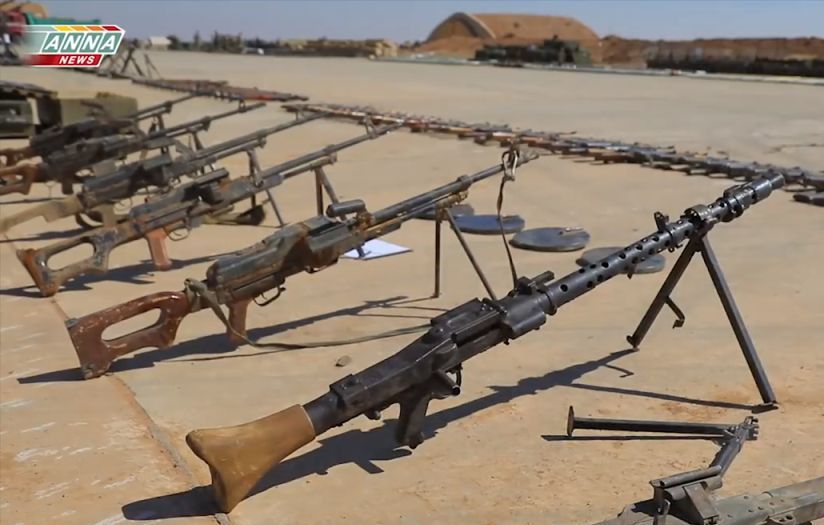
MG-34 with a number of PKM machine guns on the background. I think at some point a new wood stock for the MG-34 was made locally which should be the reason why it has a more simplified look.
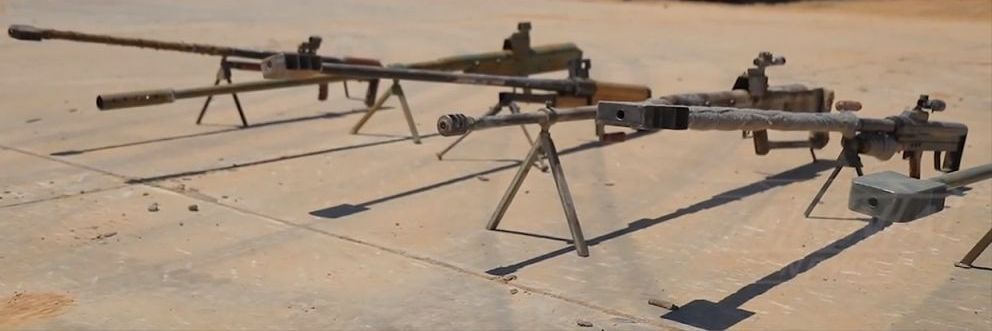
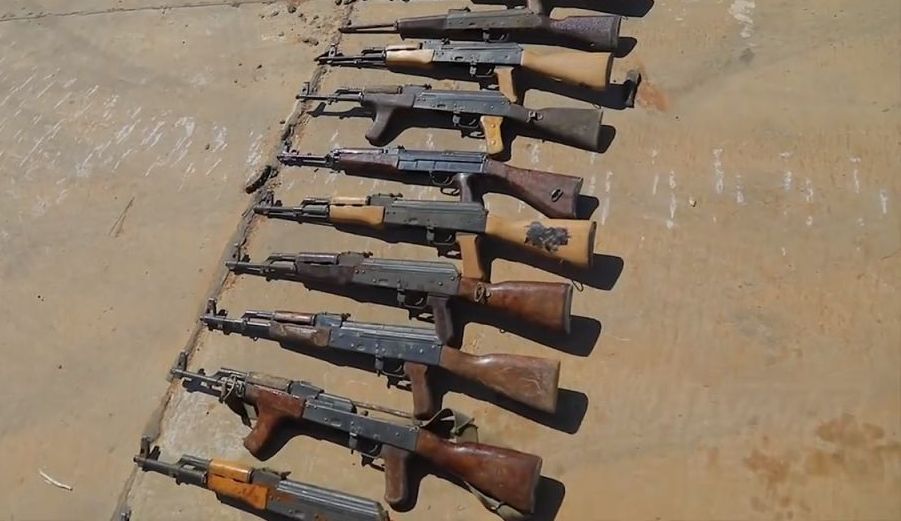
Several anti-materiel rifles. Some of them look similar to Steyr HS-50 or its Iranian copy called Sayyad or the Palestinian copy Ghoul.Needless to say that the most frequently seen rifle in the Middle Eastern conflicts is the AK with all its variations. In this image, you can see a number of stamped receiver AKMs including some Romanian ones with their distinct lower handguard shape which has a built-in vertical grip (a.k.a. “dong” handguard). Note also that the fourth rifle from the top is a Czech Vz. 58. And perhaps the most interesting one is the rifle on top which has an East German stock and lower handguard and lacks the pistol grip, gas tube and gas block. Let’s take a closer look at it.It is possible that this rifle is just damaged and that’s the reason why it is missing some of the parts. However, I think the chances are high that they converted it into a straight-pull bolt action rifle for whatever reason (e.g. lack of spare parts to restore it).
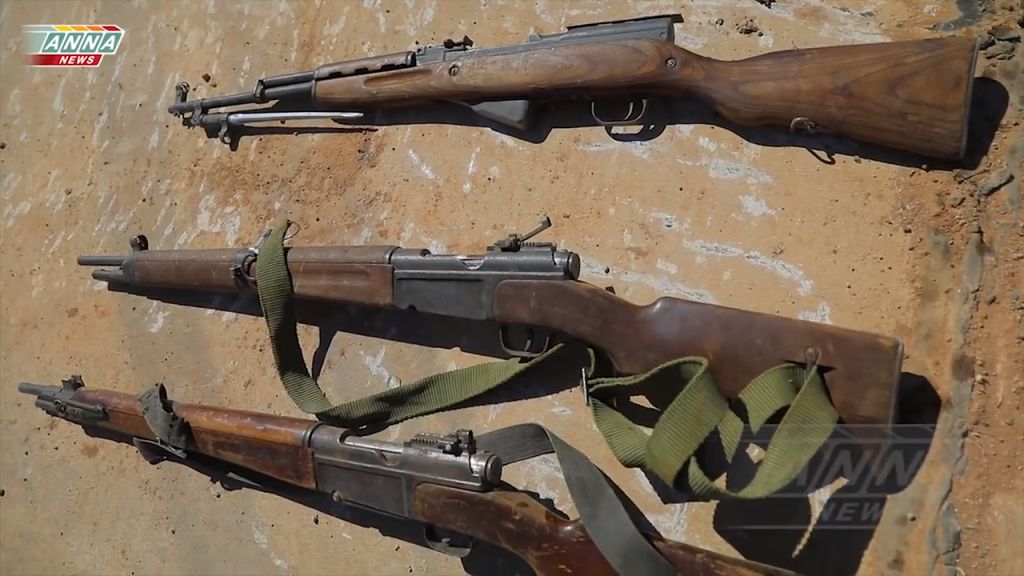
Last but not least, some WW2 weapons still in use in the Syrian war. The very bottom rifle is a Mosin-Nagant 91/30 followed by an M1 Garand and a couple of MAS-36 bolt action rifles. On top of the MAS-36 rifles, there is a Chinese SKS (Type 56) with a folding spike bayonet and an M1 Carbine.
If you spotted any other interesting firearm in the video or noticed a misidentified firearm, please let us know in the comments section.