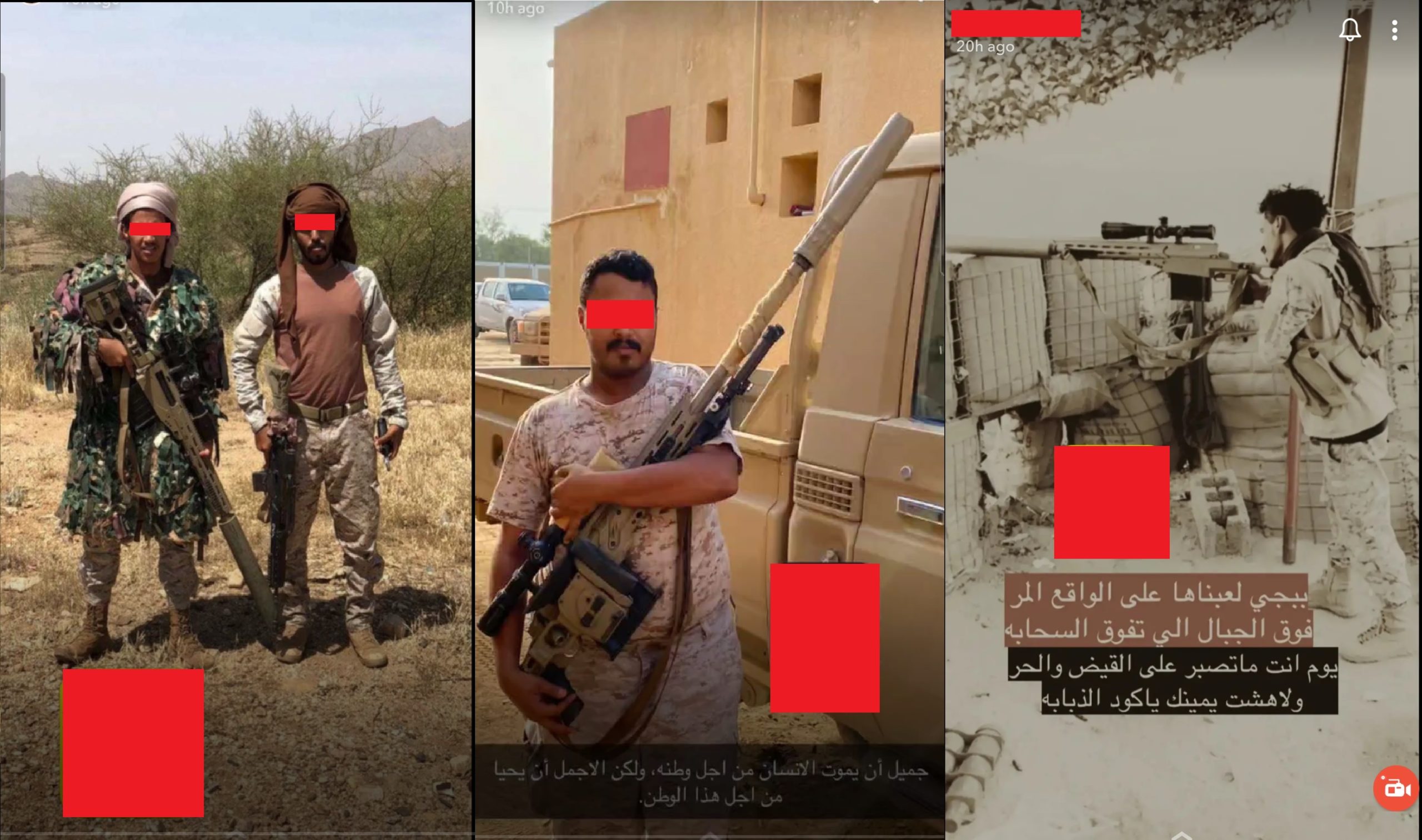
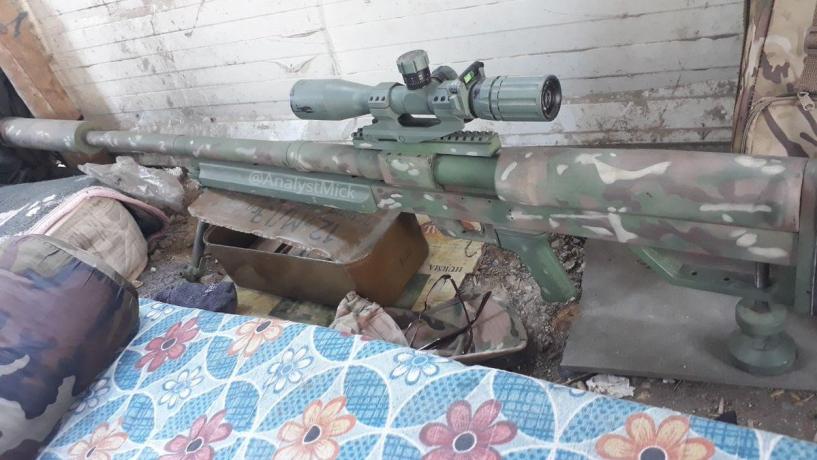
The Saudi-led intervention into Yemen has sparked considerable interest concerning the flow of arms into the conflict. One of the areas that illustrates the wide range from which Saudi-led forces source their armaments from is their selection of scoped rifles. The Saudi military’s collection of sniper, designated marksmen’s, and anti-materiel rifles in use in Yemen illustrates the vast assortment of countries from which they source their armaments from. This study draws its data and sources largely from the same extensive private image collection of open-source social media photos and videos taken by soldiers of the Royal Saudi Land Forces, the Saudi National Guard, and the Saudi Border Guard that informed Silah Report’s previous article on Saudi Kalashnikov-pattern self-loading rifles and is thus able to paint a uniquely representative picture of the weapons they use. In the first part of this article we will examine the precision and anti-materiel rifles and scopes which can be identified includng the FN SCAR-H, Canadian LRT-3 and the French PGM Hecate II.
Saudi Arabia
Iranian Small Arms in Somalia and the Horn of Africa
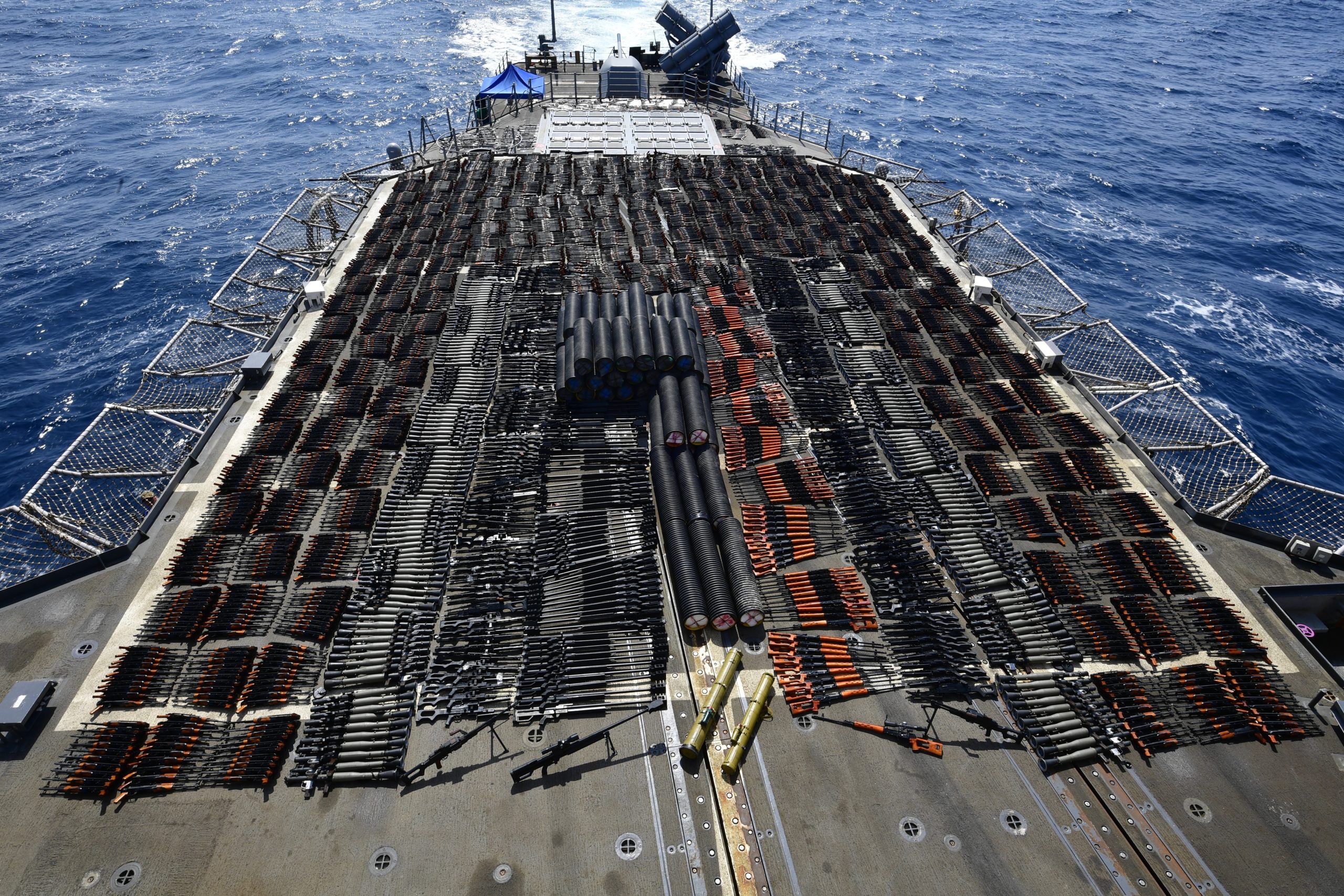
Since 2015 there have been at least 12 documented arms seizures off the Somalian and Yemeni coastlines by US, Saudi, and a variety of other navies. These weapons seizures range in size from 10s of rifles to hundreds of Anti-Tank Guided Missiles (ATGM) and thousands of Type 56-1 AKs.
The Kalashnikovs of Saudi Forces in Yemen – Part 2
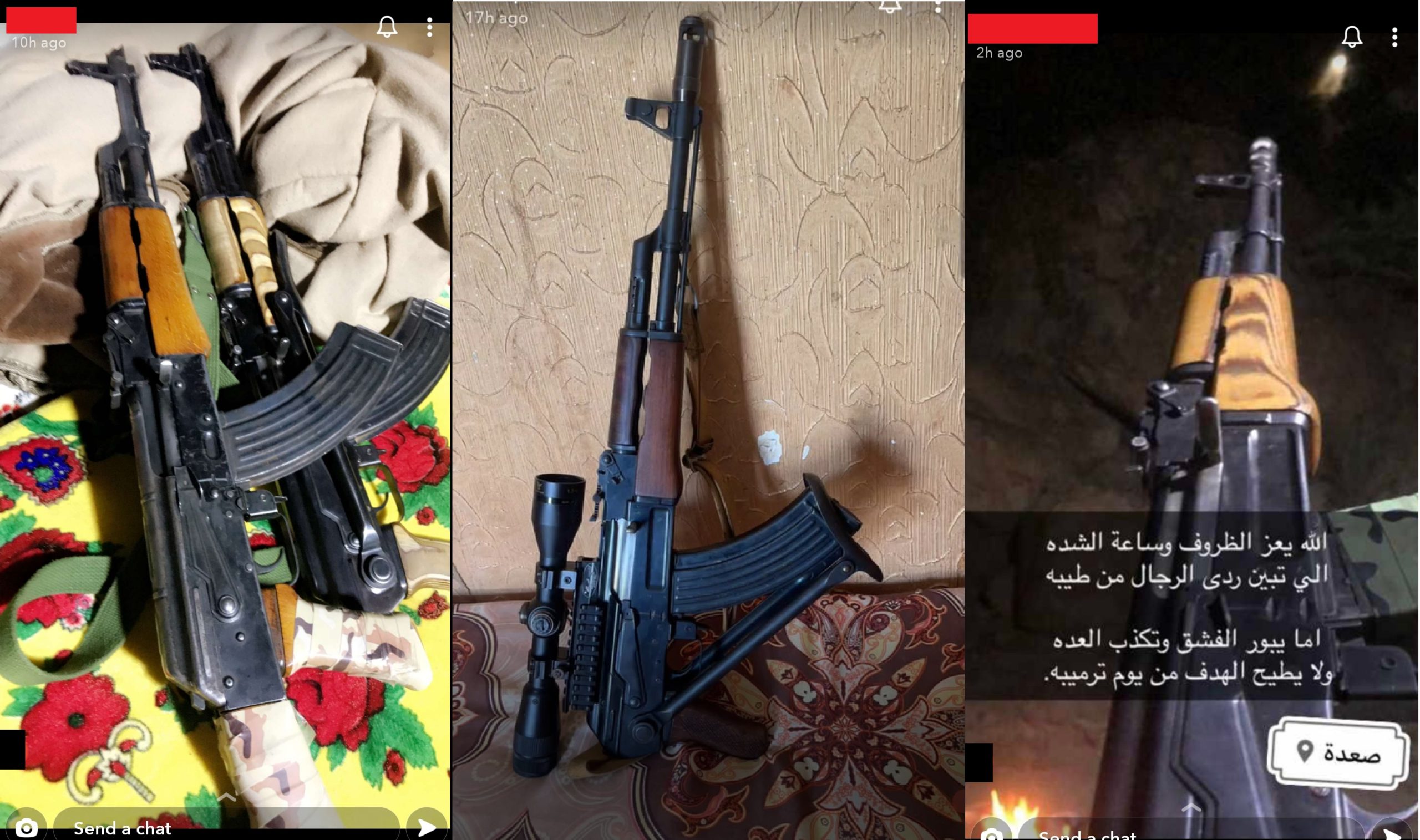
The Saudi military’s various branches utilize a wide variety of small arms, but among those deployed in and along the border with Yemen, derivatives of the Kalashnikov or AK-pattern self-loading rifle are surprisingly some of the most common. In the previous part of this article we examined the AK-pattern rifles in use with the Saudi armed forces. In this concluding part we will look at the various civilian owned AK-patterned self-loading rifles which have been seen in use with Saudi forces. As noted previously, this study draws its data and sources largely from an extensive private image collection provided to Silah Report of open-source social media photos and videos taken by soldiers of the Royal Saudi Land Forces, the Saudi National Guard, and the Saudi Border Guard and is thus able to paint a uniquely representative picture of the weapons they use. Indeed, the data provided showed that Kalashnikov derivatives make up well over half of the assault rifles in the dataset, far outpacing the presence of the Saudis’ signature G36, G3, and AUG self-loading rifles.
Belgian FN Herstal F2000 Rifles Captured by Houthi Forces in Yemen
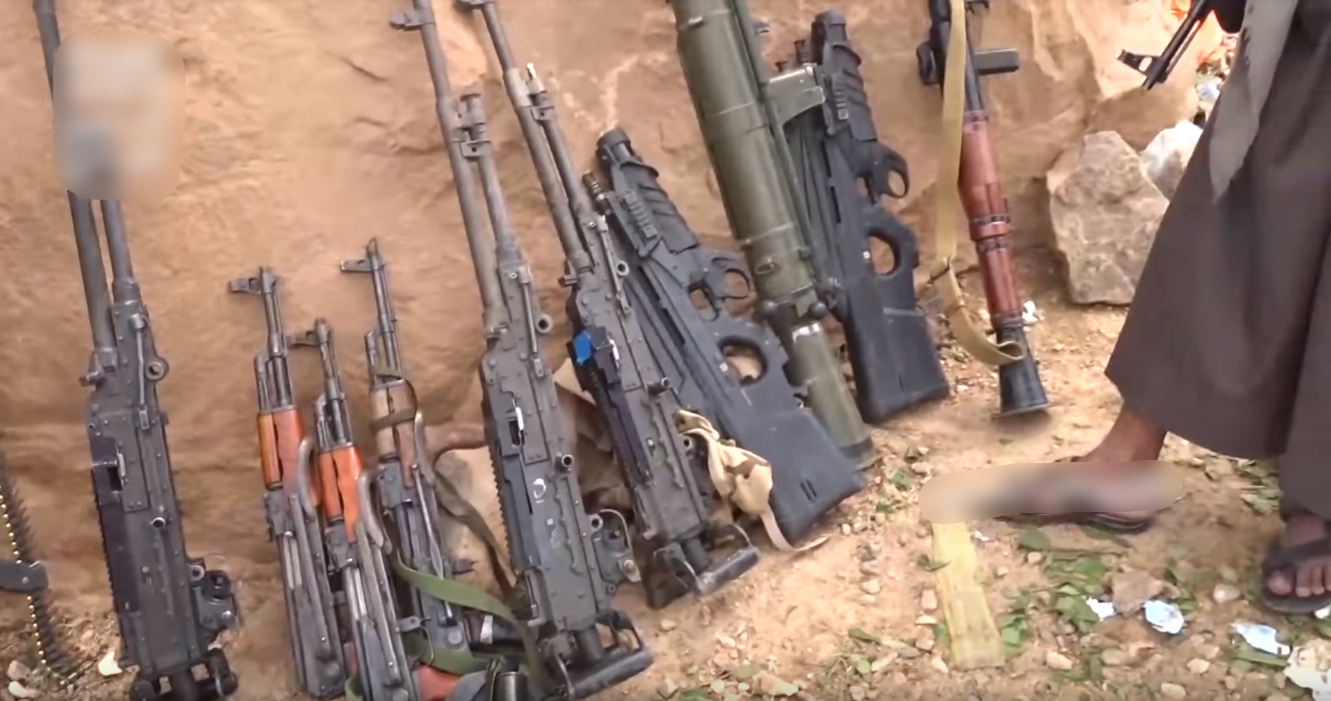
In May 2019, a Belgian news outlet, VRT, reported that the Saudi National Guard were using FN Herstal F2000 bullpup self-loading rifles in Yemen. With ongoing combat between the Arab Coalition and Houthi-aligned forces, it was all but inevitable that some of these exotic-looking polymer-encased weapons would be captured or seized.
The first confirmed sighting of an F2000 in Yemen is believed to date from March 2018, when Houthi forces, fighting in the same border area, were seen recovering an F2000 from a Saudi outpost. The weapon was fitted with the GL1 (also known as the LG1), a under-barrel grenade launcher.
V8 Silah Report Podcast: sniper ‘battalions’ in Idlib, G36 rifles & more!
In episode 8 of the Silah Report Podcast, Miles and Adham are joined by guests AnalystMick, Daniel, and AbuZaben to discuss their recent findings in the MENA region. We cover sniper ‘battalions’ in Idlib, interesting SALW being offered for sale in Yemen, German vs. Saudi G36 rifles, and more! We also answer questions provided by our Patreon backers at the $5 or more per month level. Want to ask us a question related to small arms and light weapons in the Middle East, North Africa, or Central Asia regions? Become a backer today!
https://soundcloud.com/silah-report/v8-silah-report-podcast-sniper-battalions-in-idlib-g36s-and-more
Guarding the Malikah: LWRC UWIC Carbines of the Saudi Royal Guard Regiment
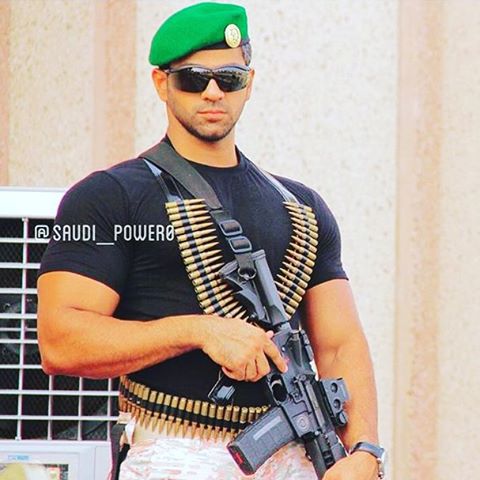
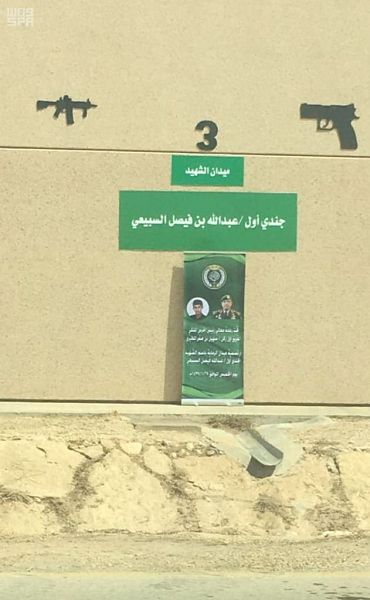
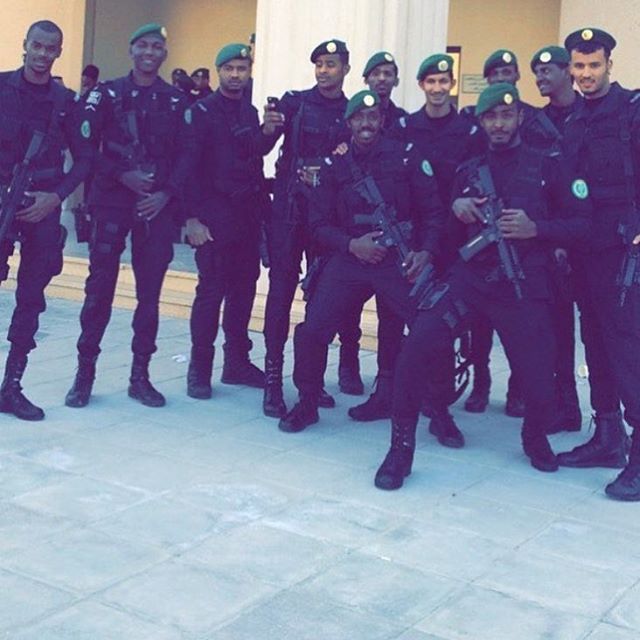
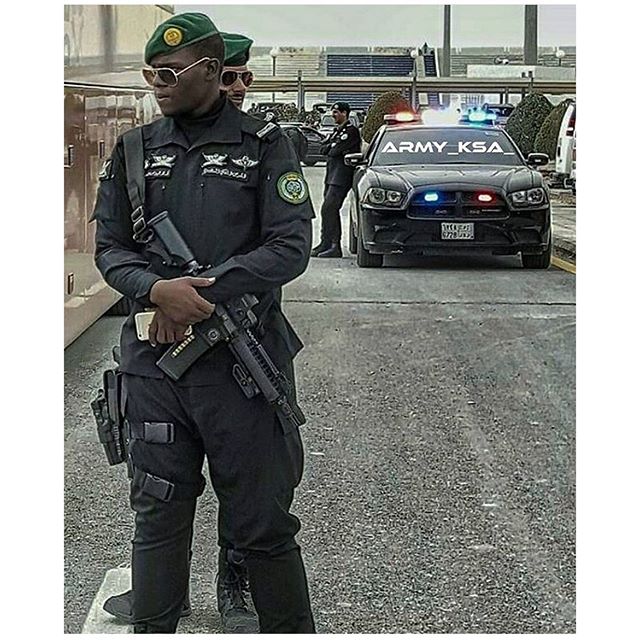
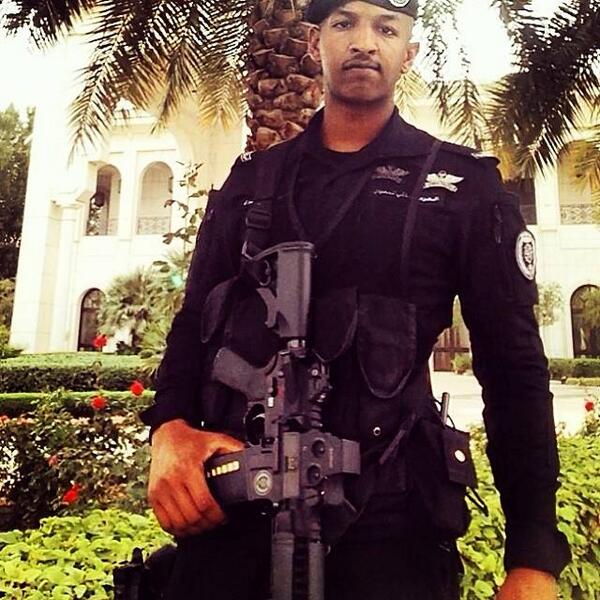
The reigning King (currently King Salman) of the Kingdom of Saudi Arabia, otherwise known as the “Custodian of the Two Holy Mosques”( خادم الحرمين الشريفين) and his enormous family has numerous lawyers of protection surrounding him due to the numerous threats upon the absolute monarch. One of these layers is known as the Saudi Royal Guard Regiment (لحرس الملكي السعودي). This unit has been profiled numerous times on social media, both in the observance of their protection duties, but also simply as casual encounters with members posting photos of themselves and their mates that eventually end up on Instagram and other social media sites. The guards are unique and identifiable in that their uniforms are black with bright green berets. However, they have been seen wearing the desert digital trousers that the Saudi Royal Army uses as well.
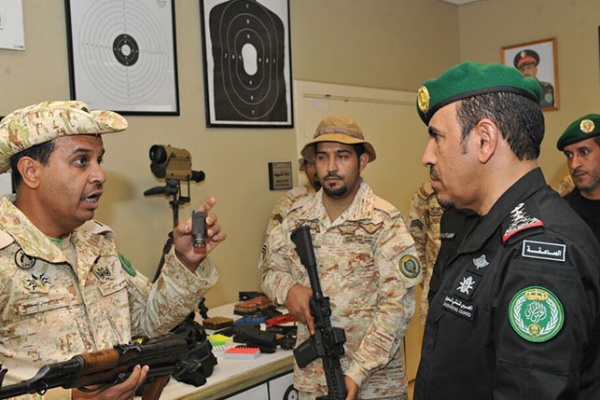
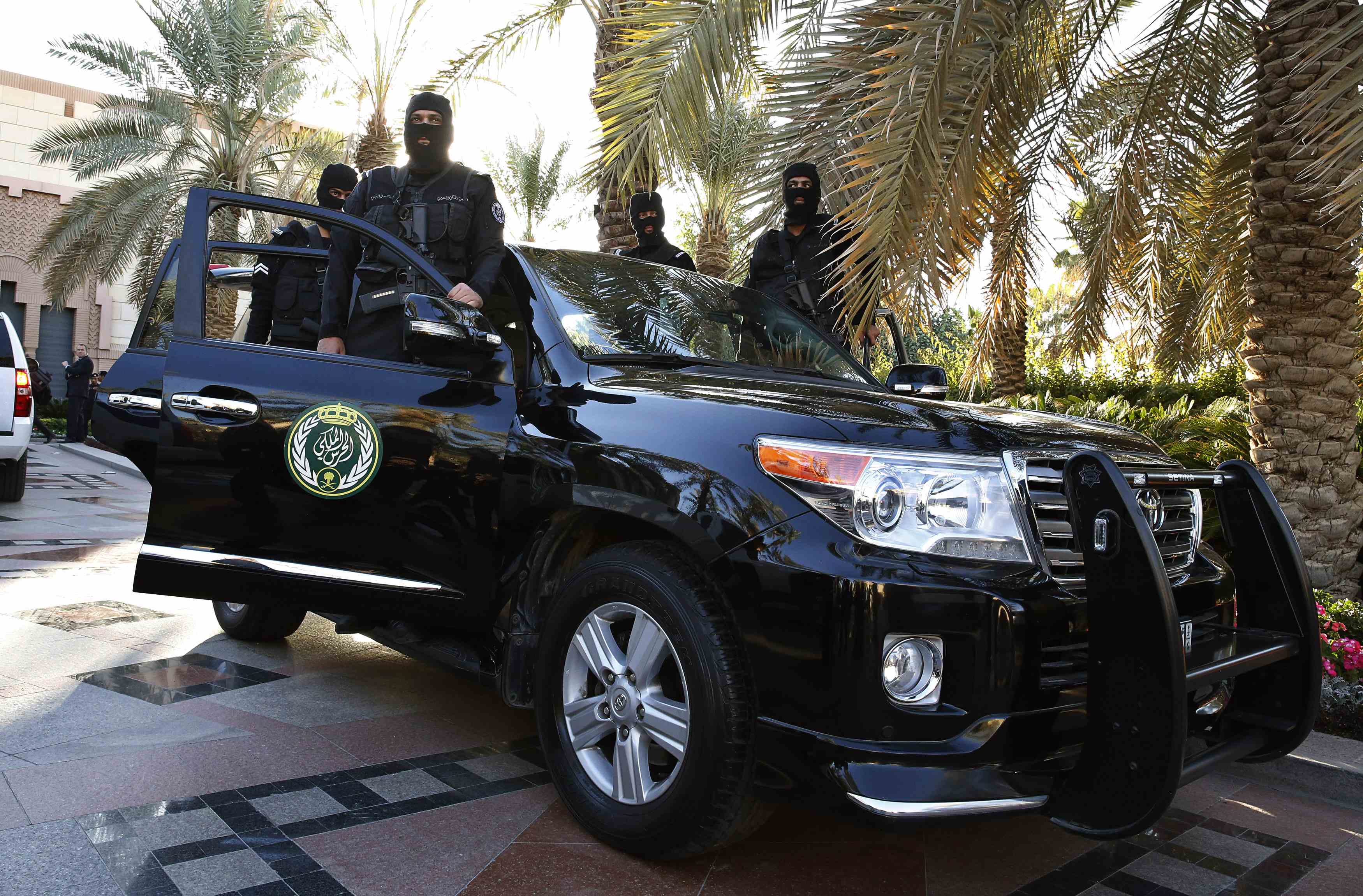
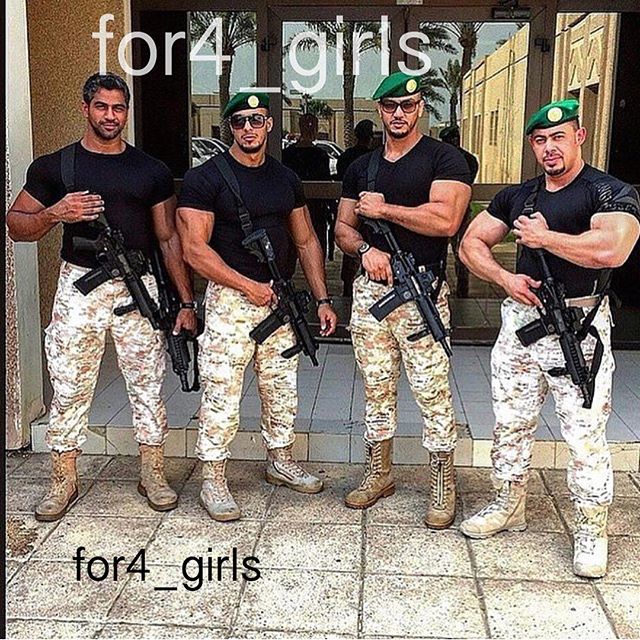
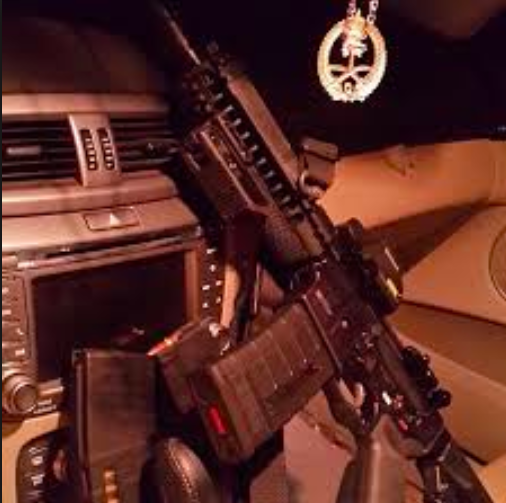
An interesting facet of this group is that it has been seen armed with LWRC UICW (Ultra-Compact Individual Weapon) carbines chambered in 6.8x43mm Remington Special Purpose Cartridge (SPC). The LWRC UICW is distinctly recognizable due to the shortened buffer tube and almost mini-SOPMOD stock. It also has an 8.5-inch barrel, making it very handy for close protection work, and moving in and out of vehicles.
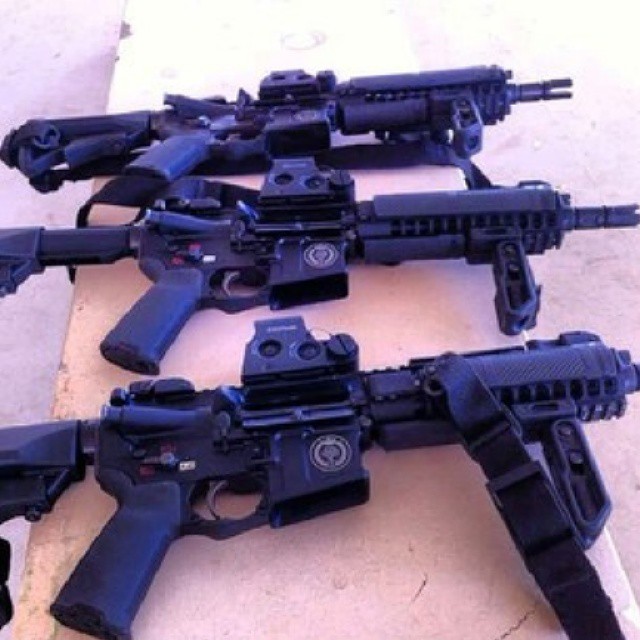
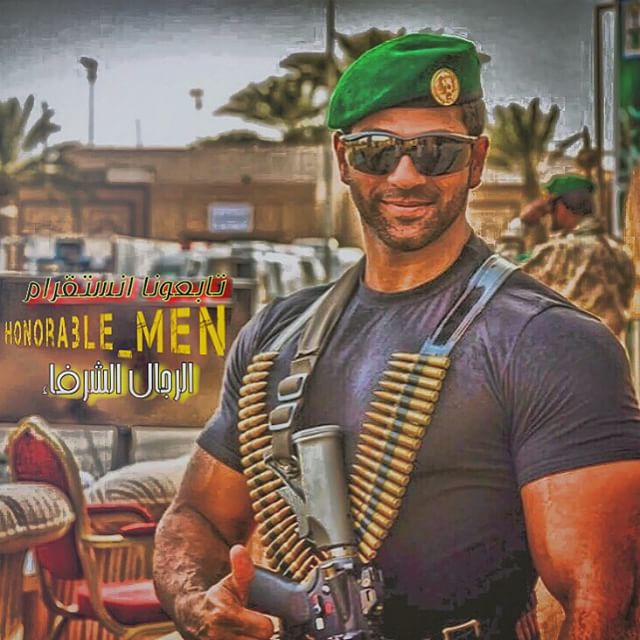
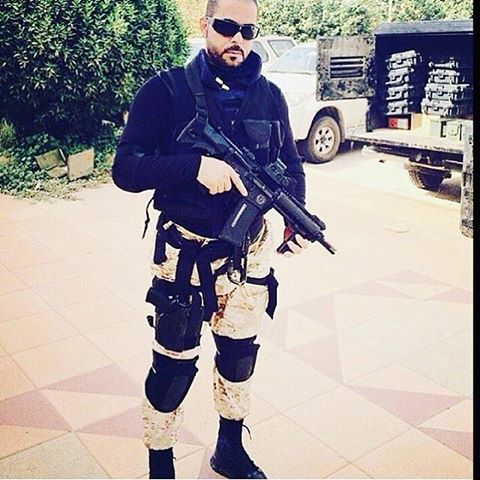
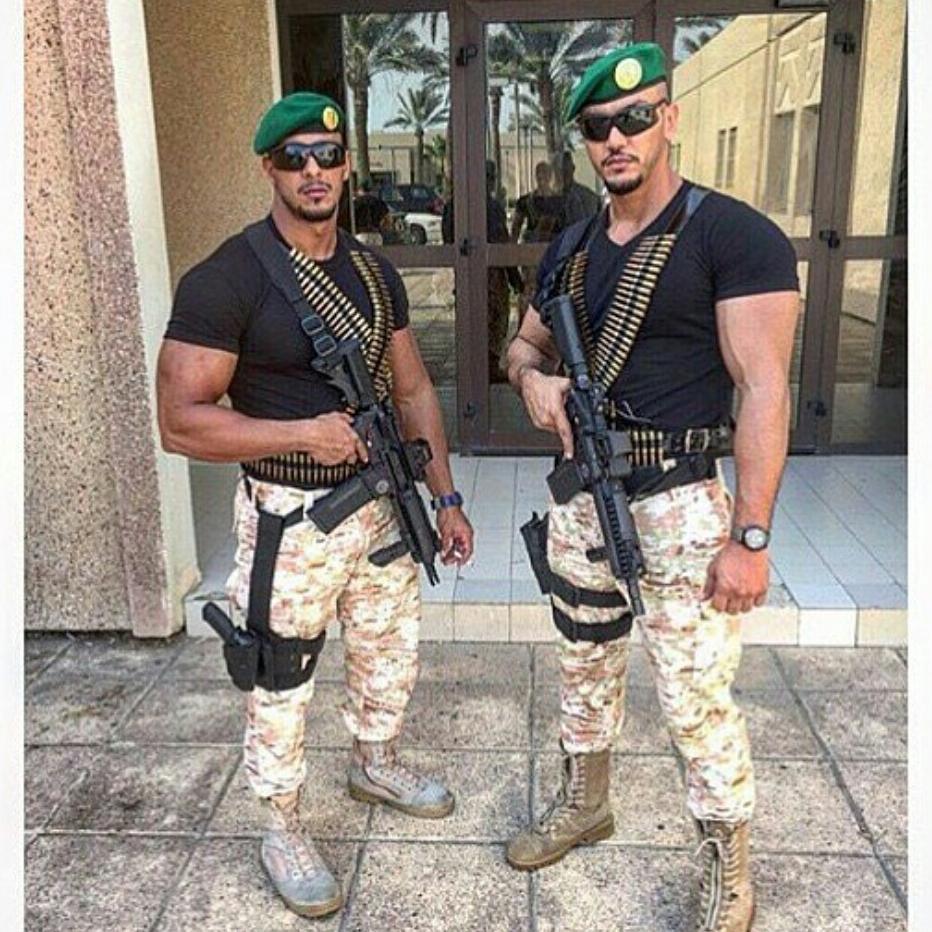
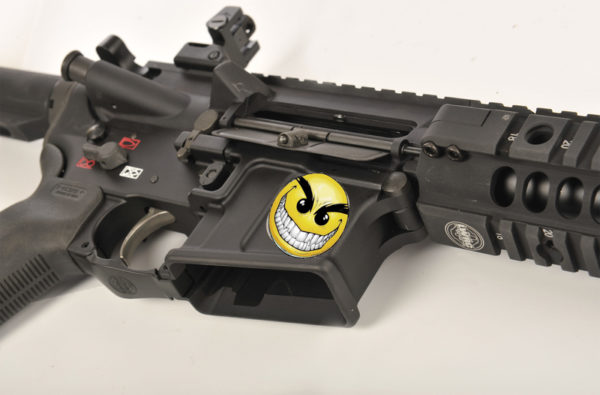
A unique point about the Saudi LWRC UICWs is that they all have the unit’s crest etched in white on the right side of the lower receiver, on the magazine well. Apart from that identifier, these carbines are outfitted with EoTech XPS2 holographic sights, Magpul pistol grips and see through 30 round magazines, Picatinny rail covers, BUIS sights, a folding vertical foregrip, and what appears to be a Vicker’s Tactical (or at least an imitation of one) two-point sling mounted on QD release points. All of the carbines have a select-fire capability. The overwhelming majority are in a black finish with matching furniture, but we do have one example so far of a green stock, with a matching green sling.
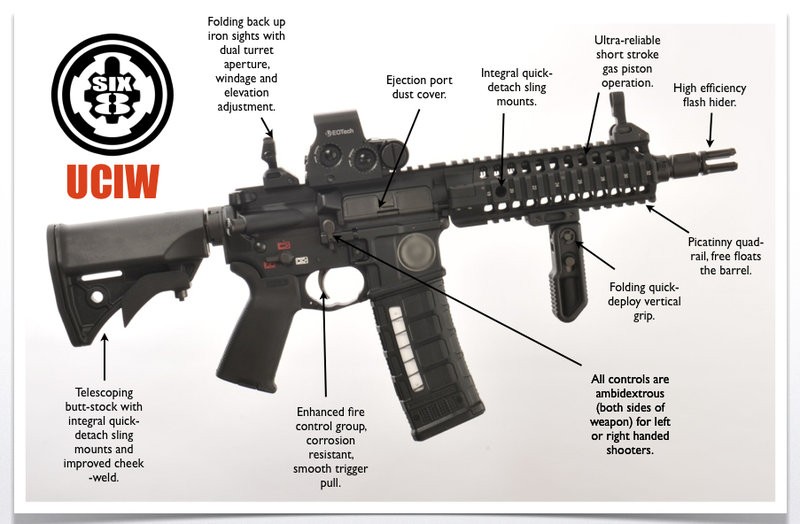
We also have this graphic that was created for the carbine as a promotional piece. Notice on the right side of the magazine well how the crest is completely blurred from view. It would appear to be that this crest was actually the Saudi Royal Guard Regiment but blurred for publication.
Very similar to the case of this one as well-
These carbines were a part of a contract with Saudi Arabia, through the U.S. State Department beginning in Feburary 2012 and ending the next year, worth $109 Million. From a statement from the LWRC Facebook page–
In Feb of 2012 LWRCI signed a $109 million dollar 18 month contract with the Government of Saudi Arabia, sanctioned by the U.S. Department of State and U.S. Congress. This is the largest direct commercial to foreign government sale of firearms in the history of the ATF Exports Branch. $109 million dollars of foreign money coming into Maryland to a company that is five years old. In these economic times, this is a story that the Department of Business and Economic Development can be very proud of. New jobs; developing a workforce; and stimulating the economy.
Specifications from Defense Review-
Caliber: 6.8mm SPC
Barrel Length: 8.5″
Weight (unloaded): 6.25lbs (8.5″ barrel)
Length (overall): 24-27.25″ (8.5″ barrel)
Rate of Fire: Semi Auto or Select Fire 700 rpm (+/- 100rpm)
Rifling: 1/10″ RH
Stock/Pistol Grip: LWRCI/Magpul MOE
Sights: LWRCI Folding BUIS Front and Rear
Magazine: Magpul 30 rd. P-Mag
Muzzle Device: LWRCI flash hider 5/8×28 TPI
Colors Available: Black”
This is a Saudi social media channel on Youtube that shows extensive footage of the Royal Guard Regiment during various training demonstrations.
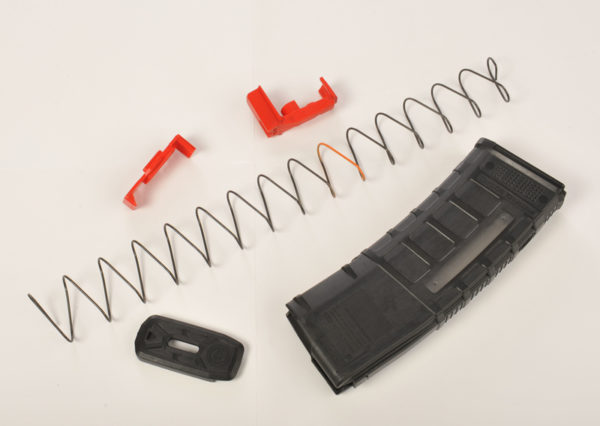
The Magpul 6.8x43mm SPC magazines that are used with the Saudi Royal Guard Regiment were actually developed in close coordination with LWRC. They are readily identifiable by the bright red follower and internal baseplate. You can still purchase them in the United States for $26.97 on Cheaper Than Dirt. From the website-
Magpul PMAG magazines are designed for the LWRC 6.8 pattern AR lower receivers. These magazines were built specifically as a result of a partnership with LWRC and Magpul industries. These magazines feature the new constant curve geometric body, anti-tilt follower and other minor improvements. The polymer magazine reduce overall magazine weight by half without sacrificing durability. Magpul 6.8 magazines are a must have if you own a compatible LWRC rifle chambered in 6.8 SPC.
The First Exhibition Drill Soloist in the U.S. was an Arab
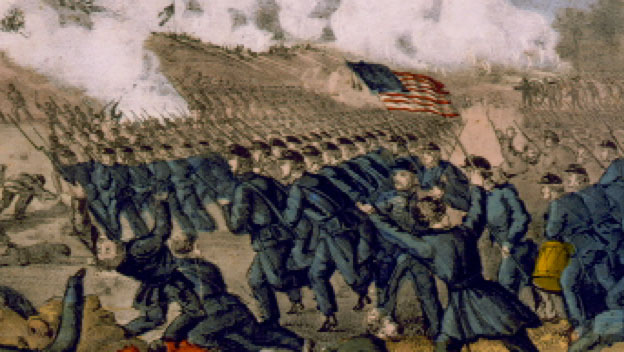
The elaborate activity known as exhibition drill within the United States is quite unique in its execution. It evolved out of a want to push the envelope when it comes to Drill and Ceremony (shortened to D&C) competitions. For many decades, militaries all over the world have held D&C competitions, even down to the academy cadet level. The United States was no different, with the tradition possibly originating from Prussian General Friedrich Wilhelm von Steuben, who is credited with teaching D&C to American troops at Valley Forge during the Revolutionary War. However, it was only within the last century that competitions took on a more flashy or exhibition flare, with both armed and unarmed portions. The reasons for this could be many, but the author speculates that it has to do with D&C becoming less important on the battlefield and more of a measure of a unit’s discipline in the rear. For example, doing exhibition drill in the 1800s would probably be met with stern disappointment, because this was still the age where actual battles were won and lost due to a unit’s ability to maneuver in formation on a battlefield.
Today exhibition drill teams exist at every level from High School JROTC programs, Collegiate level ROTC programs, Military ceremonial units such as the Marine Corps’ Silent Drill Platoon, and even professional performance teams such as New Guard America. One of their performances is shared below.
But back to origins. The general beginnings of what we now know to be called “exhibition” drill are claimed to be a cadet unit called “Pershings Rifles” still active today at a university in Nebraska. Whether or not this cadet unit performed anything near to what would be labeled as exhibition, the research isn’t very clear. But the general consensus is that modern exhibition drill really took off in the years following the Vietnam War, growing to a huge network today.
However, before the Pershing Rifles, there was Hajji Sherif/الحاج شريف (normally colloquially as Hadji Cheriff). This name was most likely a stage name or something an American audience could easily pronounce. The first part, Hadji/Hajji is indicative of this man making the Haj pilgrimage to Mecca, and the second part Cheriff/Sherif, means “Noble” in Arabic. Although Sherif might have been apart of the man’s name, it really doesn’t give us much as to his family name, what part of the MENA region he was from, etc…
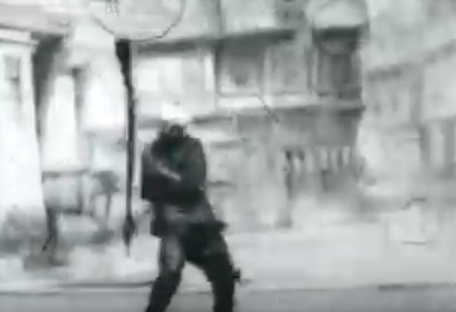
This video clip that was copyrighted by Thomas Edison in 1899 (he also had another clip of Hajji Sherif performing a dance at the inventor’s studio) specifically label Sherif as the “Arabian” Gun Twirler and recorded at what is believed to be the Midway Plaisance during during the World’s Columbian Exposition of 1893, taking place in Chicago. It shows Sherif effortlessly spinning what appears to be a muzzleloading Model 1855 Springfield .58 Caliber rifle.
The only other known video (described earlier) of him is also online-
But in this short movie that would have been aired or published as a silent movie, we see exactly what goes on today on exhibition drill decks across the United States. As the drill website, The Nationals notes–
[He is performing] a basic aerial toss (two, 1-1/2 over-hand thrown from the firing hammer) and also an over the shoulder technique with a rather remarkable display of over-the-head drill (OTH), and ends right after an under the leg inverted spin.
This film’s description from the Library of Congress reads as such–
A bearded man performs a rifle twirling act on a stage with a painted backdrop of a city street corner. He wears a white turban and a dark two-piece costume of tunic and baggy pants that narrow at the knees; perhaps the costume of an Arab infantryman. The tricks he performs include throwing the spinning rifle in the air and catching it; twirling the gun in front of him, above his head, behind his back, to the side of his torso, and under his leg; and twirling the rifle as he switches hands.From Edison films catalog: An interesting exhibit by Hadji Cheriff, of the original Midway Plaisance. Twirls his rifle over shoulder, behind back, under leg, both hands and one hand. 50 feet. $7.50.
50 feet is in reference to the overall physical length of the roll if you were to purchase it for $7.50 at the time of the short’s airing at the turn of the century in 1899.
But what else do we know of Hajji Sherif, and what is he doing? We have this description of him from IMDb–
Hadj Cheriff was both an Arabian knife juggler and an acrobat. He had little to do with filmmaking of any sort, as his debut was in the 1894 Edison short film “Hadj Cheriff” which features him performing part of his act in Edison’s Black Maria studio. Cheriff later appeared in another Edison film, “Arabian Gun Twirler” from 1899. These two shorts are apparently the only films he took part in; thus, Cheriff remained a minor part in filmmaking.
We have these references in The History of Conversion to Islam in the United States Vol II, which suggest that Sherif was a circus performer, and might have been Egyptian, and even a Sufi. Some Sufi religious orders are quite known for various practices that put them in a trance-like state, most famously the Whirling Dervishes but they number very little even in Turkey. From the book-
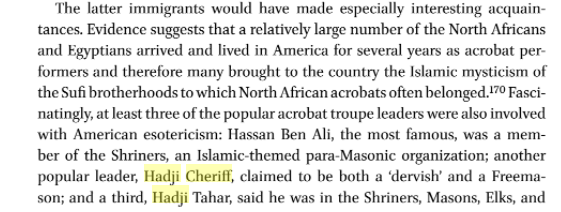

In 1890 we also have a clipping from a circus advertisement that clearly lists him as a “Gun Juggler”–
New York Clipper, July 19, 1890, pp. 291, 294, 295, 301, 304…. Hadji Cheriff, Arabian gun juggler
The real question that I think is important to answer as researchers is where did Hajji Sherif get the idea of twirling an unloaded rifle to entertain a crowd? One body of thought is that it might have come from his Sufi roots (if he was Sufi to begin with). Another distant train of thought is that it might be related to Yowla/اليولة, which is a traditional dance routine practiced in the Gulf Countries today, but can be traced back many years. Although not often using full-size rifles (imitation ones are used), and often using swords, there could be a connection. An important here is that traditional Yowla puts much more emphasis on the dance rather than skill with the rifle. The third option is that Sherif came up with the idea on his own of course.
Traditional Yowla performance-
https://www.youtube.com/watch?v=PUvX-1g9F7M
This is an example of Yowla with muzzleloaders today, similar to what Sherif would have had-
https://www.youtube.com/watch?v=cTFcMfPT22Q
Saudi Adds AK-103 to MIC Production Line Up
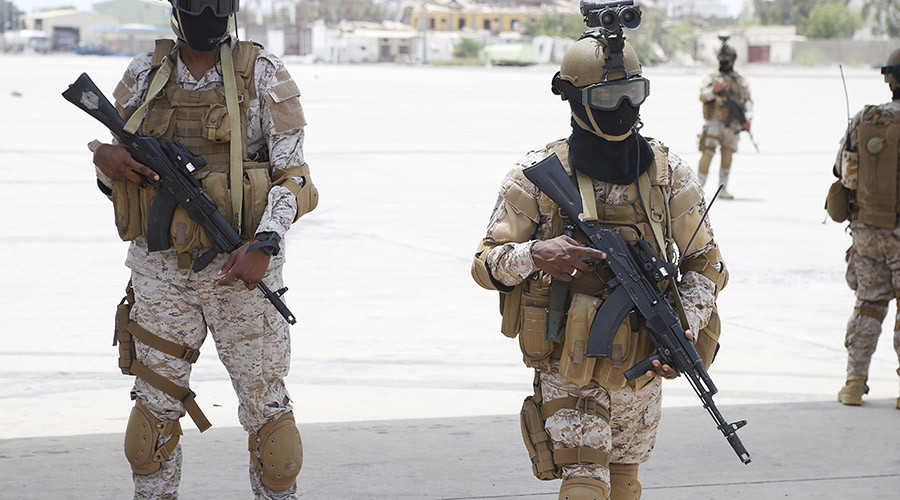
The Russian defense export company Rosoboronexport has recently announced within a larger agreement that the Saudi Arabian state owned Military Industries Corporation will soon be manufacturing 7.62x39mm AK-103 rifles in the Kingdom, along with ammunition. Saudi Arabian armed forces are already using the AK-103, along with the 5.56x45mm NATO G36K within the National Guard, but these are mostly imported from Russia itself. G36Ks have already been seeing local production for some time, many of which are ending up on arms markets in Yemen on the side of the Houthis. One of the main reasons for this move is possibly due to the cheaper cost of producing the rifles rather than buying them outright.
From the news report on Arab News-
Russia’s Rosoboronexport said it has struck an initial licensing agreement that could lead to the Kalashnikov being made in the Kingdom.
The agreement covers the “production of Kalashnikov AK-103 assault rifles and cartridges for various purposes,” a statement said.
A memorandum of understanding between the two sides could also see Russia supply Saudi Arabia with Kornet anti-tank guided missile systems, rocket launchers and automatic grenade launchers.
The preliminary deal also involves the transfer of knowledge in the defense field to Saudi Arabia. The Kingdom has set a target for half of its significant defense budget to be spent within the country.
This plan now includes the “localization” of the AK-103 assault rifle and its ammunition, according to the Saudi Press Agency.
Krinkology: For Every Saudi, There is a Yemeni…
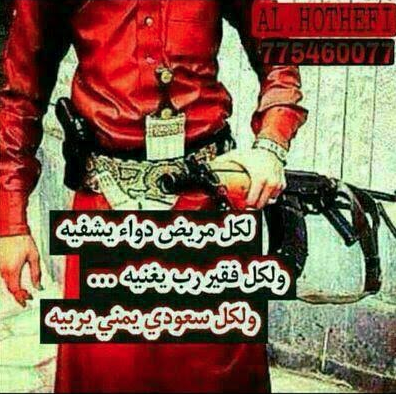
This image of a Yemeni Houthi, armed with a Zastava 7.62x39mm M92, what appears to be a Makarov, and a traditional Jambiya knife tucked into his belt has made numerous waves throughout Houthi social media over the previous several months. The rifle has a more or less standard Kalashnikov pattern sling, and as the stock unfolded.
The photograph itself of the man dressed in red has been circulated with a number of sayings attached to it as a sort of meme, some religious, but most appear to be Yemeni nationalist slogans. For example, in this iteration-
 Translated from Arabic, this reads-
For every sick person, there is a cure
For every poor person, there is a God to make him rich
For every Saudi, there is a Yemeni to teach him how to behave
This version from a Twitter user–
 Many of the photographs are being spread through the use of Instagram, with the different sayings attached to the pictures.

This one from Imgrum-


Krinkology is a unique SR post that exemplifies what the site stands for, in discussing the indigenous manufacture, trade, and use of small arms and light weapons within the MENA and Central Eurasian regions. Specifically, Krinkology examines the usage of short barrel Kalashnikov pattern rifles within popular culture and on the battlefield.