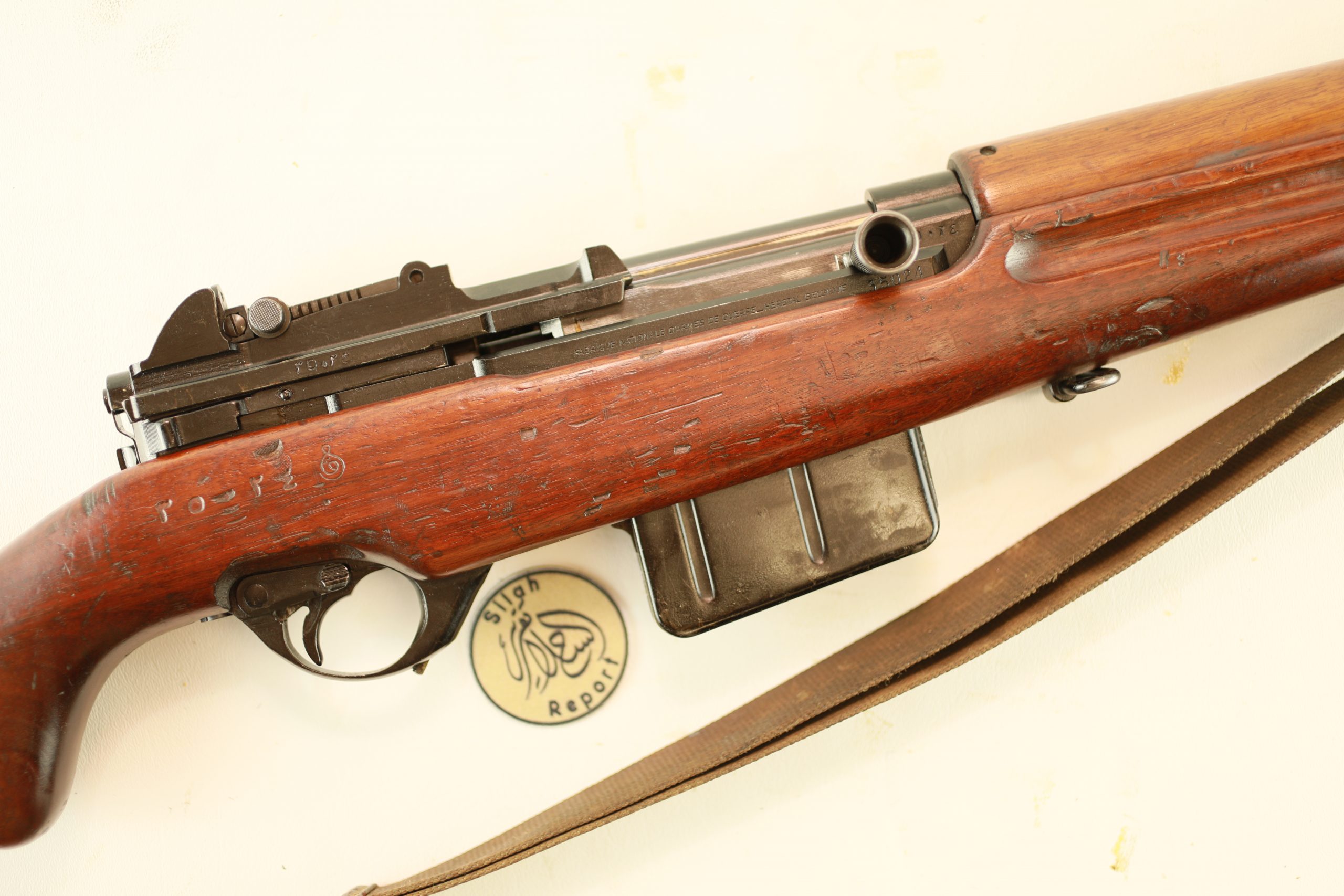
The year is 1948. The world has only just begun to recover from the global cataclysm of the Second World War. For many of the western nations just pulling themselves out of the rubble, their largest security concerns were now the Iron Curtain that had descended over Eastern Europe, and the fear of Communism spreading to developing countries. Tensions would soon lead to what would become known as the Cold War, which would shape the second half of the 20th century. While Egypt would not escape these growing global tensions they also had their own local concerns. These included enduring European imperialism, which they had been subjected to since the 1800s, but also the emerging threat of Zionism, embodied by the recently declared Jewish nation of Israel. Against the backdrop of these global and local events, Egypt’s military began to examine a new, modern rifle – the FN-49.
FN Herstal
Belgian FN Herstal F2000 Rifles Captured by Houthi Forces in Yemen
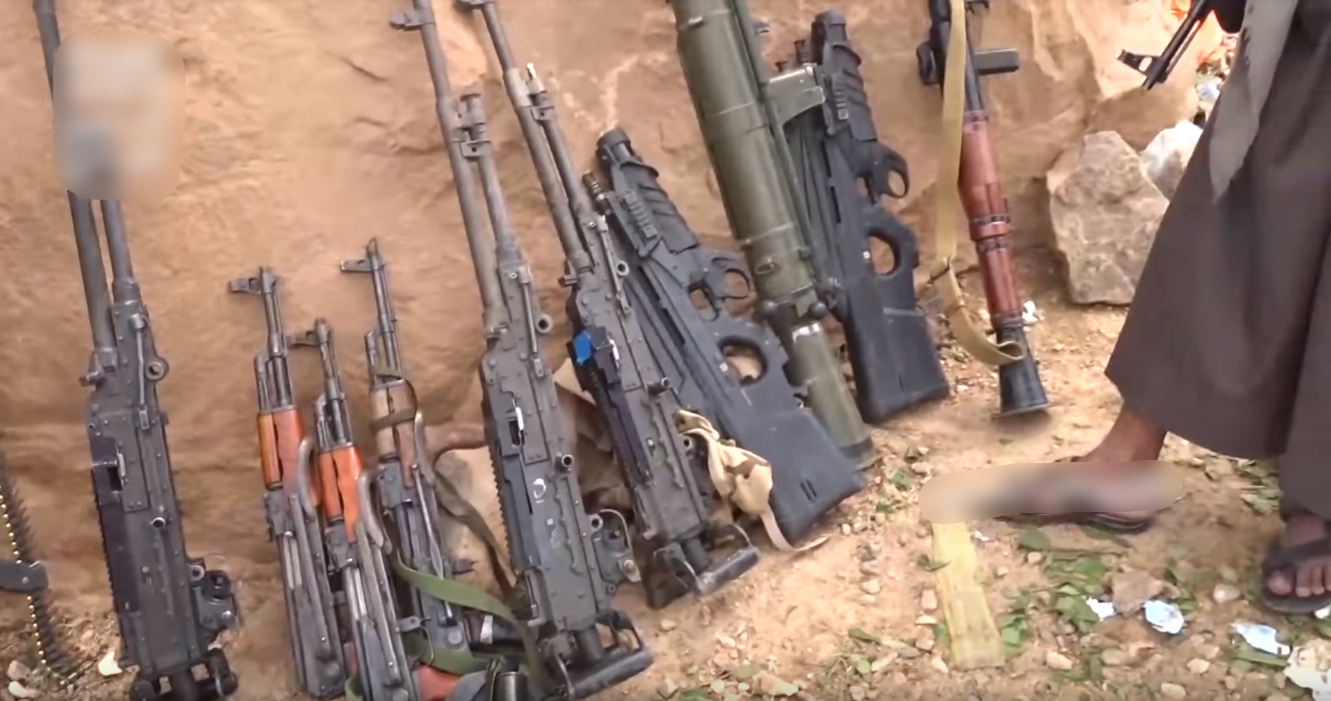
In May 2019, a Belgian news outlet, VRT, reported that the Saudi National Guard were using FN Herstal F2000 bullpup self-loading rifles in Yemen. With ongoing combat between the Arab Coalition and Houthi-aligned forces, it was all but inevitable that some of these exotic-looking polymer-encased weapons would be captured or seized.
The first confirmed sighting of an F2000 in Yemen is believed to date from March 2018, when Houthi forces, fighting in the same border area, were seen recovering an F2000 from a Saudi outpost. The weapon was fitted with the GL1 (also known as the LG1), a under-barrel grenade launcher.