The Saudi-led intervention into Yemen has sparked considerable interest concerning the flow of arms into the conflict. One of the areas that illustrates the wide range from which Saudi-led forces source their armaments from is their selection of scoped rifles. The Saudi military’s collection of sniper, designated marksmen’s, and anti-materiel rifles in use in Yemen illustrates the vast assortment of countries from which they source their armaments from. This study draws its data and sources largely from the same extensive private image collection of open-source social media photos and videos taken by soldiers of the Royal Saudi Land Forces, the Saudi National Guard, and the Saudi Border Guard that informed Silah Report’s previous article on Saudi Kalashnikov-pattern self-loading rifles and is thus able to paint a uniquely representative picture of the weapons they use. In the first part of this article we will examine the precision and anti-materiel rifles and scopes which can be identified includng the FN SCAR-H, Canadian LRT-3 and the French PGM Hecate II.
The What:
C14: The Canadian C14 Timberwolf sniper rifle produced by PGW Defense Technologies is the most commonly seen scoped rifle in our available data collection. This bolt-action rifle was originally produced as a civilian sporting rifle but was introduced into military service in 2005 after the Canadian Army expressed its need for a domestically produced sniper rifle, it went on to serve well with Canadian forces during the War in Afghanistan and subsequently secured a contract with Saudi Arabia to provide the rifles to the Kingdom’s military. These rifles have been the source of some controversy as they are prominently displayed in numerous videos and images from the Houthi rebels that show their regular capture of these weapons. This has attracted the attention of numerous journalistic outlets and plays into the larger controversy surrounding Western political and material support for the Saudi intervention into Yemen.
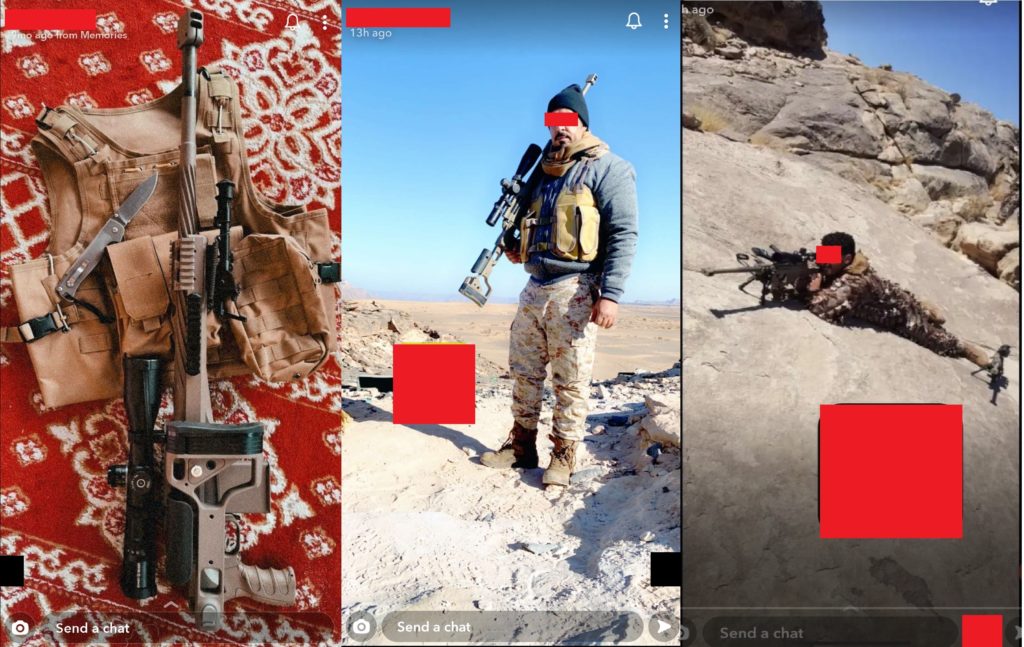
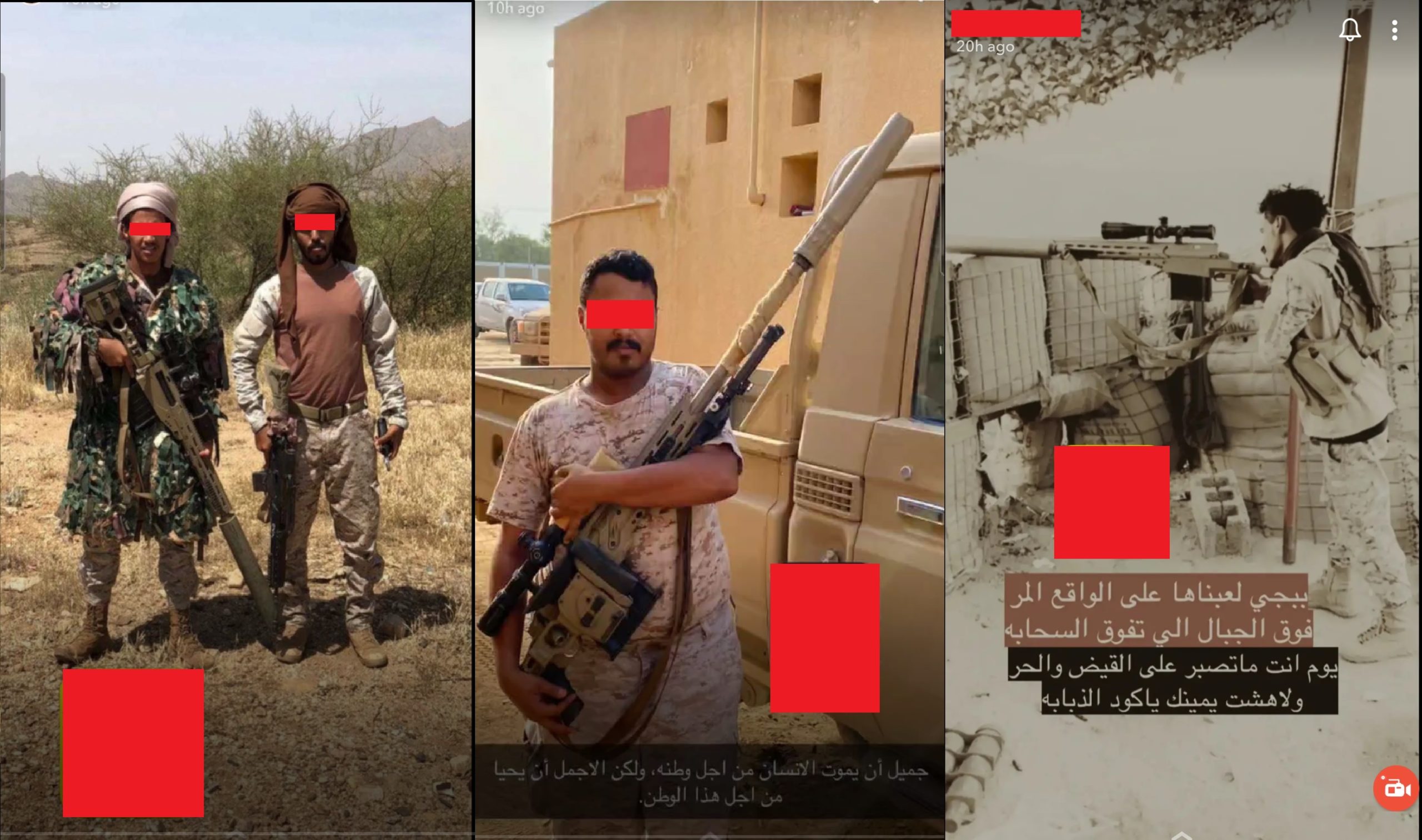
Fig. 1.1. Several instances of the C14 Timberwolf in use in Yemen. This is the standard configuration of the rifle in Saudi service, with folding stock, optic, and muzzle break. Note the dedicated sniper’s camouflage on the soldier on the right (Source: Private Social Media Collection).
Though not standard issue, suppressors are a fairly common attachment seen on C14 rifles. These suppressors appear to be proprietary PGW designs, but not much is known about them. Additionally, a German-produced Schmidt and Bender scope is the standard issue optic for these rifles.
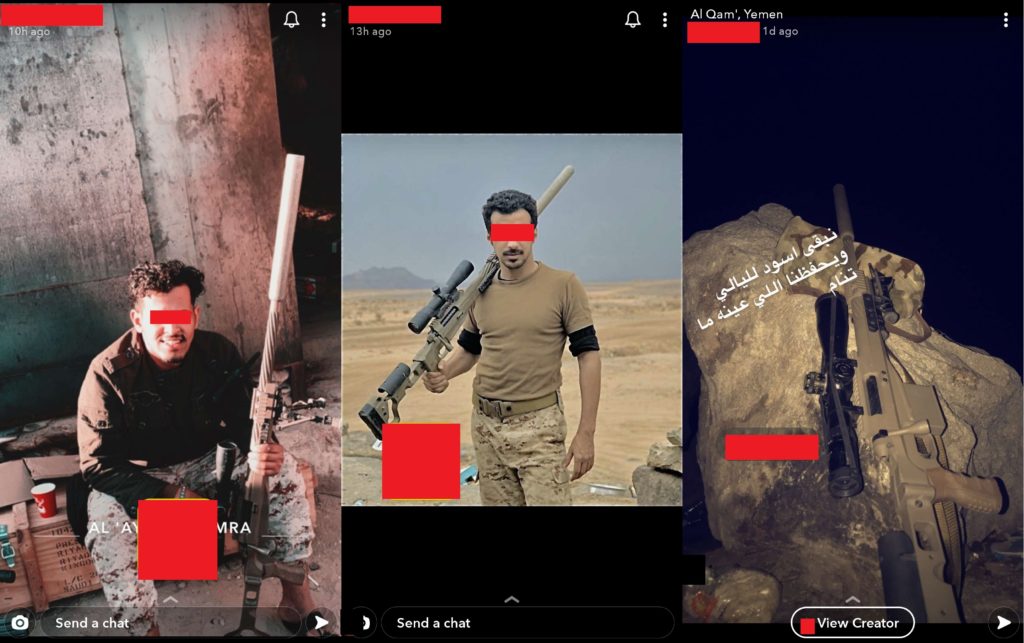
Fig. 1.2. C14 Timberwolf rifles with suppressors (Source: Private Social Media Collection).
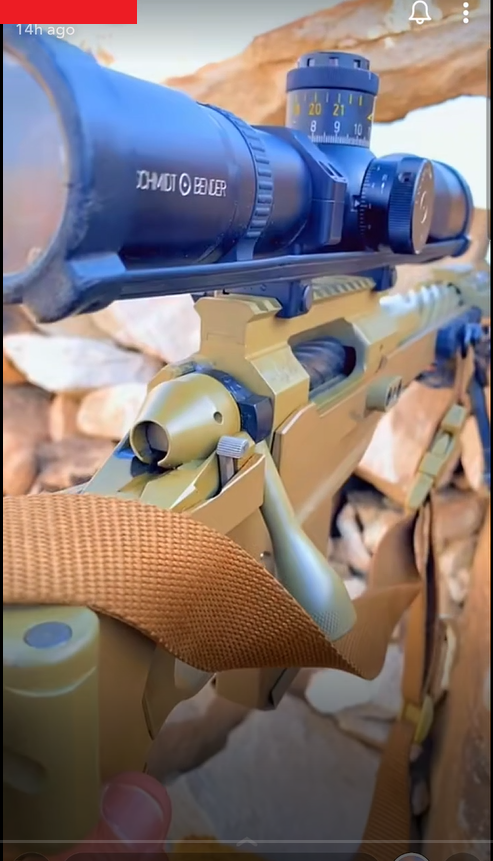
Fig. 1.3. Close up detail of the Schmidt and Bender optic (Source: Private Social Media Collection).
The C14 is offered in a variety of calibers, but the Saudis use the rifle chambered in .338 Lapua Magnum.
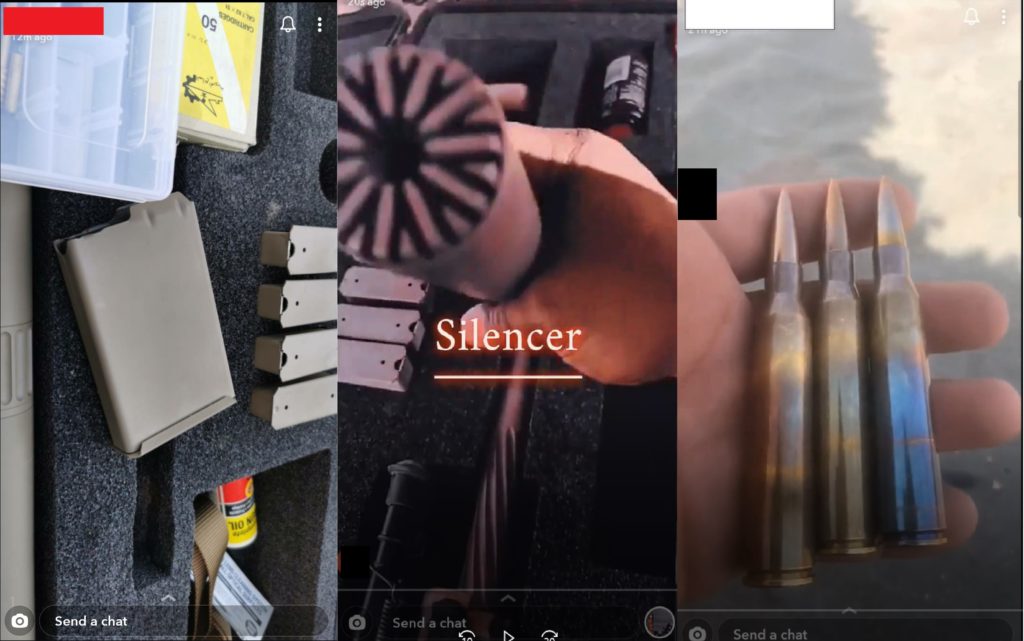
Fig. 1.4. Photographs showing the .338 Lapua Magnum ammunition used in the guns as well as close up views of the suppressors, magazines and other accessories that the rifles are issued with (Source: Private Social Media Collection).
Aside from the standard configuration already shown here, the Saudis also use a configuration of the rifle that uses a more conventionally shaped stock with a faded green and tan camouflage pattern. This configuration was the original configuration that the C14 had when it was first introduced to the Canadian military. It is unclear if these rifles represent an earlier shipment of these rifles in Saudi, if they were ordered for a specific purpose, or if there is nothing significant behind the different configurations at all.
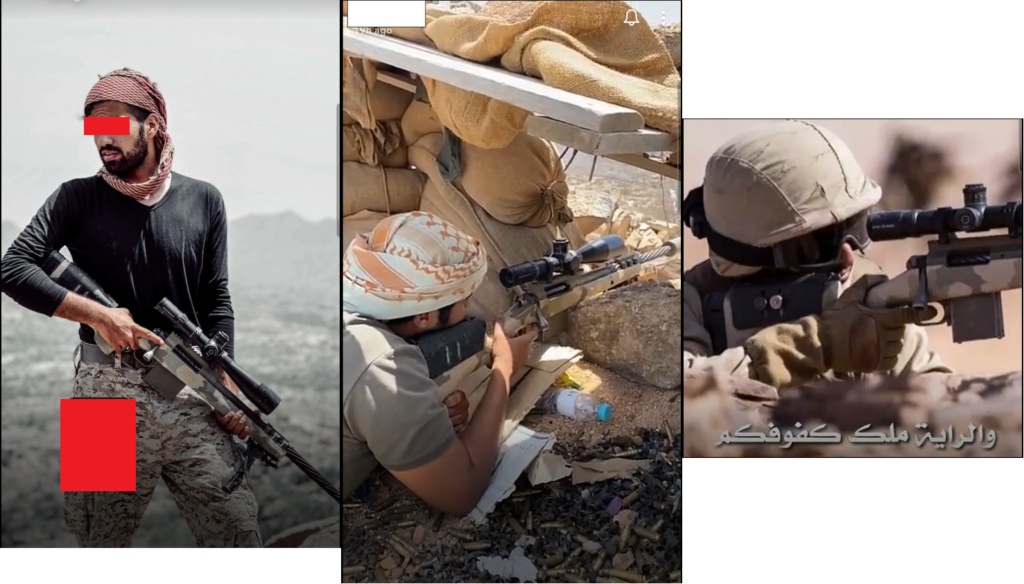
Fig. 1.5. The Canadian Army pattern C14 Timberwolf configuration, note how the external barrel threading and bolt texture and bolt handle shape are the same across both configurations. Also note how the center rifle is set up with a suppressor (Source: Private Social Media Collection).
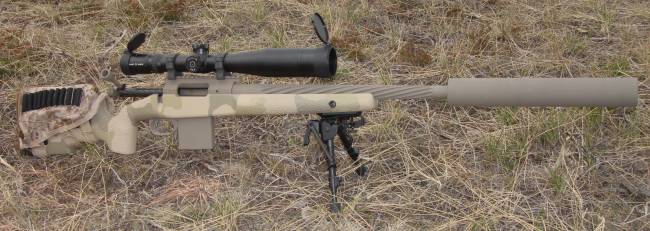
Fig. 1.6. Canadian military pattern C14 Timberwolf with camouflaged furniture (Source: SniperCentral.com).
LRT-3: The Canadian LRT-3 anti-materiel rifle is another prominent PGW scoped rifle used by Saudi forces. This .50 BMG rifle has also attracted considerable attention in the media for its routine capture and display by Houthi forces. The LRT-3 is most often seen in three different configurations, with just a muzzle brake, with a large proprietary suppressor that covers the whole length of the exposed barrel that gives the rifle an unmistakable profile and a smaller proprietary suppressor that looks similar to but is distinct from the one used on the C14 Timberwolf. These rifles also appear to use the same or a very similar Schmidt and Bender optic as standard issue.
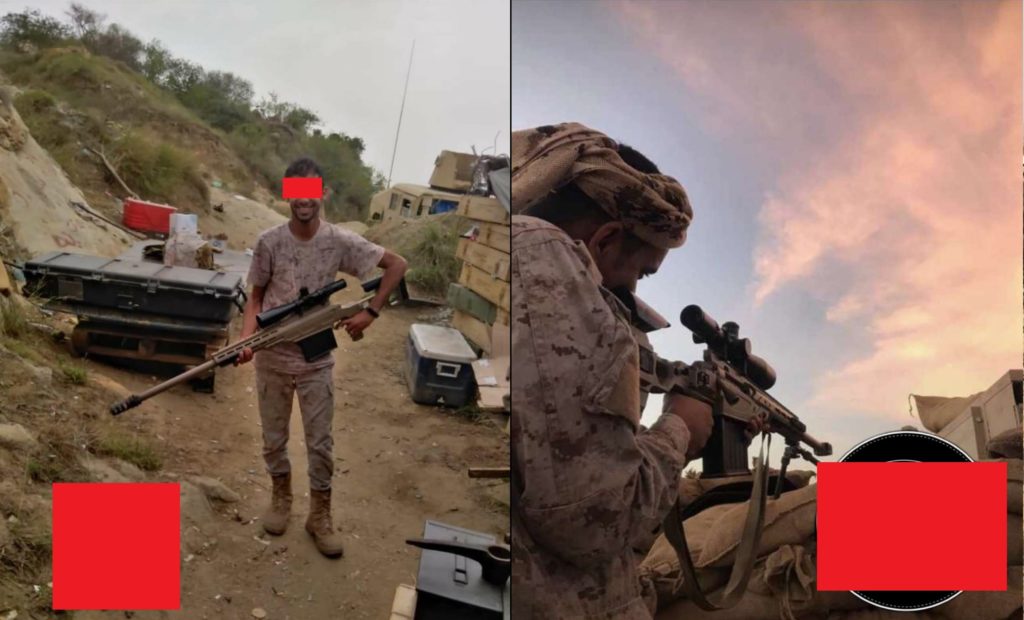
Fig. 2.1. LRT-3 rifles in use in Yemen. Note that they seem to have two different verities of muzzle brake, one more conical and more more square. (Source: Private Social Media Collection).
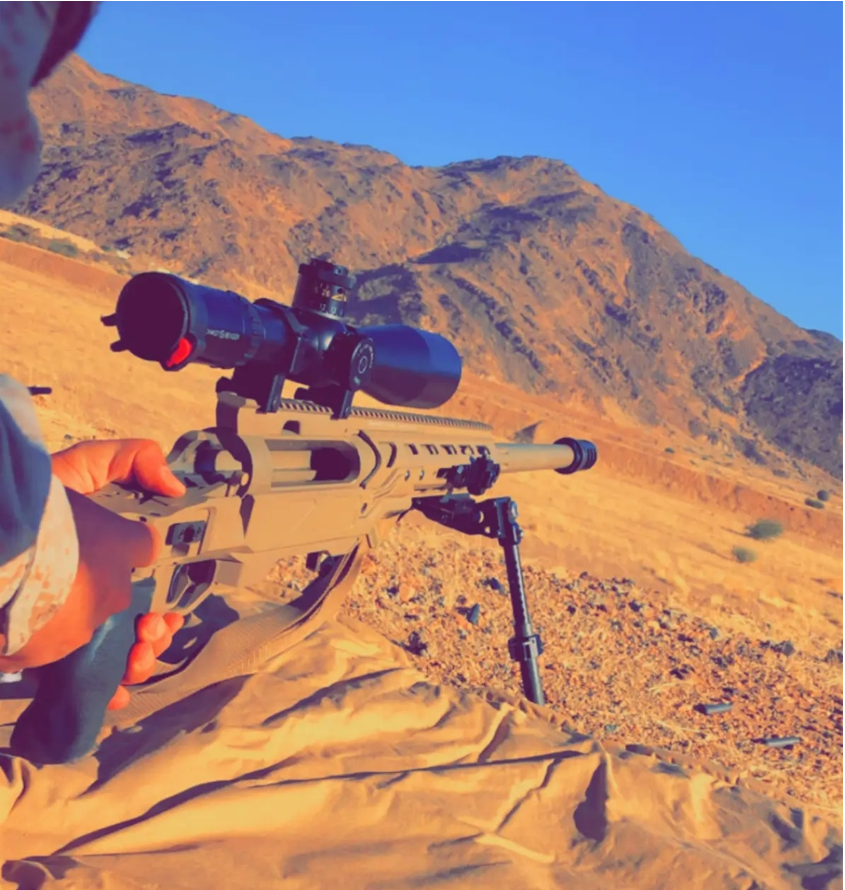
Fig. 2.2. A view of an LRT-3 rifle that shows its Schmidt & Bender optic as well as another view of the conical muzzle brake. (Source: Private Social Media Collection).
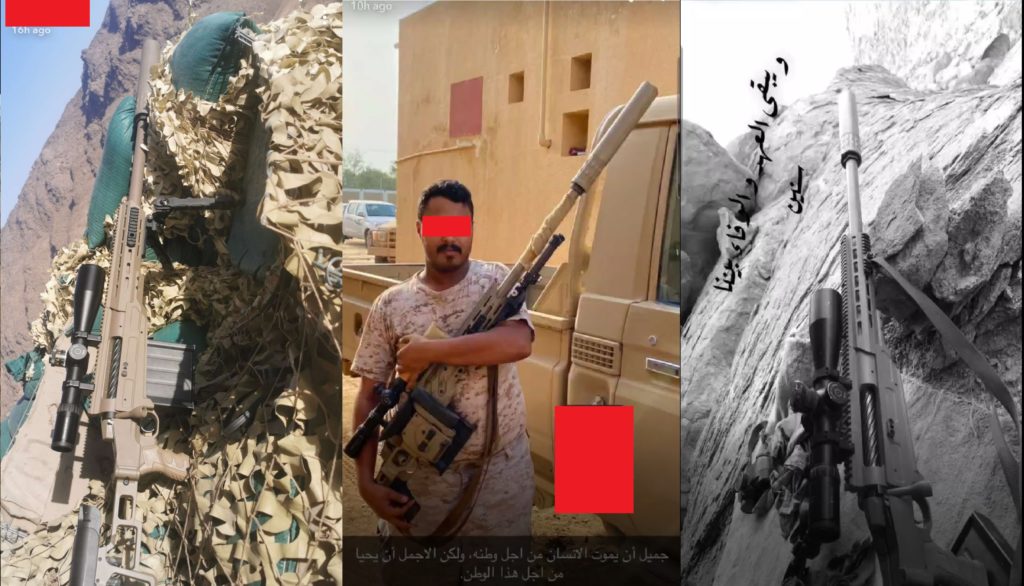
Fig. 2.2. LRT-3 rifles in use in Yemen showcasing the end of barrel suppressor, note the textured surface towards the end of the suppressor, this is not found on C14 suppressors (Source: Private Social Media Collection).
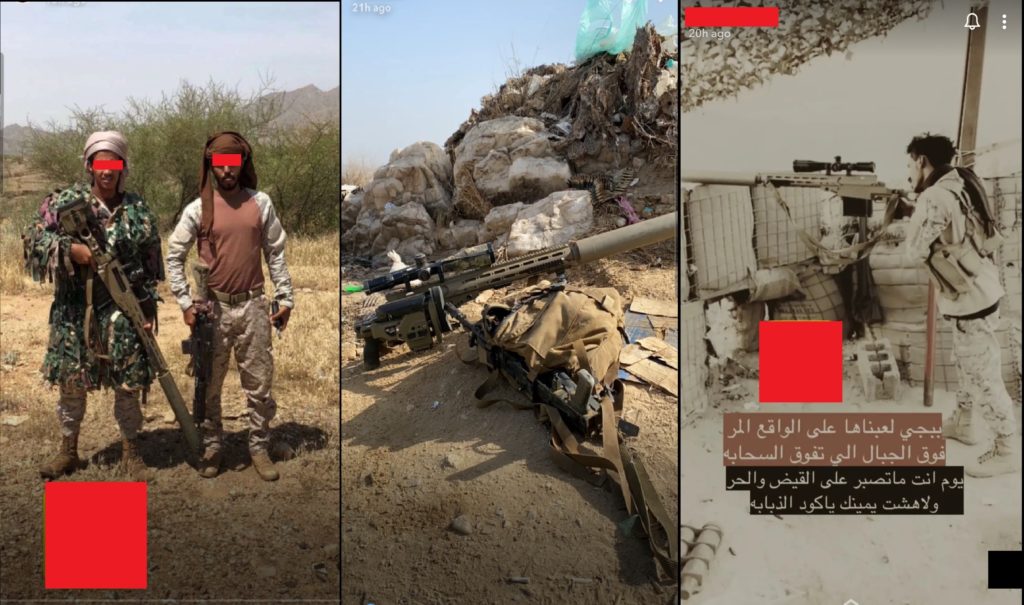
Fig .2.3. LRT-3 Rifles equipped with the much larger barrel length suppressor. Note the ghillie-suit like camouflaged webbing worn by the soldier on the far left (Source: Private Social Media Collection).
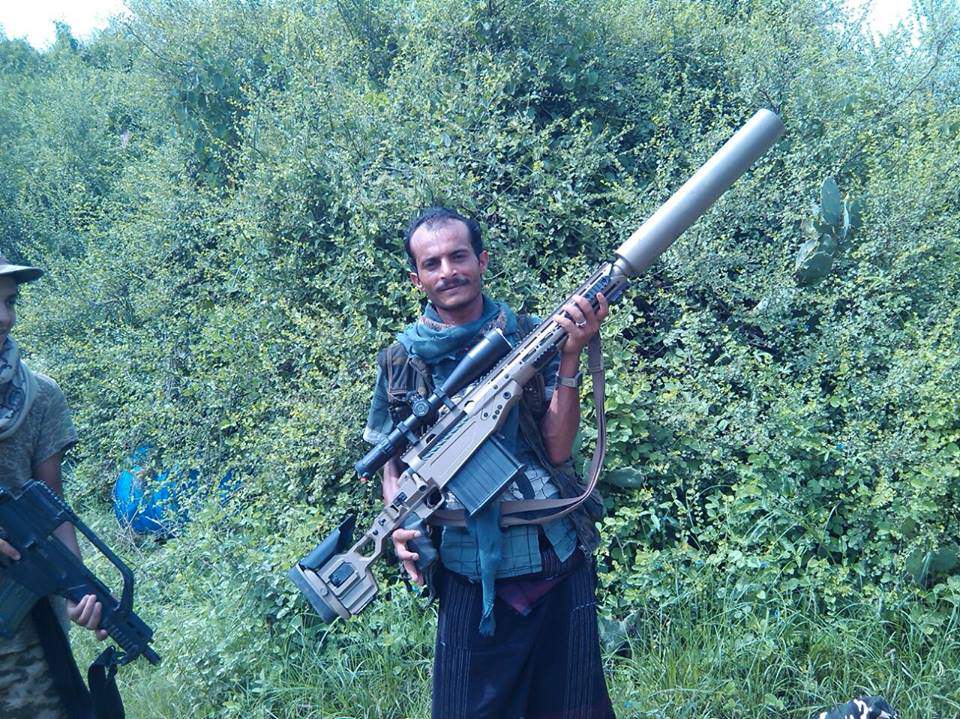
Fig. 2.4. A Houthi fighter in Yemen showing off a captured LRT-3 rifle, the man next to him wields a captured G36C carbine, also used by, and likely captured from, Saudi forces (Source: CBC.ca).
Dragunov: Dragunov-patterned self-loading rifles are some of the rarest scoped rifles to appear in the dataset, but they are there. It is unclear if the 7.62×54mmR rifles are original Russian SVD-pattern rifles, Chinese Type 63s or some other variant. These rifles could have come from a variety of sources, either a small batch ordered by the Saudi government, skimmed off from pro-Hadi forces who use mostly Soviet patterned equipment or from the vibrant Saudi civilian market where Dragunov-pattern self-loading rifles have a noticeable presence.
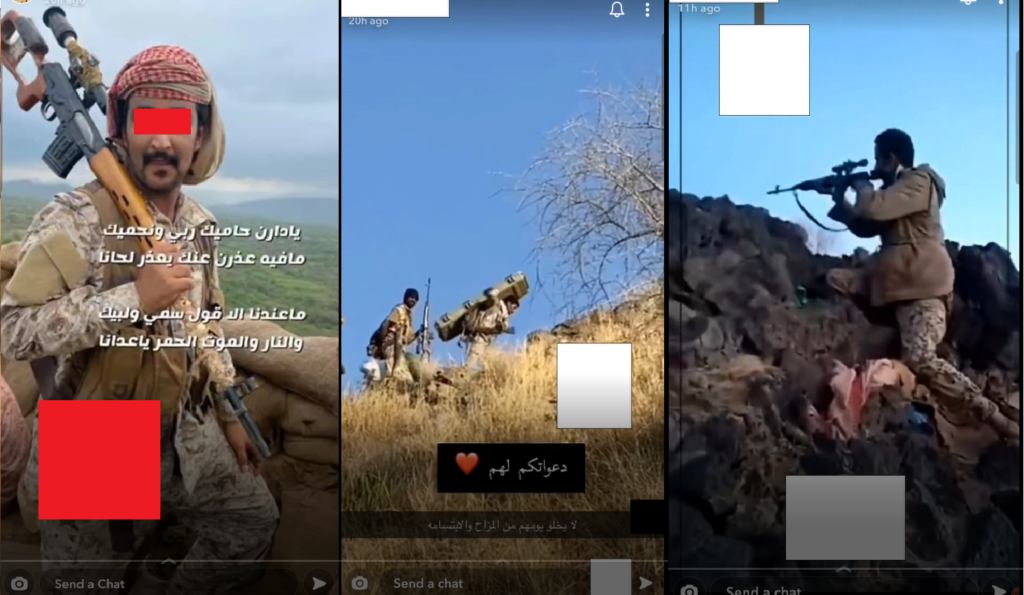
Fig .3.1. Saudi fighters with multiple Dragunov pattern rifles (Source: Private Social Media Collection).
SCAR-H PR: The Belgian SCAR-H PR is the precision designated marksman’s rifle variant of the FN’s SCAR rifle platform. Only one instance of the rifle appeared in the dataset, but Saudi forces use a variety of SCAR variants. Another notable SCAR variant seen is the FN MK17 LB (long barrel) variant; both of these rifles fire the standard 7.62×51mm NATO cartridge. This latter rifle is also capable of serving as a designated marksman’s rifle though no instances of Saudi soldiers using it in this configuration were seen in the dataset. Curiously though, there exists some artwork depicting Saudi soldiers using what is positively an FN MK17 LB in a DMR setup with a scope, so it is entirely possible that this variant of the rifle is being used in that capacity somewhere in the Saudi military.
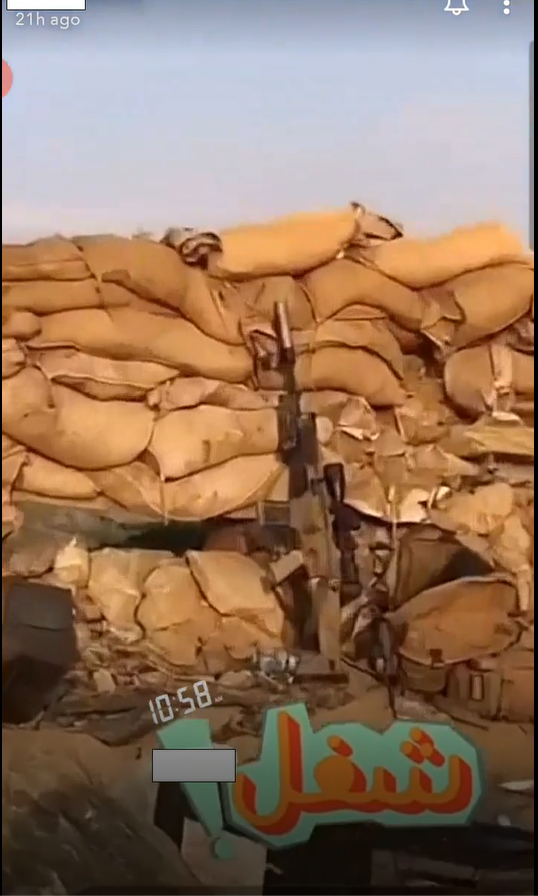
Fig. 4.1. An FN SCAR-H PR on the front lines in Yemen (Source: Private Social Media Collection).
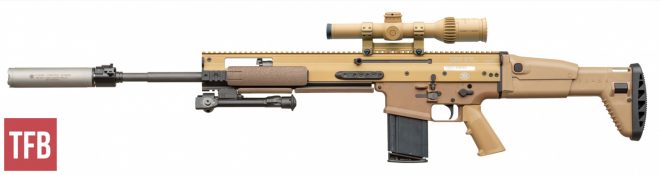
Fig. 4.2. A promotional image of the FN SCAR-H PR for comparison, note the same overall length of the rifle, suppressor, and bipod attachment. (Source: FN via thefirearmblog.com).
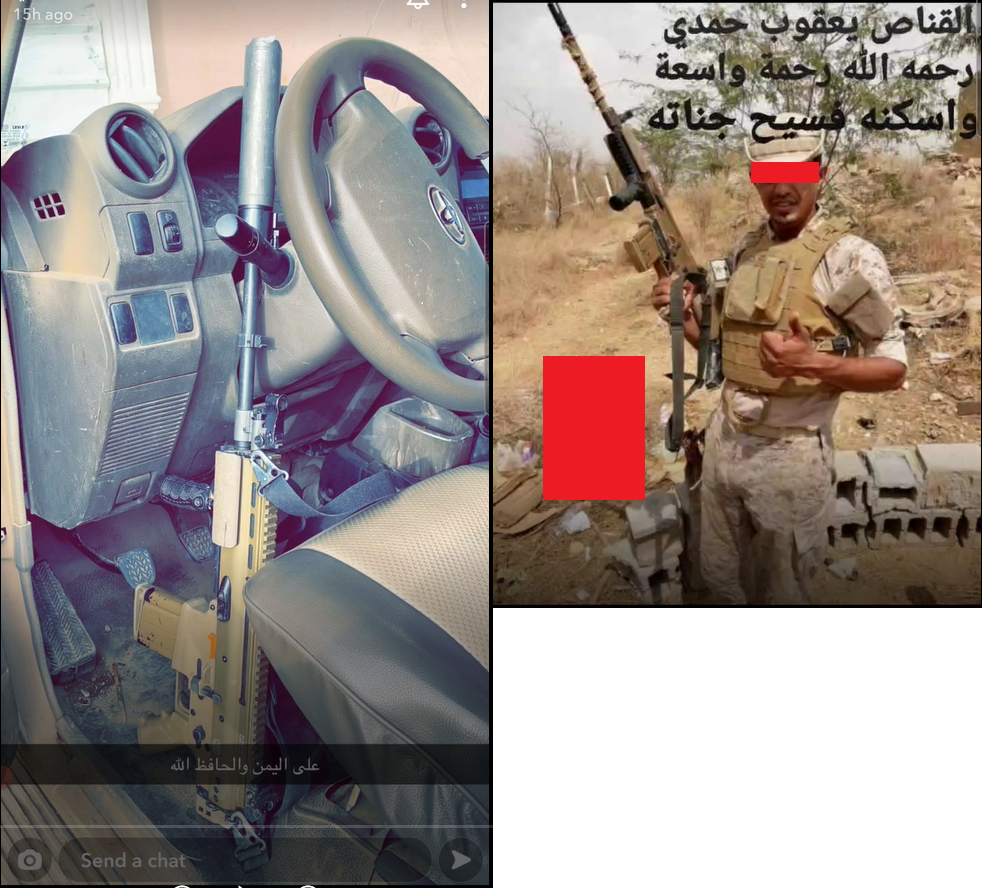
Fig. 4.3. FN MK17 LB rifles in use in Yemen, note the black collapsible front sight and muzzle brake visible on the rifle on the right. The rifle on the right uses the same suppressor as the previously seen FN SCAR-H PR (Source: Private Social Media Collection).
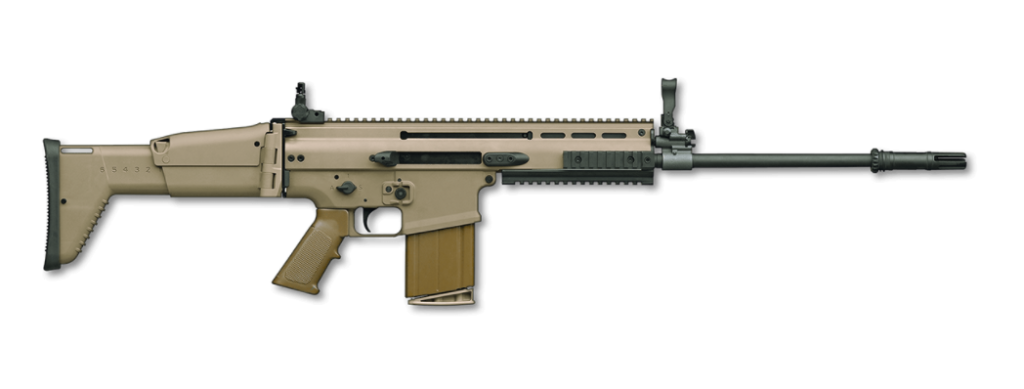
Fig. 4.4. A promotional image of the FN MK17 LB for comparison, again with a different barrel and muzzle brake (Source: fnamerica.com).
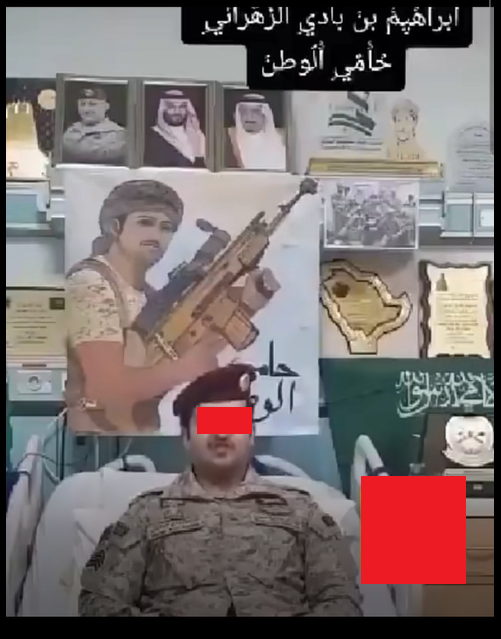
Fig. 4.5. The aforementioned painting clearly showing the front sight of the FN MK17 LB. However, this image also includes a suppressor and an optic fairly similar to the one seen on the FN SCAR-H PR. Due to so many commonalties between the observed set ups of these rifles, it is a possibility then due to the relatively low quality of the picture of the FN SCAR-H PR, that all rifles seen so far have actually been the FN MK17 LB. However, even if that is so it is still quite possible that Saudi forces would still utilize the rifle somewhere, as the FN SCAR platform is prolific in many forms in the Saudi military (Source: Private Social Media Collection).
Black Arrow: The Serbian Black Arrow bolt-action anti-materiel rifle is relatively uncommon in Saudi service, but makes several appearances in the dataset. It fires the 12.7×108mm cartridge, the same used in the Russian DshK heavy machine gun.
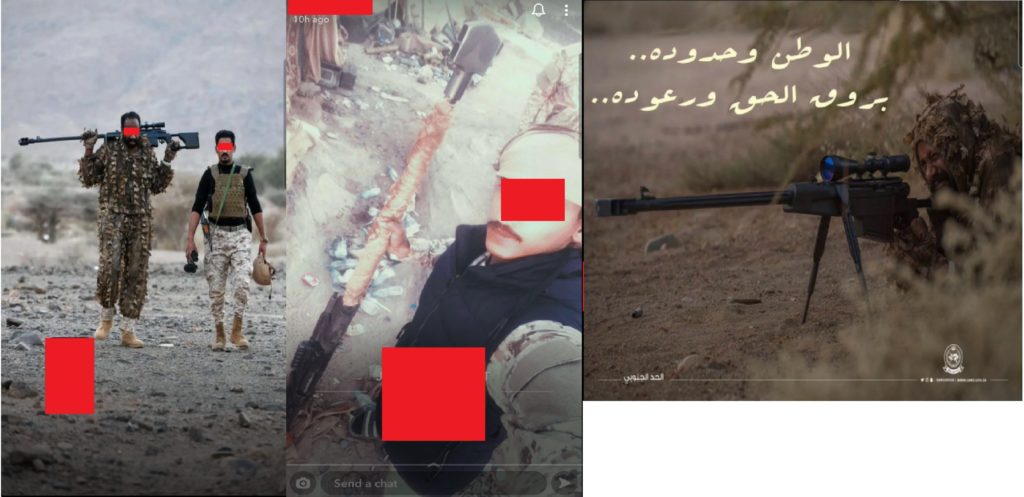
Fig. 5.1. Instances of the Black Arrow rifle observed in use by Saudi forces (Source: Private Social Media Collection).
PGM Hecate II: The French PGM Hecate II .50 BMG anti-materiel rifle appears with moderate regularity in the dataset, in multiple configurations. This bolt action rifle appears most often in its more recent, modernized, all black configuration that PGM offers both with and without suppressor. The suppressor is a proprietary PGM design. Occasionally older variants of the rifle are observed that have wood furniture, but these are rare. It is unknown what exact kind of optic Saudi Hecate II rifles are equipped with.
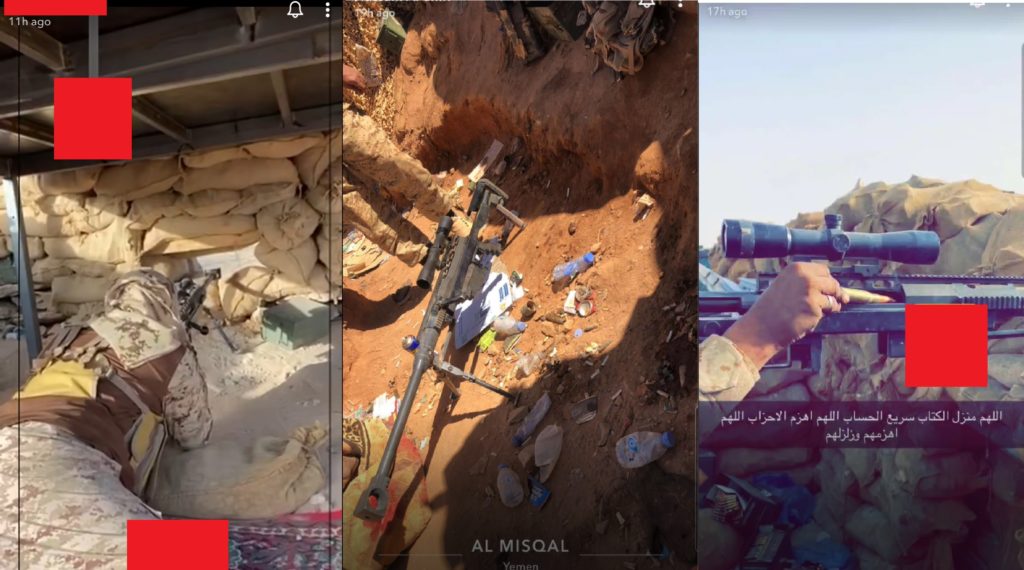
Fig. 6.1. PGM Hecate II rifles in service with Saudi forces in Yemen (Source: Private Social Media Collection).
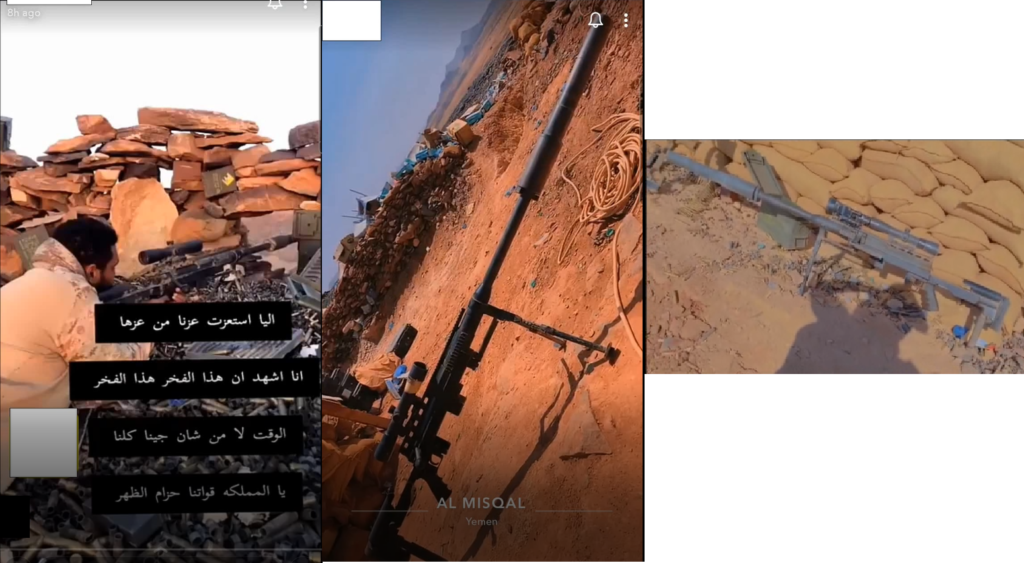
Fig. 6.2. Saudi PGM Hecate II rifles equipped with suppressors, note the double optic set up for the rifle on the right (Source: Private Social Media Collection).
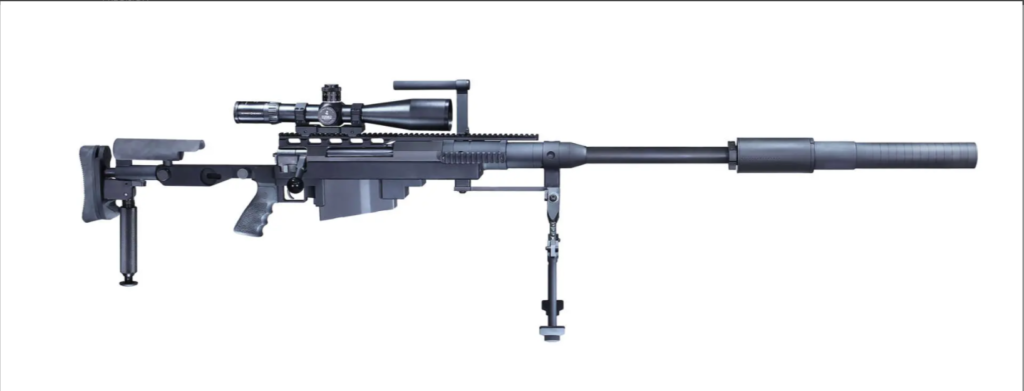
Fig. 6.3. A promotional image of the modernized Hecate II with all black furniture and suppressor for comparison (Source: pgmprecision.com).
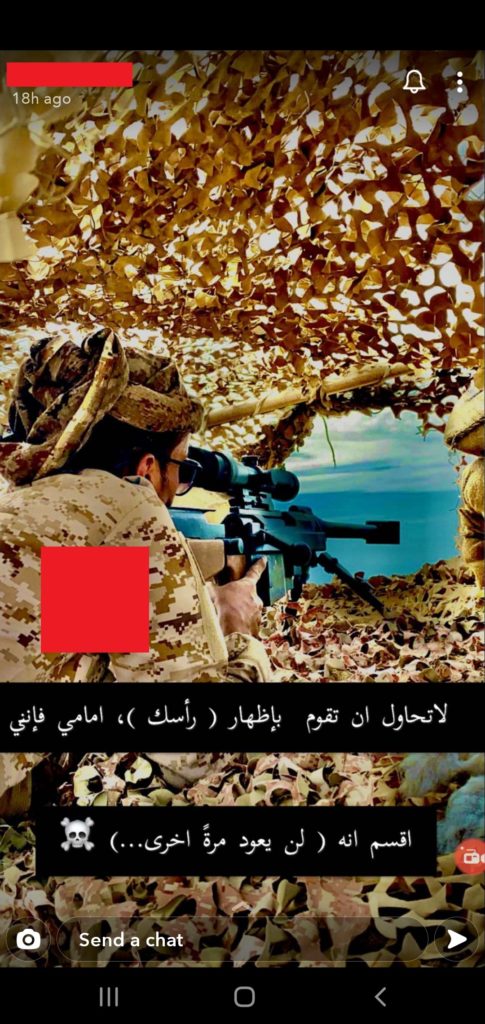
Fig. 6.4. An instance of the more classic wood furniture Hecate II in use by Saudi forces in Yemen (Source: Private Social Media Collection).
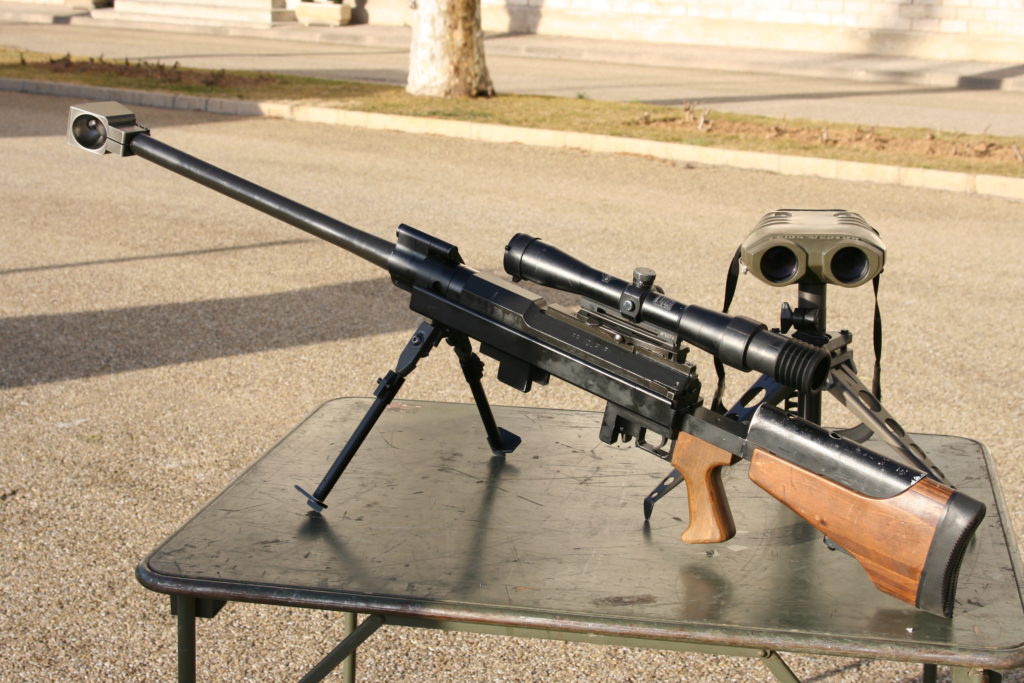
Fig. 6.5. A wood furniture Hecate II for comparison (Source: wikimedia.org).
PGM Ultima Ratio: A smaller cousin of the Hecate II, the Ultima Ratio appears with some regularity in the dataset. The Ultima Ratio typically comes in the 7.62×51mm NATO caliber, and it is assumed that the Saudis use this as well. There is also the very similar looking Mini-Hecate rifle that is nearly visually identical to the Ultima Ratio except that it fires the .338 Lapua Magnum cartridge. While the Saudis have not been observed using the Mini-Hecate, it would not be implausible as they already field the C14 Timberwolf in .338. This study decided to make the call that these instances are in fact Ultima Ratio rifles and not Hecate II rifles based on the shape of their muzzle brakes.
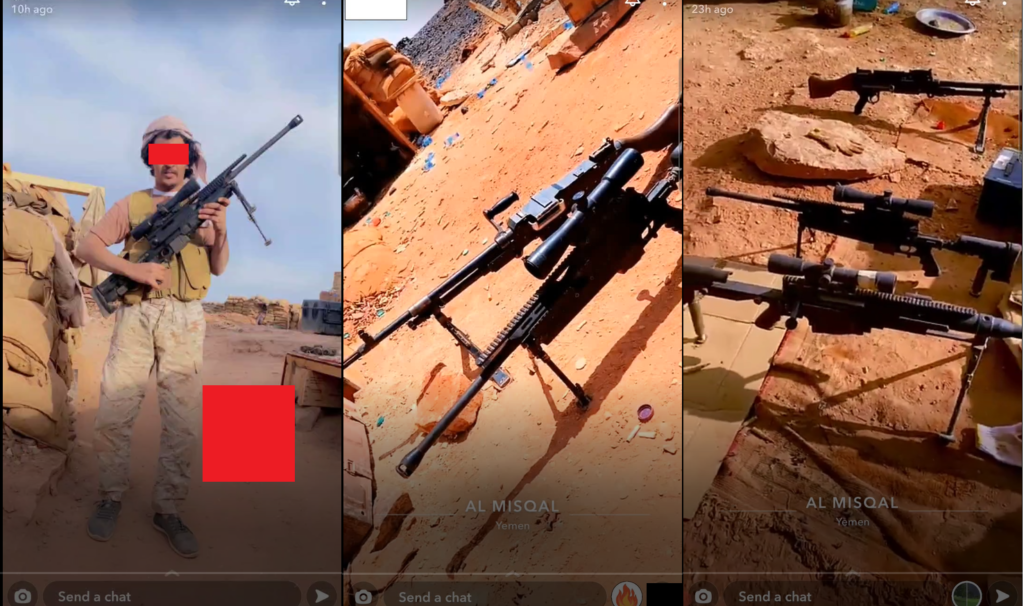
Fig .7.1. PGM Mini Hecate II rifles in service with Saudi soldiers in Yemen, notice the size difference between the Mini and regular sized Hecate II in the picture on the right (Source: Private Social Media Collection).
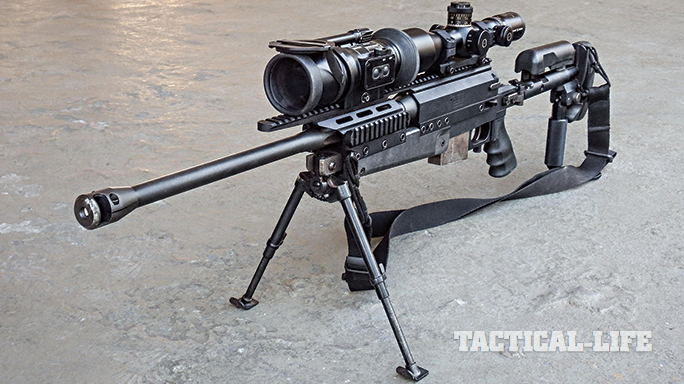
Fig. 7.2. Another Ultima Ratio rifle for comparison, note the same muzzle brake (Source: Tactical-Life).
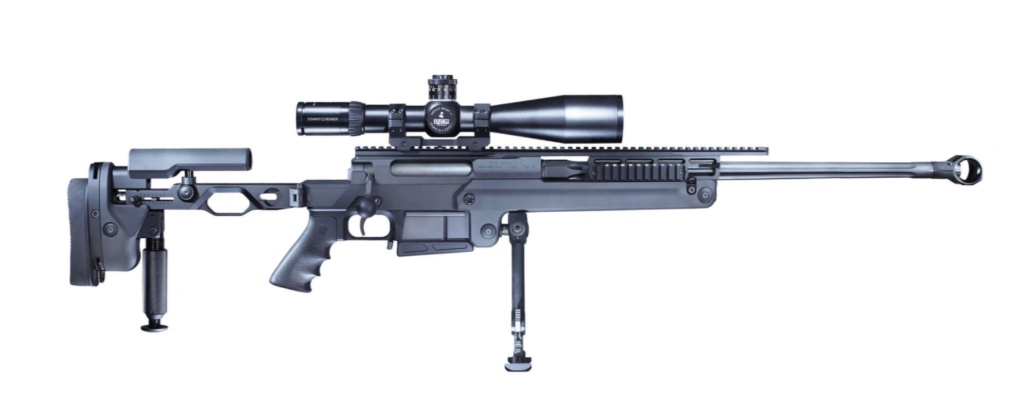
Fig. 7.3. A promotional image of the PGM Mini Hecate II for comparison, note the overall similarity to the Ultima Ratio and the difference in muzzle brake (Source: pgmprecision.com).
In the second part of this article we will examine the use of various other precision rifles and anti-materiel rifles, civilian rifles and even grenade launchers and heavy machine guns. We will also examine how they are deployed by Saudi forces.
If you enjoy our work here at Silah Report please consider supporting us on Patreon!
Sources:
“FN® MK 17 LB,” FN America, <https://fnamerica.com/products/rifles/fn-mk-17-lb/>
“SR 20x110mm,” Truvelo Manufacturers, <http://truvelo.co.za/armoury/sr-20x110mm>
“Truvelo Manufacturers (PTY) LTD,” Military Systems & Technology, <https://www.militarysystems-tech.com/taxonomy/term/610>
davric, “Fusil de tireur d’élite PGM Hécate équipé d’une lunette SCROME,” wikimedia.org, Sep. 1, 2007, <https://en.wikipedia.org/wiki/PGM_H%C3%A9cate_II#/media/File:PGM_Hecate.jpg>
FTWkansas, “Since we’re doing overseas rifles… developed a Sniper program for a foreign military after my days as an Army guy. Bonus points if you can ID the rifle/can combo. North of Yemen, .50,” Reddit, Mar. 25, 2019, <https://www.reddit.com/r/NFA/comments/b55rqm/since_were_doing_overseas_rifles_developed_a/>
Eric B, “French Army Selects SCAR-H PR, S&B Scope and Night/Thermal Vision for Sniper Rifle,” The Firearm Blog, Jan. 7, 2020, <https://www.thefirearmblog.com/blog/2020/01/07/french-army-selects-scar-h-pr-sb-scope-and-night-thermal-vision-for-sniper-rifle/>
Melvin Ewing, “Canadian C14 Timberwolf,” Sniper Central, Oct. 14, 2020, <https://www.snipercentral.com/canadian-c14-timberwolf/>
Nahlah Ayed, “Canadian rifles may have fallen into Yemen rebel hands, likely via Saudi Arabia,” CBC, Feb. 22, 2016, <https://www.cbc.ca/news/canada/manitoba/canadian-rifles-may-have-fallen-into-yemen-rebel-hands-likely-via-saudi-arabia-1.3455889>
Ronaldo Olive, “Brazil’s PGM Sniper Rifles: The Ultima Ratio & Hecate II,” Tactical-Life, June 18, 2015, <https://www.tactical-life.com/firearms/brazils-pgm-sniper-rifles/>
tguaft
The Dragunov variant rifles are almost certainly Chinese or Iranian (copy of a copy) production. The ones I’ve seen pictures of have distinctly Chinese finish to the wood and other components, and most have sported a rubber scope eyecup of a design not used on Russian produced rifles.