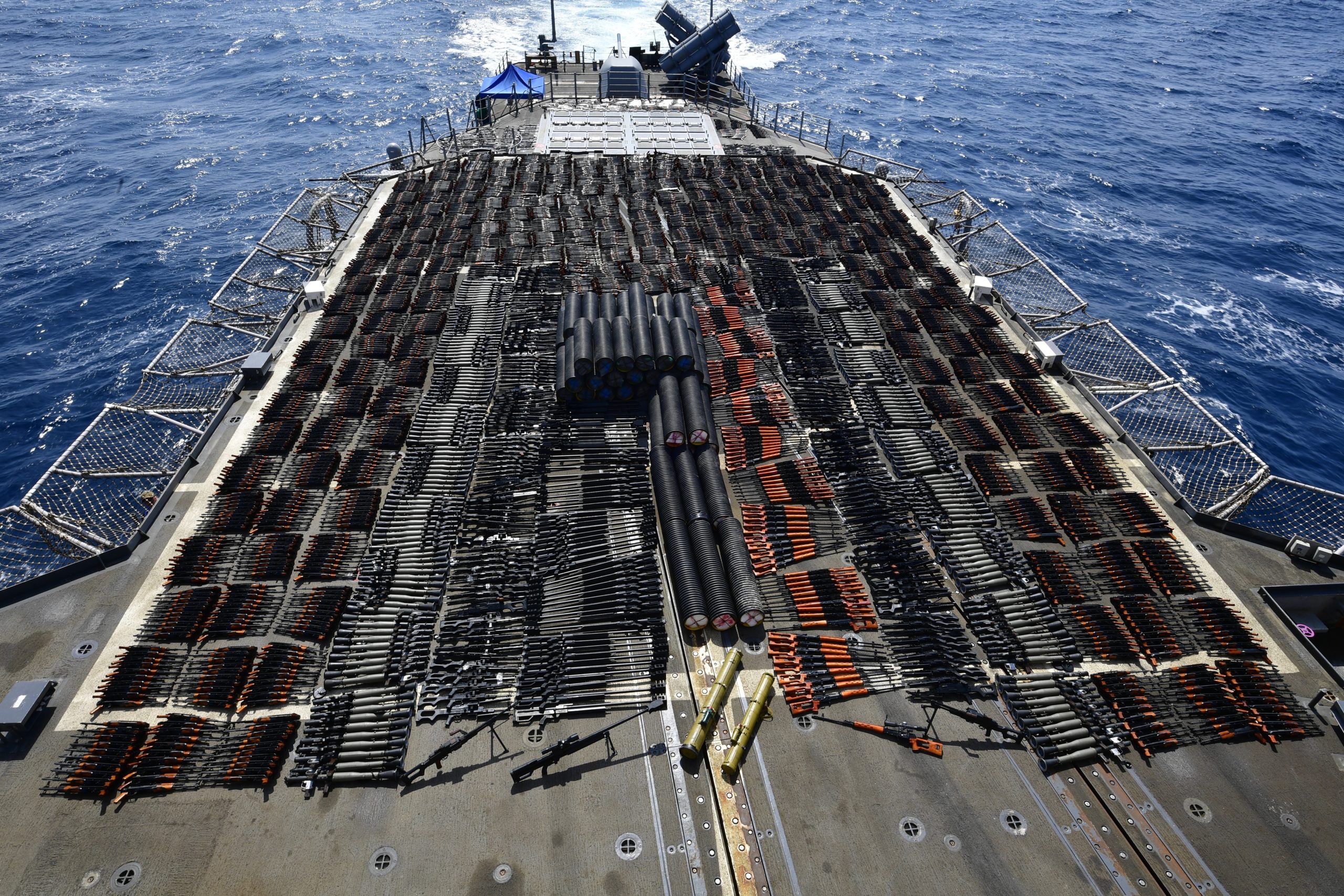
Since 2015 there have been at least 12 documented arms seizures off the Somalian and Yemeni coastlines by US, Saudi, and a variety of other navies. These weapons seizures range in size from 10s of rifles to hundreds of Anti-Tank Guided Missiles (ATGM) and thousands of Type 56-1 AKs.
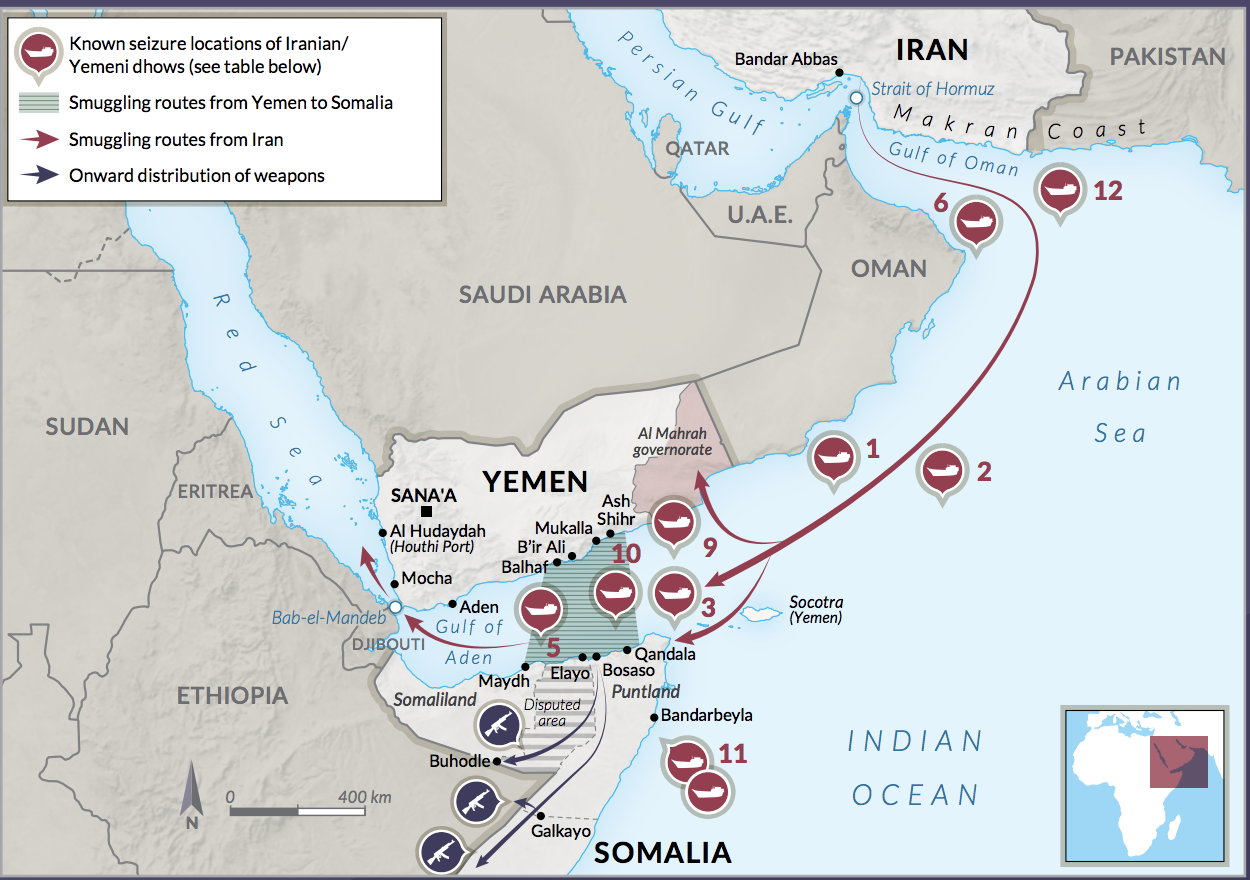
Fig.1.0. A map showing seizure locations and their routes (Source: Bahadur 2021)
These shipments have consisted of items ranging from rifle scopes up to ATGM missiles. A recent report authored by Jay Bahadur (2021) and subsequent presentation hosted by Global Initiative presents evidence that there is a linked small arms and light weapon trade between Iran, Yemen, and Somalia (Bahadur et al. 2021). This article will summarize the main datapoints and highlights of the presentation and report.
The report begins by presenting data on 5,169 Type 56-1 7.62×39mm self-loading rifles seized in six incidences in and around Yemen. These particular Type 56-1s are notable in that they were almost all exclusively produced between 2015 to 2018 at Chinese arms Factory 26, based on the serial number ranges found (Bahadur 2021). Furthermore, a majority of the serial numbers tended to be within 1-10 and 10-100 digits of each other, indicating consecutive production. This is shown in the table below.
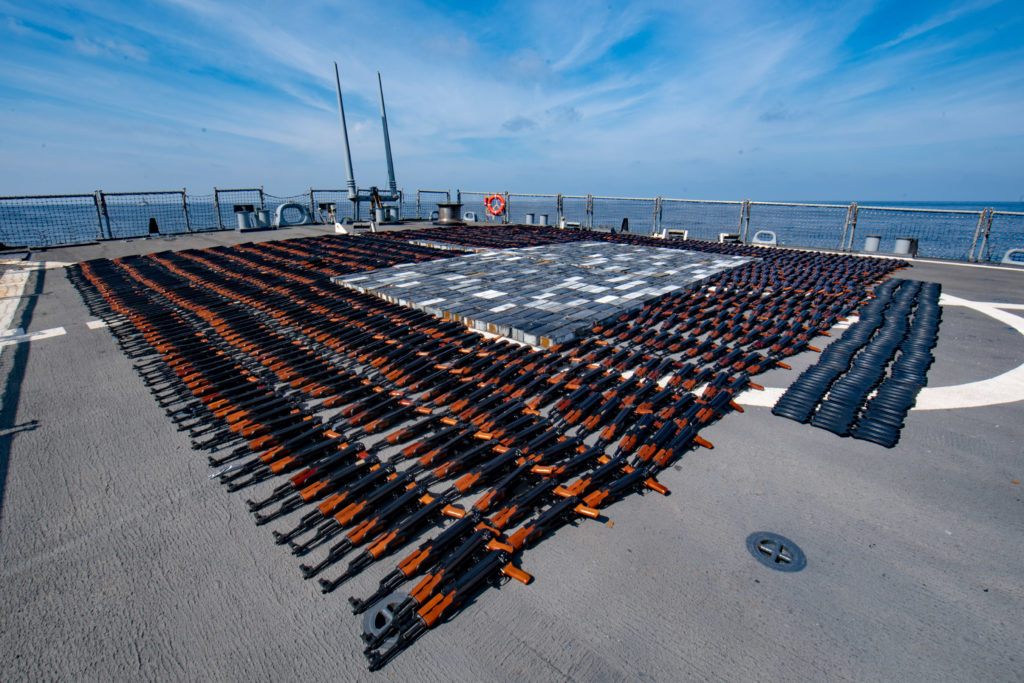
Fig.1.1. Illicit Type 56-I self-loading rifles seized from a stateless fishing vessel in the North Arabian Sea, Dec. 21, 2021, are arranged for inventory aboard guided-missile destroyer USS O’Kane’s (DDG 77) flight deck, Dec. 21. (U.S. Navy photo by Mass Communication Specialist Seaman Elisha Smith)
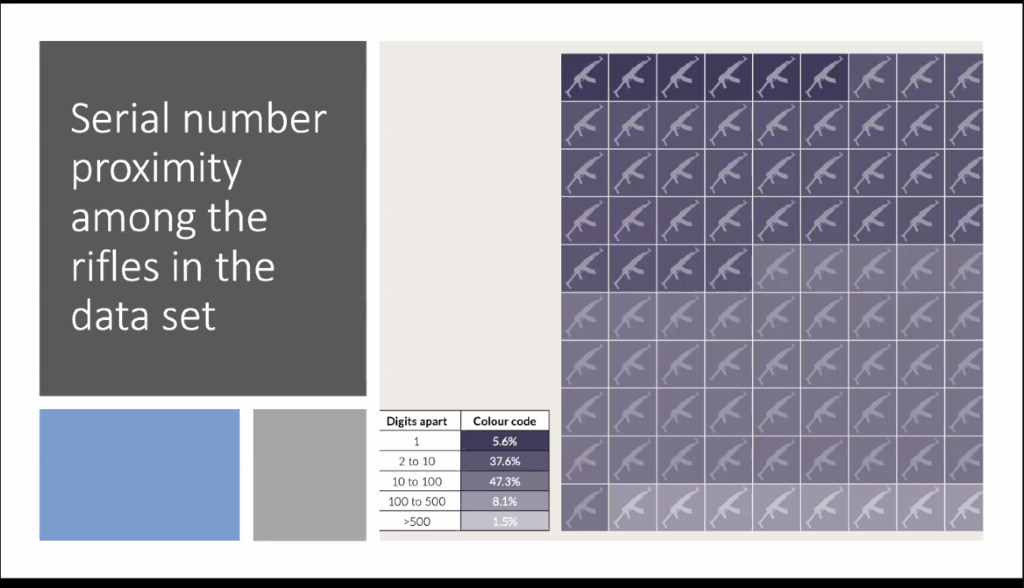
Fig.1.2. Serial Number Table. (Source: Bahadur 2021)
The consecutive nature of the serial numbers indicates that a state actor purchased and then supplied the arms from its stocks since non-state actors usually do not have the ability to purchase weapons from state sources. Further indications of state supply come from some flag items or items that clearly indicate a specific source. Many of these examples below are unmarked or only marked with a distinct “dot matrix” style serial number, leaving its country of origin obscure. Iran marks its indigenously made weapons in this style but also marks foreign-made weapons in the same way, presumably for inventory purposes. Despite the obfuscation of identifying markings, we can assume the country of origin is Iran because of its distinct style or other minute details of the item.
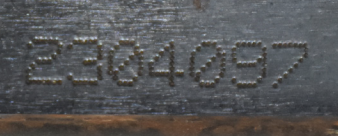
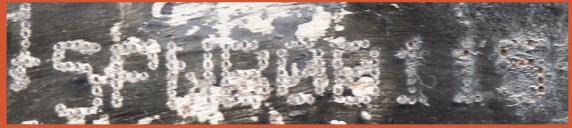
Fig.1.3. Iranian ‘dot matrix’ style serial numbers example. (Source: Michetti 2020)
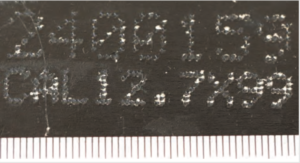
Fig.1.4. Markings on an Iranian AM-50 (Source:CAR 2021)
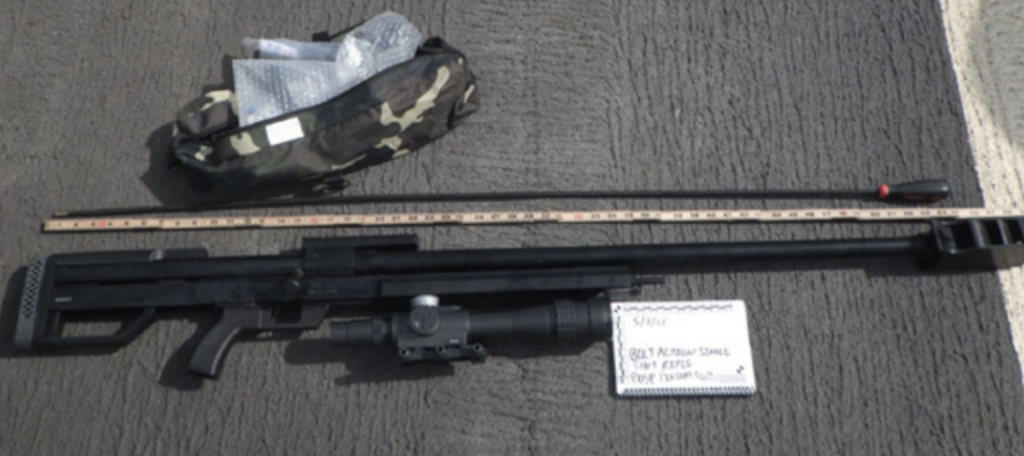
Fig.1.5. Iranian produced AM-50 ‘Sayyad’ AMR in 12.7x99mm aboard the USS Monterey (Source: Bahadur 2021)
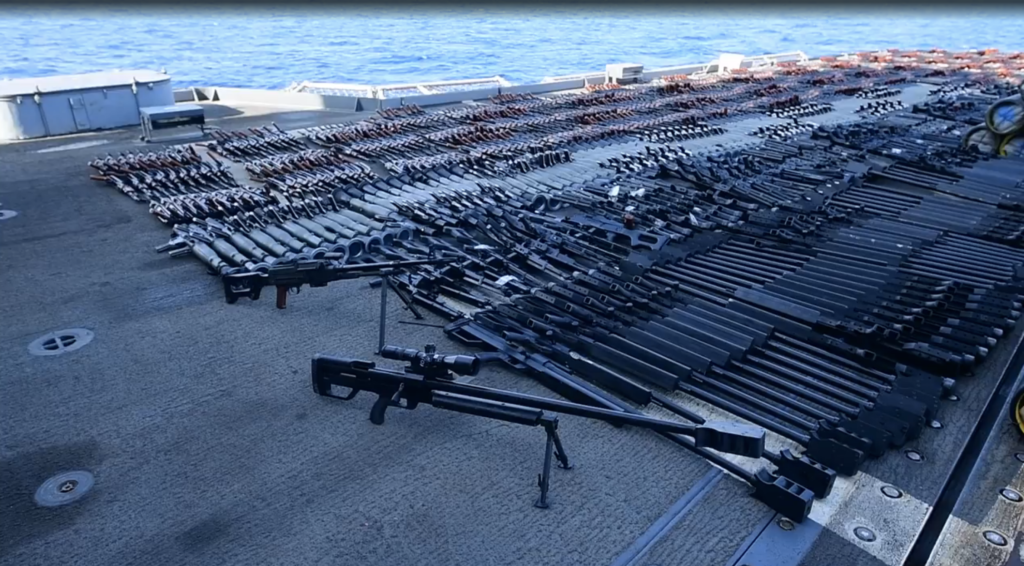
Fig.1.6. More AM-50s along with various patterns of RPG, AK, and PK LMGs (Source: U.S. 5th Fleet Public Affairs 2021)
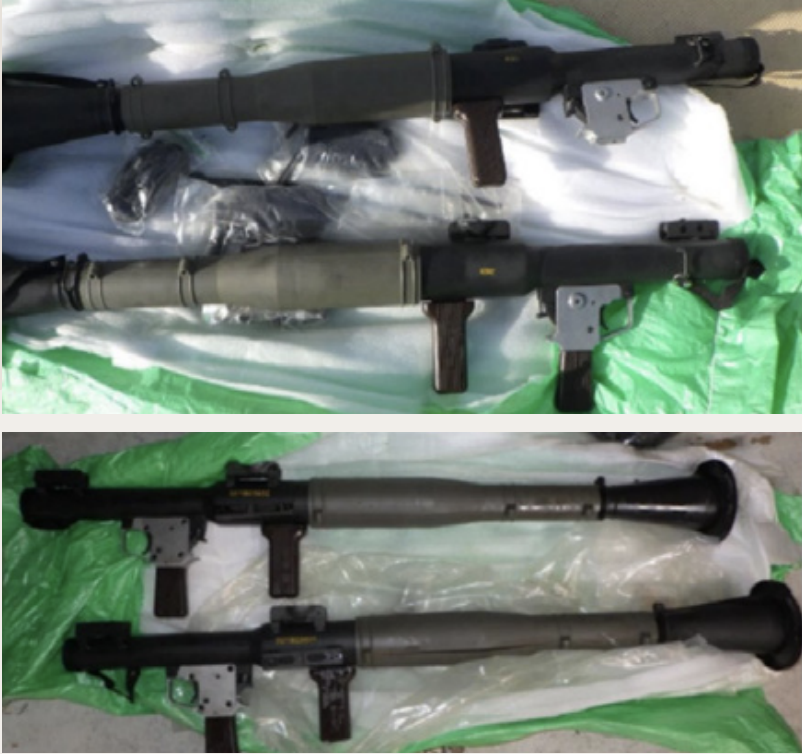
Fig.1.7. Unmarked but likely Iranian copy of the Russian/Soviet RPG-7. (Source: Bahadur 2021)
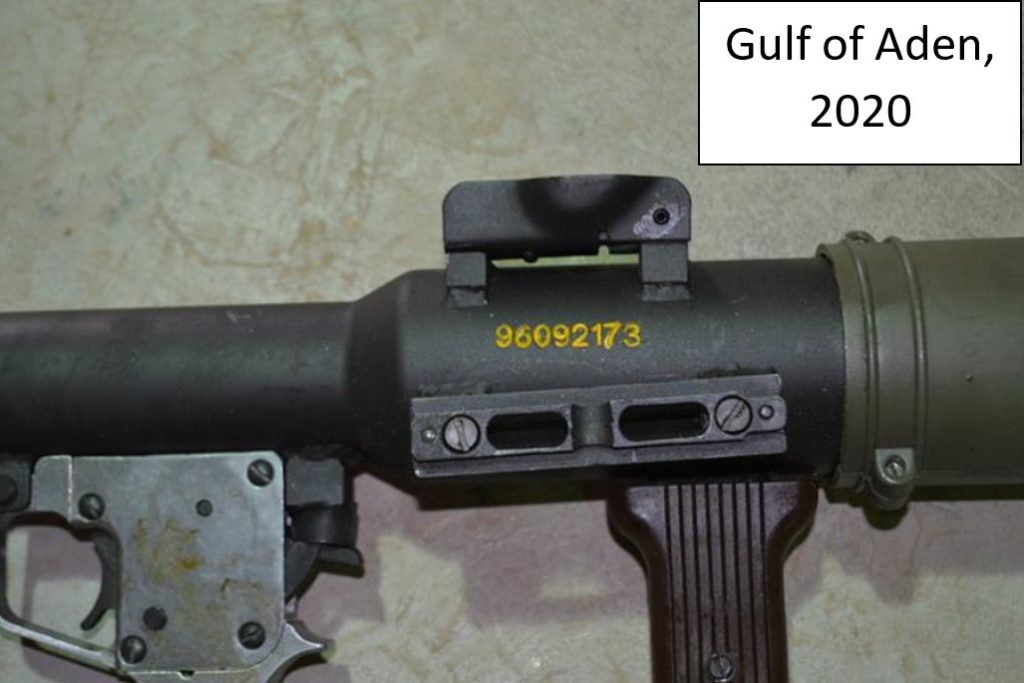
Fig.1.8. Confirmed Iranian made RPG-7 from another interdiction showing the same style of Yellow marking, two grips, and green heatshield. (Source: ARES CONMAT)
This RPG-7 was referred to by the speakers as an Iranian copy of the Chinese Type 69, which in turn is based on the Soviet RPG-7. This is a misidentification because the Iranian copy is based on the two-handled Soviet/Russian model, whilst the Type 69 only has one handle as seen below.
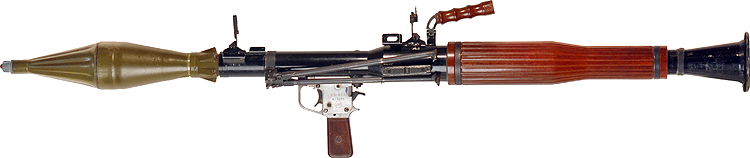
Fig.1.9. Chinese Type 69 RPG (Source: ARES CONMAT)
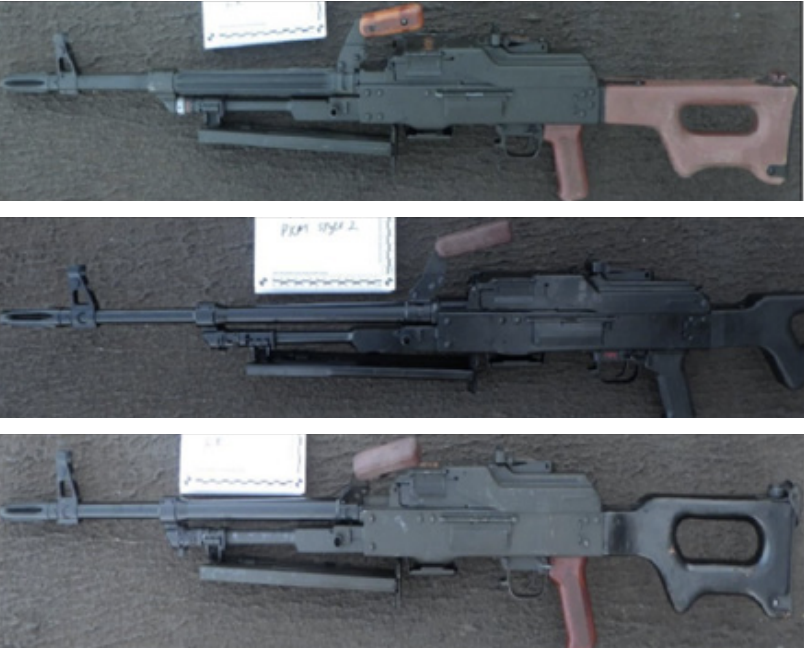
Fig.1.10. LMGs among those referred to in the presentation as Iranian PKM copies of the Chinese M80 in 7.62×54mm. (Source: Bahadur 2021)
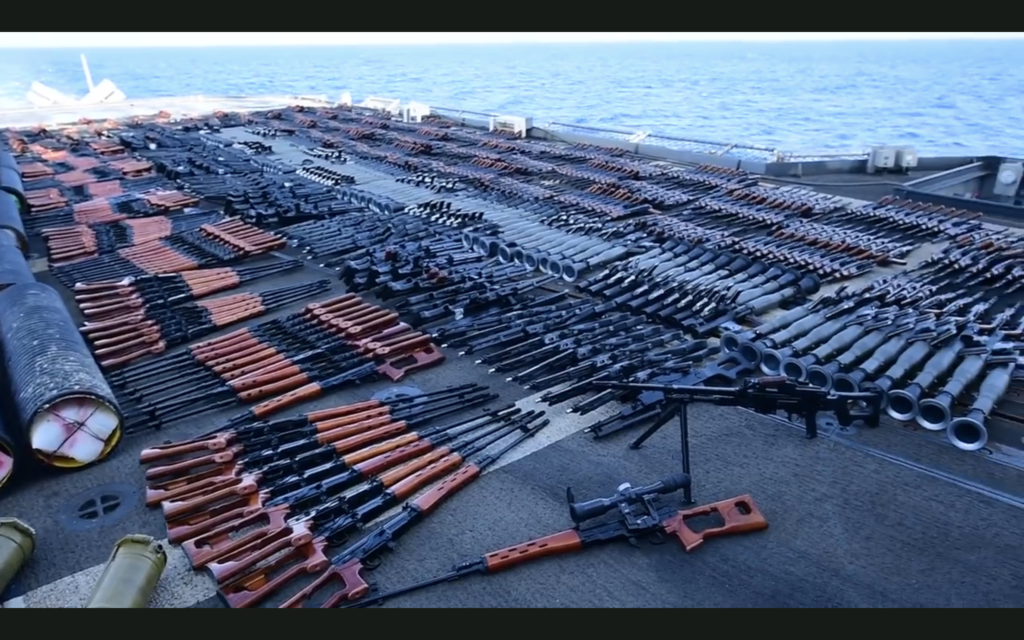
Fig.1.11. Right side, foreground showing one PK pattern LMG (possibly a Type 80) with more laying behind it (Source: U.S. 5th Fleet Public Affairs 2021)
Some of the PK machineguns were listed as PKMs by the presenters which is a misidentification. The PKM, with the ‘M’ meaning modernized in Russian, has a ribbed sheet metal top cover and round barrel whereas the PK has a flat top cover and fluted barrel. Likewise, the Chinese Type 80 is sometimes called an M80 but this is incorrect nomenclature. One of the Iranian origin PK’s also contained an X-over-circle shaped mark melted into the plastic carrying handle. The speakers hypothesized it to be an Iranian arsenal marking but were not sure. As we can see below, this ‘mysterious’ X shaped mark is almost certainly the Iranian Diomil arsenal logo.
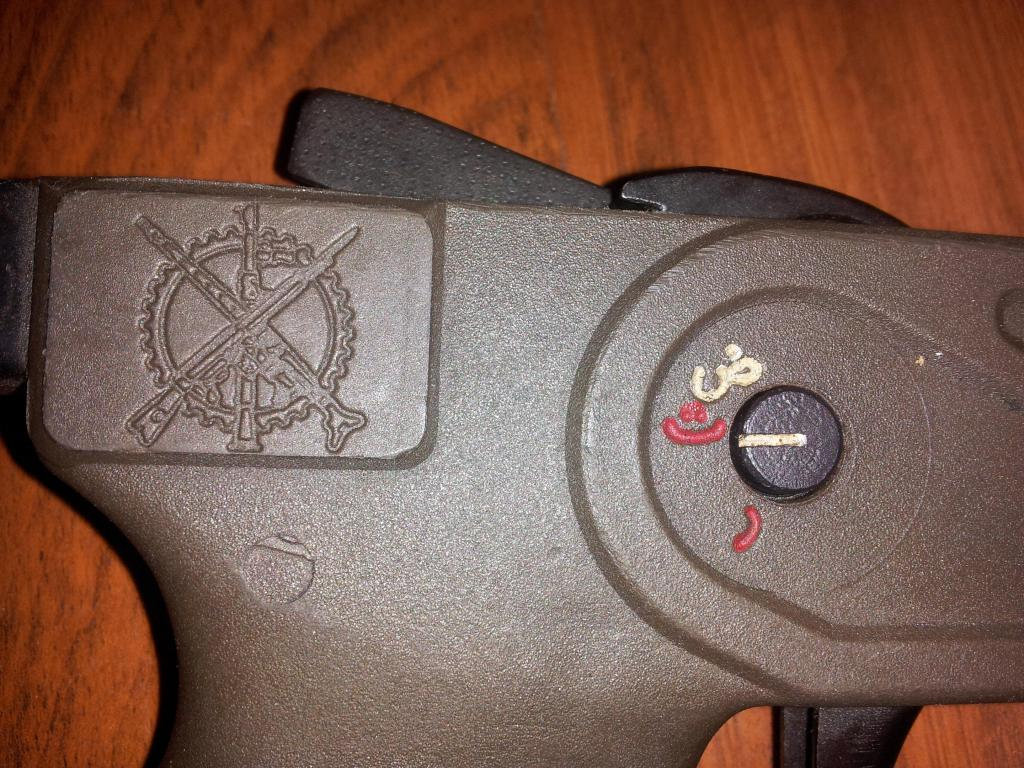
Fig.1.12. Example of the Diomil marking on a confirmed Iranian weapon. (Source: ARES CONMAT)
The speakers proposed that based on their data Iran stopped supplying Iranian marked items around 2018 and shifted to the Chinese Type 56-1, Russian ATGMs, and other unmarked weapons that could support plausible deniability. Despite this, the US Navy captured a ship full of Iranian-made Dehlavieh missiles as recently as June of 2020.
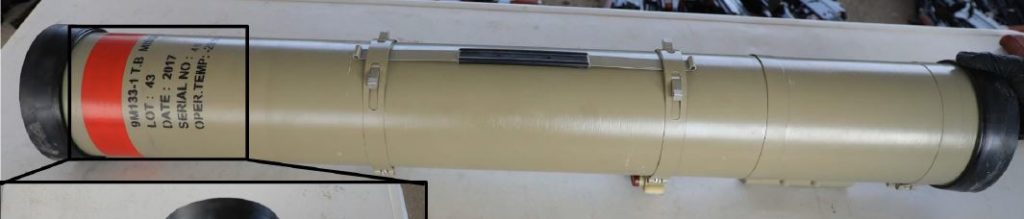
Fig.1.13. Iranian markings on a seized Dehlavieh missile. (Source: ARES CONMAT)
Likewise, images presented in the talk clearly show Iranian-made scopes and optical devices. These were seized by the USS Monterey in May of 2021.
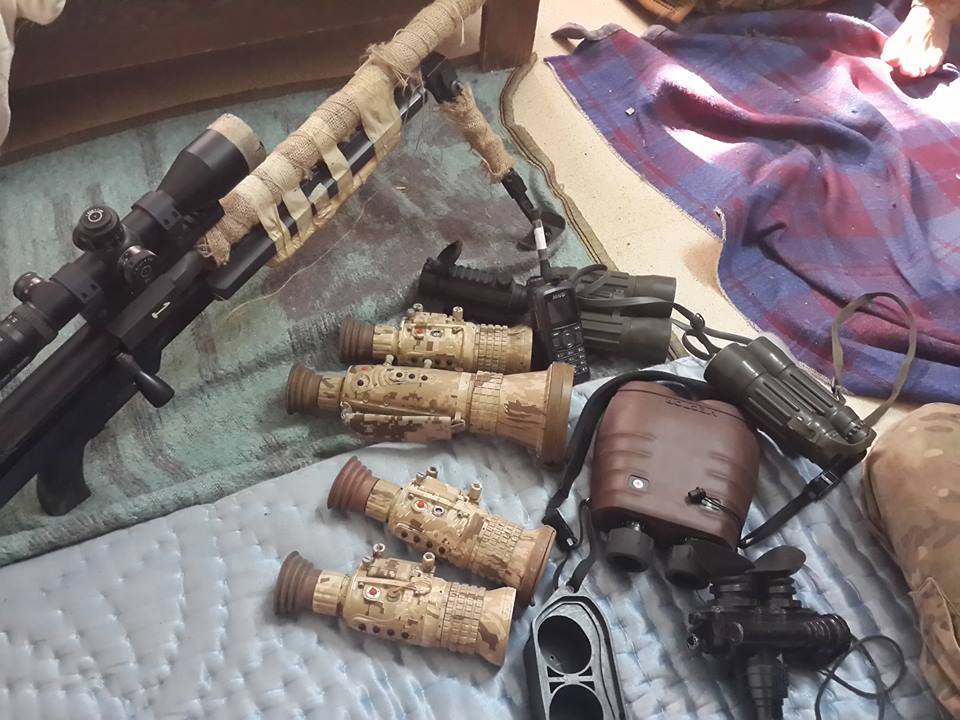
Fig.1.14. Iranian RU series thermal sights found in Syria, similar to the RU90/120G Thermal Sights found by the USS Monterey. (Source: Wright 2015)
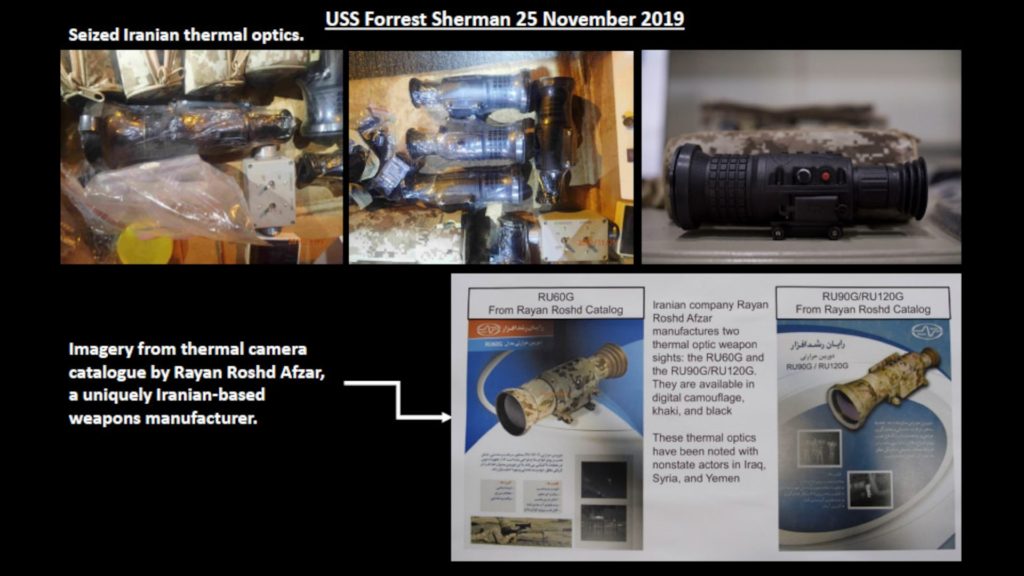
Fig.1.15. Further examples of RU series thermal scopes seized by the USS Forrest Sherman in late 2019 (Source: US CENTCOM 2020)
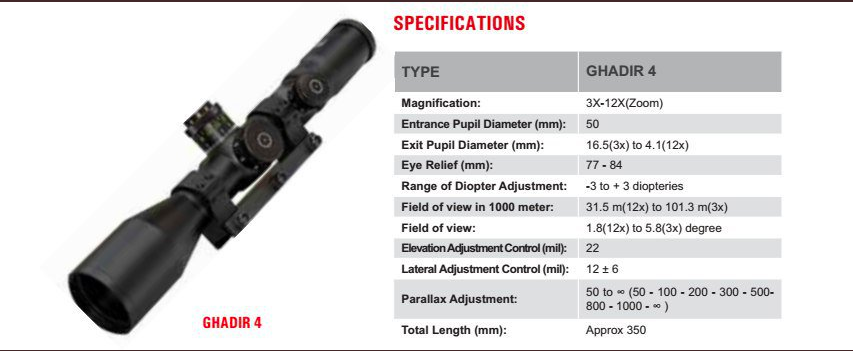
Fig.1.16. The Iranian Ghadir-4 scope copies the German PMII scope. The image above is similar to those seen in the USS Monterey seizure. (Source: Miles 2018)
Finally, to conclude the theory that these captured weapons came from Iran, Mr. Bahadur presented GPS tracking data of some ships. The origin of at least one captured vessel headed towards Somalia with weapons was GPS located coming from Iran’s port of Jask, shown below. It is noted in the report that this doesn’t provide definitive proof the weapons came from Iran, as GPS trackers can be moved between vessels, but it provides one of many clues.
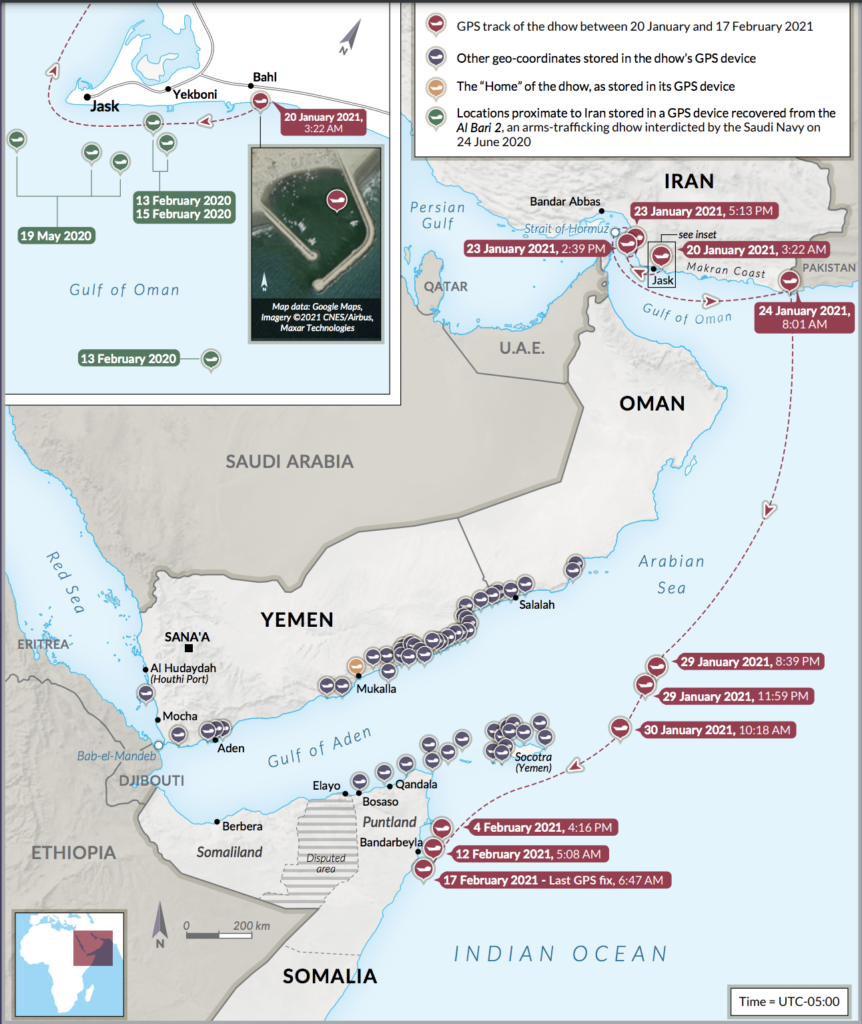
Fig.2.0. A map showing the route a smuggling dhow took from Iran to Somalia. (Source: Bahadur 2021)
With Iran being identified as the near-certain origin of the seized arms, this brings in the Somalia question. We know that Houthi-origin guns are ending up in Somalia after spending time in Yemen’s warzone. The image below shows a 21 SEP marking on a Type 56-1, with September 21 being the date the Houthis took control of Yemen’s capital Sanaa.
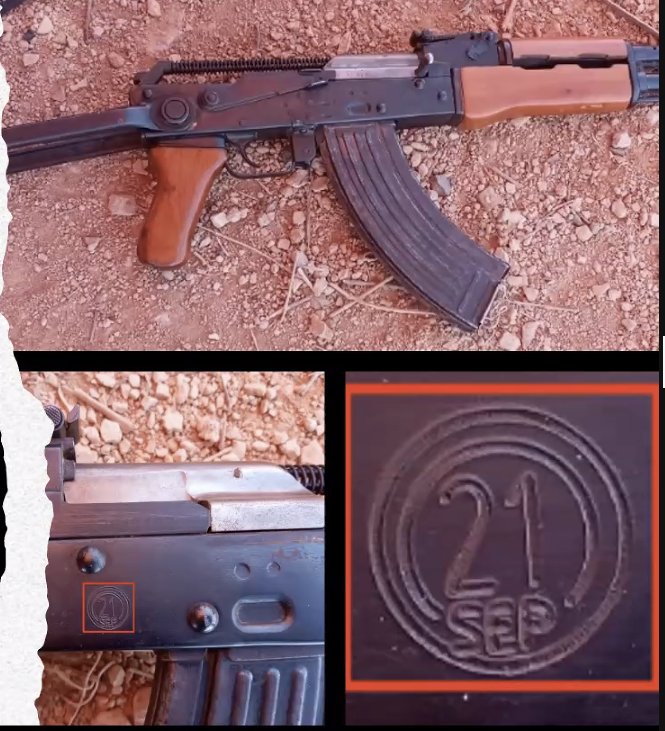
Fig.2.1. 21 SEP marking indicating a Houthi-owned rifle. (Source: Bahadur et al. 2021)
This particular rifle was found in Tukaraq, a disputed area between Puntland and Somaliland, on 9 March 2021. Similarly marked rifles have been recovered from Iranian smuggling operations in Bahrain, for example.
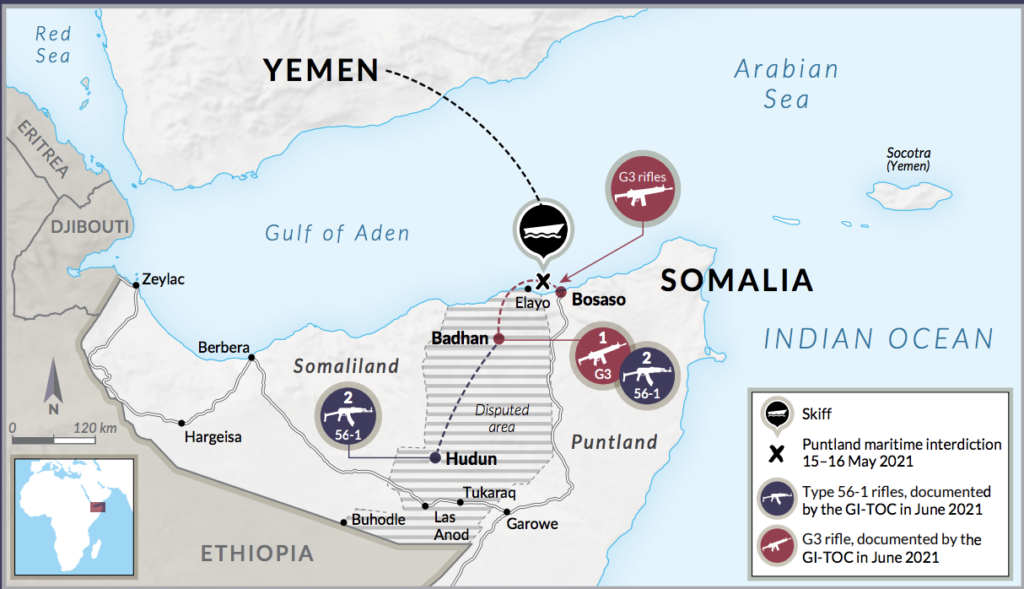
Fig.2.2. Map showing weapons traced from Yemen to Somalia. (Source: Bahadur 2021)
Regardless of the reason behind the smuggling, it is clear that Iranian small arms are being proliferated into Somalia either on purpose or on accident. This is clear based on the presence of Houthi marked Type 56-1s as shown above, various Iranian-made weapons such as the RPG-7 copy, and distinctive Chinese-made PKs called the Type 80. Though the Type 80 is relatively unremarkable, the speakers noticed that Chinese Type 80s seized near Yemen have a distinct feature that distinguishes them as Iranian origin. Specifically, these captured Type 80s appear to have been refurbished at some point in their lives and are a mixture of Russian, Chinese and other origin PK parts. Thus, they hypothesized that the refurbishment was done by Iran for export purposes.
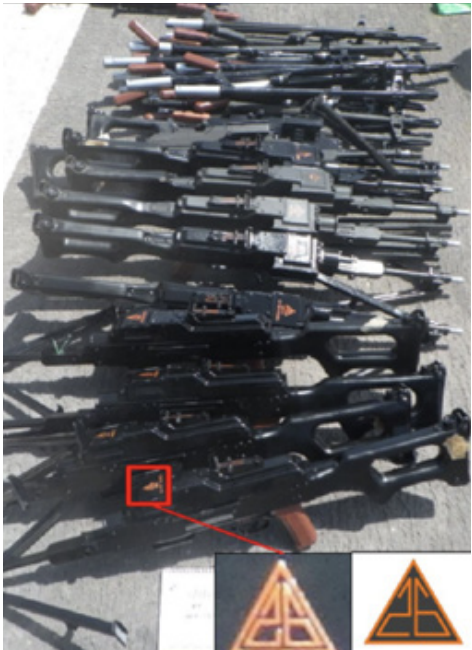
Fig.2.3. Captured Chinese Type 80s with distinct Factory 26 “triangle type” markings. (Source: Bahadur 2021)
So, why are Iranian weapons moving from the Yemen conflict zone to Somalia? Iran has no clear political or economic interests in that country, so it’s not likely Iran means to arm the Somalian civil war. The speakers proposed a few theories, with the primary assumption being that weapons are taken by smugglers as partial payment for their services. Equally, there is a long history of arms smuggling from Yemen to Somalia so this could just be a continuation of the trend. Overall, the three speakers agreed that the Houthis had no commercial interest in illicit arms sales as they are supplied with everything they need by Iran. Thus, it’s unlikely that they sell weapon stocks to raise cash. Overall, the speakers concluded by saying that trans-shipment from Yemen to Somalia is an ongoing issue because the weapons are being further proliferated into Ethiopia, thus fueling that conflict as well.
If you enjoy our work here at Silah Report please consider supporting us on Patreon!
Sources:
Bahadur, Jay. 2021. “An Iranian Fingerprint? Tracing Type 56-1 Assault Rifles in Somalia.” Global Initiative. https://globalinitiative.net/wp-content/uploads/2021/11/GITOC-An-Iranian-Fingerprint-Tracing-Type-56-1-assault-rifles-in-Somalia.pdf.
Bahadur, Jay; Wolf-Christian Paes; and Maysaa Shuja Al-Deen. “An Iranian Fingerprint?: The illicit arms trade and spillover of the Yemen conflict into the Horn of Africa.” Lecture, Global Initiative Zoom conference, December 9, 2021.
CAR. 2021. “Iranian Am-50 12.7 × 99mm ANTI-MATERIEL Rifle.” Conflict Armament Research. https://www.conflictarm.com/technical/iranian-am-50-12-7-x-99-mm-anti-materiel-rifle/.
Michetti, Tim. 2020. “A Guide to Illicit Iranian Weapon Transfers.” Atlantic Council. https://www.atlanticcouncil.org/wp-content/uploads/2020/12/A-Guide-to-Illicit-Iranian-Weapon-Transfers-in-the-Gulf.pdf.
Miles. 2018. “Iranian Army Displaying G3 DMR Variant, Ghadir-4 Scope.” The Firearm Blog. https://www.thefirearmblog.com/blog/2018/04/23/iranian-army-displaying-g3-dmr-variant-ghadir-4-scope/.
Pompeo, Mike. 2020. “On June 28, U.S. and partner forces interdicted a vessel off the coast of Yemen carrying illicit Iranian-origin cargo including surface-to-air and land-attack missiles, anti-tank missiles, hundreds of RPGs and rifles, & many other advanced weapons. The UN must #ExtendTheEmbargo.” Twitter. https://twitter.com/SecPompeo/status/1281308455870115841.
U.S. 5th Fleet Public Affairs. 2021. “USS Monterey Seizes Illicit Weapons in the North Arabian Sea.” US Navy. https://www.navy.mil/Press-Office/News-Stories/Article/2600834/uss-monterey-seizes-illicit-weapons-in-the-north-arabian-sea/.
US CENTCOM. 2020. “U.S. Dhow Interdictions.” https://www.centcom.mil/MEDIA/NEWS-ARTICLES/News-Article-View/Article/2087998/us-dhow-interdictions/.
Wright, Galen. 2015. “Iranian RU-Series Thermal Weapon Sights in Syria.” Armament Research Services (ARES). https://armamentresearch.com/iranian-ru-series-thermal-weapon-sights-in-syria/.
Title Picture Credit: US Navy