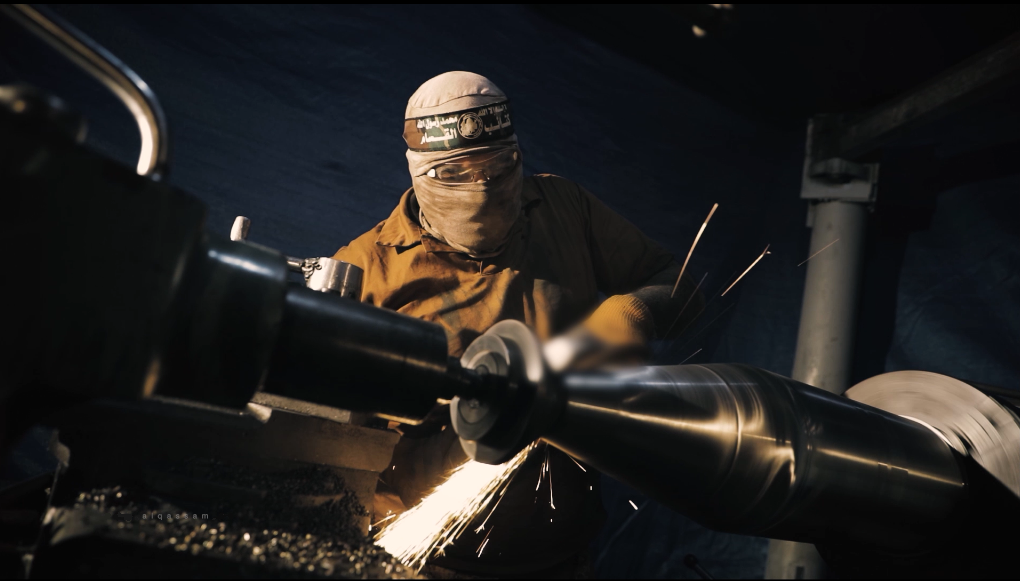
In the first article of this series on Palestinian underground weapons manufacturing, we reviewed some of the weaponry made locally by Hamas including pistols, submachine guns and anti-tank rifles. In this article, we will continue to explore more of their production capabilities. Check out part one of this series here.
Hand Grenades
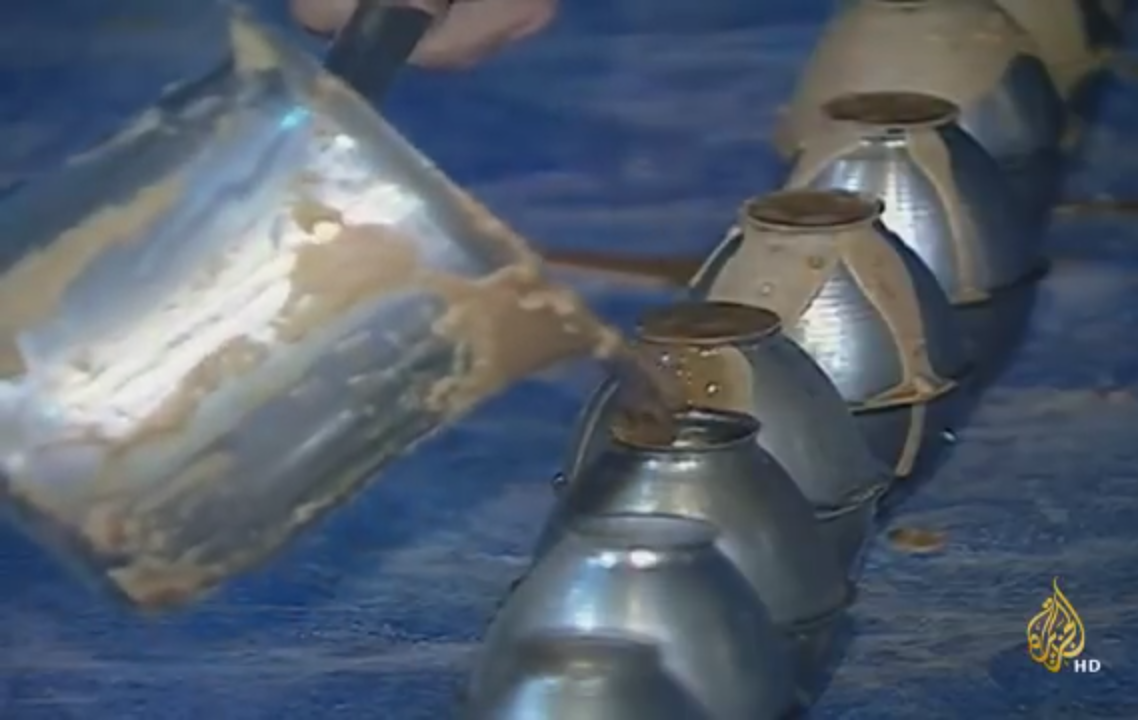
Fig.1.1. Filling the grenades with explosives inside secret production facility of Al-Qassam brigades (Source: Al-Jazeera Documentary)
The need for bombs constituted an impetus for the development and production of these hand grenades in the mid 1990s. Al-Qassam engineers were able to manufacture hand grenades of special types, made of plastic and metal, and are distinguished by the fact that the intensity of their explosion is stronger than the Mills and F1 bombs (according to Al-Qassam). A launcher for these bombs was developed, inspired by a Tear gas grenade launcher, which projected bombs up to at least 150 meters. This bomb carries a serial number similar to those manufactured in registered factories. An effort to professionalise their production. It is more powerful than the regular hand grenades according to the IDF’s own admission.
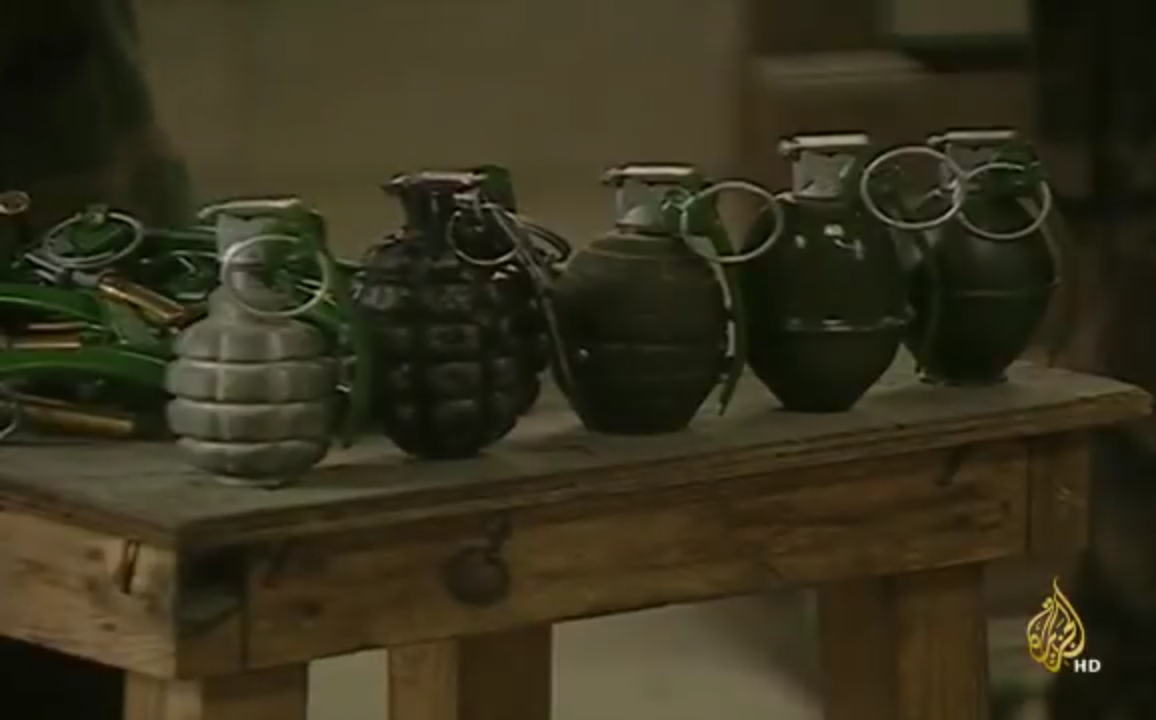
Fig.1.2. Smooth bodied grenades and fragmented hull grenades (Source: Al-Jazeera Documentary)
The development process of the various types of hand grenades produced by Al-Qassam passed through several stages, as following:
Stage One:
The manufacture of the detonator, which is an essential part of the manufacture of the hand grenade. Yahya Ayyash, Adnan Al-Ghoul, and the commander Muhammad Al-Deif were responsible for the manufacture of the detonator, it took three months for a suitable detonator to be manufactured by the end of 1994.
Stage Two:
The manufacture of the grenade from a paint canister with shrapnel, a detonator and an ordinary fuse that is ignited from the outside by means of matches/lighter or an external flame. This model was completed in April 1995.
Stage Three:
The manufacture of a bomb walled from the outside by fragments consisting of aluminum and lead, this was completed in late 1995.
Stage Four:
The plastic bomb was supervised by Adnan Al-Ghoul and Muhammad Al-Deif, in 1996, it is indicated that the factory that was producing these grenades was seized by the intelligence services of the Palestinian Authority and Adnan Al-Ghoul, Saad Al-Aarabid and a number of their assistants were arrested. Their completed and unfinished grenades and manufacturing equipment and a number of shells that were being manufactured at that time were confiscated in the house of Adnan Al-Ghoul in the Mughraqa area, which was later destroyed at the beginning of the uprising.
Stage Five:
The smooth body design bomb was supervised by Zahir Nassar, Yassin Nassar and Muhammad Sinwar, and these bombs were used in the suicide operation of Muhammad Farahat at the beginning of 2000.
Stage Six:
The modern grenade, which was supervised by Muhammad Al-Dhaif and (M), they referred to him as M probably because of security reasons, this grenade is similar in shape to the American made ones and it has the Qassam stamp on it. Work began at this stage in late 2000 when the spark of the Al-Aqsa Intifada (uprising) began and their participants left the prisons of the Palestinian authority and they again began to innovate in fighting methods and tools.
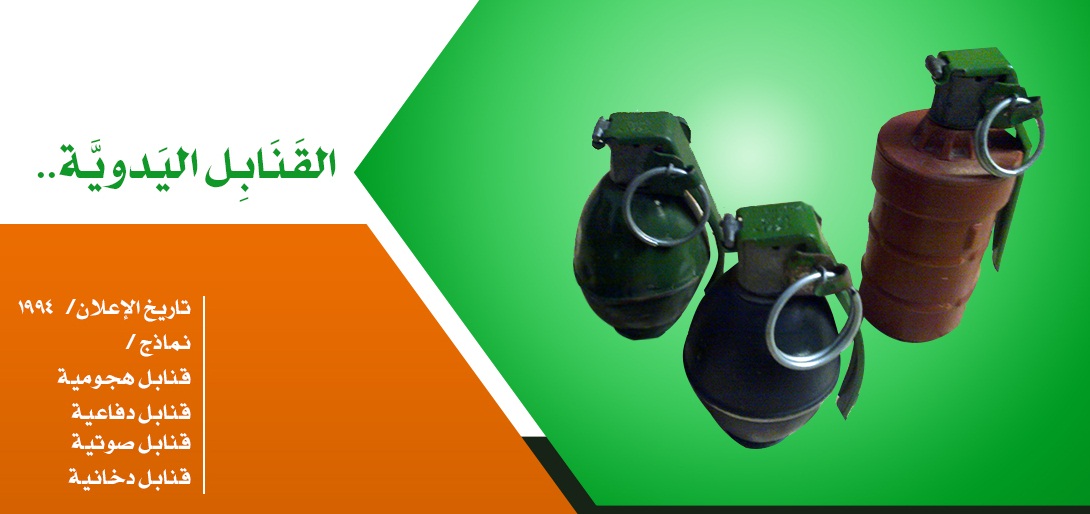
Fig.1.3. Assault, Defense, Sound and Smoke grenades are manufactured by Al-Qassam participants, note the markings on the detonator (Source: ARES CONMAT)
“Al-Qassam” Missile
The transformation in the “Qassam” industries began when it started producing Al-Qassam missiles, which soon became a trademark even after some resistance factions (i.e. Al-Quds Brigades & Al-Nasser Saladin Brigades) produced similar missiles. The Al-Qassam missiles represent the first locally produced rocket artillery in the region. These missiles have proven their efficiency and generations of them have been developed, some are now capable of reaching ranges out to 20 kilometers.
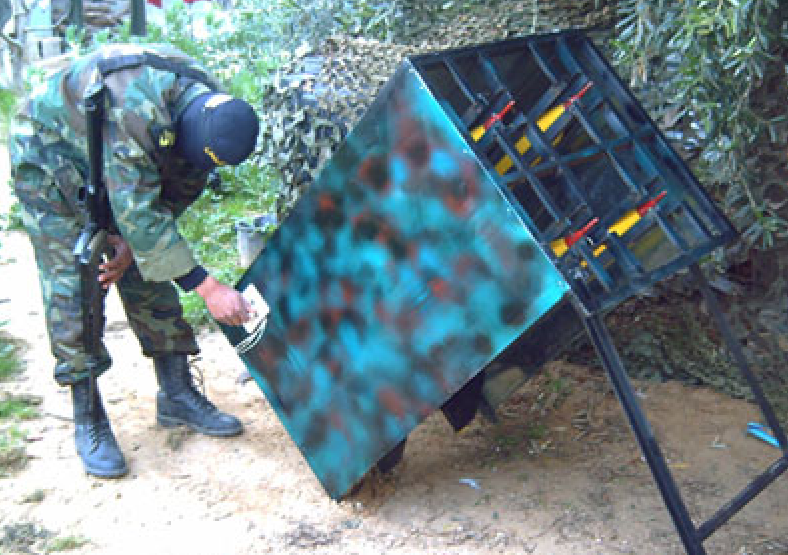
Fig.2.1. Quds MLRS, made by Al-Quds –Jerusalem- brigades typically copied from Qassam missiles (Source: ARES CONMAT)
According to statements by Al-Qassam Brigades, the first missile produced by them was 70cm long with a diameter of about 8cm and a range of 2 to 3km. It was capable of carrying a warhead payload of 600g of high explosive TNT and the missile was launched by an ejector, but because of its simple manufacture, it lacked precision accuracy.
The success of the first experimental launch of the “Qassam-1” missile prompted their engineers to continue developing missiles and address the defects that appeared in the “Qassam-1”. It was not long before they announced the development of missiles and the production of a new model of them, “Qassam-2”. After radical adjustments, the most important of which was an improvement of its range, which enabled it to reach residential areas inside Israel.
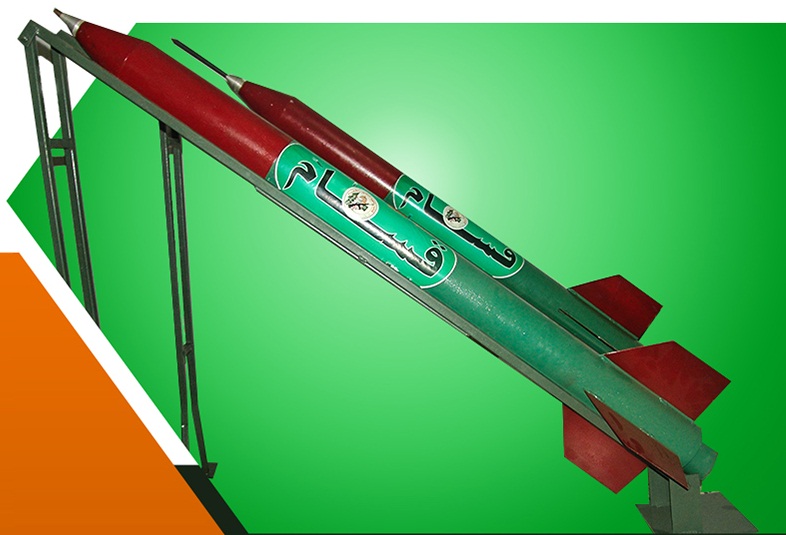
Fig.2.2. Qassam-1 missile prepared to be launched (Source: ARES CONMAT)
The length of the “Qassam-2” missile was 180cm, and its range was extended to 9-12km, and its payload of explosives increased to more than 5-6kg of TNT, with a diameter of about 12cm.
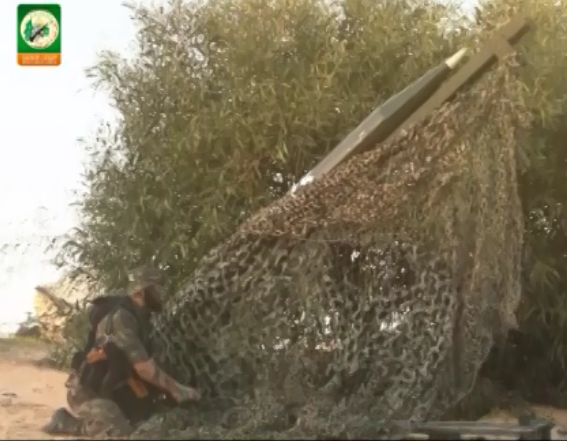
Fig. 2.3. M-75 rocket on a hydraulic launching platform (Source: ARES CONMAT)
Later they also developed the “Qassam-3” and “Qassam-4” missiles with even more extended range and heavier payloads. Other new models were introduced such as M-75 (after the name of their late leader Dr. Maqadmeh, with a range of 75km) also J-80 (after the name of their late commander Ahmed Jaabari with a range of 80km) and R-160 (after the name of the late Supreme leader of Hamas, Dr. Rantissi who was killed by an IDF air raid in 2004, the number 160 indicates the expected range).
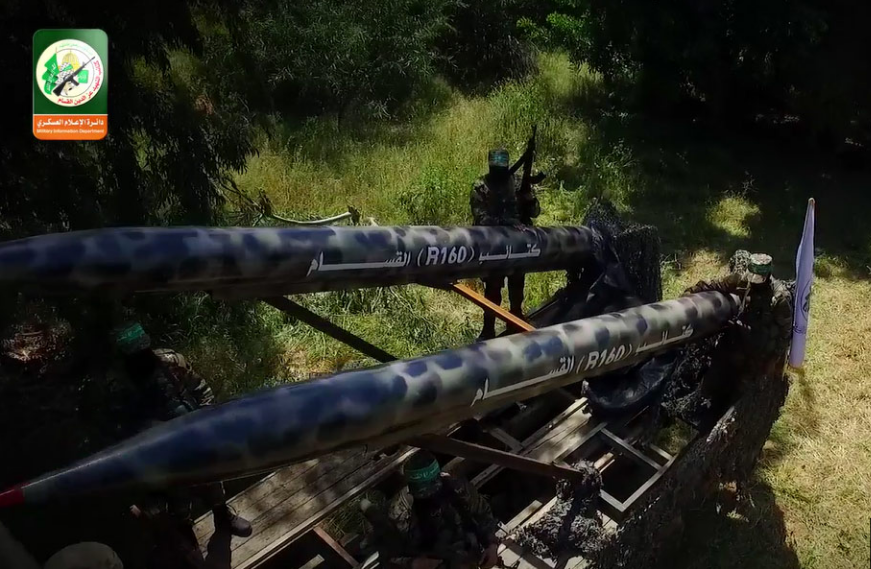
Fig. 2.4. R-160 Rocket with estimated range 160 km on a mobile launching platform (Source: ARES CONMAT)
In the next part of this series, we will examine HAMAS’ development of mortars, rocket-propelled grenades, anti-tank weapons and even unmanned aerial vehicles.
If you enjoy our work here at Silah Report please consider supporting us on Patreon!
Esportes da Sorte… sounds promising! Always looking for new places to try my luck. Hope they’ve got a good range of sports events and a decent betting system. Worth exploring. esportesdasorte