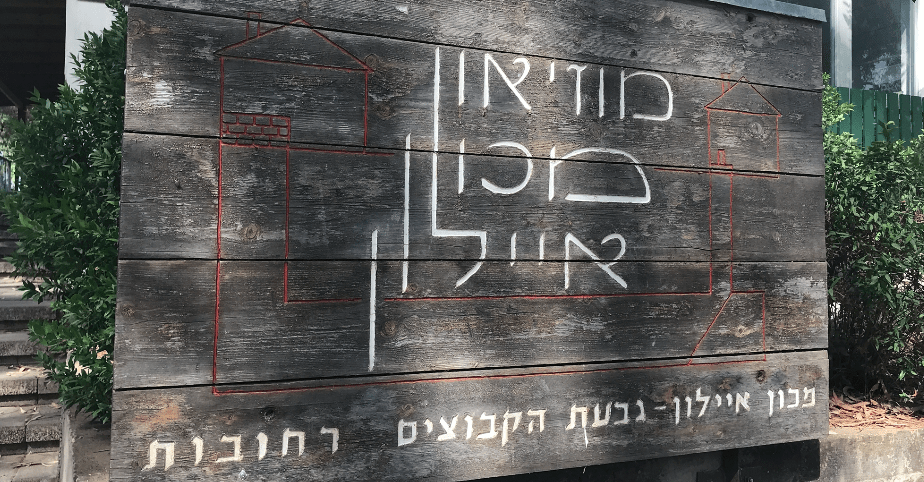
Israel’s fight for independence after the Second World War is filled with spectacular and courageous exploits as well as daring moves to thwart both the British government in Palestine and the subsequent Arab advances. One such story is that of the “Ayalon Institute” on Kibbutz Hill outside of the town of Rehovot, south of Tel Aviv. It was here that for several years after the Second World War, several million rounds of 9×19mm ammunition were produced for the Haganah under the supervision of Ta’as. A military industry wing that would later morph into Israeli Military Industries (IMI) after independence.
In preparation for the independence of Israel, the Haganah leadership understood the importance of having a stable supply of ammunition. One of the more widely used small arms that the Haganah used were captured or smuggled 9×19mm Sten submachine guns (of which Ta’as is also reported as having actually produced over 4,000 from improvised workshops). In order to supply both current ammunition needs and to prepare a dispersed stockpile around Palestine for an eventual outbreak of hostilities, Ta’as began a covert 9×19mm ammunition manufacturing operation. Everything about the operation had to be shrouded in multiple layers of secrecy and redundancy. From disguising the need to import copper in order to make lipstick tubes to timing the test-fire of ammunition to coincide exactly with the passage of a nearby train in order to mask the sound of the gunfire, everything needed to kept in utmost secrecy from the British authorities.
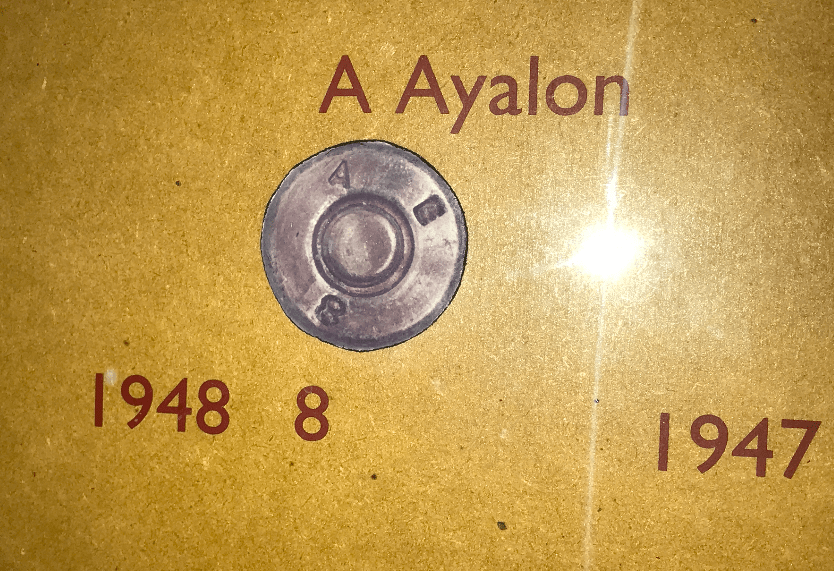
Such was the secrecy during and even after the production of ammunition that the underground factory wasn’t known publicly until 1987, when a local school teacher had been reading the diary of one of the workers. Thereafter it was turned into a museum where visitors can still take a guided tour of the factory for a small fee either in Hebrew or in English. There has also been some research conducted outside of the museum so researchers are welcome to learn even more about the operation and in more depth than this article has to offer or even a visit to the factory. For example, we know more about the types of headstamps that the factory produced, which can be found throughout Israel and some have even made it into cartridge collections in the United States.
When arriving by car to the Ayalon Institute, one can park directly outside the visitor’s office entrance. Visitors need to schedule a visit ahead of time by calling the center and specifying an English or Hebrew tour. Admittance is 30 Shekels ($8.50) paid at the counter. The tour begins by watching an informational movie about the factory, its origins, and some of the operations post Second World War. Then the tour guide takes over and guides visitors through many of the important talking points situated throughout the small factory.
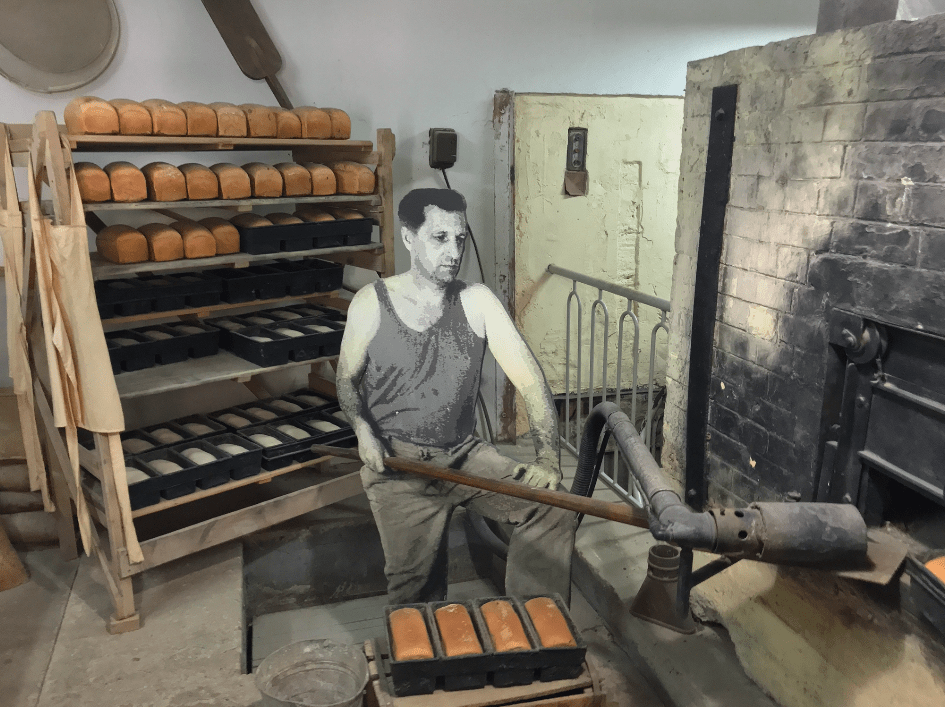
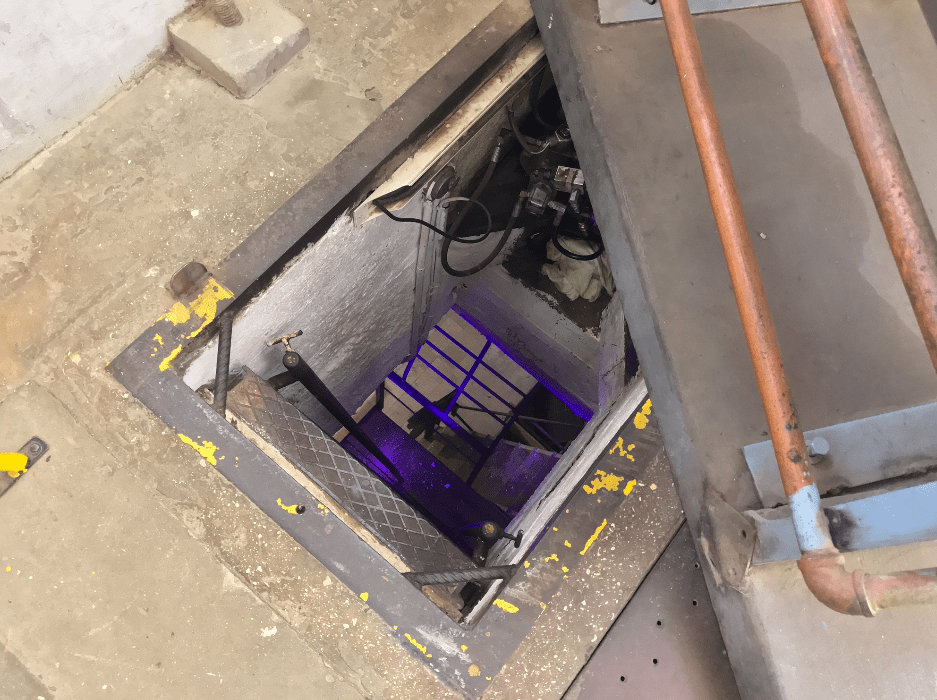
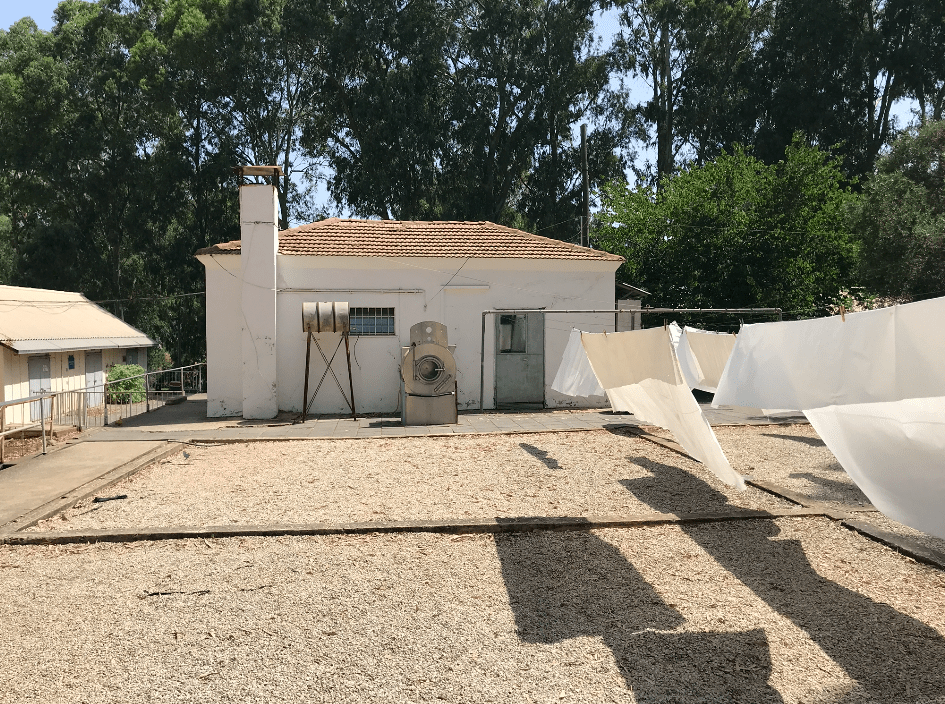
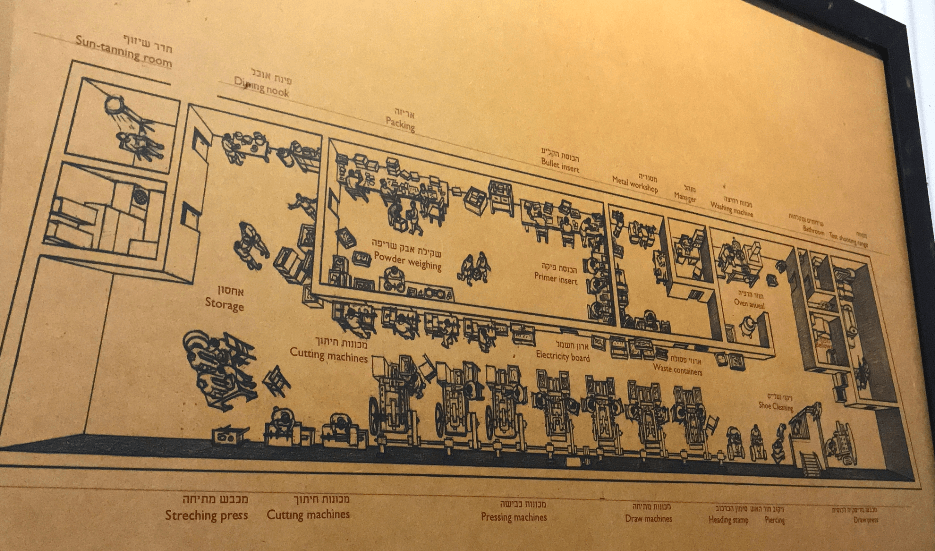
The underground factory was built in less than a month under the guise of making a storage cellar for the local kibbutz that was established above ground. It was essentially a long hall that was around 50 meters in length and had a ceiling approximately 6 meters in height. This entire facility was 8 meters underground with a laundry above one end and a bakery above the other. Workers entered through the laundry through a mechanism that lifted up a heavy laundry machine for a duration of three minutes, in which the entire staff would have to either come out or go in at certain periods in the day. At the other end where the bakery was, the oven was built on hidden rails that allowed it to be moved several meters forward, thus making a wide opening for the lowering of the heavy machinery needed to roll cases or punch headstamps out.
The factory itself was very well organized as a standard assembly line for ammunition production, starting with the beginning stages of shaping raw material on one end to filling cases with powder, pressing in bullets and primers on the other. This was even complete with a test range where different lots of ammunition would be tested for velocity and penetration standards. It also had a dining section so workers could eat, a bathroom, and even a UV room where workers would have to spend a certain amount of time so that their cover stories of working in the fields all day could be justified to those in the kibbutz but more importantly the British, which had a base almost next door to the community center.
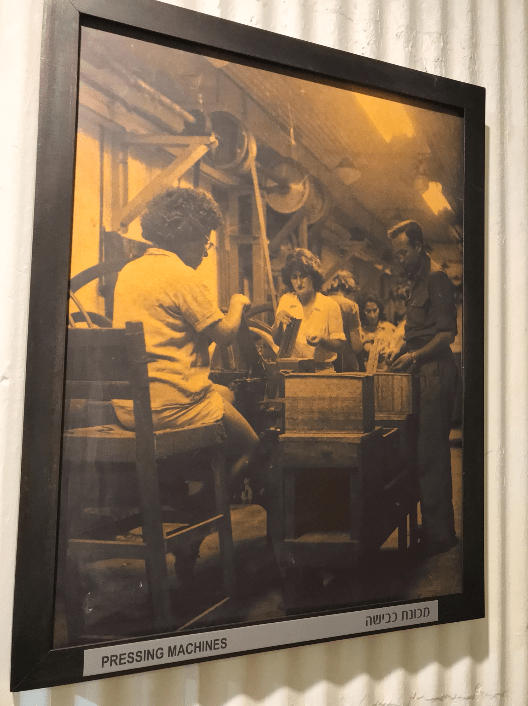
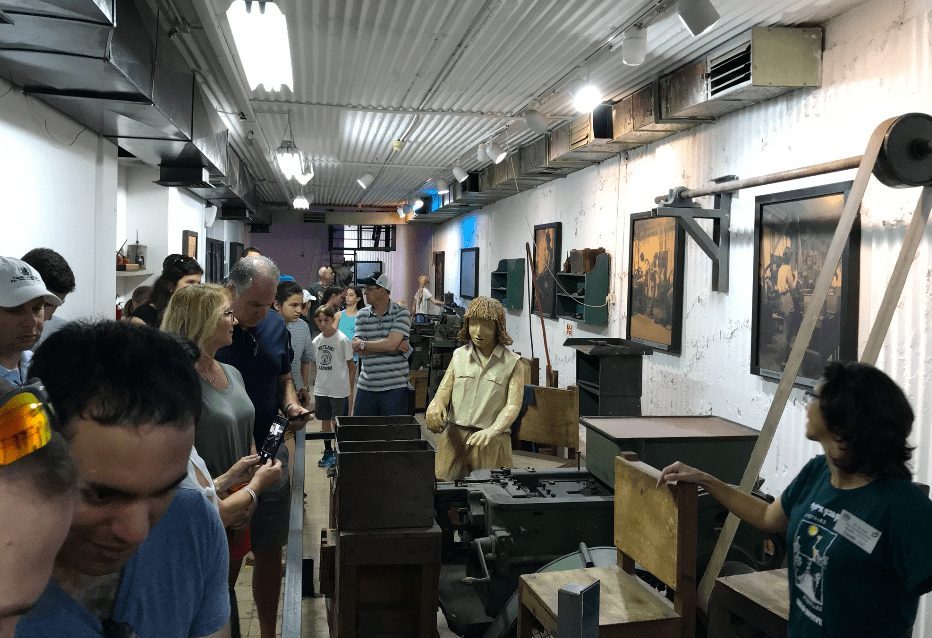
In order for visitors to get a better idea of what the factory might have looked like during operation, the museum has positioned dummies in positions of working on the machines and have printed out scaled up photographs of actual workers during their time at the factory. We like the creative attempt to make these life-size cutouts of the real people involved with the factory as it gives a visitor a real sense of the kinds of young people that took enormous risk to work covertly.
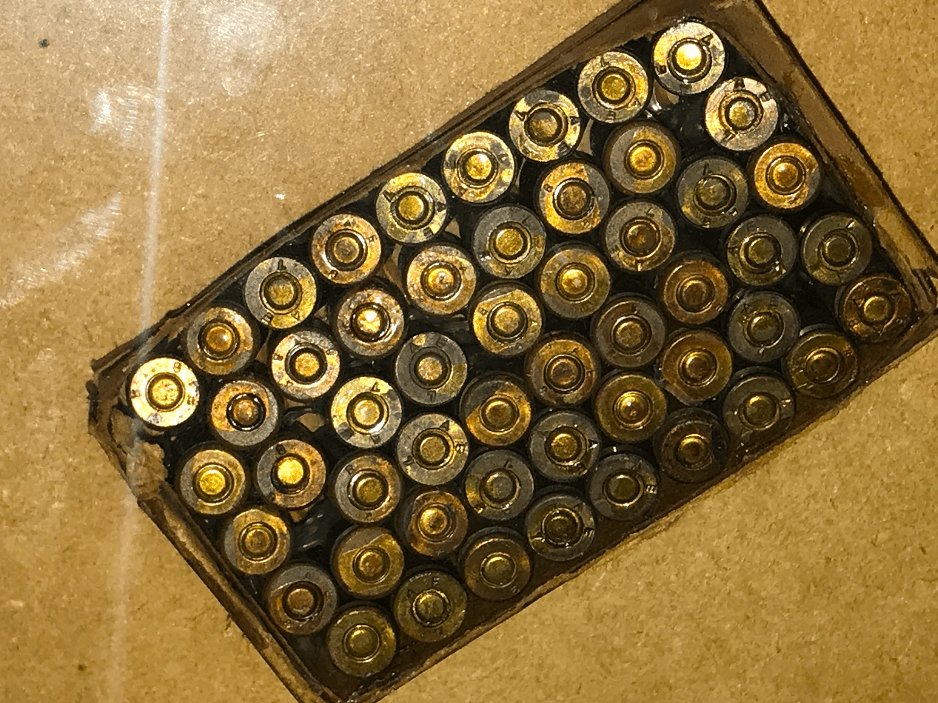
Workers would complete 10-hour shifts in extremely hot conditions, always fearful of an accidental explosion from the propellants. Estimates in the factory claim that at times almost 14,000 rounds could be completed in a single day of work, another source even stated that almost 40,000 rounds were produced at the factory’s peak. An initial figure of 2.25 million rounds is quoted for total ammunition production during the three years of operation from 1946 to 1948, but there are others that quote an even higher amount. The completed ammunition would be boxed in standard 50 round cardboard boxes and then transported above ground at the end of every day. It would be picked up by a driver who was already delivering various supplies for the bakery and would come in the evening. This driver would then deliver the ammunition to Ta’as authorities which saw to it that it was distributed across the numerous rebel groups throughout Palestine. Very little of each operation was known to the other division due to the need to keep the secrecy of the entire organization.
Originally published in Small Arms Review SARV24N2
If you enjoy our work here at Silah Report please consider supporting us on Patreon!
Very cool — I recall a brief mention of this in the Tales of the Gun series, and always wanted to learn more.