The so-called Islamic State, and their previous organizations Jama’at al-Tawhid wal-Jihad, Al-Qaeda in Iraq, the Islamic State of Iraq and the Islamic State of Iraq and Sham (Syria), have sustained an insurgency in Iraq for over 16 years. After the collapse of most of its territorial control in 2017, (besides some hideouts in Anbar province) they are again focused on fighting an insurgency campaign. They have been depleted over the years by the efforts of the Iraqi security forces and the International coalition, so much so that in 2019, ISIS conducted only small raids, small scale attacks, assassinations/executions and abductions and IED attacks. This was a far cry from their capabilities circa 2013-16. However, in recent months their attacks in Iraq have increased, especially in the north of the country. Now, IS have released a long propaganda film, in this two-part article, we will examine the film and see what we can learn about their current capabilities and weapons.
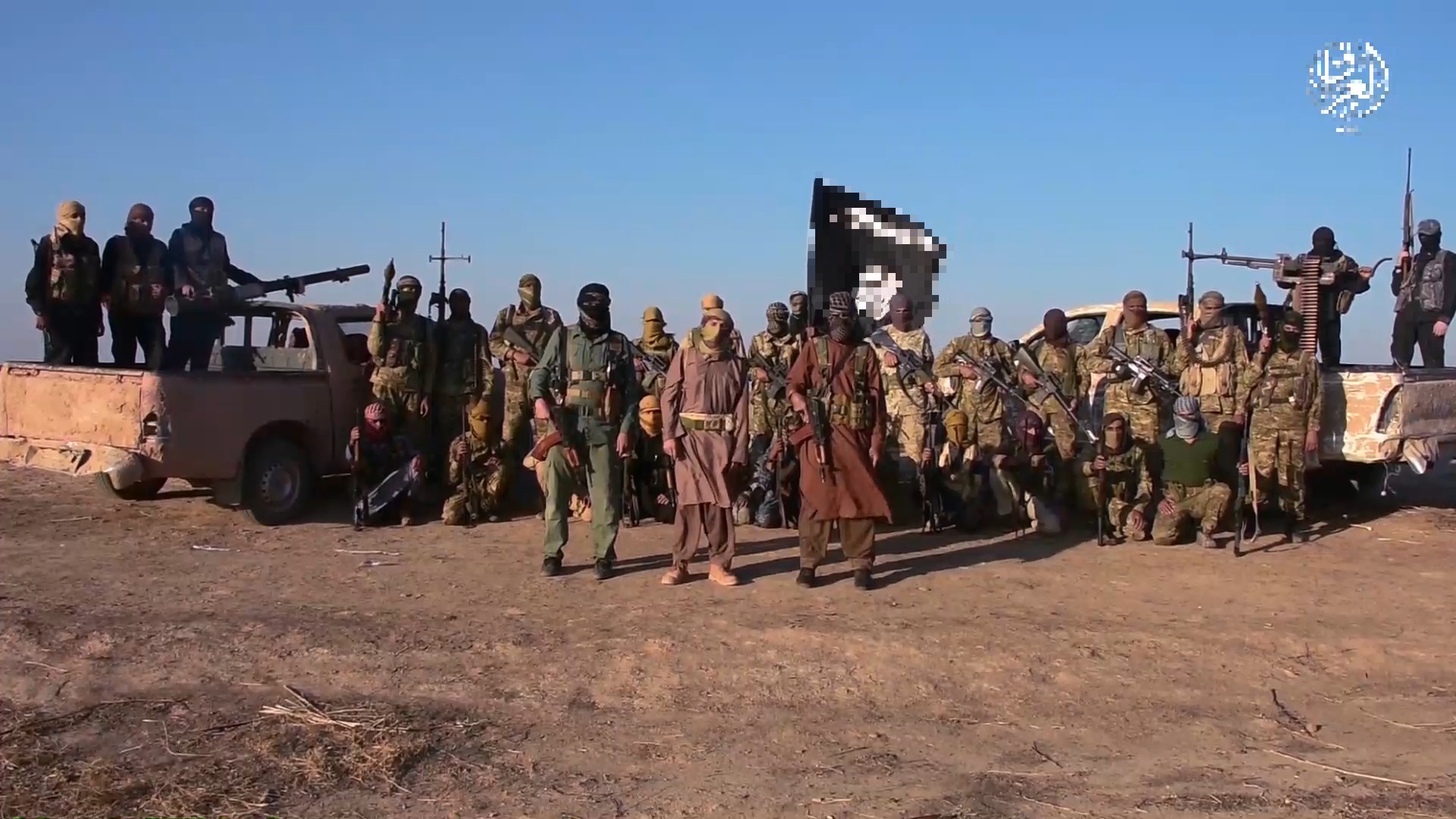
On the 15th May 2020, the so-called Islamic State released a 49-minute video from it’s Iraq “Wilayat” (province) titled “Strike [Their] Necks”. Material released as “Iraq Wilayat” actually combines footage from all over Iraq. The footage appearing in this video comes from the following provinces: Diyala, Erbil, Baghdad, Nineveh, Dijla ISIS province (corresponds mainly to the eastern part of the Iraq Nineveh province and small parts of the Iraq northern Salah al-Din province), Anbar and Kirkuk. The earliest confirmed footage was reportedly filmed around 13th May 2019. Most footage could be dated from IS press releases about events with photos matching the events seen in the film. The confirmed footage consists mainly of small attacks and assassinations which were partly confirmed by dates in the videos to be from 2019 and the rest is also believed to be at least partly from 2019.
Small Arms
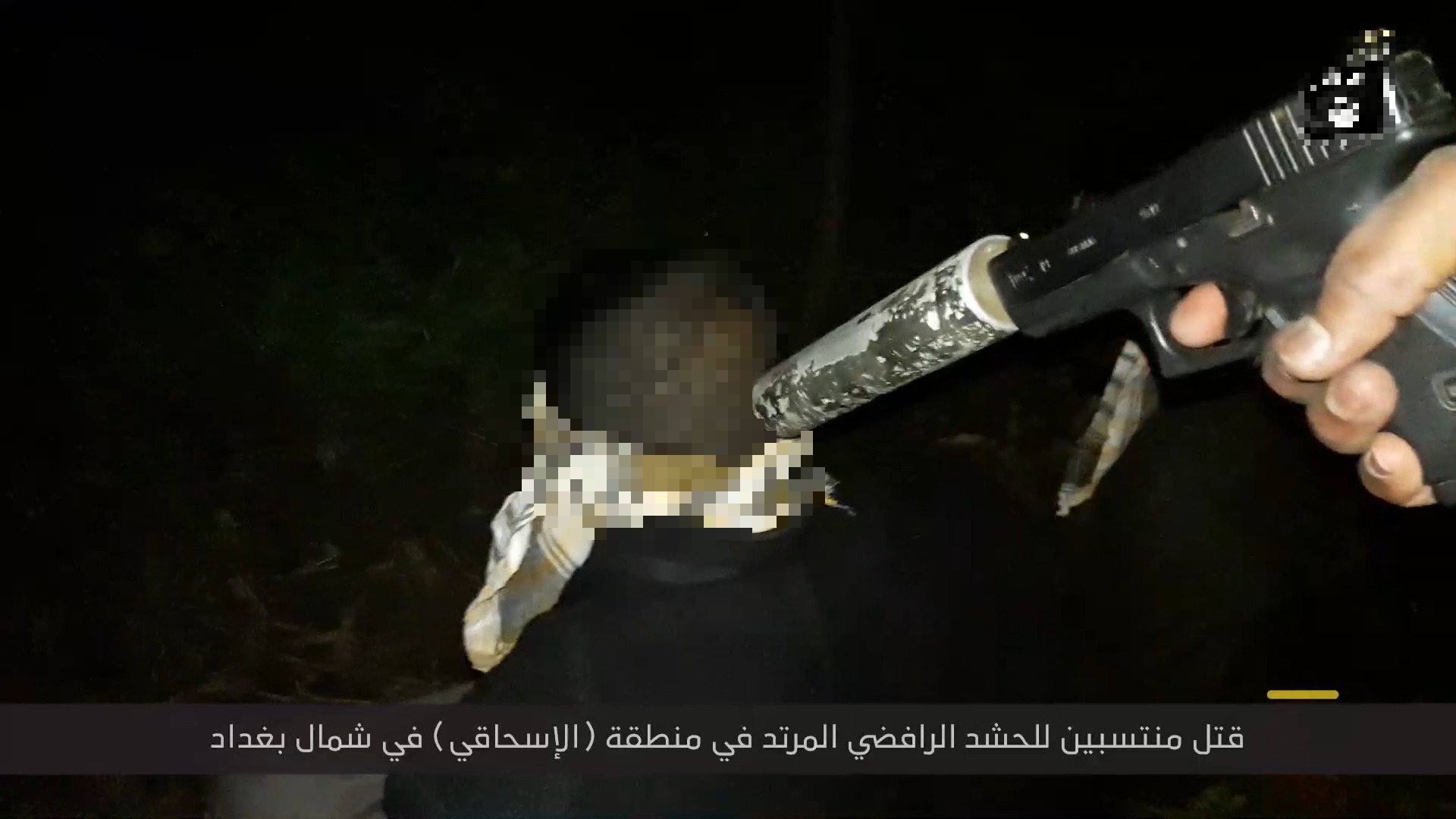
The pistols which appeared in the video were carried and used by commanders and during covert attacks. The pistols used in the covert attacks appear to be Glock 19 Gen3 9×19mm self-loading pistols with an ISIS indigenous craft-made suppressors attached. These are used to assassinate people in cities and to execute people in the countryside who are predominantly captured tribal members, unsuppressed Glocks are used in more rural areas. The Glock 19s Gen3 in Iraq were purchased by the United States and supplied to Iraq in the mid-2000s and issued to the Iraqi security forces.[1] ISIS captured significant numbers of this Glock 19 Gen3s from the Iraq security forces, mainly from the Iraqi Army. From there they proliferated to as far as the Syrian province of Idlib where they are still in use with HTS militants and other fighters today. The suppressors, judging from their condition, appear not to be of recent manufacture but some pictures released by the group suggests they still have the capability to manufacture new suppressors.
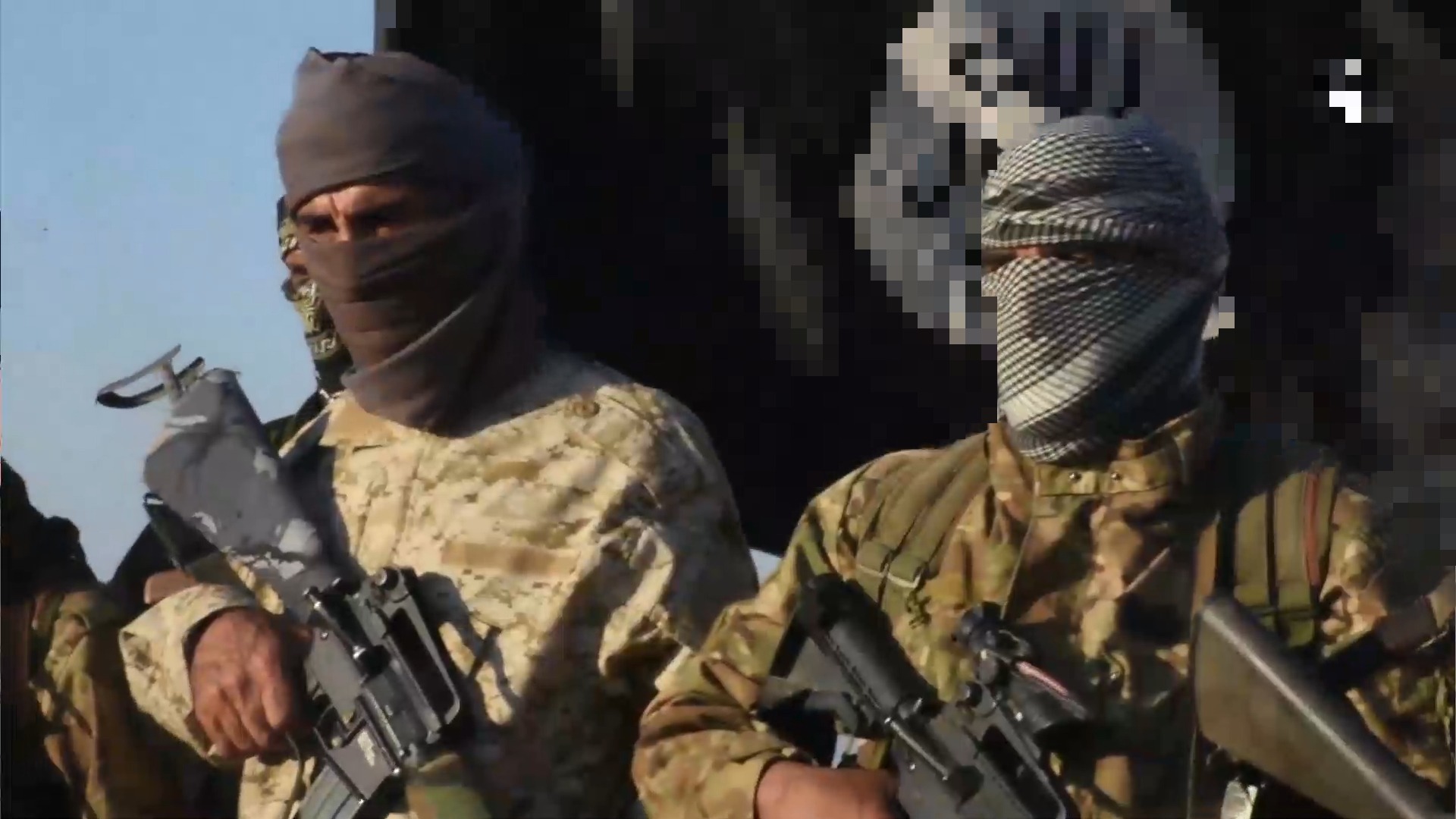
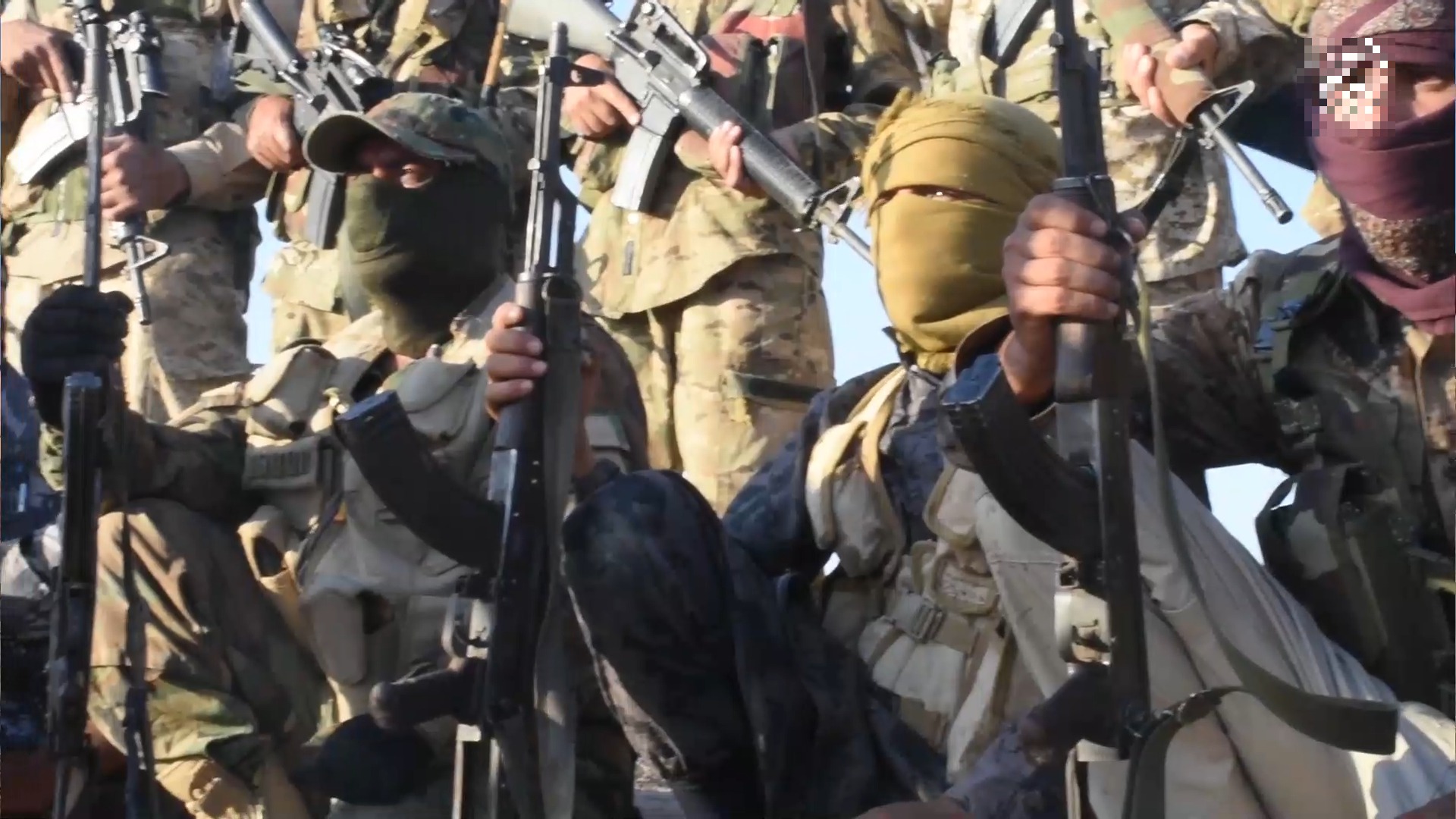
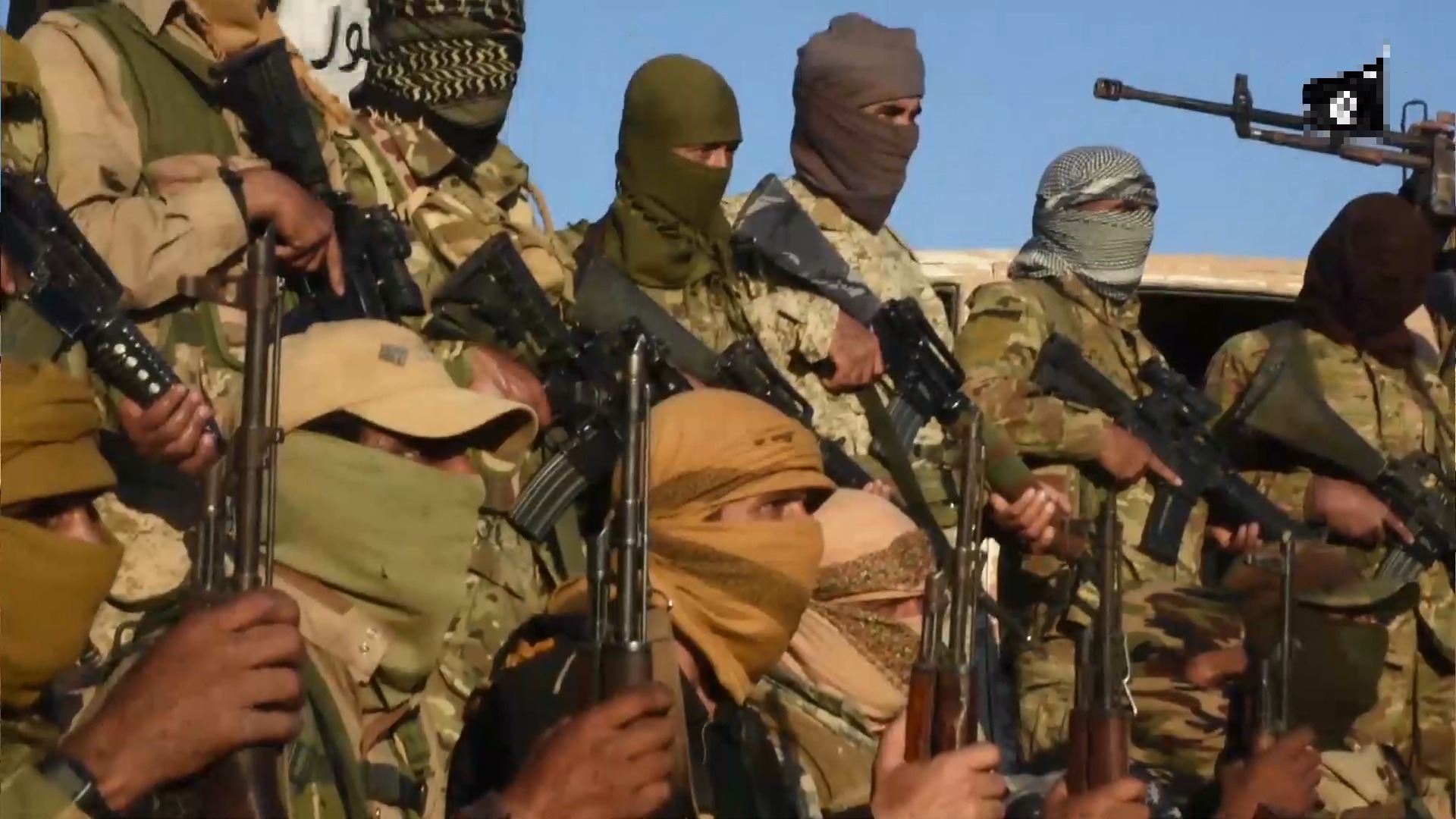
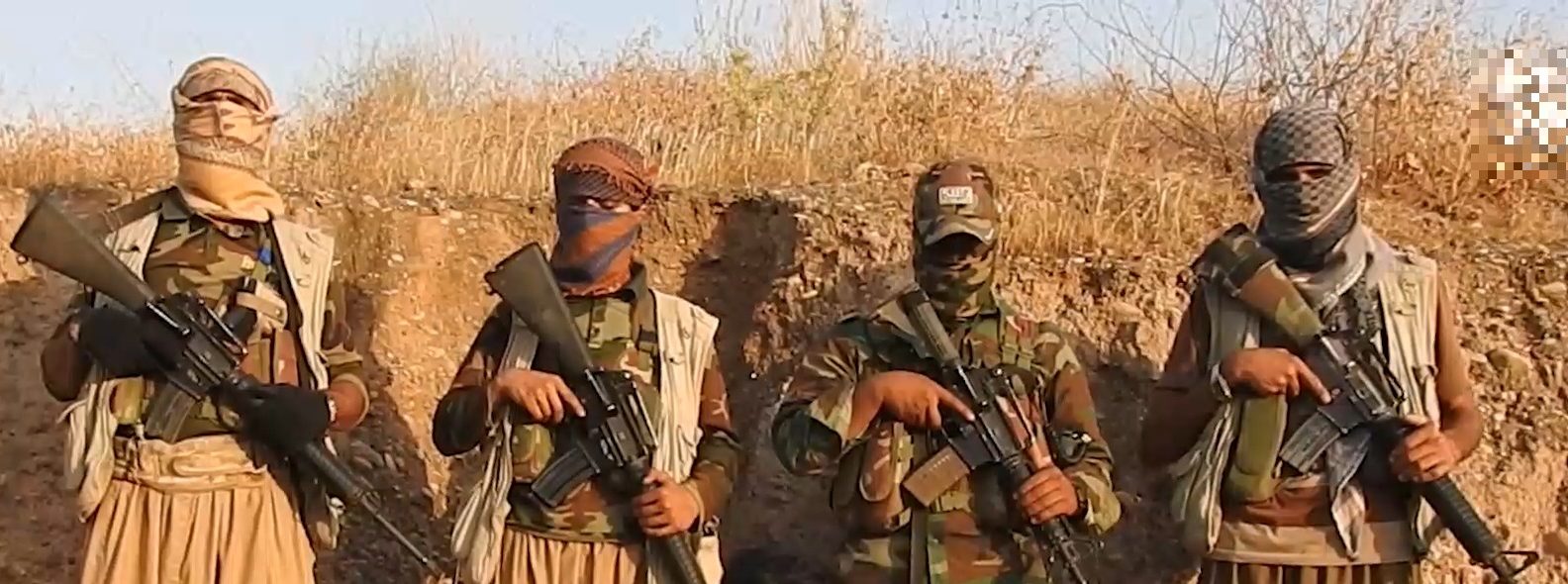
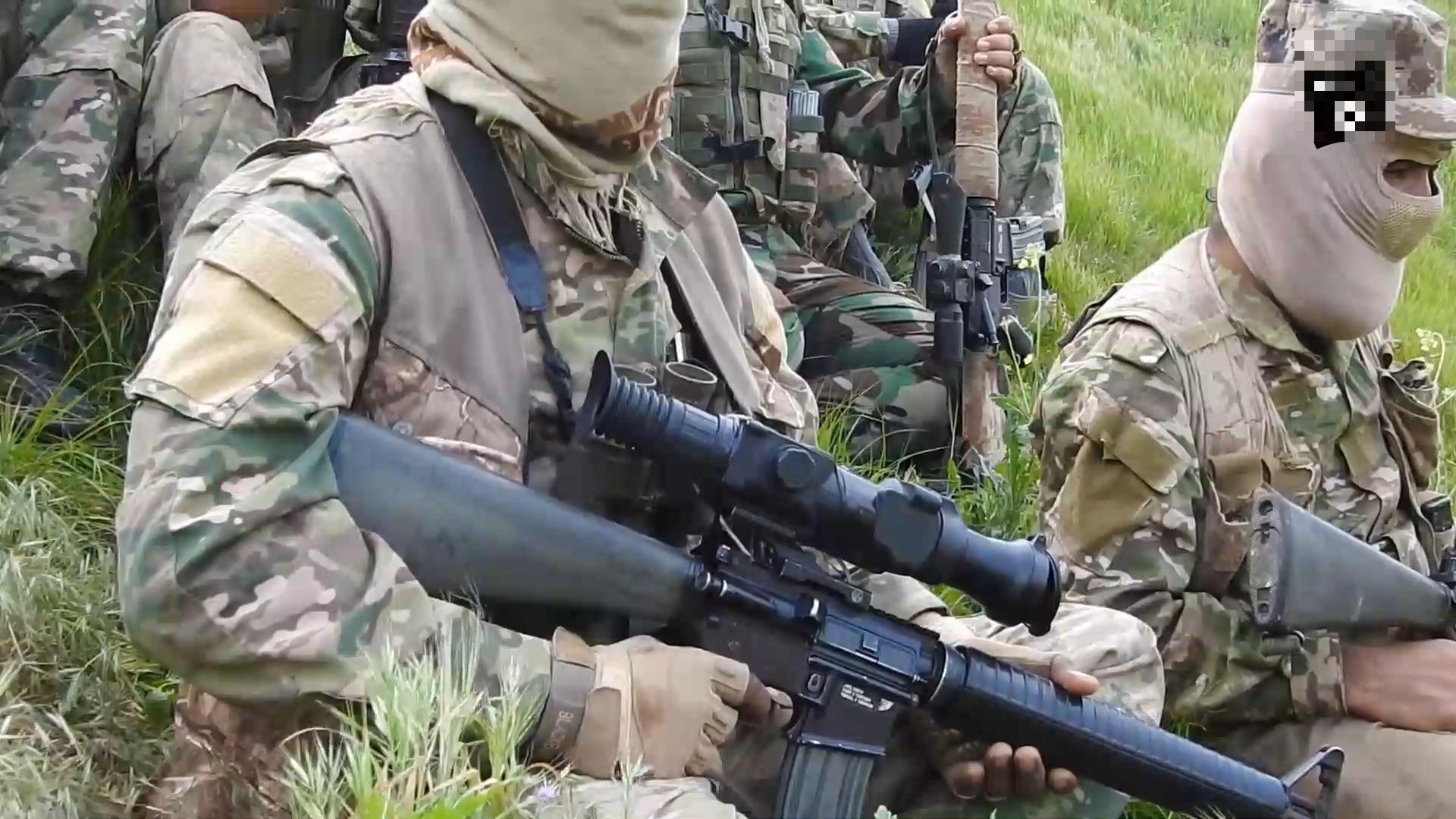
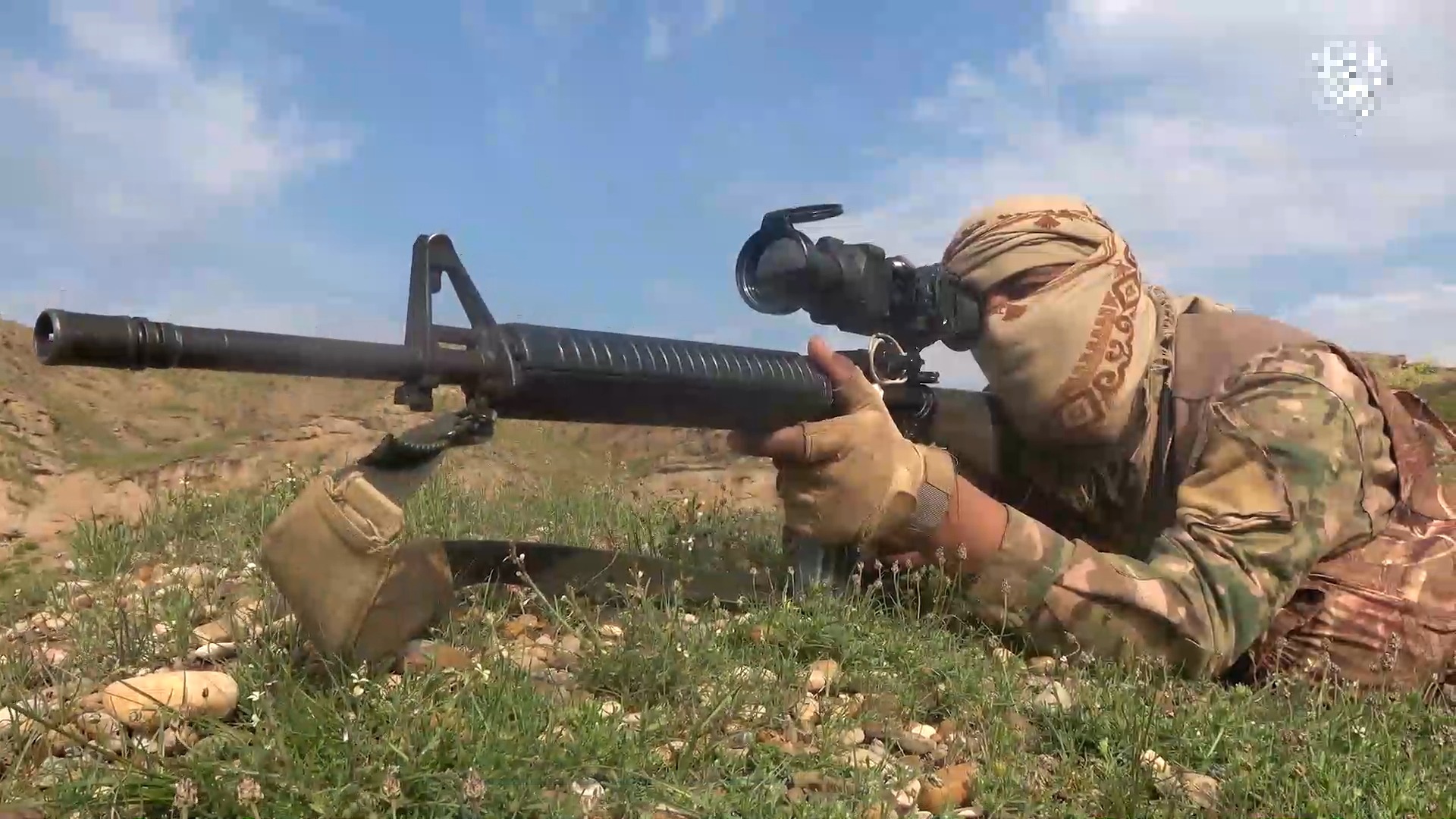
The rifles are of the common mix carried by ISIS militants in Iraq, AK-pattern self-loading rifles but also significant numbers of captured 5.56×45mm M4 carbines and M16 rifles. Besides a few AKs chambered in 5.45×39mm most shown were chambered in 7.62×39mm, the most common round Iraq. Although there are some 5.45×39mm AK-74 variants, namely the Kbk wz. 88 Tantal and small numbers of AKS-74U available, only a few AKS-74U appeared in the videos in the hands of high-level cell members and commanders. The AKS-74Us are status weapons which is a reason why they are carried but also because of their compact size. Most of the AK-pattern rifles shown where AKM and AKMS pattern rifles with only one AK (colloquially known as the AK-47, a designation never officially used by the Russian military) pattern rifle observed with the militants. Most of the M16 shown are M16A4, with a few M16A2, some of the M16A4 are being used as precision platforms with both long-range optics and thermal scopes.
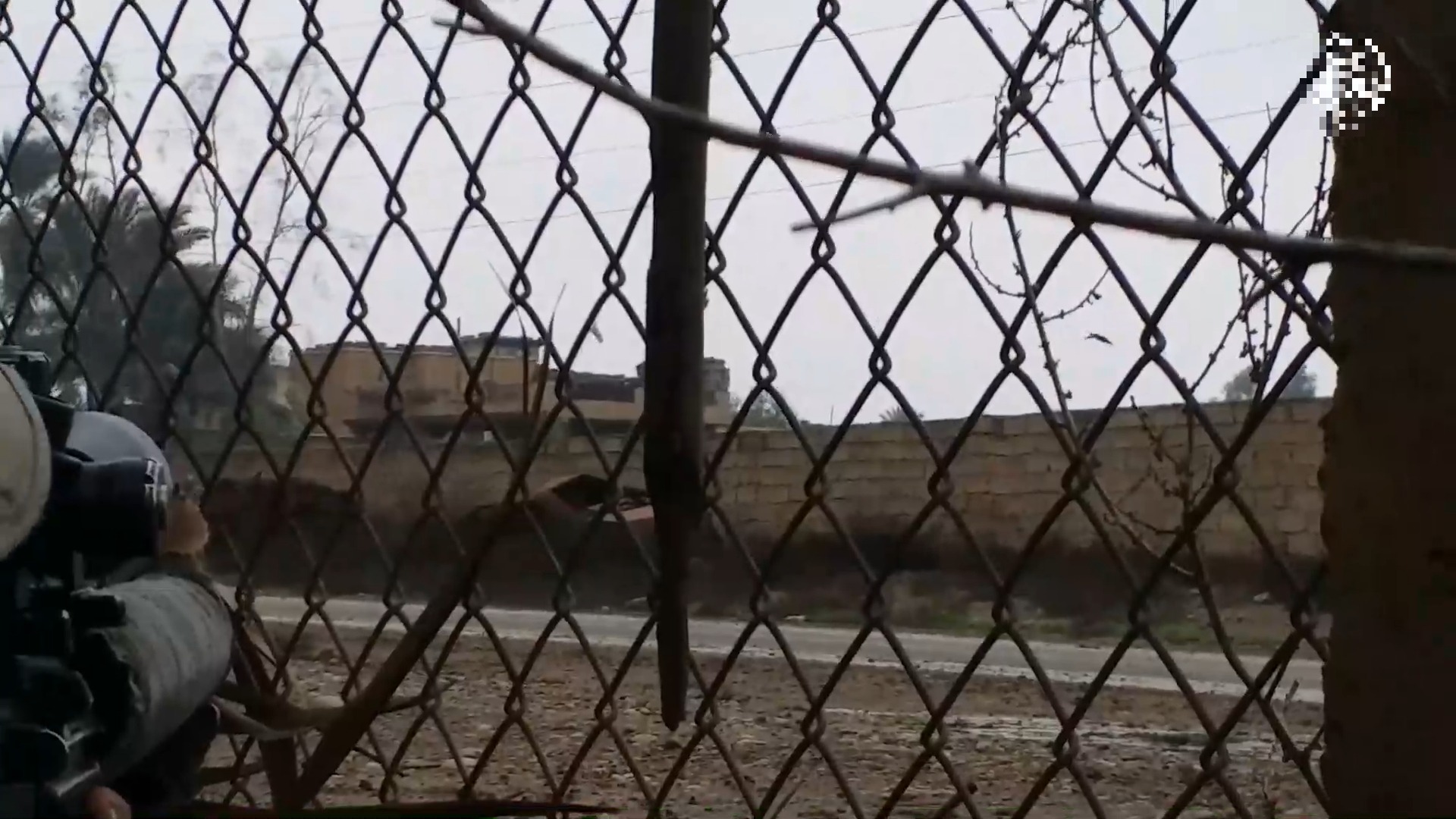
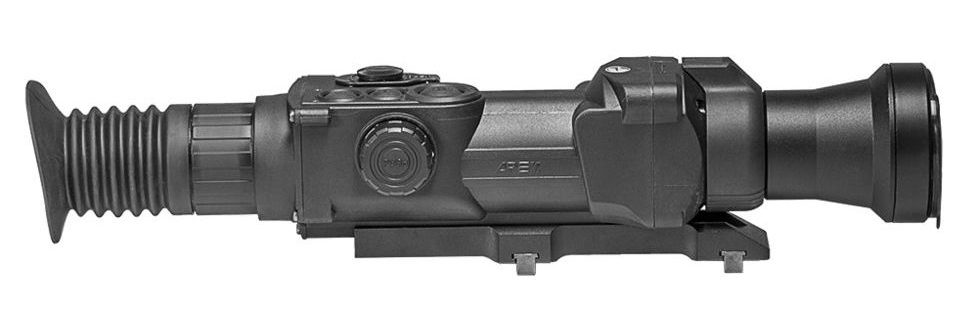
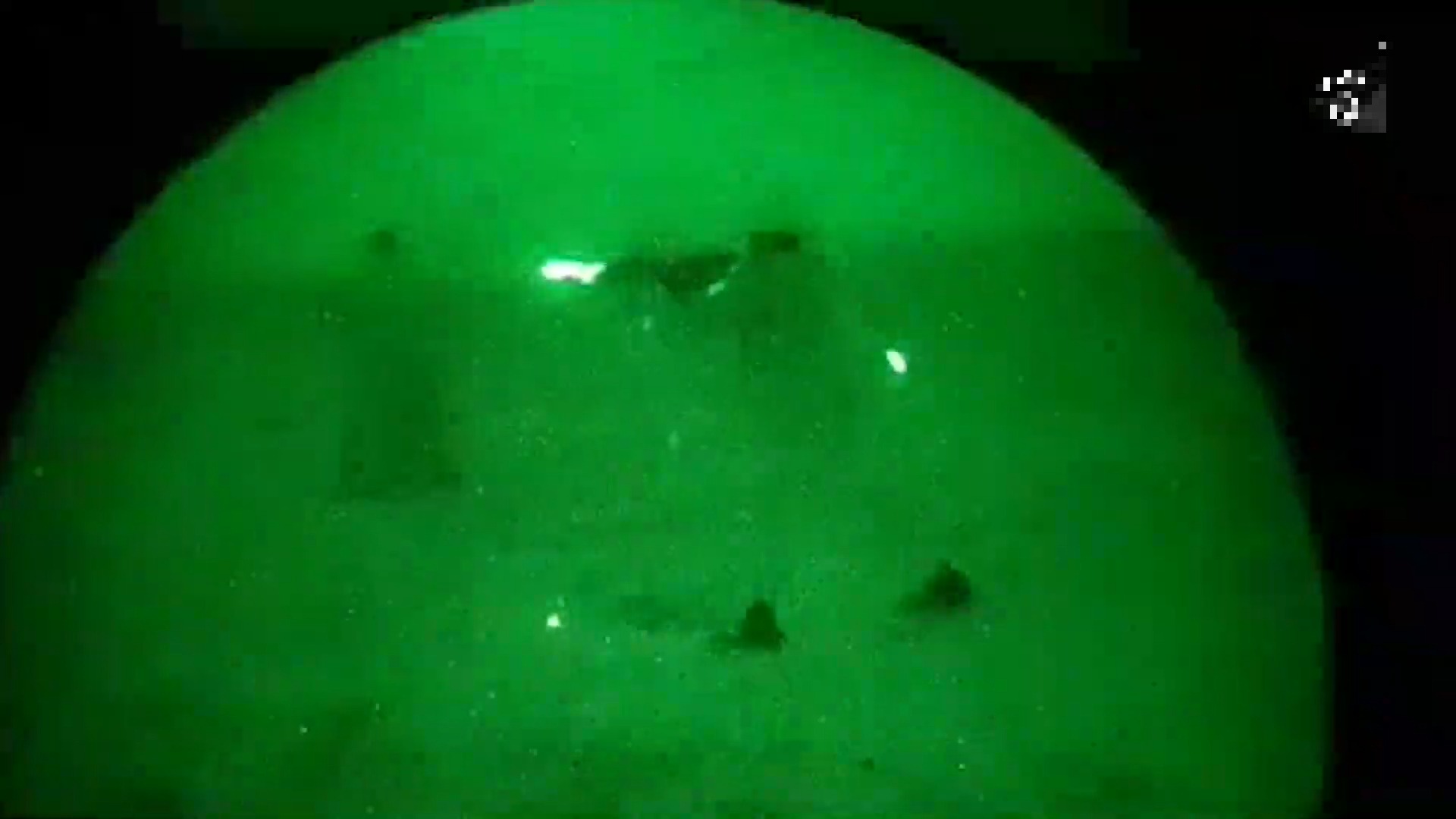
The thermal scopes observed in the video are Pulsar Apex XD75 which have been previously used to deadly effect by ISIS in Mosul. With the use of thermal scopes and night vision equipment, they have a significant advantage over Iraqi troops, of whom only the checkpoints are partially equipped with thermal cameras and a limited amount of night vision kit. ISIS uses this to their advantage with most raids and attacks being conducted at night. Some higher-level ISIS cells, squads and commanders also use M4 carbines of which one was seen to be equipped with a Pulsar Apex XD75 thermal scope and at least one SIG M400 was also observed in militant hands. Although some of these rifles could have leaked through corruption they were probably mainly captured from Iraqi security forces some time ago and either handed down to other fighters or put in a cache from which it was taken by the currently active militants. This is probably the case for most of the M16A4/A2, M4 and SIG M400s seen. The SIG M400 is unlikely to have been captured recently. A portion of the AKM/AKMS seen in the footage was probably also captured from Iraqi security forces but some could also have come from Syria where they were captured during the time of the “Caliphate” and then transferred to/with ISIS units to Iraq. The AKS-74Us almost certainly originated from Syria, they are not known to be used by the Iraqi security forces and are likely weapons transferred between Syria and Iraq by ISIS.
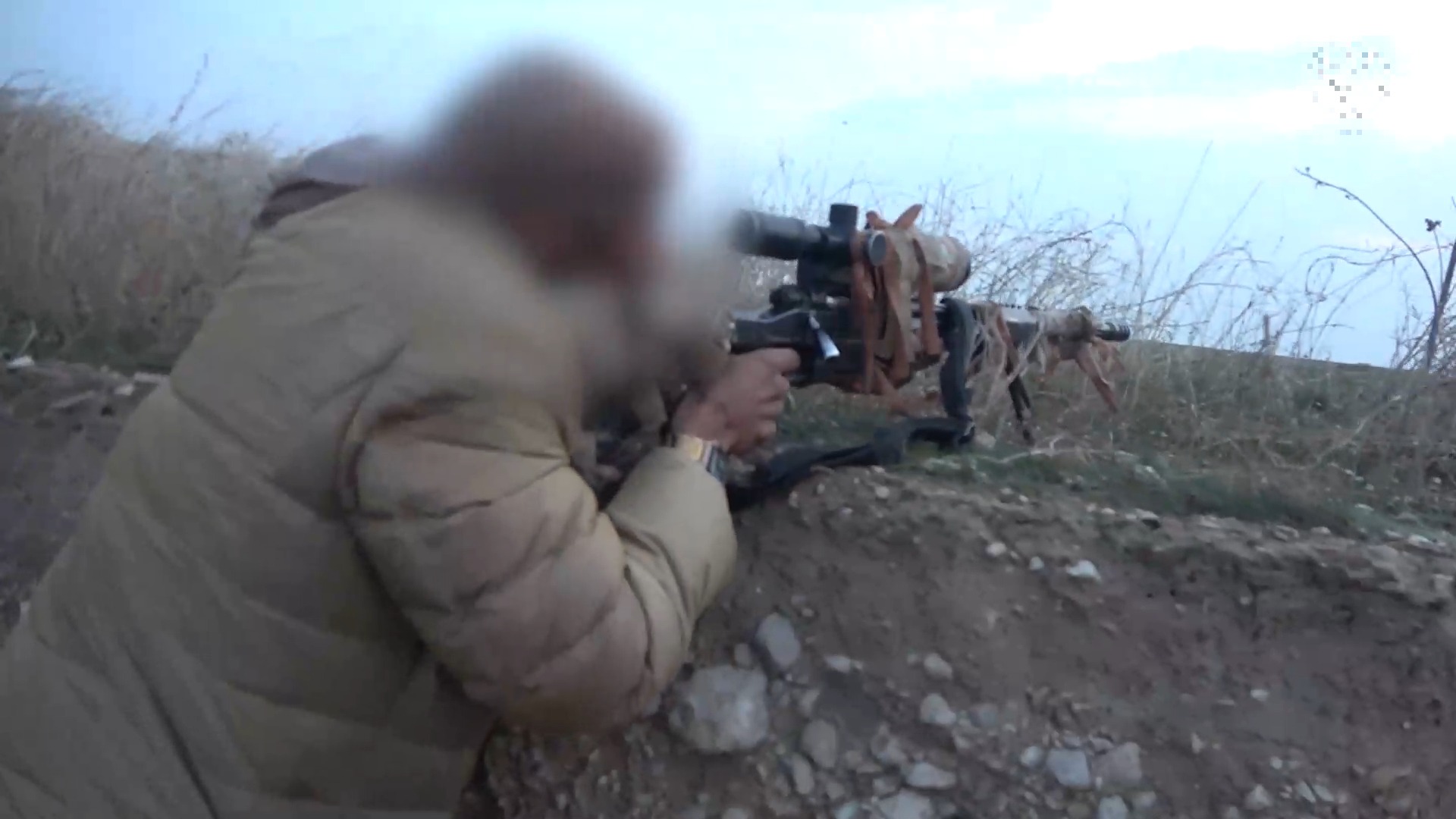
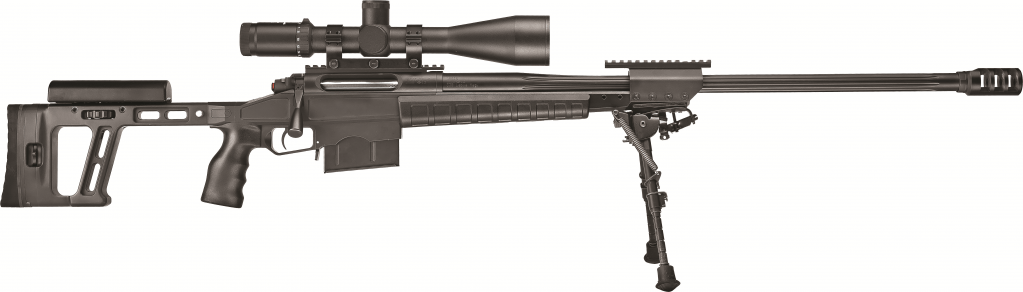
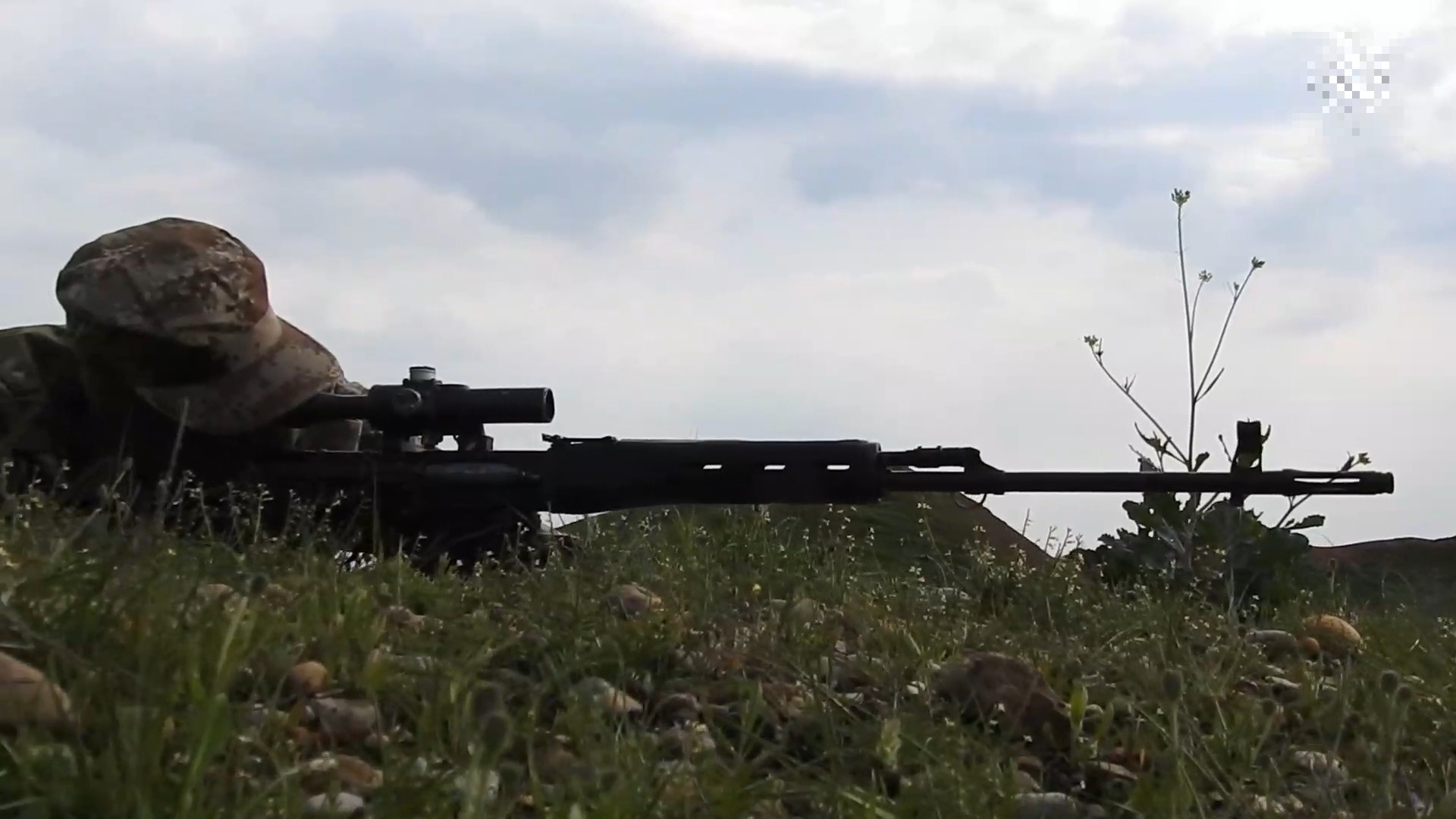
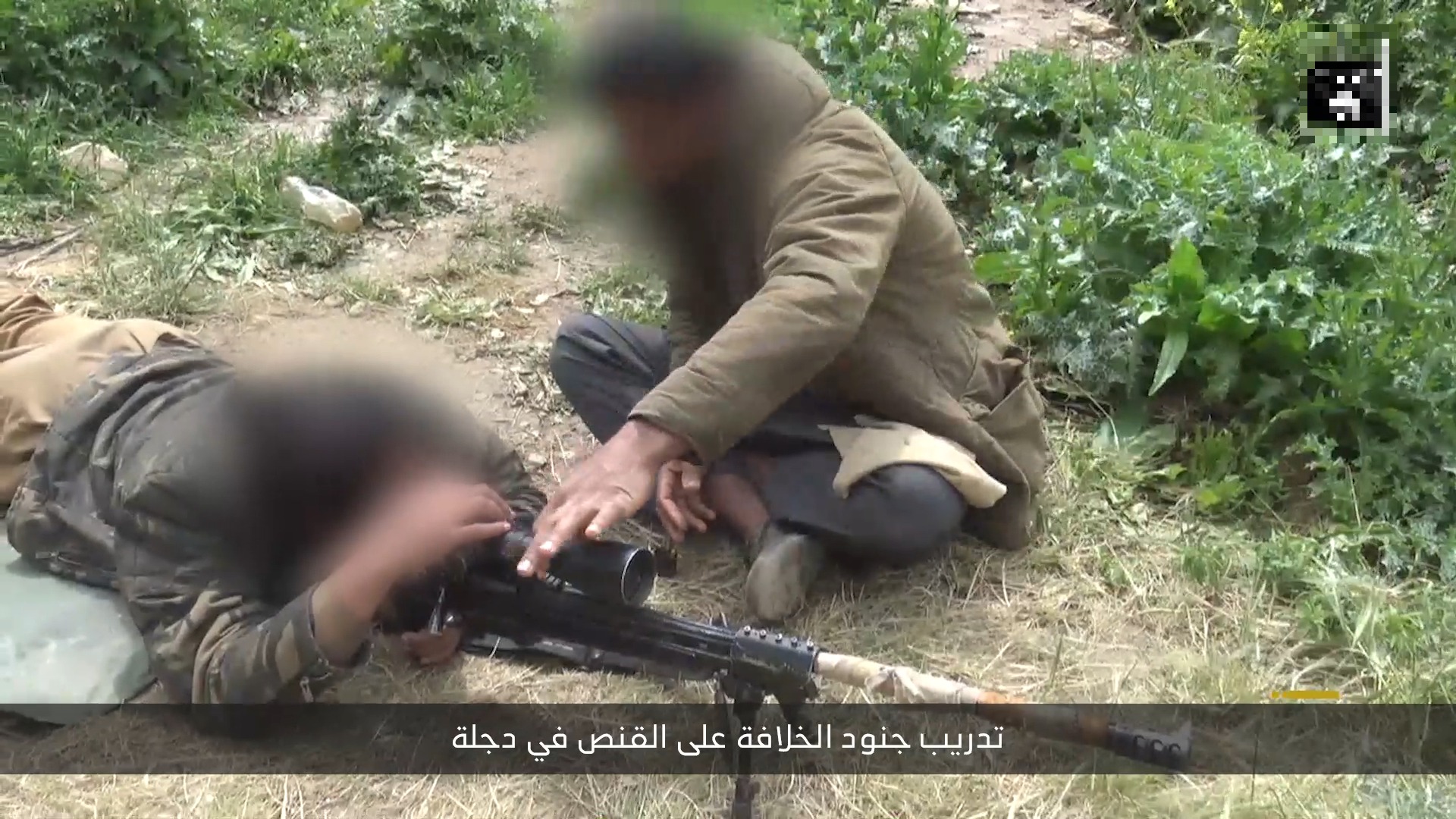
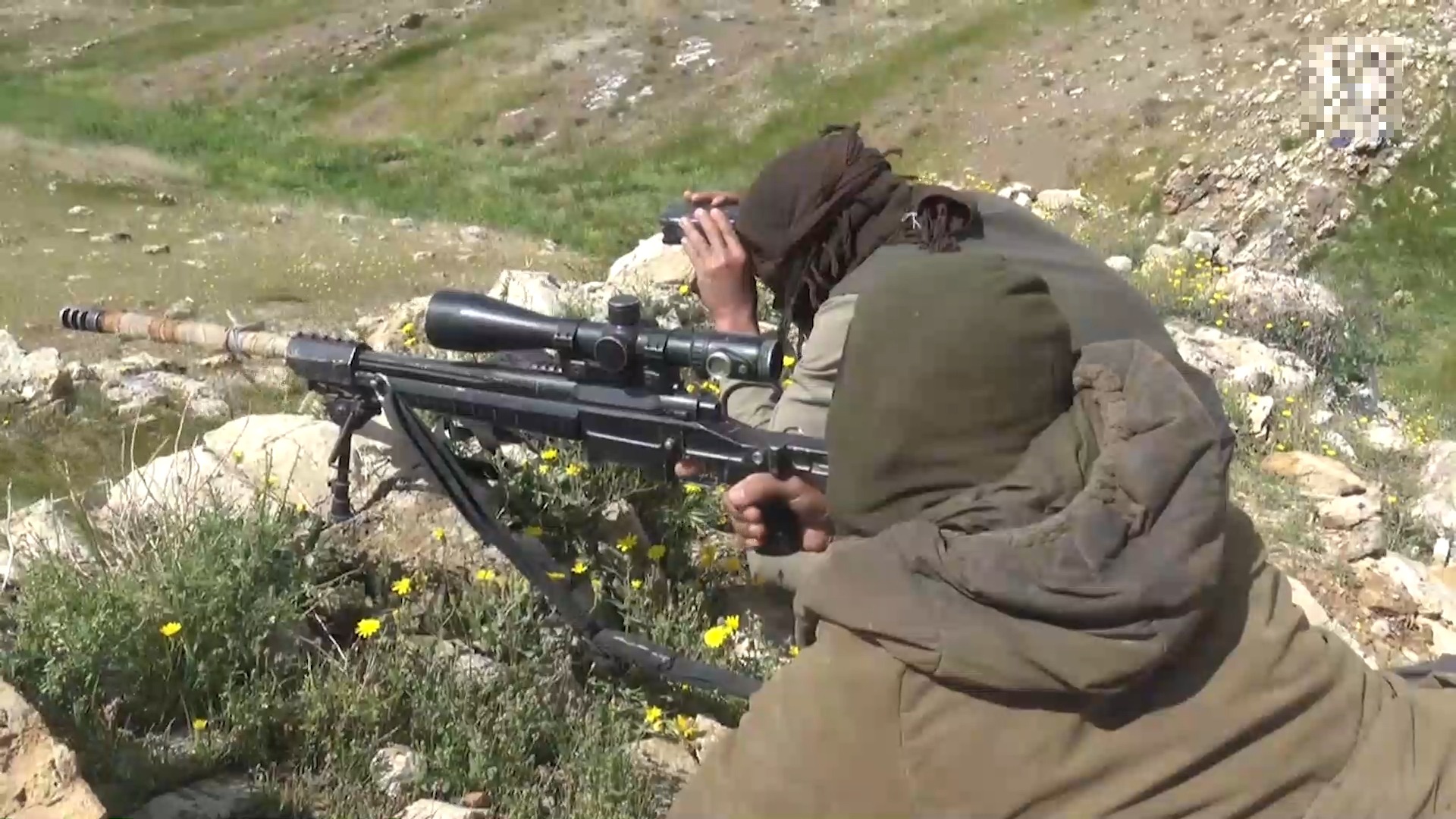
In the video, an ISIS sniper team is shown consisting of a shooter and a spotter training in the hills in northern Iraq which indicates they have a basic understanding of the subject. The source of the Russian Orsis T-5000 could be both ISOF (Iraqi Special Operations Forces) and the PMU/PMF (the Popular mobilization units/forces locally known as Hashd al-Shaabi) from whom it could have been captured or leaked through corruption. The source of the SVD could be same as the AKM/AKMS, via Syria or Iraq but it can’t be said with certainty that this is the source of this rifle.
If you enjoy our work here at Silah Report please consider supporting us on Patreon!
Sources:
[1]