This guest article was contributed by a Yemeni enthusiast who was able to show us some of the more unique and sometimes peculiar modifications that are made to small arms in Yemen. All photographs are locally sourced unless otherwise cited.
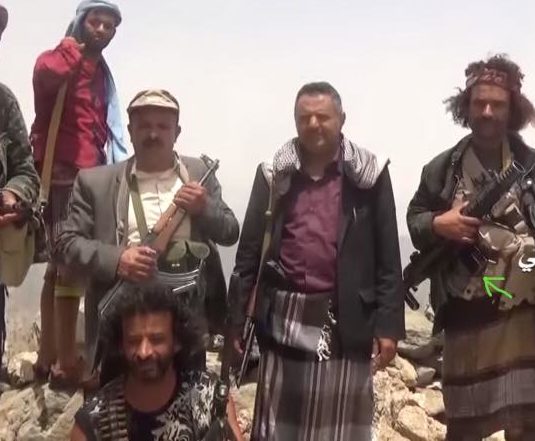
Generally, there is only one city that is known to modify small arms extensively in Yemen: Dhamar, in North Yemen (currently Houthi-controlled). Many of these modifications are done to shorten barrels, install side-folding stocks, or ‘modernise’ older rifles.
AMD65 to AKS-74U
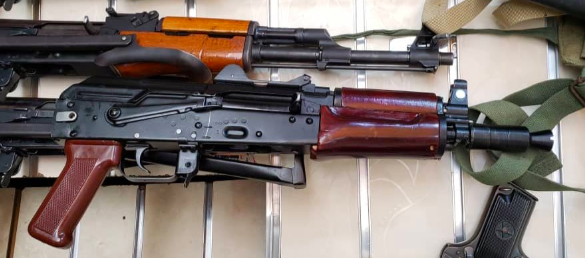
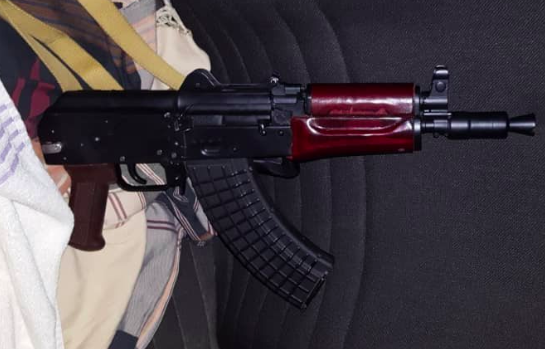
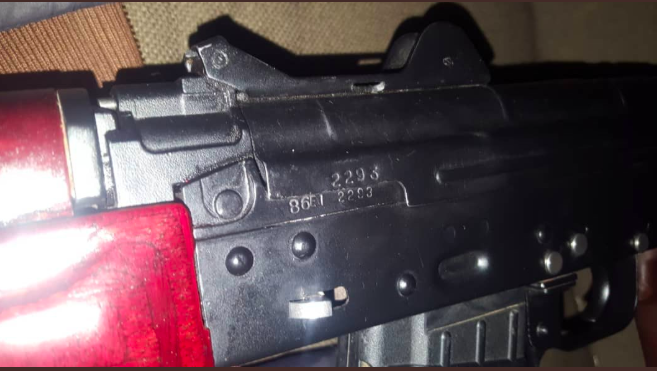
At first glance, this rifle could easily be mistaken for an AKS-74U. However, a closer look at the selector markings indicates that this weapon started life as a Hungarian AMD-65 variant; note the selector marking with the infinity symbol for the automatic position, and the “1” digit for semi-automatic. Another clue is the handguards, which appear to be wedged together too tightly, something we don’t see on post-1986 AKS-74U models or Bulgarian copies. The rivets don’t match up either,and the rear of the receiver appears to have been reworked to accommodate the side-folding ‘triangle’ stock of the AKS-74U.
DDR MPiKM to AKS-74U
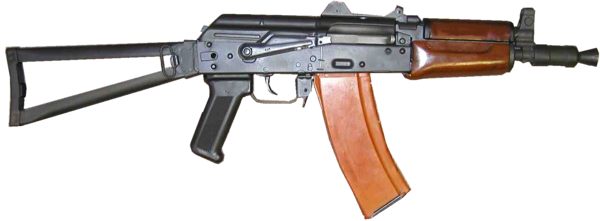
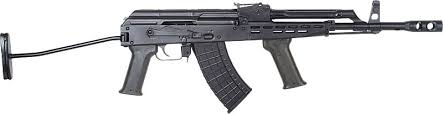
This is an example of an East German MPiK-series self-loading rifle that has been modified to appear as though it were an AKS-74U. Figure 2.1 shows the rifle fitted with a 7.62×39mm magazine instead of a 5.45×39mm magazine, which is a dead giveaway. but also is the oddly configured and brightly silver-coloured stock latch. Interestingly, the stock latches are similar to KpK AKS74Us in Pakistan in that the rifle can appear very close to the original, but the latch tends to be a giveaway of a fabrication.
South African R2 Conversions
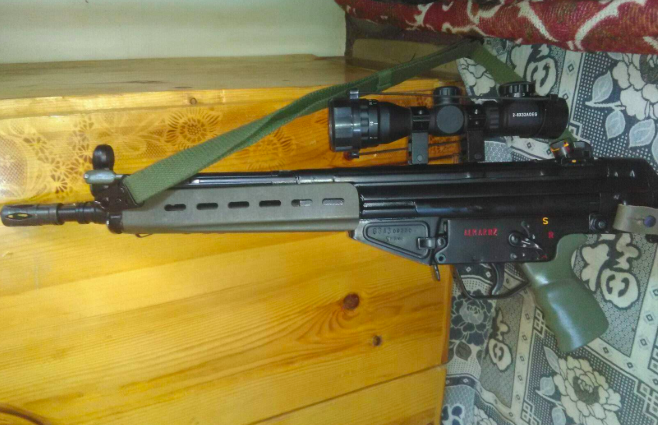
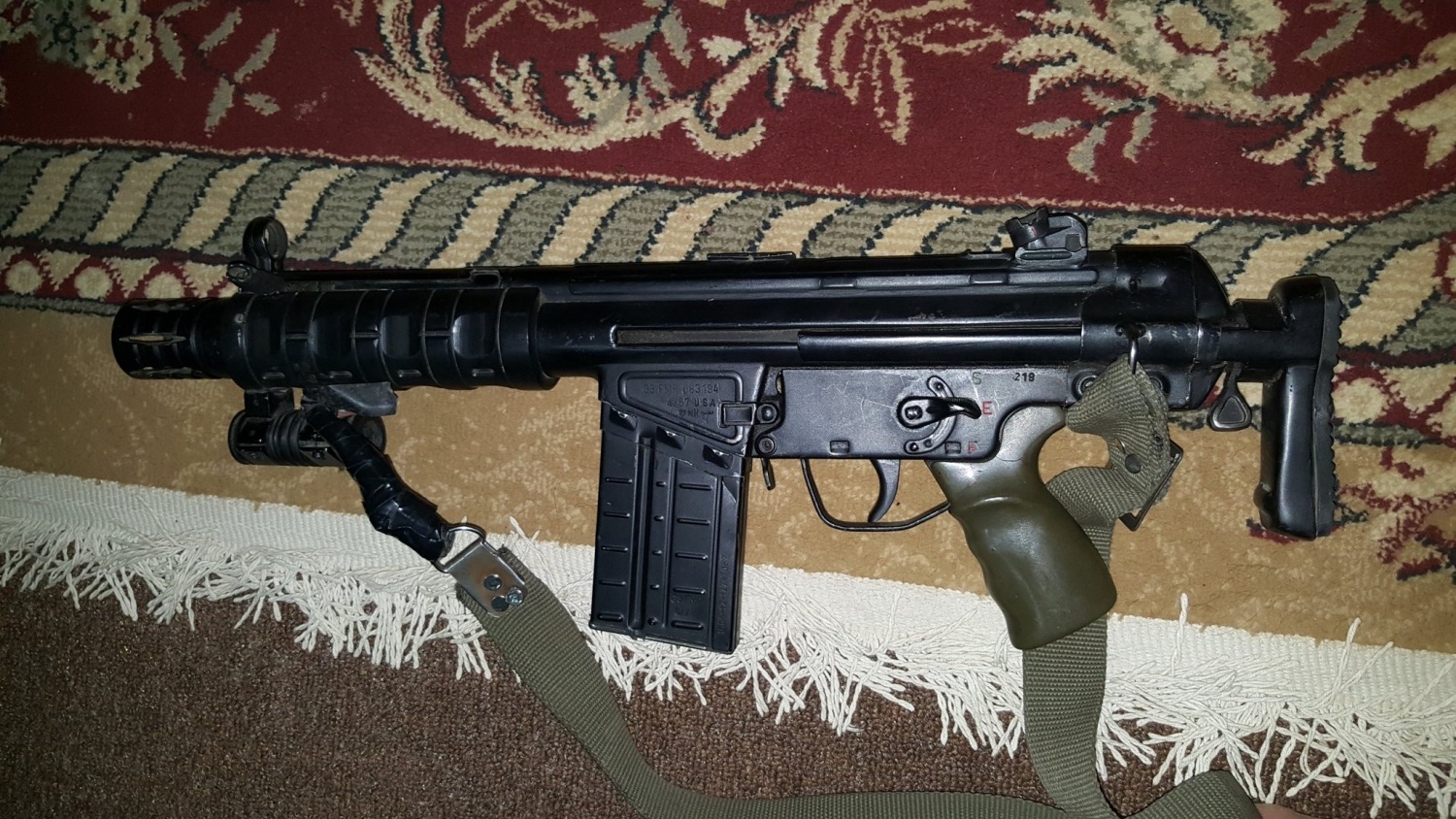
Figure 3.1 A Portuguese FMP G3 with South African R2 handguards. Note that the handguard has been cut-down to fit the carbine length barrel on this modified weapon (source: Yemeni social media via ARES CONMAT Database).
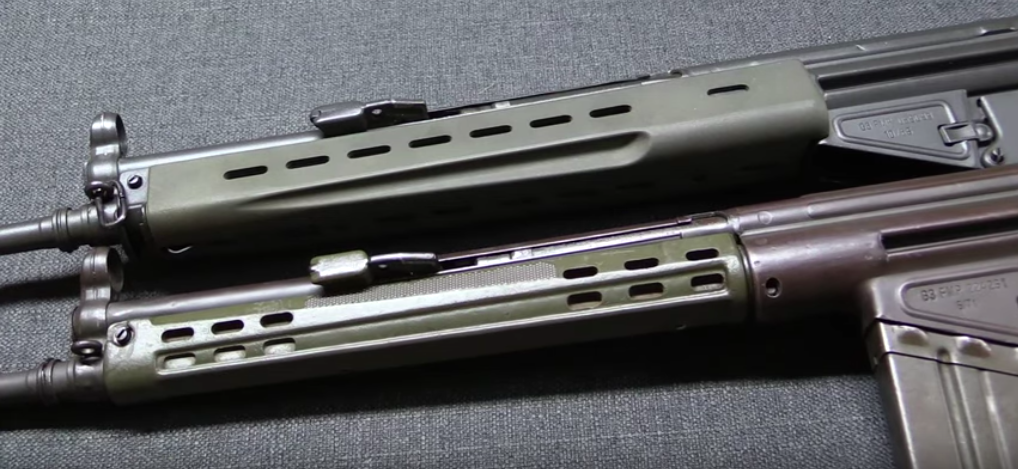
These G3 rifles pose an interesting Yemeni phenomenon, with their origins in several countries. The base rifles themselves are Portuguese license-produced copies of the Heckler & Koch G3, as made by the FMP arms factory in Portugal. They were later sold to South Africa, where they were adopted as the R2 service rifle. However, due to issues with the Portuguese-made handguards, South Africa replaced them with a modified design purchased from Choate Machine & Tool in the United States (see Figure 4.2).
Some of these US-made handguards have been cut short, to fit cut-down barrels seen on some of these modified rifles. This is important to take into account because the original Portuguese models were full-length rifle variants. Yemeni makers often infill the selector markings with a finish of yellow colour, and sometimes add their own original markings into the receivers.
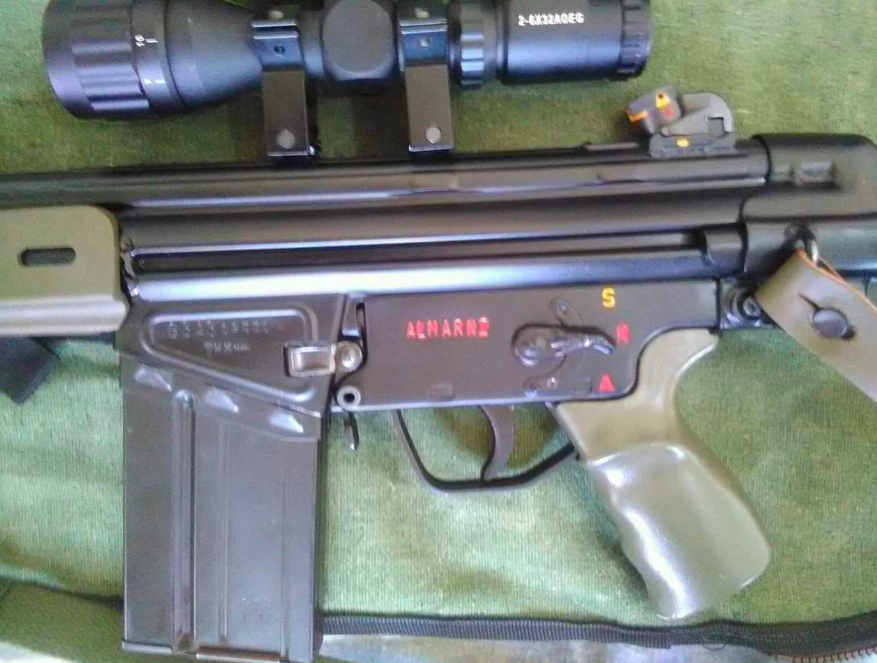
G3 Cosmetic Modifications
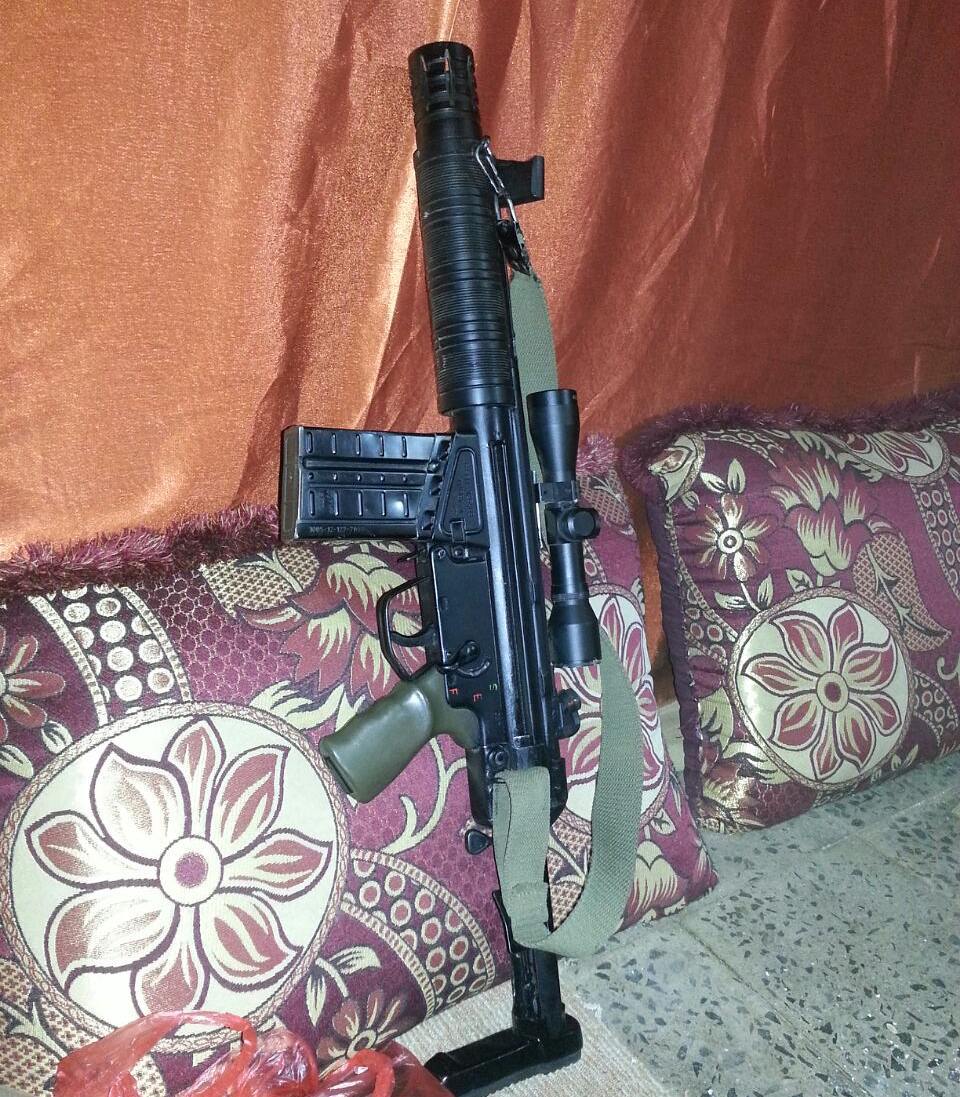
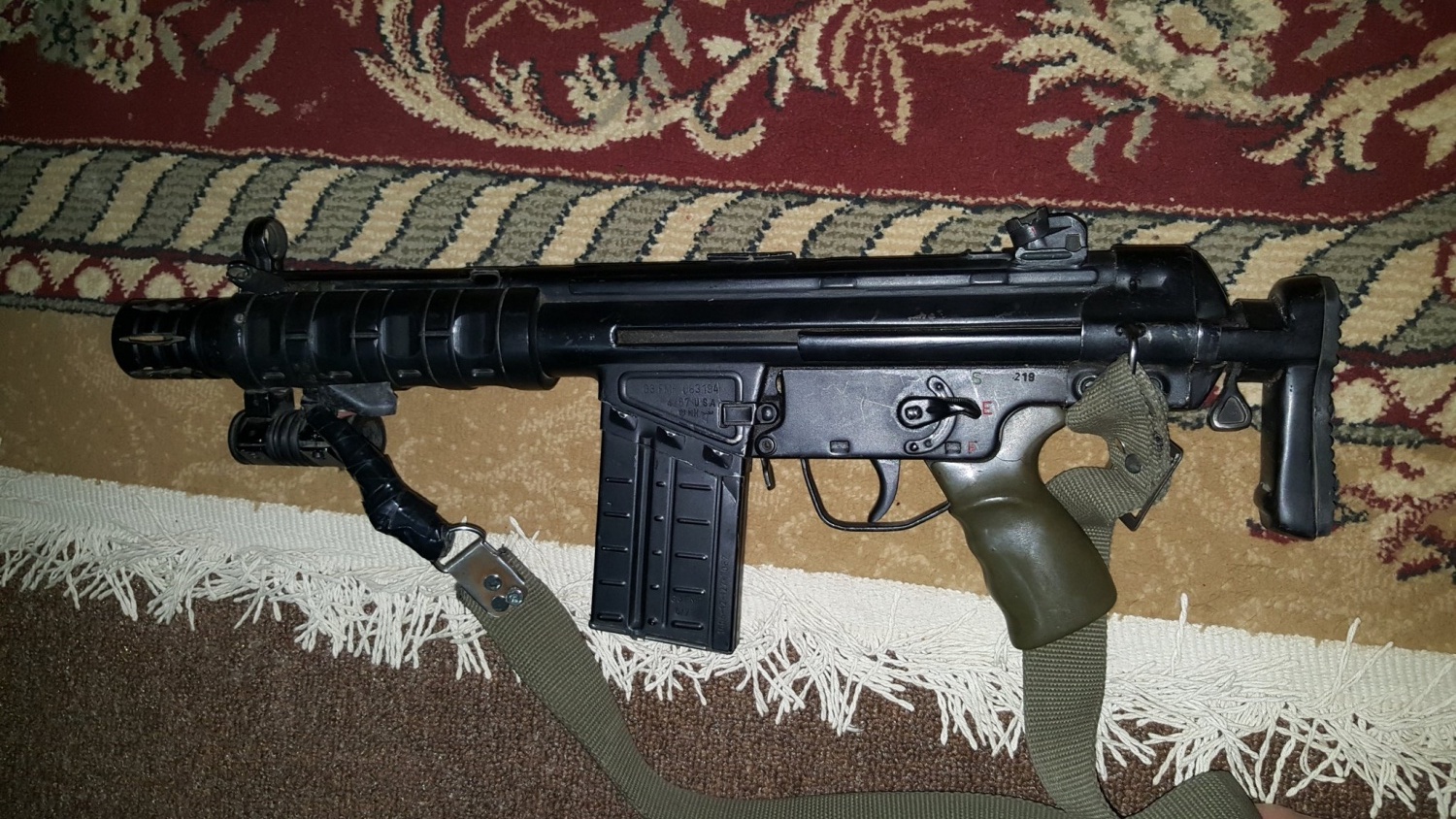
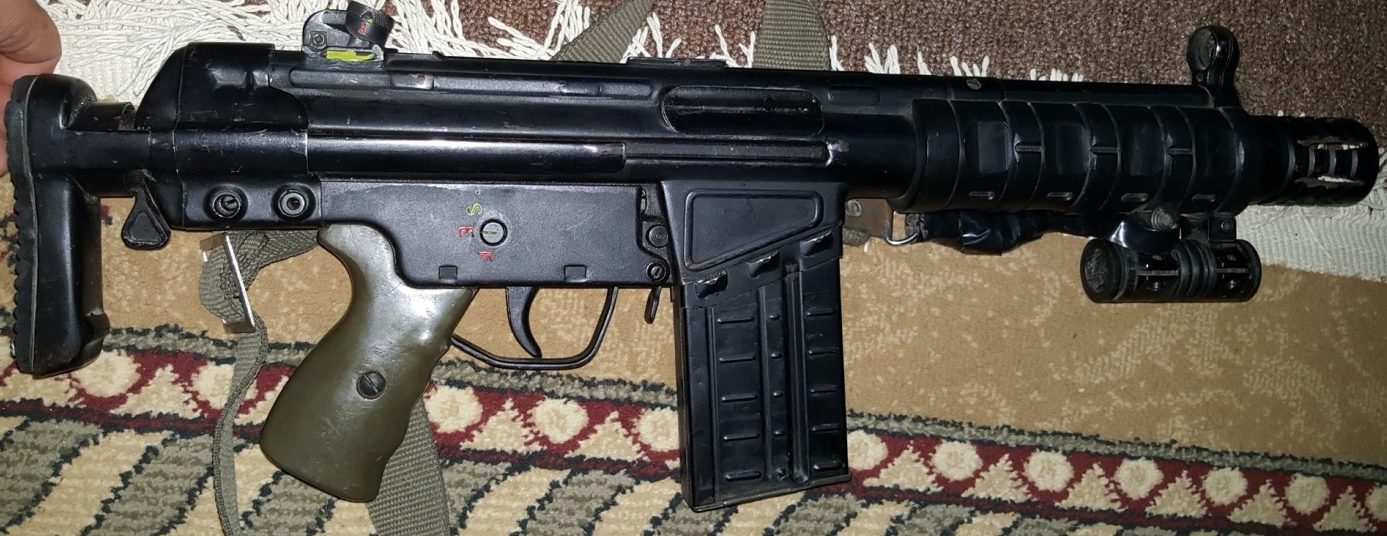
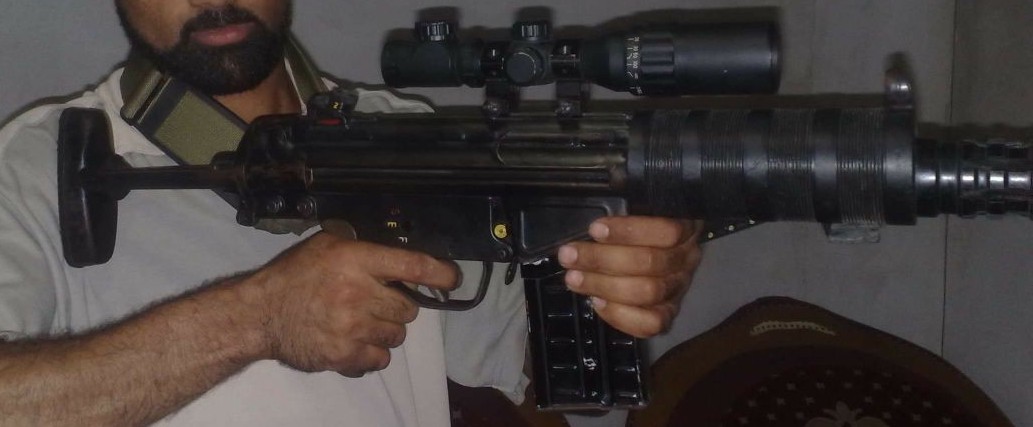
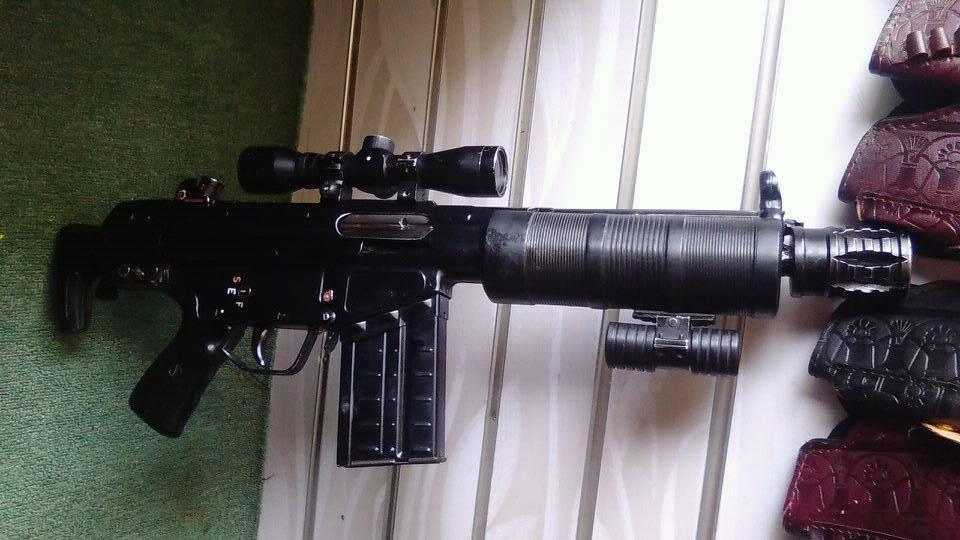
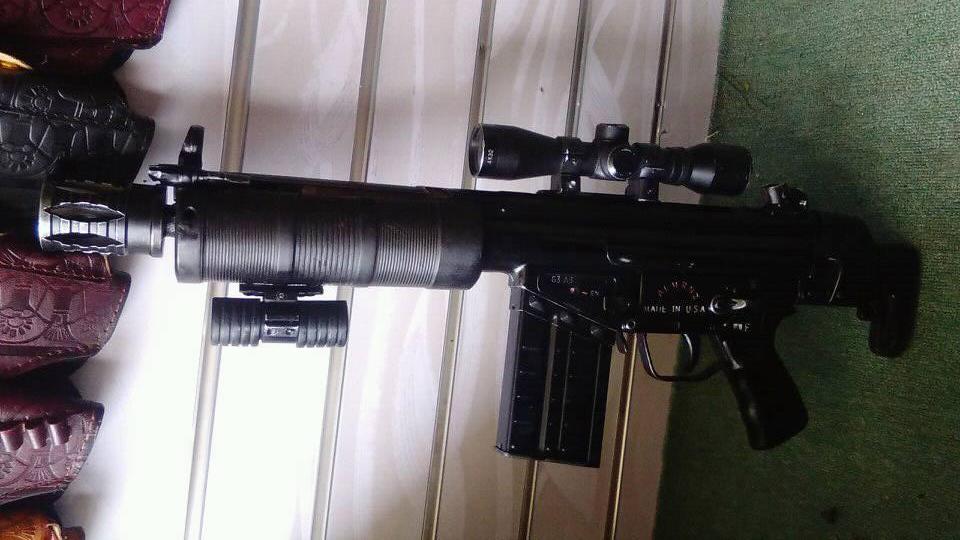
Amongst the most striking modifications that are observed in Yemen are the cosmetic modifications made to G3 rifles. In particular, visually-distinctive muzzle devices and handguards have been the cause for much discussion amongst analysts. Some have speculated that the over-sized muzzle devices and cylindrical handguards—both of a similar diameter and colour—together constitute suppressors or even rifle grenade launching devices. In fact, confidential sources in Yemen have indicated that they are simply aesthetic modifications designed to increase the value of the weapon on Yemeni markets.
Anti-Materiel Rifle Conversion
Other strange conversions can be found on the Yemeni arms market as well. Pictured below is a 12.7 × 108 mm craft-produced anti-materiel rifle, allegedly assembled from a range of factory-made components. The receiver is that of an NSV heavy machine gun, as reported by Armament Research Services.
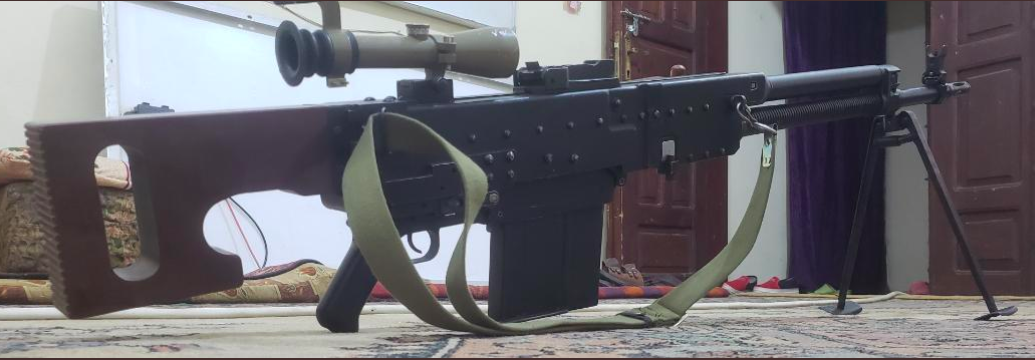
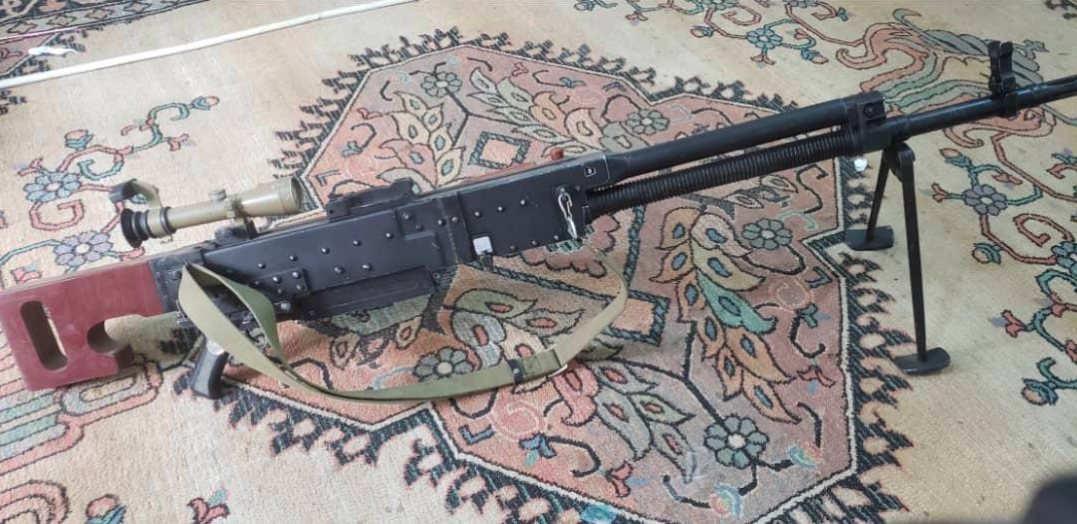
Figure 5.2 NSV-based anti-materiel rifle (source: Yemeni social media via ARES CONMAT Database).
Sources
Armament Research Services (ARES). 2019. Conflict Materiel (CONMAT) Database. Confidential.
McCollum, Ian. 2019. ‘South African R2 and its Special Furniture’. Forgotten Weapons. <https://www.youtube.com/watch?v=DZeZdH-EBrA>.
Remember, all arms and munitions are dangerous. Treat all firearms as if they are loaded, and all munitions as if they are live, until you have personally confirmed otherwise. If you do not have specialist knowledge, never assume that arms or munitions are safe to handle until they have been inspected by a subject matter specialist. You should not approach, handle, move, operate, or modify arms and munitions unless explicitly trained to do so. If you encounter any unexploded ordnance (UXO) or explosive remnants of war (ERW), always remember the ‘ARMS’ acronym:
AVOID the area
RECORD all relevant information
MARK the area from a safe distance to warn others
SEEK assistance from the relevant authorities
Hmm……he is a “khan” and kicks those off of sturgeonshouse blog for countering “official” narratives with actual facts. He was employed by the oppressive US military….hmm seems to me like traits of a megalomaniac dixtator wannabee… something the all-lies were