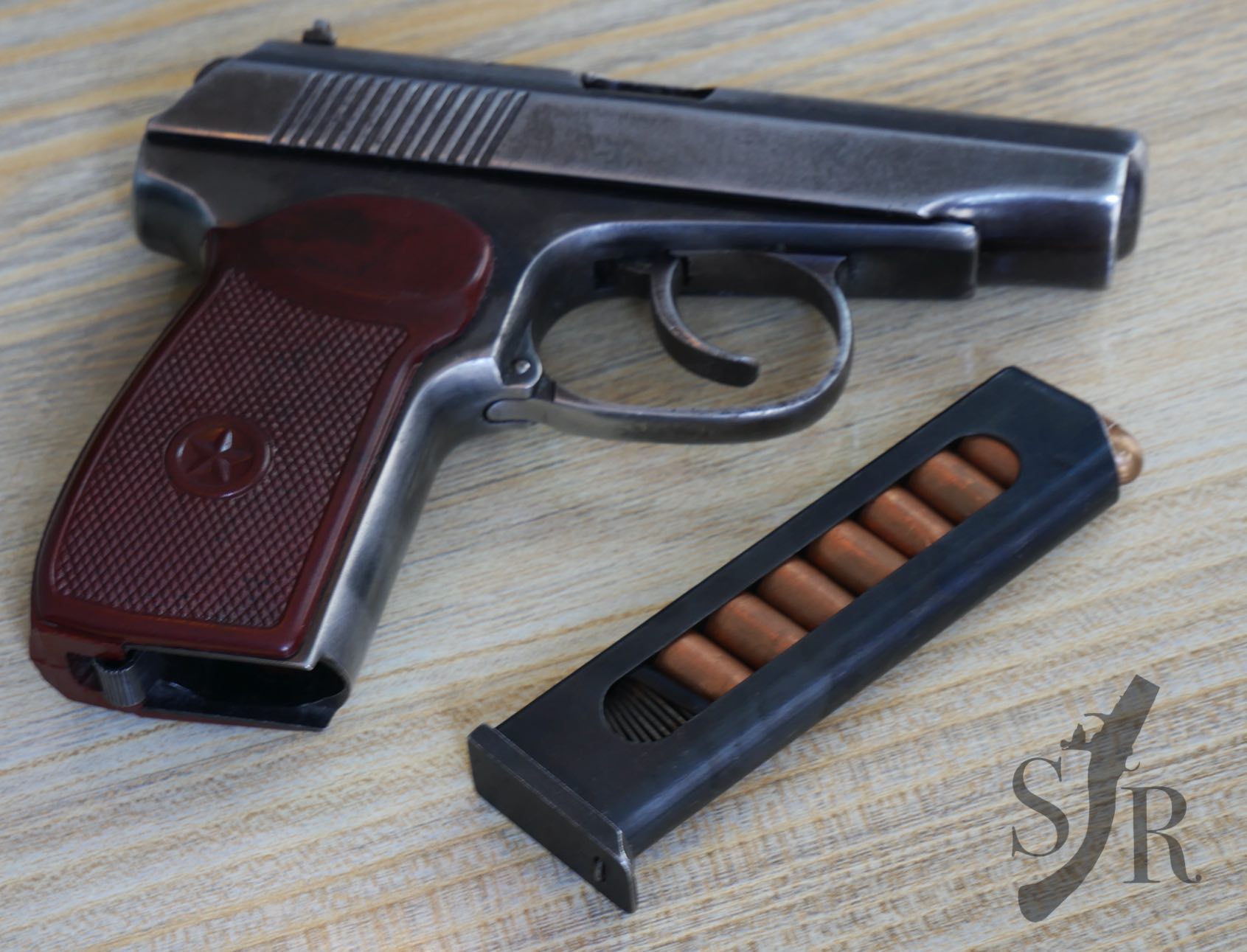
While in Afghanistan we received the unique opportunity to examine a 9×18mm PM Makarov-patterned self-loading handgun that was produced in the Khyber Pakhtunkhwa (خیبر پښتونخوا, Land of the Pakhtuns) region of northeastern Pakistan (formerly known as the North West Frontier Province, NWFP). Small arms produced in this region have been colloquially referred to as “Khyber Pass Guns” in the West due to their point of travel into Afghanistan through the passage of steep mountain valleys between Torkham in Pakistan and Jalalabad in Afghanistan. Somewhat of a misnomer, the majority of these firearms are actually made nowhere near the Khyber Pass. Instead, a more correct and prominent center of gun making in the region is the small town of Darra Adam Khel (درہ آدم خیل), which lies approximately 40 kilometers due south from Peshawar, the capital of Khyber Pakhtunkhwa.
The name ‘Darra’ is important to take into account because locals on the ground refer to indigenously-produced firearms as “Darraie”(درهی) guns, adding the Dari descriptive suffix to the first name of the town, Darra. Although Darra Adam Khel has always been the center of craft firearms production in the region, there have been many other villages that engaged in gun making as well. Many of these have lost their prominence or have been shut down in the modern era. Despite this discrepancy in the actual origin of any firearm from Darra or from another village, Afghans and Pakistanis will refer to any firearm locally produced or assembled as a “Darraie” gun.
Among many Western analysts and experts, there is an attitude to refer to indigenous firearms that are almost carbon-copied from their original counterparts as “copies” or “fakes”. However, the reality is quite different when looked upon with a critical eye. These firearms aren’t made to “trick” or “fool” a local or tourist into purchasing a seemingly authentic rifle, only to find out later it was not an authentic production (but this hasn’t stopped generations of travellers from falling into this predicament, if only for a lack of tact). It is a very implicit understanding between buyer and seller whether or not a firearm is a Darraie (otherwise referred to as “Badaa”, copy or fake in Dari), or an “Asleey” (Dari for “Original”(اصلی).
The difference will be in the price and intent. The reason why one would purchase a Darraie instead of an original is that buyers want something that is as close to the original firearm as possible, but the price for an original might be too high, or might not be available at all. Affluent Afghans will always be sure to tell guests that their firearms are in fact the “Real Deal” as one Kabul-based antique shop seller put it, as opposed to being a “Darraie” that lower-class Afghans might have to contend with. Of course, there might be a few hiccups, unknowns, and misidentifications among sellers and customers, but for the most part originals and Darraies are very well segregated within the Afghan and Pakistani markets.
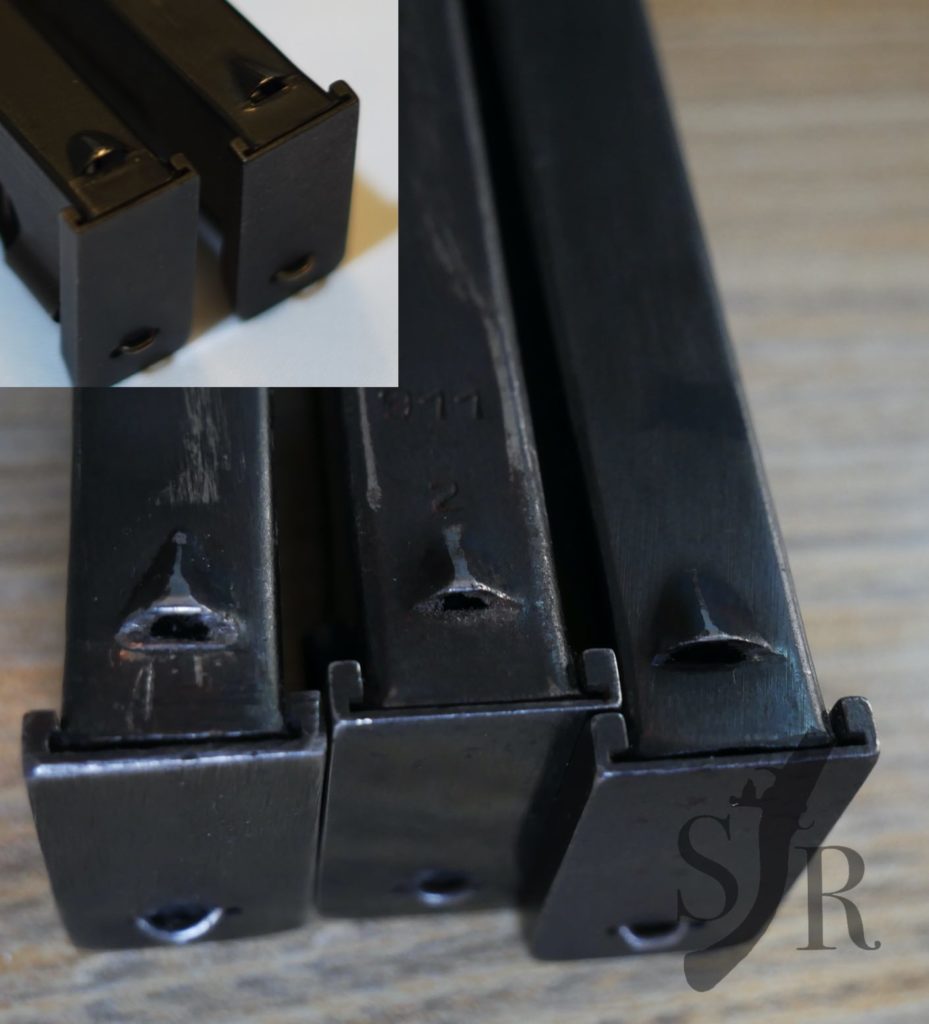
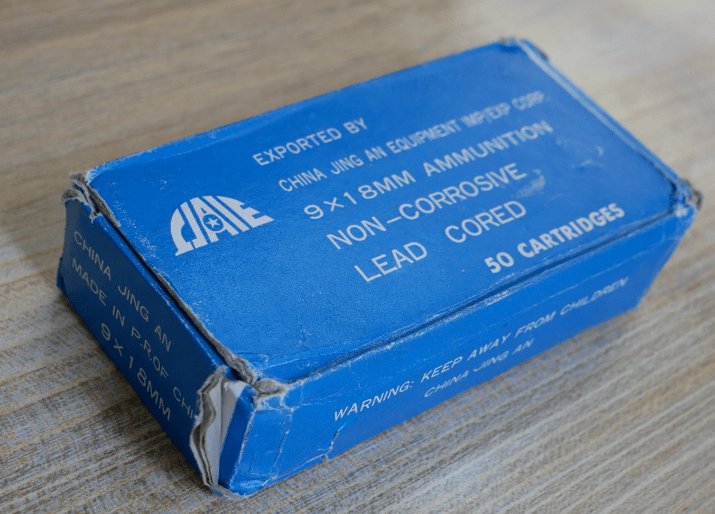
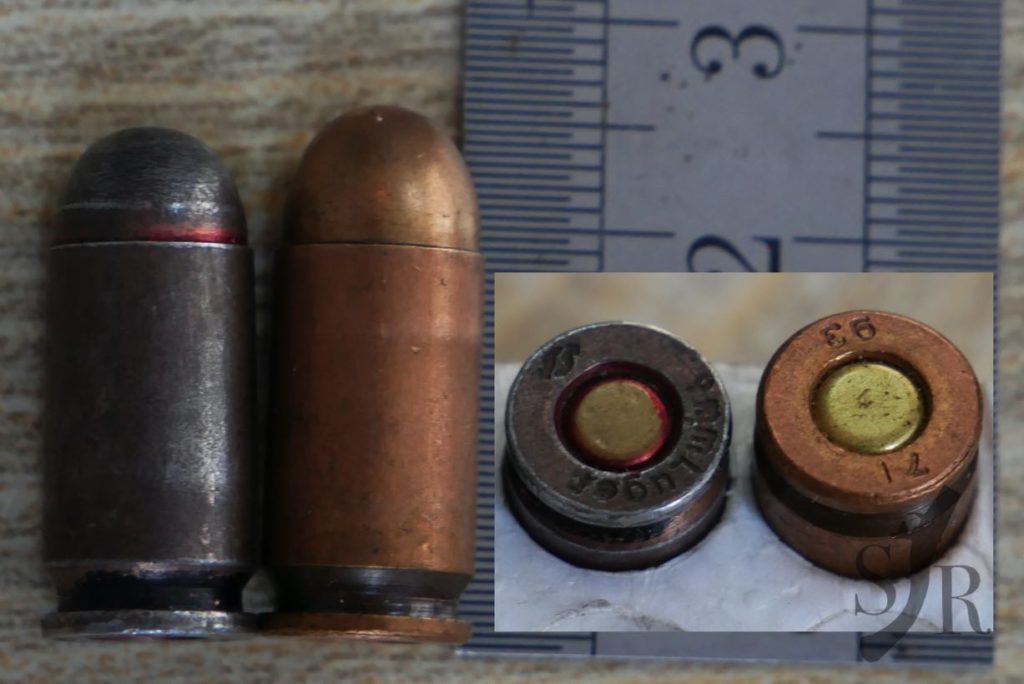
In examining this particular Darraie Soviet Makarov-patterned copy, we will first start with a description of the market surrounding the handgun. The owner purchased it on the Kabul black market for approximately $300 which included a magazine and 4 rounds of 9×18mm ammunition, also reloaded in the KPK Region. For another $300, two more magazines and 50 rounds of Chinese 9×18mm ammunition still in its original foam and cardboard packaging were purchased. These prices are typical for ammunition and a Darraie Makarov on the Kabul black market. An original Soviet Makarov will fetch double the $300 price tag and even more based on its condition and scarcity on the market.
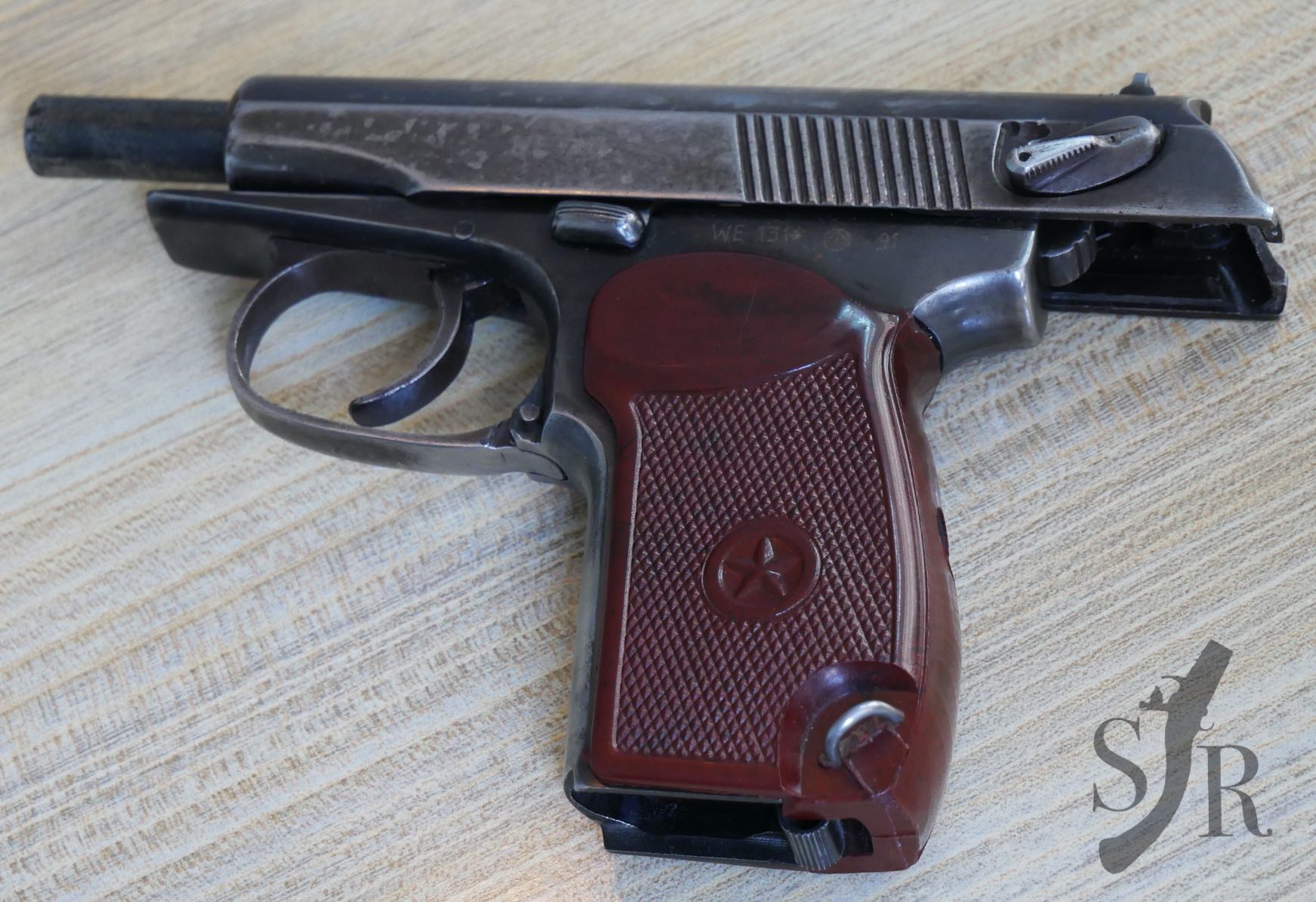
At a cursory glance and without a basic knowledge of PM Makarov variants and derivatives, the Darraie Makarov handgun is made true to form and would appear to simply be another weathered handgun, a survivor of decades of fighting in the region. The left side of the handgun has a stencilled factory scrawl of “WE 1314 (Izhmash Triangle) 91”, with an alleged manufacture date of 1991 (but this isn’t present on the slide). The magazine lacks markings, but the bakelite pistol grips are present with the Soviet star on the sides. A note worth mentioning here is that many Darraie firearms will not be entirely produced from raw materials in Pakistan. Many are composites of original components from broken or otherwise unusable firearms, mixed with the Kyber Pakhtunkwa-produced portions. In this case, the bakelite grip might be an original PM Makarov one, as indigenous gunmakers have taken a much longer time to catch up to evolutions in polymer manufacturing and fabrication technology.
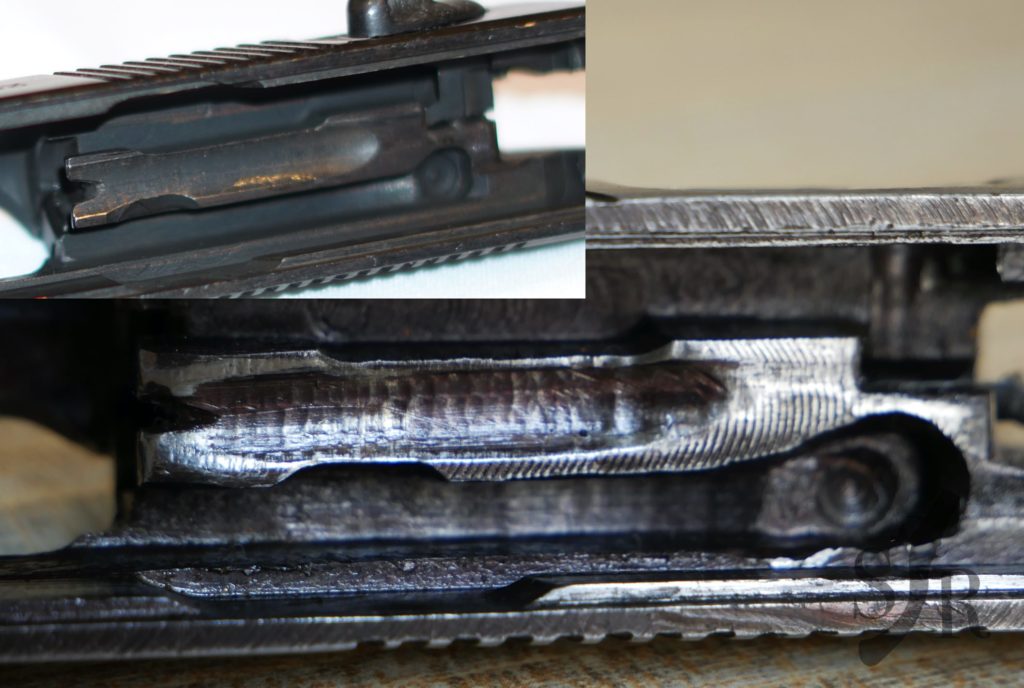
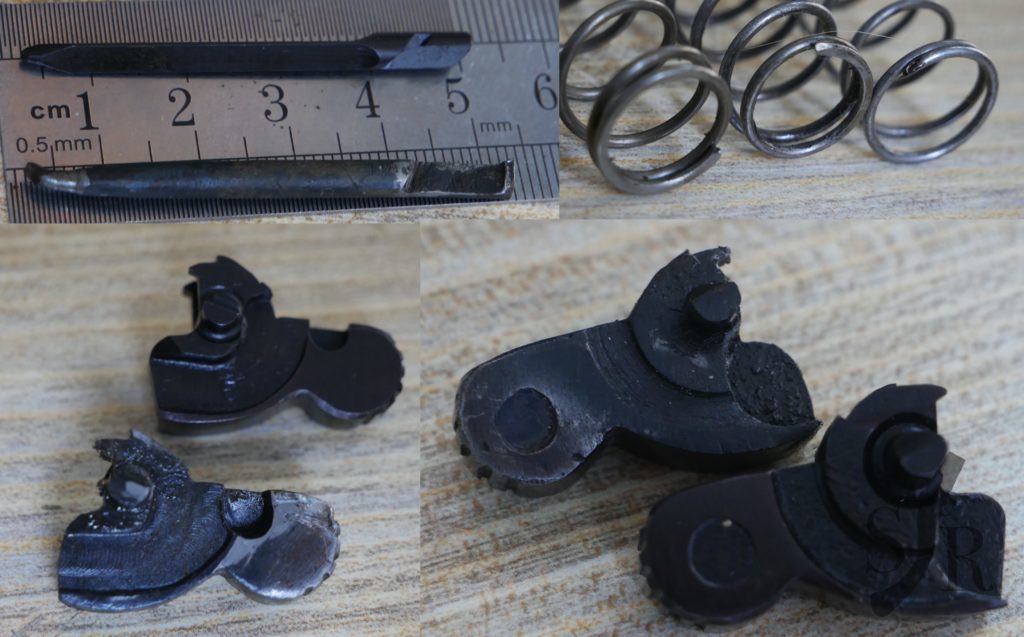
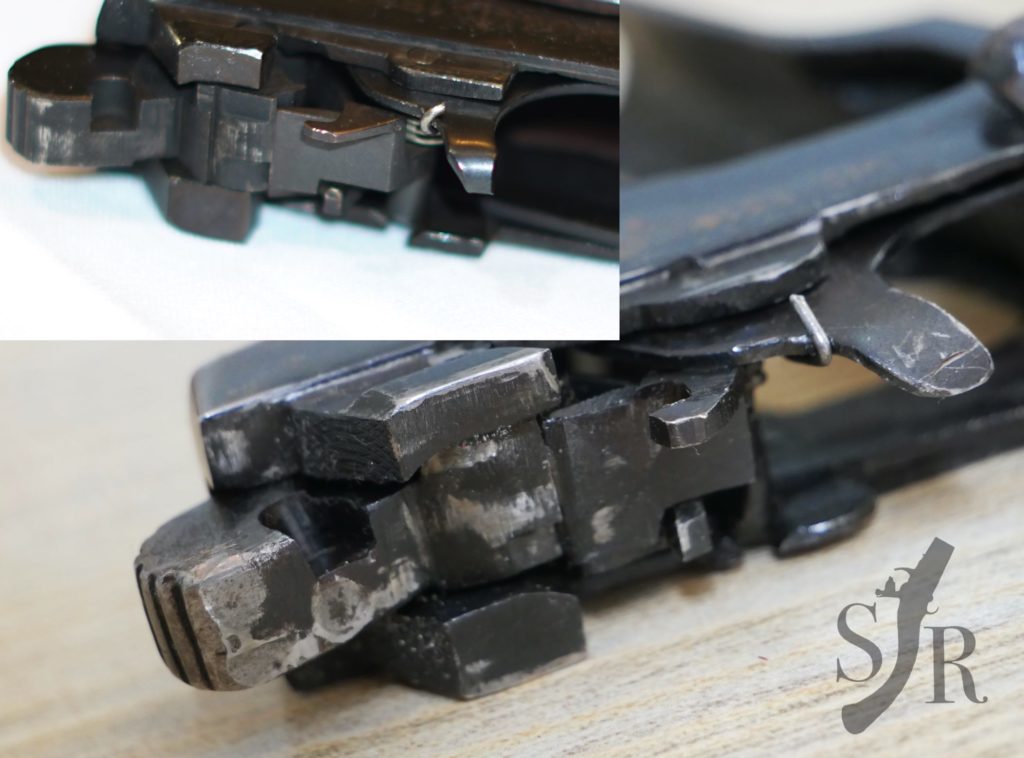
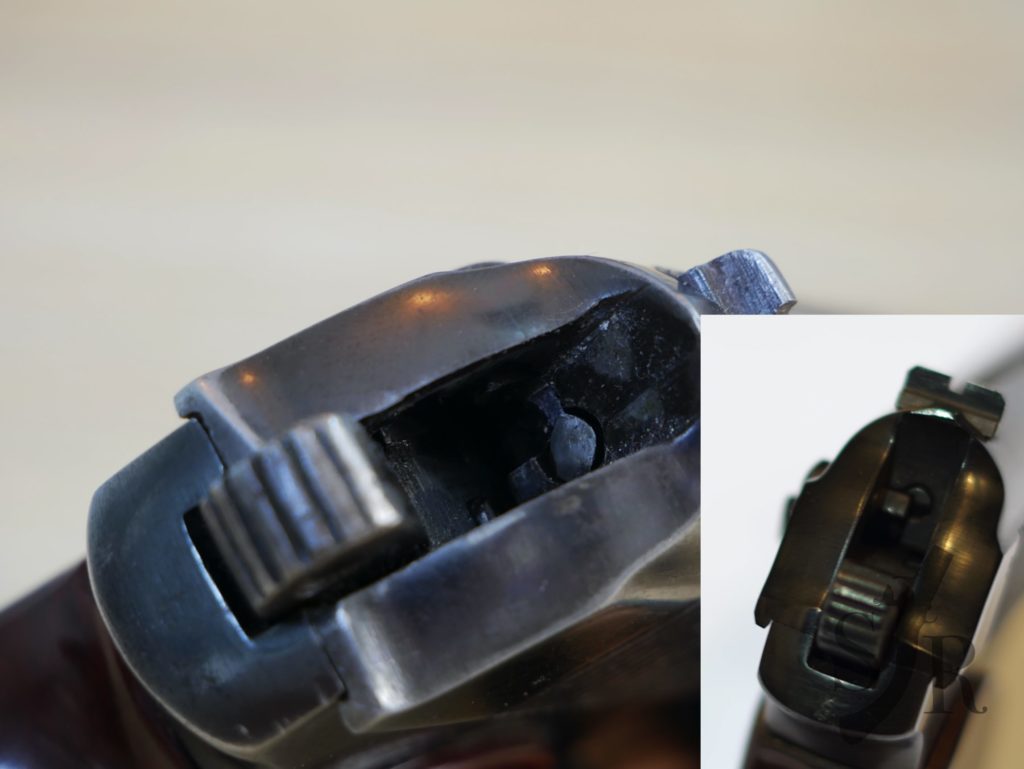
But once we get past the outward appearances of the handgun and start taking it apart and looking at individual components, profiles, and fitting, the differences between a Darraie and an original Makarov begin to become stark. Luckily, we were able to have on hand a spare PM Makarov parts kit originating from outside of Afghanistan. In an attempt to test interchangeability, we wanted to see which spare parts would fit in the Darraie handgun and found out that the majority of the original components were not at all interchangeable with the handgun. In fact, some of them such as the trigger, and transfer bars actually completely impaired the function of the handgun when inserted.
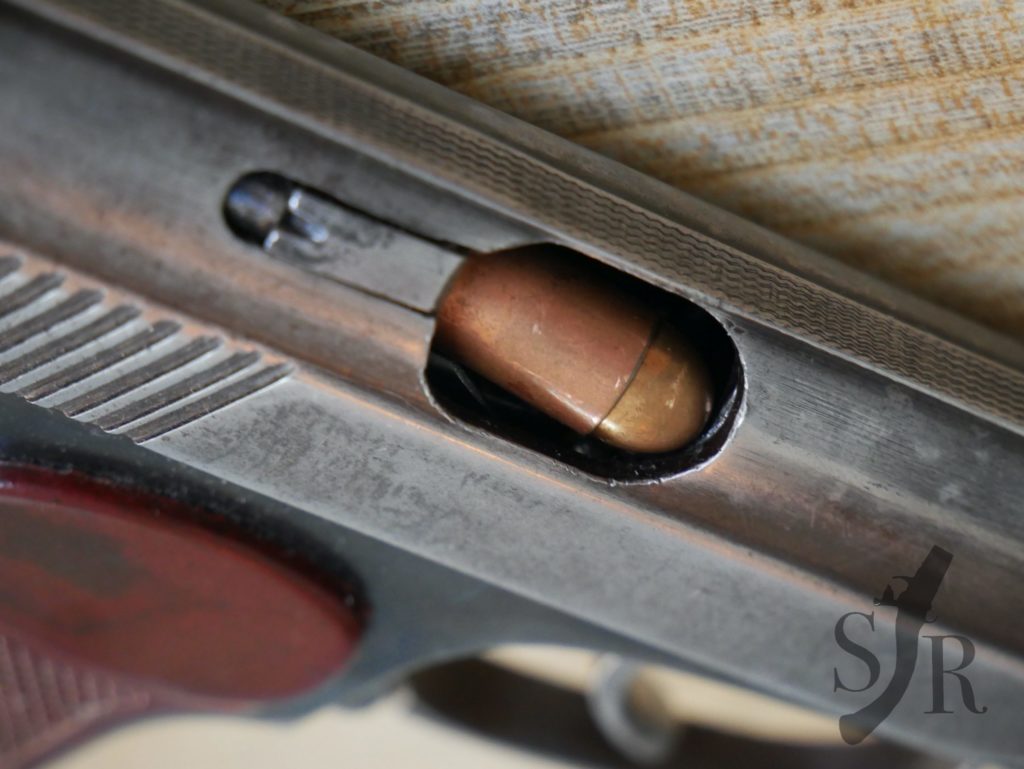
A similar phenomenon was present with the ammunition. The cartridges that had been fired and reloaded in Kyber Pakhtunkwa were dimensionally offset from the new in box factory-produced Chinese 9×18mm cartridges that were almost certainly to specification in regards to a comparison with other 9×18mm cartridges from the Soviet Union, Bulgaria, and East Germany. But actual function in the firearm actually proved the reverse. The Darraie rounds fed, extracted, and ejected flawlessly when the action was worked, but the Chinese factory rounds could not eject as their dimensions wouldn’t allow them to (because they were longer) while the Darraie rounds would. Although our sample size is small, if there are more of these Darraie rounds, then one has to conclude that there might be a 9×18mm “Darraie” that is being loaded and works with the Darraie Makarov handguns. Unfortunately, we were not able to conduct a live-fire test to see if the rounds would function reliably or not.
Although not in the same location, we were able to compare angles through photographs of a Soviet PM Makarov with a production date of 1983, courtesy of the Phoenix Defense working reference collection and Dan Shea.
This article was originally published in Small Arms Review, SARV24N03
If you enjoy our work here at Silah Report please consider supporting us on Patreon!
This Makarov was in Kabul, but it came from KpK.
Nice info…. Where is your shop… In kpk