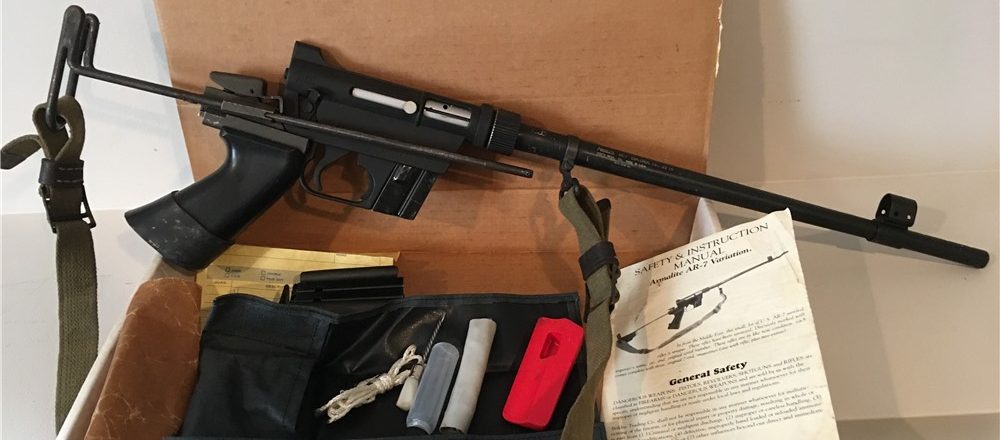
The story of the Armalite AR-7 and its adoption by the Israeli Defense Forces is one of obscurity and spans almost half a decade. From its inception as a civilian survival rifle in Southern California to Israel’s heavily modified military version, the Armalite AR-7 has filled the role of a reliable survival firearm well. And while not as well-known as the Beretta 9×19mm pistols, or the 5.45×39mm AK74SU carbines (commonly found in the Middle East), commercially it is one of the most prolific .22LR firearms the world has ever seen.
In 1959 Eugene Stoner created the Armalite AR-5, a compact .22LR takedown, bolt-action rifle, designed to fill the niche of civilian small-caliber game rifle and compact military survival tool. Armalite’s AR-7 eventually found its way into the hands of the Israeli Air Force. It is thought that Israel adopted the Armalite AR-7 for combat use in 1969, serving side by side with the 9×19mm Beretta M1951 as the primary survival firearms for downed pilots.[1] This was due to its compact and lightweight frame fulfilling part of the weight requirement for the attached survival kits in the Martin-Baker ejection seats (a crucial part of the newly purchased McDonell Douglass F-4 variants, the F-4E Kurnass, and the RF-4E Orev, delivered through the Peace Echo programs). Unlike the fighters, the IDF had to purchase the firearms directly through Armalite since the U.S. Air Force never bought the semi-automatic version in any great number. After purchase, there were some changes to the AR-7 that the Israeli Air Force requested. Israeli Military Industries (IMI) were tasked with modifying the weapon according to the Air Force’s requirements.[2]
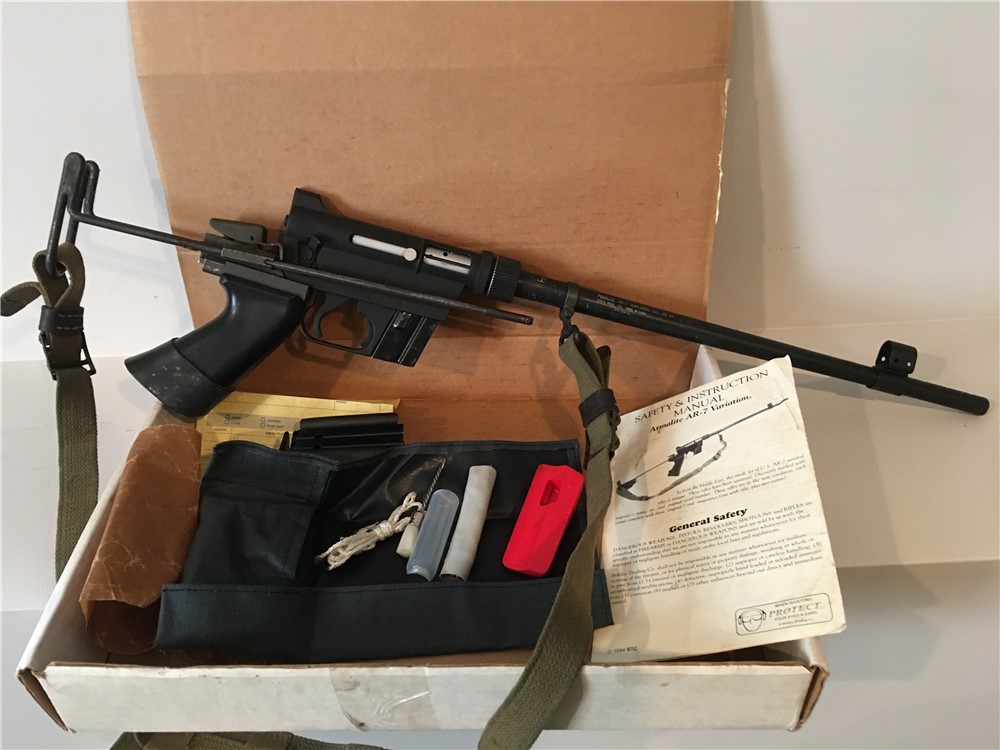
Fig. 1.1. An IDF Armalite AR-7 with its stock collapsed and barrel attached (Source: via GunBroker)
The first change to the AR-7 was the removal of the synthetic stock and its replacement with a retracting wire stock. This allowed for compact storage, and the wire stock was capable of retaining two magazines for the rifle. This was accompanied with the use of an Uzi sling in case the pilot needed to move on foot.
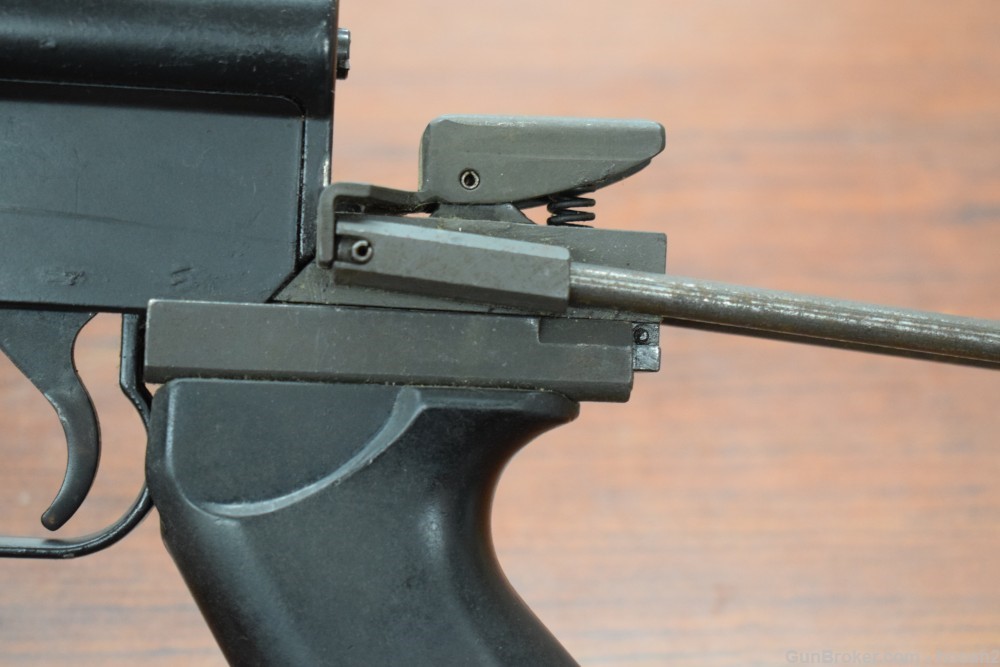
Fig. 1.2. An enlarged view of the stock mechanism on the AR-7 (Source: via GunBroker)
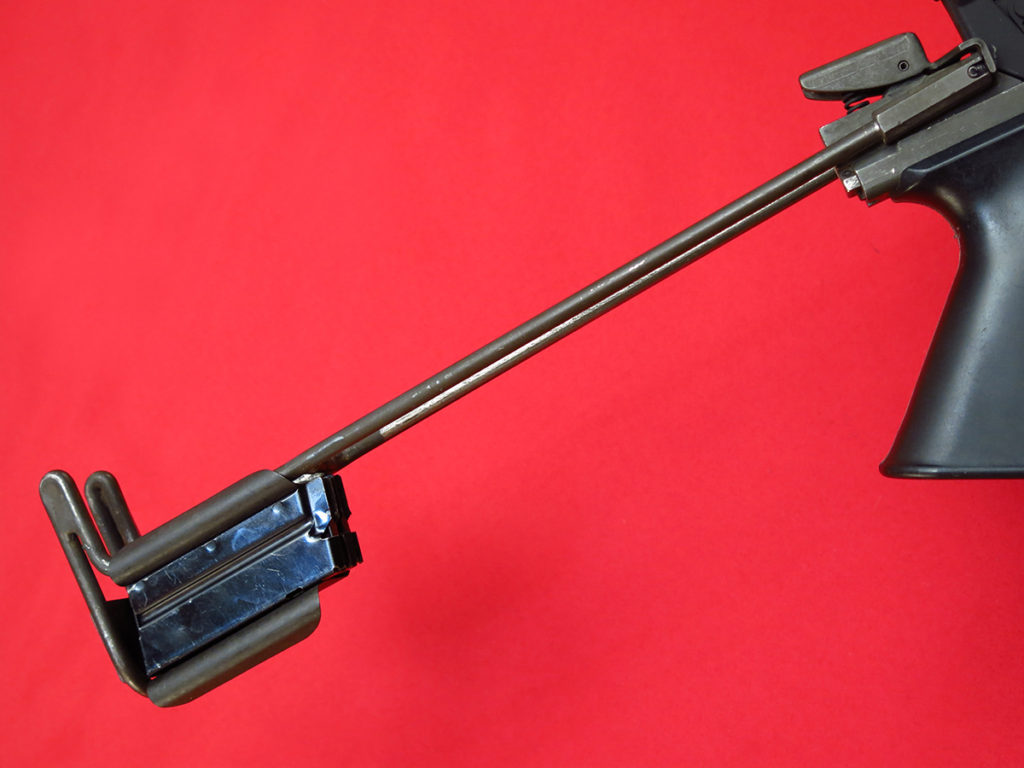
Fig. 1.3. An AR-7 stock extended with the attached magazine holder (Source: via GunAuction)
The second major modification made to the gun was the inclusion of a FAL-style pistol grip to replace the grip of the removed synthetic buttstocks. The new hollow FAL grip allowed for pilots to store fire starters and other small survival equipment with the use of a rubber pistol wrap.
In addition, the AR-7’s barrel was modified to make it lighter and smaller than its civilian counterpart. The barrel was shortened to 13.5 inches, and a Mauser Karabiner 98 hooded front sight was installed instead of the factory front blade sight.
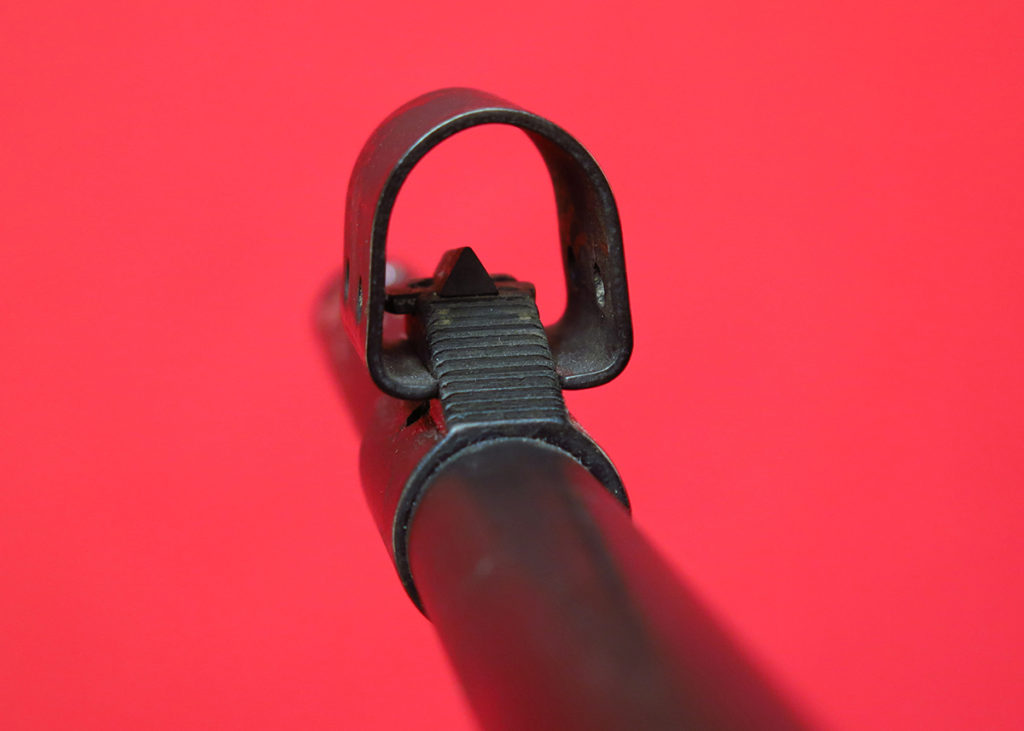
Fig. 1.4. A Karabiner 98K hooded front sight on the AR-7 barrel (Source: via GunAuction)
However, there was one more aspect to the barrel that we turned up in research. According to in IDF Phantom navigator, there were two separate barrels used by the Air Force. From our conversation with the navigator, he told us that there was an aluminum barrel with a steel liner, with the aluminum/steel hybrid used on missions to save weight, and the full steel barrel used for training.
From IAF navigator Yosi Yaari-
“Familiar with the rifle. We also conducted shooting training with the model with a steel barrel. In the rifle plane was with two cartridges of bullets (in each cartridge – 7 bullets). The inside of the barrel of the rifle, through which the bullet passes after firing, is made of aluminum. For firing 14 bullets, an aluminum barrel was enough. A training rifle needed a steel barrel that was not damaged by the shooting.” (Personal Correspondance)
Looking at the re-imported model, it makes sense that the steel barrel is included for a rifle going to be used as either a historical piece or a “plinker” in the hands of American firearms enthusiasts. Other than this one conversation with the Israeli navigator, it is unconfirmed whether this information is true or not.
One aspect of the rifle that went unchanged from the original Armalite production is that the firearm required high-velocity 22lr ammunition. To ensure the smooth and reliable working of the action, 22lr ammunition’s propellant needed to push the projectile above the 1070 fps of standard 22 ammo (1200 fps was generally used). The necessity of high-velocity ammunition also provided benefits not just to the action, but also to the wounding capacity of the rifle. While 22lr is not seen as a popular military caliber, for the Israelis, this high-velocity 22 would satisfy the requirements for their survival rifle, until the late ’80s/early ’90s.[3]
All of these modifications put the rifle around 62.4oz. This is twice the weight of the Beretta and half the weight of an UZI submachine gun. But it is just as capable when used as a survival and evasion weapon.
Once all modifications were made, the Israelis proof marked their AR-7s using the Hebrew characters תצ for Ta’asiyah Tzvayit (or Military Industries) the mark of Israeli Military Industries.
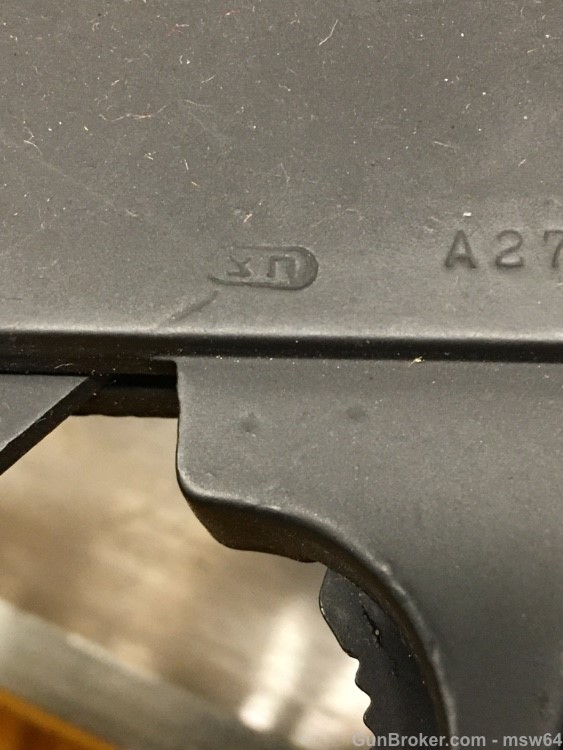
Fig. 1.5. A close up of an Israeli AR-7 showing the serial number 92973-1, and the תצ stamp below the serial number (Source: via GunBroker)
After completion of IMI’s rifle makeover, the Ar-7 accompanied other necessary survival gear in the survival pack in the seat of the Martin-Baker Mk.7 ejection seats of the IAF Phantoms. In addition to the AR-7, the pilots were issued a radio, food rations, water, area-specific flares, and other survival gear.
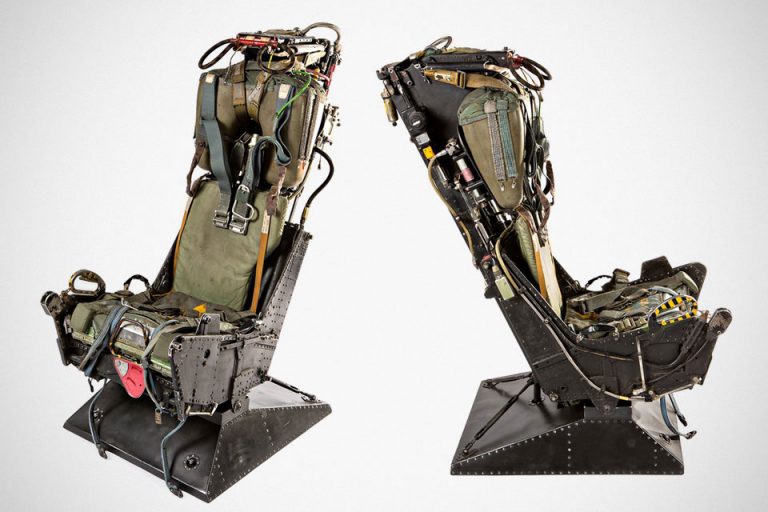
Fig. 1.6. A Martin Baker Mk.7 ejection seat, found in the Israeli F-4 Phantoms (Source: Boeing)
Trying to get information on how many of the rifles ended up in Israeli hands is hard to ascertain. As of January 2021, the samples that are currently in the United States, show a serial number range from 92450-1 to 97450-1 (with an odd serial number beginning with the English character “A”). It is unsure if all AR-7’s in Israeli service were re-imported, but with the assumption that all rifles that were in service have been retired and sent back to the United States, a high estimate would be around 5,000 rifles employed.
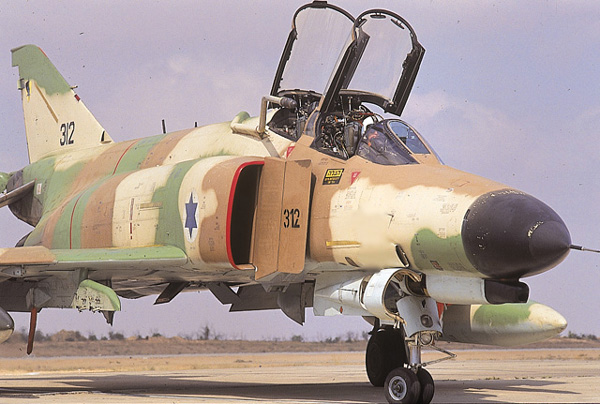
Fig. 1.7. An Israeli F-4 Phantom, the workhorse of the IAF during the ’60s, and even to the early 21st century (Source: http://www.israeli-weapons.com/weapons/aircraft/f-4/F-4.html)
This seems like a highly unlikely number bought by the Israelis for a few reasons. First, in lieu of the AR-7, the Israeli Air Force provided a Beretta handgun to their pilots as a survival weapon. Second, while not a direct correlation to how many rifles employed, the Israeli’s currently have 25 planes to a squadron (and while this is a rough estimation) and employed 7 squads of F-4 Phantoms during the height of their use,[4] that means that around 175 Phantoms were used, and with the two ejection seats, 350 survival kits theoretically could have been kitted out with the Armalite. Taking into account the additional rifles needed for training and outfitting additional aircraft aircrews (roughly between 40-50 additional craft using modern numbers)[5] this would lead to around 500 rifles needed to outfit the IAF. It is unlikely that the Israelis purchased 10 times the number of rifles needed. It is more plausible to take the 500 number as a good baseline, with an understanding that the number may have very well been less than that.
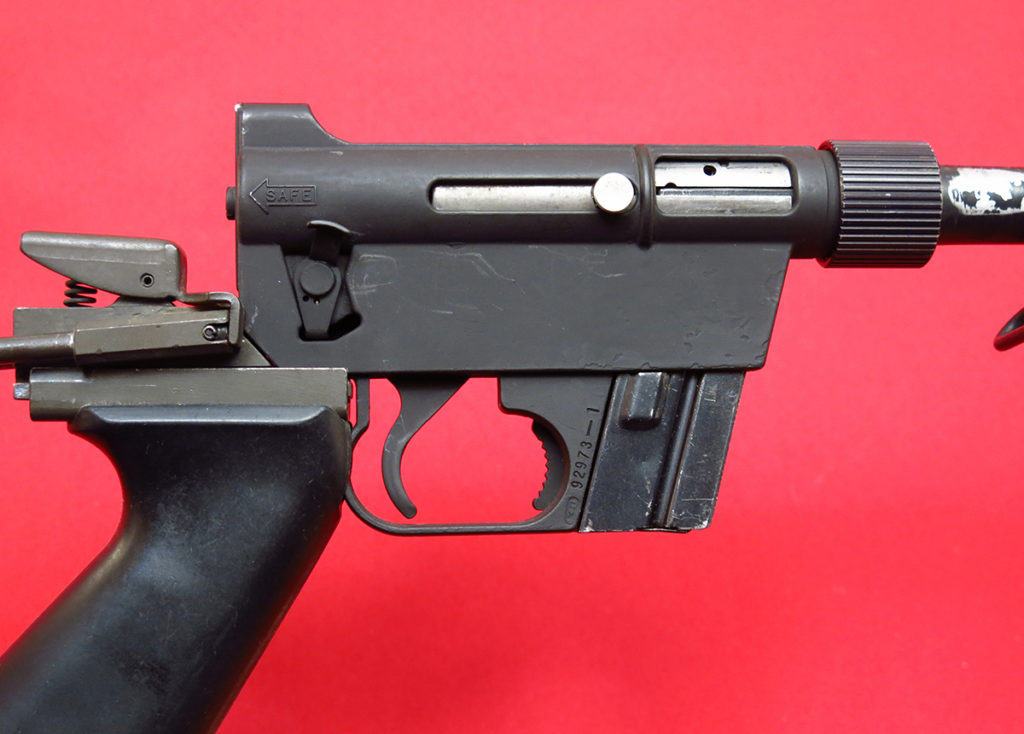
Fig. 1.8. A close up of an Israeli AR-7 showing the serial number 92973-1, and the תצ stamp below the serial number (Source: via GunAuction)
The reason for its adoption is not exactly known, but it is believed that it was the Israeli Air Force trying to copy the United States Air Force and their employment of survival rifles. The last confirmed date for the rifle being provided to pilots and aircrews was the mid-1980’s. This can be corroborated with the information gathered from the public information surrounding the Ron Arad prisoner transfer. It was confirmed that Israeli navigator, Ron Arad, had the rifle included in his F-4’s survival kit when he was forced to abandon his plane over Lebanon in 1986.[6] The military retirement of the rifle is presumed to have been in the late ’80s or early ’90s.
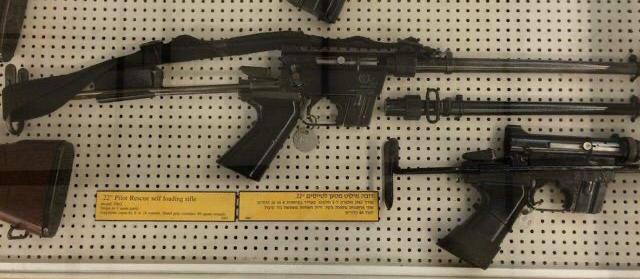
Fig. 1.9. (Source: via pikabu.ru)
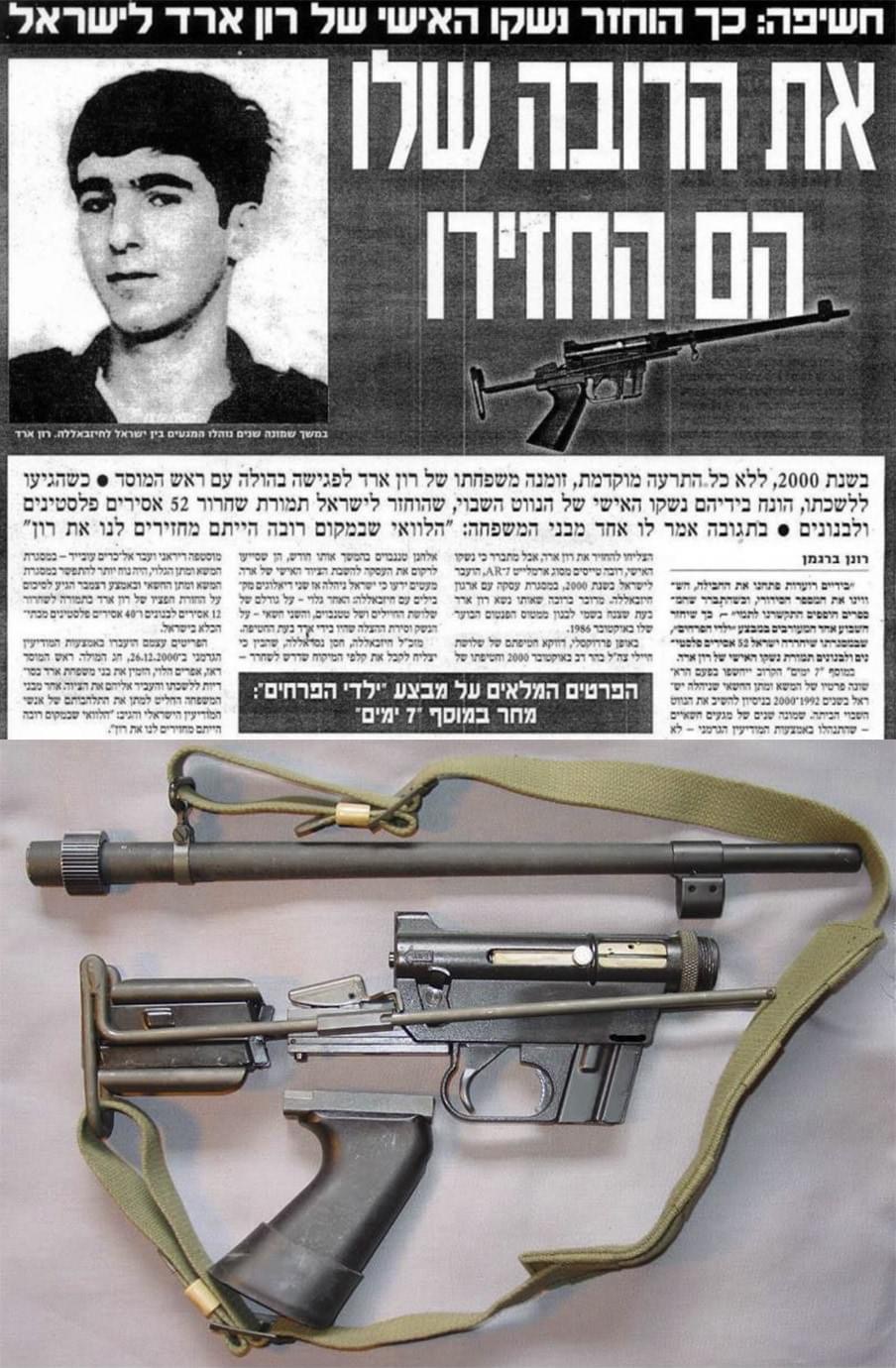
Fig. 1.10. A front-page news story on the recovery of Ron Arad’s AR-7 survival rifle from Hezbollah and the recovered rifle (Source: Globes.co.il)
While not a firearm that changed the landscape of warfare in the middle east (like the AKM), this is one of the more interesting and odd firearms to be seen in Middle Eastern conflicts. The military retirement of the rifle is presumed to have been in the late ’80s or early ’90s. After its removal from service, a few thousand found their way back into the U.S. through the Briklee Trading Company, returning from their military service in Israel and into the hands of military surplus collectors in the United States.[7]
Sources:
[1] Knupp, Jeremiah. 2016. ‘The Unlikely Resilience of the AR-7 Survival Rifle’. NRA American Rifleman. 27 December 2016. <www.americanrifleman.org/articles/2016/12/27/the-unlikely-resilience-of-the-ar-7-survival-rifle>
[2] Trotter, William. 2019. ‘Israel’s Armalite AR-7 Pilot’s Rifle & The F-4 Phantom In IDF Service’. Mishaco. 16 June 2019. <www.youtube.com/watch?v=MMDDB7lBEqI>
[3] Searson, Mike. 2016. ‘Weapon Trivia Wednesday: USAF survival rifle that never was, Armalite’s AR-7’. 16 November 2016. BreachBangClear.com, Accessed February 13, 2021, <www.breachbangclear.com/wtw-usaf-survival-rifle-that-never-was-armalites-ar-7/>
[4] ‘McDonnell Douglas F-4 Phantom II’, Jewish Virtual Library, Accessed February 13, 2021. <www.jewishvirtuallibrary.org/mcdonnell-douglas-f-4-phantom-ii>
[5] ‘World Air Forces’, Flight International, 2015, Accessed February 13, 2021. <www.d1fmezig7cekam.cloudfront.net/VPP/Global/Flight/Airline Business/AB home/Edit/WorldAirForces2015.pdf>
[6] Channel 2 News. 2010. ‘The Personal Weapon of Captive Navigator Rod Arad was Returned as Early as 2000.’ Digital Edition, 28 October 2010, Accessed February 13, 2021, <www.globes.co.il/news/article.aspx?did=1000597223>
[7] Searson, Mike. 2016. ‘Weapon Trivia Wednesday: USAF survival rifle that never was, Armalite’s AR-7’. 16 November 2016. BreachBangClear.com, Accessed February 13, 2021, <www.breachbangclear.com/wtw-usaf-survival-rifle-that-never-was-armalites-ar-7/>
For more information on the Armalite AR-7 in Israeli service, check out these videos from IraqVeteran8888, and Mishaco.
If you enjoy our work here at Silah Report please consider supporting us on Patreon!
I have one of the Israeli rifles with the Hebrew symbols and the serial number “81180” or possibly “B1180” I have had this rifle since the early 1990s
Aluminum would make sense for the barrel and would work fine, Colt made 22 pistols with 100% Zinc or Zinc alloy barrels. I have one from the 60s in 22 short and its been shot a lot and still shoots straight with plenty of rifling left