In 2020 Ezzedine Al-Qassam Brigades, the military wing of Hamas, revealed for the first time that part of the efforts it is making to develop its military capabilities to face the plans to disarm the Palestinian armed factions along with the blockade of weapons and ammunition into Gaza Strip include salvaging unexploded Israeli munitions and scouring the wrecks of a pair of World War One warships.
The program “What hidden is greater” which was broadcast by Al-Jazeera, showed that Al-Qassam Brigades managed to develop missiles with high destructive capabilities, by recycling the missiles, artillery shells and aerial bombs that were fired by the IDF during its campaign against Gaza Strip and did not explode.
The program reviewed meetings with the battalion leaders in the engineering and manufacturing units, who talked about a project to collect these shells from different locations in Gaza, under the supervision of a specialized committee, and reprocess them inside Al-Qassam workshops. The Brigades explained that a number of resistance leaders were killed during this project, including the commander in Al-Qassam Brigades, Ibrahim Abu al-Naja.
Al-Qassam also revealed that it fired 78 missiles, which were recycled from Israeli munitions, striking Ashkelon during the round of escalation in May 2019, and the missile strikes resulted in the destruction of some Israeli buildings so that the message would be delivered by a leader in Hamas: “punishment will be among the same tools which have been thrown at us.”
Sea Treasure
A key part of the recycling project was in the first discovery of a “treasure” that the Feda’yeen found 800 meters from the shores of Gaza. The footage released for the first time showed the Hamas frogmen had found two warships. They concluded that they belonged to the British Navy, which had sunk on the shores of Gaza during the First World War.
Commanders in the manufacturing and engineering units in the Qassam said that a special committee supervised the transfer of the munitions that were found inside the ships, in a complex security and military operation that constituted a large supply for the resistance.
Footage from inside a Qassam manufacturing workshop showed the engineer units’ efforts to recycle these shells for use in manufacturing missiles.
HMS M-15 & HMS Staunch
Intended as a shore bombardment vessel, M15’s primary armament was a single 9.2 inch Mk X gun which had been held as a spare for the Drake-class and Cressy-class cruisers. In addition to her 9.2-inch gun, she also possessed one 12 pounder and one six pounder anti-aircraft gun. She was equipped with Triple Expansion steam engines rated to 800 horsepower that allowed a top speed of eleven knots.
M-15 was towed to Malta in July, 1915, where she received her main armament. She then proceeded to Mudros in Greece, and later was involved in the defense of the Suez Canal.
After bombarding Gaza as part of the Third Battle of Gaza, on 11 November 1917, M-15 and the destroyer HMS Staunch were torpedoed by the German U-Boat UC-38. as a result 26 men lost their lives in the sinking of M-15.
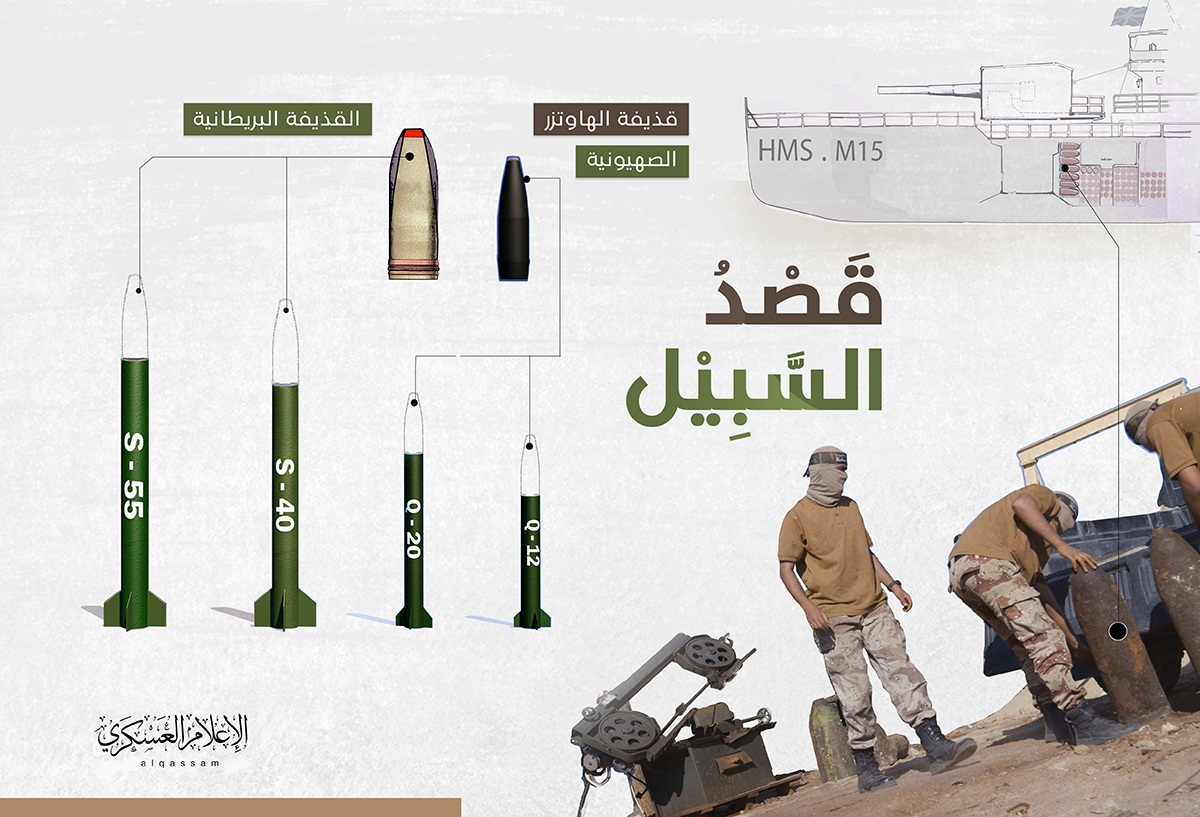
Fig.1.1. Chart showing the usage of recycled ammunition, 155 mm shells are used as warheads for Qassam-12 and Qassam-20 (12 km and 20 km ranges) while the naval gun shells are used for Sejeel-40 and Sejeel-55 (also numbers here indicate the range) (Source: Al Jazeera)
Project Steps
In order to recycle the ammunition, they first had to survey the land, then collect Israeli 155mm artillery shells and bombs, while in a parallel path the efforts of Palestinian factions’ naval units took their role in recovering the drowned ammunition with the poorest capabilities that can be seen, before extracting the explosive materials to be re-used. Also, other engineering units excavated the Israeli underground pipelines which were intended to hack groundwater from Gaza and they were later used as hulls for the rocket motors.
We will take a look at these processes as revealed by Al-Qassam Information Office’s video.
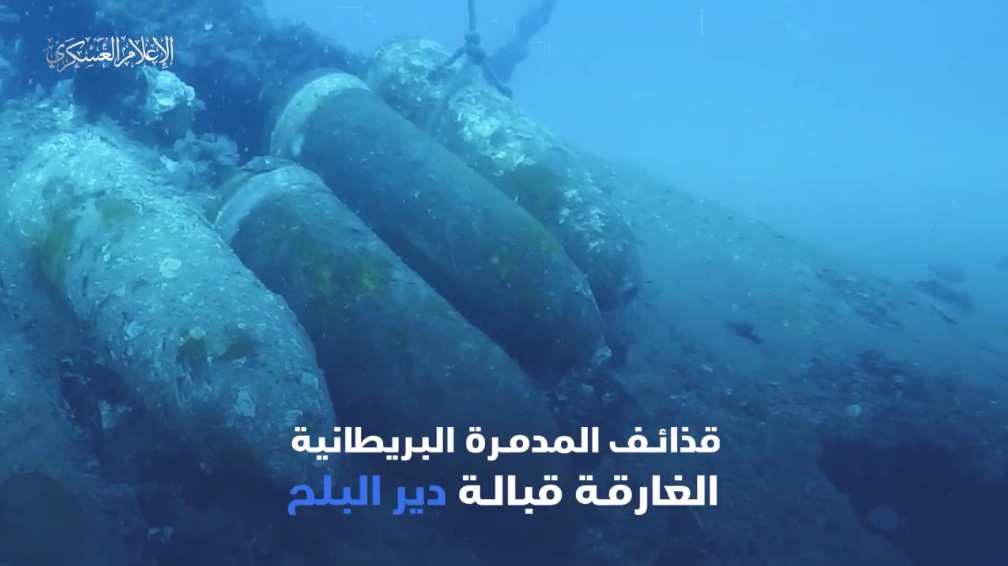
Fig.2.1. HMS M-15 and HMS Staunch’s ammunition as found in the sea off Gaza. (Source: Al-Qassam)
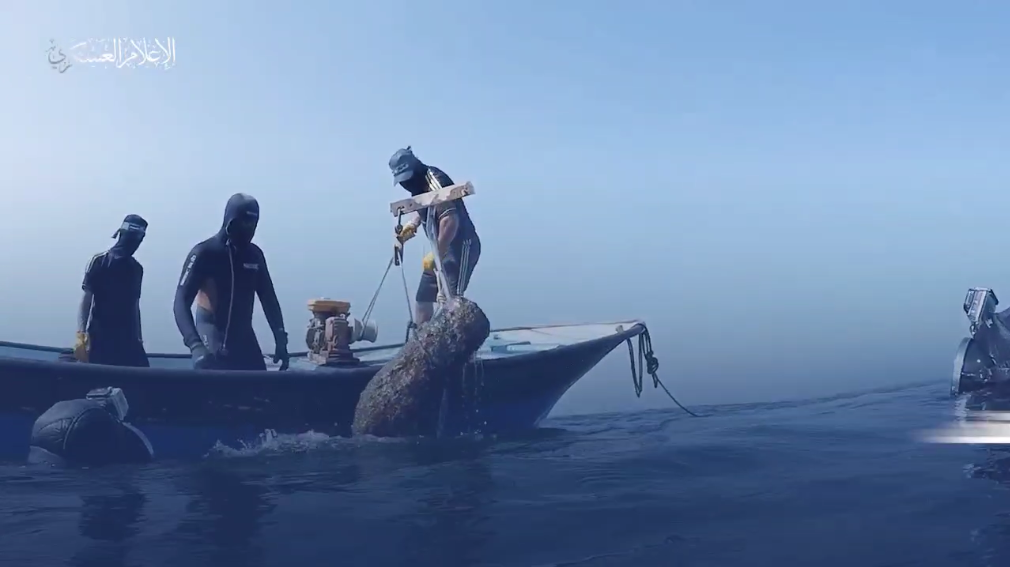
Fig.2.2. Al-Qassam frogmen recovering the drowned shells on a boat. (Source: Al-Qassam)
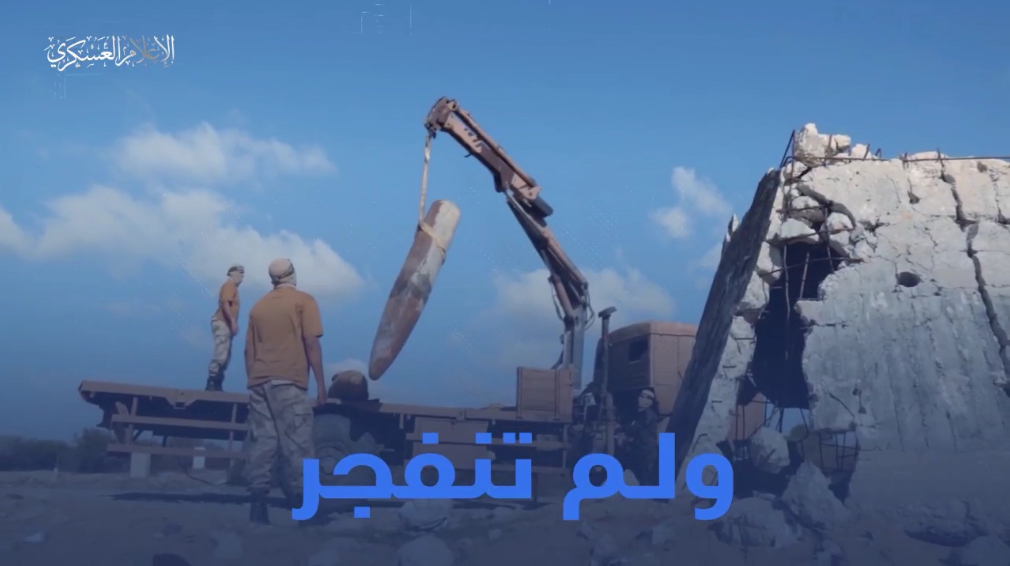
Fig.2.3. During the recovery of a Mk.82/84 un-exploded bomb. (Source: Al-Qassam)
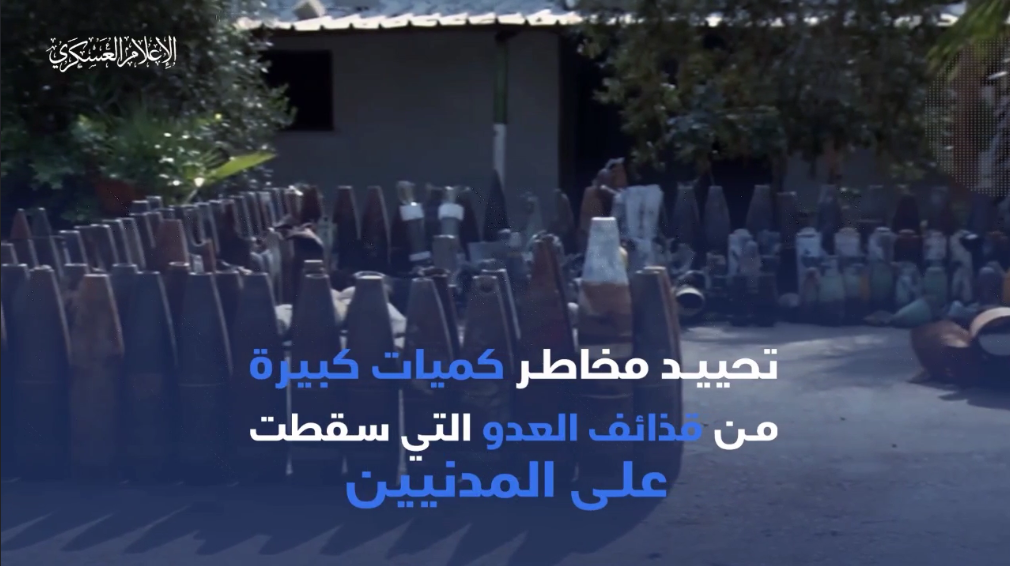
Fig.2.4. British Royal Navy BL 9.2 inch Mk IX and Mk X naval gun shells after being collected. (Source: Al-Qassam)
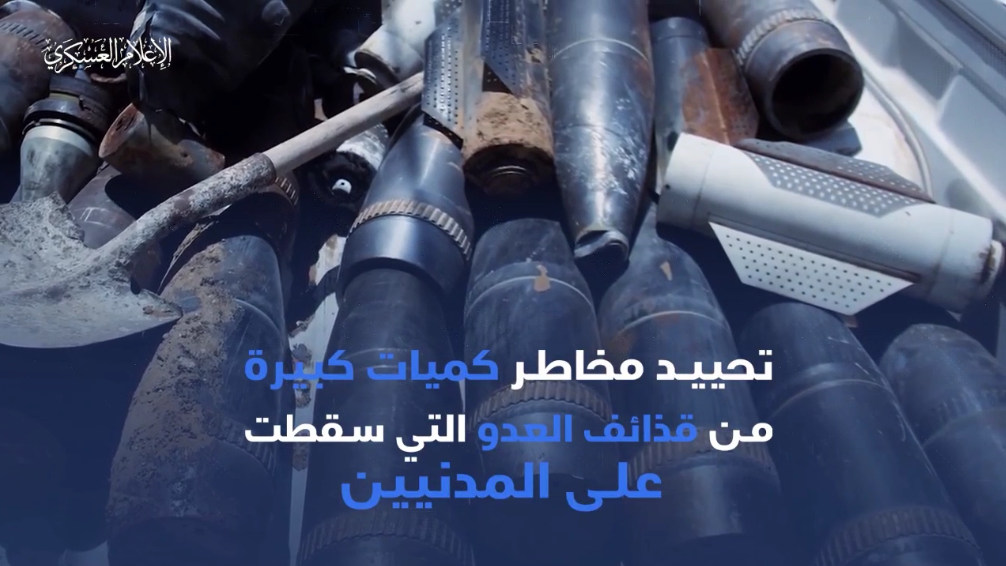
Fig.2.5. IDF’s un-exploded 155 mm artillery shells gathered from both military and civilian sites. (Source: Al-Qassam)
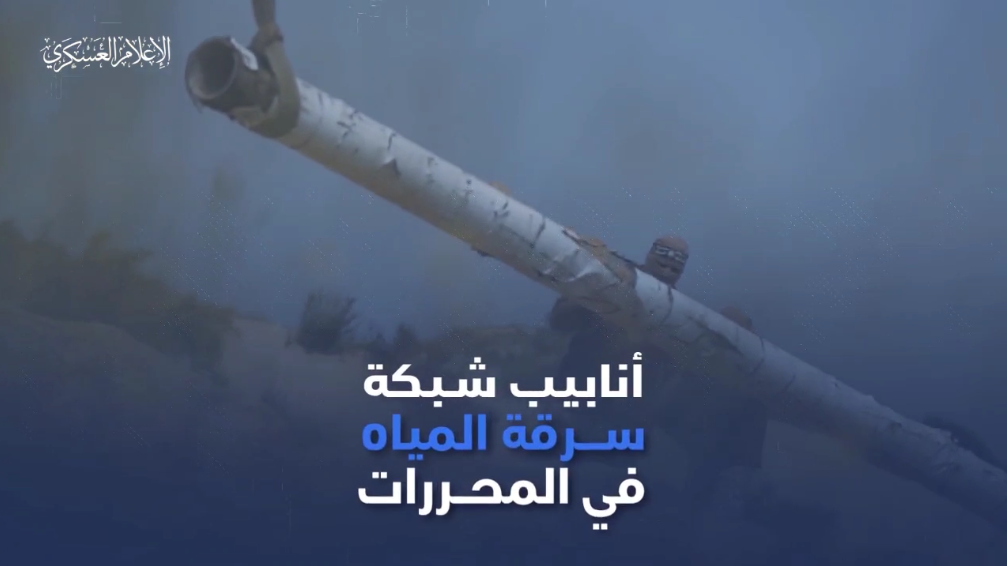
Fig.2.6. Extracting groundwater’s hacking pipelines, by that process the source collection phase has ended. (Source: Al-Qassam)
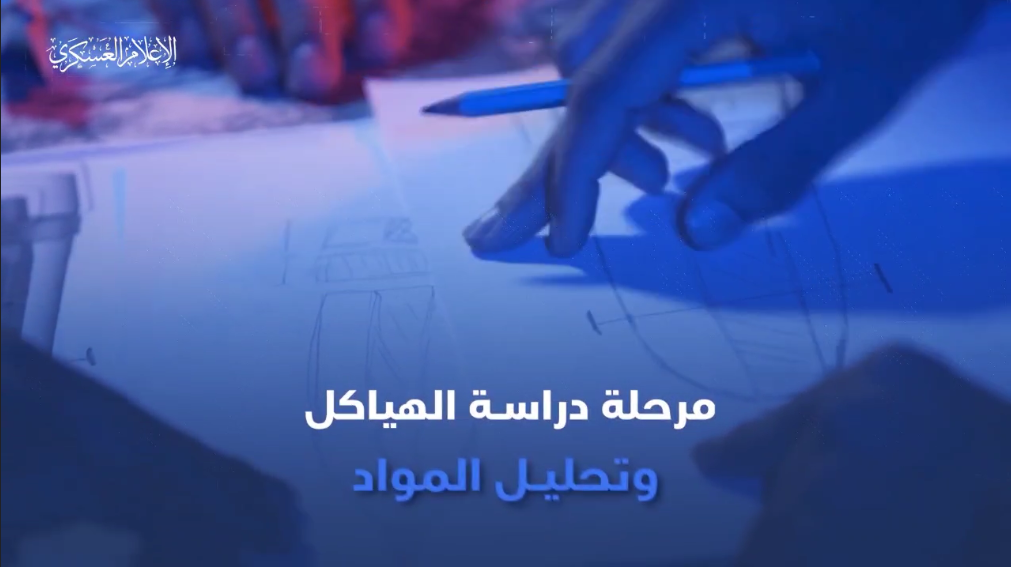
Fig.2.7. 2nd phase was studying the hulls and analyzing payloads’ materials in order to know how to deal with them. (Source: Al-Qassam)
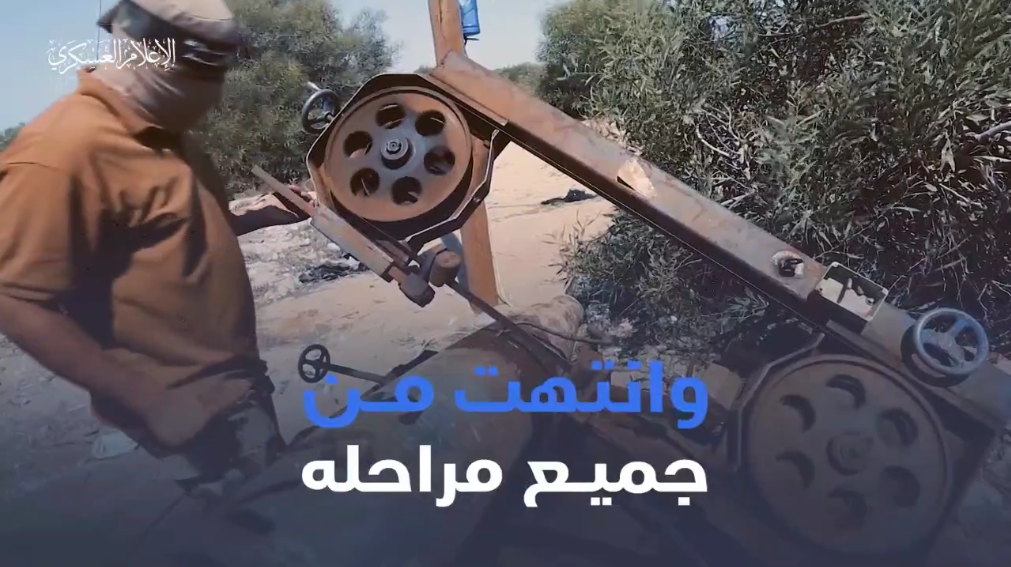
Fig.2.8. Sawing an Israeli Air Force’s bomb Mk.82 and Mk.84 to extract their payloads. (Source: Al-Qassam)
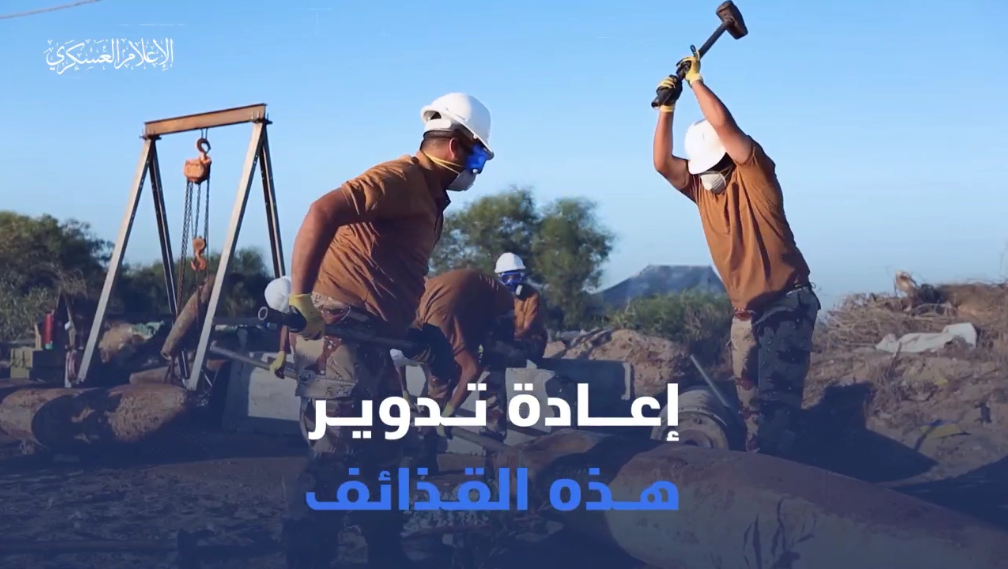
Fig.2.9. During the recycling process. (Source: Al-Qassam)
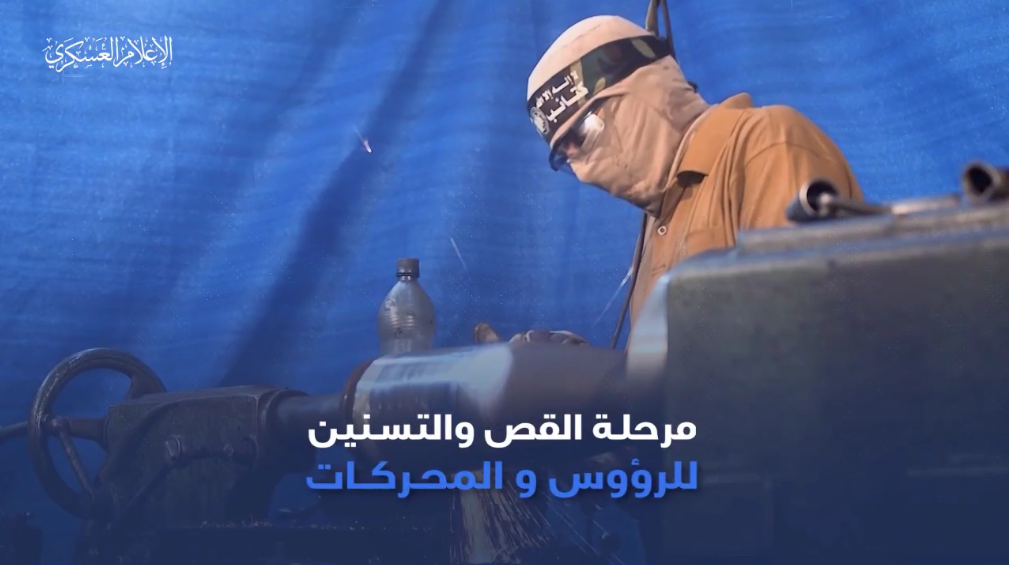
Fig.2.10. The shells’ hulls were also recycled to form the missiles’ warheads, in this picture one of the engineering and manufacturing unit is using a lathe to trim and thread the warheads according to the required dimensions. (Source: Al-Qassam)
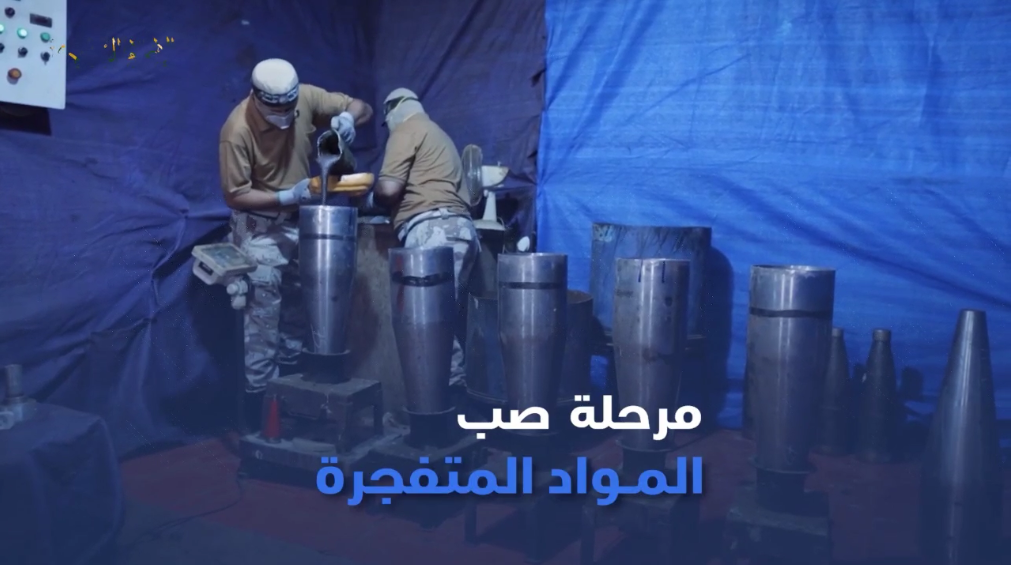
Fig.2.11. Filling warheads with explosives, the quality of the British metal works is incredible. (Source: Al-Qassam)
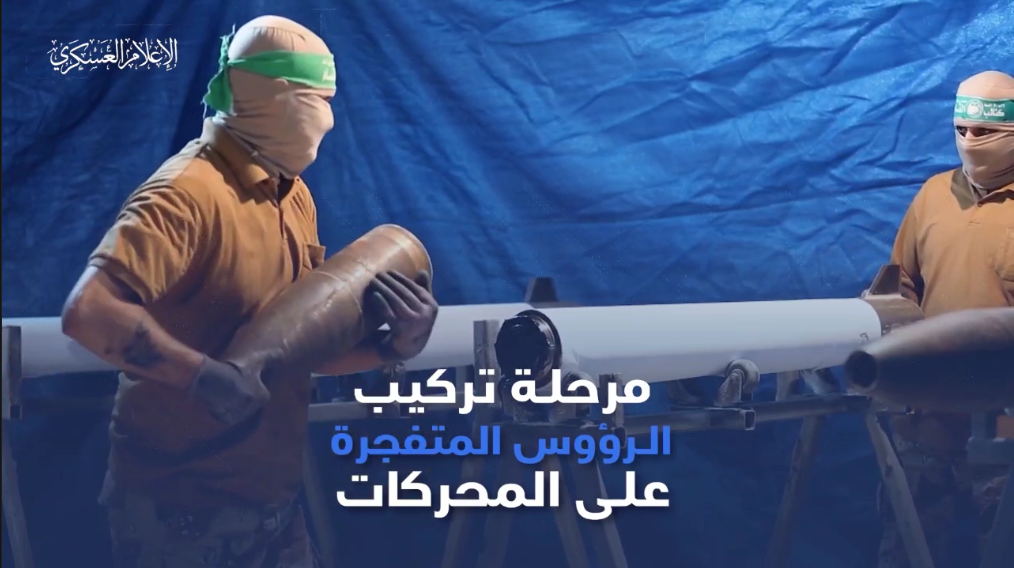
Fig.2.12. Assembling warheads on the rockets’ motors was the final stage of the manufacturing process before the missiles were taken to the field. (Source: Al-Qassam)
For those who have followed the Palestinian-Israeli conflict closely for the last twenty years will find that the armed Palestinian factions have spared no effort to develop their military arsenal and especially the missiles. The reason behind that is they have no air force like the Israelis to deliver explosive payloads. Rockets, mortars and missiles, however, are much cheaper and easier to produce, while the destructive effect of these weapons may not be the same as the Israeli Defence Force’s the psychological effect remains the same.
If you enjoy our work here at Silah Report please consider supporting us on Patreon!