In this article we continue our series on Palestinian underground weapons manufacturing, in the previous part we reviewed some of the hand grenades and rocket weaponry made locally by Hamas. In this article, we will examine mortars, anti-armor weapons and UAVs. Check out the previous parts of the series here and here.
Mortars:
As we saw in our previous article Hamas have been able to develop and manufacture rocket systems, they also succeeded in manufacturing both 60mm and 81mm mortars, as well as heavy 120mm mortars. The mortar became an important weapon in their battle because of its accuracy and destructive power. Relatively inexpensive mortar shells have been used to bombard military sites, barracks and fortifications, and over time they have replaced the Qassam-1 missiles as they are more accurate and less costly.
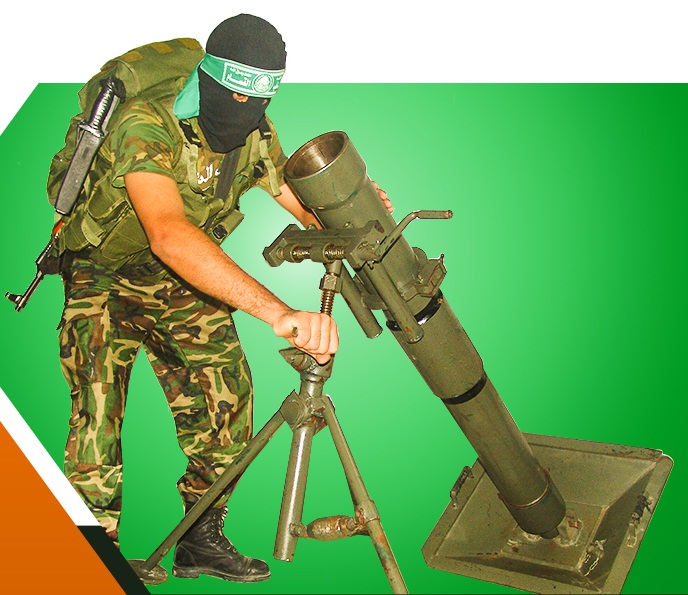
Fig.1.1. Local made 120mm mortar (Source: ARES CONMAT)
Thanks to mortar shells, it is believed that the IDF troops were forced to dismantle approximately five military sites adjacent to the south and north of the Gaza Strip, as a result of their bombardment by mortars, which it was observed that the Qassam members have recently been using it in high intensity.
Al-Banna: First Shoulder-Fired Anti-Armor Weapon
The shoulder-fired Al-Banna was extensively used during IDF incursions to fight against tanks and armored vehicles. The Al-Banna was replaced, in 2003, by the more elaborated Battar missile. Slightly modified versions of the Al-Banna were made and used by other Palestinian militant groups. In 2004, Hamas engineers provided the group with a new and sophisticated shoulder-fired rocket launcher, Al-Yassin RPG.
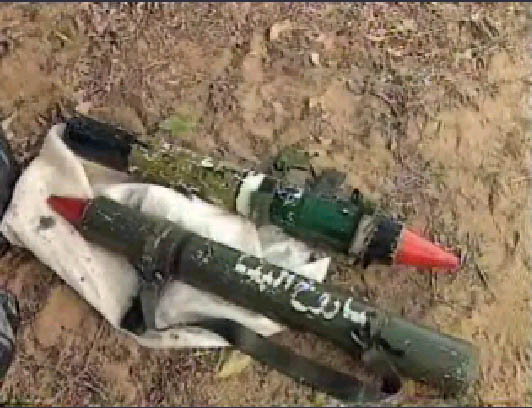
Fig.2.1. Al-Banna shoulder-fired anti-armor launcher (Source: ARES CONMAT)
Al-Battar: Anti-Tank Missile
Al-Battar does not require the presence of the human element in the place from which it is fired. The missile is installed on the ground and is not shoulder-carried like the RPG. It is operated by a remote control device and is launched in the method of “surface-to-surface” missiles at an altitude parallel to the military vehicles and convoys. It could be physically compared to the BGM-71 TOW or AT-4 Spigot but the Al-Battar is an unguided weapon.
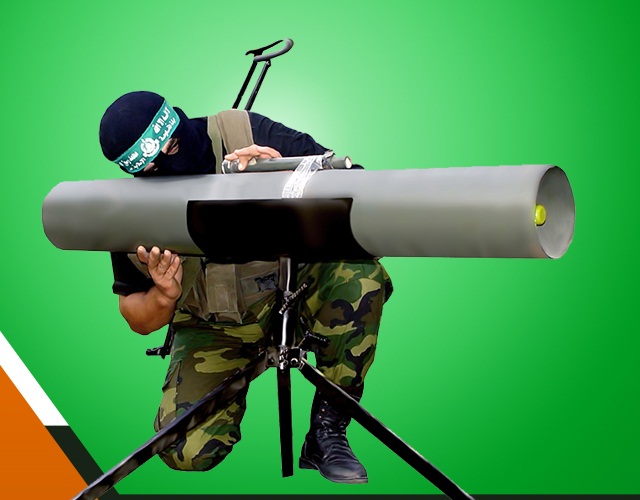
Fig.3.1. A fighter of Al-Qassam brigades pre-aims Al-Battar Launcher (Source: ARES CONMAT)
The “Battar” missile has many advantages that make it an effective weapon. The missile’s payload is around four kilograms of high explosive materials with a range of up to 1,000 meters. The missile is a tube about a meter long and 6 inches in diameter, and inside it is a missile that resembles an “RPG” grenade.
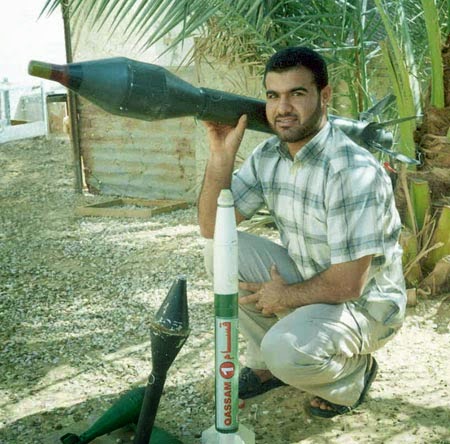
Fig.3.2. Al-Battar missile carried by one of late Qassam members (Source: ARES CONMAT)
To use the Al-Battar missile, you aim it to a dead point (such as a pole) and when a vehicle reaches this point where they previously aimed, they simply click on the electric trigger button to activate the rocket propellant and fire it.
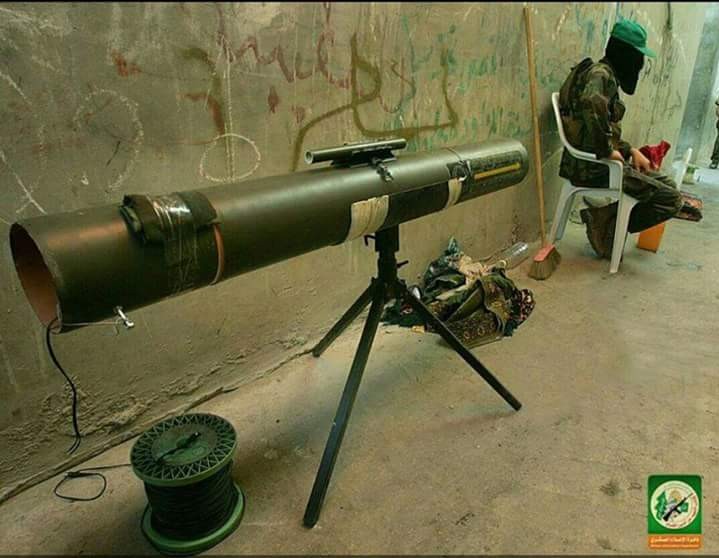
Fig.3.3. Another view from angled rear of Al-Battar (Source: ARES CONMAT)
Al-Yassin: A Hybrid of RPG-2 & RPG-7
The Yassin design was influenced by the RPG-2 and RPG-7, it took the RPG-2’s rocket launcher tube design and the warhead’s external shape and rocket motor which are very simple. While from RPG-7 it used the divergent nozzle at the launcher’s rear to deflect recoil generated by launching the rocket with a rocket booster attached to the propelled grenade to extend its range and enhanced warhead.
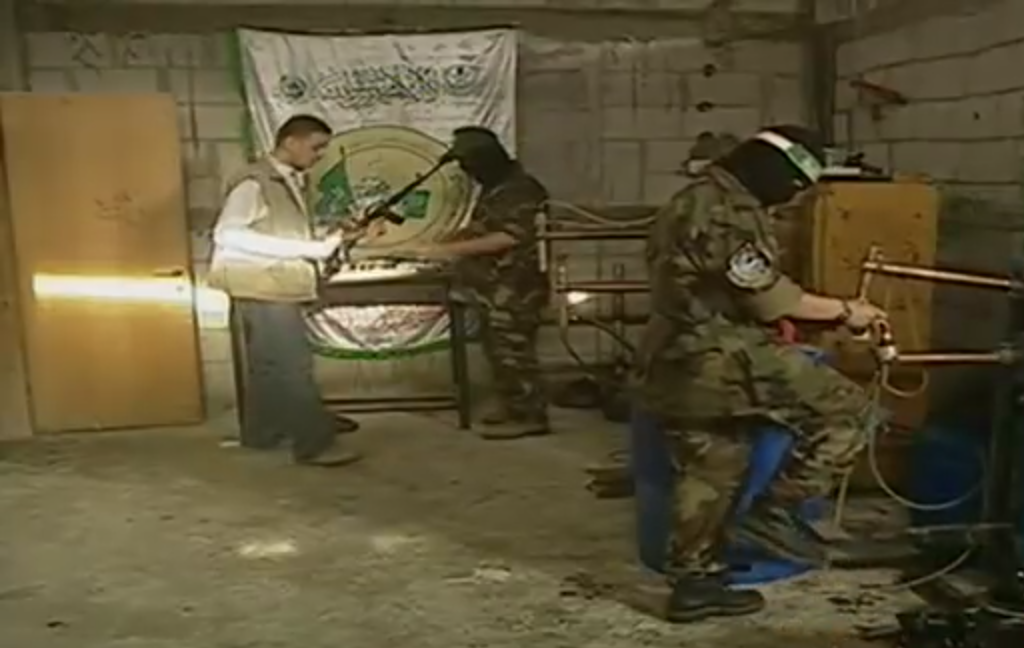
Fig.4.1. Inside Al-Yassin’s production facility, Source: Al-Jazeera Documentary (Source: ARES CONMAT)
The warhead is filled with an explosive filler made from molten TNT and powdered ammonium nitrate It has a claimed effective range of 300 meters.
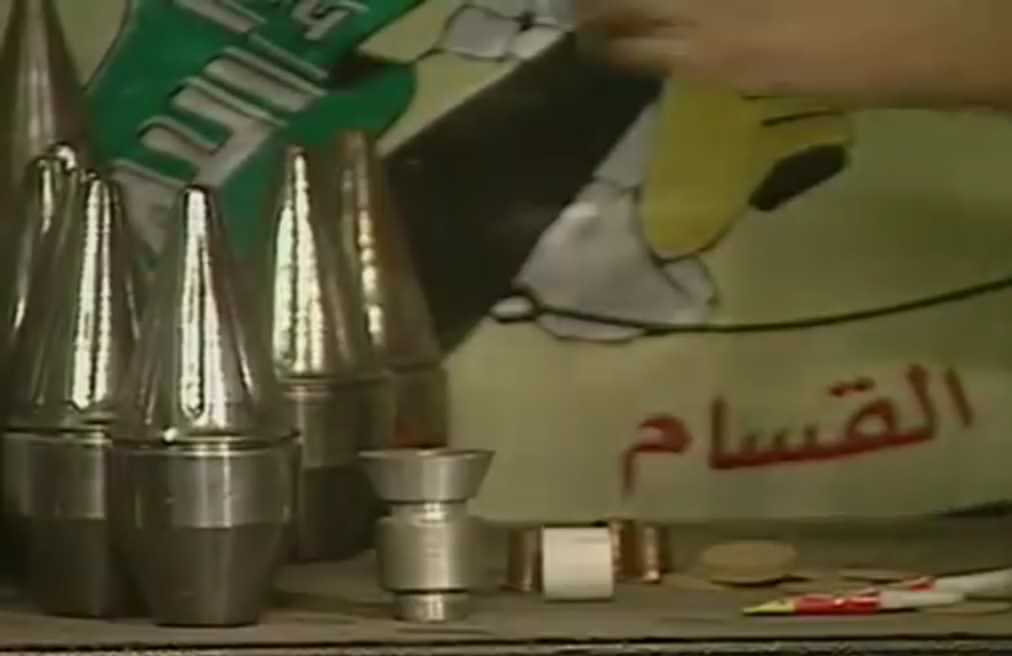
Fig.4.2. Al-Yassin Propelled Grenade’s warhead during the manufacturing process (Source: ARES CONMAT)
According to fighters from PRC’s Saladin brigades, the Yassin was able to knock out a Merkava Mk.3 Tank by firing it at a “weak point” (specifically its rear evacuation door) it is more effective in urban warfare, able to destroy brick walls and penetrate a 25cm steel plate from 150 meters. However, the ITIC (Israeli Intelligence and Terrorism Center) claims its penetration is only 20cm.
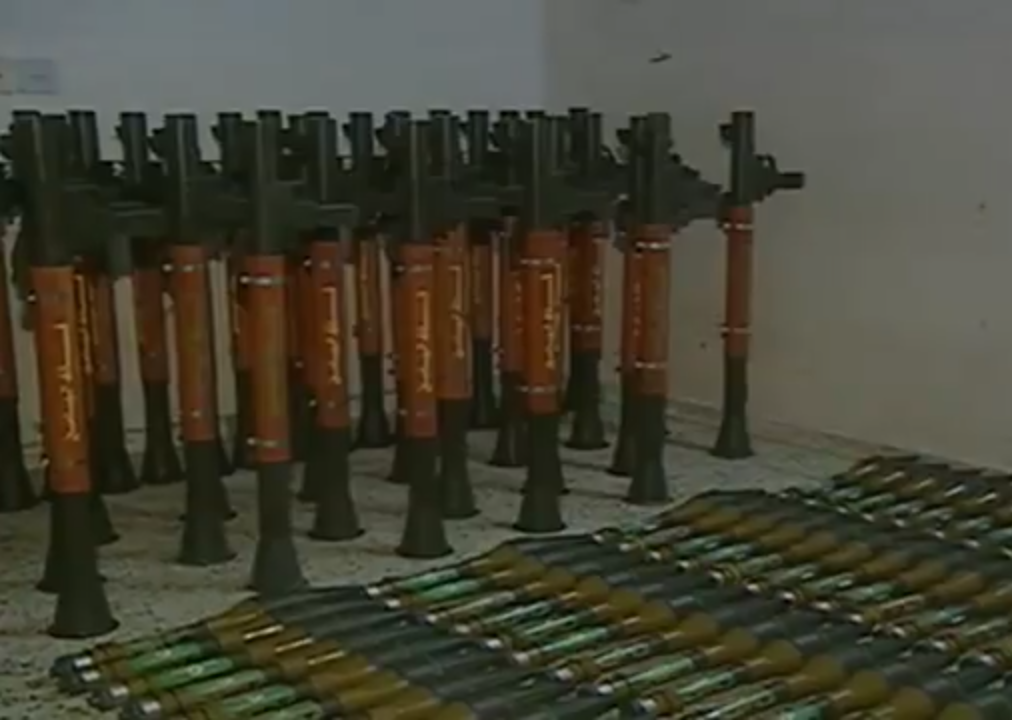
Fig.4.3. Stocked Yassin RPGs after manufacturing ready to use (Source: ARES CONMAT)
Land Mines: Anti-Personnel & Anti-Tanks IEDs
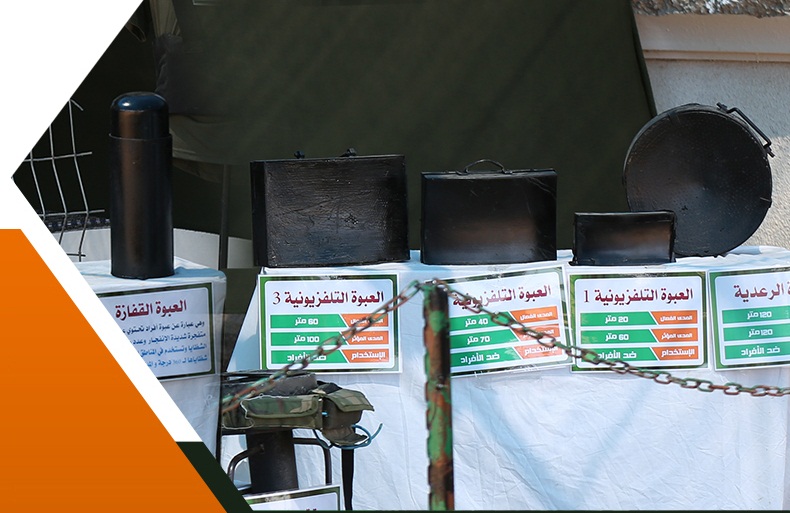
Fig.5.1. Anti-Personnel: from left to right Bounding mine, 3 T.V. shaped road-side IEDs, Thunder Charge (Source: ARES CONMAT)
The Thunder Charge is a scaled-up shotshell with a shaped charge guiding the shrapnel into a certain direction to maximize the damage in opposing forces (IDF in this case), detonated by an electric primer.
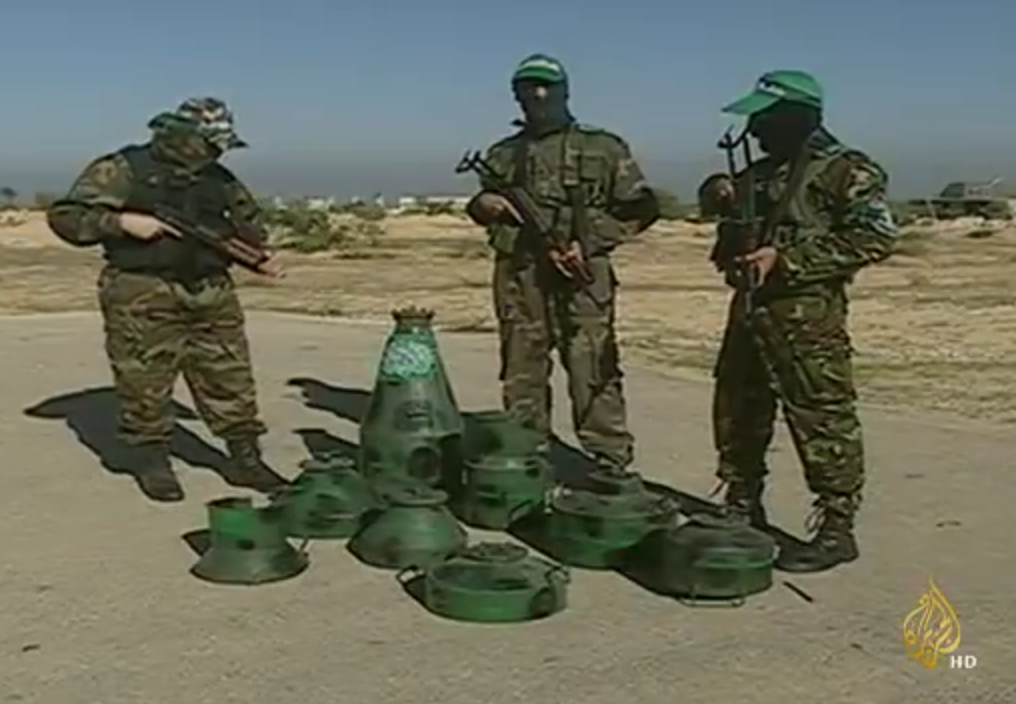
Fig.5.2. Various models of Anti-Tank Mines and IEDs locally made in Al-Qassam production facilities (Source: Al-Jazeera Documentary)
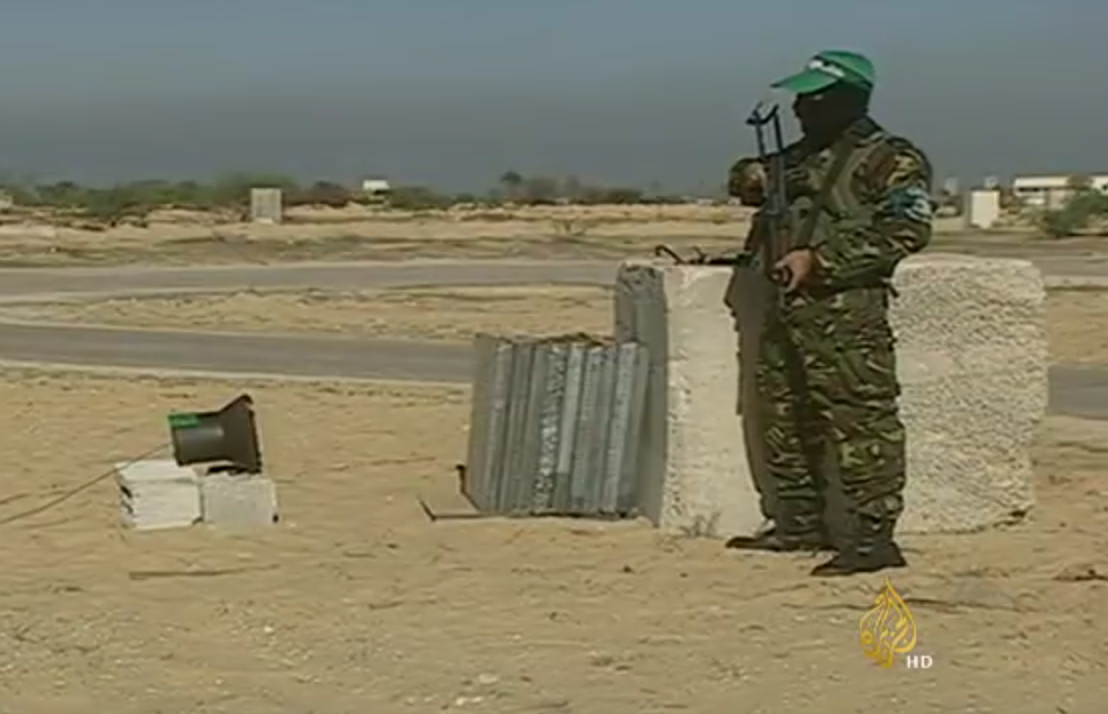
Fig.5.3. Demonstrating Showaz IED against 10 heavy steel plates (Source: Al-Jazeera Documentary)
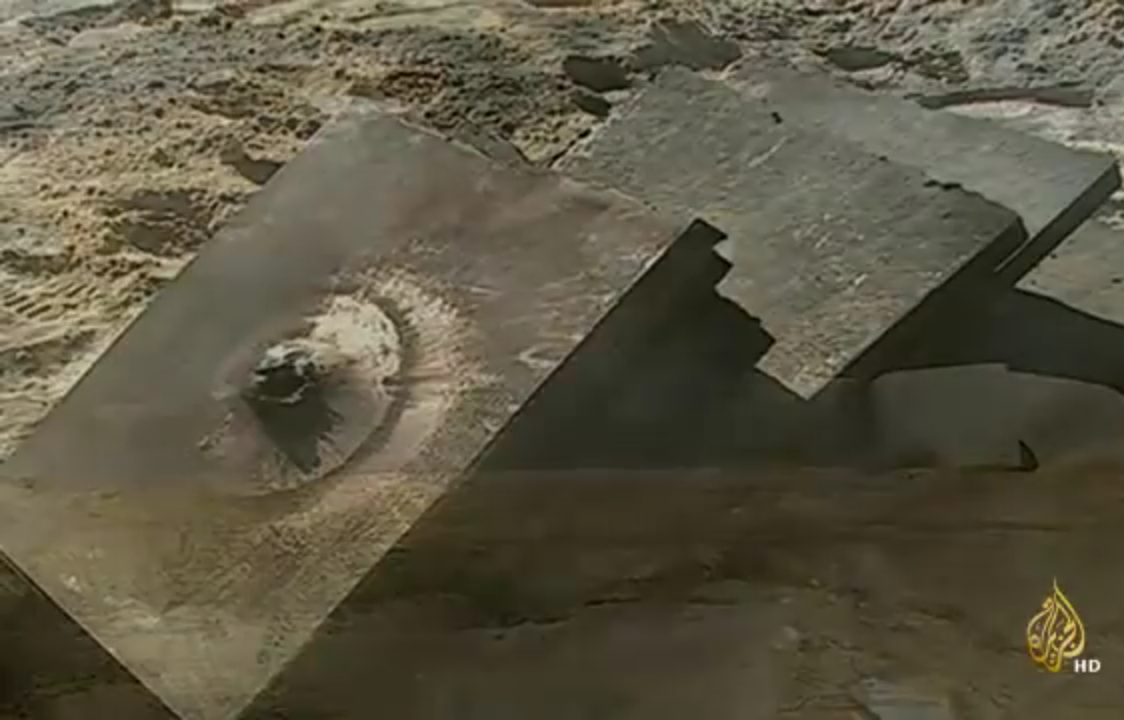
Fig.5.4. Nine out of Ten plates were fully pierced by Showaz shaped charge IED (Source: Al-Jazeera Documentary)
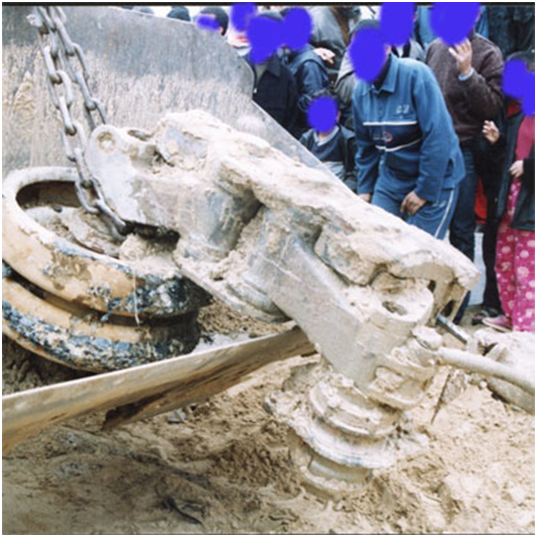
Fig.5.5. A part of Merkava Tank that was destroyed in Gaza by Showaz IED (Source: ARES CONMAT)
GHOUL Anti-Materiel Rifle
In order to memorialize their late leader Adnan El-Ghoul, Qassam brigades locally made a copy of the Austrian HS.50 anti-materiel rifle, but re-chambered for the Soviet/Russian 14.5×114mm round, instead of the original 12.7×99mm chambering. The standards HS.50’s overall length equals 1.37m while the Ghoul AMR’s length is 2m long.
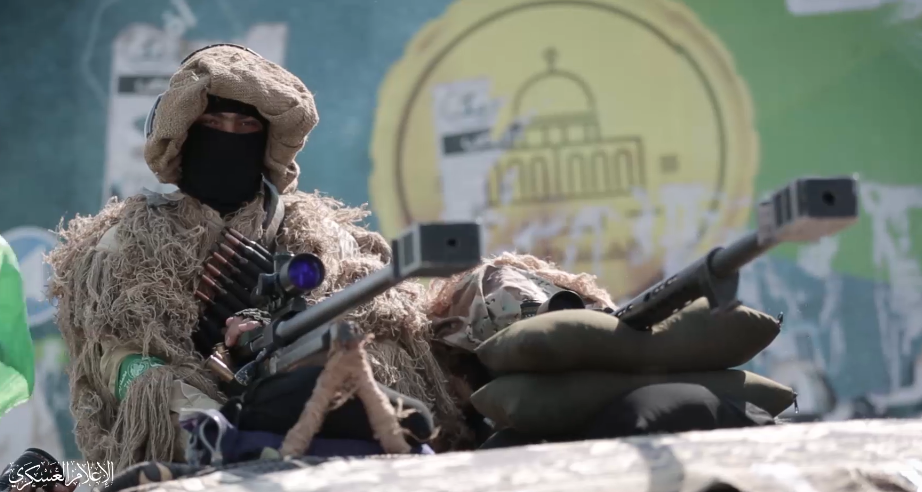
Fig.6.1. AM-50 Sayyad on left side beside Ghoul 14.5×114mm – note the barrel shroud on Ghoul which is obviously taken from a KPV Heavy Machine Gun, also the size difference of the muzzle brakes and bores (Source: ARES CONMAT)
ABABEEL: Introducing UAVs
As a normal evolution, Al-Qassam brigades found an excessive need to own a “poor man’s air force” which led to the innovation and design of 3 different models of Ababeel UAVs. The development of capable UAVs represents an impressive capability and worthy of study regardless of your view on the conflict in the region.
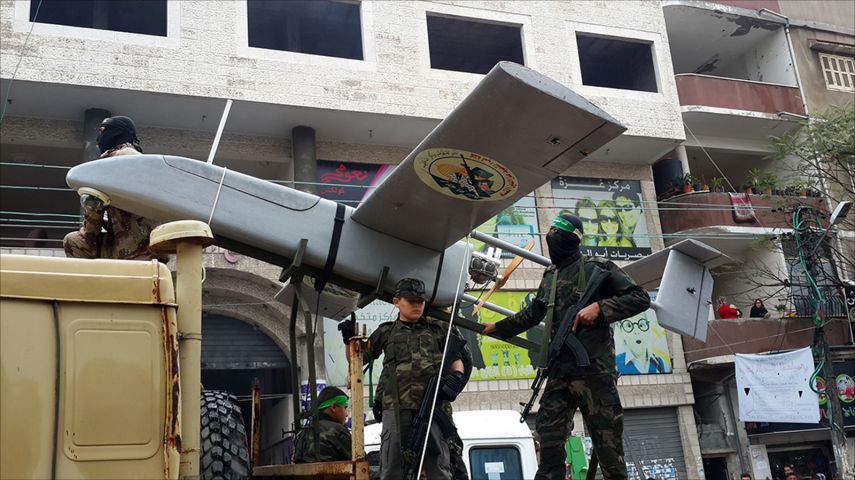
Fig.7.1. Ababeel UAV mounted on a truck during a military parade in Gaza note the AK-103 with the masked combatant on the vehicle (Source: ARES CONMAT)
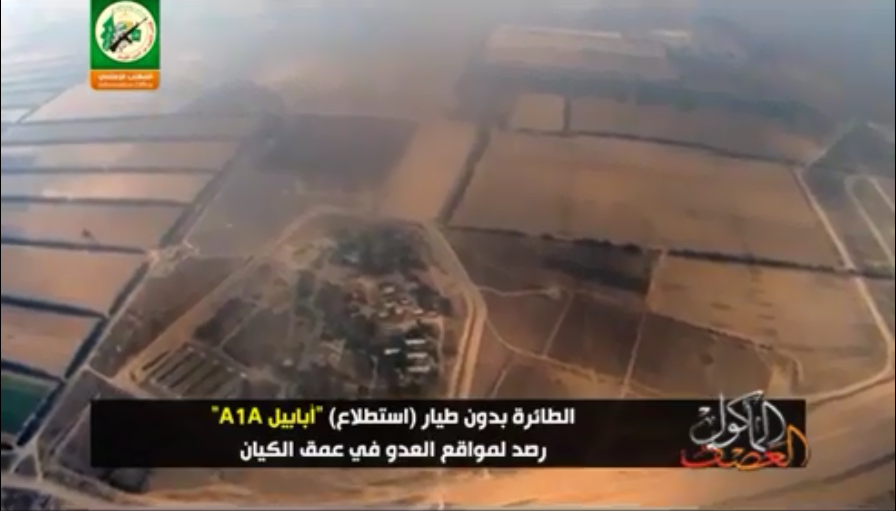
Fig.7.2. A still from footage from an Ababeel A1A version on a surveilance mission (Source: ARES CONMAT)
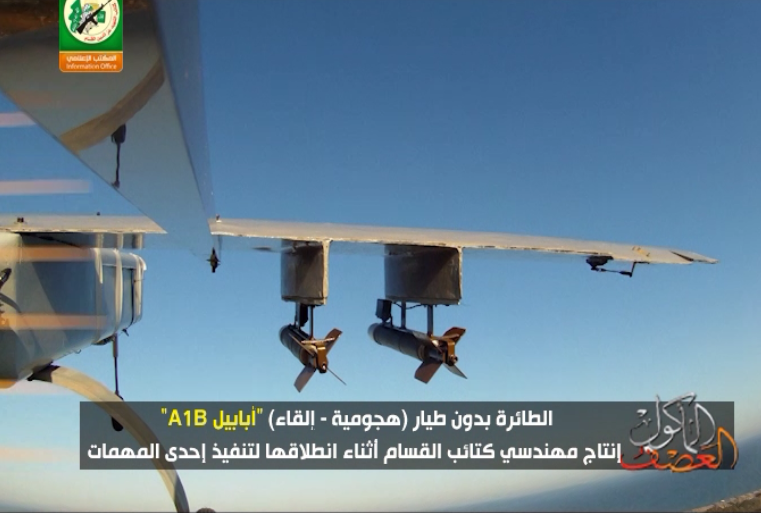
Fig.7.3. Ababeel A1B: ‘Bombing & Striking’ version with 4 Air-to-Ground missiles (2 on each wing) (Source: ARES CONMAT)
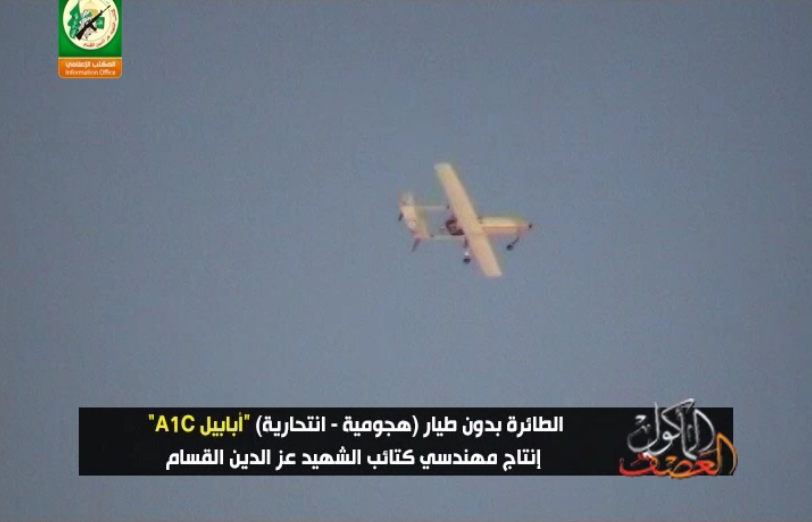
Fig.7.4. Ababeel A1C, essentially a loitering munition (Source: ARES CONMAT)
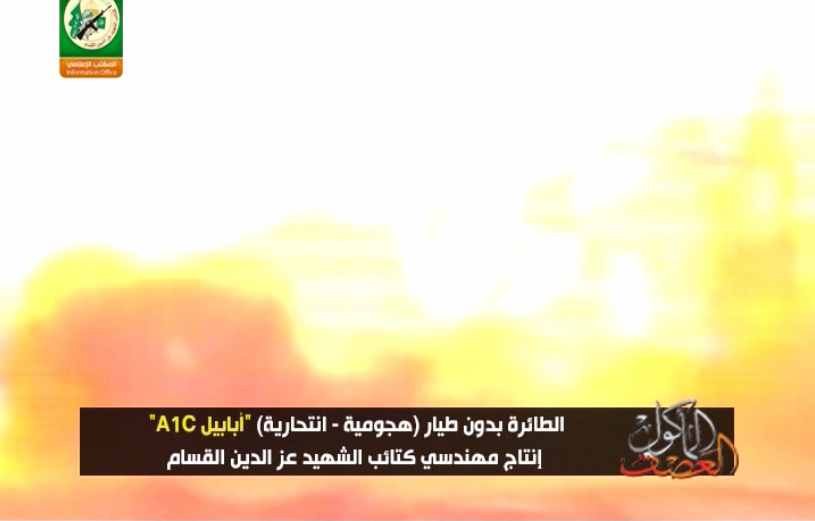
Fig.7.5. Ababeel A1C flying bomb impact on the ground (Source: ARES CONMAT)
If you enjoy our work here at Silah Report please consider supporting us on Patreon!
Dear Marawan
What models of Turkish shotguns do you recommend? What are the best quality Turkish shotguns? Thanks You!