The northern Syrian border town of Kobani weighs heavily on the hearts of Kurdish people from northeastern Syria. Hymns, poems, and tales of great bravery and sacrifice all resonate from the brutal urban combat that occurred there between YPG/YPJ fighters and so-called Islamic State forces in 2014, when the Takfiri movement was at its height of power and control. It was the bloody struggle for Kobani that kindled the fire of Kurdish identity that finds itself today still fighting for survival against Turkish and local forces alike.
Walking through the city today, it is clearly evident that it went through a wave of urban destruction. The twisted rebar rods protruding from smashed concrete structures and entire buildings that have collapsed in rubble leave no doubt about this. But through this ravaged landscape, the city has begun to slowly come back to life. Streets full of new shops are open on a regular basis, businesses are clearing the shattered remnants away block by block and building new structures in their places. There is even a cellar bar that visitors and residents alike can sneak off to for beer, hookah, and liquor. And of course, we have the Kobani martyrs’ museum commemorating the battle itself.
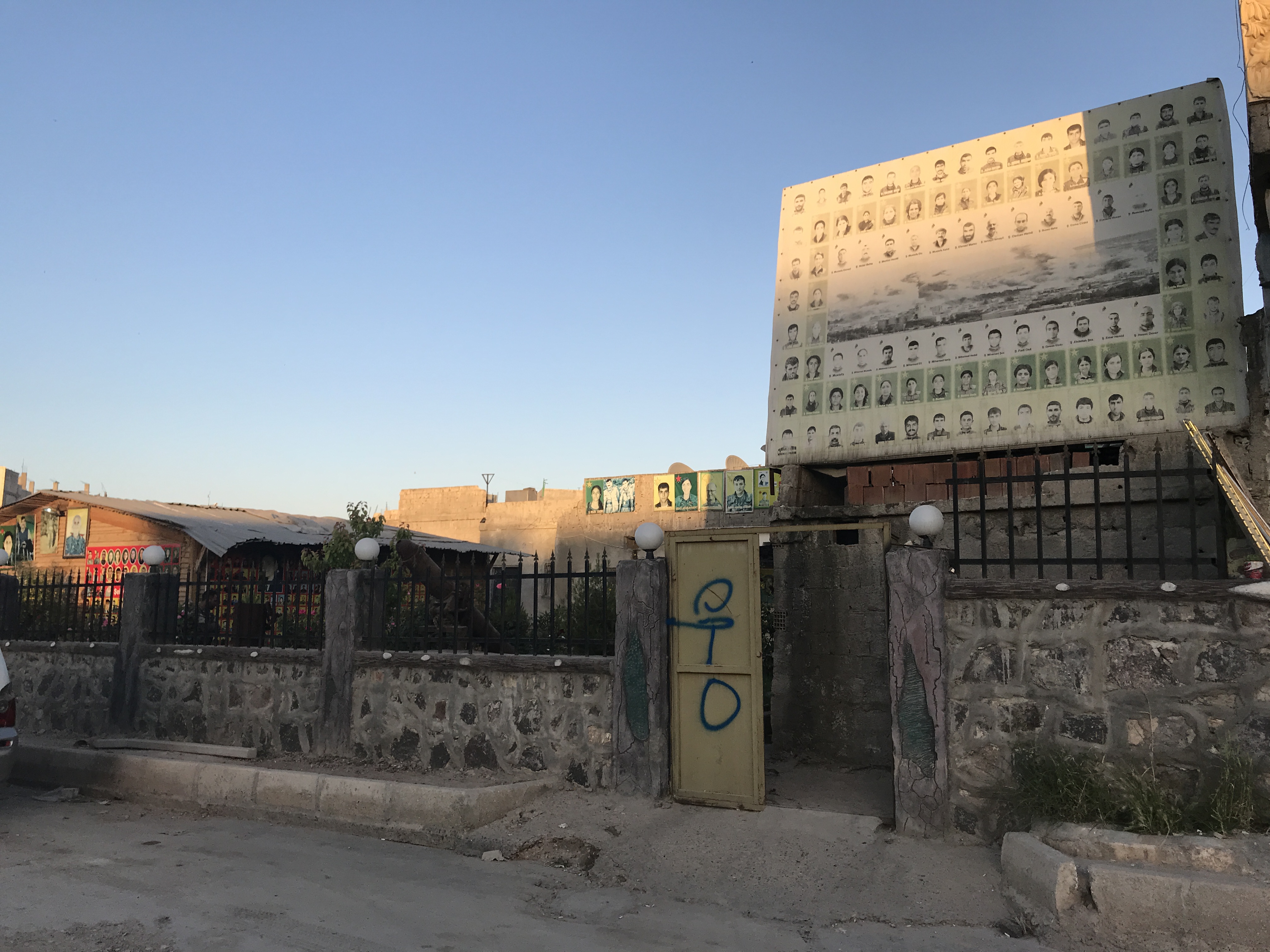
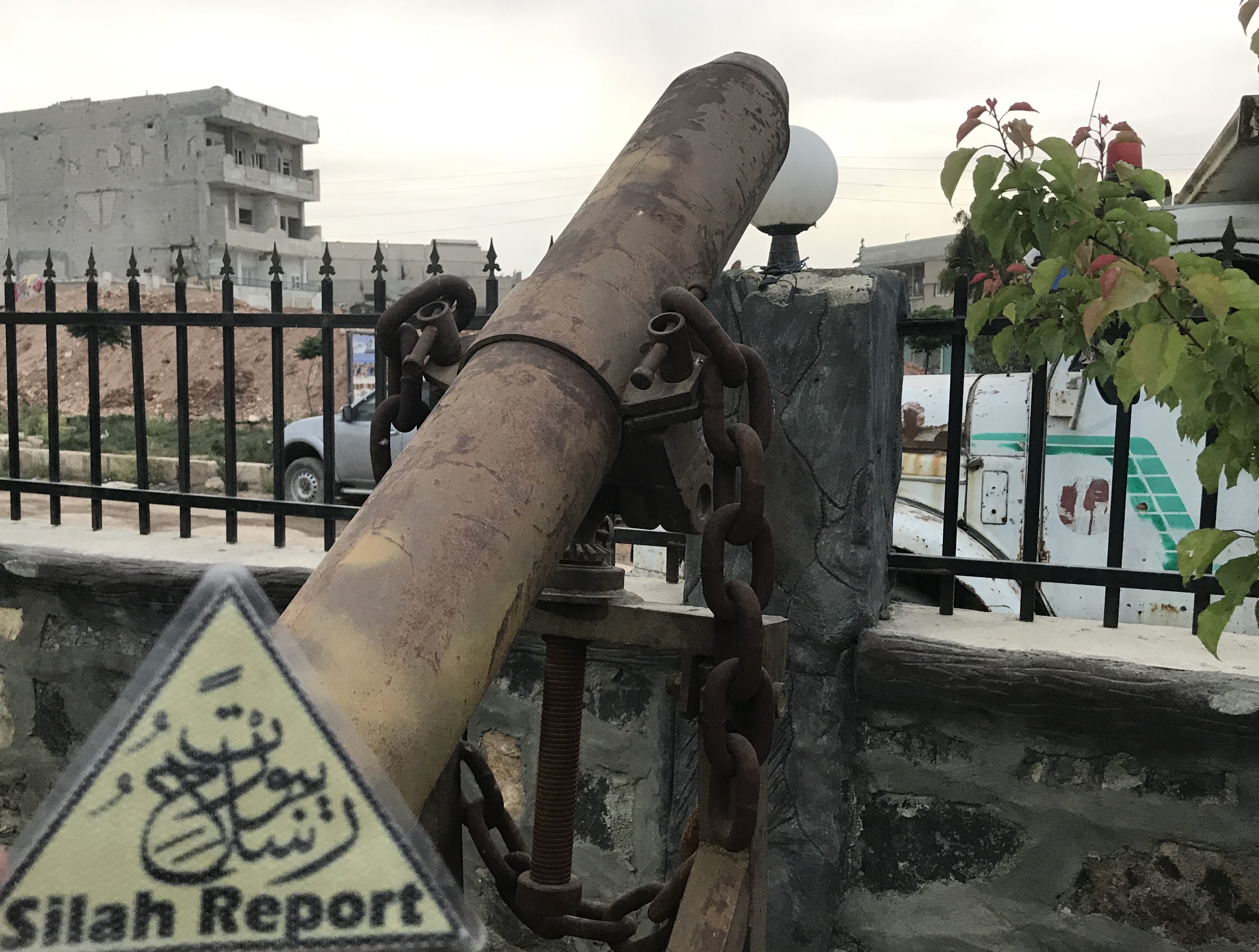
The Kobani Memorial Museum (متحف کوبانی is located in the northern part of the town at -36.8902, 38.3503), just off one of the main arteries of travel running parallel to the east-west axis of the Turkish-Syrian border. Entry is free as it is administered by local SDF-forces which consist of some posted guards and local commanders. There are no set times of entry, but visitors are generally welcome throughout the daylight hours. The original purpose of the property that the museum occupies is not known but it appears that like many properties during the battle, it became vacant, no owner returned to claim it (or it was donated) and then repurposed as a museum. Consisting of two wooden huts which house the artefacts and a memorial statue, the museum is surrounded by a concrete barrier which is itself ringed by a number of improvised mortar systems (aptly nicknamed ‘Hell Cannons’ by foreign fighters) that are now on display.
An important aspect of study for Silah Report in regards to the museum is that the artefacts on display are a direct representation of the YPG/YPJ values of martyrdom (Arabic/Kurdish- Shaheed/(شهید)) object veneration. It is one example of how the YPG/YPJ community honor the memory of fallen fighters through the objects that they carried when they were killed, most often this being their small arms. Through the author’s experiences, there are other objects that the community takes as tokens of memorial when fighters are killed in action (gifting the traditional shemagh of a fallen fighter is a high honor to be bestowed upon as an example). But due to the nature of the conflict, if these objects are uniform/cloth items, they can disintegrate and become very difficult to clean due to the biological matter that is mixed in (as will easily happen when fighters are crushed in buildings due to artillery or airstrikes). But small arms, typically being made from metal, wood, and polymer components (if involved in large explosions or fire, polymer and wood will disintegrate), are much less troublesome to maintain, clean, and preserve after their former bearers’ sacrifice.
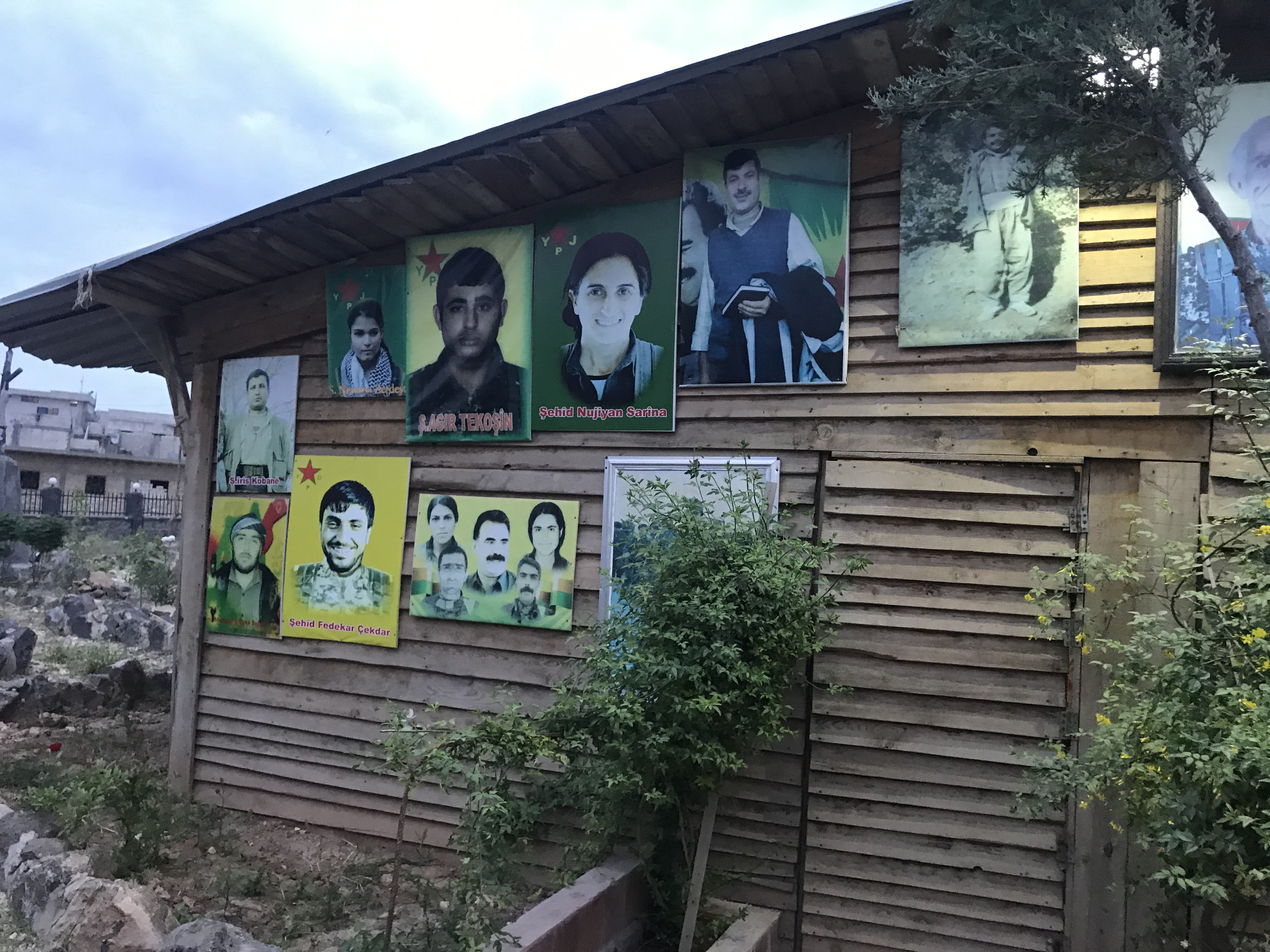
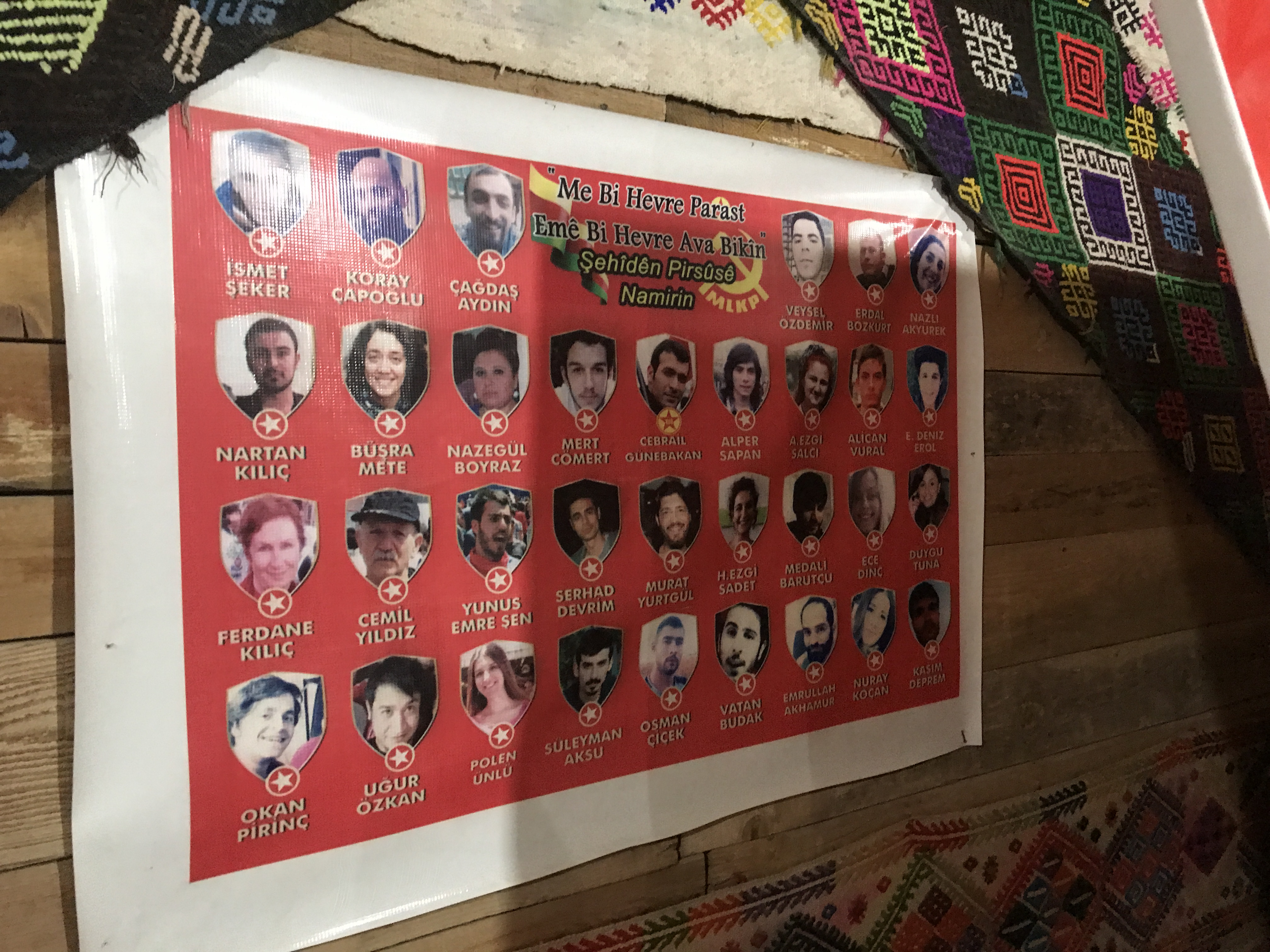
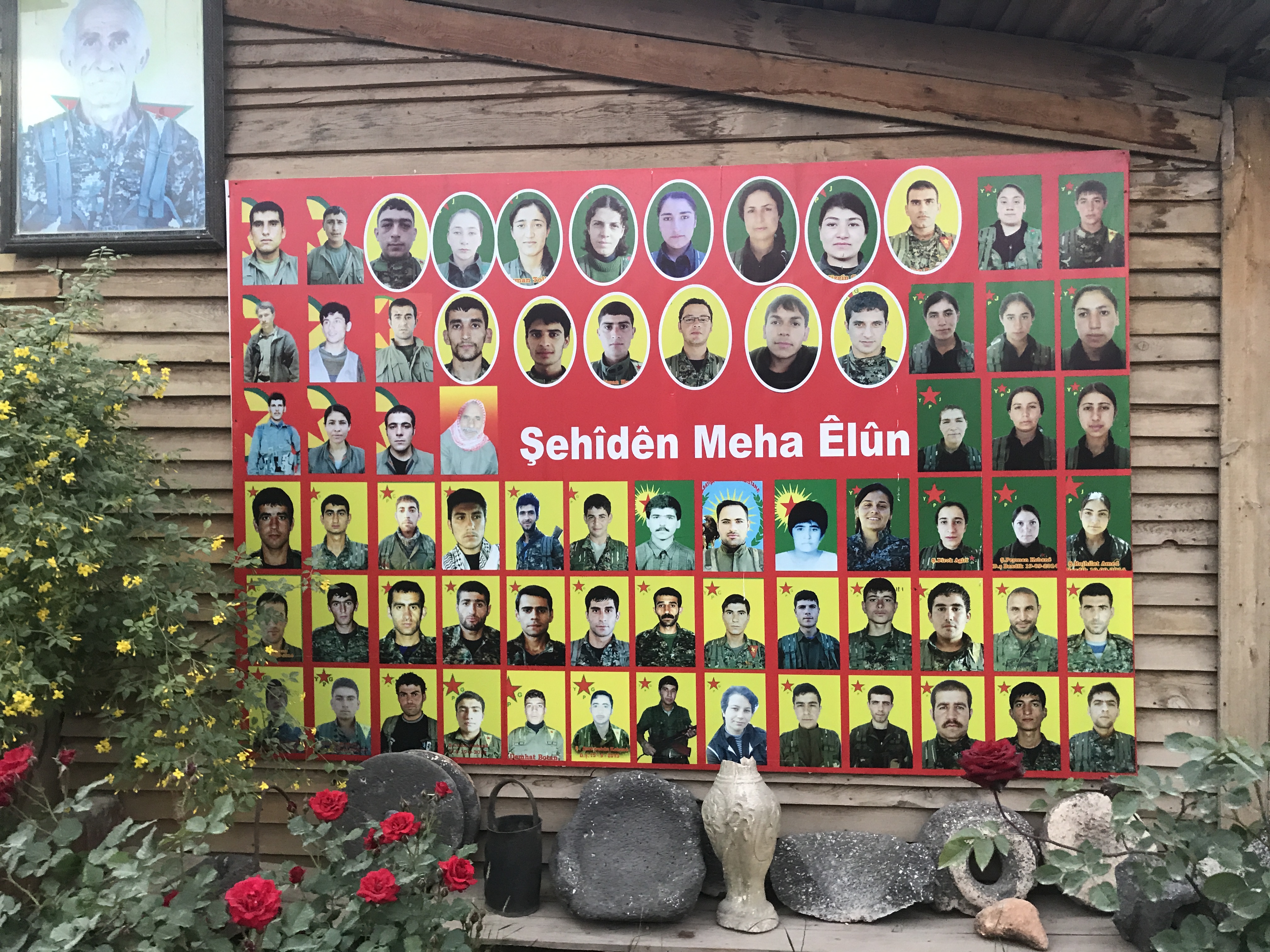
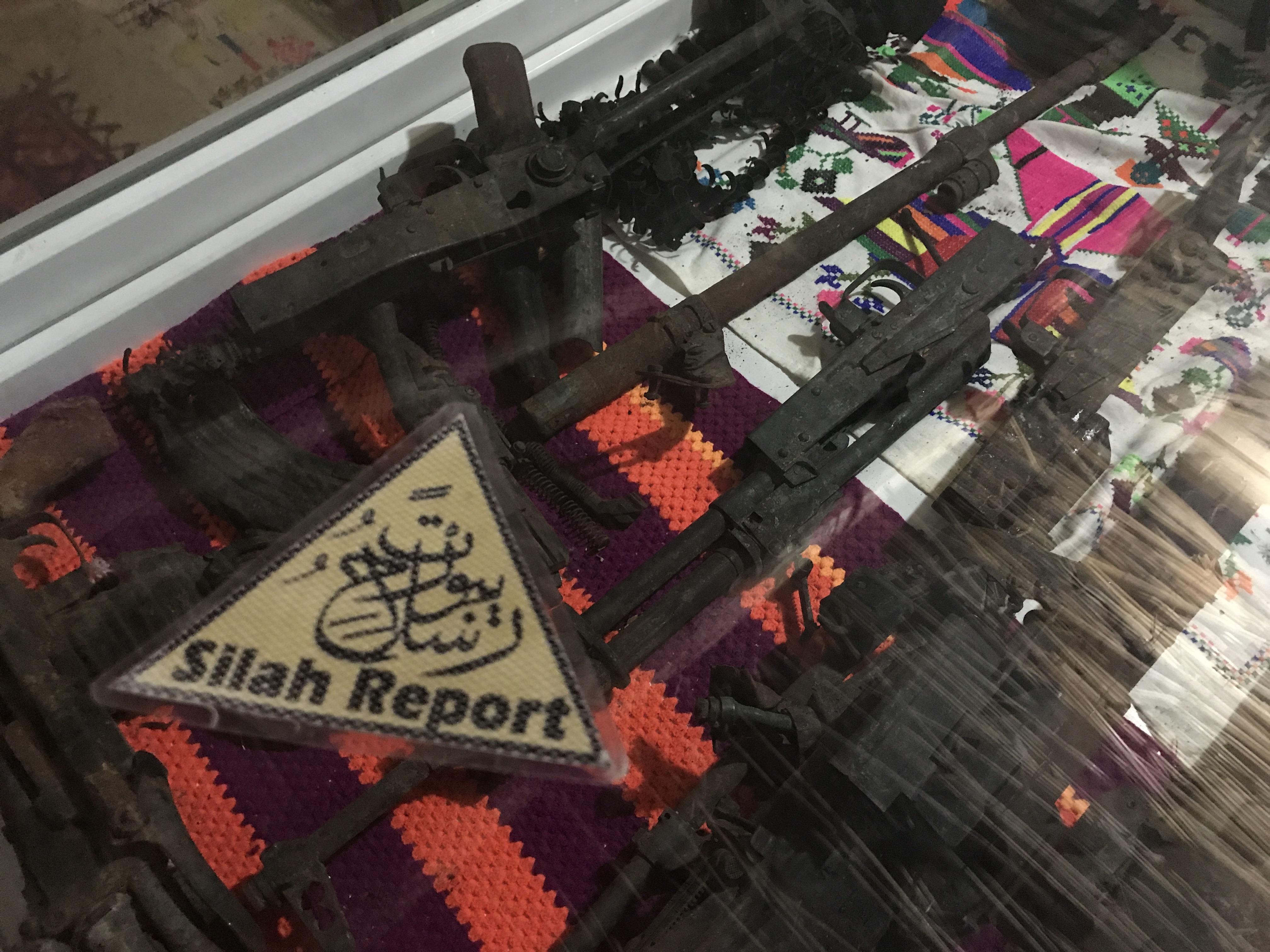
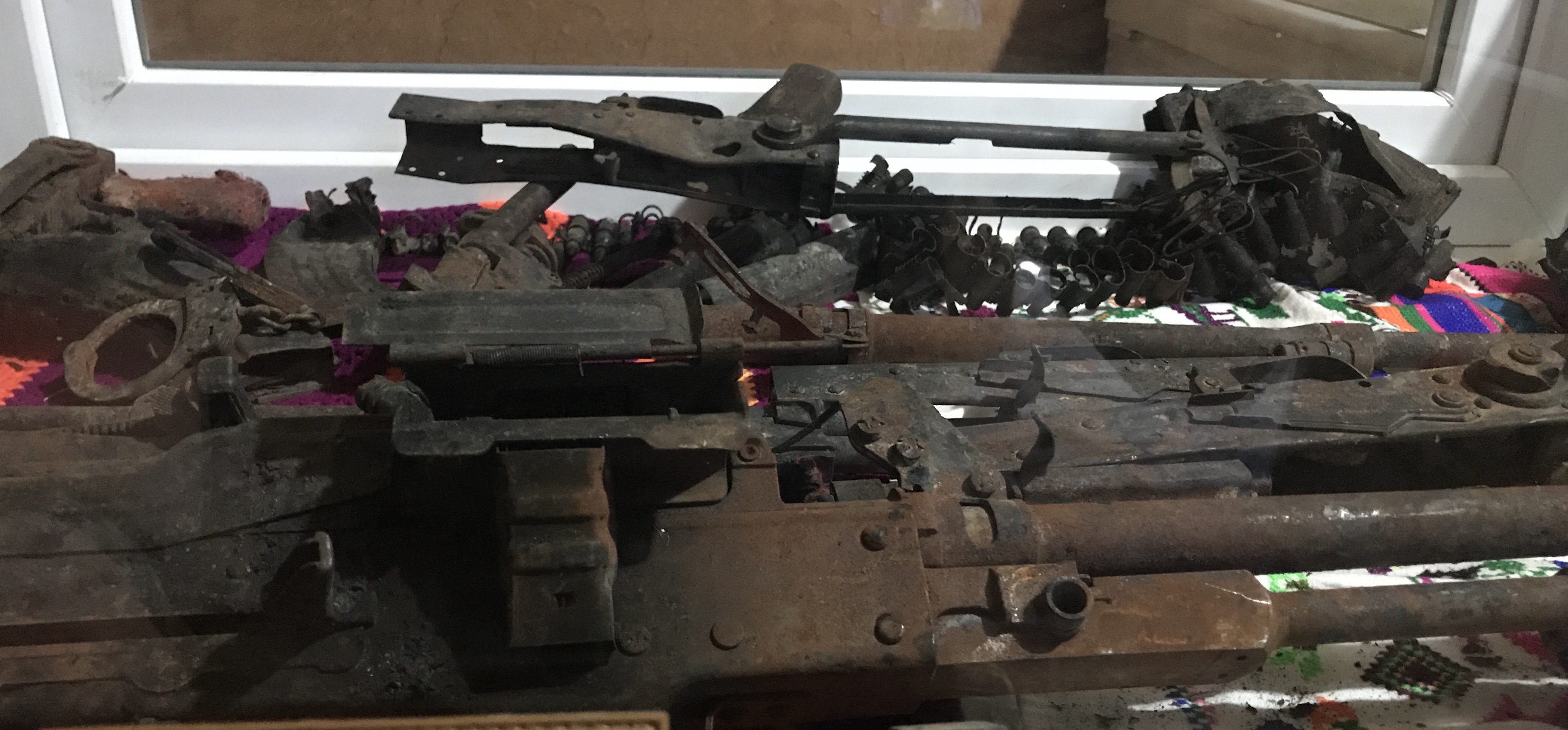
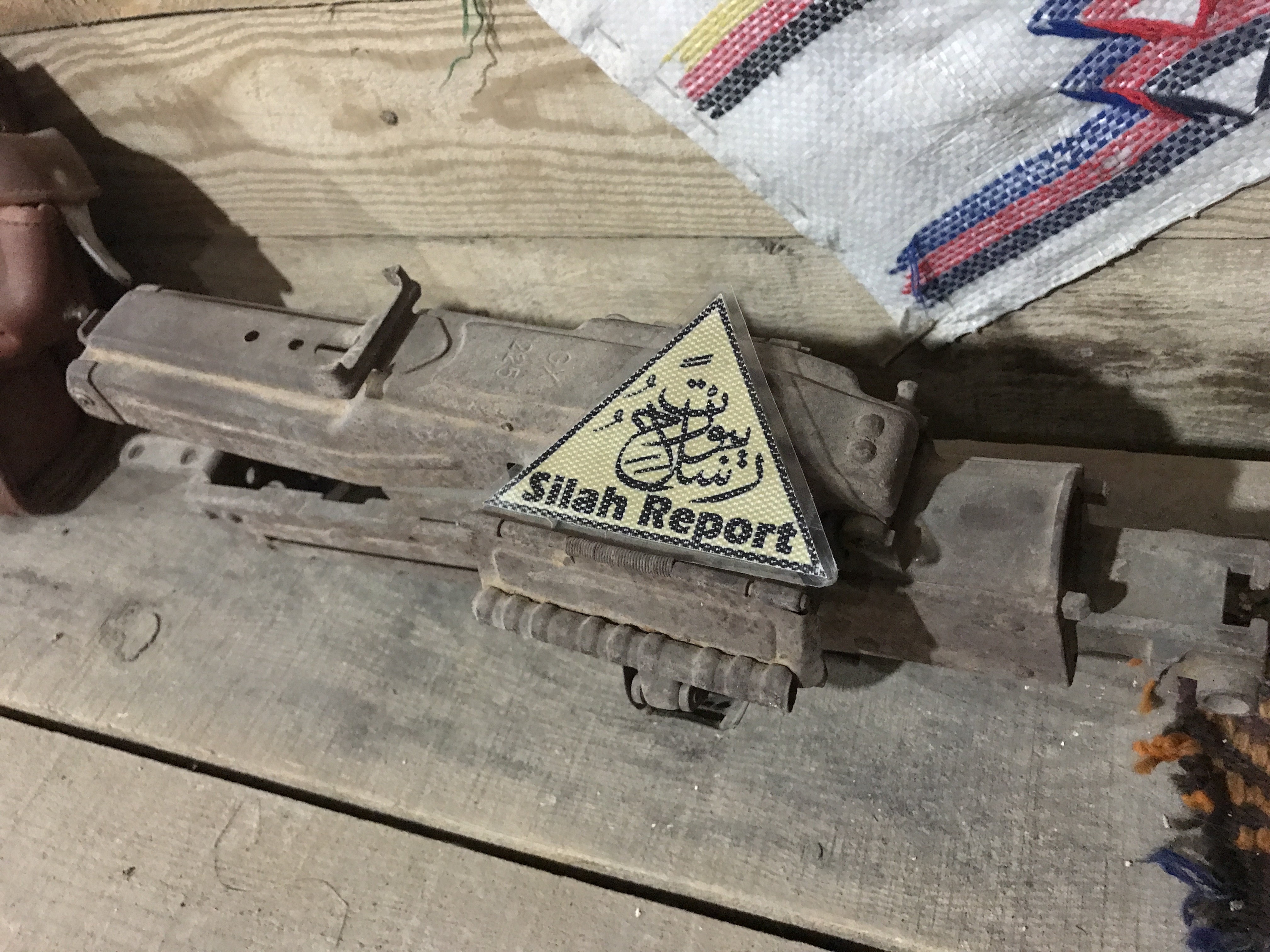
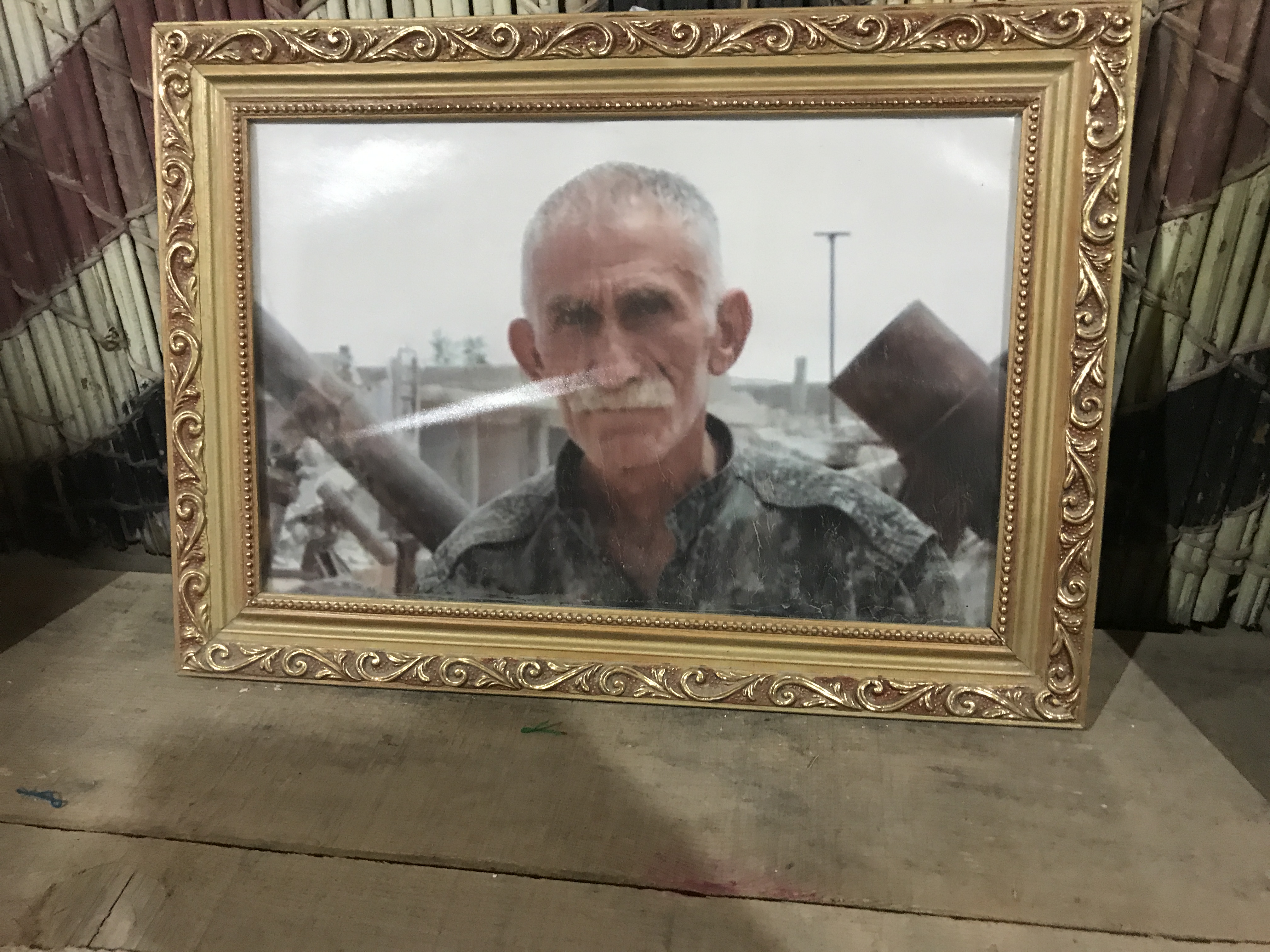
Thus, the Kobani Memorial Museum portrays this martyr object veneration very well along with hundreds of photographs of fighters who fell in the battle itself. The larger memorial hall has some of these small arms arrayed on a wraparound table that includes numerous other recovered objects, photographs, and memorial plaques. But it is in the smaller brick hall around the corner where a large glass table has preserved over a dozen rifles, machine guns, RPGs, and even PK-patterned linked belts that were recovered after the fighting. The viewing cabinet has traditional mats placed on the surface for the twisted, rusting hulks to rest on and has been kept clean for viewers to look at. There appears to be more material that was planned for the hall as there are four glass cabinets on display, but only one is filled with artefacts. This assortment of small arms is more indicative of mass-unknown martyr object veneration rather than specific pieces that can sometimes be seen on display.
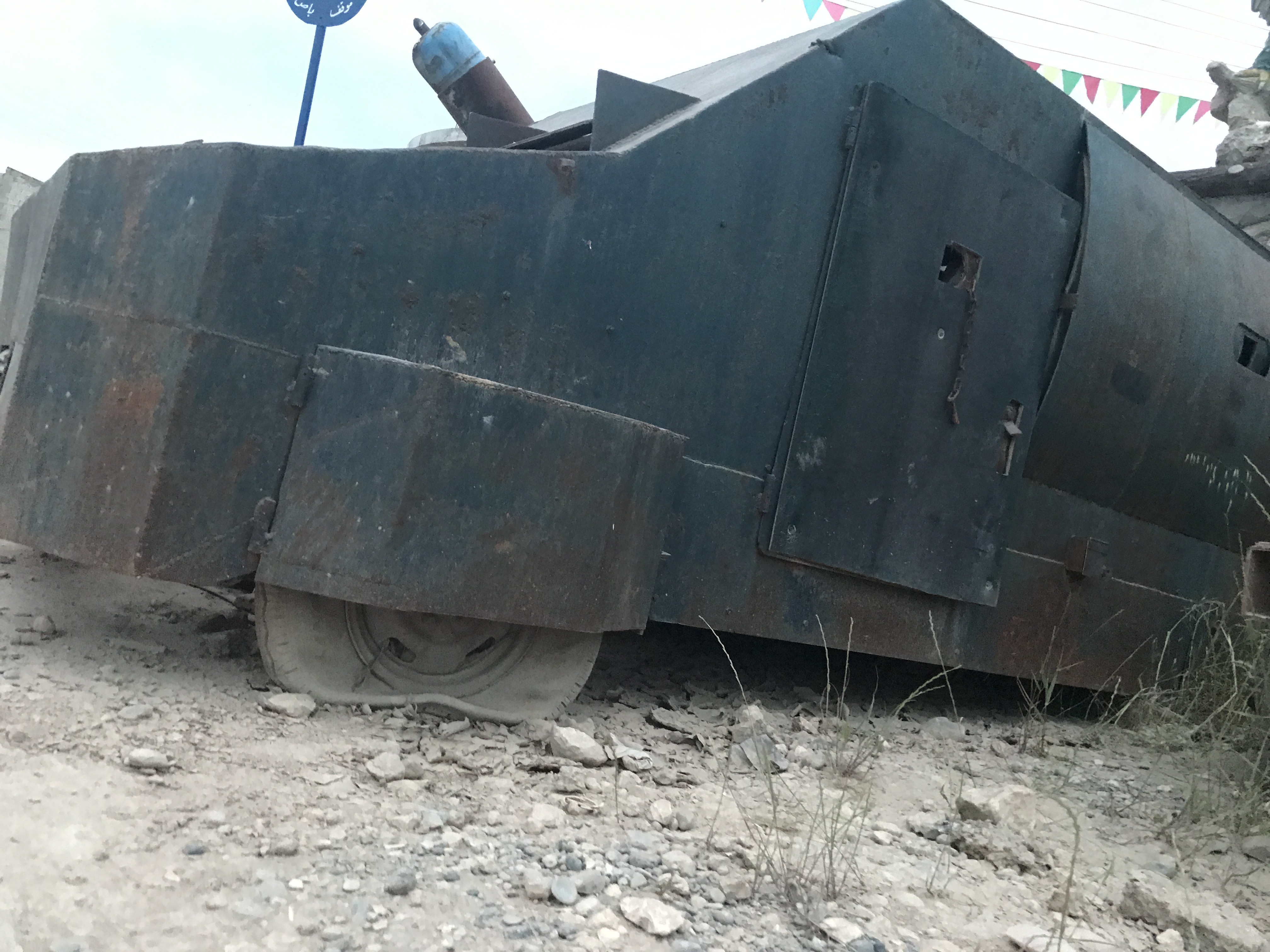
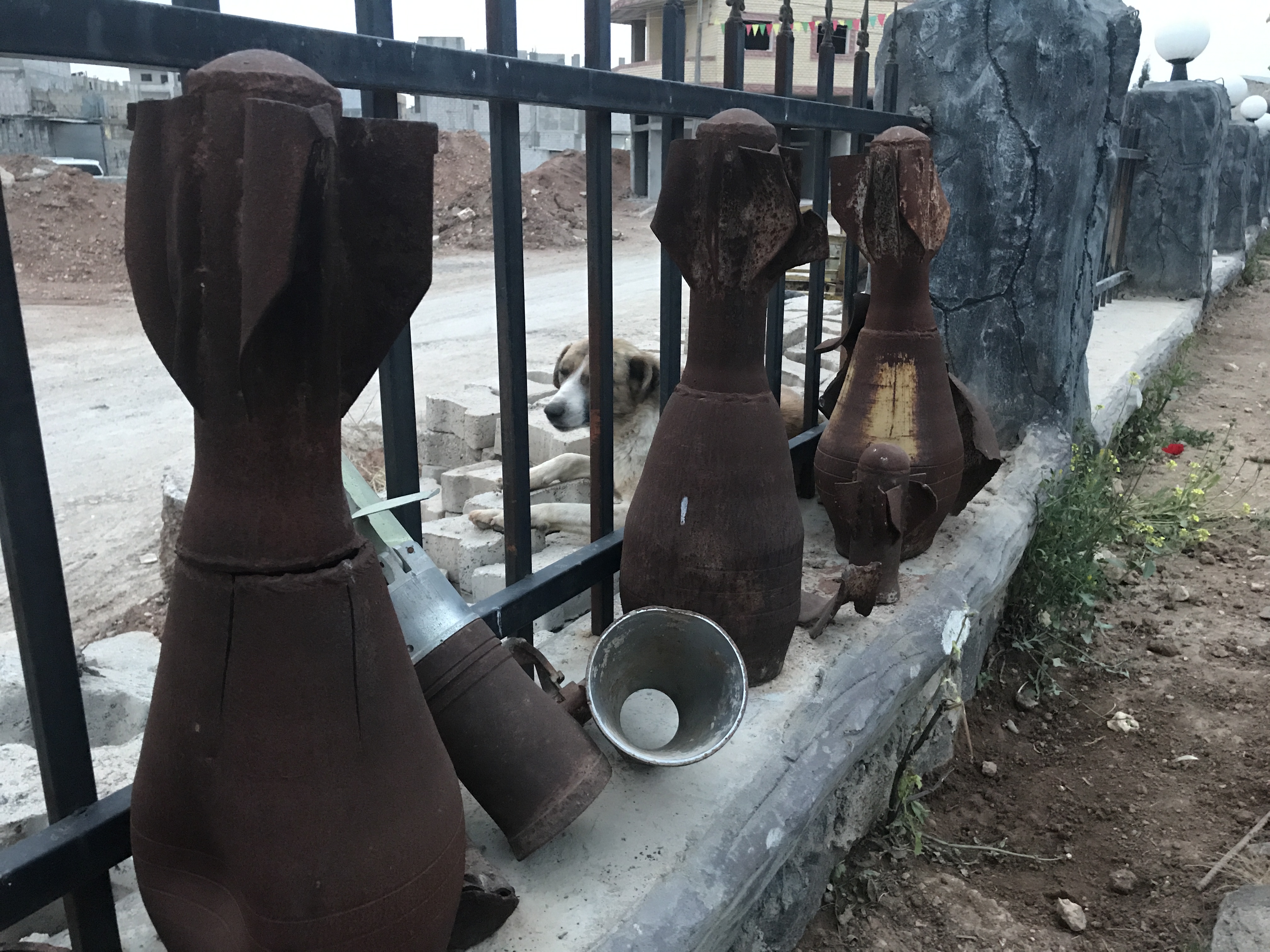
Outside the halls is a memorial statue depicting an arm with the sleeve of a camouflaged YPG uniform, defiantly outstretched to the sky holding a fixed-stock AKM-patterned self-loading rifle to the sky. Surrounding the wall and throughout the courtyard, itself are remnants of ordnance materiel, both exploded and unexploded (visitors beware – it doesn’t appear that this ordnance has been made by a competent EOD team) in the form of mortar bombs and rocket propelled grenade rockets. Some of these pieces have been broken open and are being used as flower pots. Outside of the walls are the ‘Hell Canons’, posed in their deployed states, in addition to an improvised IS armored personnel carrier that has been gutted for parts and is now resting at the side of the road.
Current events mean the residents of modern-day Kobani are living day to day wondering if Turkish-backed forces will once again come swarming over the border, and are much less focused on the future of their memorial museum. Hopefully, the museum remains as a testament to the men and women who died fighting for the town for many years to come. A place where visitors and residents alike can view the displays in peace and prosperity.