The earliest Iraqi gun act was enacted in 1919 under the British mandate. Although the original text
of this act cannot be found two amendments exist for this act.
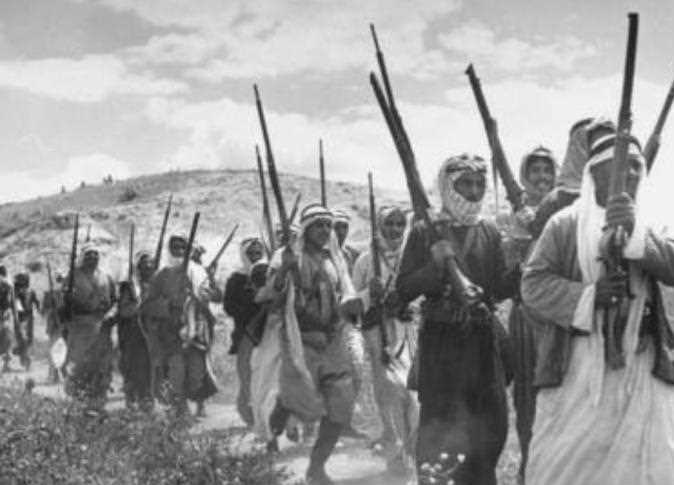
The first amendment for this act was ratified in 1932. It defined the licensing fees for firearms
possession, repairing and selling licenses. The fees were 0.375 IQD for a firearm license and no less 0.75
IQD for dealers, gunsmiths and manufacturers. The amendment also added exemptions from requiring
firearms to licenses to police officers and military personnel carrying their service weapons, members of
the now defunct senate, members of the chamber of deputies, government employees and foreign
military personnel in serving in Iraq.
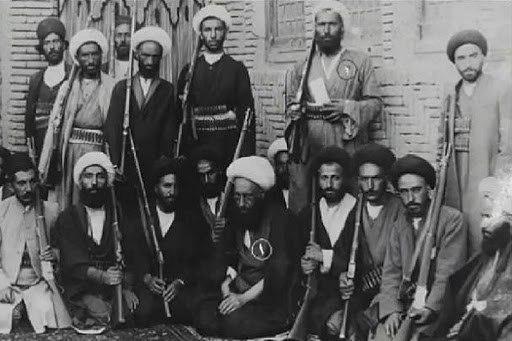
The second amendment in 1935 allowed firearms licenses to be granted to companies and or
organizations.
In 1939 this law was replaced by the “Firearms act no. 53 of the year 1939”. This act defined firearms
as pistols, rifles and shotguns and their ammunition. Firearms are now regulated by the ministry of
interior and it is the sole issuing authority. Firearms can only possessed and carried by a license or
permit granted by the issuing authority. Those who wish to be granted a firearm license must to be at
least 18 years old and have clear record and written request detailing the need for owning pistols or
rifles. However, shotguns do not require a written request. The exemptions from requiring a firearms
licenses carried over from the previous law. Carrying without a license is an offense punishable by up to
three years in jail and a fine not exceeding 75 IQD.
The amount of ammunition that can be carried must be specified on the permit itself However, no
ammunition amount restrictions exist for shotguns.
Many years later after abolishing monarchy, a new act replaced the 1939 act. Firearms act no. 151 of
the year 1961. This act introduced new definitions for weapons and changed some of the existing ones.
It defined firearms as pistols, semi-automatic rifles and shotguns. Military weapons as any heavy,
explosive or fully automatic firearm. White arms or cold weapons which include items such as swords,
pocket knives and brass knuckles. And it also defined historic or antique weapons as any weapon that has
been de-milled and issued for decoration or demonstration purposes.
يقصد بالعبارات التالية المعاني المبينة ازاءها
السلاح الناري – هو السلاح الناري المعد لاستعمال الافراد كالمسدسات والبنادق الاعتيادية وبنادق الصيد.
السلاح الجارح – هو السلاح غير الناري الذي يحدث استعماله جرحا قاطعا او اذى بوجه عام كالسيوف والحراب والقامات والخناجر والمدى المعدة للايذاء والملكمات المعدنية (البوكسات) اوكل اداة ذات مظهر بريء تخفي سلاحا معدا للايذاء.
السلاح الحربي – هو السلاح المعد للقتال والمعارك الحربية الذي تستعمله القوات المسلحة كالقنابل والرشاشات والمدافع والبنادق سريعة الطلقات.
السلاح الاثري او الرمزي – هو السلاح المقتنى بدون عتاد للزينة او الرمز او الاسلحة الموجود في المتاحف العامة.
العتاد – هو الذخيرة الحية المعدة للاستعمال في السلاح الناري.
العتاد الحربي – هو الذخيرة الحية المعدة للاستعمال في السلاح الحربي وفي ضمنها العتاد الخلب.
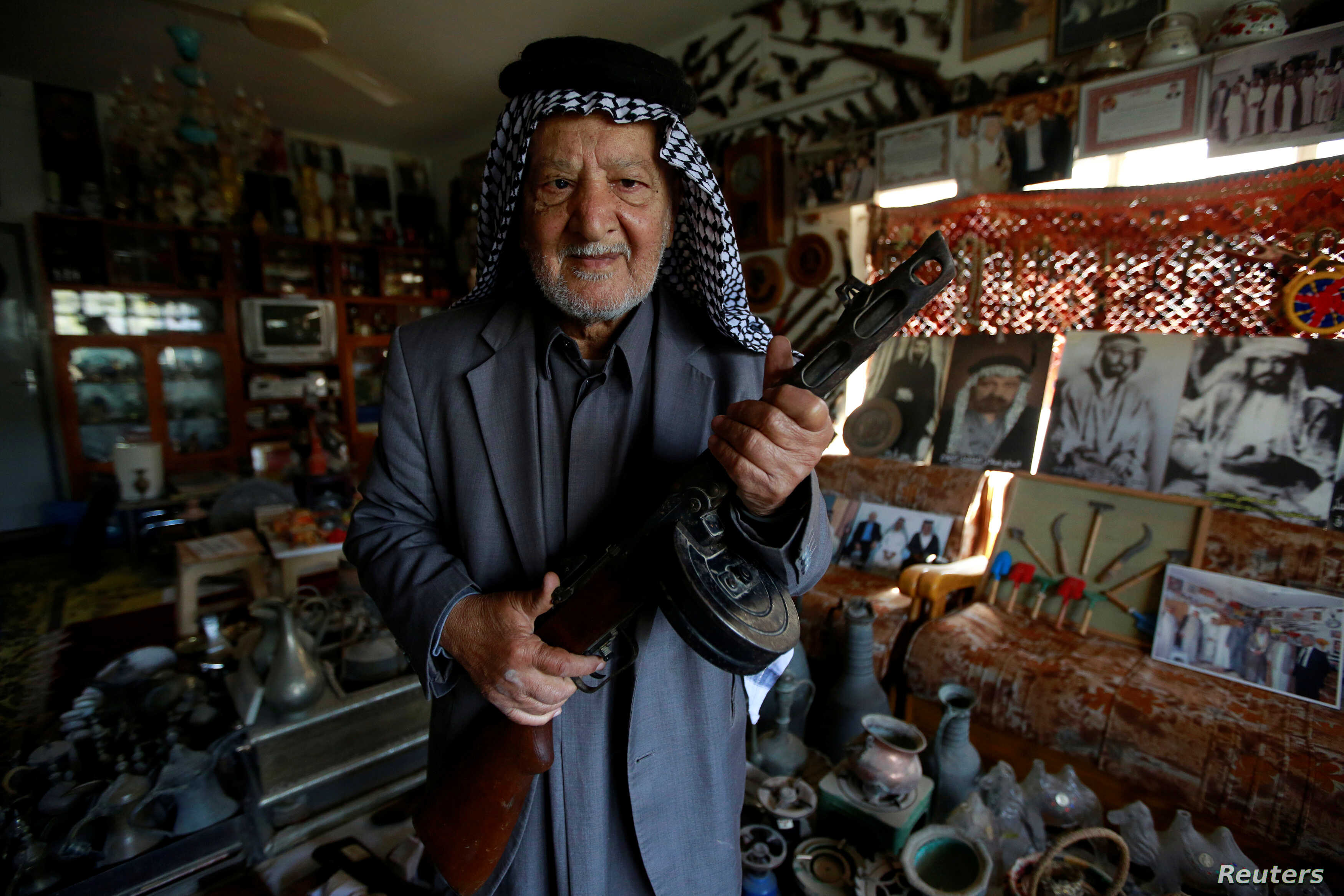
Iraqi collector of antique firearms (Source: REUTERS)
This act allowed civilians to posses and carry firearms and cold weapons with a license or permit from
the issued authority. The possession of any military weapon by civilians is strictly prohibited. Antique or
historic weapons require no permit whatsoever. This act raised the age requirement for a firearms
license to 21 years.
This act allowed foreigners to receive a permit for possessing and carrying firearms for the purpose
of hunting or sports shooting if the foreigner’s country allows Iraqi nationals living within the same
privilege.
This act changed the amount of ammunition that can be carried to 50 rounds per rifle or pistol and
200 rounds per shotgun. A person can only own and receive a permit for one firearm. However, a
person can apply a written request detailing the need for owning another firearm and it must be
approved by the minister of interior.
Exemption from needing a license to carry a weapon per this act: The president, the prime minister,
ministers, military personnel and police officers on their duty.
Smuggling weapons is punishable by up to 5 years in jail or a fine not exceeding 500 IQD. Other
violations are punishable by up to 3 years in jail or a fine up to 200 IQD.
مادة 19
كل من اخبر عن حيازته سلاحا غير مجاز يعفى من العقوبة وعلى سلطة الاصدار منحه الاجازة وفق احكام هذا القانون.
مادة 20
يعاقب المخالف لاحكام هذا القانون والانظمة والتعليمات والبيانات التي تصدر بموجبه بالحبس مدة لا تزيد على ثلاث سنوات او بغرامة لا تزيد على مائتي دينار او بهما مع مصادرة السلاح*.يعاقب كل من هرب اسلحة او
اجزائها او عتادا بالحبس مدة لا تزيد على خمس سنوات او بغرامة لا تزيد على خمسمائة دينار او بهما معا ويصادر السلاح والعتاد المهرب
Whoever notifies the authorities of unlicensed weapons in their possessions, will not face any charges
and must be granted a firearms license by the issuing authority.
A new act called “Firearms act no. 95 of the year 1963” replaced the 1961 act. This new act kept the same
provisions as the previous act while changing the former act’s stipulated punishments. It made the
punishments noticeably heavier. This was likely a response to the volatile political climate of the time.
The punishment for smuggling firearms military weapons was increased to up to 7 years in prison or a
fine of up to 500 IQD. Carrying firearms or cold weapons in a demonstration or protest is also punished
by the same punishment. The same punishment also applies to carrying weapons in violation of
prohibition issued by the authorities. Other violations carry the same punishment from the previous act
of up to 3 years in jail or a 200 IQD fine.
Whoever notifies the authorities of unlicensed weapons in their possessions, will not face any charges
and may be granted a firearms license if the conditions for owning firearms apply
مادة 19
كل من اخبر عن حيازته سلاحا بدون اجازة يعفى من العقوبة ولسلطة الاصدار منحه الاجازة وفق أحكام هذا القانون وفي حالة عدم الموافقة تطبق احكام المادة الثانية عشرة بحقه .مادة 20
يعاقب بالحبس مدة لا تزيد على سبع سنوات أو بغرامة لا تزيد على خمسمائة دينار مع وجوب مصادرة السلاح أو اجزائه أو عتاده كل من : –
أ – خالف أحكام المادة الثانية من هذا القانون .
ب – هرب اسلحة نارية أو حربية أو اجزاءها أو عتادها .
ج – حمل سلاحا ناريا أو جارحا أثناء المظاهرات أو التجمعات .
د – حمل سلاحا ناريا أو جارحا خلافا للبيان الصادر من السلطة المختصة بمنع ذلك .
Another act was ratified in 1968 replacing the old acts, known as the “Firearms act no. 4 of the year 1968”.
This new act kept the same provisions of the previous acts with two major changes. It deregulated cold
weapons and removed them from the definition. Removing the need for a permit to carry them.
The other change is that it further increased the severity of the stipulated punishments.
The punishment for smuggling military weapons is up to life imprisonment with hard labor or capital
punishment if the intent was to spread terrorism or fuel any insurrection. Otherwise it is punished by
imprisonment at least 5 years with hard labor.
يعاقب بالاشغال الشاقة المؤقتة كل من هرب اسلحة حربية خفيفة بكميات كبيرة او اجزاءها او عتادها او حازها او نقلها او اتجر بها او اصلحها او صنعها
وتكون العقوبة الاعدام او الاشغال الشاقة المؤبدة لكل من قام بتهريب اسلحة ثقيلة او مدمرة او حارقة او اجزائها او عتادها بقصد اشاعة الارهاب العام او دعم اي تمرد ضد الحكومة
The punishment for carrying a firearm without a license is a prison sentence no more than 7 years and
no less than 1 year or a fine up to 500 IQD. The same punishment applies for selling or repairing firearms
without the required licenses.
A punishment of a no more than 5 years and no less than 1 years in jail and or fine no less than 100 IQD
and no more than 500 IQD for anyone carrying licensed weapons to a demonstration or a protest
against the government. The punishment for doing the same without a license is up to 7 years of prison
with hard labor.
يعاقب بالحبس مدة لا تقل عن سنة واحدة ولا تزيد على خمس سنوات وبغرامة لا تقل عن مائة دينار ولا تزيد على خمسمائة دينار او باحدى هاتين العقوبتين كل من كان مجازا بحمل سلاح ناري فحمله اثناء اشتراكه في
مظاهرات او تجمعات ضد الحكومة
” يعاقب بالاشغال الشاقة لمدة لا تزيد على سبع سنوات كل من حمل بدون اجازة سلاحا ناريا اثناء اشتراكه في تظاهرات او تجمعات ضد الحكومة
In 1992 a new act replaced the previous one. Keeping the same provisions as the previous act while
changing the punishments and age requirements. This act increased the age requirement once more to 25
years. The new punishments were likely changed due to the 1991 uprisings following the second gulf war.
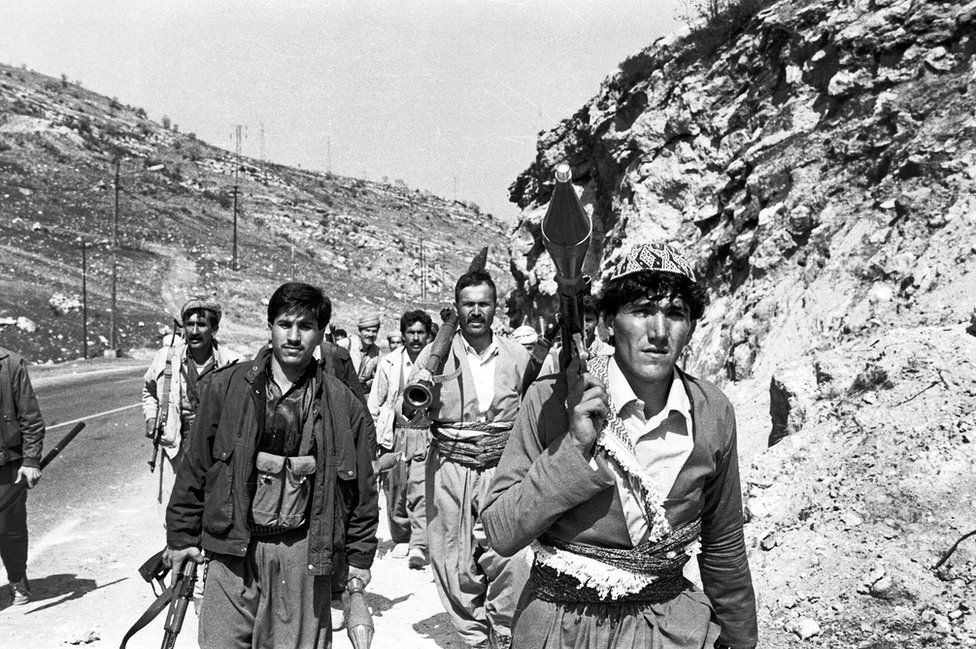
Kurdish insurgents during the 1991 uprisings (Source: BBC)
Smuggling weapons is punishable by at least 5 years of prison and capital punishment or life
imprisonment if the intent was to spread terrorism or fuel insurgency. Possessing and carrying firearms
without a license is punished by up to 7 years and no less than 1 year in prison or fine of not exceeding
1000 IQD. The same punishment applies for repair and sale of firearms without a license.
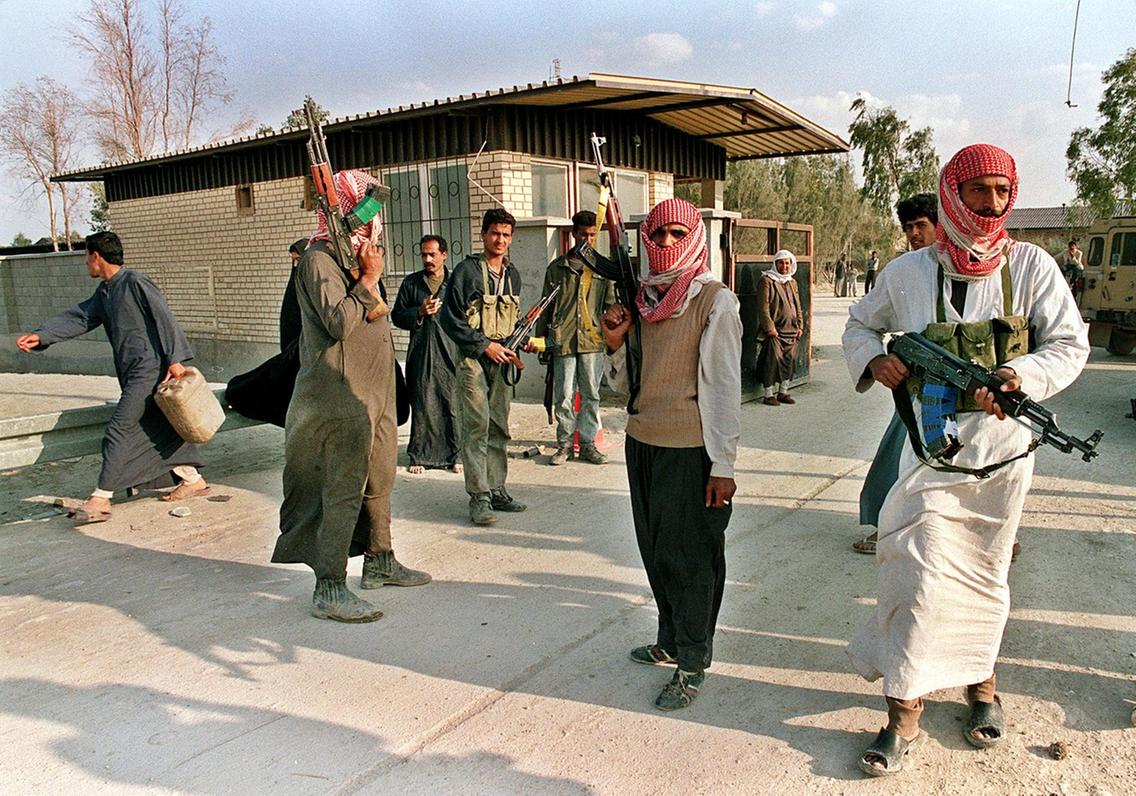
Shia insurgents in southern Iraq during the 1991 uprisings (Source: AFP)
Carrying a licensed weapon to a demonstration or a protest is punishable by up to 5 years in jail or a fine
no less than 100 IQD. Doing so without a license is punishable by at least 5 years in prison. Other
violations of this law are punishable by up to 3 years in jail and fines not exceeding 200 IQD.
An amendment for this act was made in 2002, allowing the ownership of fully automatic weapons by an
approval from the president Saddam Hussain.
The Coalition Provisional Authority (CPA) decision no.3 of 2003 kept the same provisions
of the 1992 act. However, it allowed citizens to possess automatic weapons defining firearms semiautomatic or automatic pistols and rifles firing .308, 7,62mm or less and it removed the capital punishments from the previous act.
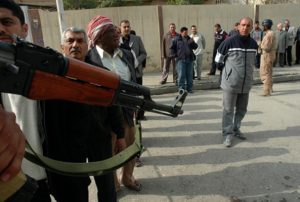
Civilians preparing to fire into the air during a funeral in Mosul, northern Iraq. (Source: IWPR)
The 1992 act and the CPA decision were removed and by the “Firearms act no. 51 of 2017”.
the latest act kept mostly the same provision as the 1992 law while changing prices and punishments
and exemptions to fit the current Iraqi society. It also redefined the firearms and included fully
automatic weapons in the definition making them no longer fall under the definition of “military weapons”
السلاح الناري : المسدس والبندقية الآلية سريعة الطلقات والبندقية وبندقية الصيد ولا يشمل المسدسات التي تستعمل في الألعاب الرياضية والتي تحدث صوتا للانطلاق والبدء في المباريات
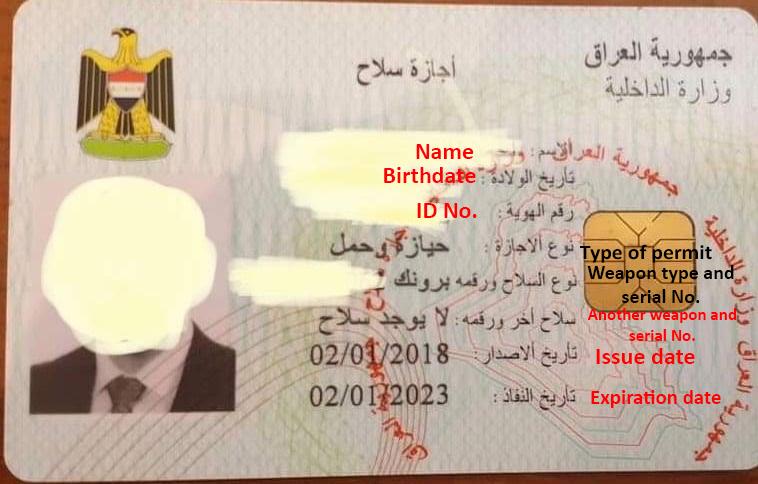
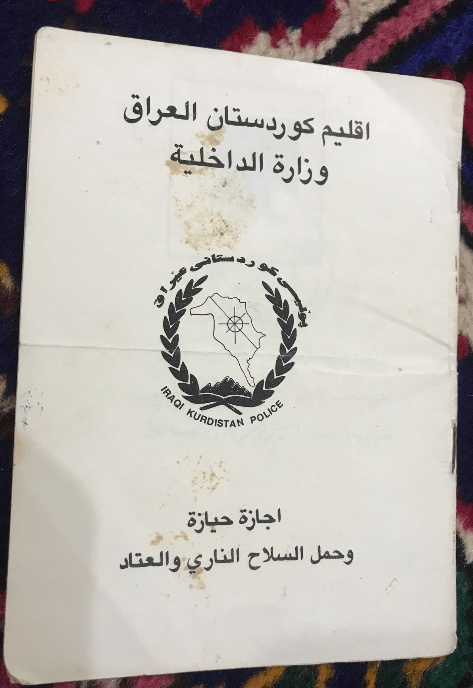
In conclusion, the laws have changed over a century to fit the ever-changing political climate of Iraq we notice that most of the gun acts were during or after major changes in Iraqi political climate such as the 1958 coup, the rise of Baathist party, the Kurdish insurgency, the US led coalition invasion and the ISIS war of 2014-2017.
Sources
“First amendment of the 1919 firearms act, of the year 1932” (In Arabic) <http://iraqld.hjc.iq/LoadLawBook.aspx?SC=200920051658714> accessed 26/03/21
“Firearms act no. 4 of the Year 1961” (In Arabic) <http://wiki.dorar-aliraq.net/iraqilaws/?p=356> accessed 26/03/21
“Firearms act no. 95 of the Year 1963” (In Arabic) <http://wiki.dorar-aliraq.net/iraqilaws/?p=1566> accessed 26/03/21
“Firearms act no. 151 of the Year 1968” (In Arabic) <http://wiki.dorar-aliraq.net/iraqilaws/?p=18718> accessed 26/03/21
“Firearms act no. 13 of the Year 1992” (In Arabic) <http://wiki.dorar-aliraq.net/iraqilaws/?p=14250> accessed 26/03/21
“Coalition Provisional Authority (CPA) decision no.3 of 2003” https://govinfo.library.unt.edu/cpa-iraq/regulations/20031231_CPAORD3_REV__AMD_.pdf accessed 26/03/21
“Firearms act no. 51 of the Year 2017, Iraqi official gazette” (In Arabic) <https://www.moj.gov.iq/upload/pdf/4439.pdf> accessed 26/03/21
Image sources
Iraqis recall the anniversary of the 1920 revolution against the British occupation
https://www.reuters.com/article/us-iraq-antiquities-idUSKCN1QE21X
https://www.bbc.com/news/in-pictures-35967389
https://www.gettyimages.com/detail/news-photo/picture-dated-27-march-1991-shows-armed-iraqi-rebels-at-news-photo/465359622?irgwc=1&esource=AFF_GI_IR_TinEye_77643&asid=TinEye&cid=GI&utm_medium=affiliate&utm_source=TinEye&utm_content=77643
https://iwpr.net/global-voices/shock-iraq-gun-law