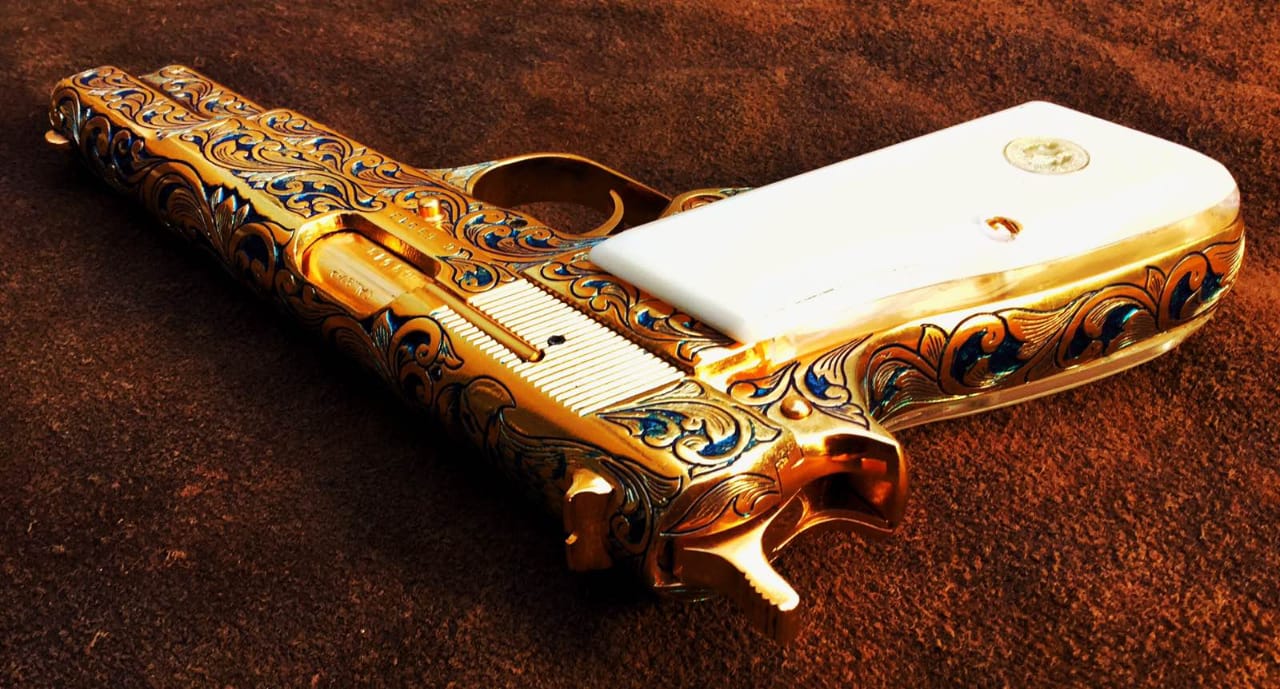
Welcome to the 28th episode of the Silah Report Podcast, we recently had the pleasure of speaking with Noori, an artisan who runs a business of handcrafting decorations on firearms in Iraq. We have covered Noori’s interesting work in past articles here at Silah Report. To say that the quality of his artwork is incredibly professional and its quality is extremely beautiful would be an understatement. In our interview with him, we enquired in-depth abut Iraqi gun culture, his background, how he entered the field, his business in a war-torn country, the challenges he faced and what does think the future holds for him.
If you’d like to have your questions answered by our panel during an edition of the podcast, please support Silah Report on Patreon and submit questions as often as you like!
Check out the podcast here and listen along with the photographs below!
https://soundcloud.com/silah-report/v28-noori-the-gun-artisan-in-iraq
Podcast Running Order:
Presentations:
The Background
The Business and The Gun Culture in Iraq
The Challenges
The Future
The Background
Noori initially did not have anything to do at all with firearms, except owning a handgun (a 9x19mm Browning Hi-Power self-loading pistol). The artistry in Noori’s work can be traced back to previous work drawing famous Orientalist paintings and selling them. Later on, he entered the field of engraving Jewellery due to one of his friends, which gave him the necessary experience to engrave firearms. He recalls reading a thread on a firearms forum and seeing a variety of engraved firearms, so he decided to give it a try with his pistol. After engraving it and posting pictures on social media, a local saw it and insisted on buying the firearm. Noori had no intention initially to sell it but in the end, he gave in to the bombardment of offers and sold it. With a number of his friends, they decided to start their own business in the firearm engraving industry given that the number of people in the field locally is extremely limited (according to Noori, there are around two or three others in the entirety of Iraq that work in the firearm engraving field).
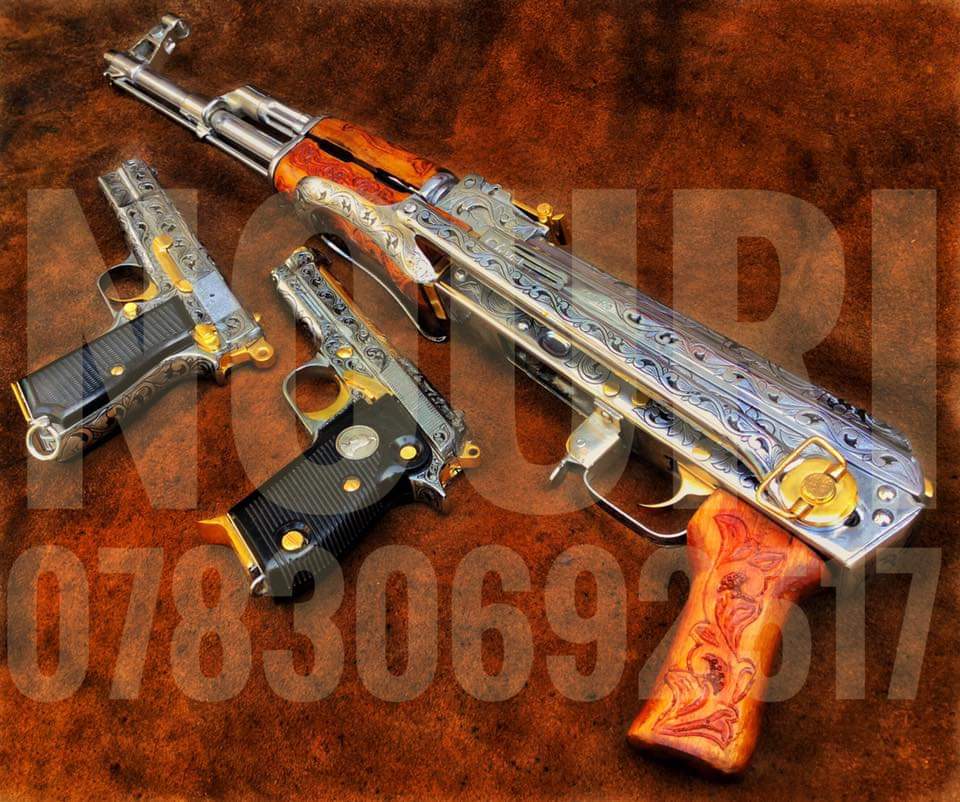
Fig.1.1 AKMS-pattern self-loading rifle and a Browning Hi-Power pistol along with what appears to be an Iraqi Tariq. All beautifully engraved by Noori (Source: Noori)
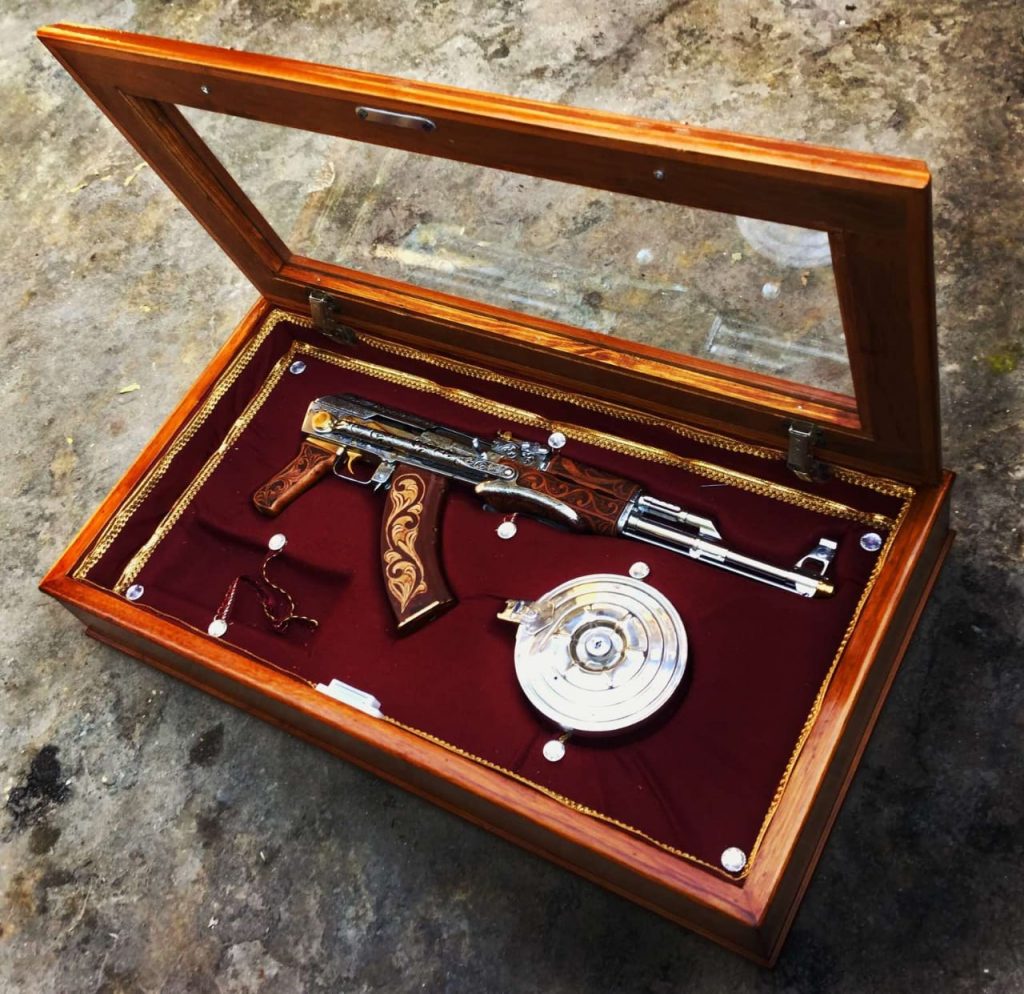
Fig.1.2. Another AKMS with a chromed drum magazine, all beautifully decorated and engraved by Noori. Shown here in a presentation case (Source: Noori)
The Business and The Gun Culture in Iraq
According to Noori, most of his clients are military and security officers who would like to have their personal firearms decorated. This also includes affluent tribe members that would like to show off their personal collection of engraved weaponry. In terms of the cost of the work Noori explained that the cost of engraving a Browning Hi-Power is $1000 USD and an AK variant can reach $3000 USD. The engraved firearms have several end-use purposes, some would use it publicly at weddings and celebrations, as seen countless times in the Middle East and Central Asia, firing their piece of artwork in the air. Interestingly, there is a high demand for Eastern Bloc weaponry and derivatives of the AK because it is seen as the noisiest weaponry and that is needed when you want to gain the attention of a crowd when you are firing. Meanwhile, others might want to hang their firearm on the wall to impress visitors, give it as a gift to high ranking officials and to tribal leaders. Given the massive number of gunsmiths in Iraq and the selling of “faux” firearms such as Chinese clones of Browning Hi-Power pistols or an AKM modified to an extent to look like an AK103, many clients would bring such firearms to be engraved by Noori as they cannot purchase an original firearm whether due to scarcity or price. Noori warned that you must be careful who you gift these clones to because, tribal leaders especially, are well versed in identifying firearms and it is not good for one’s reputation if you are caught gifting a “fake” firearm. Finally, there are clients who would like to leave a “physical legacy” for their inheritors and that could end up being an engraved pistol or rifle; something left behind to remember the person who passed away by his loved ones.
Noori would leave special engraved markings that would serve as his signature on pieces that he deemed worth being connected to, so whenever someone views the firearm they would recognize his handwork. Noori’s business depends on word of mouth and that makes his reputation, whether in the quality of his service or in his business conduct, to be of utmost importance. ِAn example of that would be if he accidentally broke a piece of a firearm (Noori stated that in his business he got to know how to disassemble all varieties of weaponry and how to ID them and spot “fakes” from originals), he would immediately contact the client and inform them of what happened and that he will buy an original replacement part and apologize. Any firearm that is engraved by Noori is test-fired in front of the client to assure him that it is in working condition.
The Challenges
Noori fortunately does not have any obstacles that impede his business and according to him, it is booming as his reputation is skyrocketing and more people every day end up seeing or hearing about his handiwork. His challenges mainly would be the weaponry he works on; he found that the easiest firearms to work on are hunting rifles and 1911 pistols as they have a lot of “space” for decorations while an MP5 is an absolute nightmare. Polymer-based pistols are also difficult for him to engrave such as the Glock variants, simply due to the nature of the materials. The hardest non-polymer pistol for him to work on was the CZ Combat given that the metal of the pistol is extremely tough to engrave. In his opinion though, Tariq pistols are crude, the metallurgy involved is crude and internally has a lot of issues. He prefers to work on actual imported Tariqs (what he described as ‘Italian Tariqs’) and they are better functionally as well. Noori has worked a lot on Persian and Czech Mausers rifles and informed us of how common they are with tribes.
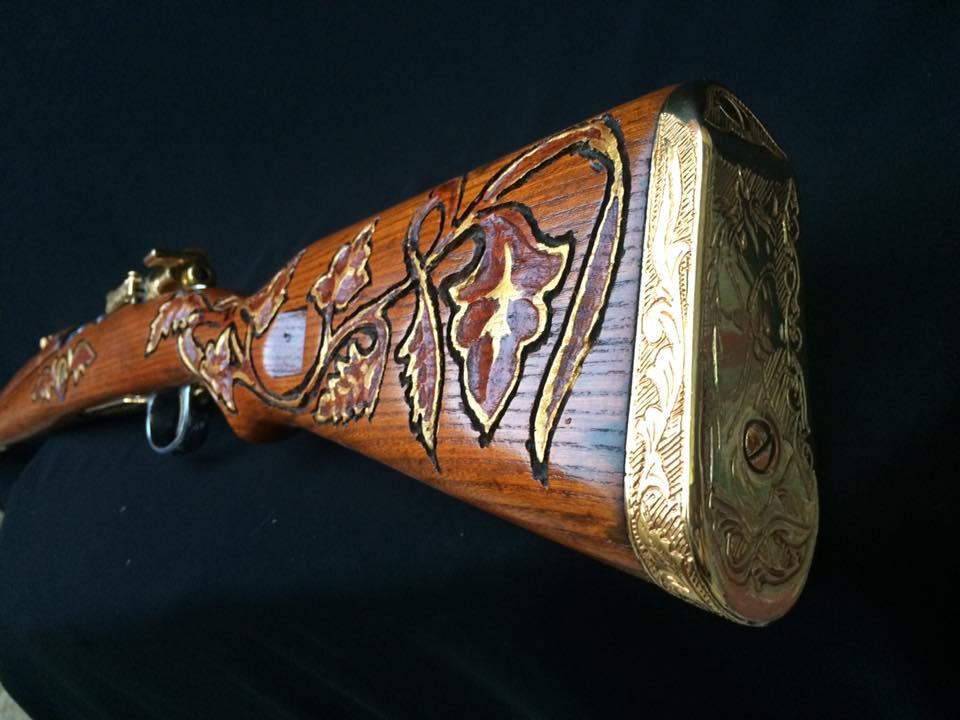
Fig.1.3. An engraved Mauser variant by Noori. (Source: Noori)
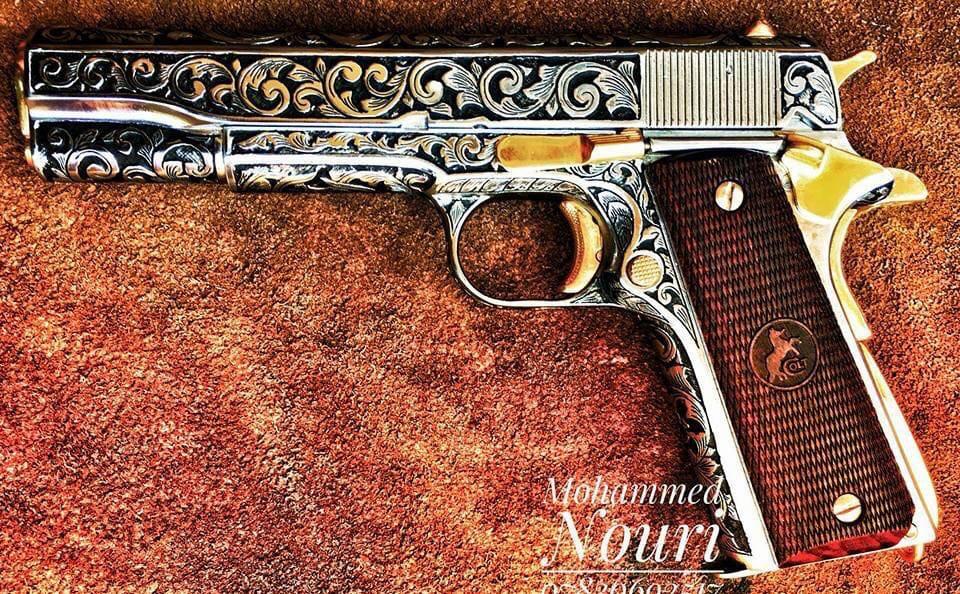
Fig.1.4. An engraved 1911 by Noori. By far his favorite firearm to engrave. (Source: Noori)
The Future
Finally, Noori is excited about the future and what it holds for him, the reputation of his works have now spread beyond the borders of Iraq and he was contacted by foreign firms in the Middle East that would like to cooperate with him on certain projects. Competition is at a minimum, his market is expanding and the business is booming. We wish Noori the best and we would love to pay his shop a visit one day. You can see more photos of Noori’s work here.
Patreon Shoutout
If you want to support our work on researching small arms and light weapons in the MENA and Central Asian regions, please consider joining our Patreon support network that allows us to get articles, videos, and podcasts such as these to an international audience. Check us out at www.patreon.com/SilahReport