Throughout the MENA region, we see the private sale of firearms online but they often get in the way of the more interesting things in the photographs – the furniture! In this article, we will examine some of the vibrant and varied furniture spotted in numerous Middle-Eastern countries, written as a joint project by several Silah Report contributors.
Lebanon
By: B.D.
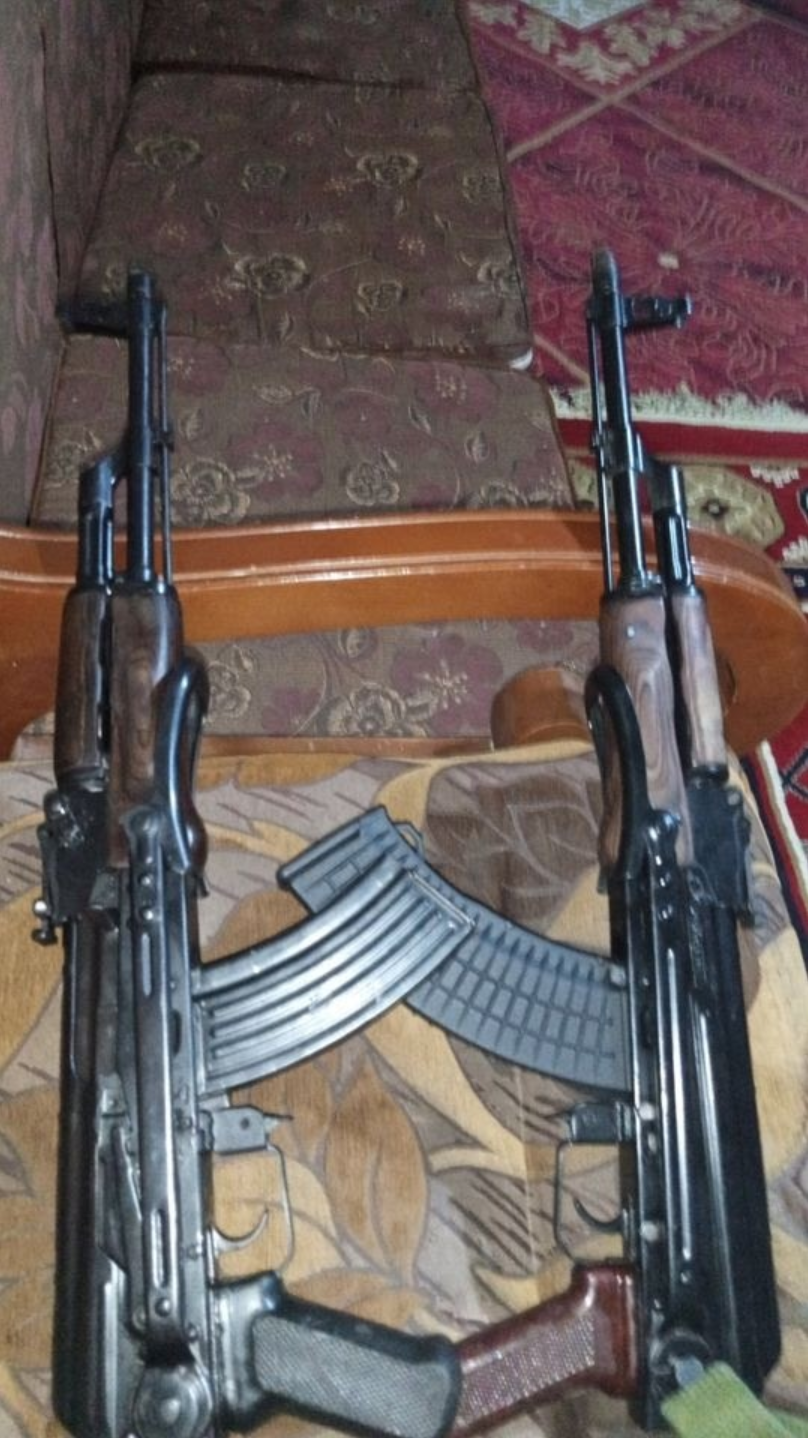
Fig. 1.1 Arabic inspired style living room furniture spotted in Lebanon. (Source: CONMAT)
Locally referred to as the “Majlis” (مجلس), an Arabic and Persian term meaning “council” it shares its root with the Arabic verb meaning “to sit”, and this style of seat is a very popular Arabic living room and saloon design for big gatherings and ceremonies where you sit on the floor.
The example shown in this picture is on the humble and common end of the style, the textile appears to be a “floral oriental” pattern or inspired by it. The Majlis is a very comfortable resting place where you can have guests, sit down with the family or lay down and chill.
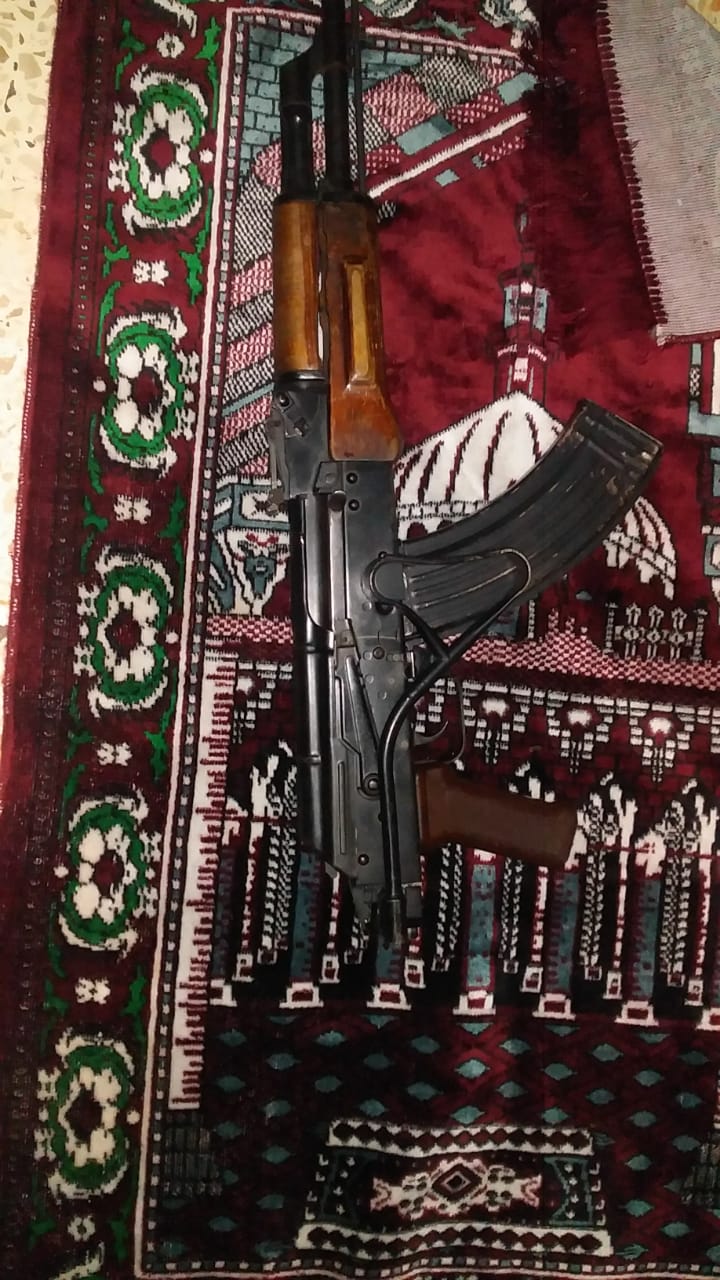
Fig.1.2 Prayer rug spotted in Lebanon. (Source: CONMAT)
The prayer rug is a super common item found in pretty much all practising Muslim house, referred to as sajjada (سجادة) and has the roots of the verb “bow” referencing bowing down to worship god. The Sajjada is usually a piece of fabric or pile carpet used for praying.
Although mainly used for praying, the sajjada is often used as a decoration and hung on walls, and also used as a presentation background for pretty much any item to add an Islamic style decoration to display said items. The sajjada doesn’t just serve the purpose of worshipping God but also helps with the display of good customers.
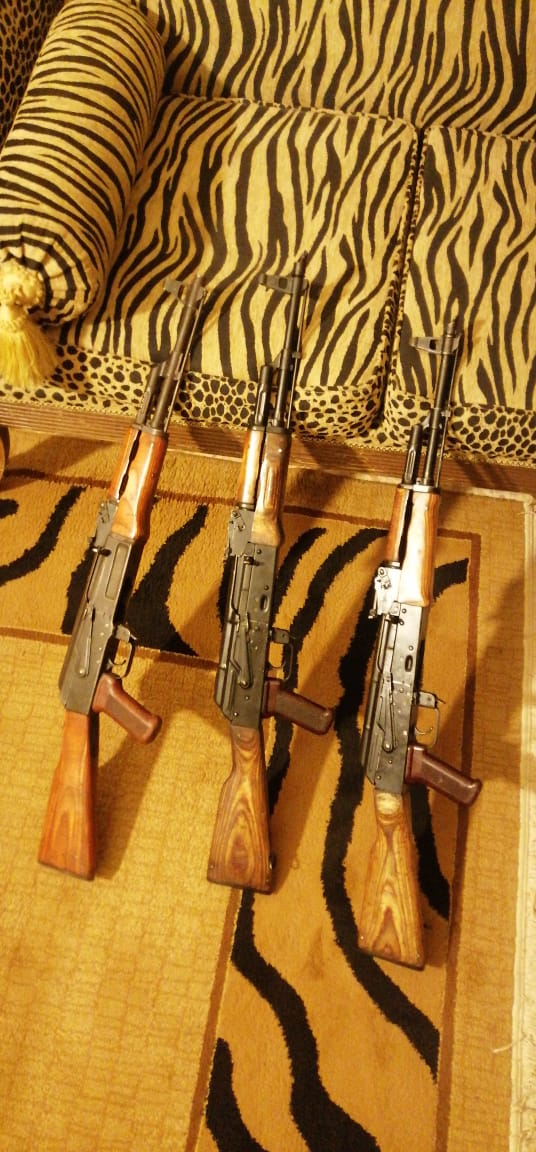
Fig.1.3 Couch and carpet combo spotted in Lebanon. (Source: CONMAT)
A very interesting couch textile style with a combination of tiger stripes and leopard spots, with the addition of a yellow carpet with tiger stripes serging to match the couches. This style is very uncommon and might be considered somewhat luxurious. A cool and unique furniture set that is very uncommon but makes the presentation of the room palatable to guests of a higher or lower class to gawk at items on display but also fits well in a room suited for a comfortable afternoon to relax in.
Syria
By: Caden L.
Syria’s Idlib province is home to many of the Levant’s most fascinating examples of furniture. The online market for furniture is extremely active, with scores of listings uploaded every day. The market is used by both civilians and fighters, where both groups are in a constant market for proper home decoration and furnishings. Idlib’s geographical position along the Turkish border has allowed for the movement of furniture across the porous and smuggling-prone regions of northwest Syria, providing us at Silah Report with a plethora of examples of furniture to investigate.
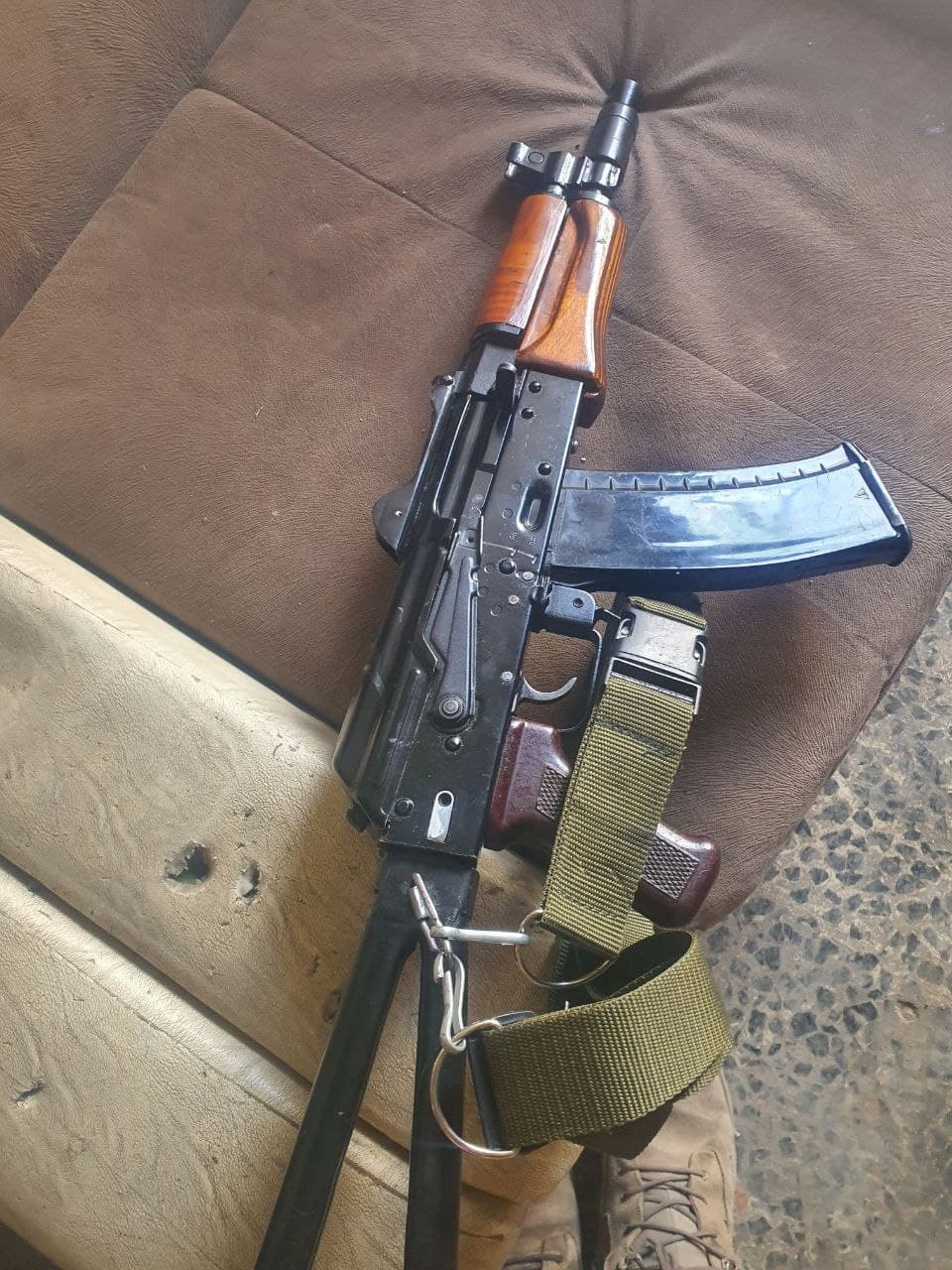
Fig. 2.1 Couch spotted in the Idlib province in March 2021. (Source: CONMAT)
This couch presents an interesting case into the way that Idlibis decorate their homes. While the photos are sub-optimal, we can see that this example is likely a low to the ground, wide design. The seat and backrest of this couch is made from a brown suede-type material, providing a soft yet durable base for sitting. The armrests are made of what appears to be a beige imitation leather material. The armrests show a heavy amount of wear, perhaps implying that this piece has been used in the province for an extended period of time. Given the durable desert boots worn by the seller, it is likely that he chose this piece of furniture based on durability.
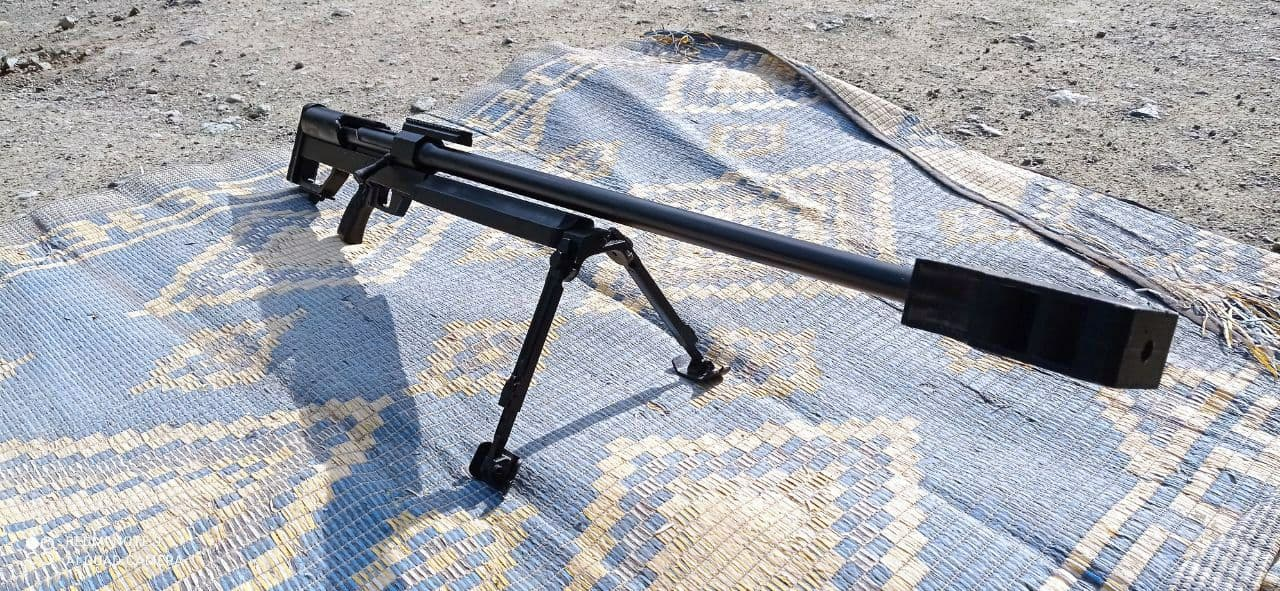
Fig.2.2. Outdoor rug spotted in Idlib Province in mid-March, 2021. (Source: CONMAT)
This outdoor rug is very representative of the qualities buyers may look for in furniture. Woven in a pattern reminiscent of both Greco-Roman as well as Levantine geometric designs, the blue and beige pattern contrasts with the gravel it is posed on in a subtle but striking way. This rug appears to be woven out of synthetic fibers, evidence for which can be seen in the fraying in the images. This rug, despite its poor condition, would be of good value to any citizen wishing to add some flair to their stark grey home and is very durable in nature due to the manner in which it was woven. Shabby chic indeed.
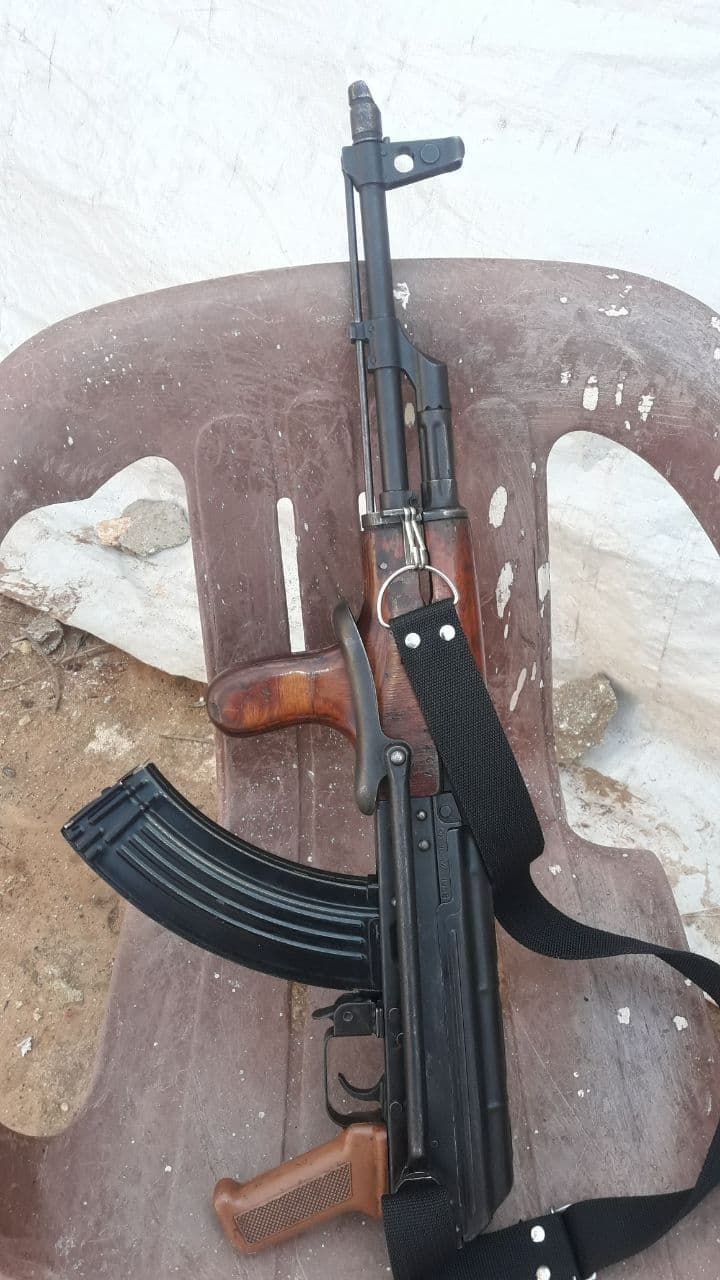
Fig.2.3. Plastic chair seen in Idlib in late January, 2021. (Source: CONMAT)
This plastic chair is a good example of some of the most widely used chairs in Idlib Province. Plastic chairs such as these offer many advantages for consumers. These chairs are robust enough to last for a long time, and be used heavily, but are economical and lightweight. This leads to an improved sitting experience that combined with the lightweight nature of the platform, is a very capable chair. This example is in a brown color, with paint splatters on the chair proving that these chairs are more than capable of the hard use required of such an object in harsh Syrian conditions. Eminently practical.
Iraq
By: Iraqi Bloke
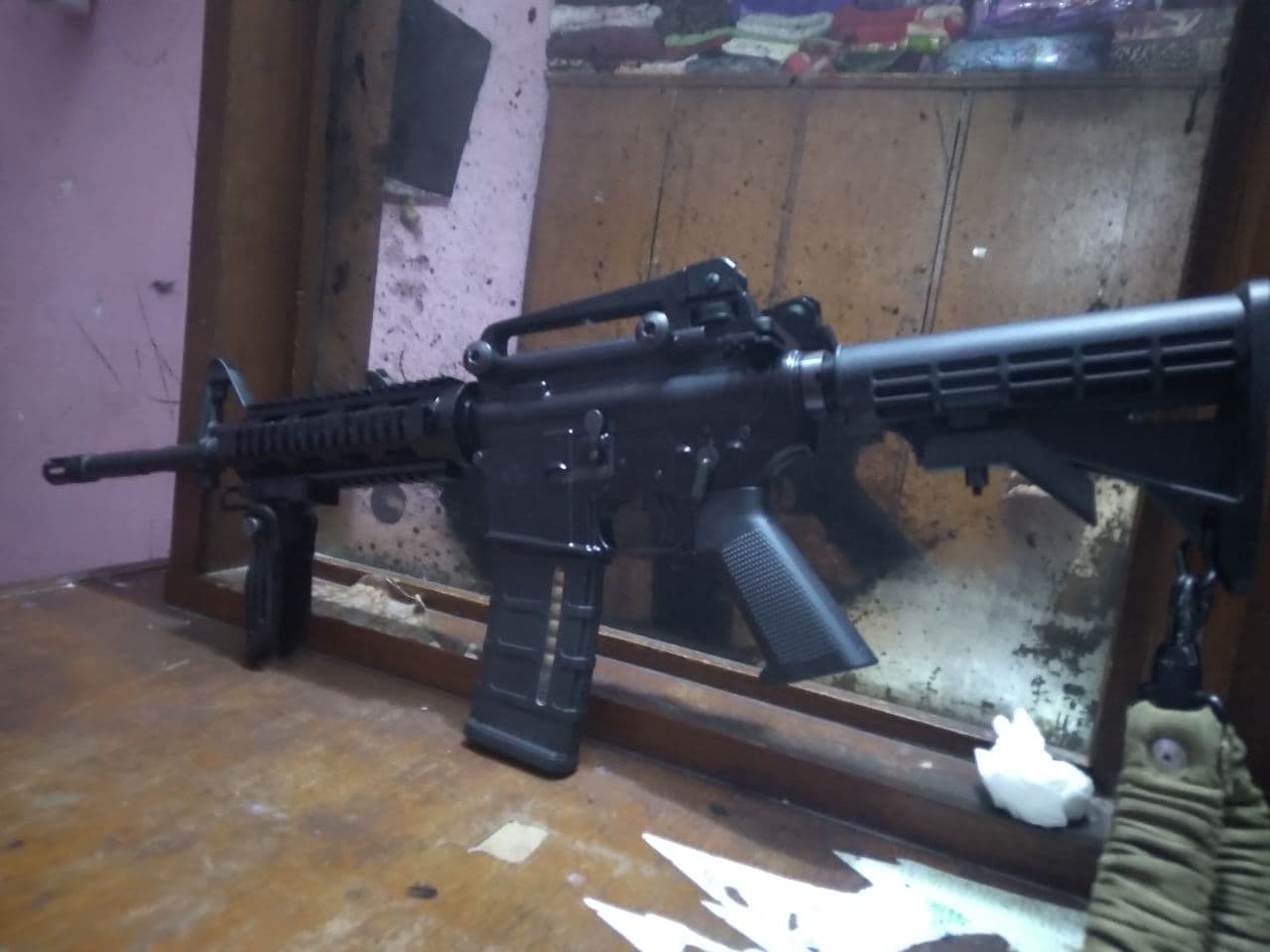
Fig.3.1. A variety of mattresses has been found in Al-Ubaidi, Baghdad, Iraq, mid-March, 2021. (Source: CONMAT)
As we have often found in the Iraqi market, the gun is sitting on a desk that includes a mirror and drawers, quite common in Iraq especially in country areas as they are cheap to make and to buy ($120), and the mirror provides a great advantage for us to see the furniture in the rest of the room. There is what appears to be a mattress on the right and there is a TV on the wall, which we can hypothesis is an LG/Panasonic TV since its relatively cheap, also the wooden wardrobe which is where most Iraqis hide their money because they think thieves won’t open the wardrobe looking for money.
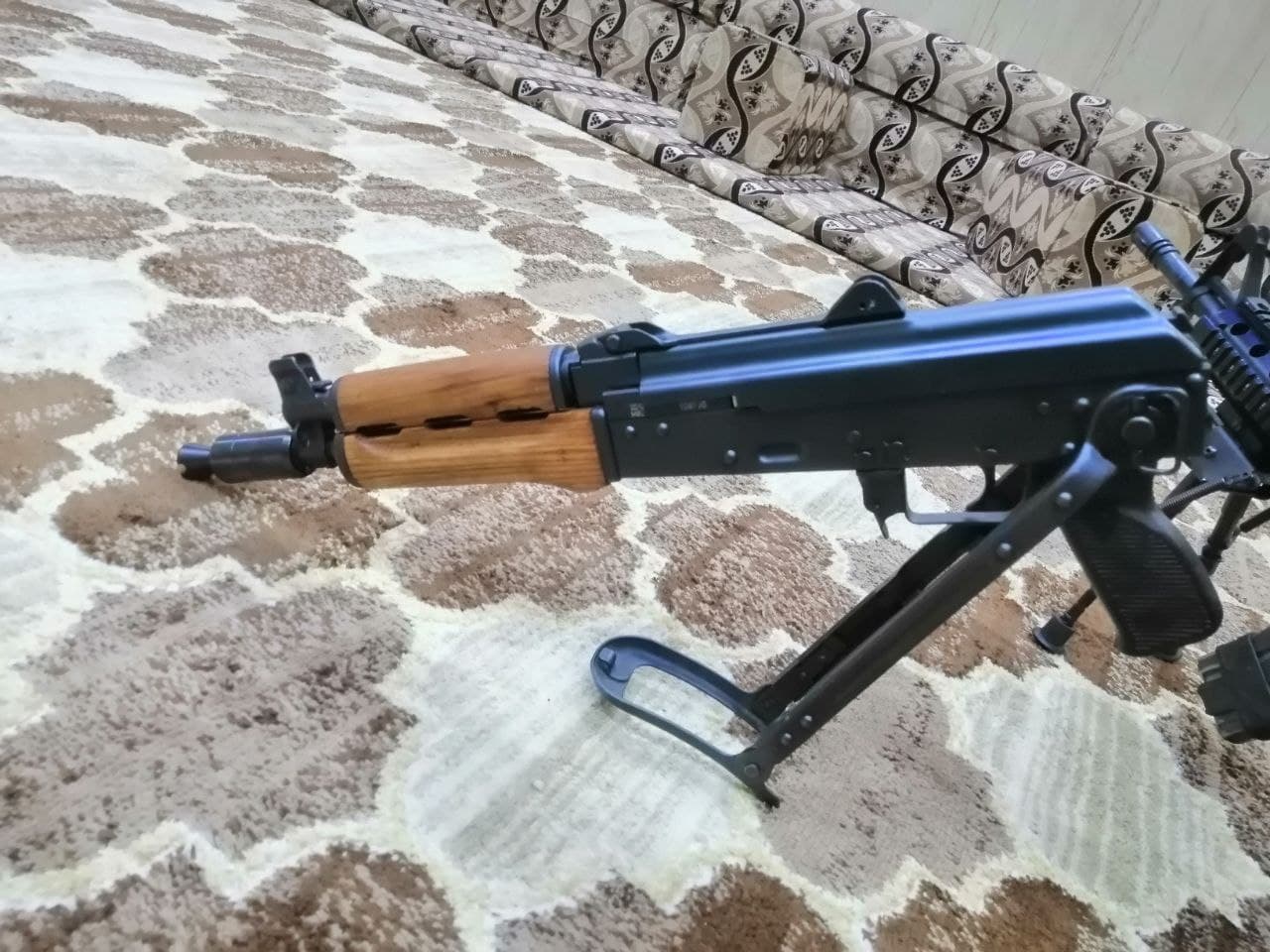
Fig.3.2. A long series of pillow and mattress seats discovered in Basra, Iraq, end of March 2021. (Source: CONMAT)
This is a quite nice furniture, he has taken the picture in the guest hall, which is used in Iraq to receive guests in a tribal way, as you can see there is both mattresses (there is not chairs, you have to sit on the mattresses, god helps you if you have arthritis) and pillows (in a cuboid shape which is used to rest on as you lean your body on it, you put on hand on it, to help your support your position and not slam into the ground and possibly damage your ribs or head, and get laughed at by tribe people, they will never forget this has happened and neither will you) which are both used for the guests to sit on in tribal meetings or normal meetings, that’s why the hall is so long, and probably has a plasma display at the end of it.
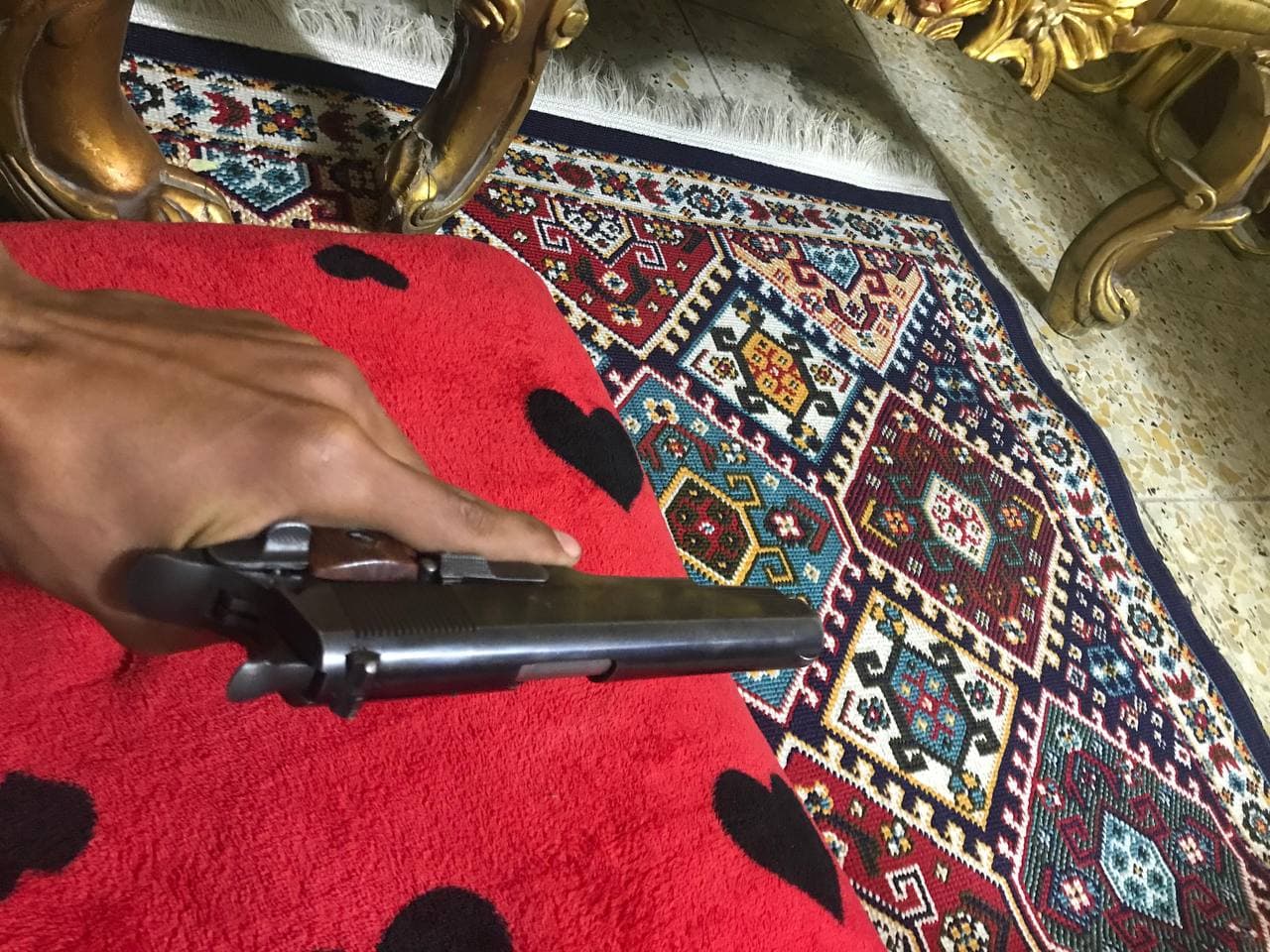
Fig.3.3. Dangerous flammable carpet located in Al Baladiyat, Baghdad, Iraq on 23rd March, 2021. (Source: CONMAT)
There is a desk with a golden painted wooden legs, commonly seen in the middle class to semi-rich districts of cities in Iraq, in this case, Baghdad. Also this type of carpet seen in the photo is also quite common to these districts, because of its beautiful Iraqi decoration pattern, also he chose the wrong mattress for the chair he is taking the photos from – the hearts pattern mattress isn’t very macho.
Saudi
By: BBNB
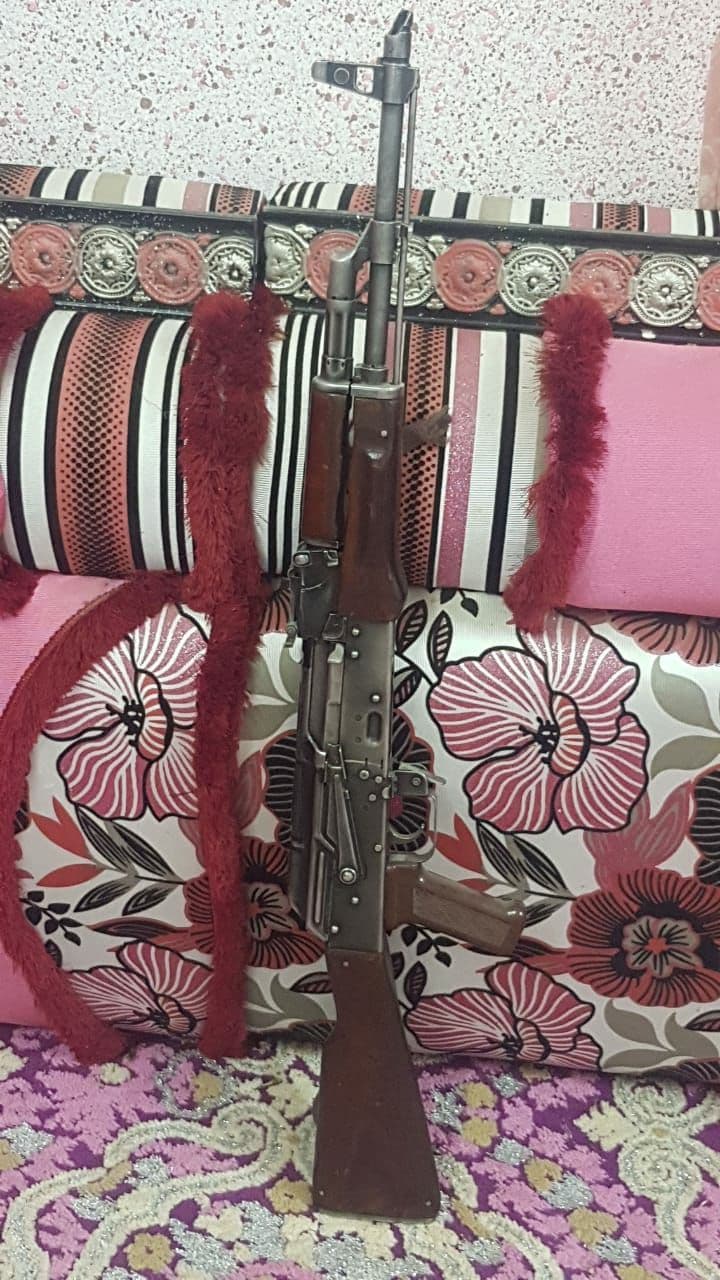
Fig.4.1. A Majālis couch. (Source: CONMAT)
In the two images here, is an older ground level majālis couch pictured in Saudi Arabia. Multiple brightly coloured floral patterns are visible, however, as seen in the first photograph, the owner refuses to clean debris resulting in an unappealing aesthetic to any visiting guests who are less likely to enjoy their stay. The painted wall in the foreground has multiple holes, revealing grey concrete a staple of construction in many countries in the Middle East.
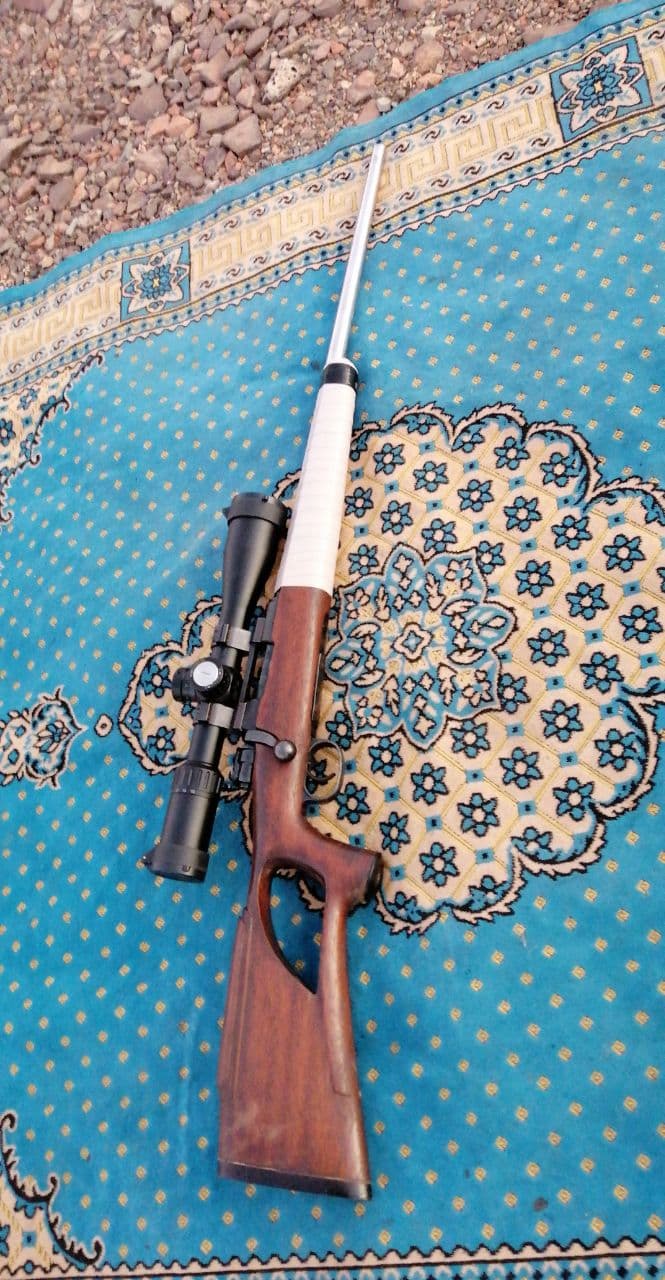
Fig.4.2 A blue carpet. (Source: CONMAT)
This carpet was found in the mountainous wilderness of the Arabian Peninsula, on top sits and item wrapped with electrical tape to protect valuable the carpet and other belongings from the harsh conditions in the region, fine sand easily penetrates objects and is rather hard to remove. The rug has repetitive bright dots set on a blue background. However, it has a few dark stains of unknown origin. Considering the photo was taken outdoors the owner most probably dedicated the rug to usage outside. Despite its appearance, it is more comfortable to sit on than the rocky ground.
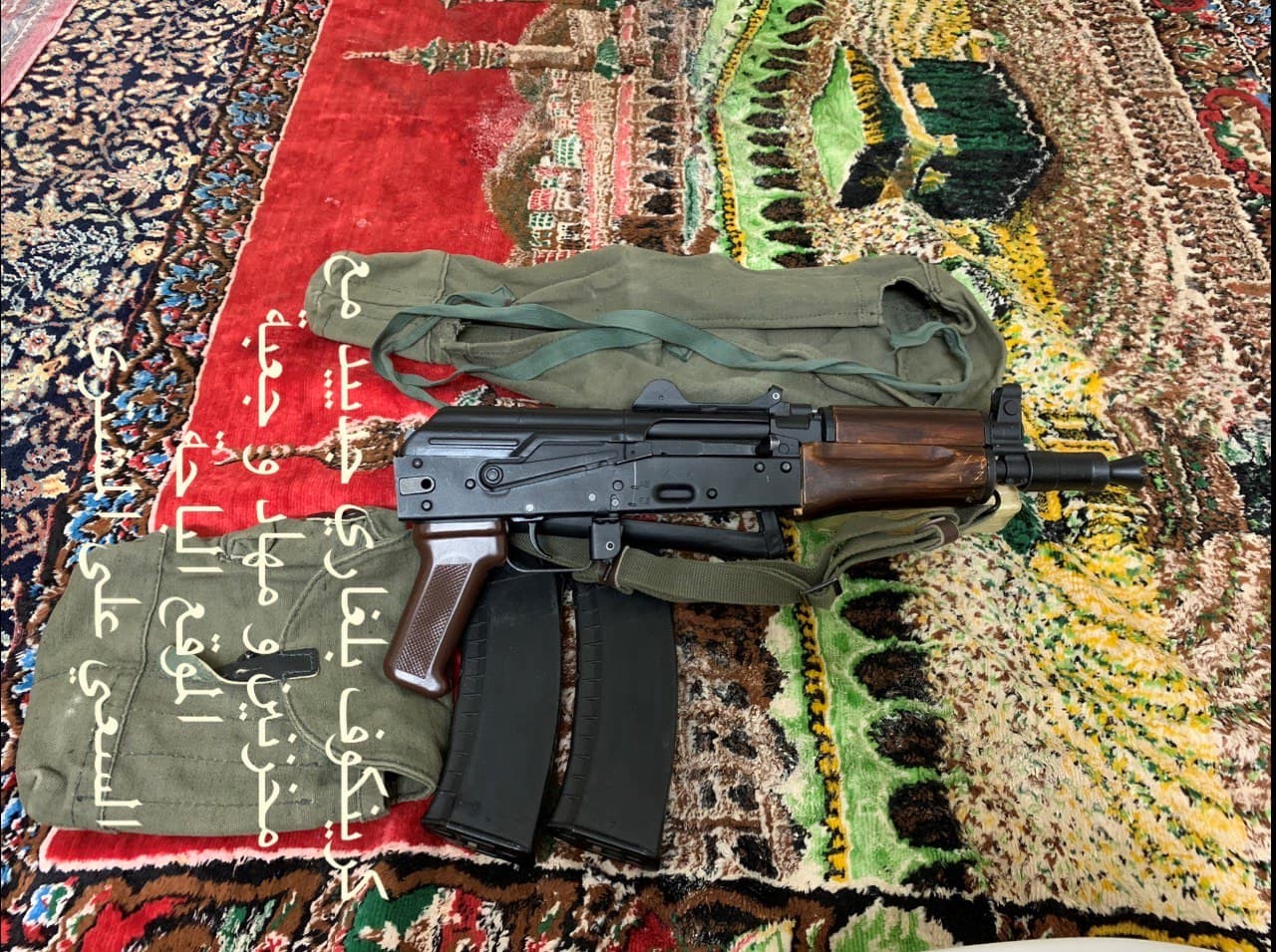
Fig.4.3. A rug that depicts the Kaaba in Mecca. (Source: CONMAT)
This rug is especially notable for its depictions of the Kaaba in Mecca. It is of cultural importance in Saudi Arabia, appearing to be well crafted and stitched, likely by custom order, the owner who took the photo seems to be using the Mecca rug to transport the goods pictured above. Underneath lies a more widespread traditional Persian-style carpet, that can be obtained through any normal local home furnishings store or bazaar. Overall, this example is quite tidy and clean.
Yemen
By: Yigit A.
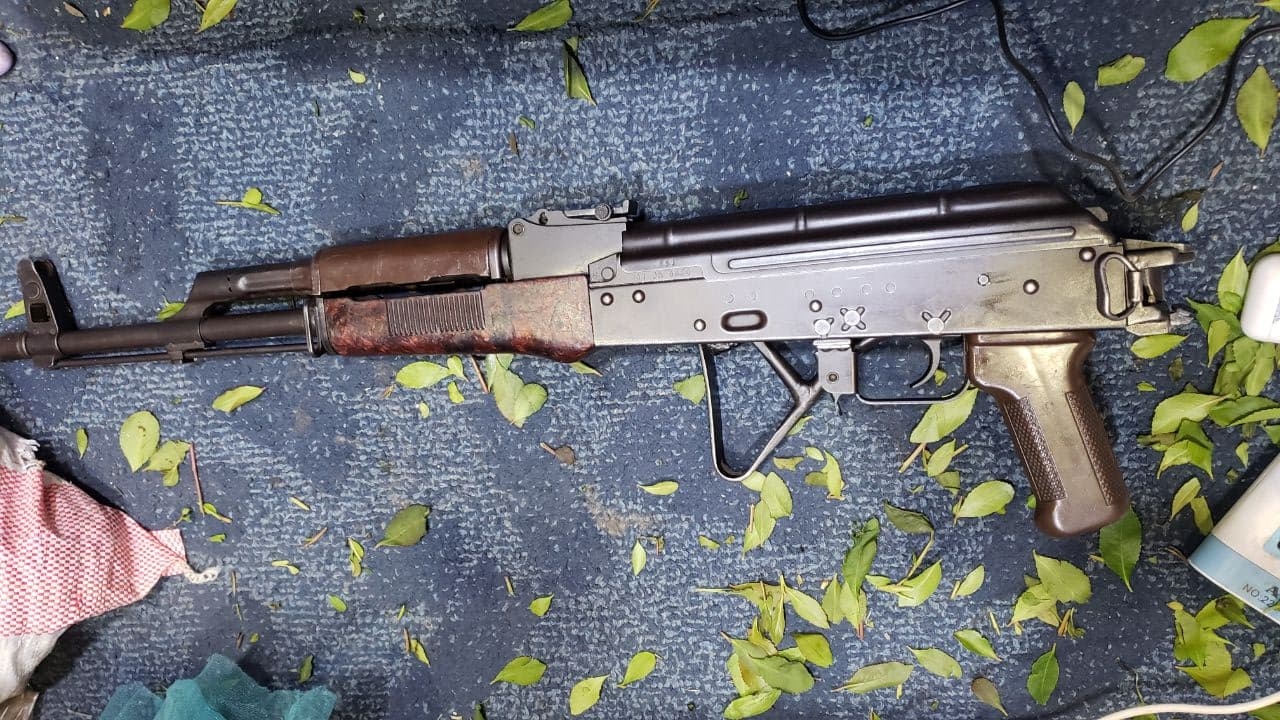
Fig.5.1. An example of Khat leaves in Yemen. (Source: CONMAT)
Khat (or Qat) leaves are probably the most common decoration behind photos of firearms for sale in Yemen. Khat leaves can be considered as a kind of medicine that has a stimulating effect when chewed. The Houthis also appear to chew these leaves during the fighting in the region. It can be said that khat leaves are the most used plant-based drug in many countries after tobacco. In addition to Yemen, it can be seen that this plant is frequently grown and used in African countries such as Ethiopia. The most common way of consumption of Khat leaves in Yemen is through chewing.
Although khat leaves are fairly unique to Yemeni markets, some authentic carpets have gained an important place in the market, as in other Middle Eastern countries. In the Yemeni market, it is a fact that these rugs and carpets add a more oriental atmosphere to the photograph.
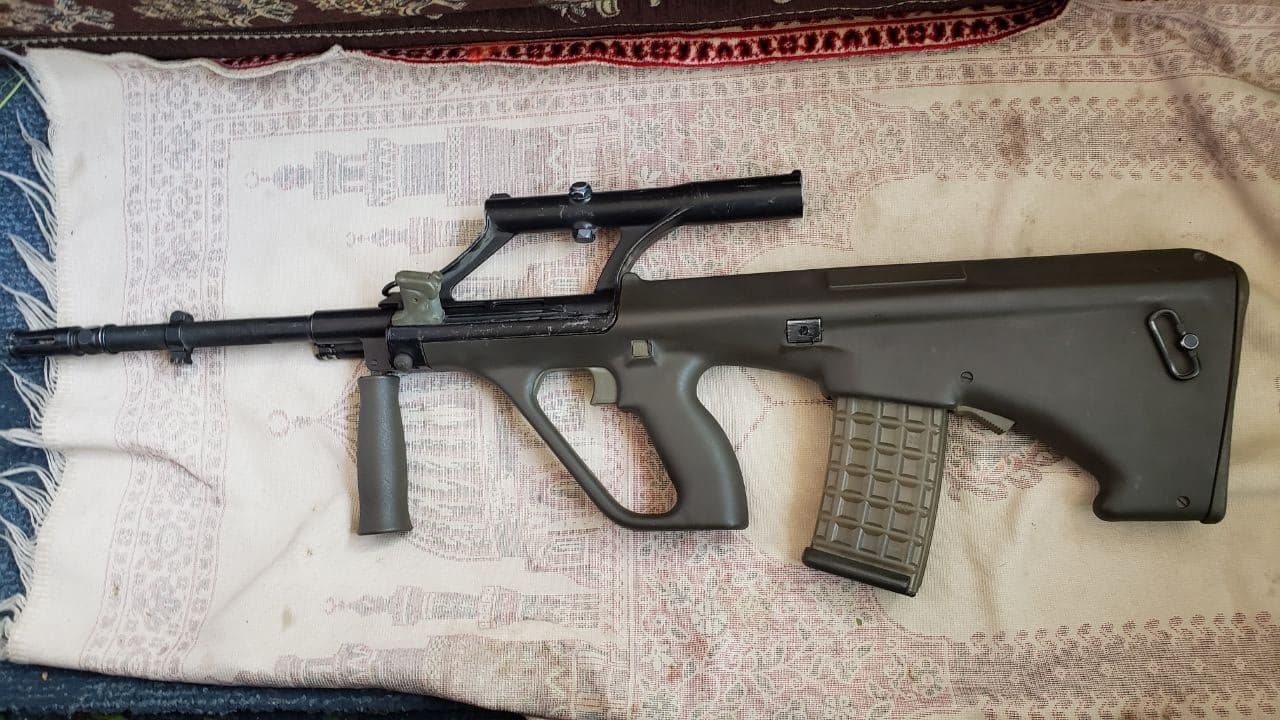
Fig.5.2. Authentic Yemeni carpet with Mosque figure on it, in Yemen. (Source: CONMAT)
Together with their pattern and embroidery the Middle Eastern atmosphere reflected by these rugs cannot be denied. Middle Eastern carpets and rugs are very popular in many western countries. Although some of these are rare hand-made items, fabricated rugs are much more common today. The main reason for the increase of fabrication production rugs is the insufficient number of products produced at the end of the required labor and labor force.
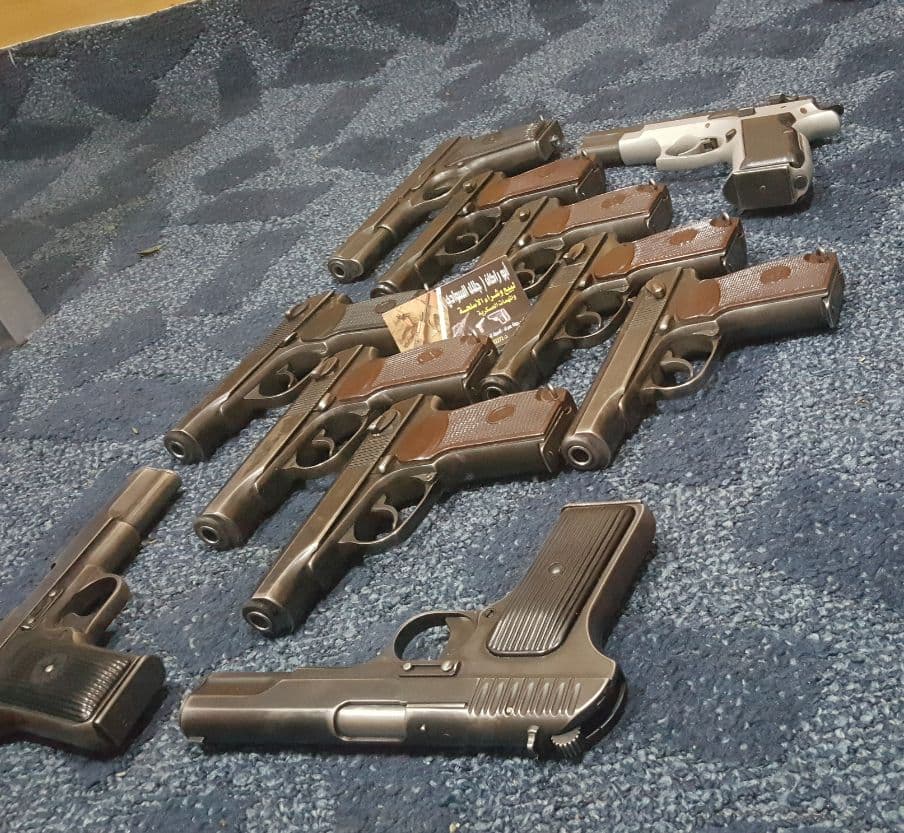
Fig.5.3: Business card from Yemen. (Source: CONMAT)
Thinking of a business owner without a business card is impossible in many countries. In an environment of such competition, the design of the business card is essential. In the example above, we can see that the designer preferred yellow and white colors over a black background. The design doesn’t look stunning enough in the overall sense and is somewhat lost in the items displayed. Many business owners prefer such simple designs as they are inexpensive. However, in this competitive environment, although they are thought to be insignificant, designs are critical in terms of trust in the business owner. While it cannot be said to be a very attractive business card in terms of the lack of use of contrasting colors and its writing style. However, the carpet that the card and the seller’s wares are laid out on is an understated blue weave.
While this article can be considered somewhat humorous in its focus, it is also important to analyse the surroundings in these photographs of firearms for sale. Sometimes you have to appreciate a nice carpet.
If you enjoy our work here at Silah Report please consider supporting us on Patreon!
We need an article on middle eastern footwear. So many feet in the sales pictures.
Thanks for the article, now I can think about the location and the furniture while looking at a Middle East weapon sale picture