In this article we continue our interview with Egyptian artist Galal Abdo Hashem. When we reached the Six-Day War, the War of Attrition and October War in our interview with Galal, we tried to get all the possible details we could from him. In the end, he told us that he will speak about the notable incidents as he has many stories that would take months to cover. In this part of our series we will examine the bombardment of Ismalia in 1967. The city was bombarded throughout the War of Attrition, but Galal gave us a few incidents that mainly occurred in 1967 after the Six Day war.
If you missed earlier parts of the interview, you can find them here: Part One, Part Two, Part Three.
https://soundcloud.com/silah-report/v26-part-two-the-six-day-war-war-of-67-the-spine-breaker
Bombardment of Ismalia (9:30-14:14)
The city of Ismalia became a “frontline city” right after the Six-Day War, thus throughout the War of Attrition and October War (Yom Kippur War) in 1973, it was a major point of focus for the IDF (especially Ariel Sharon). Significant local Egyptian militia forces were established in the city, as a result of the fear that the Israelis might attempt to cross the Suez Canal and capture the city. Instead, Israel carried out numerous reconnaissance flights over the city followed by an artillery barrage, airstrikes, and even direct and indirect fire from tanks. Galal vividly remembers the day his city was bombarded. He recalled the day clearly, – the 15th July 1967.
At 5:50 pm an Israeli plane flew over the entirety of Ismalia. Galal was with his friends down on the streets, they watched the plane as it flew overhead.
At 6:09 pm exactly, Galal was standing in front of his father’s shop when a man with a bicycle across the street called out to Galal and asked him for the time.
At 6:10 pm sharp, Galal raised his head after checking the time, at that moment the man disappeared simultaneously with a sudden explosion right where the man had been stood. Galal himself was blown back by the blast. The blast managed to rip down his father’s shop’s door which fell on top of Galal. According to Galal, bombing and shelling continued throughout the city. The city’s train station came under airstrike when it was specifically targeted by the IAF, while civilians were getting off the train (there is a possibility the IAF thought that the train was unloading troops and military personnel. Galal stated that in the aftermath, many civilians lost their lives, some people he had known personally, including a neighbor. Galal said that the people were not prepared at all for that kind of aggression.
The city was evacuated on the orders of President Gamal Abdel Nasser himself on the 27th September 1967. Those who stayed were young volunteers and servicemen (and women), but some civilians managed to stay if they got a permit card. Patriotic youth who wanted to join the “Popular Resistance” would fight over the permits. For Galal, what happened was just the introductory scene for what was to come and become the source of inspiration for his dream.
Note: Galal provided us with pictures of killed Egyptian civilians. For various reasons, we cannot include them in the article.
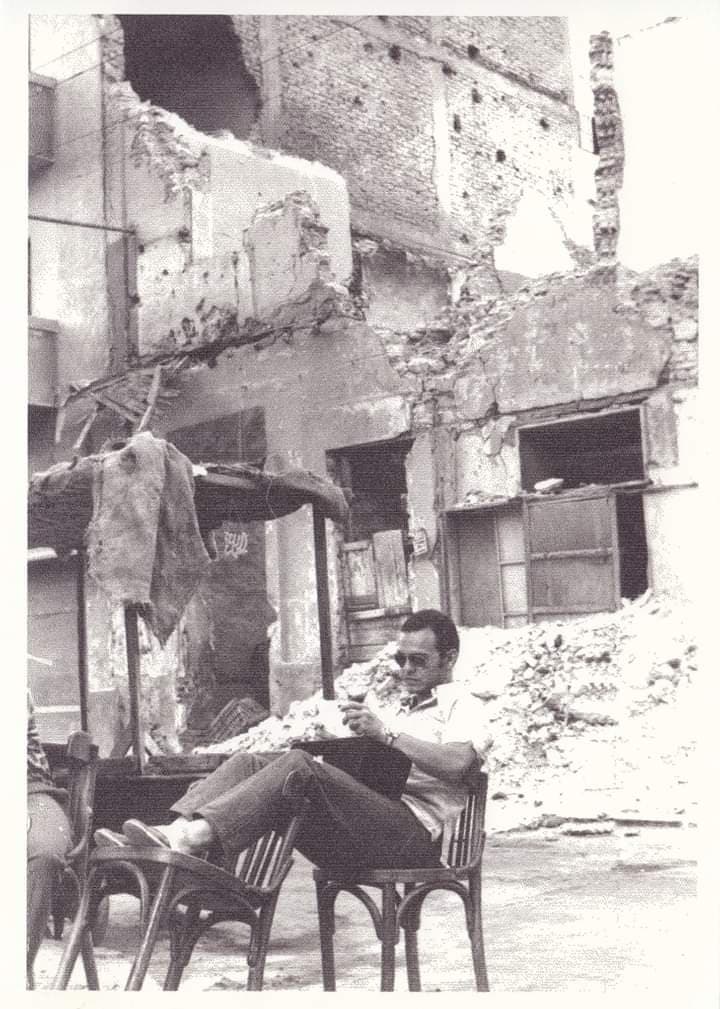
Fig. 1.1. One wonders what went through Galal’s head when he sat there in the midst of the rubble and wreckage of his city (Source: Galal Abdo Hashem)
A tragic story Galal told us was that of a child he knew personally named Mahmoud, Galal gave him the nickname of Sayed. Mahmoud (AKA Sayed) was eleven years old and used to carry out certain chores for Galal and Galal would pay him. One day after an artillery barrage, Mahmoud found a UXO (unexploded ordnance) that landed in the outskirts of the city beside one of the crucial bridges to the city. A passerby on a bicycle saw Mahmoud trying to push the shell into the river, fearing that if it blew up it might take out the bridge. The passerby warned him to stay away from it but Mahmoud didn’t heed the warning. Mere seconds later and the passerby witnessed Mahmoud as he managed to roll down the UXO into the river, but it exploded and Mahmoud was injured, he bled to death. Galal mentioned that Israelis would drop timed/delayed action ordnance on the city, as well as booby traps in the form of cigarette packs (He mentioned Marlboro – suggesting they could be in the shape of a Marlboro cigarette pack or other ‘foreign’ brands, that differed from local brands) and pens. An example of the “aluminum pen” booby trap was shown to him by a friend who was in the Saaka force (Egyptian commandos). It is worth mentioning that Silah Report could not find, at the time of writing, references, pictures or videos showing Israeli-made booby traps like those described.
During the War of Attrition, there would be ceasefires, but according to Galal, the local populace learned that the IDF would bombard the city thirty minutes before the ceasefire was enacted. Civilians would seek shelter and prepare for the incoming bombardment, but one day, thirty minutes before the ceasefire was enacted in 1970 (Galal didn’t remember the exact date) his neighborhood was bombarded and ordnance fell into his apartment. His dog, Ezz, would warn him of an incoming bombardment by biting his pants and pulling it, which happened right before the ordnance fell into his home (mere moments). Fortunately, the ordnance did not explode and no one in the neighborhood was killed or injured. Galal mentions he was angry when he was sat outside, right after the bombardment, and journalists arrived to interview people who witnessed the bombardment. He said, jokingly, that he wanted to show them the only “martyr”, the full skeleton of a rat that got burned in along with a small garden in front of his home.
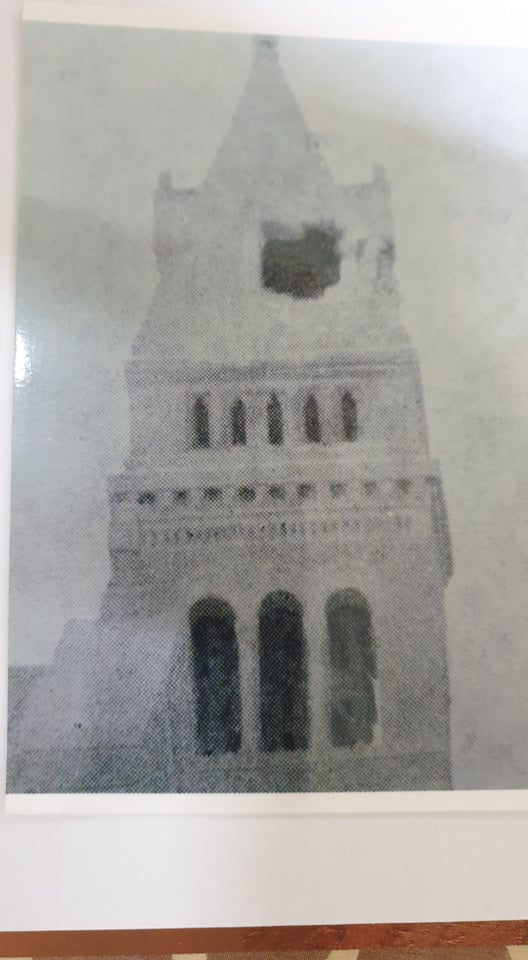
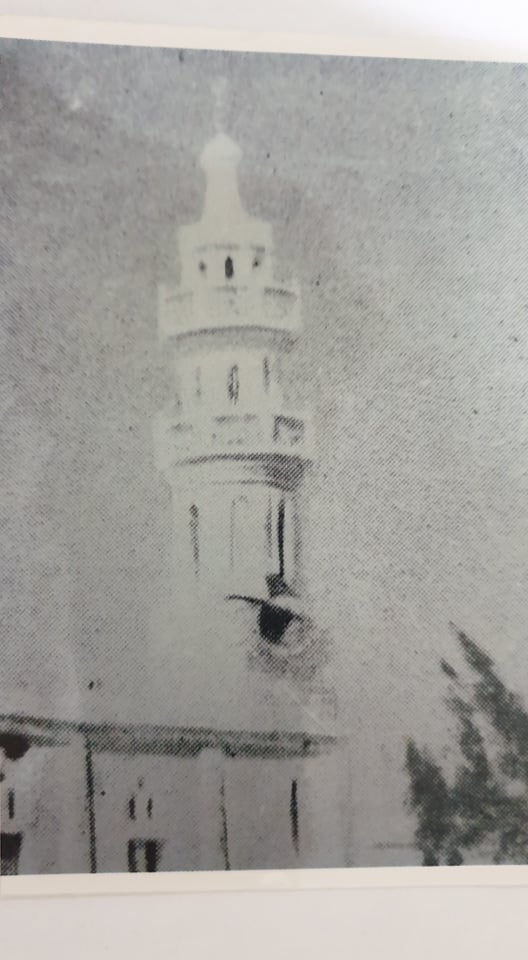
Fig. 1.2-1.2. Pictures for a damaged Minaret and a Church’s Belltower in Galal’s Album. Such images are symbolic for Egyptians as it was a “call to unite” and to cast aside any differences to face the enemy. Galal described as the Egyptians sharing together the “National Worries”.
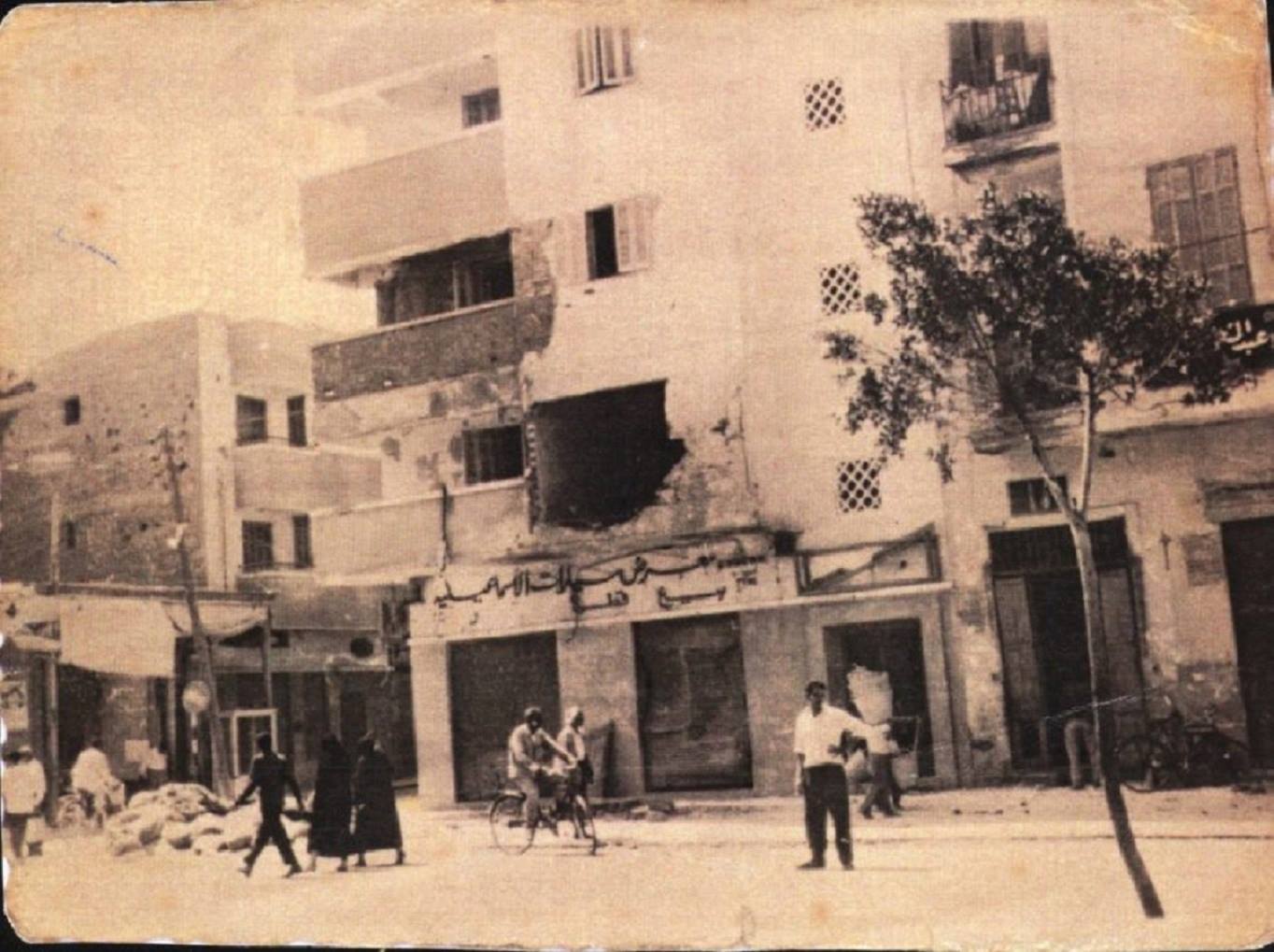
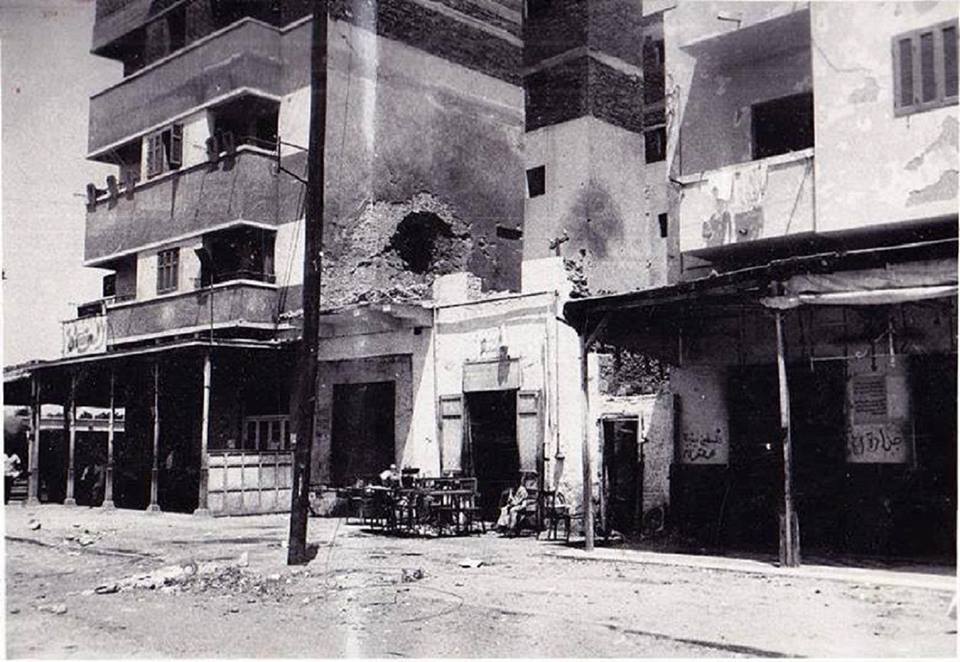
Fig. 1.3-1.4. Pictures showing the aftermath of artillery shelling on the city. (Source: History of Ismalia City Facebook Page)
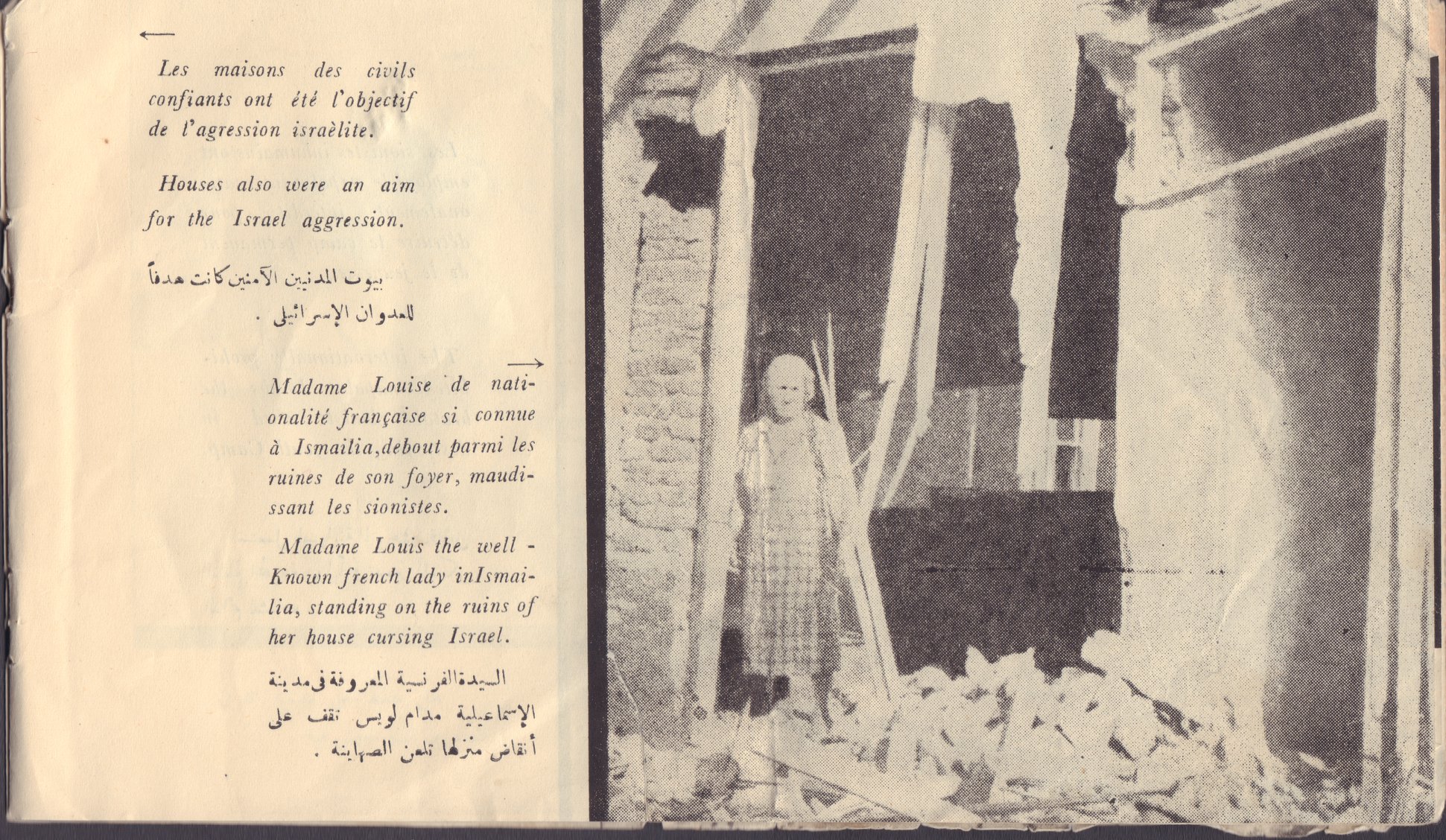
Fig. 1.5. An excerpt and a photo from a book published during the War of Attrition covering the collateral damage that befell the city of Ismailia. The book was published by the Territorial Association of Boy Scouts and Girl. The book covers the period of the 9th June 1967 until the Evacuation date of the 27th September 1967. The cover page could not be included in the article as it showed a photo of a dead civilian (who was literally blown apart). (Source: History of Ismalia City Facebook Page)
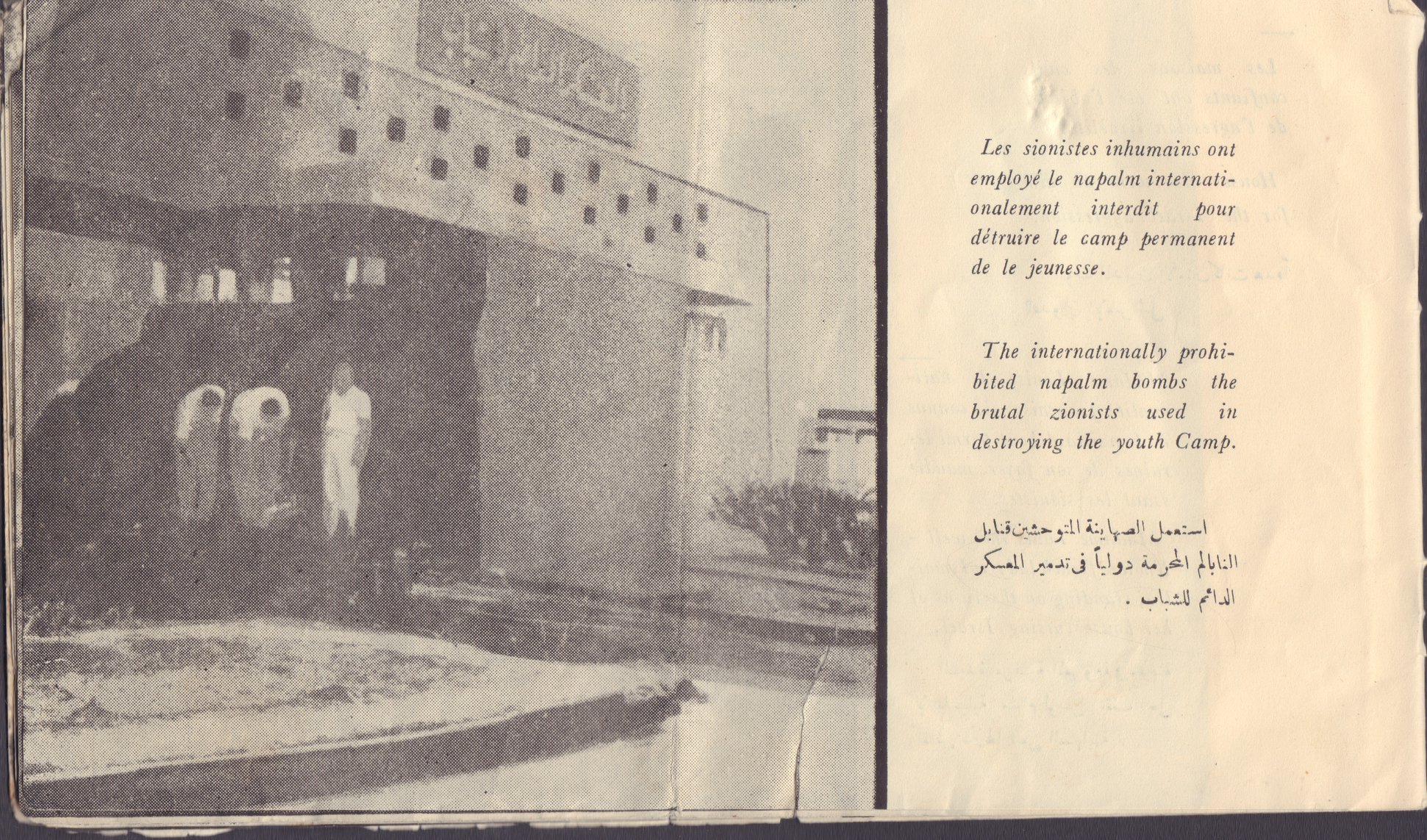
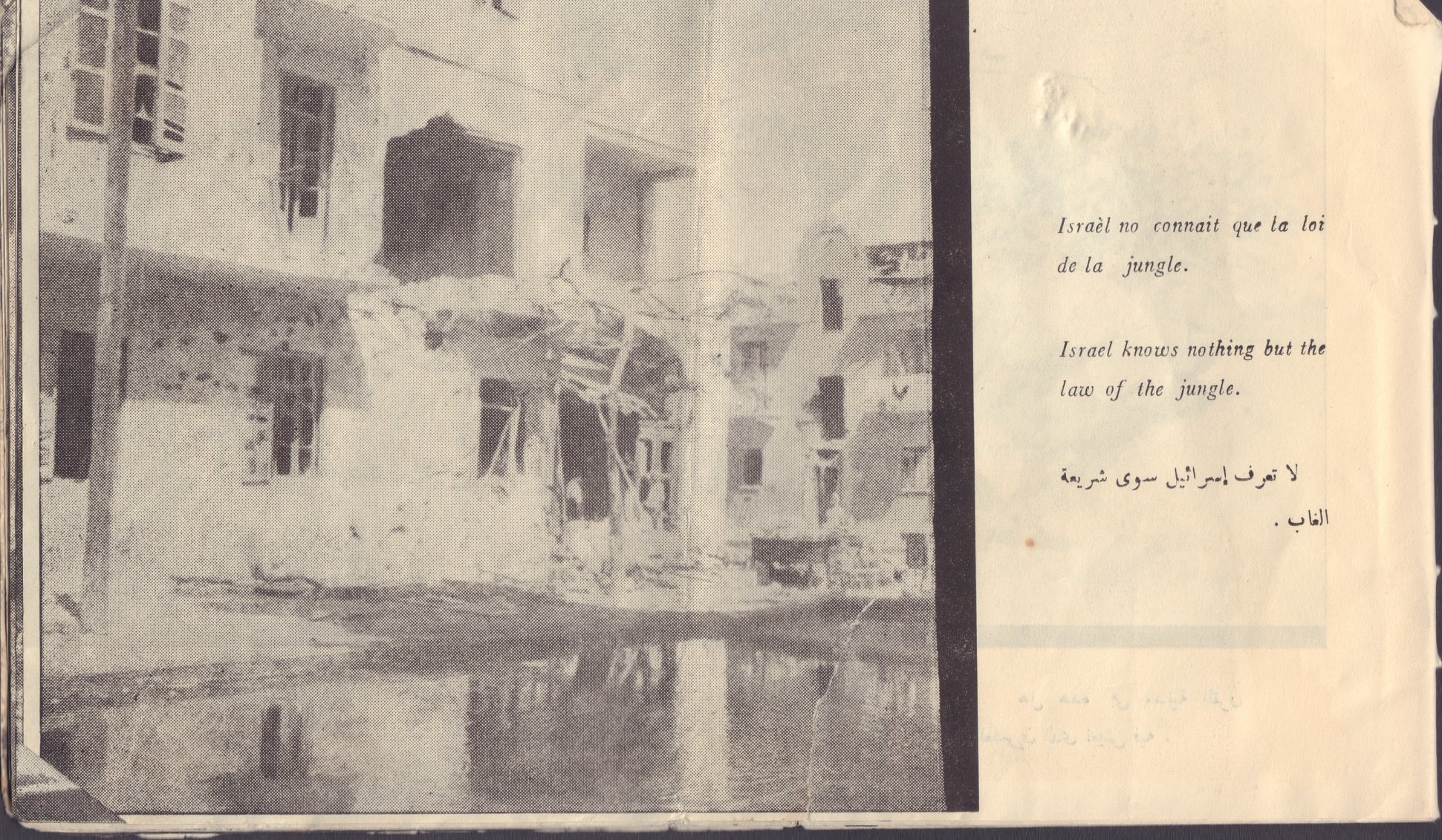
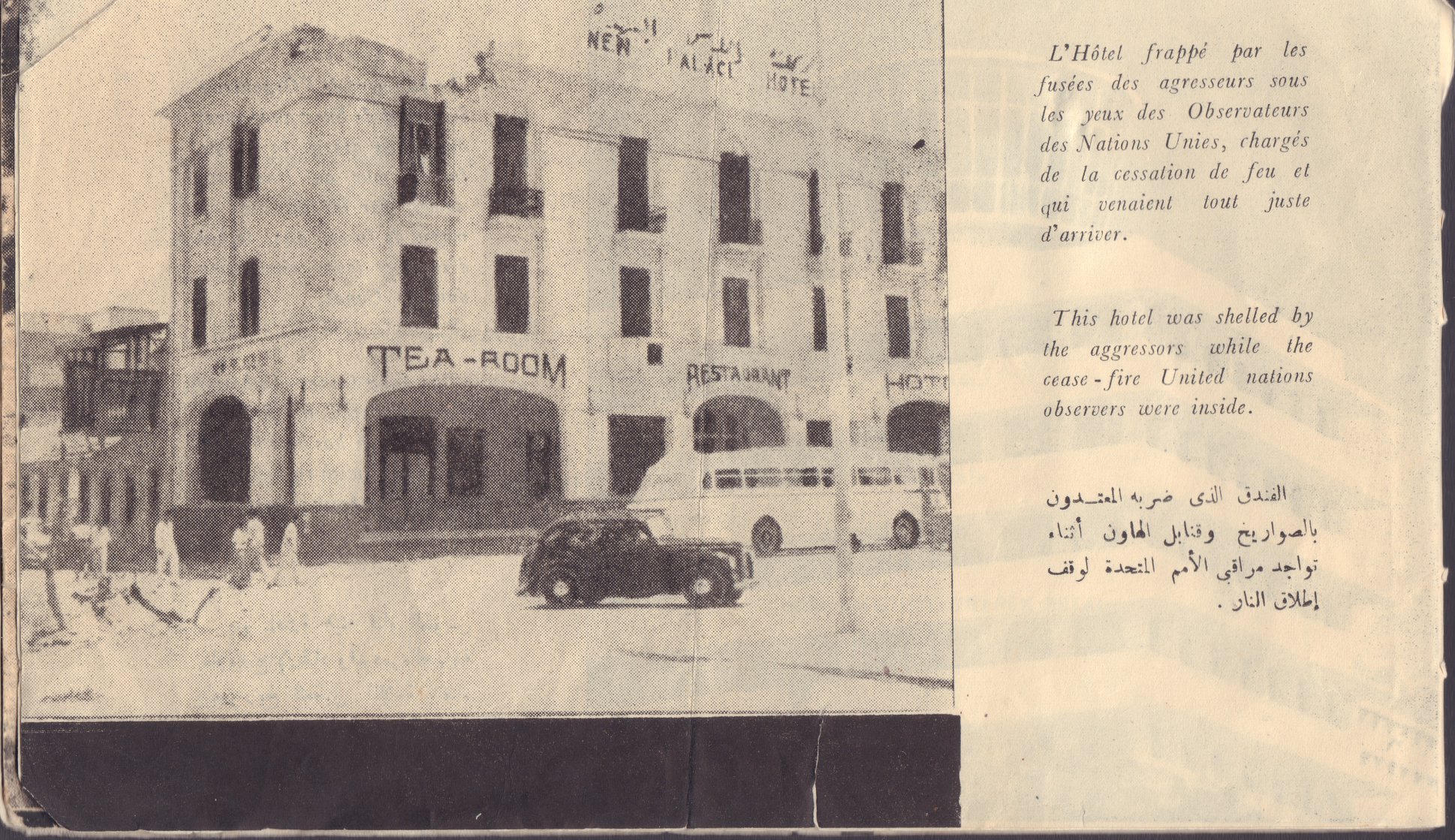
Fig. 1.6-1.8. From the previous source showing other locations that got hit and including the claim of using incendiary ordnance (it is well documented that the IAF did use Napalm during the Six-Day War).
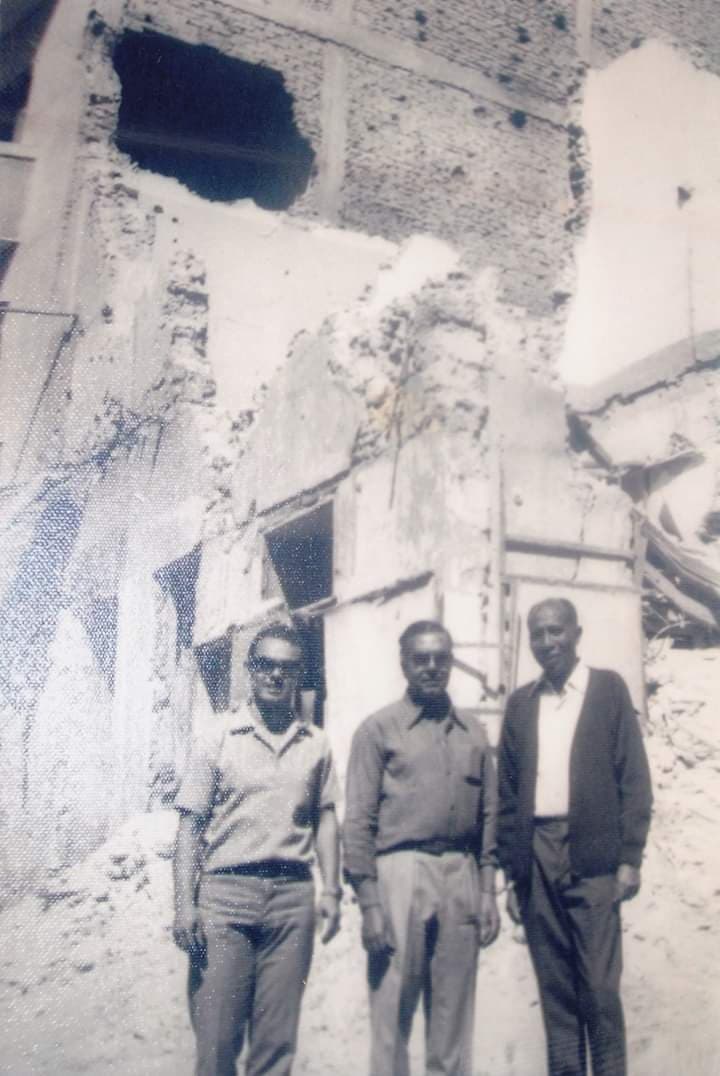
Fig. 1.9. Galal standing with acquaintances of his in front of a destroyed building. (Source: Galal)
Salvaging the Hospital St Vincent de Paul “Number Six”:
Galal mentioned to us one of the tasks he had to carry out as a member of the “popular resistance”. Salvaging St Vincent de Paul hospital AKA “Number Six” in Ismalia that was built by the French in the mid-nineteenth century. The hospital’s staff had already evacuated but they left behind their apparatus. Galal, with other Fedayeen, took trucks at night from Suez Canal Authority (who supervised the hospital) and, with their headlights turned off to avoid being detected by the IDF, headed to the hospital. Asem, the Nubian guard of the hospital, assisted them with the salvage operation. According to Galal, they managed to salvage ICUs, medical equipment, electrical devices, wires, and everything that was of value there. He said that they manage to save tens of millions of Egyptian pounds worth of equipment. Also, Galal stated that just as expected, later on (timing not specified) the Israelis did bombard the hospital.
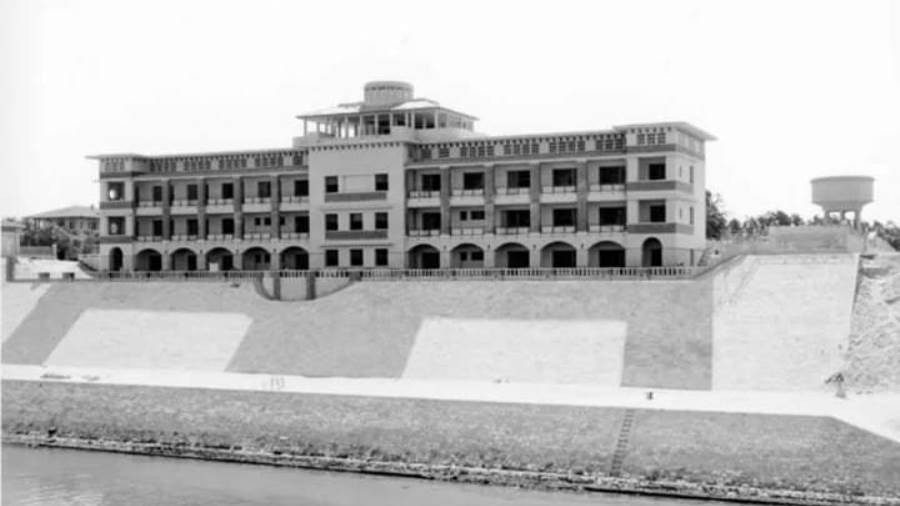
Fig. 2.1. An archive picture for Hospital Number Six, the date of the picture is unknown. (Source: Youm7.com)
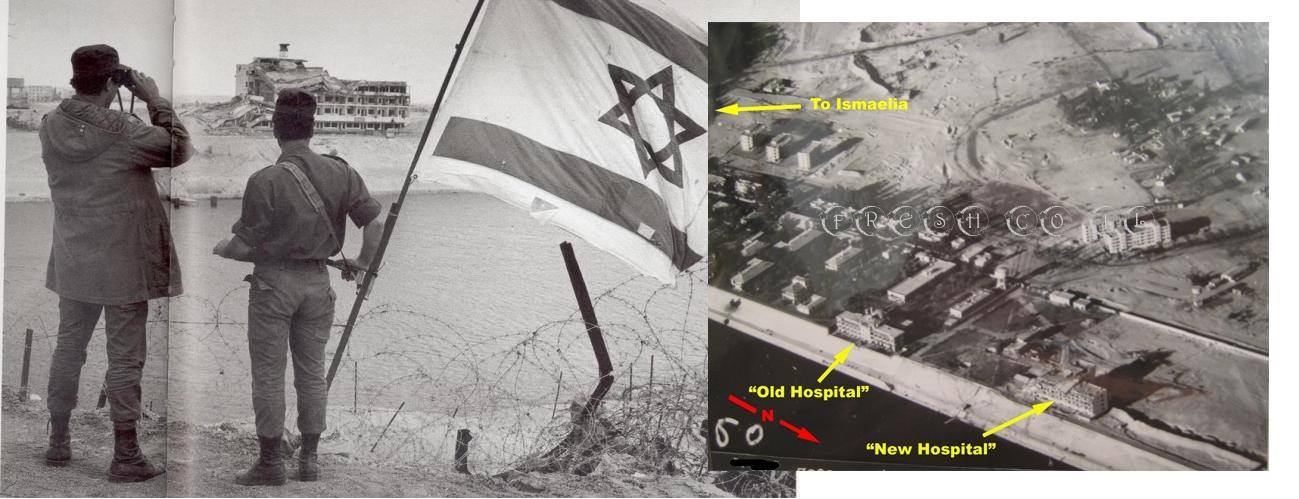
Fig. 2.2. A picture showing two hospitals on the western bank of the Suez Canal and the “new hospital” appears to be demolished. The “old hospital” is very likely hospital Number Six. Galal doesn’t have any pictures for hospital Number Six, unfortunately. (Source: Group 73 Historians)
Nurse Elaine and Abdelmegeed (24:27-26:10) (For Nurse Elaine’s Story check the previous part)
Galal was extremely eager to tell us stories that represent “Egyptian unity” throughout the war and casting aside their differences to cooperate and to forget about their personal problems. He told us two incidents, two stories that involved people he knew. Abdelmegeed, an old friend of his, and the Egyptian Coptic nurse Elaine when another friend of his got injured. According to Galal, Abdelmegeed was walking on the outskirts of the city when he met another Egyptian on the same path. Beside them was the water station and they began to converse with each other when this absolute stranger asked Abdelmegeed for assistance. Abdelmegeed informed him that he just has one Egyptian pound with him, which he had intended to get breakfast with but if he could get it changed into two fifty Egyptian Piasters, he would give one to the stranger, sharing the last of his money in his wallet with a stranger. The moment they agreed, the water station was bombed and while the stranger had light injuries, Abdelmegeed lost a leg and a finger.
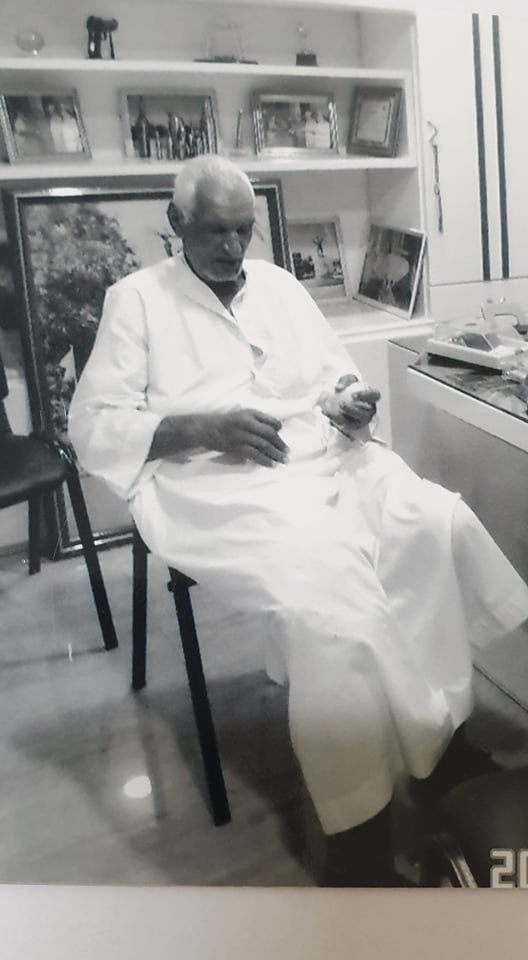 Fig. 3.1. A modern picture for Abdelmegeed. Galal said that he took a photo for the torn leg and finger but Abdelmegeed doesn’t like showing them to people. (Source: Galal Abdo Hashem)
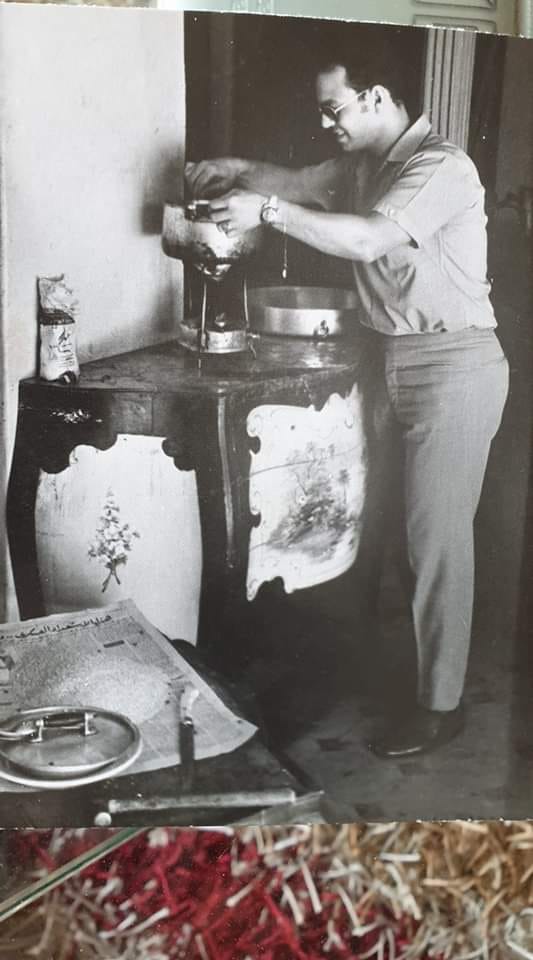
Fig. 3.2. Galal posted a picture for himself while cooking during the War of Attrition. He spoke on his Facebook profile page on the hardships the citizens of Ismalia faced together.
Nurse Elaine is an interesting character that played an important role in saving the life of an Egyptian Muslim soldier, and Galal mentioned her story specifically because it sounded like a scene you would see in movies while actually, it happened in front of his eyes. According to Galal, a friend of his was staying at his home and had an accident (unrelated to the conflict) which caused his foot to bleed badly. He took his friend to a hospital in Ismalia called “The Ameeri Hospital”. His friend lay down on the operating table with the doctor, the nurse, Elaine, and Galal with him. Suddenly a number of Egyptian soldiers came in dashing as they carried a wounded comrade. Their comrade was injured in his abdomen with an open wound. Galal’s friend got himself off the table so the injured soldier would be laid on it. The soldier needed some sort of medicine according to Galal and the doctor found that the cupboard (with glass frame) was locked and could not find the keys. While everyone was discussing what to do, Elaine wasted no time in smashing the glass frame with her fist and grabbing the needed medication. Galal said, “Nurse Elaine was a Coptic Nurse from the countryside so she was big and strong.” Later on, the doctor stated that they would need blood donations for the soldiers and Elaine volunteered, to which the doctor would reply stating that Elaine did more than enough as her blood is still fresh on the floor after smashing the cupboard. Galal couldn’t help but ponder on what that nurse did for someone, not of the same faith. While for him it was expected to see Egyptians united especially during such adversity, but the scene itself would be ingrained into his memory as one of many beautiful scenes of Egyptian unity and cooperation.
In the next part of this series we will examine Galal’s most famous work – the Statue of Defiance.
If you enjoy our work here at Silah Report please consider supporting us on Patreon!