In this final part of our series looking at the work of Egyptian artist, Galal Abdo Hashem. If you missed earlier parts of the interview, you can find them here: Part One, Part Two, Part Three and Part Four. In this part we discuss the October War, the Statue of Victory and Galal’s future project – the Pyramid of Peace.
https://soundcloud.com/silah-report/v26-part-two-the-six-day-war-war-of-67-the-spine-breaker
On the 6th October, 1973, Galal and his family were not in Ismalia, but in Cairo, in an area called Garden City to meet Abdelhameed Hassan, Minister of Youth at the time, however, he instead met Kamal Nazeem, his deputy. Kamal informed Galal that the statue of Defiance cannot be sent abroad. Galal wanted the statue to be seen worldwide as there was fear that Israel might in one way or another attempt to sabotage the statue. Galal replied saying that he doesn’t mind at all and in fact, the sabotage act would raise worldwide awareness of what happened in Ismalia. He returned home feeling despondent about the refusal and went to sleep.
“I wanted the plane’s wreck to have the star of David and I got it.”
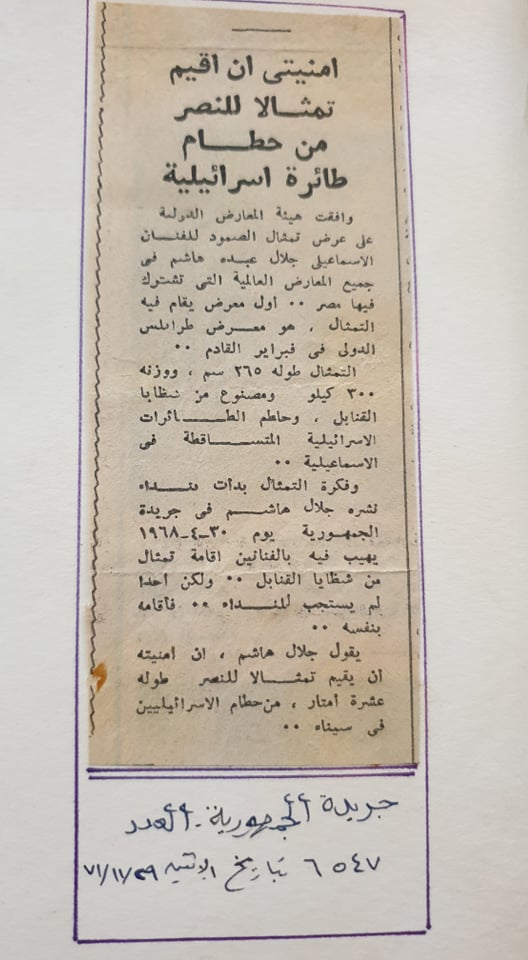
Fig. 1.1. Al Jomhouria Newspaper-29/11/1971 number 6547. The excerpt states that Galal dreams of making a statue from the wreckage of an Israeli plane.
Galal was awakened at noon by his brother who asked him ” You are sleeping while we are at war?” Galal was confused and shocked by what he heard. Rushing to the radio he turned it on to hear about Egyptian troops crossing the canal and attacking the Bar-Lev Line. The Yom Kippur War or October War had begun. He was overwhelmed by euphoria when he heard the news and attempted to immediately leave for Ismalia but was stopped by his siblings and his mother, who pleaded with him to not go and the door key was hidden. In the next day, he left in the morning to try to catch a transport, buses and even taxis were full of officers and troops, many of them were on vacation as a part of a large and intricate ruse planned by the Egyptians to fool foreign intelligence agencies and especially Mossad (Israel found out on the same day that Egypt plans to attack but had the timing wrong.) Galal saw civilians carrying trays full of sandwiches and teacups; distributing them to the troops. Galal described the view of the servicemen as:
“They [the youthful troops and officers] were like diamonds”
Galal managed to arrive in Ismalia at around 8:30 PM, he was surprised to find that the city (what was left of it) was not damaged from the combat and found out that not a single bullet was fired at Ismalia. In the morning, thanks to a colleague at his work who managed to drop him at the hospital he had salvaged several years ago (discussed in part 4), he saw a scene that he will never be able to forget. A human tide in Zodiac boats crossing the canal and thunderous shouts of “Allahu Akbar” filled the air. Galal watched the scene from a window on one of the upper levels of the hospital and he wished he could jump into the water and join them. The Egyptian troops crossing came under sporadic mortar fire that caused some zodiacs to flip, nearby zodiacs would pick up the men that fell in the water and continue on their path. Once they reached the massive man-made sand walls with ladders and ropes.
During the last stages of the war, Israeli forces managed to cross the canal and counter-attack and managed to get quite close to Ismalia. Galal said that they heard on the radio news about IDF crossing but they didn’t know more than that. One day shells began to fall on the city as if it was the War of Attrition all over again, Galal ran to a rooftop just to see large clouds of dust and smoke up in the air coming from the south and wondered if they were accidentally being fired on by friendly forces. Back at his home on the 24th October, he had a journalist with him from Arab Voice. Galal was getting anxious and wanted to know what was actually happening. He requested the journalist come with him and he agreed. They both got in a car and near one of the exits of the city, he was stopped by a military checkpoint and there he met an officer who he managed to befriend and allowed him to leave the city. Galal and the journalist entered an area full of mango trees when suddenly Saaka Commandos stopped them on the main road and started inquiring what are they doing here. Galal explained his story to them and then one of the commandos told Galal he has something to show him. Galal found a terrible scene of carnage, IDF tanks burned, destroyed and one had its turret completely blown off. Galal mentioned that he saw at least eight corpses and some of them laid on the destroyed tanks. Their corpses became fused with the wrecked hulls given how hot it was when they were destroyed. According to Galal, the corpses he saw specifically stayed where he found them for two weeks. He visited the sight again with one of his siblings who tried to lift the arm of a dead IDF crewman but the entire forearm got ripped off and Galal told his brother just to put it back.
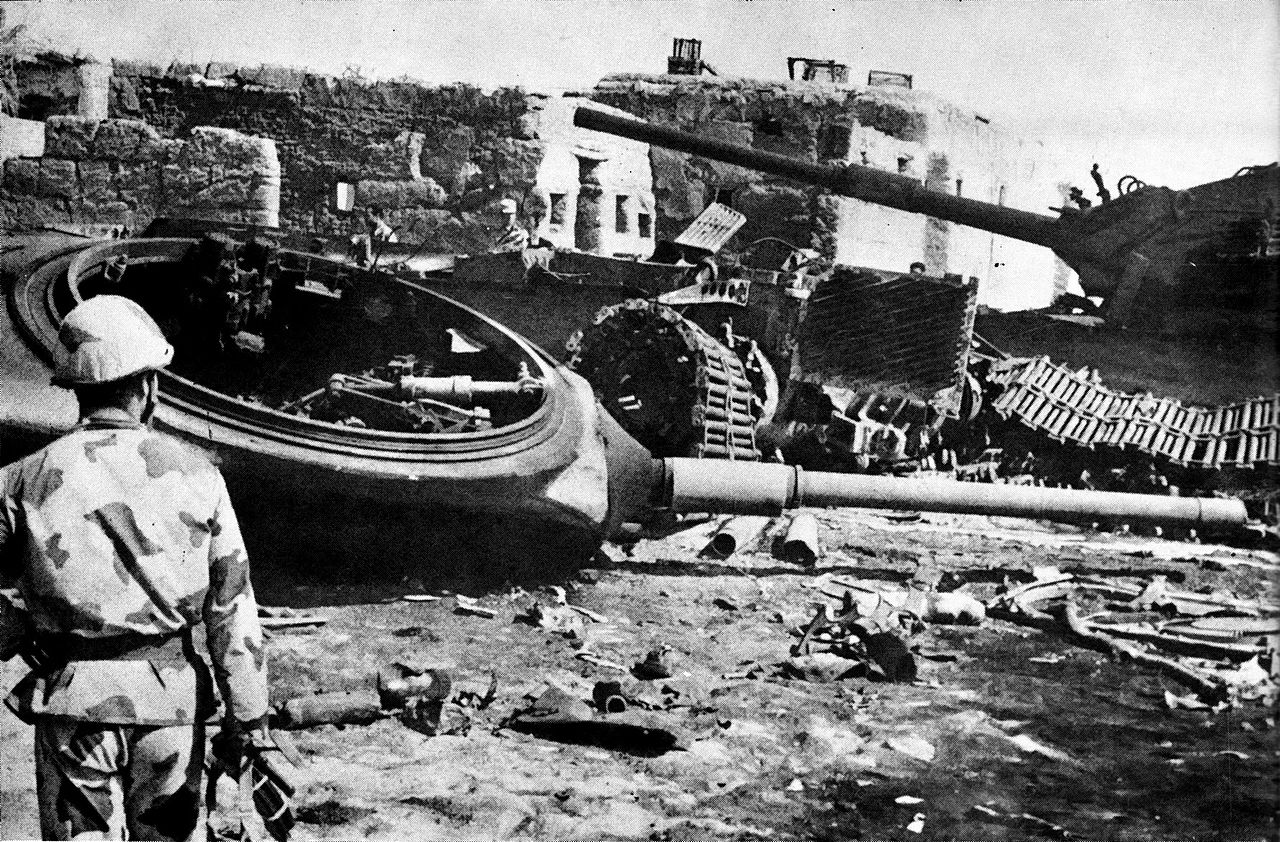
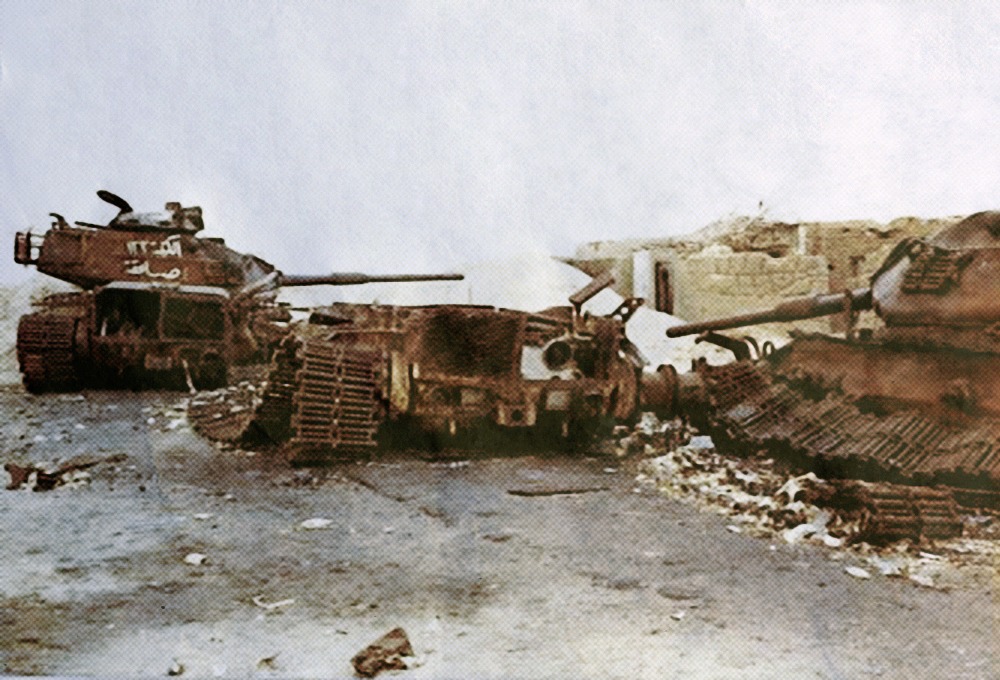
Fig. 1.2-1.3 Commandos from the 133rd Saaka Battalion managed to ambush an IDF force in Abu Atwa village which lead to the destruction of several tanks. There has been ongoing fighting then and before what happened in Abu Atwa, but the battle of Abu Atwa was pivotal in stopping the IDF tank column from advancing. In the second photo, the commandos wrote “133rd Saaka Battalion” on the turret of one of the wrecked tanks. The Battle for Ismalia proved to be bitter for Israel as it caused heavy casualties in armor and paratroopers as well as had long term political ramifications back in Tel Aviv.
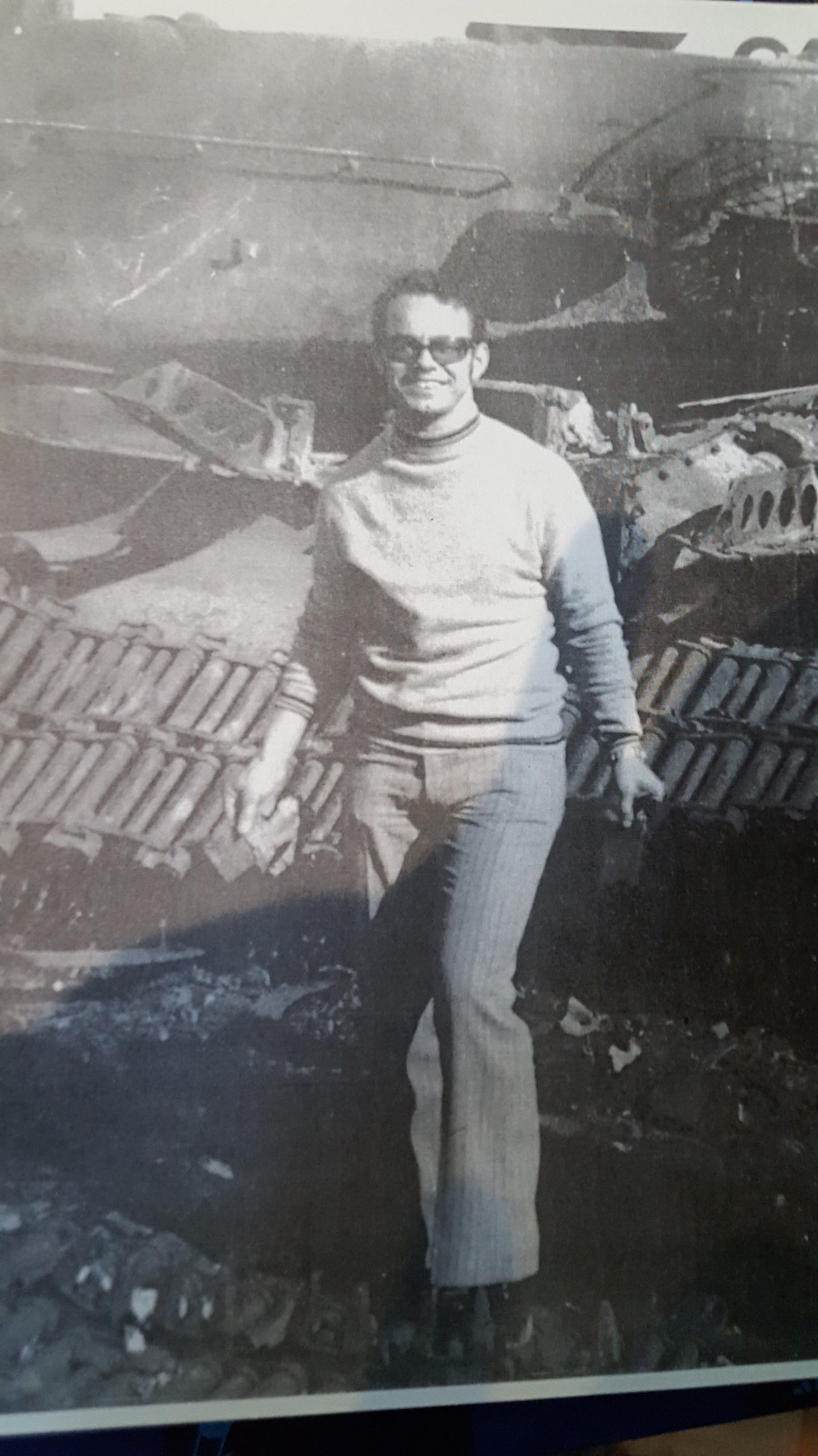
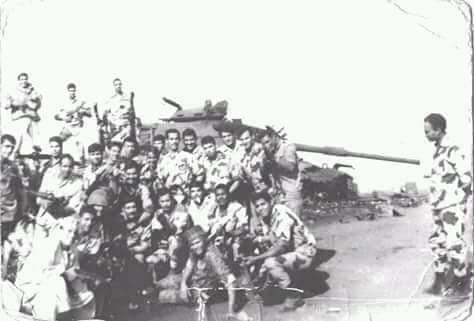
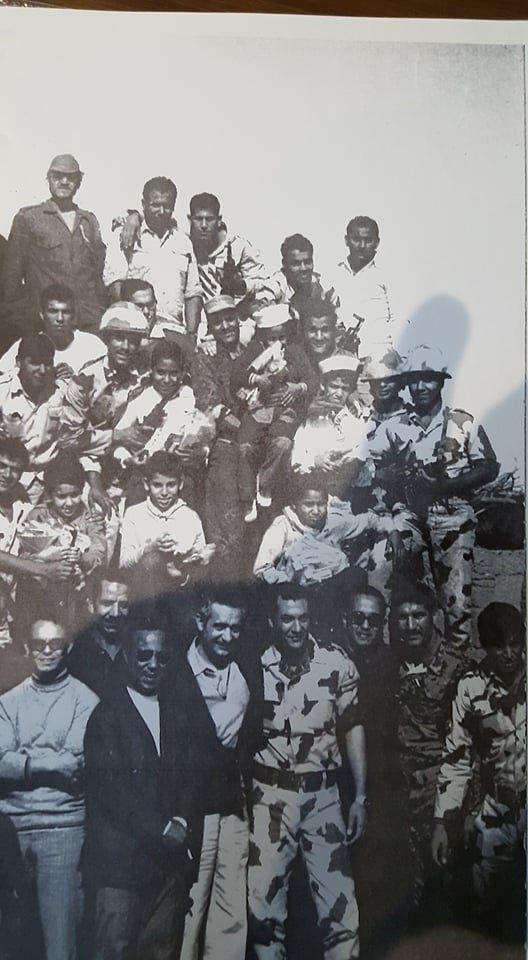
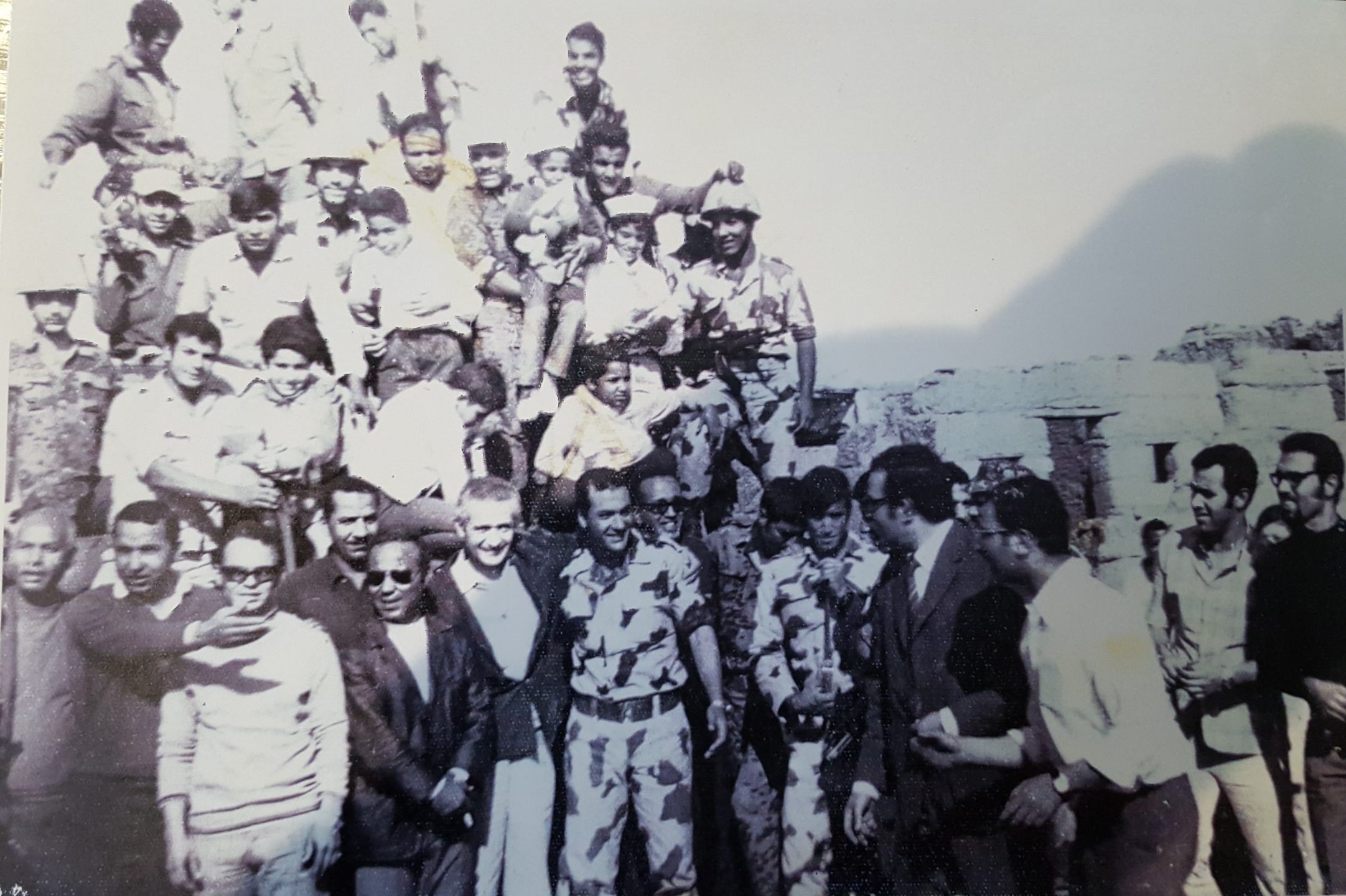
Fig. 1.4-1.7 Images of Galal with Saaka Commandos who participated in destroying the IDF tanks at Abu Atwa Village. (Source: Galal Abdo Hashem)
“I didn’t care about weapons, all I cared about was shrapnel”
Timestamp: (39:00-40:00)
After the war was over, Galal’s friends in the military offered him all kinds of small arms as gifts, ranging from AK self-loading rifles to an Israeli ‘rocket launcher’ and more, but Galal only wanted a piece of an IAF plane with the Star of David emblem on it. Official channels alas wouldn’t be as much help, but a friend in the army would manage to get the needed part for him from a plane that got shot down and fell in Sinai. Thus, the Statue of Victory could be made from Egyptian shrapnel from munitions and the plane’s part.
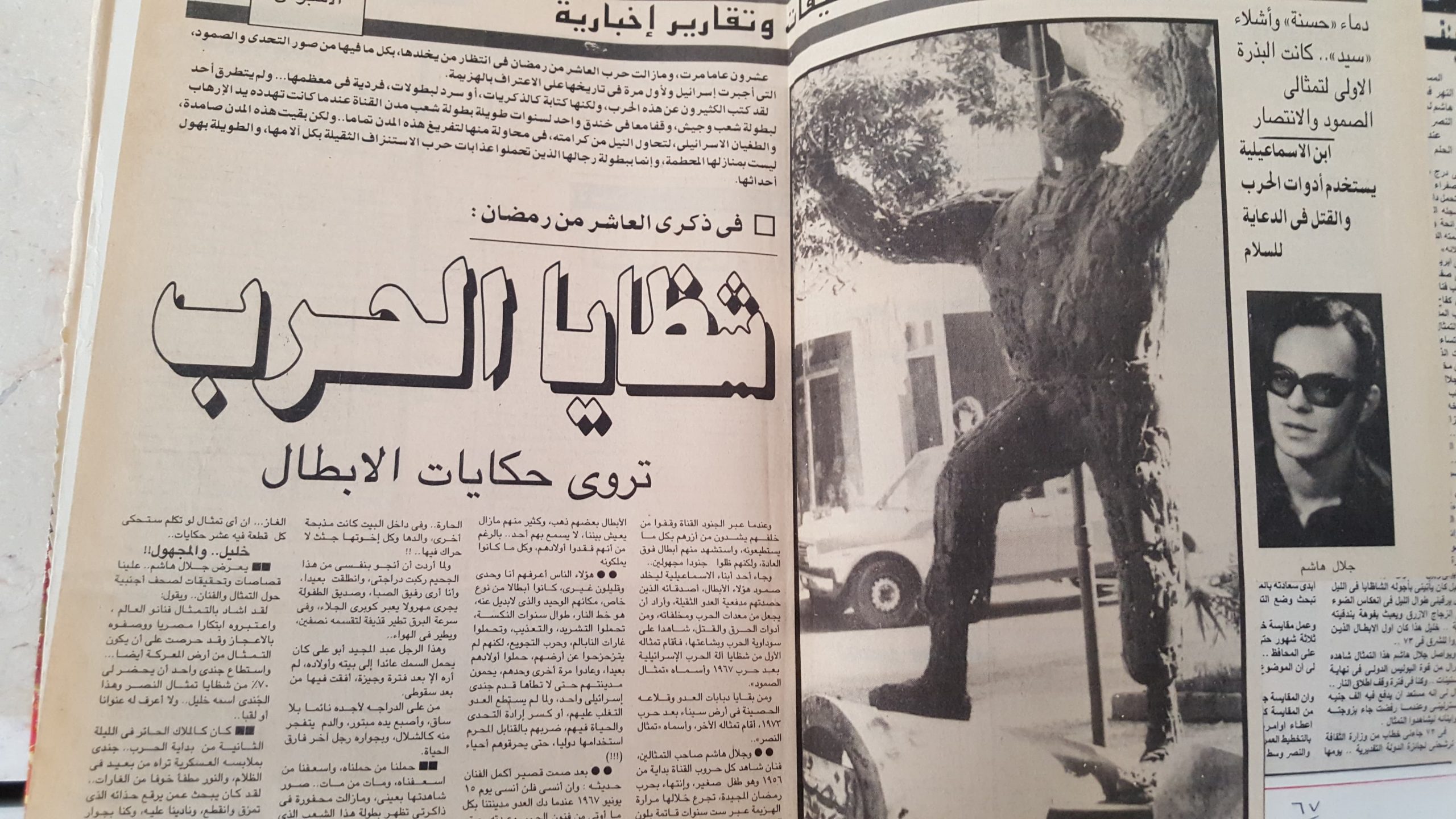
Fig. 1.8. Galal in this article stated that the blood of Hassnah (his neighbor, she was killed by the bombardment) and the torn remains of Sayed (the child mentioned previously who was killed by an unexploded munition) were the seed for his statues of Defiance and Victory. (Source: Galal Abdo Hashem)
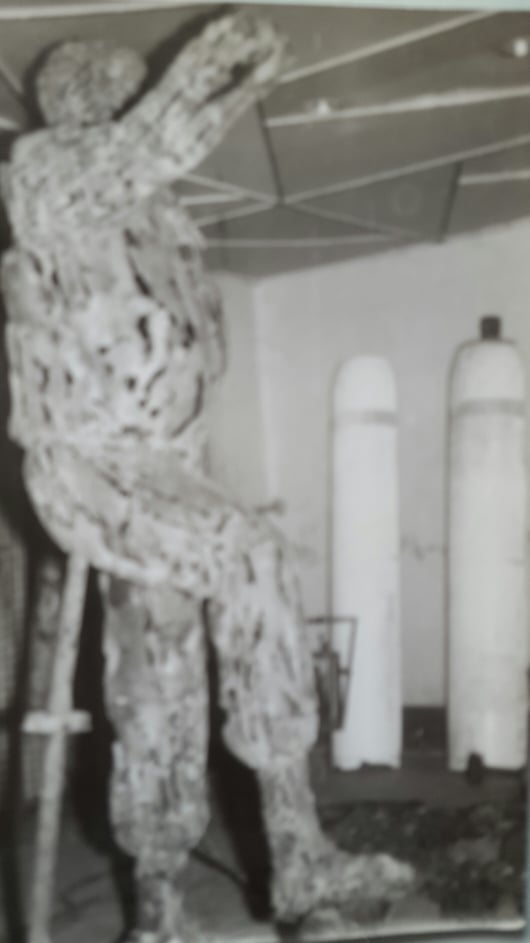
Fig. 1.9. Another angle for the Victory Statue beside cluster bombs used by the IAF. (Source: Galal Abdo Hashem)
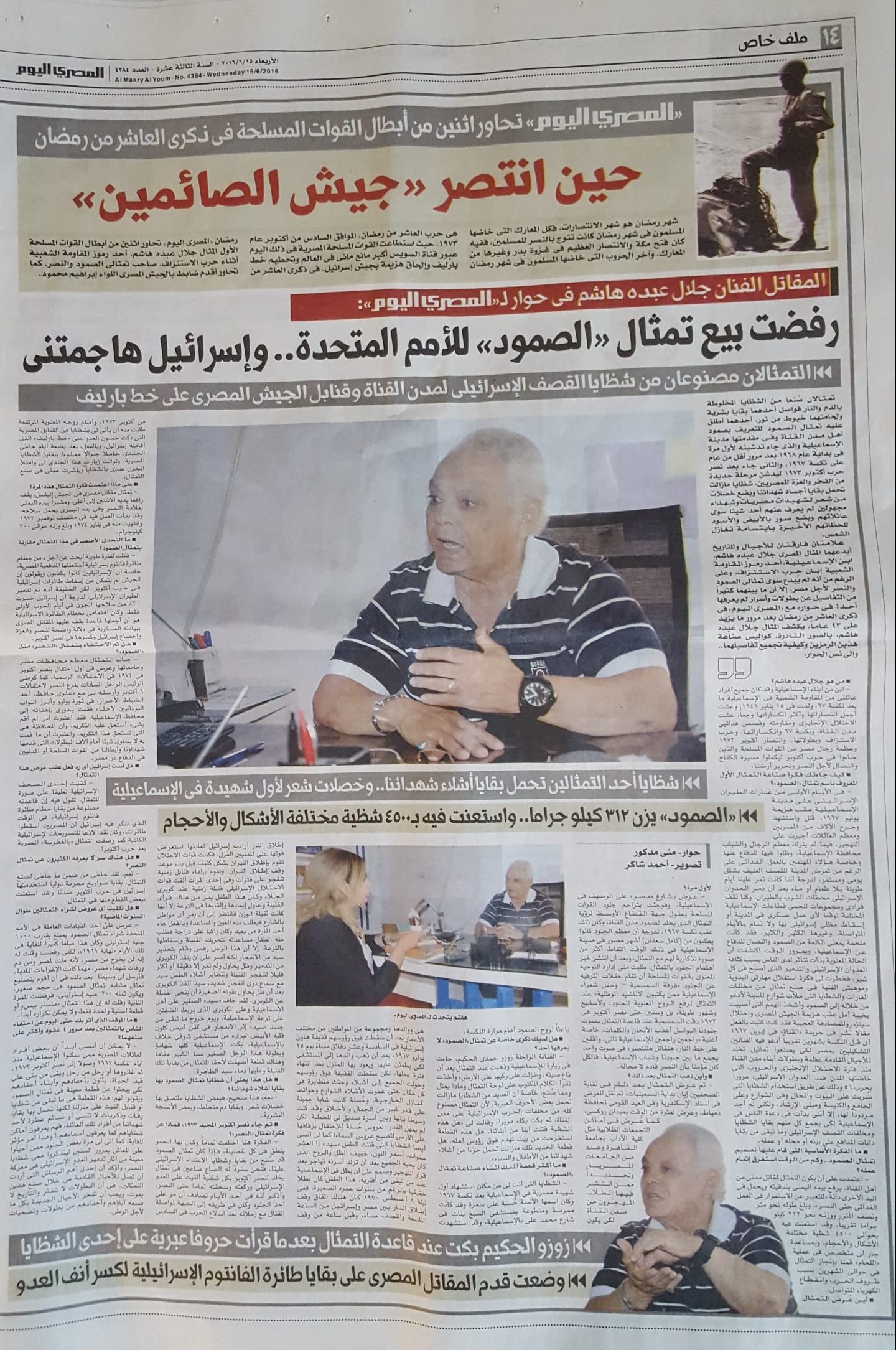
Fig. 1.10. Galal interviewed at the present time by Al Masry Al Youm newspaper. He stated that a representative of the UN wanted to purchase the statue of Defiance but Galal refused, instead, the representative would come back with his family and take a photo beside the statue (Galal stated that he has a copy of that picture). Regarding the Statue of Victory, Galal stated that he put the foot of the Egyptian fighter on the remains of the Israeli phantom to “break the nose of the enemy”. (Source: Galal Abdo Hashem)
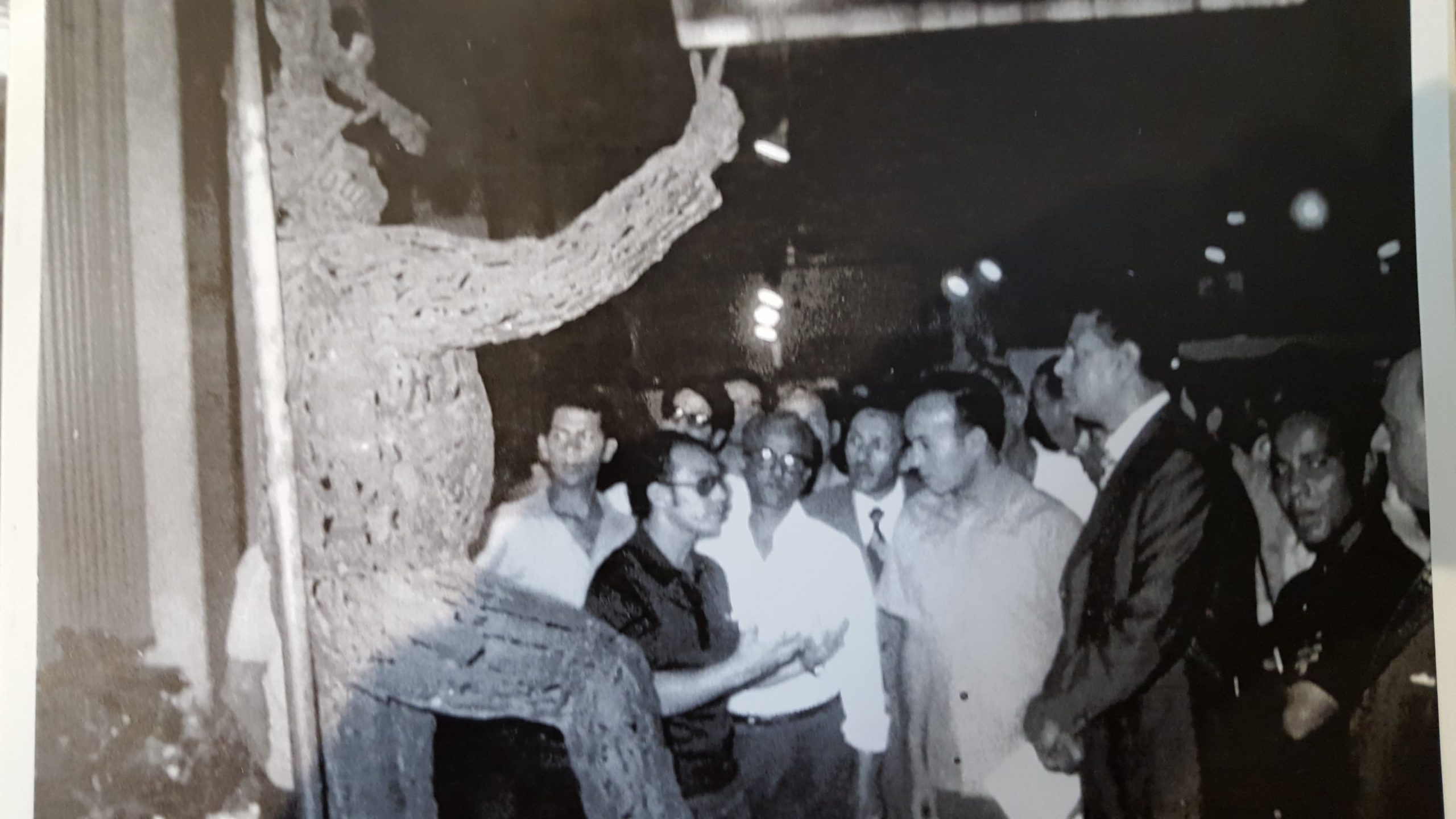
Fig. 1.11. Galal explaining to the audience information regarding the statue. (Source: Galal Abdo Hashem)
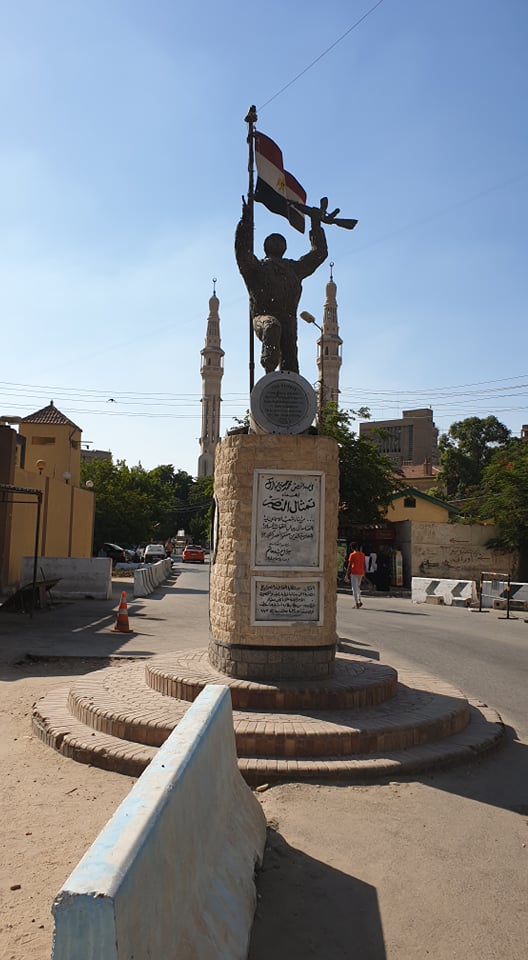
Fig. 1.12. Modern-day photo for the Victory statue (Source: Galal Abdo Hashem)
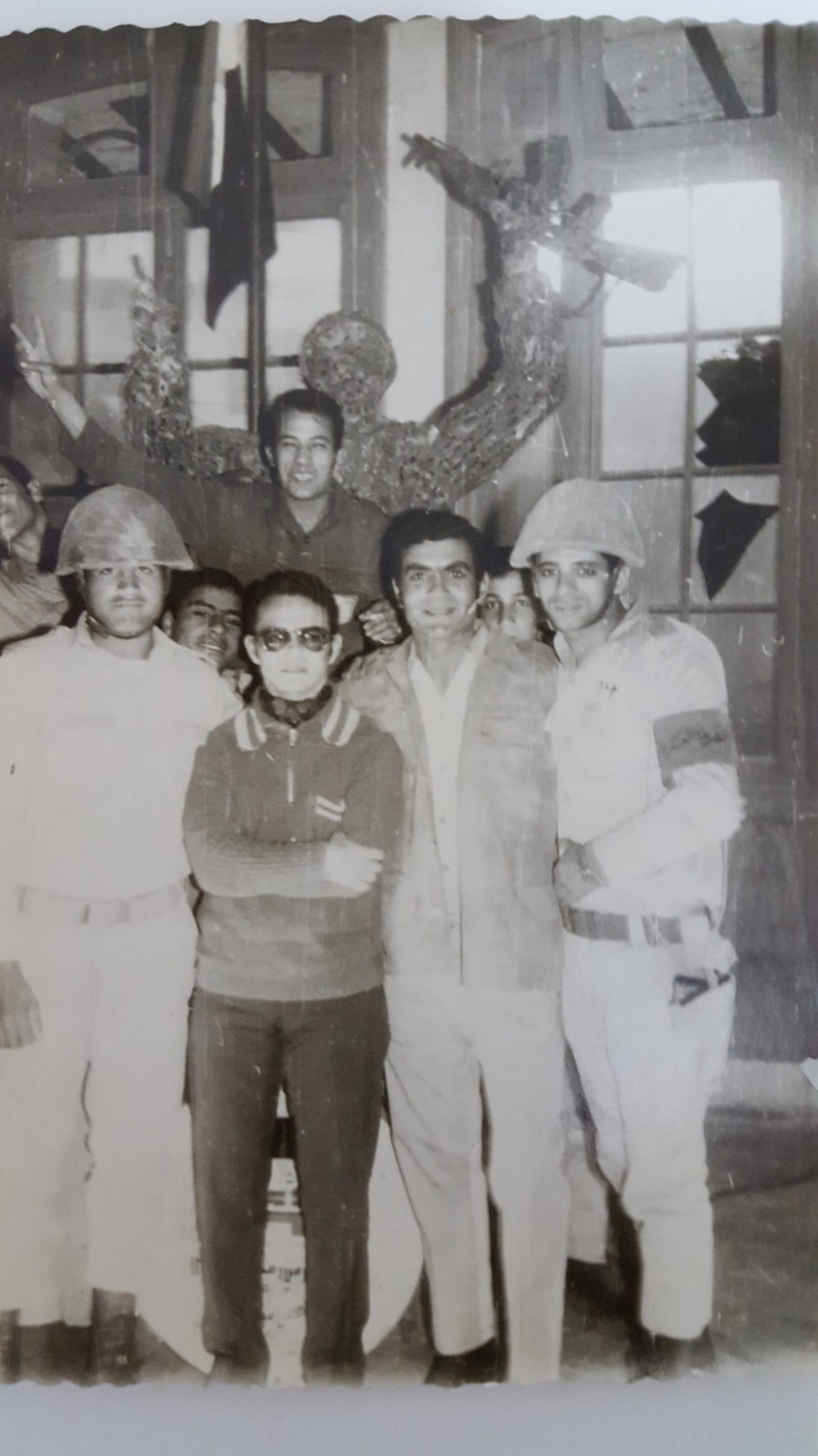
Fig. 1.13. Galal standing in front of Victory statue and Egyptian military policemen. (Source: Galal Abdo Hashem)
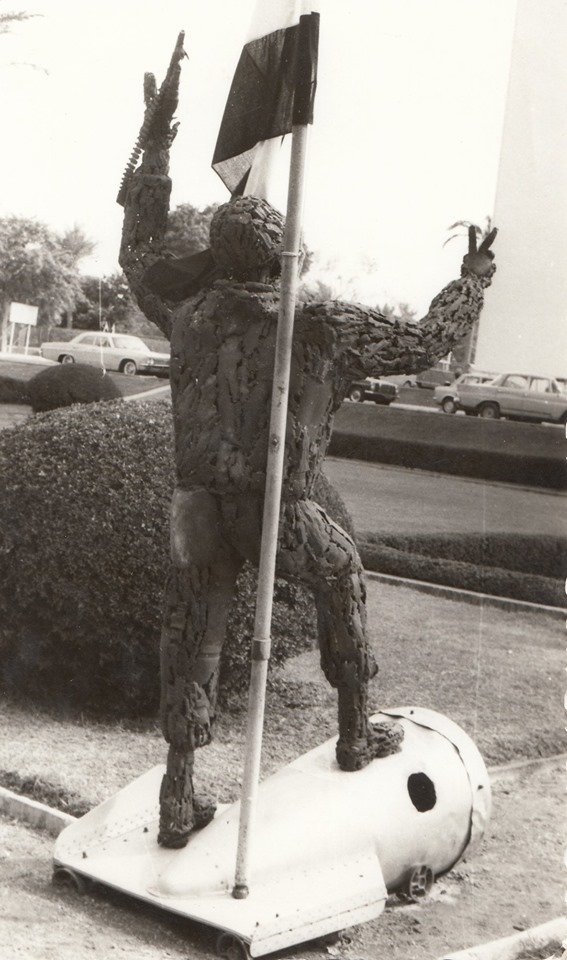
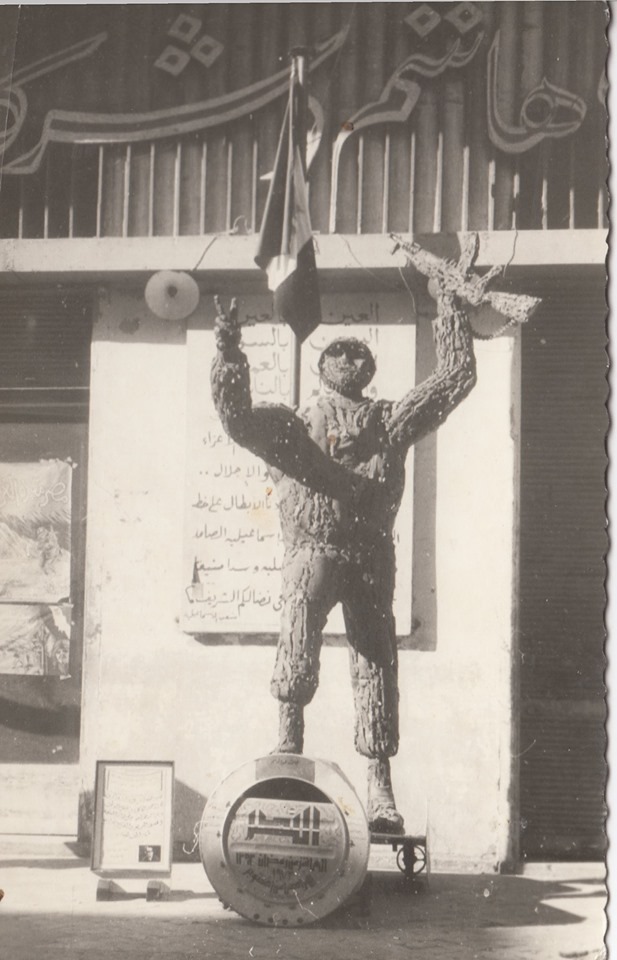
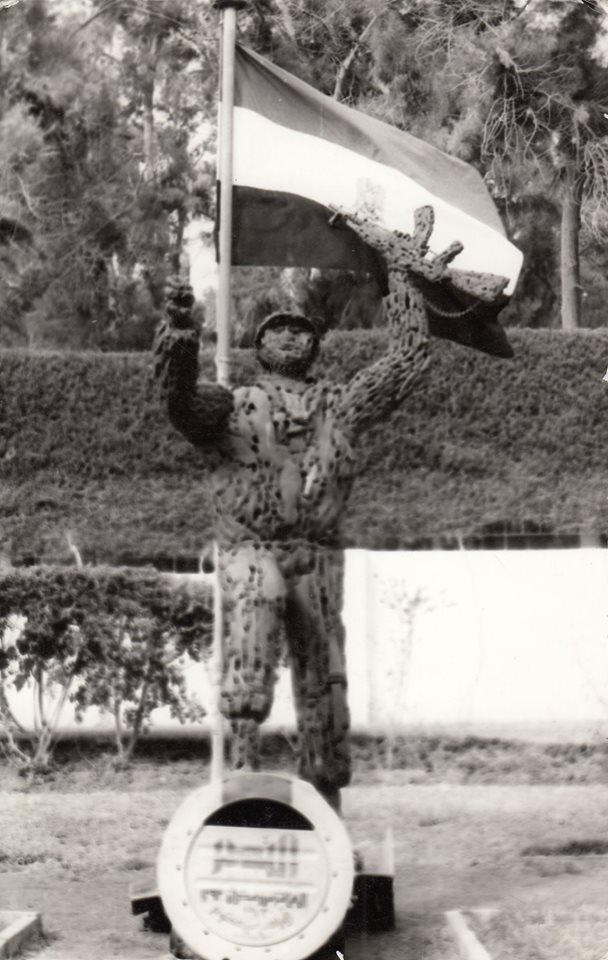
Fig. 1.14-1.16 Photos for the statue showing the Egyptian fighter on an IAF’s plane’s remains. (source: Galal Abdo Hashem)
Galal’s Next Project: The Pyramid of Peace
Timestamp: 40:00-END
“What is going on in the world?”
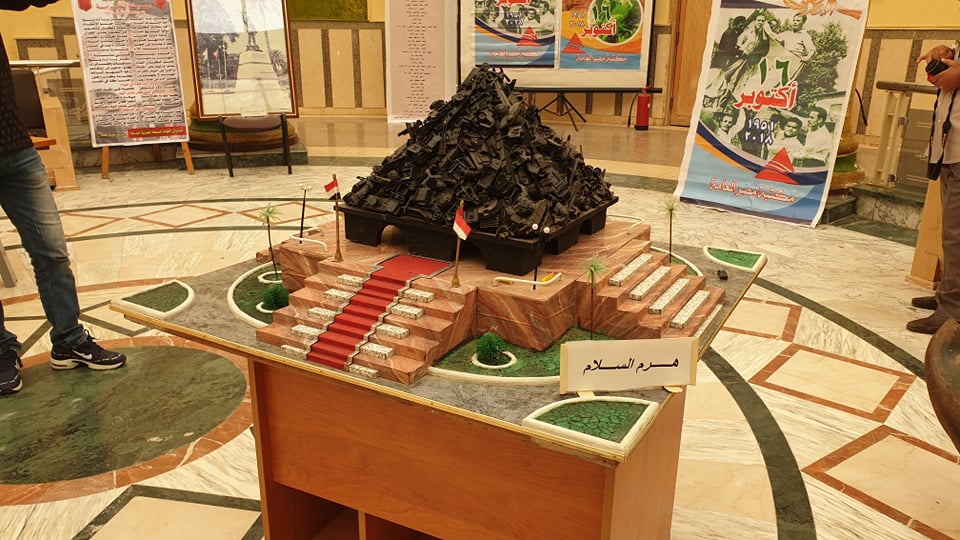
Galal’s next project, or in the other words the project he has already started working on is the Pyramid of Peace. He wants to construct another pyramid, an actual pyramid, made from obsolete tanks, weapons, vehicles, fighters, bombers etc. The Pyramid would be enterable and would have stairs and electric elevators, as well as small museums for showing miniature models of the obsolete tools of war that were used in constructing the pyramid. Information about the weapons/vehicles would be presented, with details including place of origin, date of production, wars it participated in and how much it cost to manufacture, to send a message to the audience stating that the funds spent on manufacturing said tools could have been utilized in a better way such as spending it on scientific research, education, infrastructure, agriculture and so on. Galal wants countries that are actually interested in participating in the project to fund it and to help in its construction.
When asked if he minds Israel participating, he replied back: “Absolutely not, if they are serious about peace, then I don’t mind them participating and if they are serious about it then they should stop oppressing the Palestinians.” According to Galal, Egypt’s Minister of Defense, Mohammed Ahmed Zaki, took interest in the project.
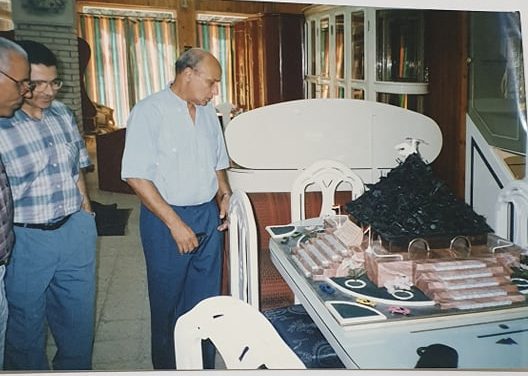
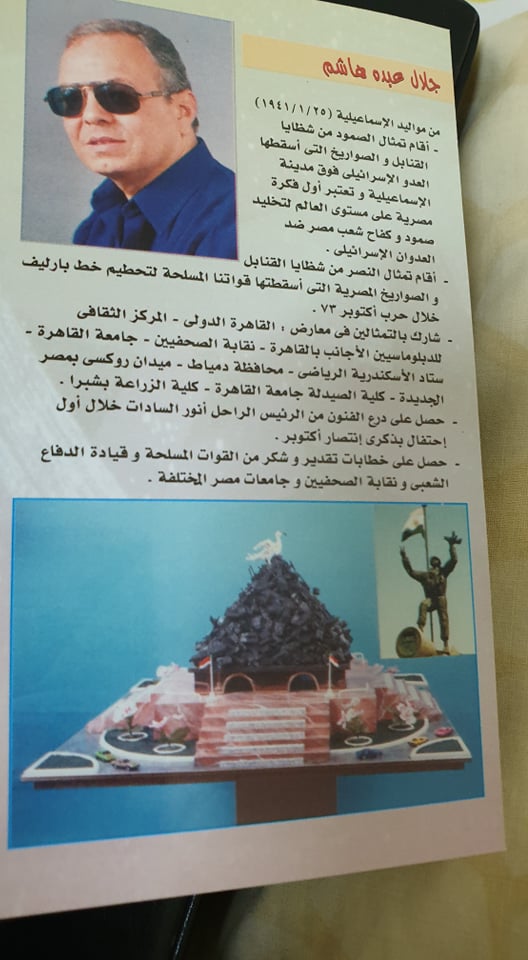
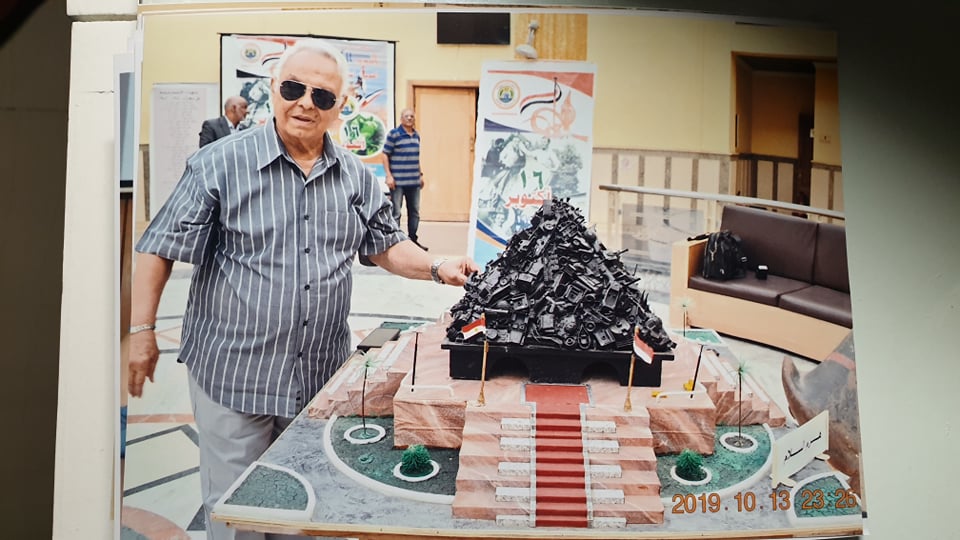
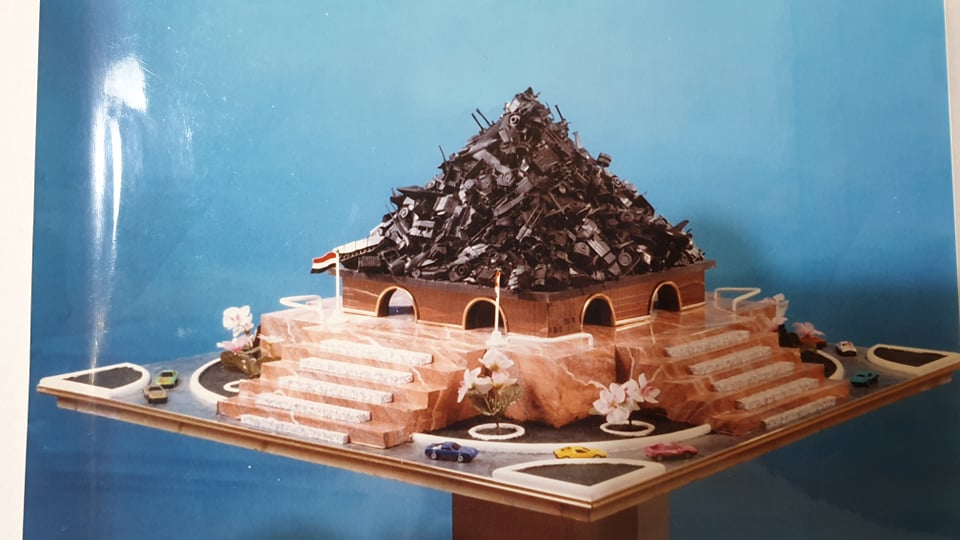
Fig. 2.1-2.5. Various photographs of miniature models for the Pyramid of Peace that Galal dreams of seeing one day constructed on one of the banks of the Suez. (Source: Galal Abdo Hashem)
Patreon
If you want to support our work researching the small arms and light weapons in the MENA and Central Asian regions, please consider joining our Patreon support network that allows us to get articles, videos, and podcasts such to an international audience. Check us out at www.patreon.com/SilahReport