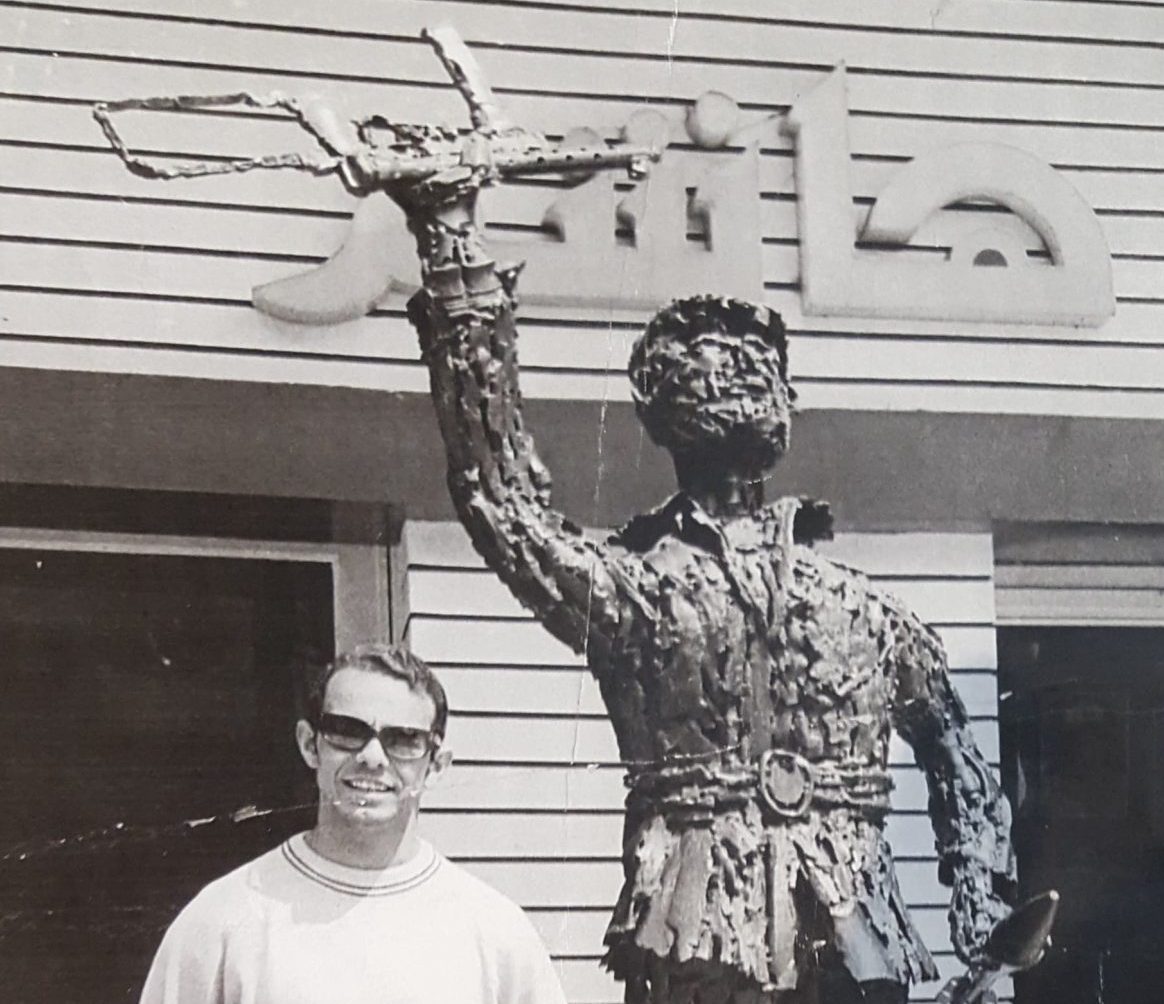
In this article we continue our interview with Egyptian artist Galal Abdo Hashem. In this part of our series we will examine Galal’s most famous work – the Statue of Defiance. If you missed earlier parts of the interview, you can find them here: Part One, Part Two, Part Three, Part Four.
https://soundcloud.com/silah-report/galal-a-hashem-interview
“I wanted to show the world that Egyptians are capable of innovating and there is no other statue in the world [then] that is made out of shrapnel. How many statues do you have that are made out of stone in the world?”
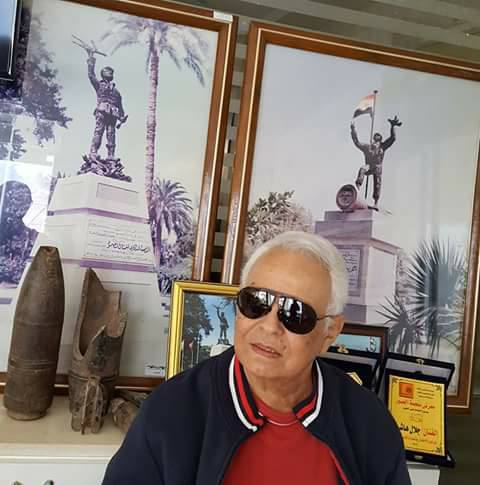
Fig. 1.1 A modern-day photo for Galal with two photographs for his statues (Defiance and Victory) as well as the remains of ordnance used throughout the conflict. (Source: Galal Abdo Hashem)
We asked Galal what was the purpose of the statue he made during the War of Attrition, what occurred that inspired him to create it, and why specifically from shrapnel. He stated that what he saw from the people of Ismalia, their courage in facing death on a daily basis and how long they endured throughout the years. He wanted to immortalize their resistance, sacrifice, bravery, and also to show the Egyptian Armed Forces that there is a strong popular front backing them and they are not alone in their conflict with Israel. Galal chose shrapnel because he wanted to show the world that Egyptians are capable of innovating; he knew of no other statue in the world that was made out of shrapnel but countless statues around the world made of stone and other common materials which would not make the statue unique. He also wanted to present the world the ordnance Israel had dropped on the city.
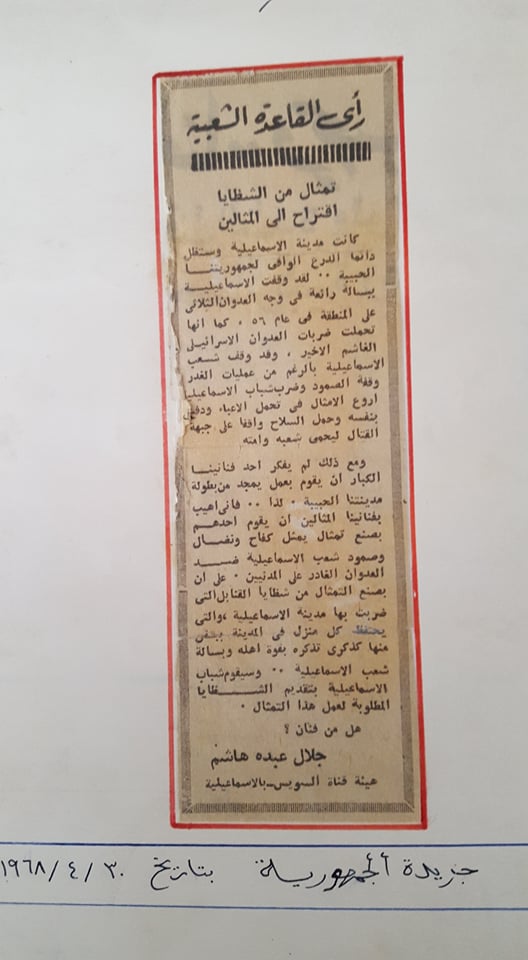
Fig. 1.2 An excerpt from the “Al Gomhouriya” newspaper dated 30/4/1968 – Galal is requesting support from Egypt’s Artisians in making a statue from shrapnel that would represent the valiance of the people of Ismalia. (Source: Galal Abdo Hashem)
Galal hadn’t thought about making the statue himself until one day Hussein El Eswed, an older friend of Galal’s, told him that no one else should make the statue and it should be Galal’s work. Hussein explained that the statue won’t have “a taste” if someone else other than Galal. Later on, Galal went to a workshop behind his home and convinced the owner to help him in making the statue. The tool used in making the statue was an electric welding machine, Galal personally collected the shrapnel – it wasn’t in short supply given the ongoing war.
“You can’t cut shrapnel, so we had to find the pieces that resemble the needed parts such as a nose or a boot.”
They had to learn through trial and error how to handle the shrapnel as they discovered that it is impossible to cut shrapnel, they had to find the pieces that resembled the needed parts such as a nose or a boot. Mohamed Mohammed Khalifa, AKA “Shazam” a very famous resistance fighter, known across all of Egypt (he participated in attacks against the British during 1951-52, and was involved since then in every conflict Egypt had against Israel), decided to help out in making the statue and would stand for hours as a model, while Galal and the welder worked on the statue. According to Galal “Shazam” didn’t ask for any sort of compensation. The statue is posed holding a Port Said 9x19mm submachine gun, an Egyptian copy of the Swedish Carl Gustav M/45, aloft over its head and holding a mortar round in the other.
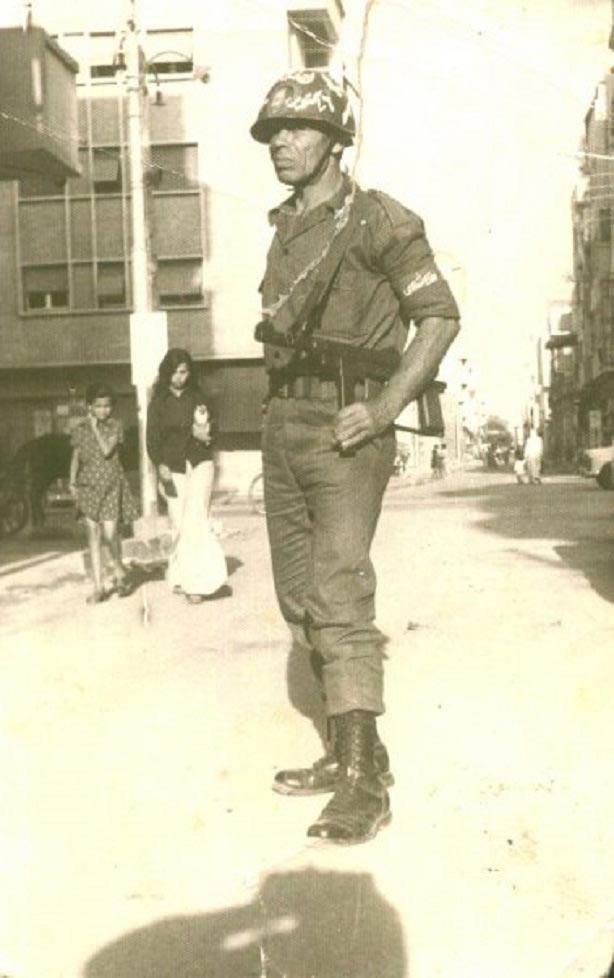
Fig. 1.3 An iconic picture for Mohammed Mohammed Khalifa (Shazam). Galal said about him “I think he even slept wearing it [the military uniform]” Note he is armed with a Port Said 9x19mm submachine gun – an Egyptian copy of the Swedish Carl Gustav M/45. (Source: Egyptian Newspapers)
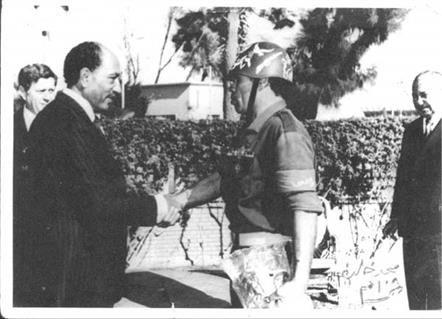
Fig. 1.4 Shazam shaking the hand of Anwar Sadat. (Source: Egyptian Newspapers).
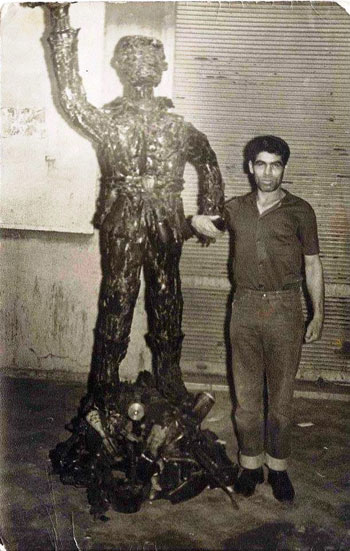
Fig. 1.5 An extremely rare photo for Shazam in civilian clothing beside the statue of Defiance. (Source: History of Ismalia Facebook Page)
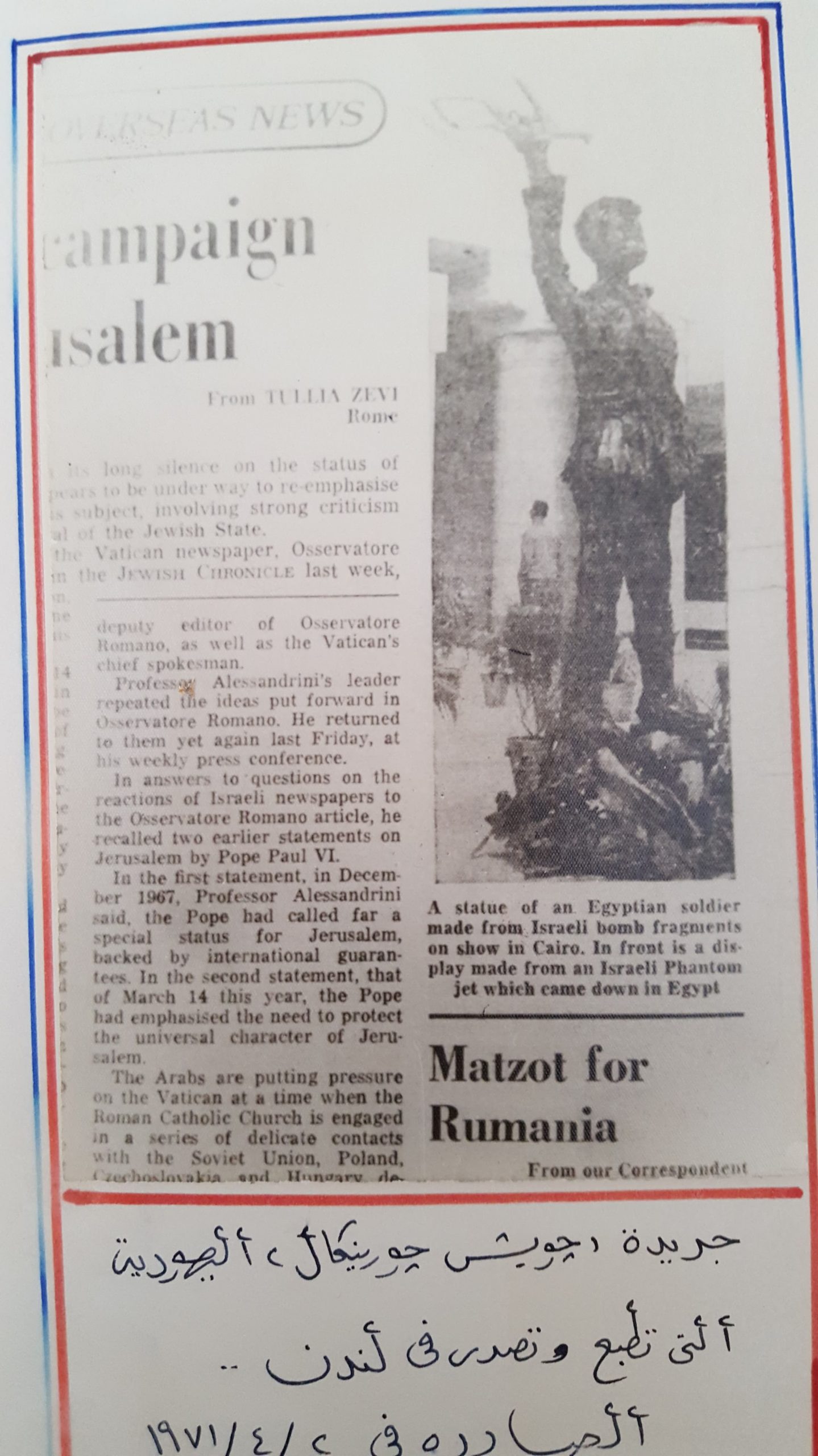
Fig. 1.6 An excerpt in the collection of Galal, from Jewish Chronicle dated 2/4/1971, speaking about the statue. (Source: Galal Abdo Hashem)
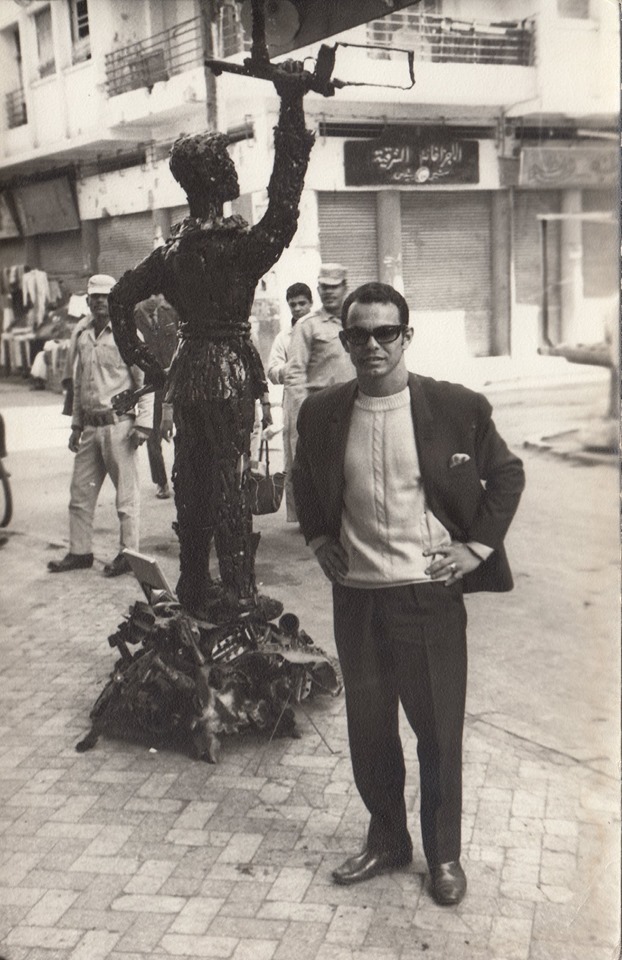
Fig. 1.7 Picture dated 24th January 1971 with Galal standing beside the Statue. The statue itself was sent to a convention in Cairo in 1971 before being moved back again to Ismalia. (Source: Galal Abdo Hashem)
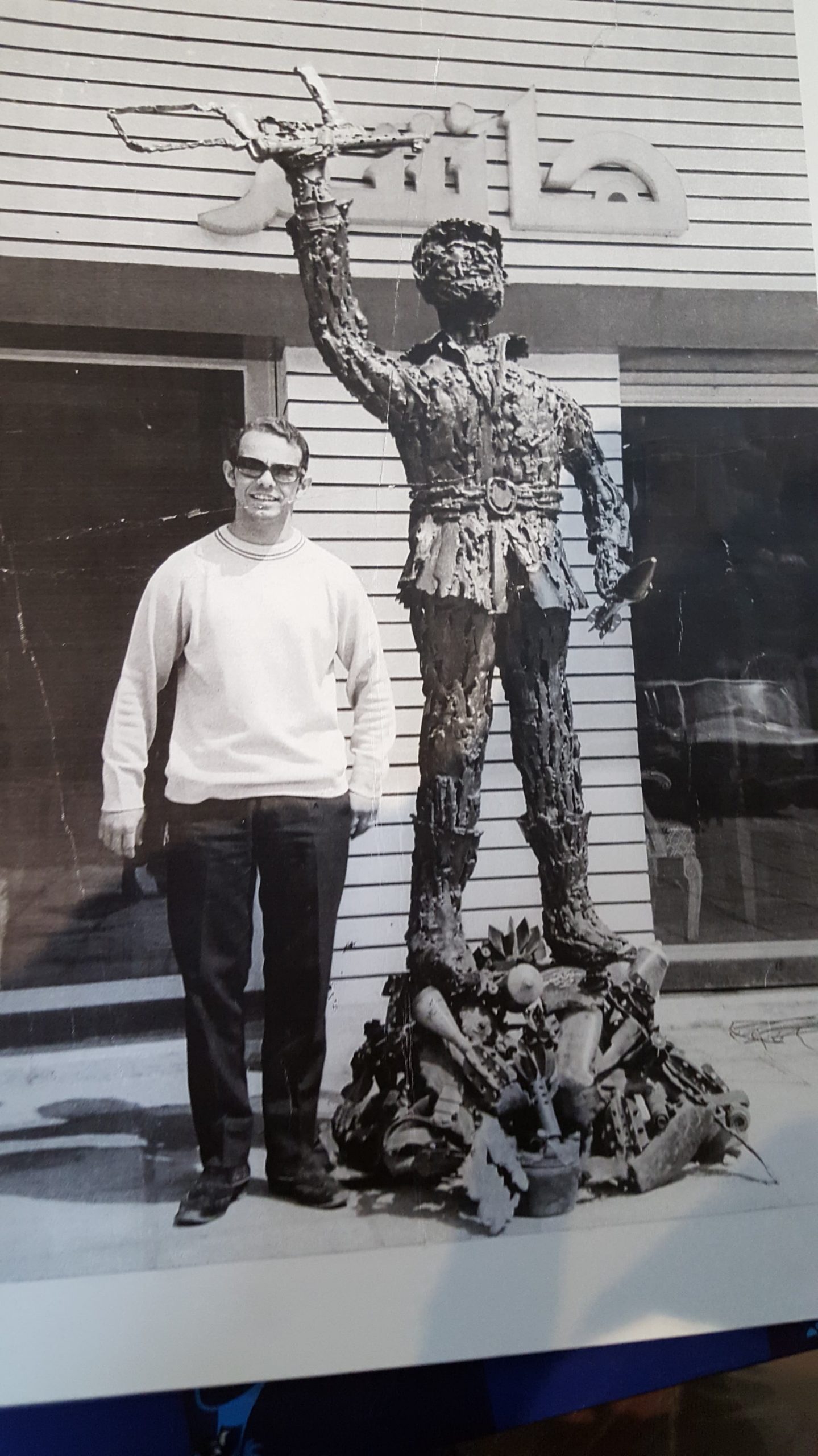 Fig. 1.8 Galal standing beside the statue. (Source: Galal Abdo Hashem)
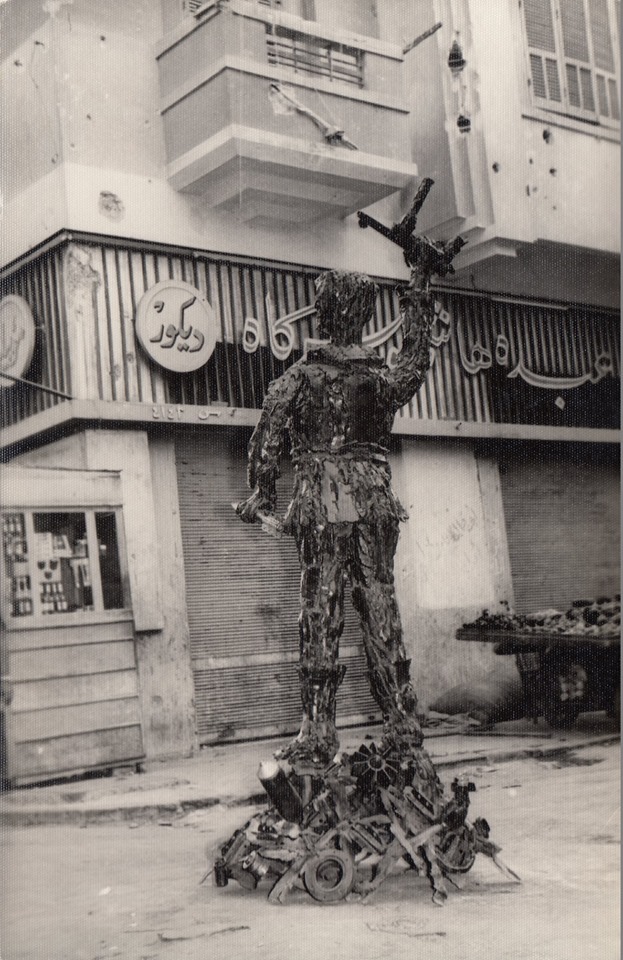
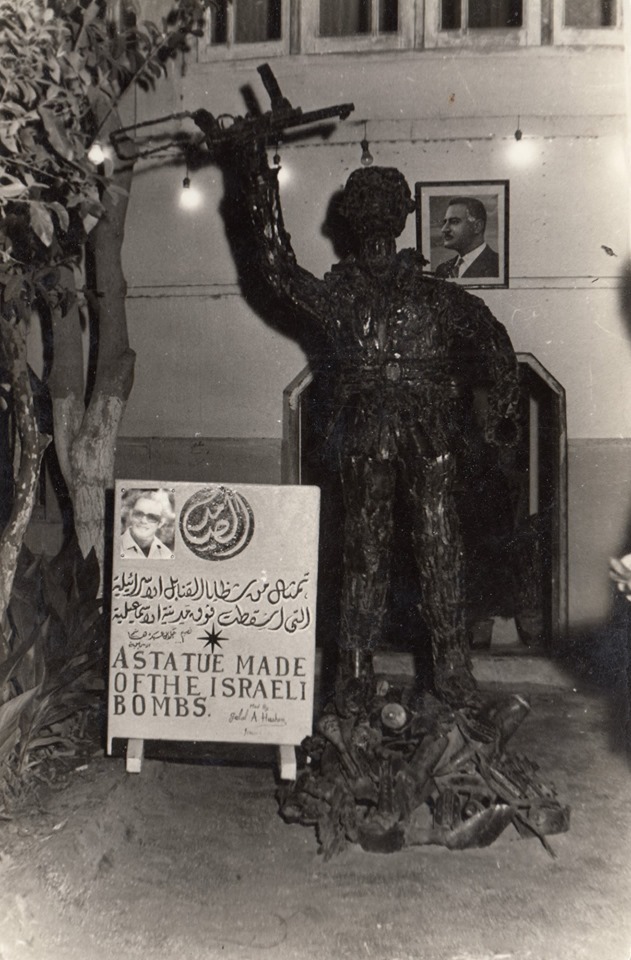
Fig. 1.9-1.10 Images for the Statue – we can see the various parts that make up the statue. (Source: History of Ismalia City Facebook page)
Speaking to Israelis: Taunts, Insults, Nasser and Biscuits (12:00-14:40)
Galal told us an incredibly fascinating story, no matter how brief it was, [Galal noted that he would prefer a real-life meeting as he said that he has months upon months worth of stories and experiences to tell us and cant be covered online]. According to Galal, he was walking one day near the bank of the canal when an Israeli soldier shouted across the canal from their Bar-Lev Line, they shouted out his name. Galal at that moment was busy collecting shrapnel and had some colleagues with him who were surprised when they heard the Israeli soldier shout his name. They asked Galal if the Israelis could have possibly installed listening devices on the Egyptian side. Galal told his colleagues that this was not the case. Ismalia became extremely quiet and almost a ghost city due to the conflict, hence the Israelis probably heard his colleagues shout out a couple of times saying his name and they caught on.
According to Galal, the Israeli soldiers would speak in Arabic and they didn’t just interact with him, but other locals as well. Galal witnessed both sides doing offensive hand gestures to each other, swearing at each other, and mentioned how some Egyptians flexed their biceps as a reply to an offensive hand gesture from the Israeli side. Israelis would, according to Galal, say things such as “hey Egyptian, want some biscuits?” and when Gamal Abdel Nasser died they said, “Nasser was a good leader but you [the Egyptian people] were the reason for his death.”
During ceasefires, Galal saw IDF servicemen and women swimming in the Suez Canal and they would call the Egyptians to come and join them. Galal said that, instead “we would instead pray in front of them and in front of their guns and cannons.”
Fig. 1.11 The video shows an Israeli soldier engaging with an Egyptian soldier over the canal in either 1970 or 1971
In the next part of this series we will examine Galal’s experiences of the Yom Kippur/October War and his later work and desire to build a significant new monument – the Pyramid of Peace.
If you enjoy our work here at Silah Report please consider supporting us on Patreon!