A Closer Look at Iran’s Barrett M107 Copy, the Hoveizeh

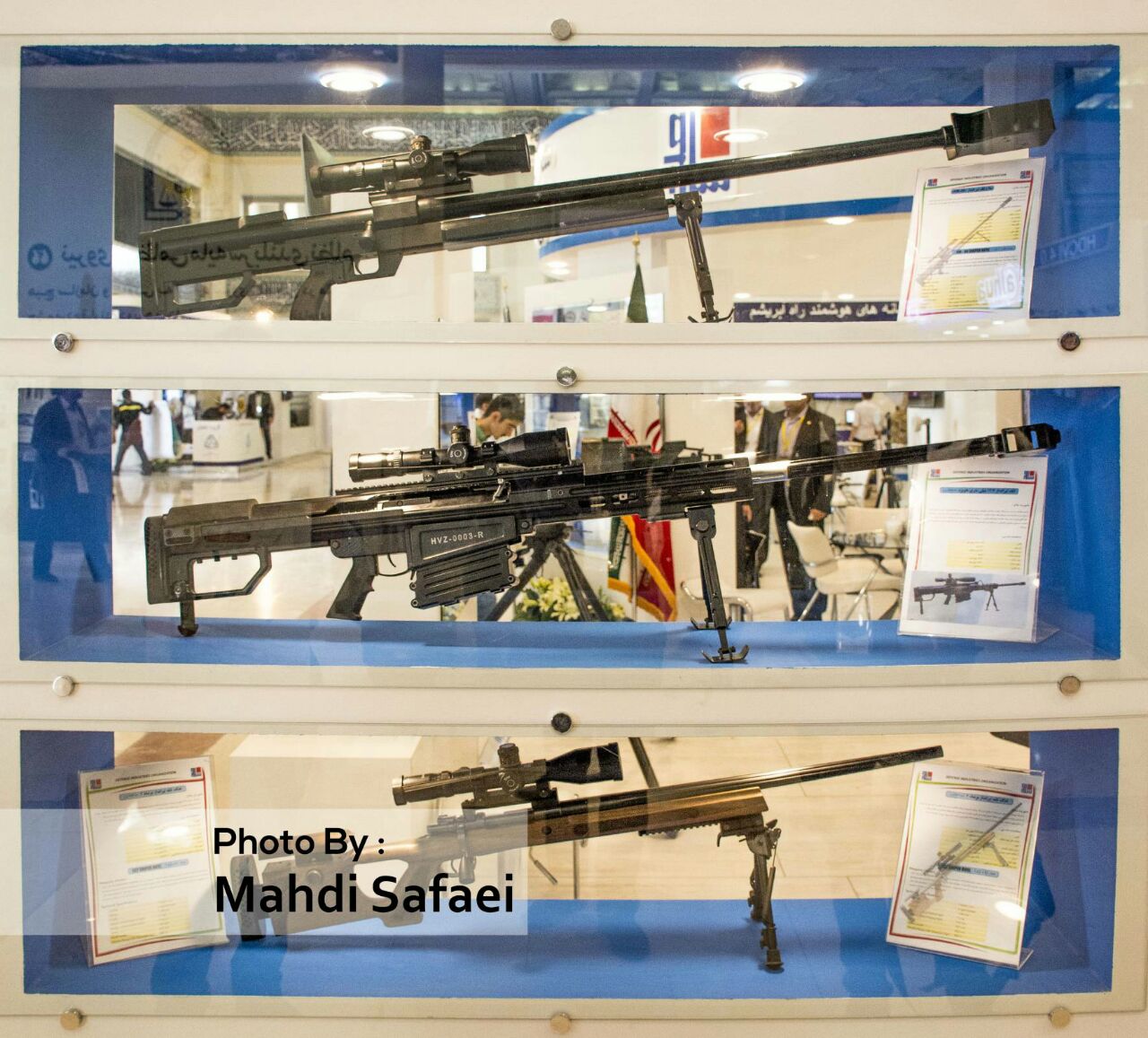
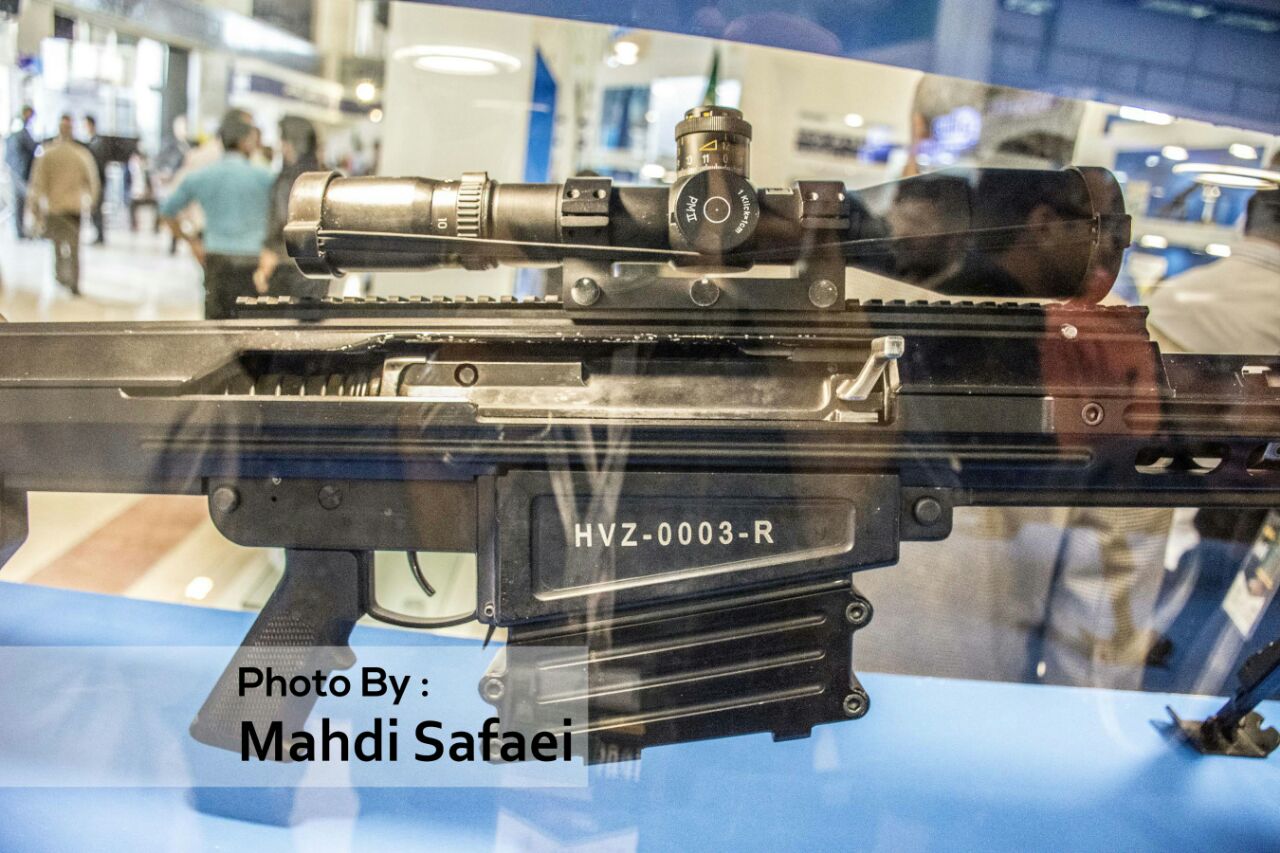
IPAS 2017 in Iran brought with it the introduction of the .50 BMG Hoveizeh anti-material rifle. Thanks in part to a popular Iranian Telegram channel we’re able to take a much closer look at the rifle and exactly what the Defense Industries Organization duplicated, and what was added. From what we can tell, the general layout and operating mechanism of the U.S. Barrett M107 was copied, but some of the exterior features of the weapon weren’t. One difference was the magazine which appears to be a polymer shell held together with screws, not unlike some Airsoft designs.

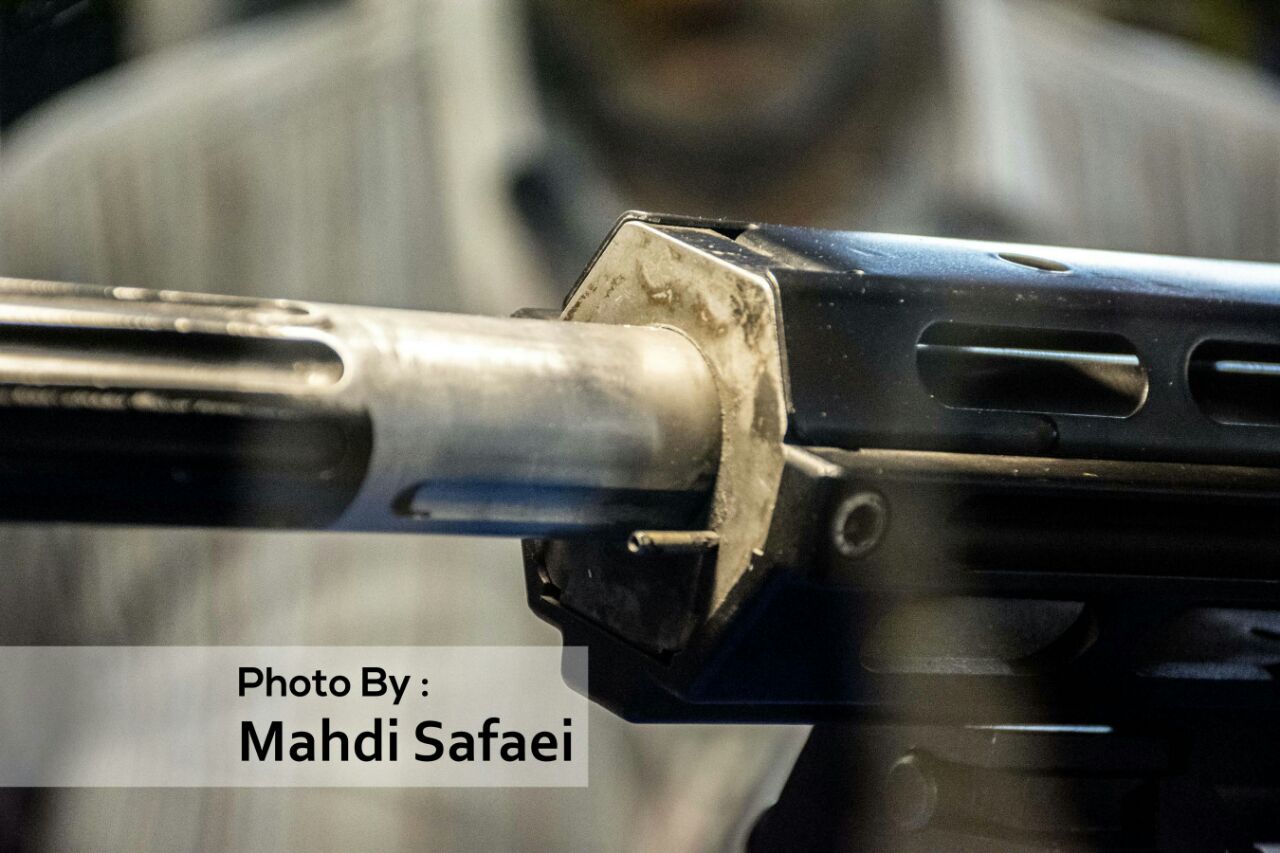
In this photograph the barrel bushing has an extra pin protruding from it that we don’t know the purpose of yet. Notice what appears to be a hex screw holding the upper frame to the receiver. In addition notice the flutes down the barrel.
The sling swivel appears to be on a sliding arrangement where a user might be able to loosen the screws of the swivel and tighten them back down where it fits the best. However, the monopod and rear gripping surface looks to be stationary with the three screws anchoring it to the receiver of the rifle. 
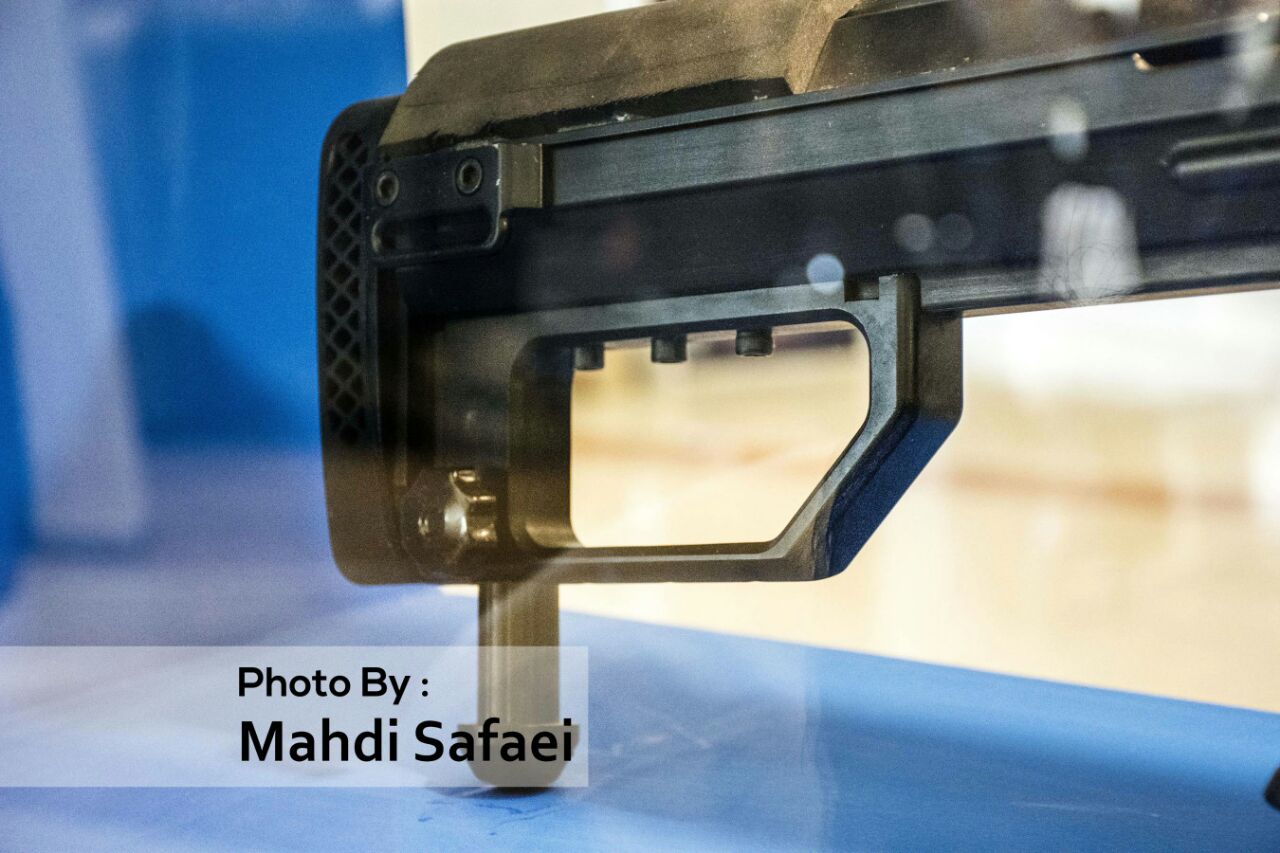
Notice the different bipods mounted on the rifle in the leaflet compared with the bipods mounted at the defense exhibition
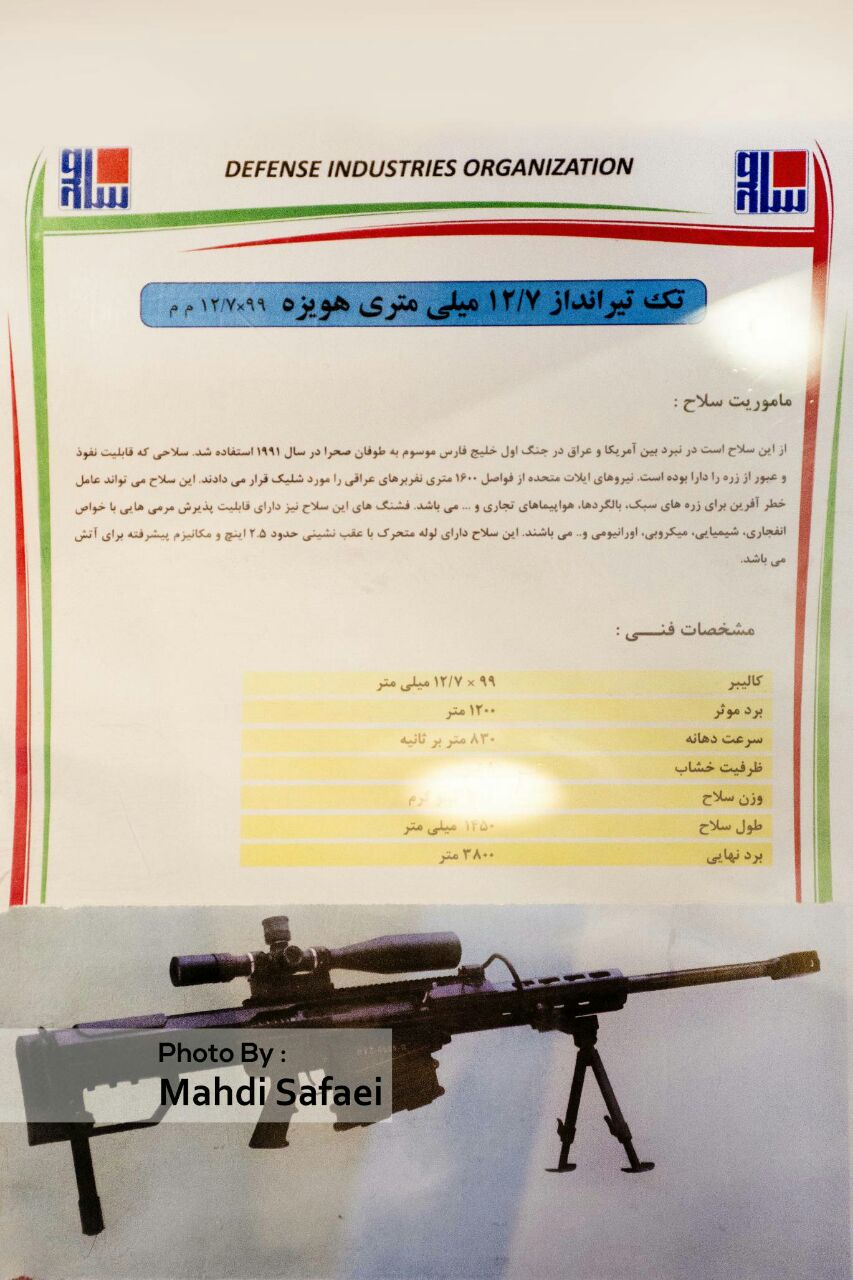
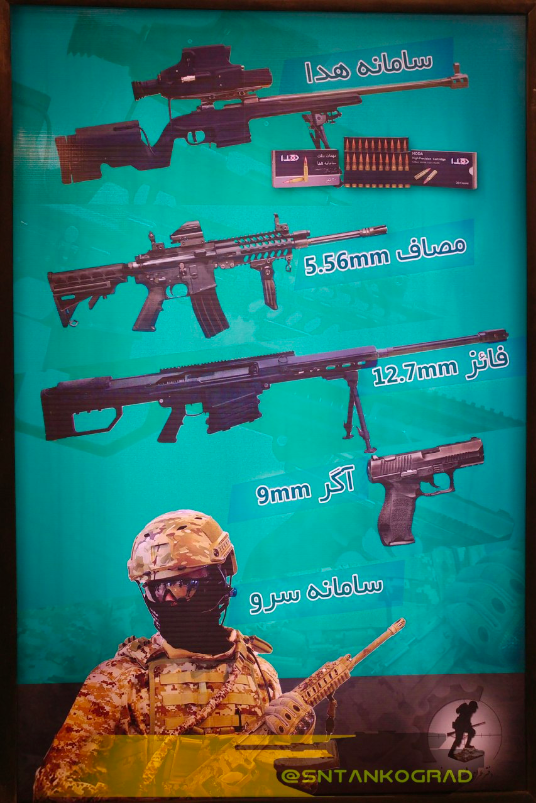
A point of controversy lies in the name of the rifle itself. The majority of online material, show leaflets, and even abbreviated on the rifle itself on the magazine well is هویزه, however in this leaflet we clearly see the name, فائز printed next to the rifle.
Silah Report Has a New Look!

Silah Report recently undertook a massive transformation, moving servers, changing appearances, working out the new kinks. Because this website is personally run, all this had to take place between actual jobs and other commitments. But we hope you like the new appearance, it certainly is much more professional than the previous one.

We will also update the country database. Originally we intended the country database to be an all encompassing snapshot at the small arms history within a particular country. Although ideal in theory, in practice we found out that it was far too much work. Instead, what we want to do now is to maintain the individual country pages, but ONLY concentrate on small arms exported/imported in large quantities into a country, and small arms produced domestically, either under license or designed indigenously. Essentially we want to recreate what World.Guns.Ru, which is fantastically run by Maxim Popenker, but centered around small arms from the MENA and Central Asian region.

The goal of this database is to allow researchers and future writers to be able to reference back to it, so they can historically piece together how a particular small arm came into a country, or where it might have been bought from, and especially in what time period.

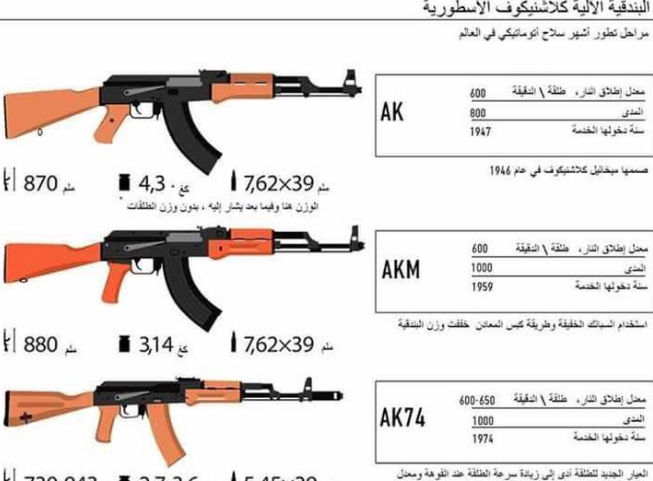
More Kalashnikov Nomenclature Charts In Arabic

Earlier on Silah Report we showcased a number of Kalashnikov and small arms nomenclature and terminology charts in use by Iraqi small arms traders and enthusiasts. Since then we’ve gathered some more material, this time much more Kalashnikov centric. These charts continue to show perceptions of the rifles in use throughout the region and what is available. Although we have similar charts in the United States the unfortunate reality is that many of those charts are tailored to the Kalashnikov civilian market. By observing what Iraqis, Syrians, or Yemenis are concerned with identifying, we can gain a better perspective on what rifles are in the region that people want to know about.


Arabic Guides to Kalashnikov and Ammunition Nomenclature

Much like in the United States Kalashnikov collector or enthusiast market, Iraqi Kalashnikov owners understand the differences in quality between AKs from different countries. The European ones take precedence over Chinese, and Russian variants when original remain supreme and commandeer a premium when it comes to cost.


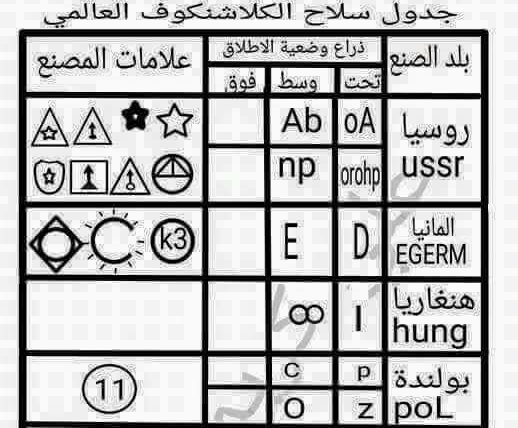
These sets of markings are designating the country of origin stamps in addition to examples of serial number blocks.

While still maintaining the country origin markings, this chart explicitly shows the selector markings as well. Understanding and making sure all the markings add up is very important if a seller is to ensure the Kalashnikov he is purchasing is indeed genuine.

In addition to country of origin markings, these are guides in Arabic to ammunition markings and nomenclature. With the Iraqi flag imprinted in the graphics, the photographs appear to have been edited and translated by an Iraqi enthusiast.