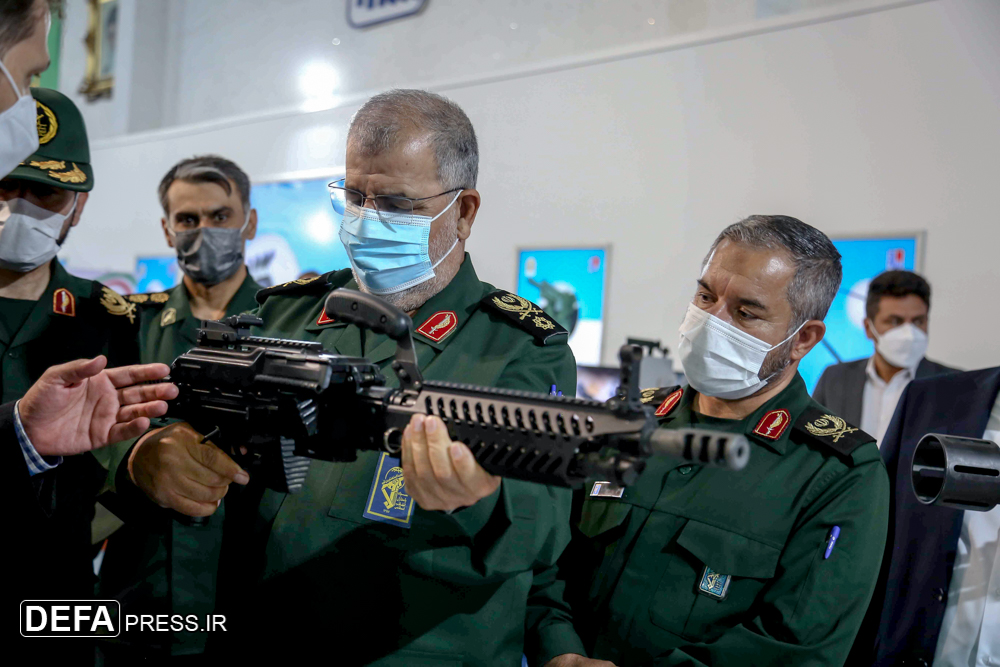
In this second part of our series looking at the Iranian Defense Industries Organization (DIO)’s current offerings we will examine AR-15 pattern rifles, precision rifles, and machine guns. In the first part of this series we examined the origins of Persian and Iranian small arms manufacturing and explored some of the DIO’s submachine guns and rifle offerings.
PKM
Gulf War 30: Captured Iraqi Small Arms of Desert Storm
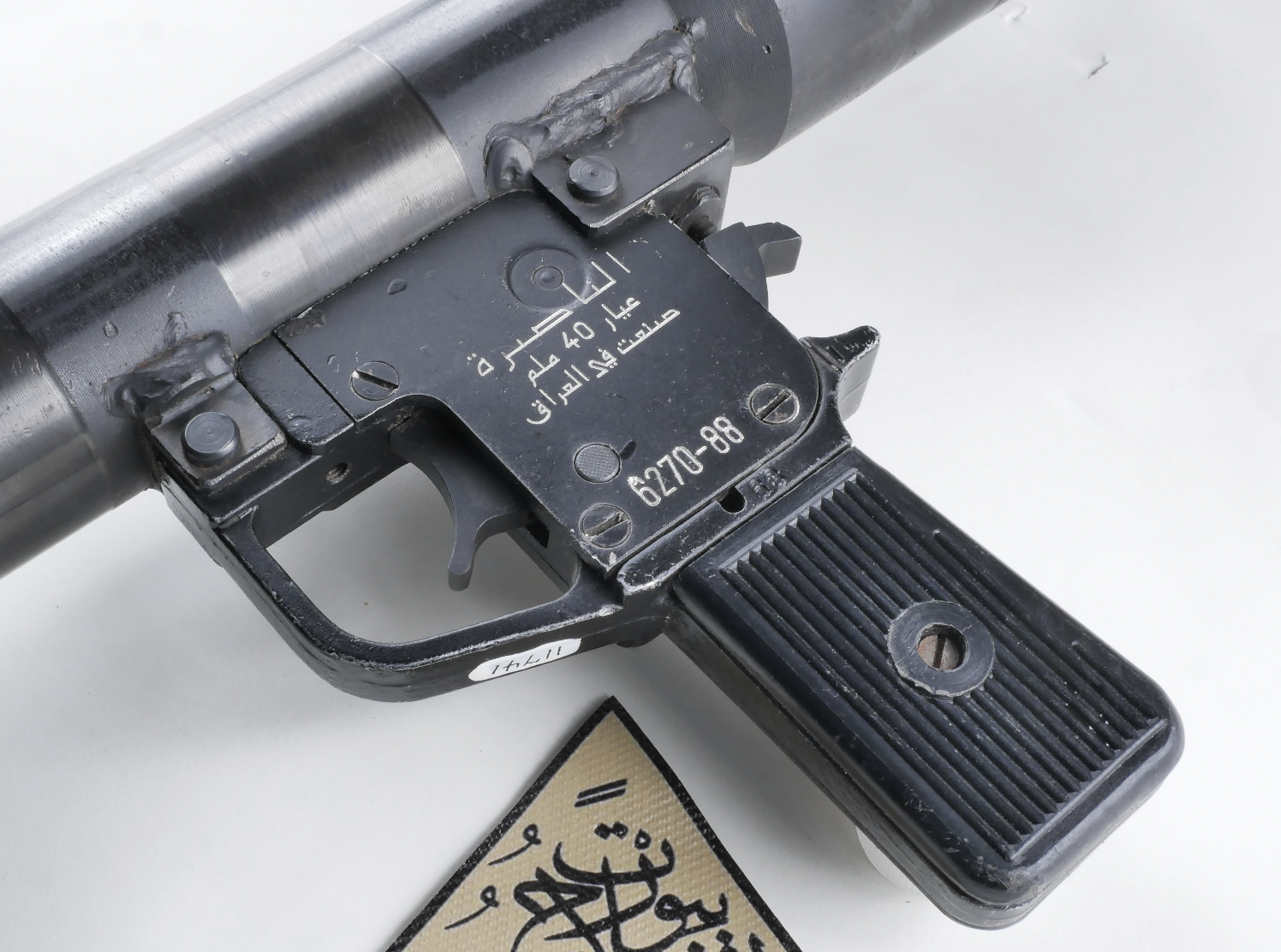
This month marks the 30th anniversary of the Gulf War. A conflict which saw a grand coalition of Western countries, Arab nations and Gulf states unite to liberate Kuwait from the grip of Saddam Hussein. In this article we’ll take a look at some of the small arms and light weapons captured by the coalition forces during the 100 hour ground campaign that saw allied forces sweep through Kuwait and into Iraq before a ceasefire was called on 28th February 1990.
Small Arms of Kurdish Movie: ‘The End Will Be Spectacular’ (Ji Bo Azadiyê)
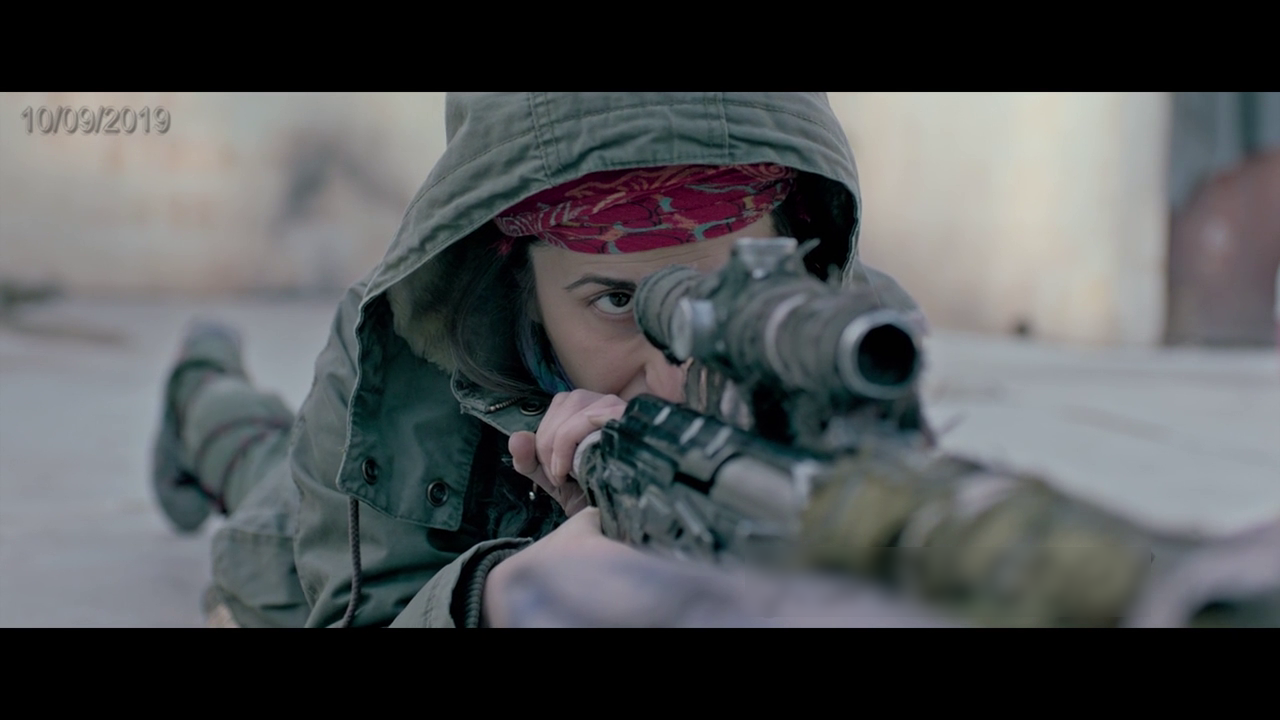
In 2019, a movie called The End Will Be Spectacular (Kurdish: Ji Bo Azadiyê), directed by Ersin Çelik, was released. This film is the first full-length and professional production made in Rojava, in the Autonomous Administration of North and East Syria. Perhaps the most interesting and important detail about the film is that most of the actors are fighters with the Kurdish Resistance Movement who fought against ISIS and the weapons used in the film are real. One of the actors Cihan Sever (Rûbar Şervan), who plays a Kurdish commander named Çiyager in the film, died in the clash with the Turkish armed forces (TSK) on October 27, 2019.
Podcast V27: Gunning in Kurdistan, Kobra Tactical Training
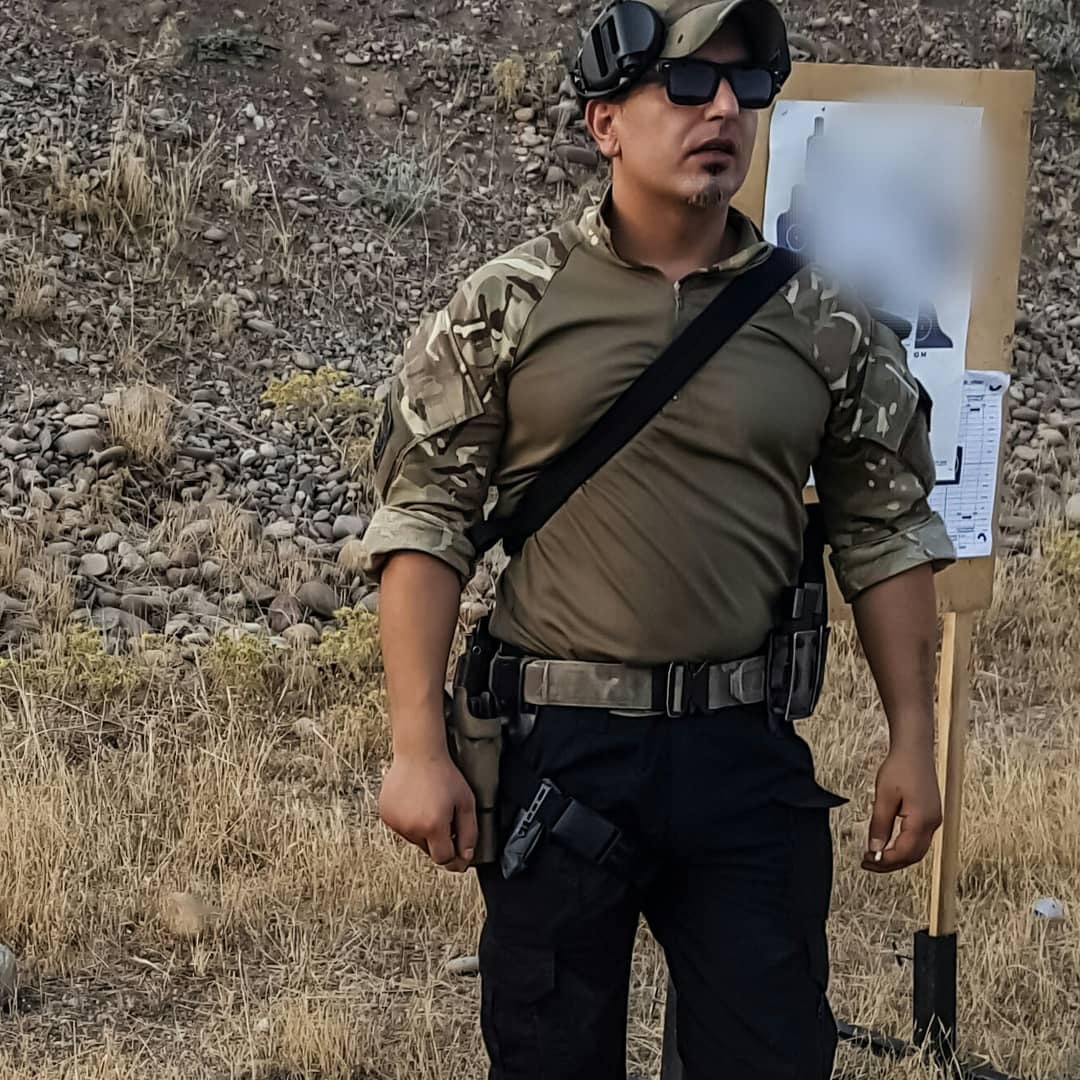
Welcome to the 27th episode of the Silah Report Podcast! We recently had the pleasure of speaking with Hamed, a Kurdish firearm instructor and contractor situated in Erbil. We discussed with him his history as a Kurdish contractor, the environment in Erbil for private security contractors and his project, Kobra Tactical. Through his project, he aims to give Kurdish security forces and shooters a chance to further their small arms marksmanship. He also explained to us the “cultural mindset” of many Kurds and their “resistance to modernization/adoption of better combat tactics”.
Winter Drills of Armed Forces of the Republic of Kazakhstan
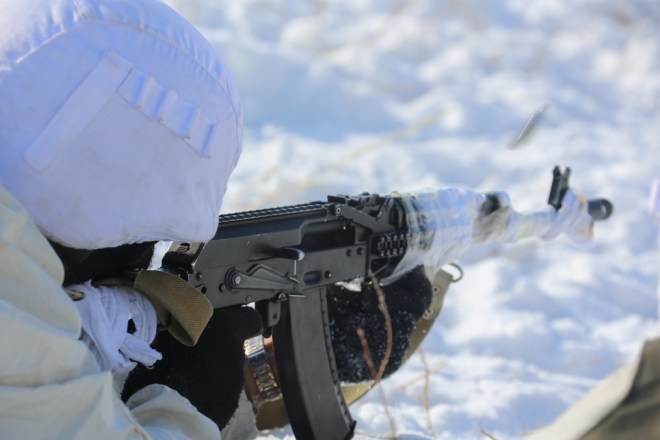
Ministry of Defense of the Republic of Kazakhstan regularly publishes news on their official website. We collected photos from various winter exercises and drills and depicting small arms in the hands of Kazakh soldiers. The units in the photos represent various branches of this country’s military.
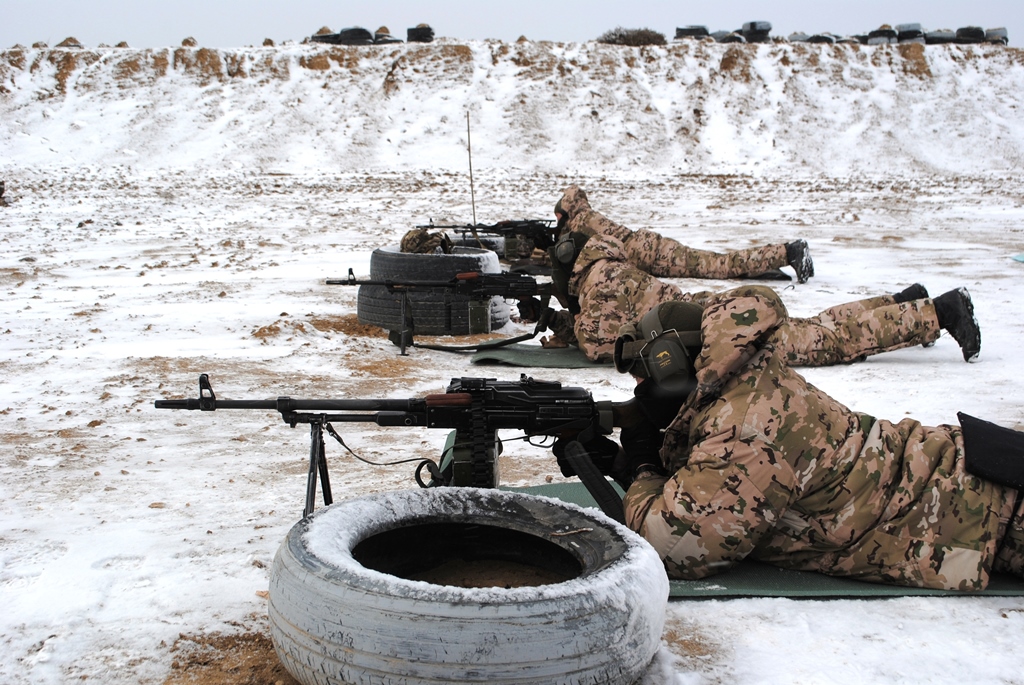
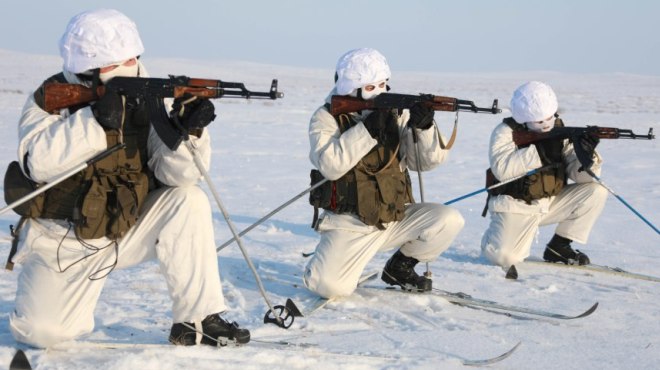
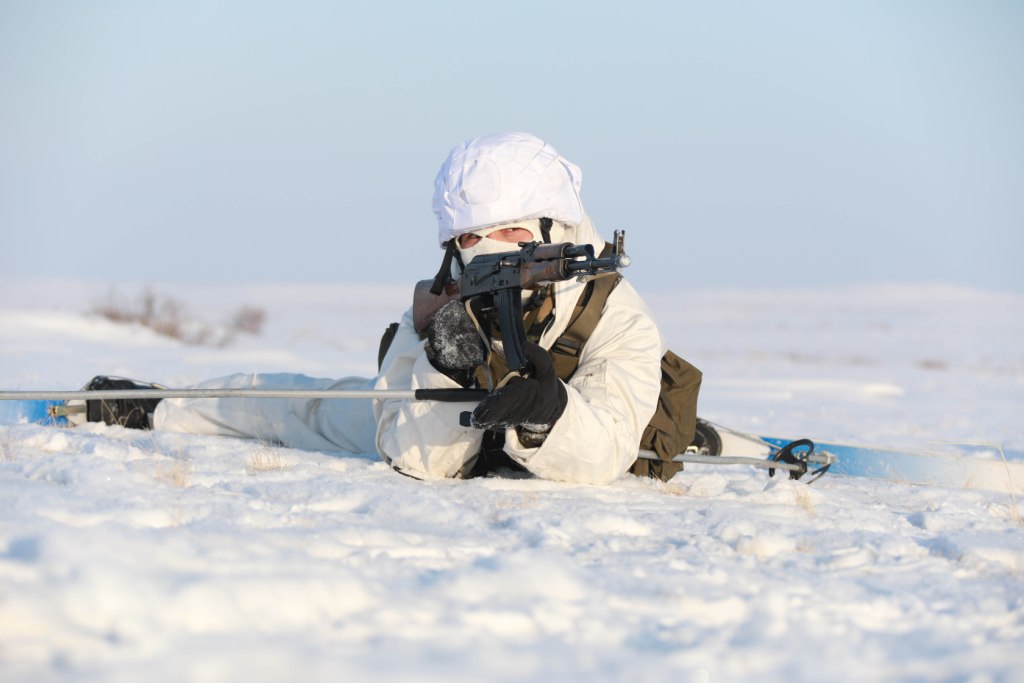
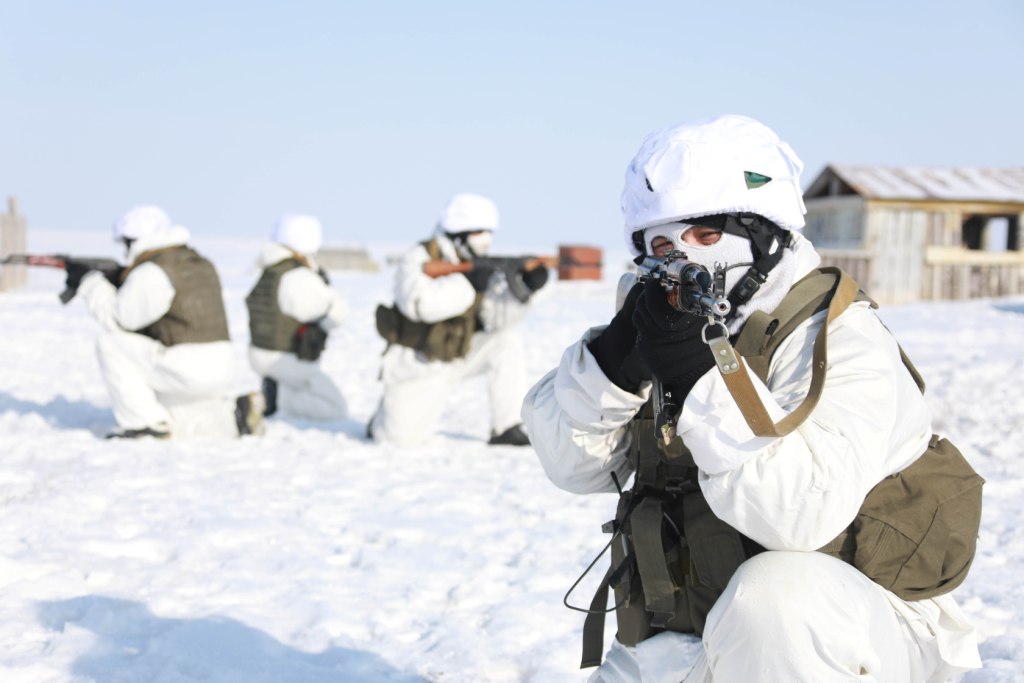
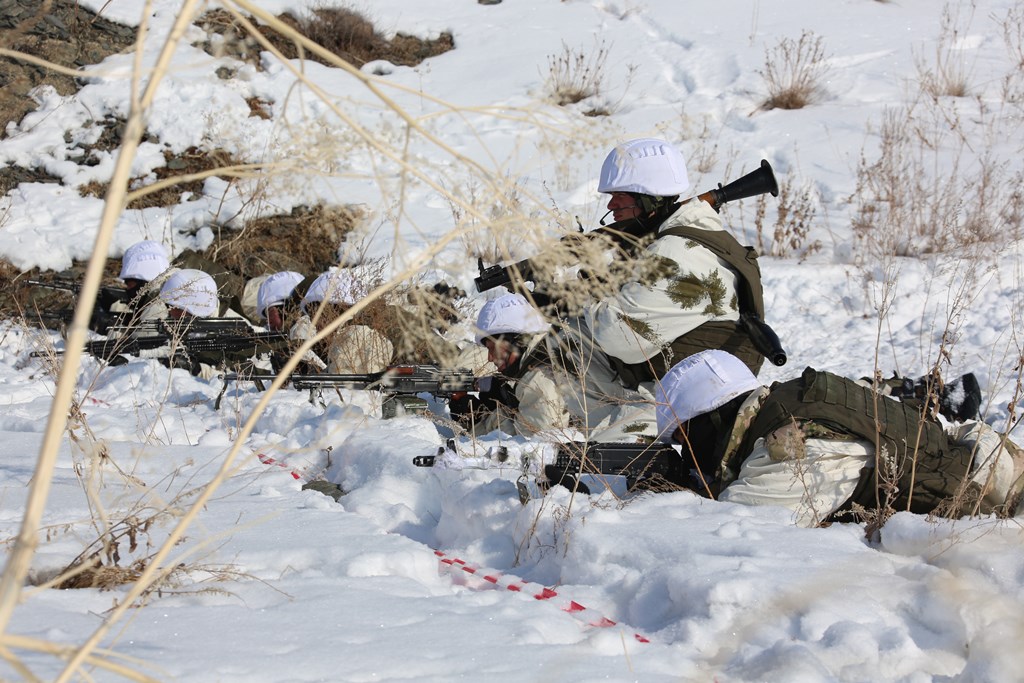
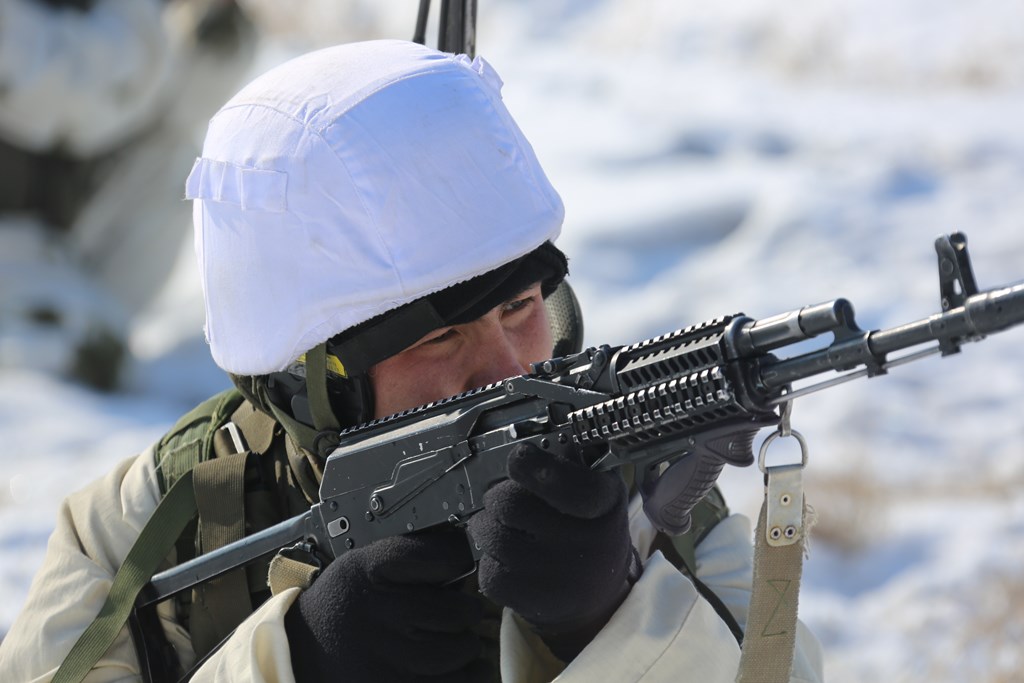
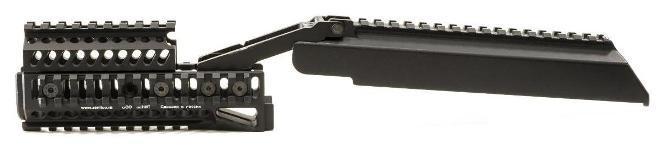
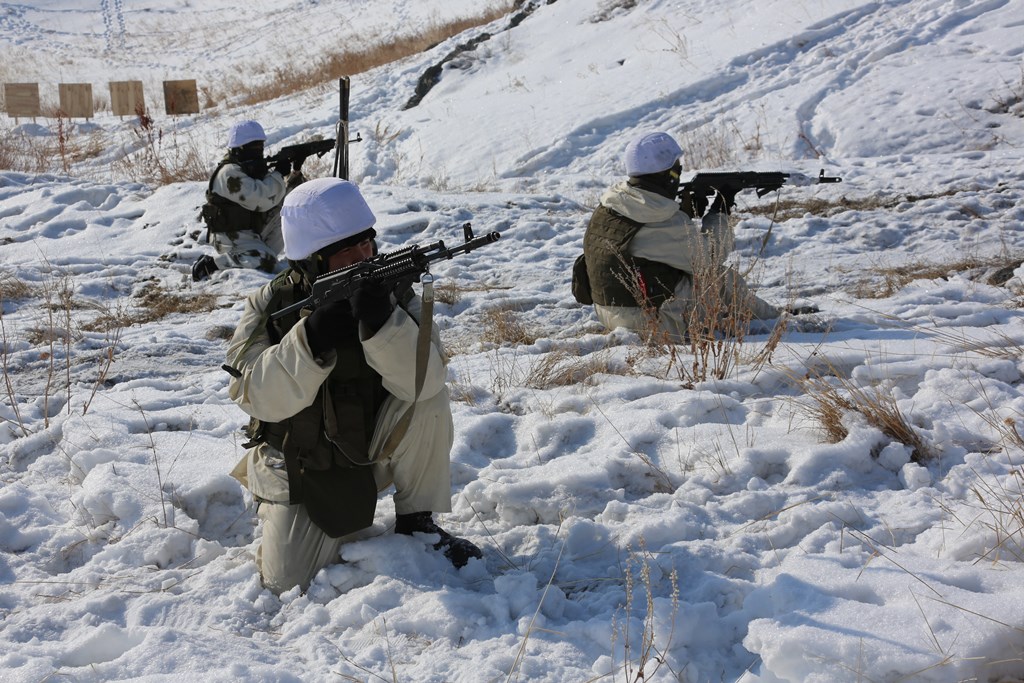
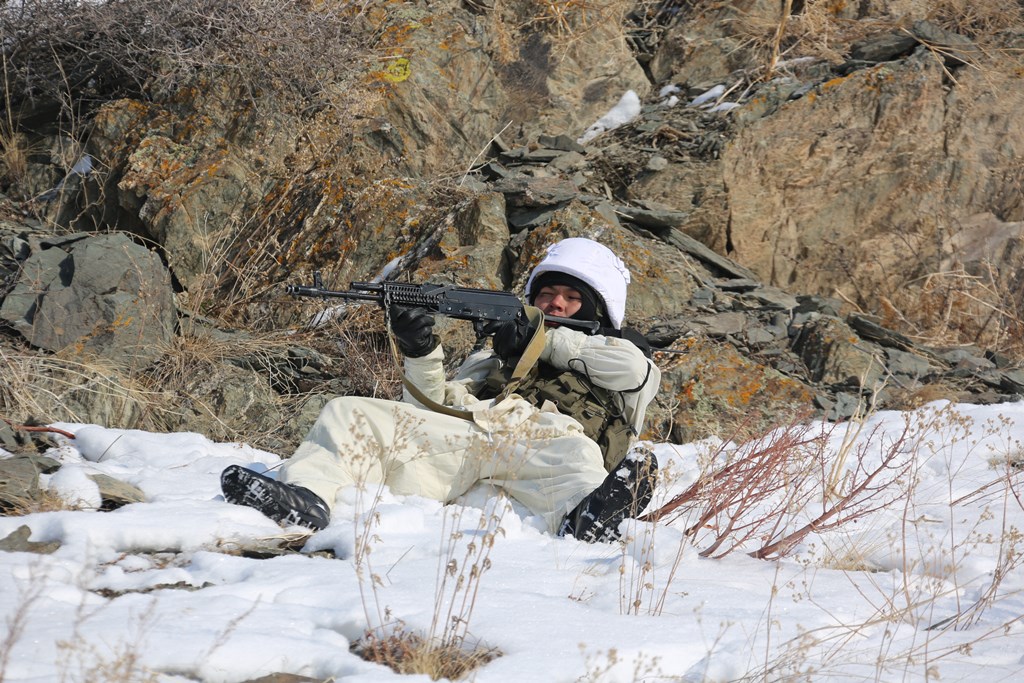
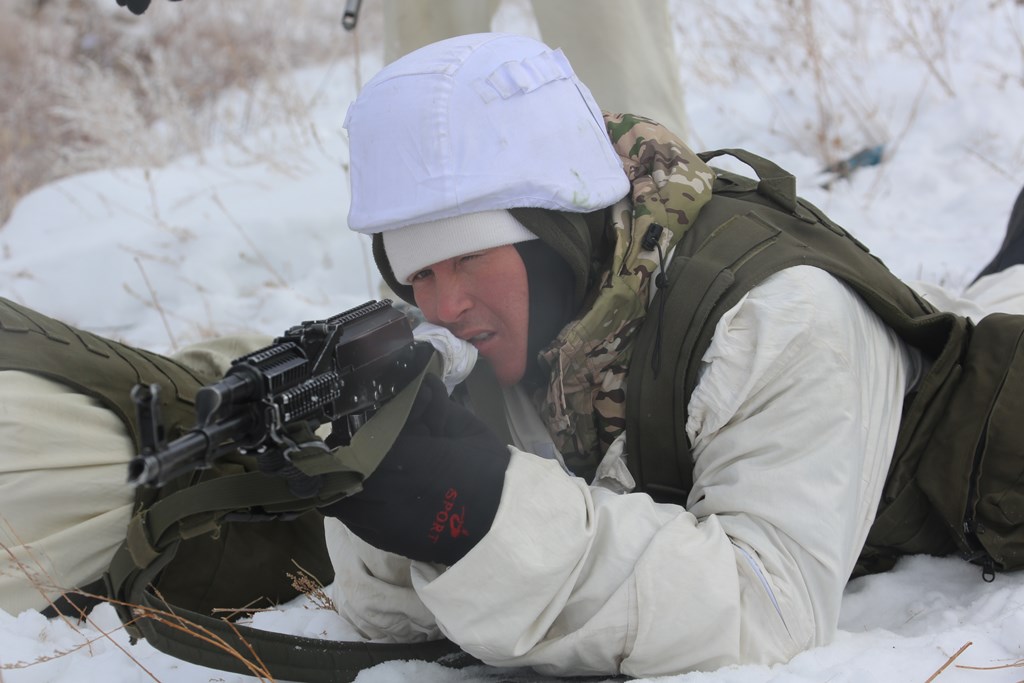
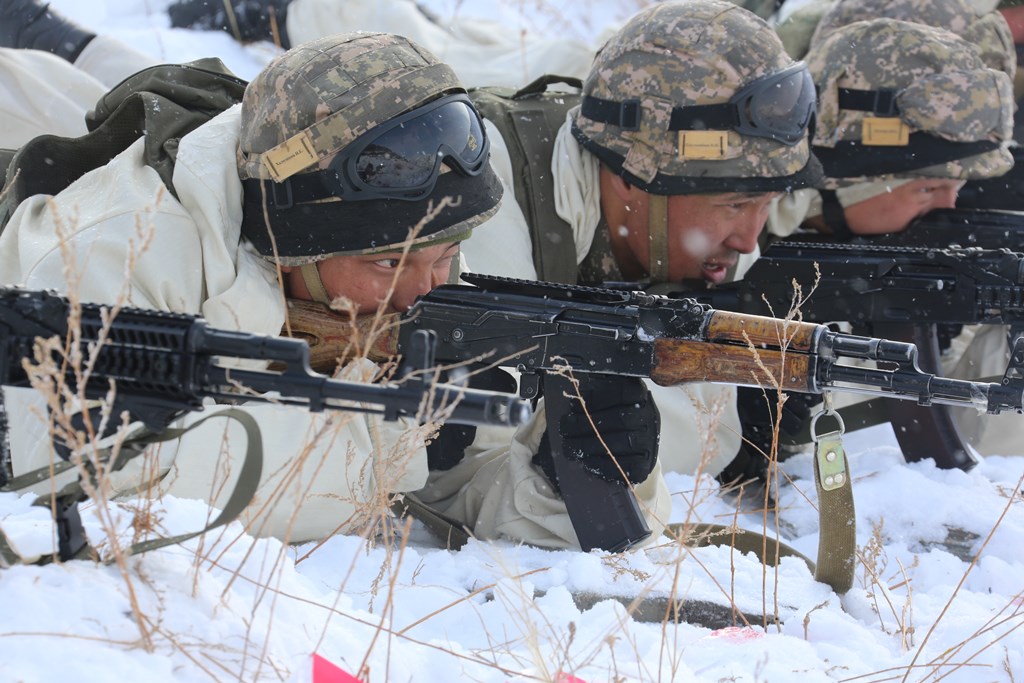
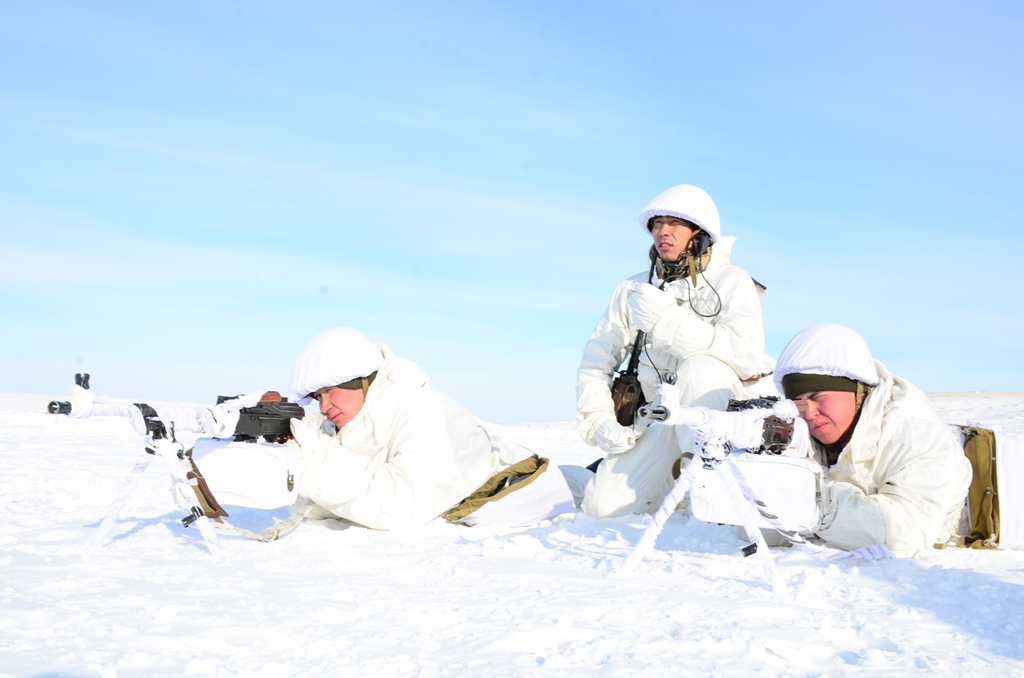
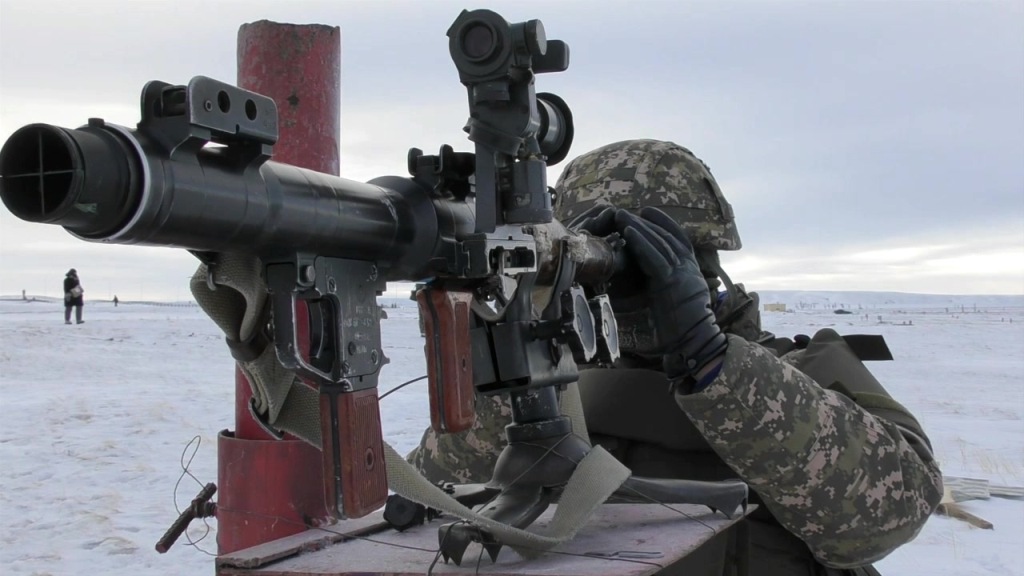
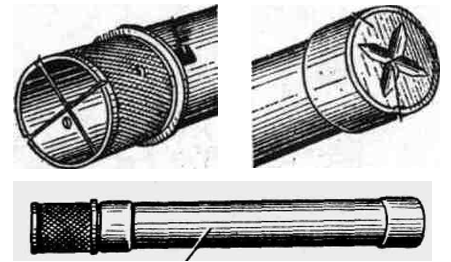
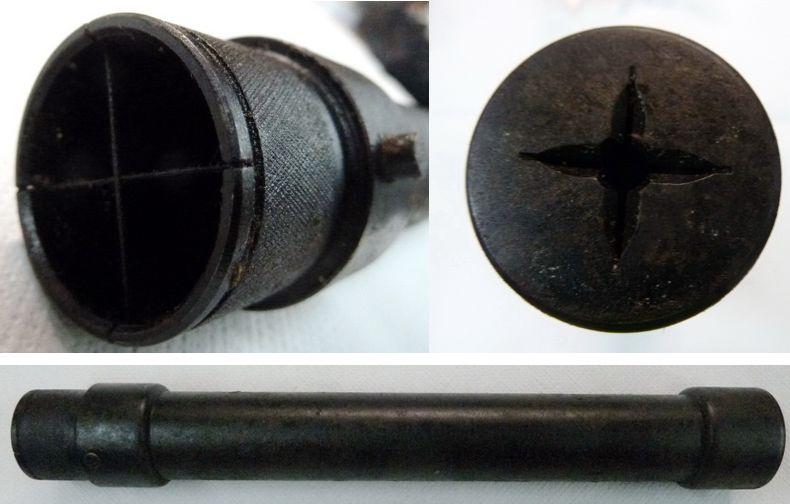
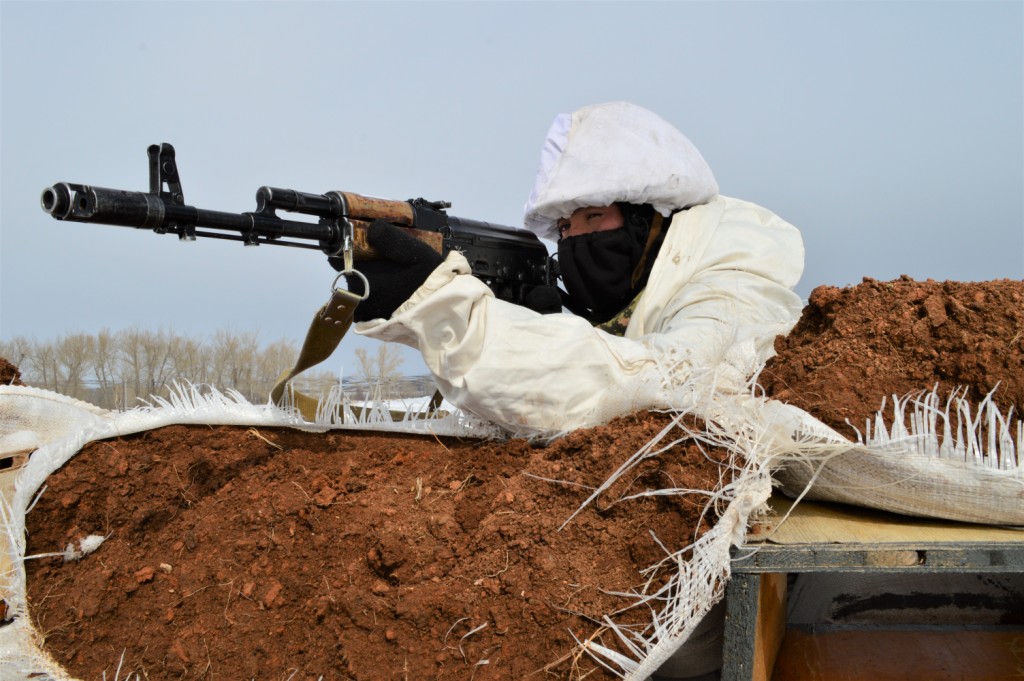
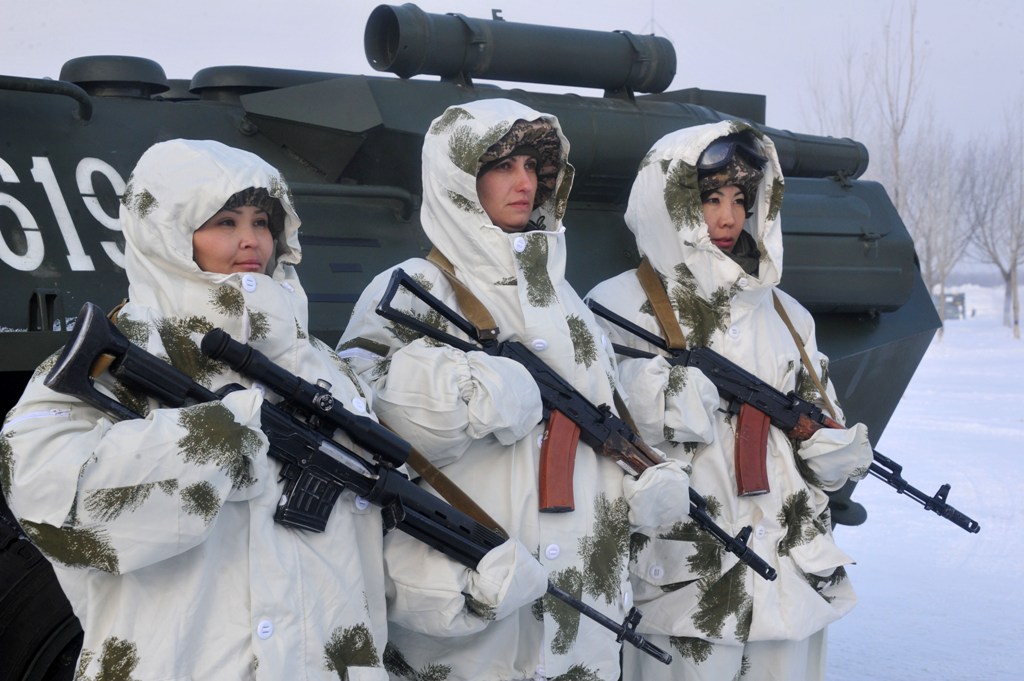
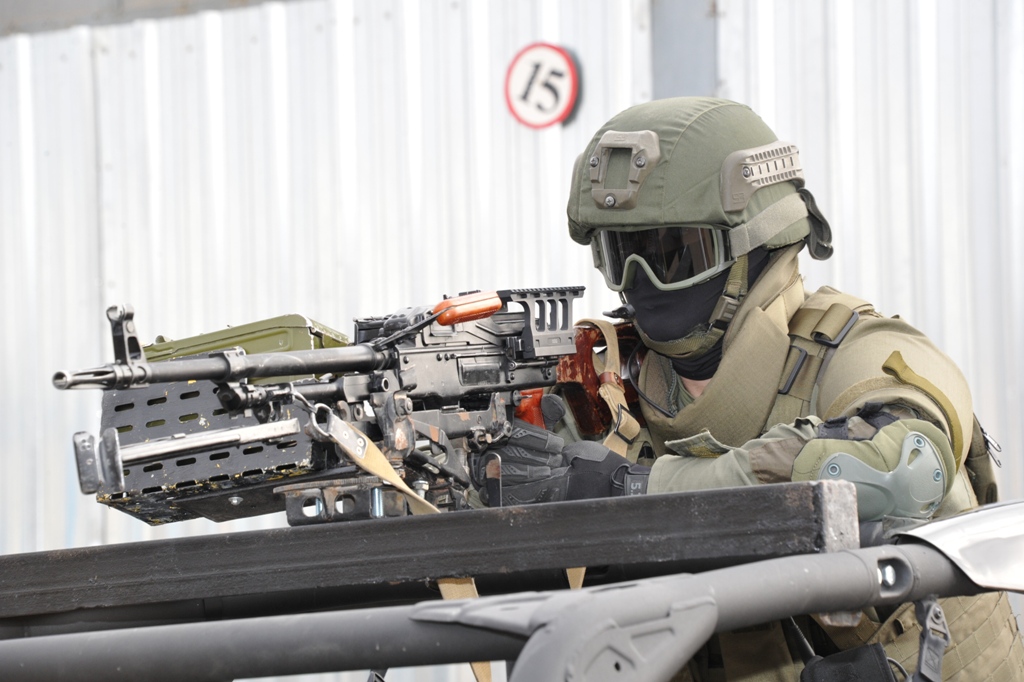
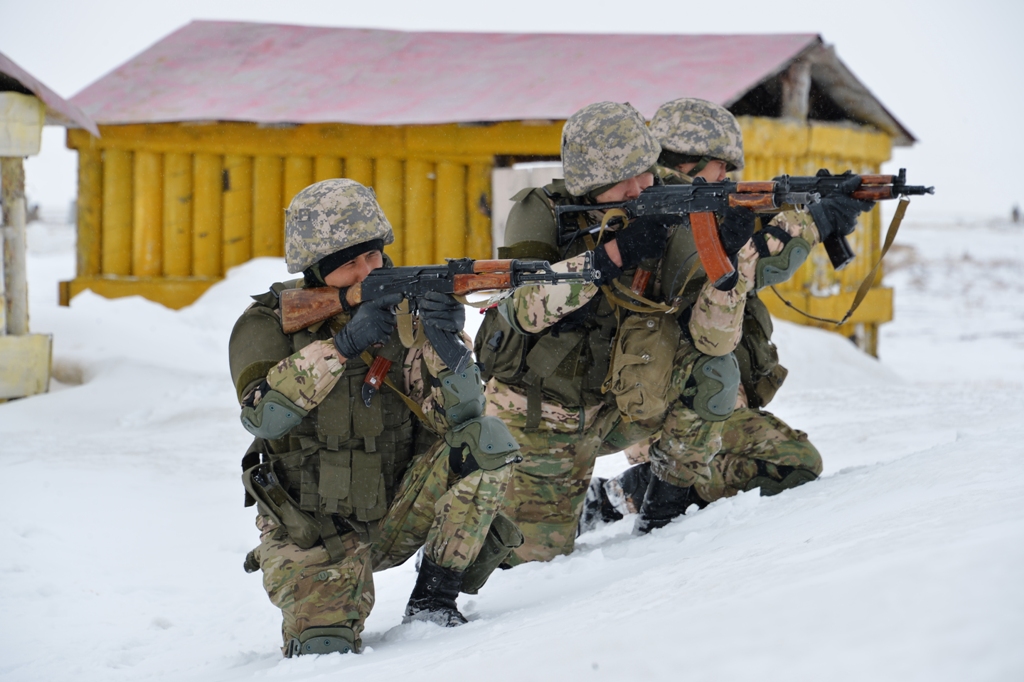
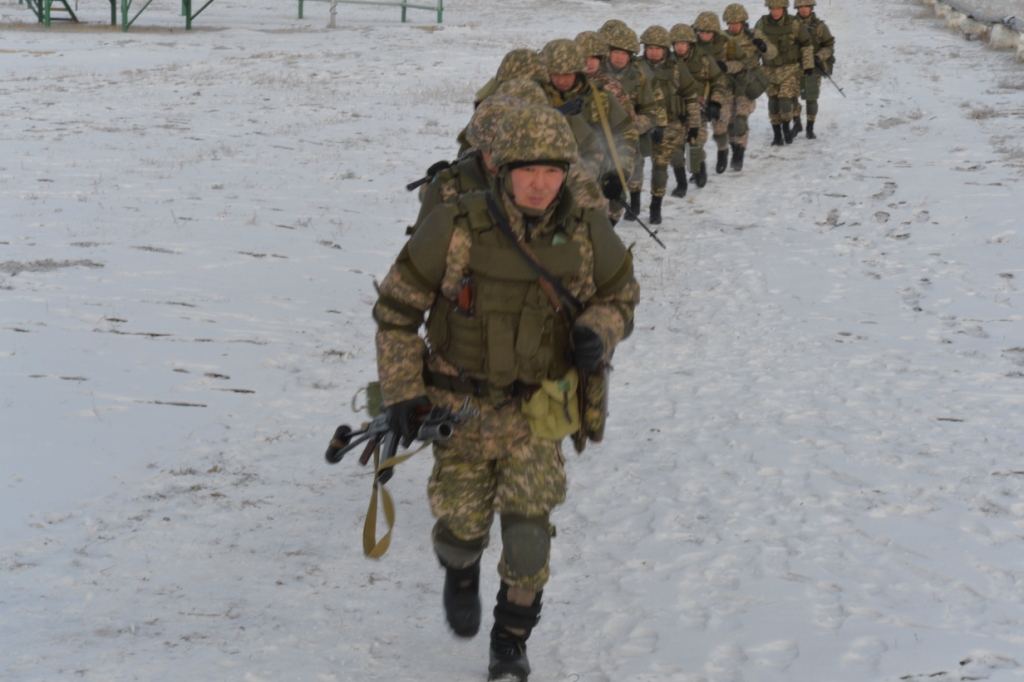
I hope you enjoyed this set of photos. Let us know in the comments section what interesting piece of gear have you noticed.
PKP Pecheneg Machine Gun in Syria
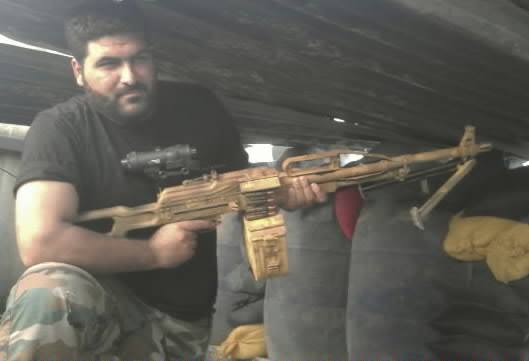
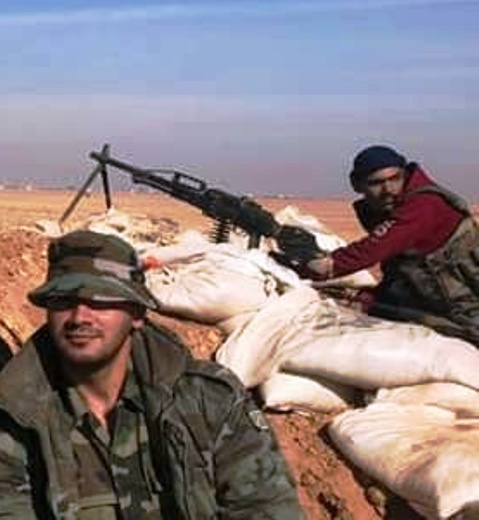
Russian PKP Pecheneg machine gun was earlier spotted in the hands of Syrian Armed Forces soldiers back in 2015. The top image of this article is taken in 2015. Lately, another image appeared in the web (see the image below) showing this machine gun again with Syrian Armed Forces. Reportedly, Pecheneg was acquired by Syria even before the civil war. It was purchased in small numbers to arm some special forces units.
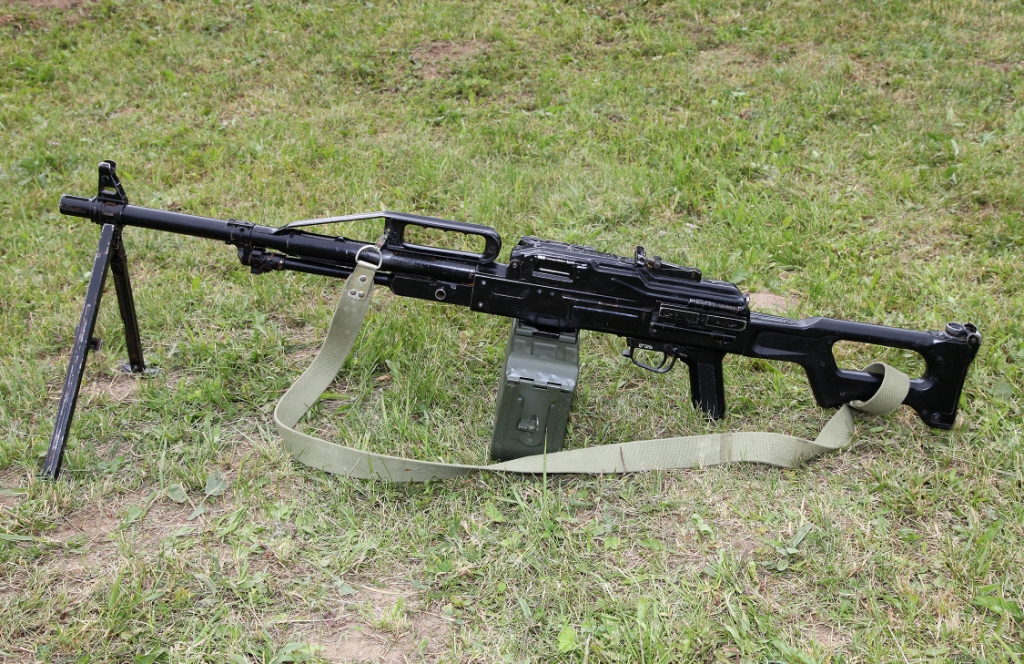
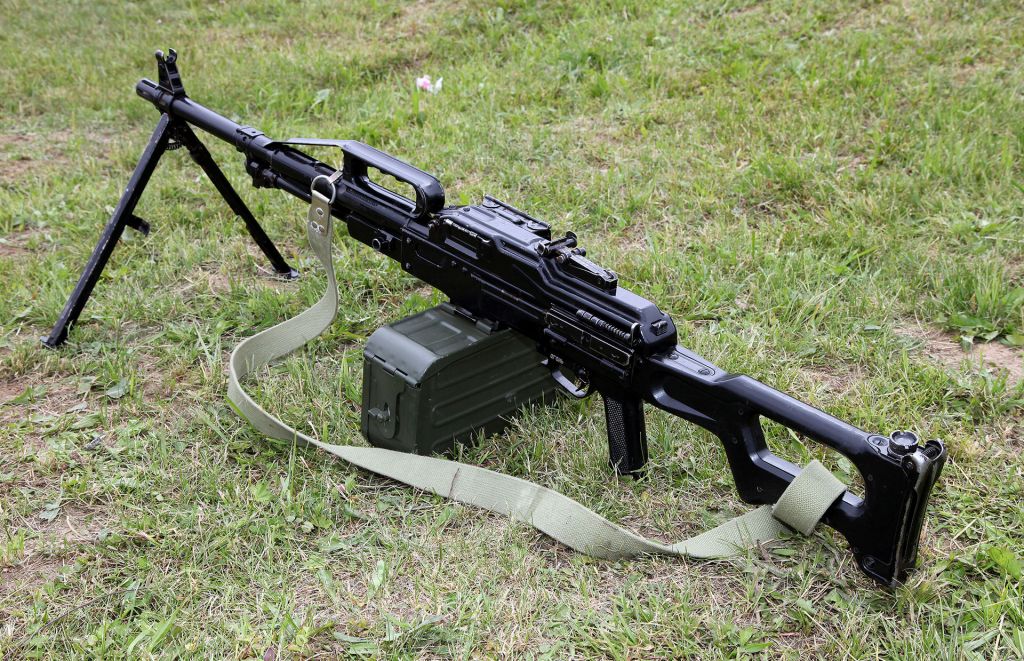
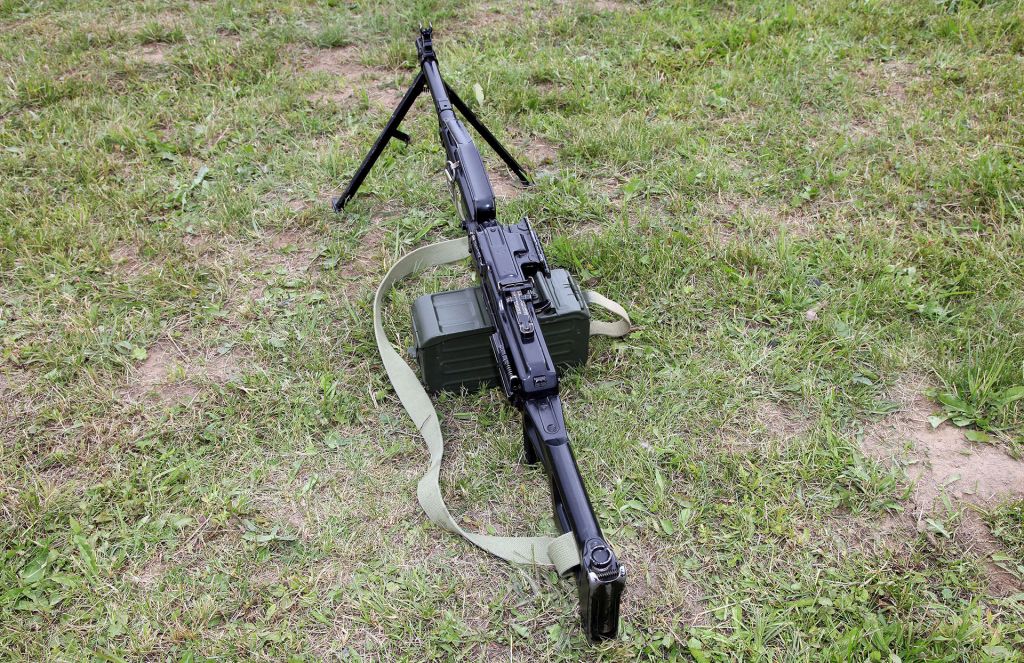
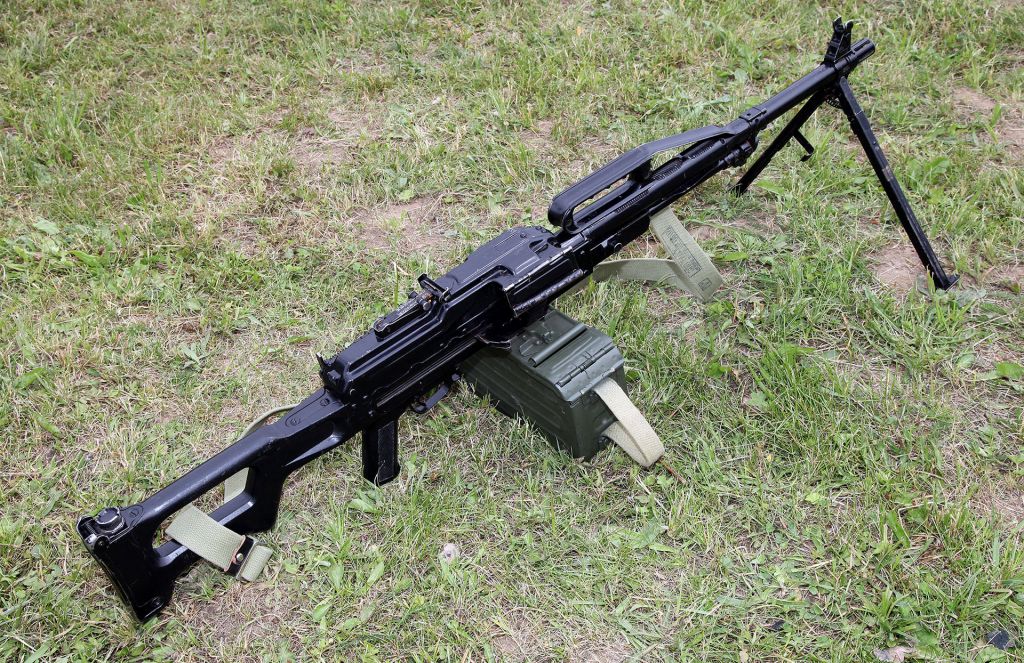
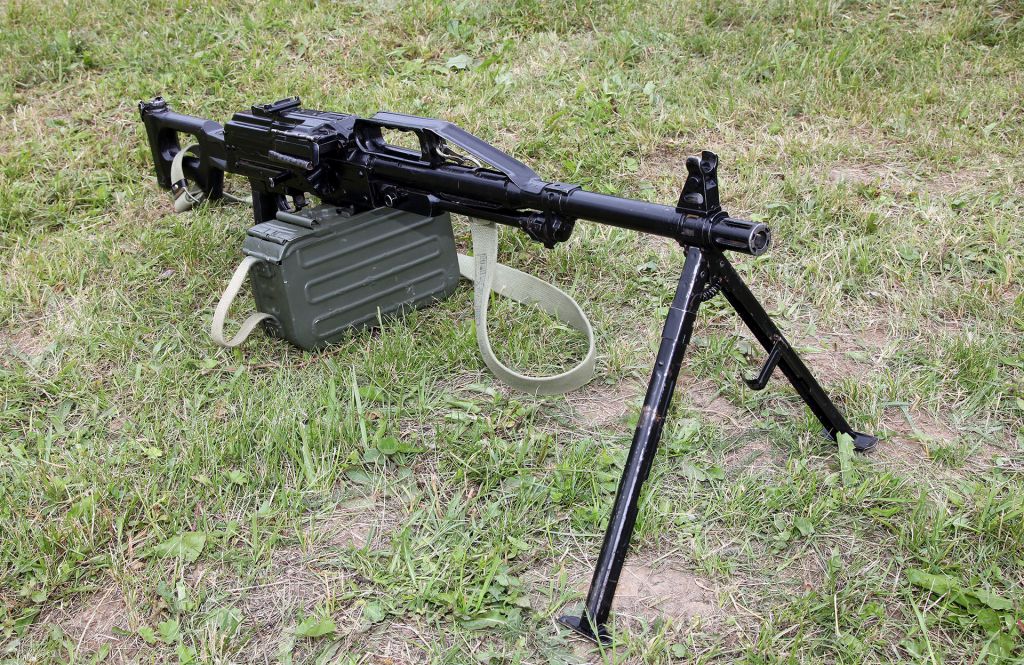
PKP Pecheneg is a general purpose machine gun chambered in 7.62x54mmR. It was designed in the late ’90s by a Russian company called TsNII TochMash. This gun is based on the PKM machine gun. Most machine guns of this category feature a quick change barrel which allows to change the heated barrel in the battlefield and keep shooting the gun with the new barrel. In the case of the Pecheneg, the designers’ goal was to get rid of the barrel changing mechanism without compromising the firepower. To achieve that goal, they had to develop a system that would allow cooling the barrel. They incorporated a forced air cooling system into the design of this machine gun. After each shot fired, the gasses escaping from the muzzle create a pumping effect forcing the air to enter the barrel jacket and pass through its length thus cooling the barrel. The barrel of PKP Pecheneg is also ribbed.
The barrel jacket also reduces the mirage coming from the heated barrel. Another difference from the PKM is the location of the bipod. Unlike the PKM, Pecheneg’s bipod is moved forward to the muzzle – much like it is seen in RPK light machine guns. Despite the described design changes, Pecheneg still has a high rate of parts compatibility with the PKM (up to 80%).
Below are several images of the PKP Pecheneg machine gun.
Analysis of Taliban Firing Positions in OEF
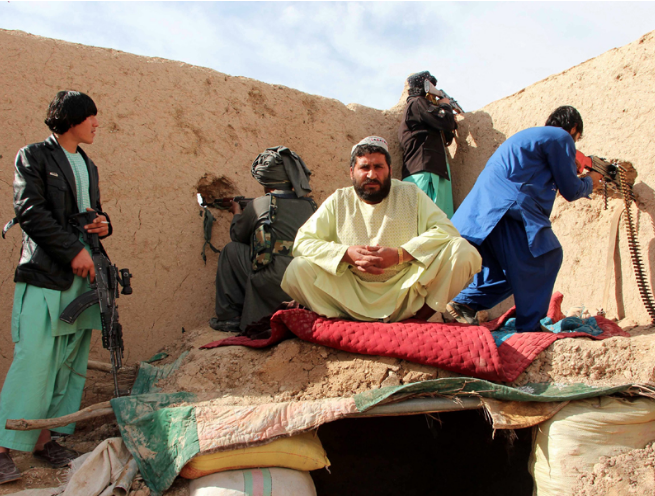
Due to the efforts of ISAF forces during Operation Enduring Freedom, Taliban fighters had to change their tactics constantly to stay tactically ahead of coalition efforts. Because of the reliance on fire support assets and modern armament that much of ISAF could afford, the Taliban in Helmand and Kandahar provinces couldn’t sustain a protracted fight as they could against ANA or AUP positions. Thus the insurgent force had to adapt and overcome. One of the ways in which they employed small arms against ISAF forces was through their usage of compounds and firing positions. Being in Helmand or Kandahar, firing from an open position or fields is almost certainly suicide against ISAF forces because of the lack of egress routes and being cut down. Thus, many Taliban fighters adopted the technique of utilizing “murder holes” as firing positions from compounds. Most of these compounds were taken over from the families that owned them, often threatening them with death if they spoke to coalition forces about the compound’s usage.

Compound/housing structures in rural southern Afghanistan have a number of advantages for maneuver insurgent warfare. Because the walls are made from mud, they can have holes busted through them to use as firing ports, but at the same time can be extremely resistant to incoming rounds, even up to .50 BMG. These compound walls can be anywhere from six feet to twelve feet in height and easily conceal the numerous motorcycles that the Taliban used. Motorcycles are essential for the kind of “shoot n’ scoot”maneuver warfare because of the ease of transportation and the possibility of swiftly getting away from lumbering MRAPs and MAT-Vs along twisting narrow roads. In addition, a single PKM machine gun team could be concealed and broken up among three or five motorcycle driving Talibs. One carrying the receiver, another the barrel, another the ammunition. This way, all three could move to a new firing location discreetly, and most importantly separately.

The Taliban’s worst threat was being fixed in place and destroyed. The force knew that it could not sustain a long drawn out, small arms fight even against a single ISAF patrol. Once their position has become known, the key to surviving a protracted fight is to quickly pick up, mount up, and push to another firing position to further engage the patrol, preferably from a completely different angle than the first one. The problems thus presented to the ISAF patrol were twofold. One the one hand, it would be very difficult to determine the source of the fire, especially if it was from a PKM beyond 400-600 meters. And second, even if the Taliban location was found and positive identification was made, the patrol would have to maneuver around to get into a position to return accurate rifle and light machine gun fire, by which time the PKM position would already be broken down, and repositioned at a completely different angle to the patrol. This entire scenario is also not even taking into account the IED threat that complex ambushes would often be initiated with, thereby adding another layer of complexity to the mix of that ISAF patrol maneuvering.
Firing positions themselves are very well thought out. As an example in the title photograph, typically Talib fighters will use a pre-existing “murder hole” or they will create one themselves as the other photograph shows. Using blankets, they will place them underneath the PKM, and then on the base of the murder hole as well. This way, the ground blanket will catch all the spent shells, and the murder hole blanket will prevent the PKM from leaving black residue on the caked mud. When the MG team leaves the position, all they have to do is wrap up the blanket with shells in it, then use the murder hole blanket to conceal the PKM parts in it and the firing position will appear to have been relatively unoccupied even if an ISAF patrol were to literally get to it after a firefight.
And to conclude this analysis, this a Talib fighter wearing a Marine Corps woodland digital utility jacket!

Note- The title photograph of the firing position is actually of Government ALP fighters, and not Taliban fighters. This photograph was used because it does display what the TTPs that the Taliban utilize.