Adham, Analyst Mick, Daniel Casingena, Vladimir, and Miles talk about Egyptian small arms in the NFC Pattern Room in Leeds, mind-boggling Kalashnikov stocks and even a North Korean Type 68 rifle for sale in Idlib.
Military/LE
Egyptian Maadi and Polish Kbk-AKMS Arabic Rear Sight Markings
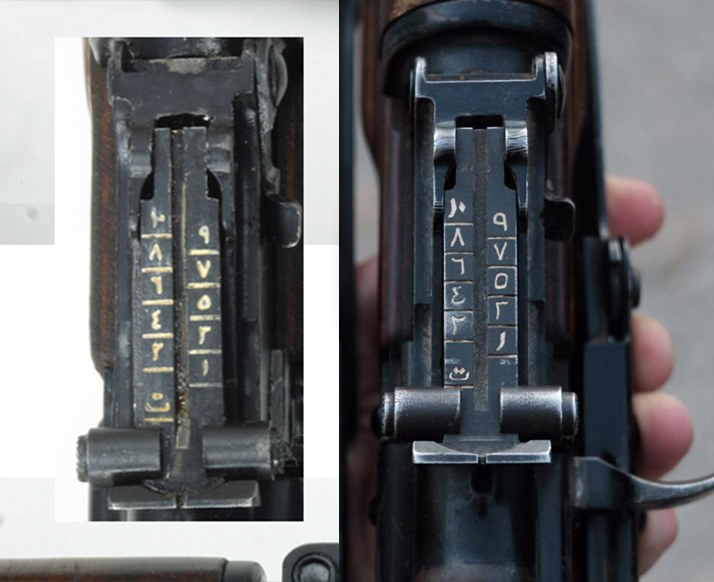
This article was recently spurred to fruition by the submission of a reader’s photograph taken in the city of Ar-Raqqa, Syria. The subject of the photo features a prominent rear sight base of an AKMS-patterned rifle with Eastern Arabic numerical markings. Important to our discussion is the origin of this particular rifle because one would be led to the conclusion that from the photograph alone, it might be an Egyptian 7.62x39mm Maadi rifle from the rear sight markings. However, our source on the ground informs us (albeit without photographs) that the rifle is in fact of Polish origin with the “Circle 11” marked trunnion. This post will explore the difference in rear markings between Polish export KbK AKM-patterned rifles and Egyptian Maadi rifles, in addition to looking at some of the U.S. reproductions. The importance of comparing these rear sights is that these three varieties are some of the only major categories of Kalashnikov-patterned rifles with rear sight designations in Eastern Arabic numerals. Unlike Western Arabic numerical font stampings, the fluid curvature found in Arabic-based fonts across the world allows for a greater degree of variety and thus gives us easier clues for identification based on rear sight range designations.
When Uzi Won- The Story of the Forgotten K-12 Prototype Submachine Gun
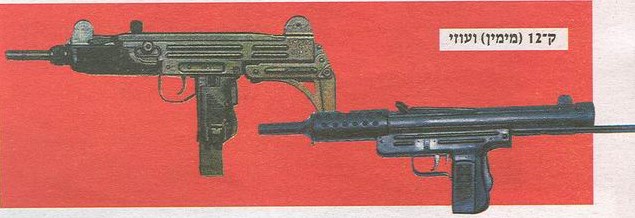
It has been the most successful and recognized submachine gun of all time. The Uzi has been sold more than any other small arm of its type and its bulky silhouette has become a cultural icon.
Silah Report Podcast Vol.1: Kalashnikov Heat Treatment in Darra, Egyptian Hand Grenades
Welcome to Silah Report’s inaugural podcast! Today we had Hrachya, Adham, Abdullah, Vladimir, and Miles discussing everything from barrel heat treatment in KPK to obscure Egyptian hand grenades.
The podcast can be listened to here on Soundcloud, but stay tuned here and follow along because we share a number of the images that are being discussed in this post.
Book Review: Desert Sniper by Ed Nash
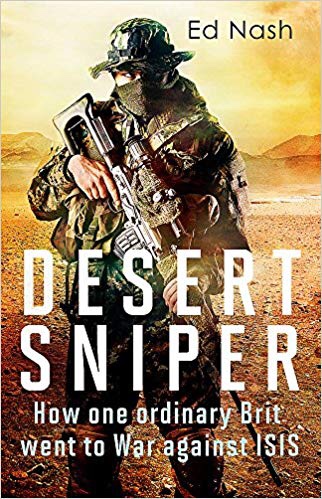
Desert Sniper follows British citizen turned YPG/SDF foreign fighter volunteer through his experiences fighting with the SDF in Syria during 2015-2016. Ed was motivated by his desire to go and fight an enemy that none of the world seemed to care too much about fighting, which at that was the so-called Islamic State. Once he got into northeastern land mass in Syria known as Rojava, he actually became a sniper for the SDF, supporting SDF infantrymen in such campaigns as Hasaka, Shidaddi, and finally in Minbij where he ended his service in Syria.
PKT Coaxial Machine Gun Modified for Infantry Use
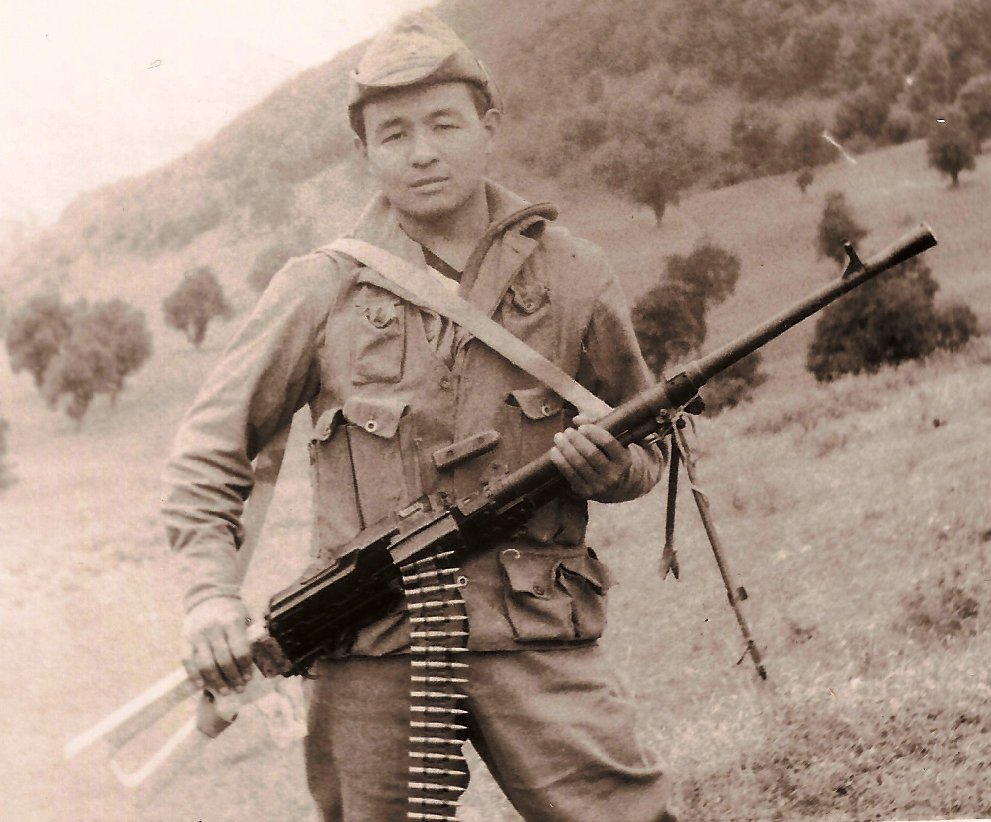
If you visit the Russian Wikipedia page about the PK machine gun, you will see a rather interesting image (see above) showing a soldier who holds a rather unusual “homemade” conversion of the PK machine gun. According to the article, the soldier on the picture represents the Artsakh Republic Defense Army. The picture was supposedly taken in 1992 during the Nagorno-Karabakh War.
Vantage View of the Kabul Arsenal
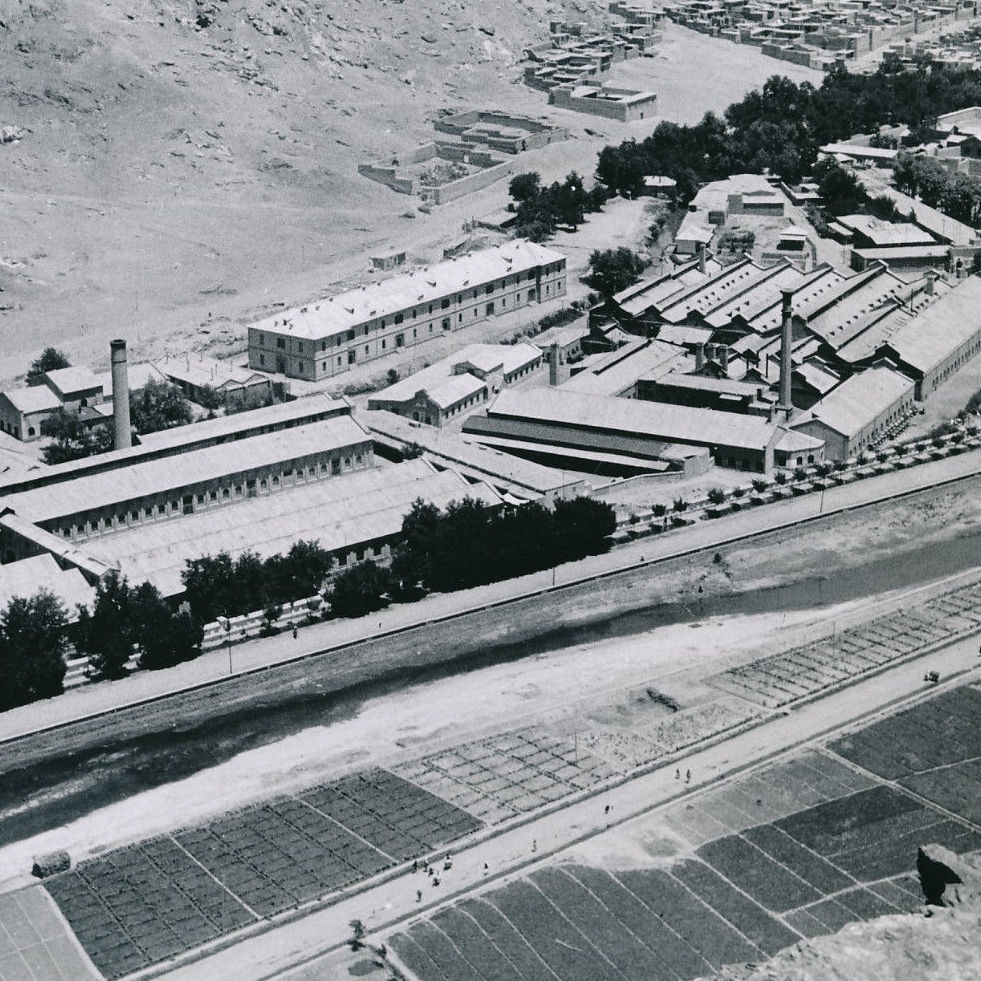
In a post for The Firearm Blog, we were able to find a photograph of the Kabul Arsenal from the late 1800s. In trying to locate the arsenal through the photograph, we actually were able to replicate the photograph today by climbing up “Kohe-Asmayee”, the hill that lies across the Asmayee River from the Kabul Arsenal.
The Arms Smuggling Hub of Egypt: The South
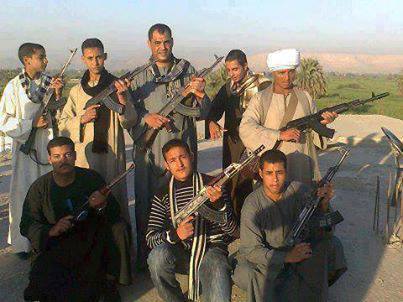
The southern region of Egypt is known for its green pastures lying on both sides of the Nile River, Abu Simbel Temple which tourists from all over the world travel to see, Lake Nasser that was formed by the Aswan High Dam, Luxor’s Karnak Temple. Valley of the Kings and so many more. Yet, there aren’t many tourists who would venture out and try to deal with the local inhabitants, who have their own unique Egyptian Arabic dialects, own unique traditions, and culture, which separates them from the dwellers of Cairo, Alexandria, and Northern Egypt.
Afghan SOF small arms photo essay
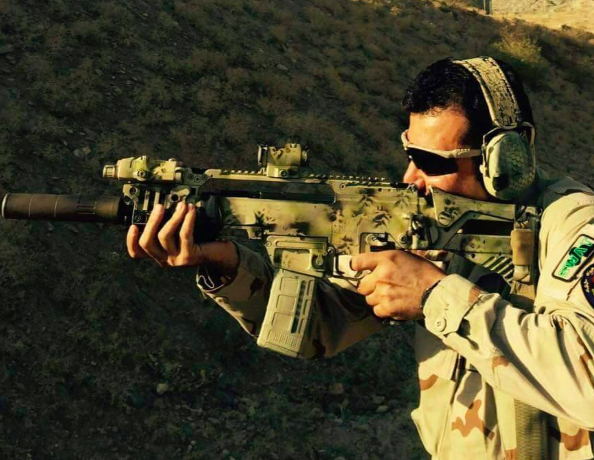
This essay originally appeared in December of 2015 on The Firearm Blog.
This post is about the Afghan SOF community, or at least what they want to allow to show us on their official Facebook page. Apart from browsing through pictures of “Commandos” (all the red patches in the photos are their official insignia, MARSOC wore it in Helmand), I’ve worked with them in Helmand.